System & Power Cables
How to choose system & power cables
Sub-type fit
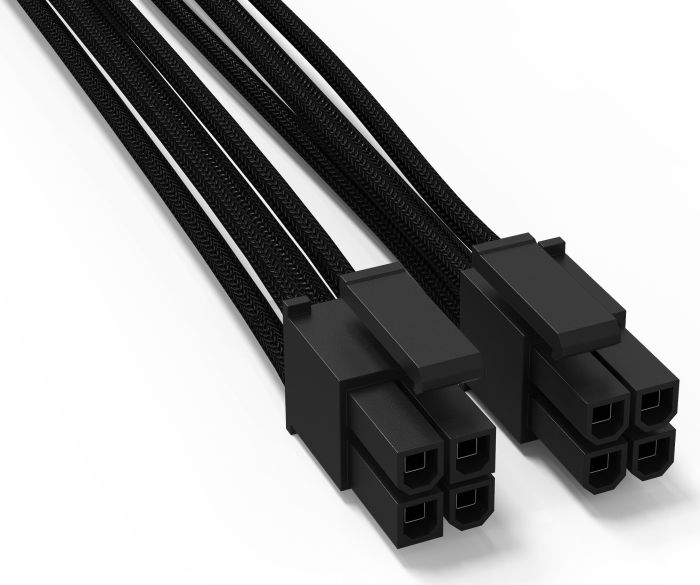
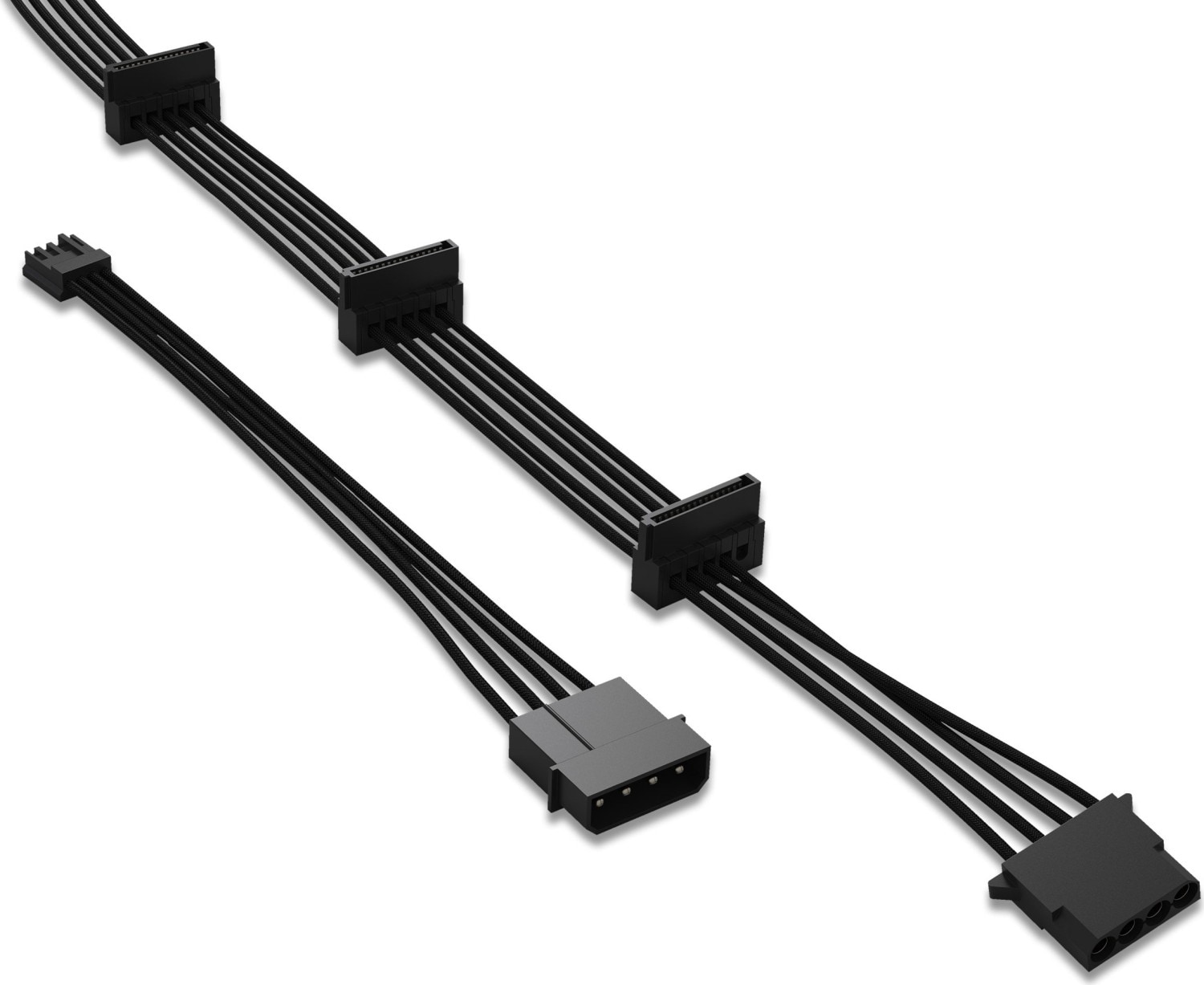
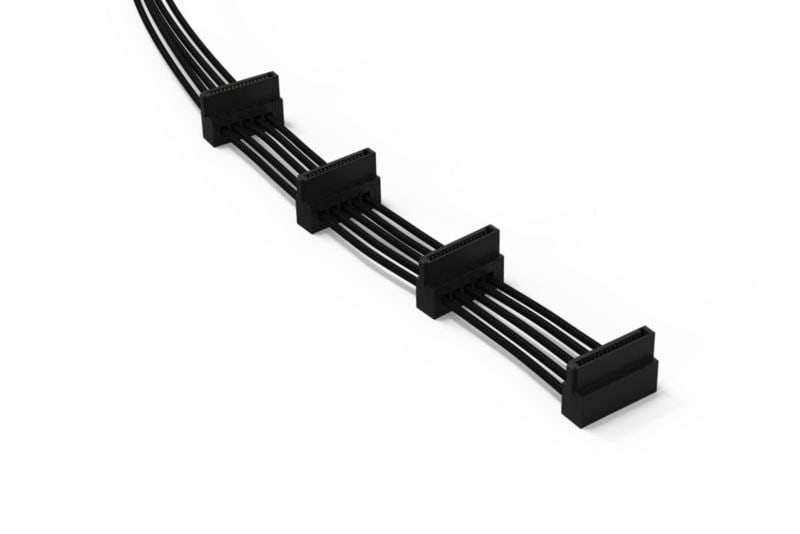
Choose Systems & Power Cables for exact connector needs, or Cables for more general use.
Material choice
Material matters: copper conducts best, plastic/metal keeps weight low, nylon adds flex.
Colour planning
Colour is practical, not just looks; red or orange traces faults faster than black.
Accessory vs part
Electronics Accessories suit breadboard work, while Electronics suits fixed installs.
Jacket selection
Match shell type: silicone for movable parts, metal for static mounts.
What's good
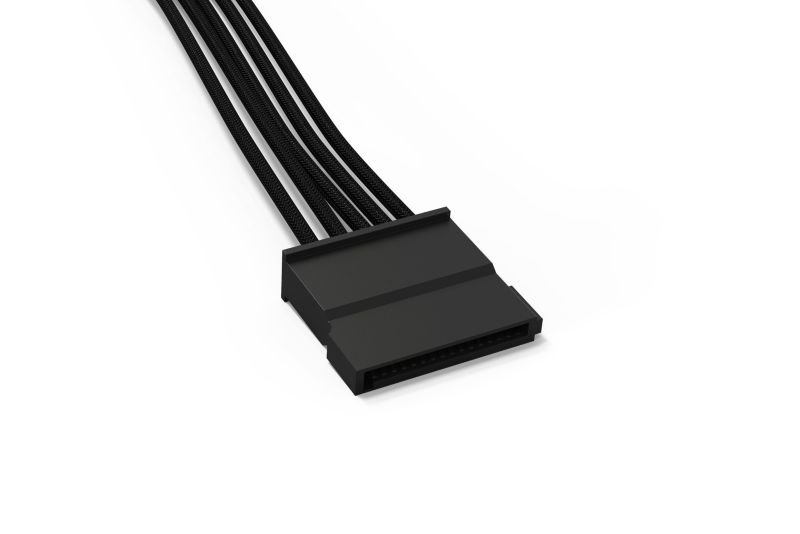
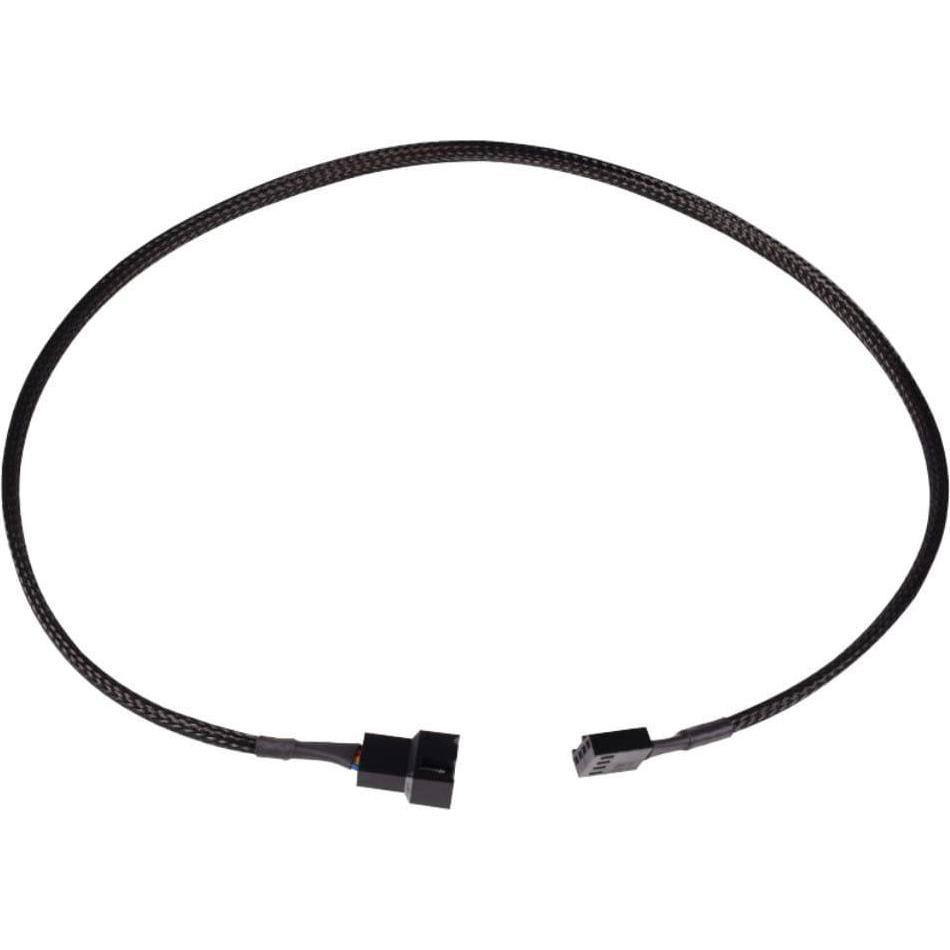
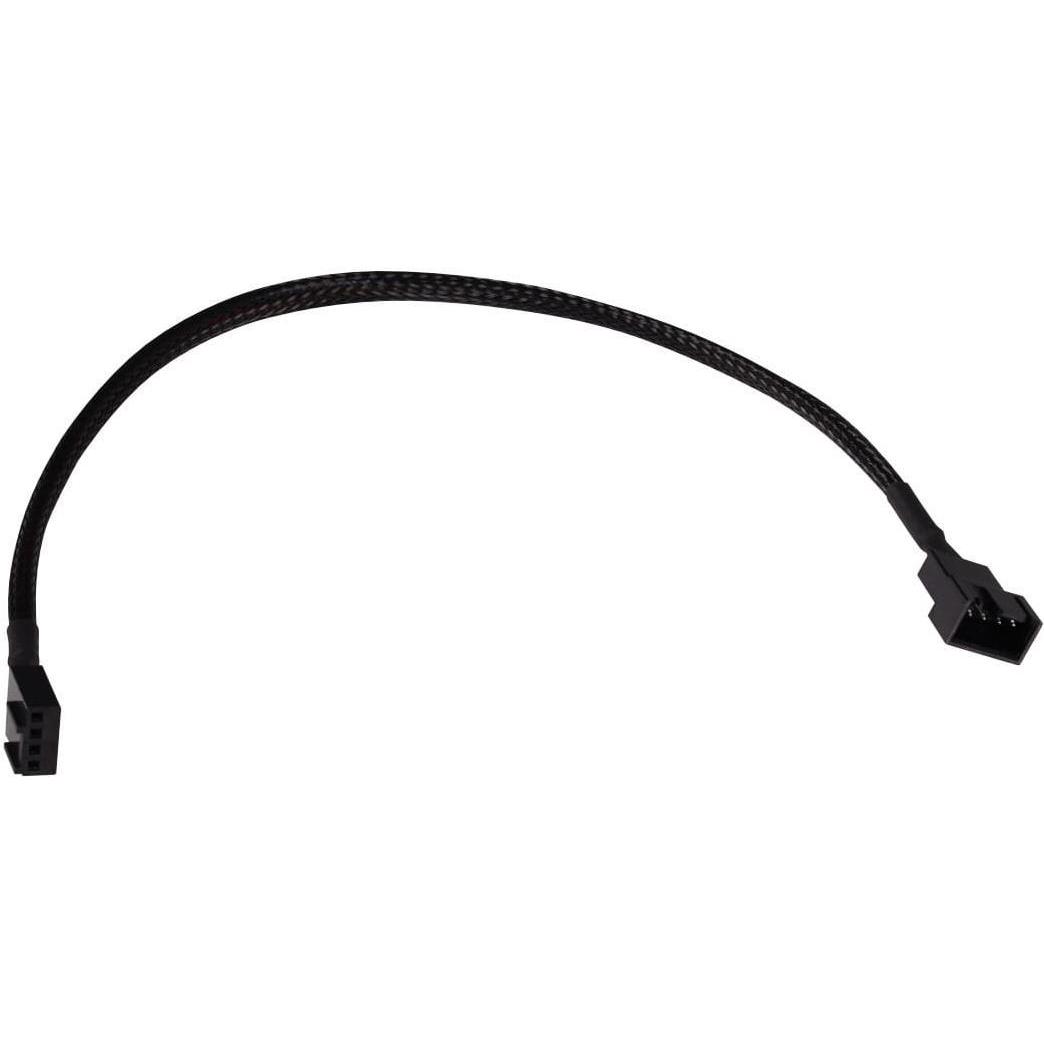
- Systems & Power Cables give a fixed wiring path for enclosures, cutting loose adapters.
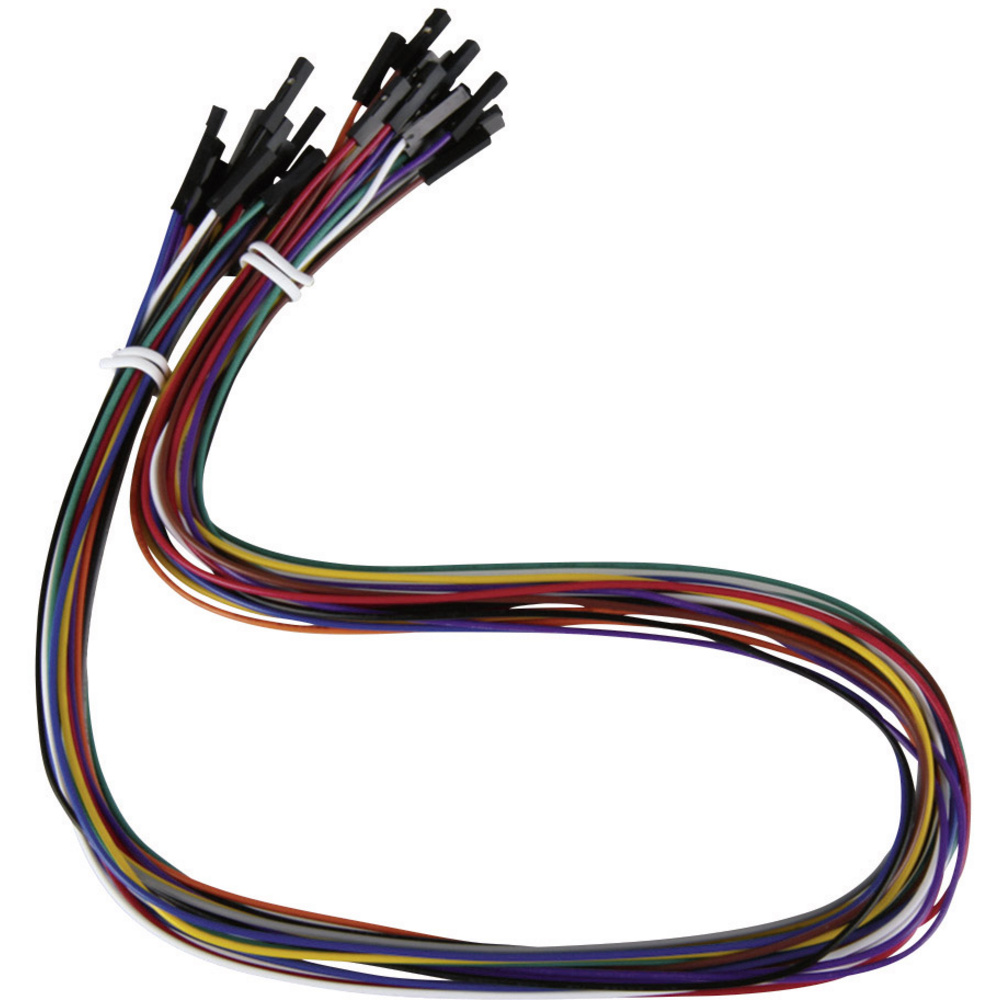
- Electronics Accessories include jumper wires and ribbon types that let you prototype without soldering.
- Cables with copper or copper/tin material carry current with low resistance for steady power.
- Colour options like black, white, or red across sub-types help match your build's interior.
- Nylon or silicone jacketed lines in Cables bend easily around tight corners.
Things to watch
- Systems & Power Cables with metal shielding can feel stiff, making turns in small cases hard.
- Electronics Accessories such as thin jumper wires break under heavy load, wrong for main power.
- Plastic or lead material in some Cables bends cheaply but suits only low current tasks.
- Gold or silver finishes resist tarnish yet scratch if knocked against bare metal.
- Ribbon style Cables save space but lie wide, possibly blocking vents.
Care & maintenance
Contact care
Dry copper and copper/tin ends after handling to slow oxidation.
Storage
Coil ribbon and internal cables with a loose loop to protect the plastic/metal core.
Cleaning
Wipe nylon or silicone jackets with a clean dry cloth, not chemical sprays.
Spare kit
Keep spare Electronics Accessories in a small box so wires stay untangled.
Frequently Asked Questions
What should I look for when buying system & power cables?
When shopping for system & power cables, consider factors such as quality, price, brand reputation, and customer reviews. Compare prices across multiple retailers to ensure you're getting the best deal. Look for products that match your specific needs and budget.
How do I choose the right system & power cables?
Choosing the right system & power cables depends on your individual needs, budget, and preferences. Research different options, read customer reviews, and compare specifications. Consider what features are most important to you and look for products that offer the best value for money.
Where can I find the best deals on system & power cables?
You can find the best deals on system & power cables by comparing prices across multiple retailers. Our price comparison tool helps you find the lowest prices from trusted UK retailers including Amazon, eBay, and other major online stores. Check regularly as prices and deals change frequently.
Are system & power cables products worth the investment?
The value of system & power cables products depends on your specific needs and how you plan to use them. Quality products from reputable brands often provide better long-term value, even if they cost more initially. Consider your budget and requirements when making your decision.
What's the difference between different types of system & power cables?
Different types of system & power cables vary in features, quality, price, and intended use. Some may offer premium features while others focus on affordability. Research the specific differences between models or brands to find the option that best suits your needs and budget.