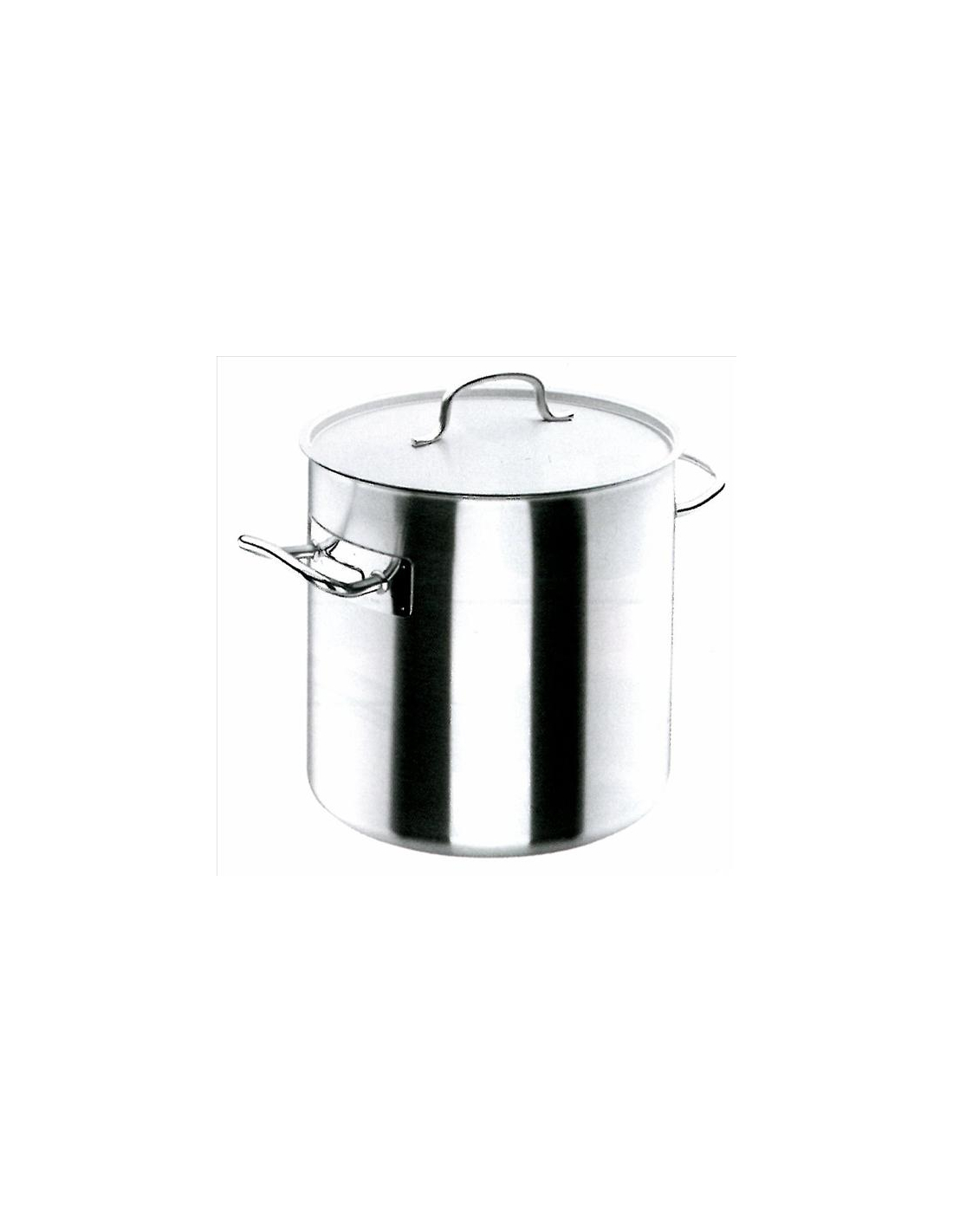
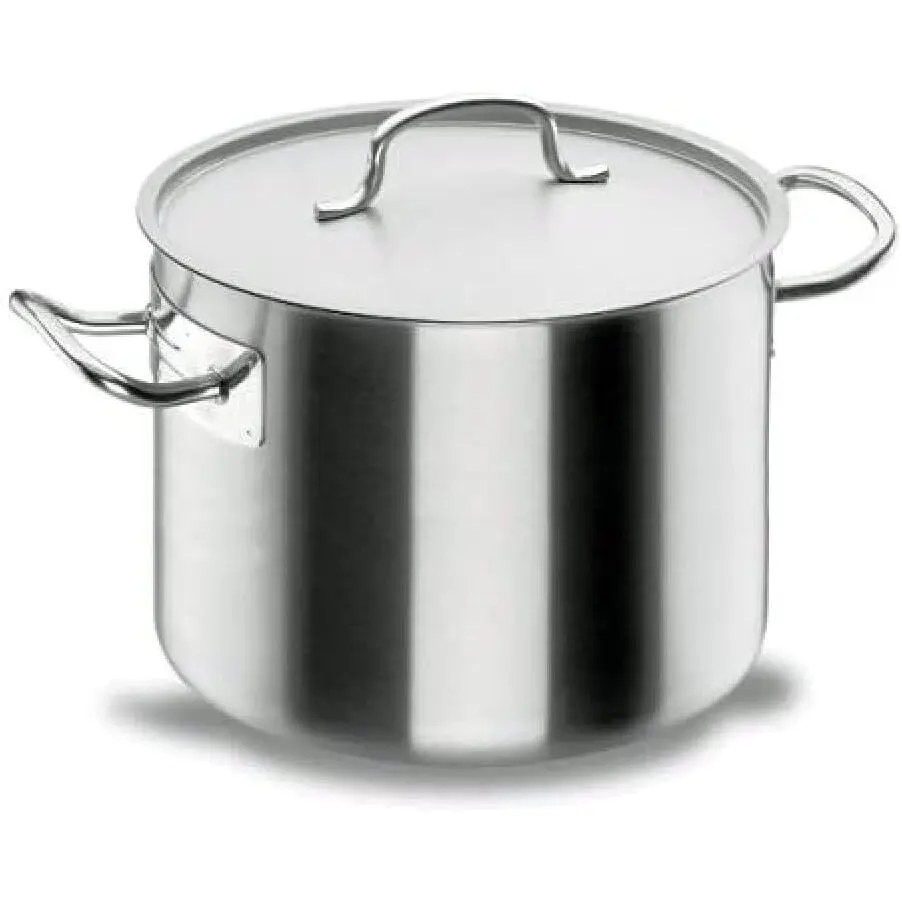
Stock Pots
How to choose stock pots
Sub-type and use
Sub-type: pick Cookware, Cookware & Bakeware, or Kitchen & Dining for stove use, or Home & Garden for a forged metal cauldron that decorates a shelf.
Material and build
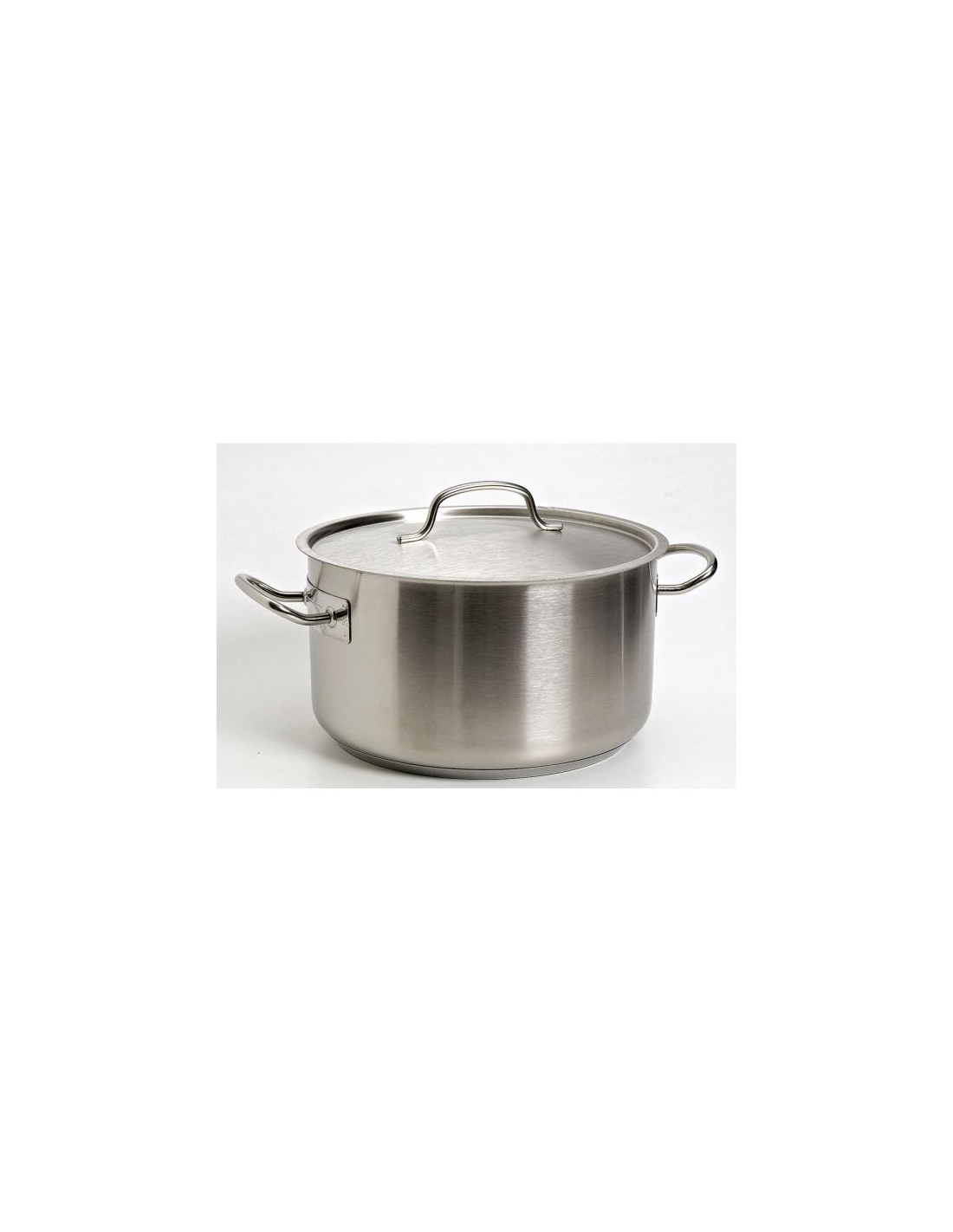
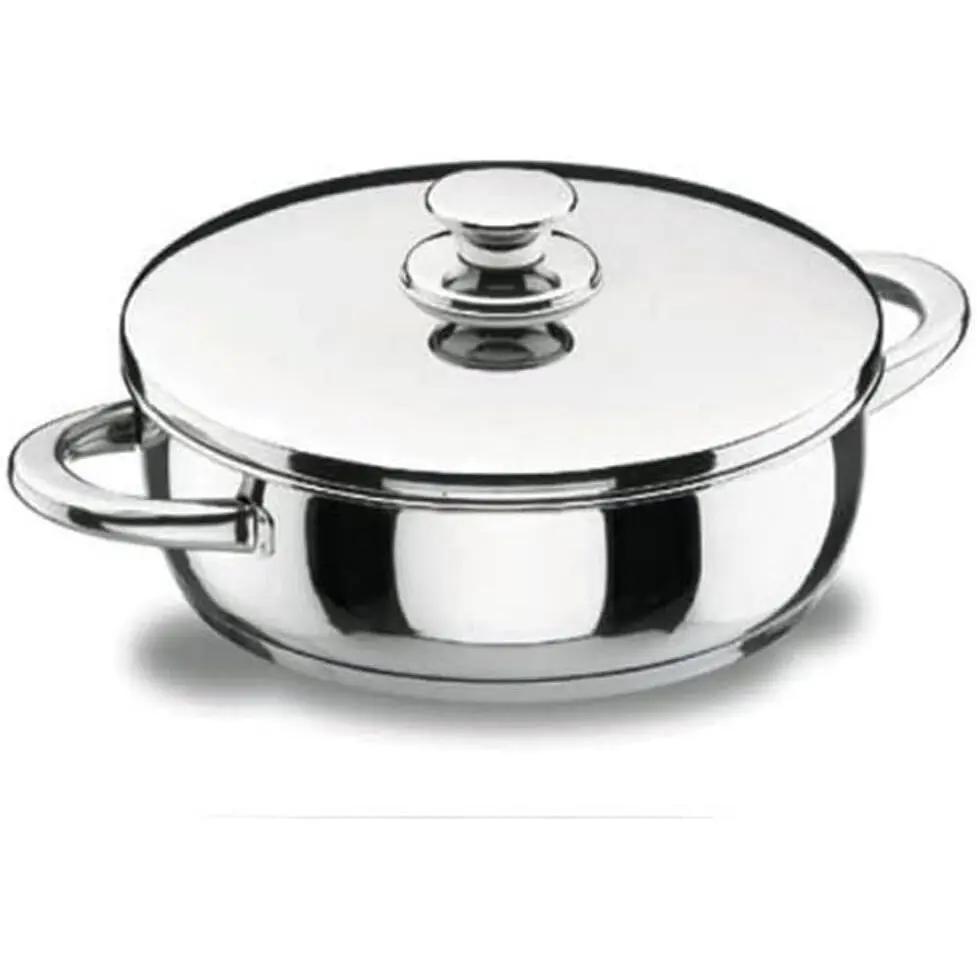
Material: stainless steel, steel, silver, or metal give durable induction ready bodies, aluminium brings light non-stick use, cast iron and clay give heat retention but more weight or care, and stainless steel/gold adds a gold tone.
Colour choice
Colour: choose silver, black, grey, blue, gold, yellow, white, brown, purple, or amber to match your kitchen, since shade does not change cooking.
Capacity need
Capacity: a 1 litre cauldron suits herbs or trinkets, while 11 to 12 litre steel pots handle batch preserves and big soups.
Lid type
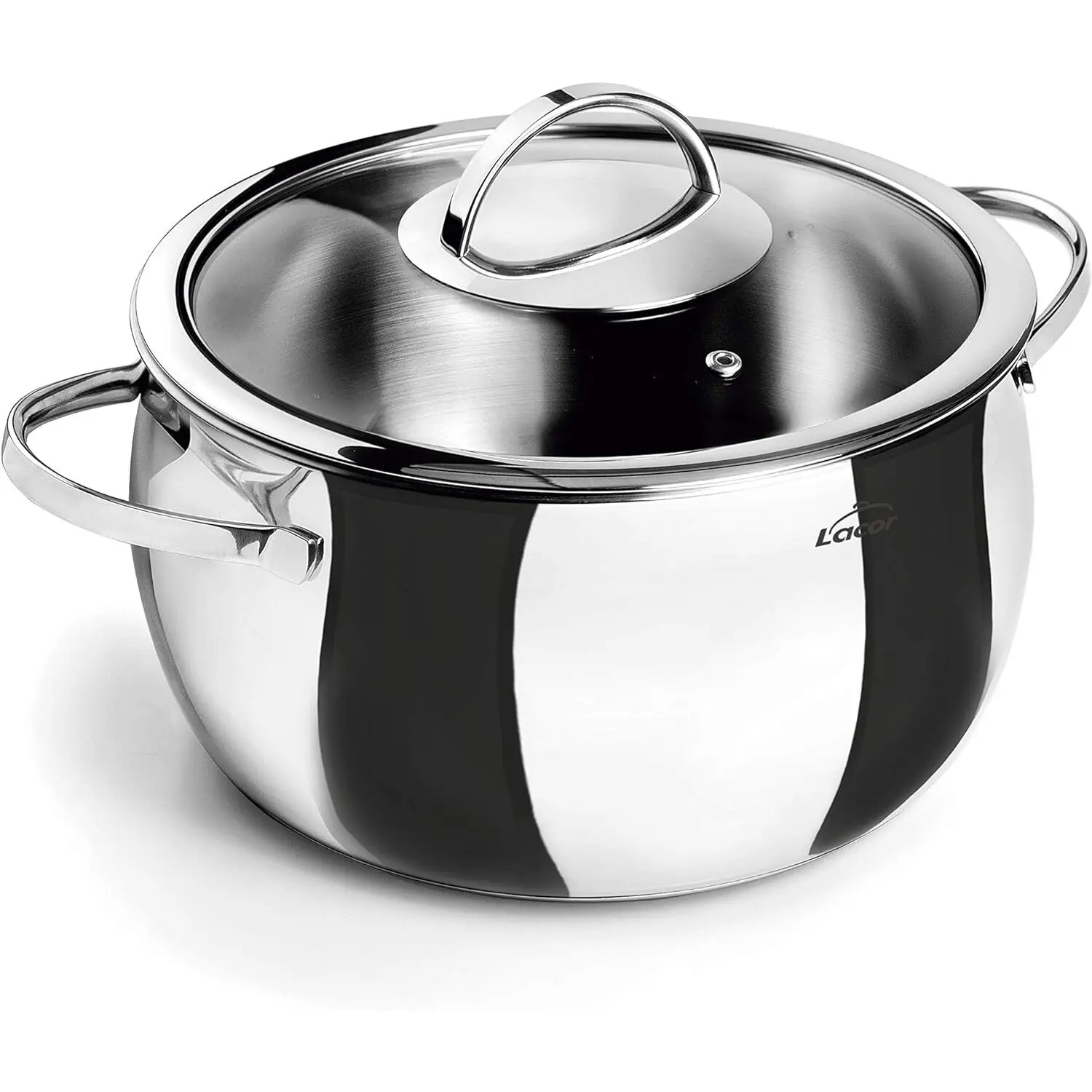
Lid: glass lets you watch the food, metal stays robust under oven heat and frequent stacking.
What's good
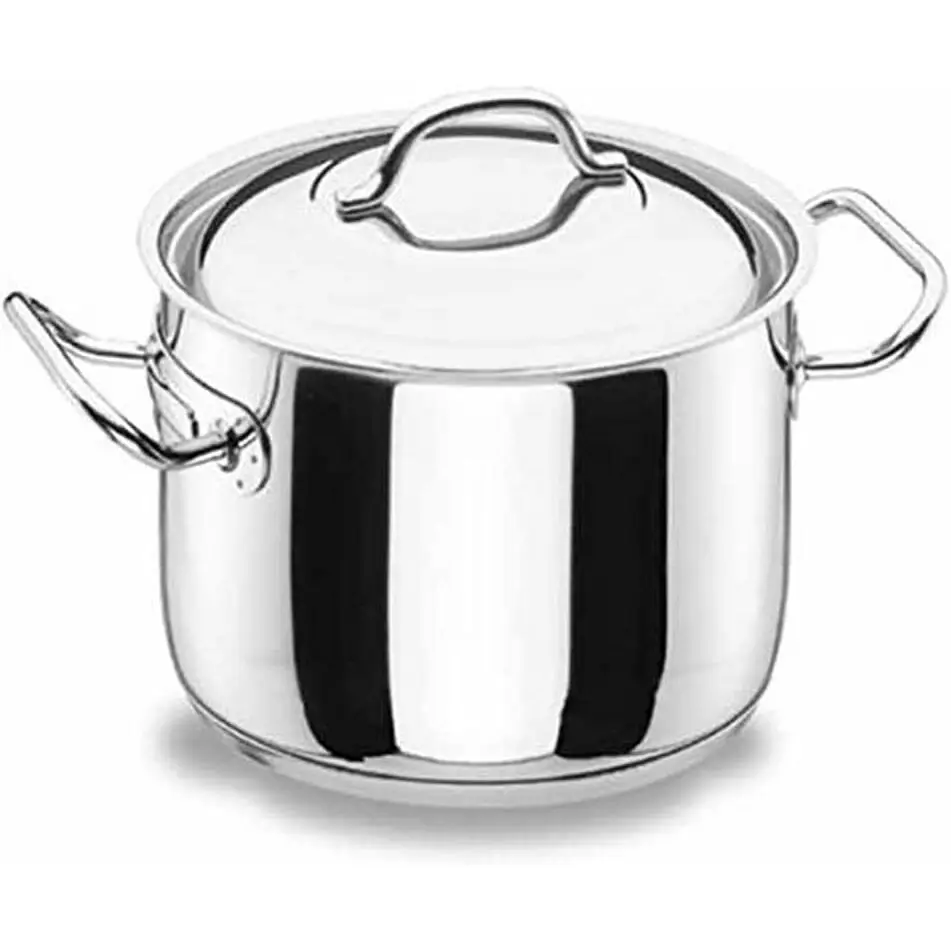
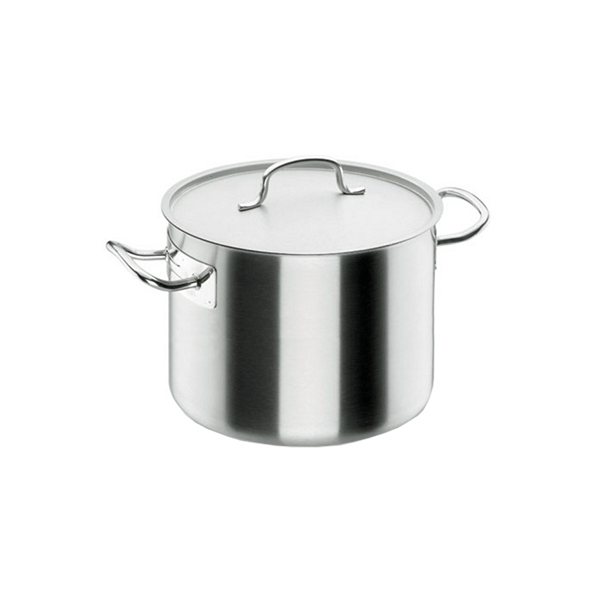
- Stainless steel stock pots in the Cookware, Cookware & Bakeware, and Kitchen & Dining sub-types work on induction hobs and resist warping, so they serve daily batch cooking.
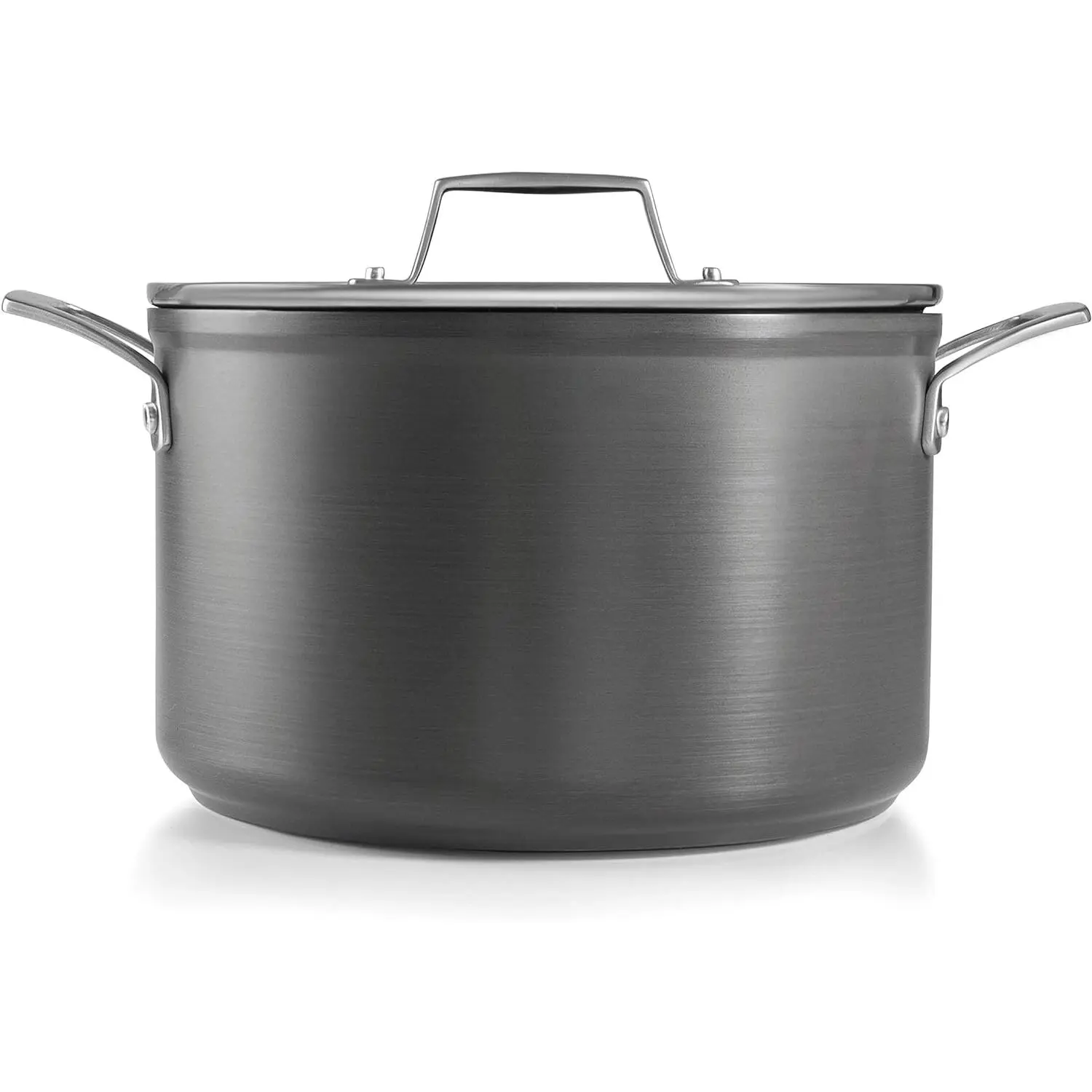
- Aluminium non-stick pots weigh less and need less oil, a practical match for weekly soups.
- Cast iron and clay options hold heat evenly, helping slow simmering for stocks and casseroles.
- Glass lids appear on many steel and aluminium pans, letting you check the boil without lifting and losing steam.
- Decorative cauldrons under Home & Garden offer a 1 litre size that doubles as a planter or utensil jar.
Things to watch
- Plain aluminium pots without a steel or stainless base will not work on induction hobs, a real limit for modern kitchens.
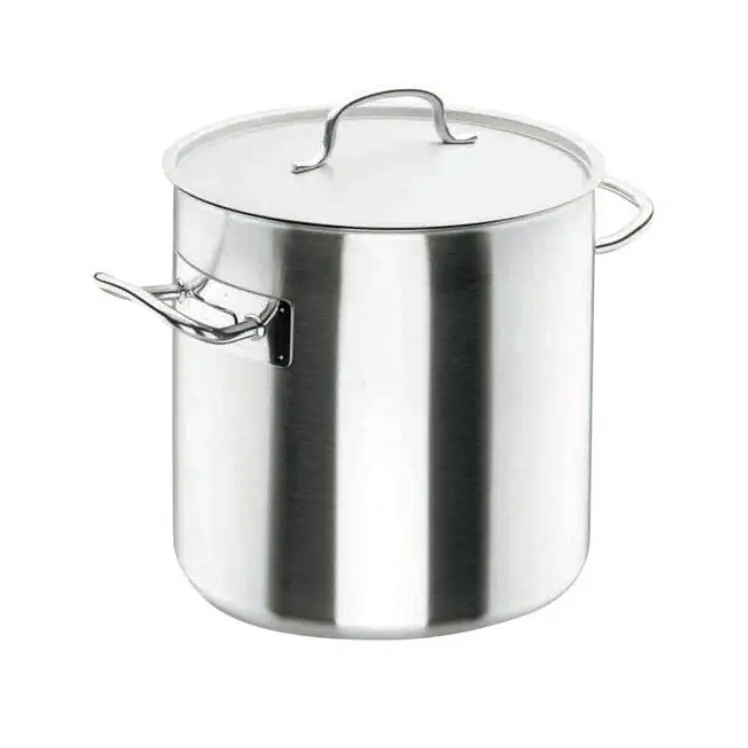
- Large stainless steel and cast iron pots reach 11 to 12 litres and become heavy when full, straining wrists.
- Clay pots break if dropped and need hand washing, unlike their steel peers.
- Non-stick coatings on aluminium stock pots wear with metal utensils, exposing raw metal underneath.
- Small cauldrons in Home & Garden are too tiny for family meals, only good for decor or trinkets.
Care & maintenance
Cleaning steel
Wash stainless steel, steel, or stainless steel/silver bodies with warm water and a soft pad to keep the silver finish bright.
Drying prone materials
Dry cast iron and clay thoroughly after washing to stop rust or cracks.
Avoid harsh cycles
Keep non-stick aluminium and glass lids out of the dishwasher to protect the coating and clarity.
Storage
Store pots with lids ajar if still damp to prevent stale odours.
Frequently Asked Questions
What should I look for when buying stock pots?
When shopping for stock pots, consider factors such as quality, price, brand reputation, and customer reviews. Compare prices across multiple retailers to ensure you're getting the best deal. Look for products that match your specific needs and budget.
How do I choose the right stock pots?
Choosing the right stock pots depends on your individual needs, budget, and preferences. Research different options, read customer reviews, and compare specifications. Consider what features are most important to you and look for products that offer the best value for money.
Where can I find the best deals on stock pots?
You can find the best deals on stock pots by comparing prices across multiple retailers. Our price comparison tool helps you find the lowest prices from trusted UK retailers including Amazon, eBay, and other major online stores. Check regularly as prices and deals change frequently.
Are stock pots products worth the investment?
The value of stock pots products depends on your specific needs and how you plan to use them. Quality products from reputable brands often provide better long-term value, even if they cost more initially. Consider your budget and requirements when making your decision.
What's the difference between different types of stock pots?
Different types of stock pots vary in features, quality, price, and intended use. Some may offer premium features while others focus on affordability. Research the specific differences between models or brands to find the option that best suits your needs and budget.