Kayaks
How to choose kayaks
Material and transport
Material drives transport. Rubber packs to a bag, while nylon or aluminium rigid types need a rack.
Colour and visibility
Colour aids safety. Bright yellow or red keeps you visible to boats, unlike black or dark blue on grey water. Black and white camo hides you from wildlife but hurts visibility.
Ownership vs experience
Pick between a fixed kayak and a self-hire experience. The latter fits a city gift, the former fits weekend trips.
Sub-type and water
Read the sub-type tag before buying. Boating & Rafting handles moving water, Outdoor Recreation or Boating & Water Sports suit calm lakes.
Passenger size
Size follows passenger count. Single inflatables fit one, while longer two-person sets need more storage space at home. The live grid below shows what is listed once you decide.
What's good
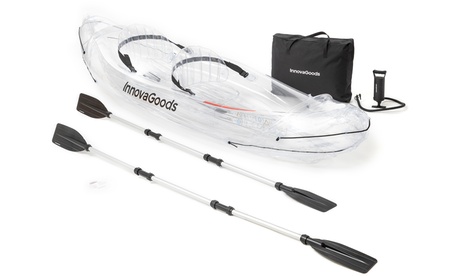
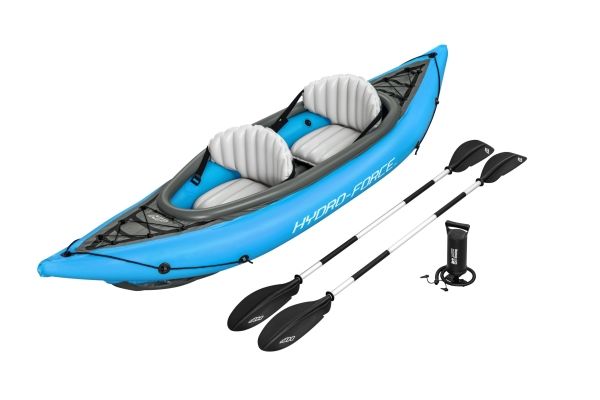
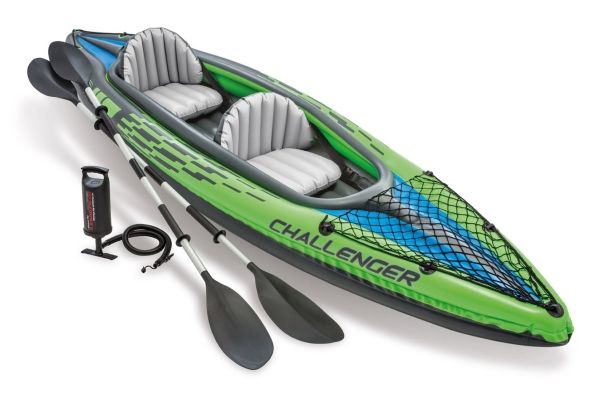
- Inflatable kayaks in rubber or polyester/aluminium fold into a bag. They suit flat dwellers with no roof bars for a rigid hull.
- Sit-on-top kayaks with nylon shells need no pump. You get on the water quicker than with an inflatable set that needs air.
- Self-hire experiences let you paddle a set route without owning kit. Good for tourists or buyers testing the hobby before they commit.
- Many inflatable sets include aluminium oars and a pump. One box gives you the full kit to start paddling.
Things to watch
- Inflatable rubber hulls puncture easier than rigid nylon shells. They are wrong for rocky shallow rivers where scrapes happen.
- Sit-on-top kayaks are heavy and awkward to lift. You need a roof rack or a large boot, not just a hallway cupboard.
- Self-hire slots tie you to a location and time. They are not for buyers who want kit ready at home for a spare afternoon.
- Inflatables need full drying after use. Skip the drying and you risk mildew in the folded seams.
Care & maintenance
Rinse after salt
Rinse rubber inflatables with fresh water after sea use. Salt eats the material if left on.
Dry before storage
Dry nylon and aluminium frames before folding. Trapped water breeds mildew in the joints.
Avoid UV damage
Store sit-on-top hulls out of direct sun. UV fades red or blue/white colourways and weakens the shell.
Check oars
Check aluminium oars for bent shafts each season. A warped oar makes paddling harder than it should be.
Frequently Asked Questions
What should I look for when buying kayaks?
When shopping for kayaks, consider factors such as quality, price, brand reputation, and customer reviews. Compare prices across multiple retailers to ensure you're getting the best deal. Look for products that match your specific needs and budget.
How do I choose the right kayaks?
Choosing the right kayaks depends on your individual needs, budget, and preferences. Research different options, read customer reviews, and compare specifications. Consider what features are most important to you and look for products that offer the best value for money.
Where can I find the best deals on kayaks?
You can find the best deals on kayaks by comparing prices across multiple retailers. Our price comparison tool helps you find the lowest prices from trusted UK retailers including Amazon, eBay, and other major online stores. Check regularly as prices and deals change frequently.
Are kayaks products worth the investment?
The value of kayaks products depends on your specific needs and how you plan to use them. Quality products from reputable brands often provide better long-term value, even if they cost more initially. Consider your budget and requirements when making your decision.
What's the difference between different types of kayaks?
Different types of kayaks vary in features, quality, price, and intended use. Some may offer premium features while others focus on affordability. Research the specific differences between models or brands to find the option that best suits your needs and budget.