Fertilizers
How to choose fertilizers
Sub-type and scope
Sub-type matters: pick Fertilisers for pure feeds, Lawn & Garden for grass granules, Gardening for compost blends.
Feed form
Form decides labour: liquids are quick but frequent, solids are slow but low effort.
Material signals
Check the material attribute: iron, plastic, clay or wood signals a pot or tool rather than a soil input.
Colour cues
Colour axes like brown, green or white describe the form, not the result, so choose by plant need.
Organic or standard
Organic versus standard feeds trade speed for long-term soil health.
What's good
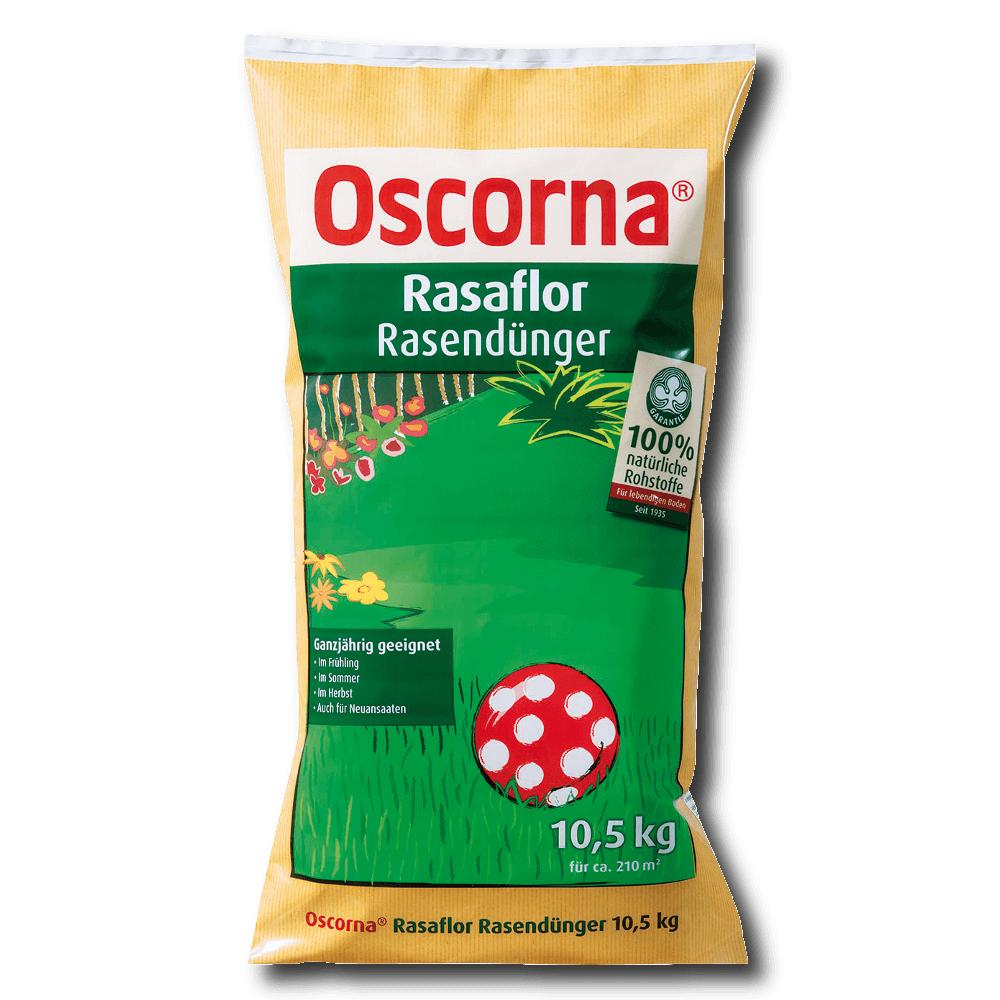
- Lawn & Garden granular feeds give seasonal lawn care, with autumn types that help prevent disease.
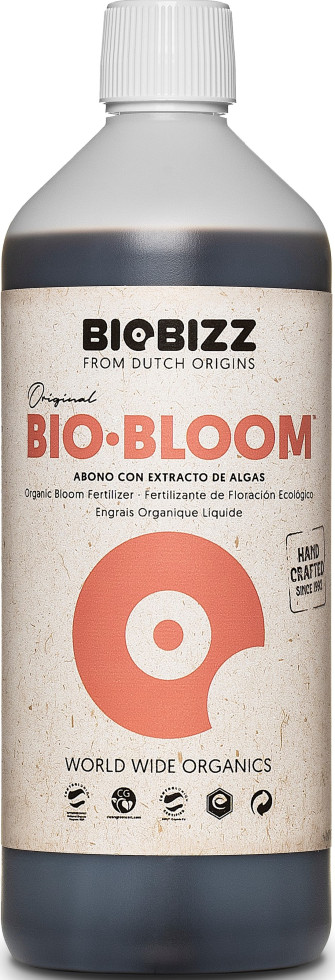
- Liquid concentrates under Fertilisers suit containers and citrus, mixing fast with water for quick uptake.
- Ericaceous compost in the Gardening sub-type offers acidic blend ready for rhododendrons and blueberries.
- Organic solids like blood, fish and bone build soil fertility slowly and suit edible beds.
- Grow mediums for algae cultures provide specific substrates for niche hobbyists.
Things to watch
- Granular lawn products need even spreading and can scorch if overlapped, so they are wrong for mixed flower borders.
- Liquid feeds wash out quickly and demand regular reapplication through the growing season.
- Ericaceous mixes only serve acid-loving plants, a poor fit for vegetables that need neutral ground.
- Items tagged with material such as plastic, clay or wood likely fall under Home & Garden as containers, not nutrient feeds.
- Organic types act slower than synthetic feeds, a poor pick for rapid deficiency correction.
Care & maintenance
Dry storage
Keep granular feeds dry in their original bag or bin to stop clumping.
Liquid care
Store liquid concentrates sealed and above freezing to preserve strength.
Soil work
Rake organic solids like blood, fish and bone into moist soil to start breakdown.
Repeat feeds
Reapply liquid types on a schedule, as they do not linger in the root zone.
Frequently Asked Questions
What should I look for when buying fertilizers?
When shopping for fertilizers, consider factors such as quality, price, brand reputation, and customer reviews. Compare prices across multiple retailers to ensure you're getting the best deal. Look for products that match your specific needs and budget.
How do I choose the right fertilizers?
Choosing the right fertilizers depends on your individual needs, budget, and preferences. Research different options, read customer reviews, and compare specifications. Consider what features are most important to you and look for products that offer the best value for money.
Where can I find the best deals on fertilizers?
You can find the best deals on fertilizers by comparing prices across multiple retailers. Our price comparison tool helps you find the lowest prices from trusted UK retailers including Amazon, eBay, and other major online stores. Check regularly as prices and deals change frequently.
Are fertilizers products worth the investment?
The value of fertilizers products depends on your specific needs and how you plan to use them. Quality products from reputable brands often provide better long-term value, even if they cost more initially. Consider your budget and requirements when making your decision.
What's the difference between different types of fertilizers?
Different types of fertilizers vary in features, quality, price, and intended use. Some may offer premium features while others focus on affordability. Research the specific differences between models or brands to find the option that best suits your needs and budget.