Swimming
How to choose swimming
Cap material
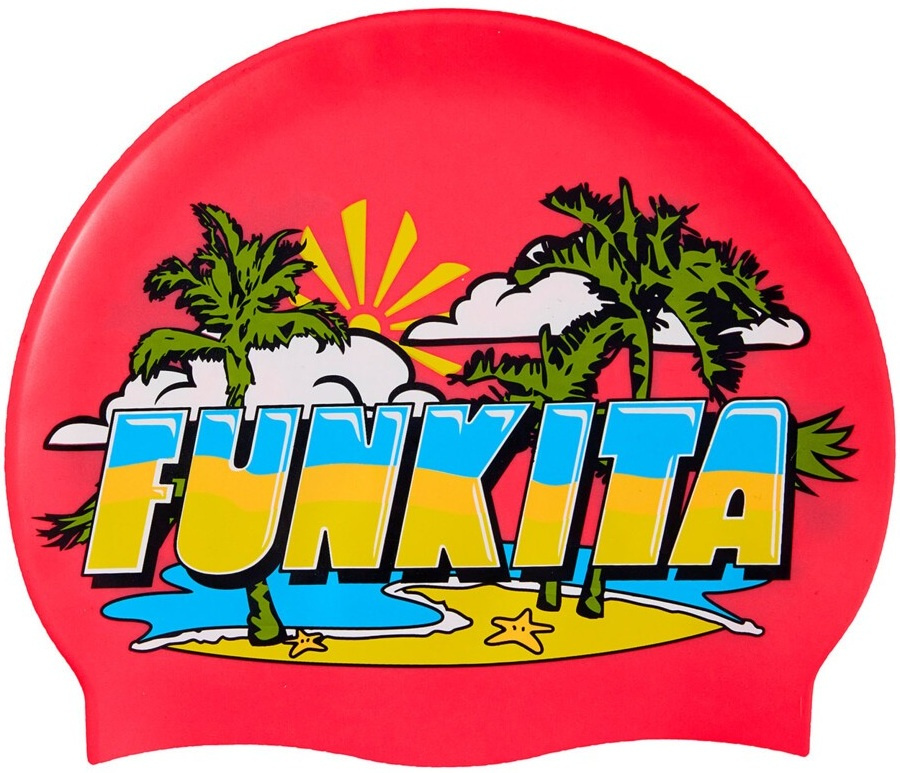
Pick your cap material first. Silicone lasts and suits long hair, while latex is quicker to replace but snaps.
Lens finish
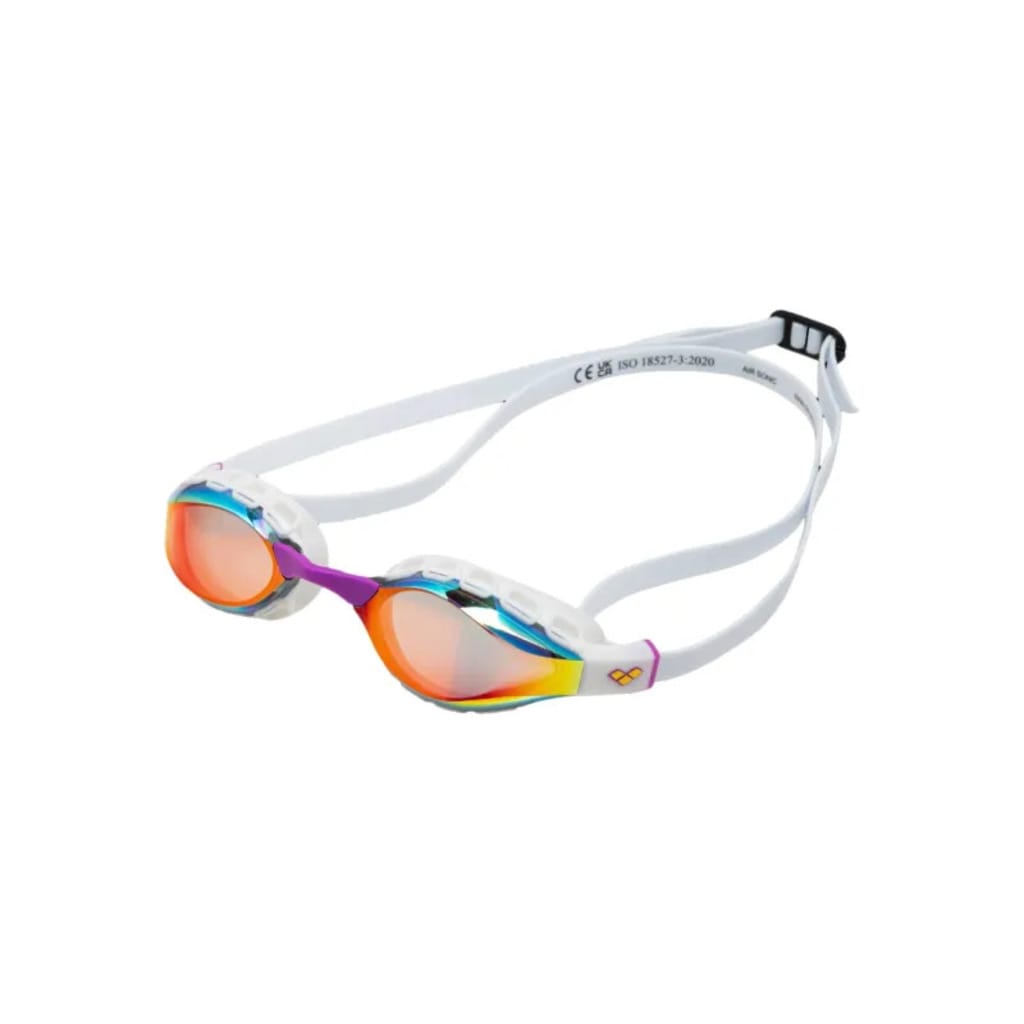
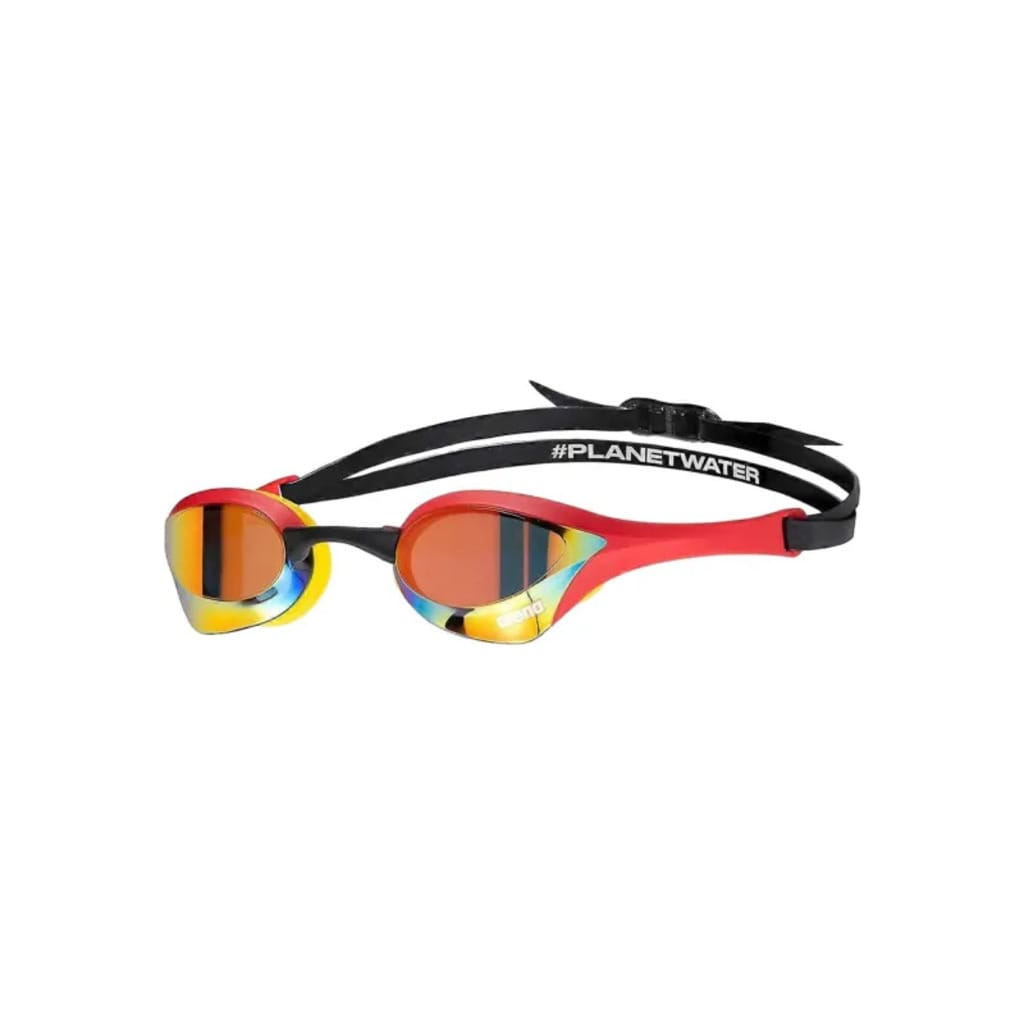
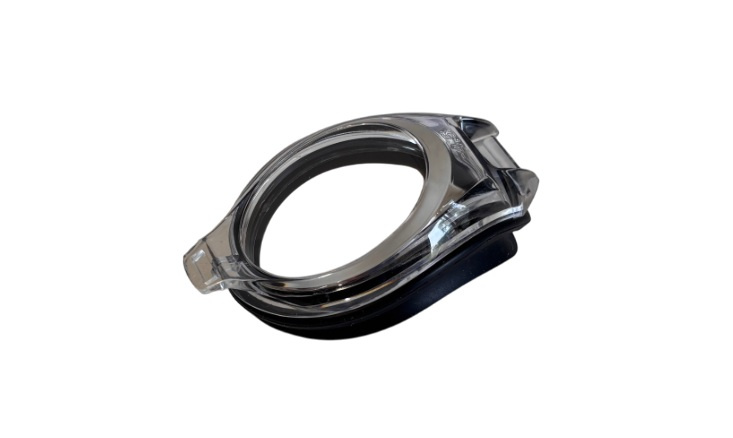
Goggle lens finish matters. Mirrored silver cuts glare outside, clear plastic works for indoor lanes.
Toddler buoyancy
For toddlers, weigh armbands against a boating and water sports trainer seat. Armbands free the arms for paddling, seats hold the trunk upright.
Fit by age
Junior goggles have smaller frames and softer seals than adult sporting goods models, so don't size up.
Visibility
Bright colours like pink, orange, or yellow help you spot kit on a busy pool deck or in open water. The live grid below lines up these types so you can weigh the tradeoffs side by side.
What's good
- Swim goggles and masks split into junior and adult fits, so kids get a proper seal without adult straps digging in.
- Sporting goods like silicone caps suit long hair, avoiding the snag you get with latex.
- Outdoor recreation floats come in bright orange and yellow, making a child easier to spot in the water.
- Mirror goggles with silver or acetate finishes cut glare better than clear plastic lenses for outdoor swims.
Things to watch
- Latex and silicone/latex caps are lighter than full silicone, but they tear faster and pull hair.
- Inflatable outdoor recreation gear packs down small, yet it punctures on sharp pool edges.
- Silver or mirrored goggles look smart, but they darken vision in dim indoor pools compared to clear plastic.
- Trainer seats and armbands keep a child buoyant, though they give a false sense of security if the kid can't kick.
Care & maintenance
Rinse after swim
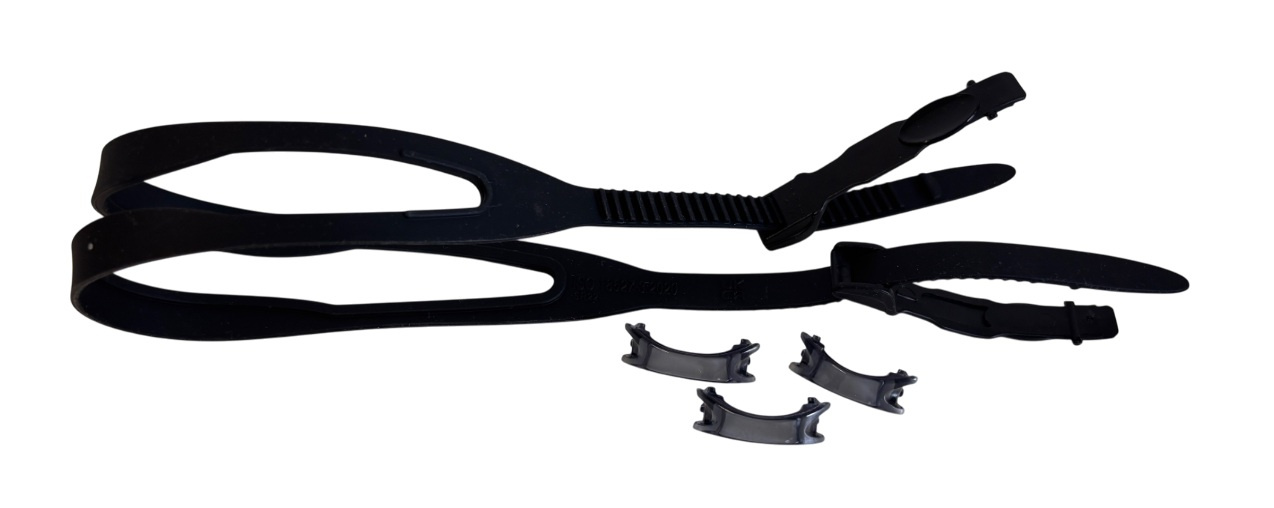
Rinse silicone and rubber goggles in cold water after chlorine use to stop the straps going brittle.
Dry your cap
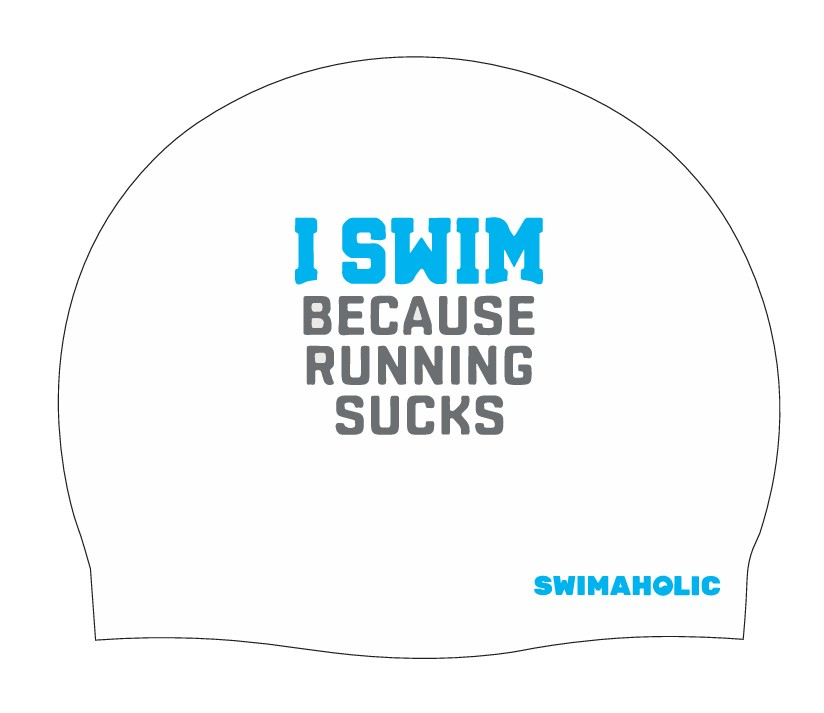
Roll latex and silicone/latex caps dry, never folded wet in a bag.
Protect lenses
Wipe plastic and acetate lenses with a soft cloth, as rubs scratch the view.
Inspect floats
Check nylon and polyester floats for scuffs before each swim, since a slow leak ruins a session.
Frequently Asked Questions
What should I look for when buying swimming?
When shopping for swimming, consider factors such as quality, price, brand reputation, and customer reviews. Compare prices across multiple retailers to ensure you're getting the best deal. Look for products that match your specific needs and budget.
How do I choose the right swimming?
Choosing the right swimming depends on your individual needs, budget, and preferences. Research different options, read customer reviews, and compare specifications. Consider what features are most important to you and look for products that offer the best value for money.
Where can I find the best deals on swimming?
You can find the best deals on swimming by comparing prices across multiple retailers. Our price comparison tool helps you find the lowest prices from trusted UK retailers including Amazon, eBay, and other major online stores. Check regularly as prices and deals change frequently.
Are swimming products worth the investment?
The value of swimming products depends on your specific needs and how you plan to use them. Quality products from reputable brands often provide better long-term value, even if they cost more initially. Consider your budget and requirements when making your decision.
What's the difference between different types of swimming?
Different types of swimming vary in features, quality, price, and intended use. Some may offer premium features while others focus on affordability. Research the specific differences between models or brands to find the option that best suits your needs and budget.