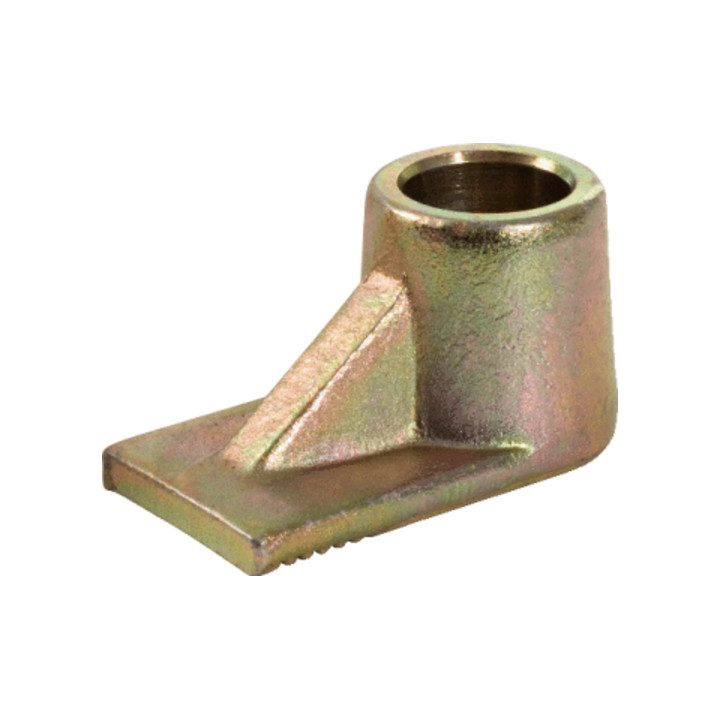
Anvils
How to choose anvils
Sub-type first
Sub-type: pick Tools for jewellery tasks like dapping and riveting, or Hardware for general anvil work.
Material tradeoff
Material: cast iron gives stable weight but is hard to move, steel/metal lasts long, brass and aluminium are lighter but wear sooner.
Shape for task
Form: doming blocks with concave grooves suit curved bracelet shapes, while hexagonal staking anvils fit watch repairs.
Colour is cosmetic
Colour: options include grey, black, silver, brown, yellow, white, blue, gold, dark olive, and gold/silver, mostly a bench aesthetic choice.
Faced or plain
Facing: plain steel suits heavy hammering, rubber or silicone facing protects delicate items but limits force.
What's good
- Tools sub-types like doming and staking blocks give a small footprint for precise jewellery forming on a bench.
- Hardware sub-types in cast iron or steel provide the mass needed to absorb hammer blows during forging.
- Rubber or silicone faced blocks protect finished silver and gold pieces from marks while stamping.
- Stainless steel options resist rust, keeping upkeep light in damp UK workshops.
Things to watch
- Cast iron Hardware anvils are heavy and awkward to reposition, a poor match for anyone needing a portable setup.
- Rubber and silicone faced Tools blocks lack rigid mass, so they dent under hard strikes meant for heavy stock.
- Staking anvils with holes and serrations suit watch riveting but cannot shape larger metal pieces.
- Steel and iron blocks in grey or black show surface scratches readily, which some bench users dislike.
Care & maintenance
Oil metal faces
Wipe steel, iron, and cast iron faces with a lightly oiled cloth after use to prevent corrosion.
Store dry
Keep Hardware anvils in a dry spot, since UK moisture will rust untreated metal.
Wash soft blocks
Clean rubber and silicone blocks with a damp cloth and mild soap, then leave to air dry.
Flat storage
Lay precision Tools blocks flat on a stable surface so their working faces stay true.
Frequently Asked Questions
What should I look for when buying anvils?
When shopping for anvils, consider factors such as quality, price, brand reputation, and customer reviews. Compare prices across multiple retailers to ensure you're getting the best deal. Look for products that match your specific needs and budget.
How do I choose the right anvils?
Choosing the right anvils depends on your individual needs, budget, and preferences. Research different options, read customer reviews, and compare specifications. Consider what features are most important to you and look for products that offer the best value for money.
Where can I find the best deals on anvils?
You can find the best deals on anvils by comparing prices across multiple retailers. Our price comparison tool helps you find the lowest prices from trusted UK retailers including Amazon, eBay, and other major online stores. Check regularly as prices and deals change frequently.
Are anvils products worth the investment?
The value of anvils products depends on your specific needs and how you plan to use them. Quality products from reputable brands often provide better long-term value, even if they cost more initially. Consider your budget and requirements when making your decision.
What's the difference between different types of anvils?
Different types of anvils vary in features, quality, price, and intended use. Some may offer premium features while others focus on affordability. Research the specific differences between models or brands to find the option that best suits your needs and budget.
![Bgs Auswuchtgewichte - 30 g - 100-tlg. [Hersteller-Nr. 9425-30]](https://cdn.carpartsplatform.net/ggl/product/1500x1500/5848928.jpg)
![Bgs Auswuchtgewichte - 20 g - 100-tlg. [Hersteller-Nr. 9425-20]](https://cdn.carpartsplatform.net/ggl/product/1500x1500/5940090.jpg)
![Bgs Auswuchtgewichte - 15 g - 100-tlg. [Hersteller-Nr. 9425-15]](https://cdn.carpartsplatform.net/ggl/product/1500x1500/5870695.jpg)
![Bgs Auswuchtgewichte - 10 g - 100-tlg. [Hersteller-Nr. 9425-10]](https://cdn.carpartsplatform.net/ggl/product/1500x1500/6109529.jpg)

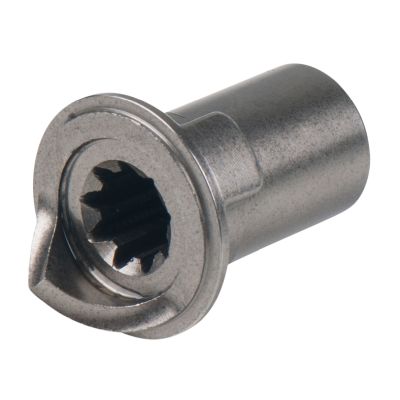
![Ks Tools Montagewerkzeug, Getriebelager [Hersteller-Nr. 460.4154]](https://cdn.carpartsplatform.net/ggl/product/1500x1500/4730098.jpg)
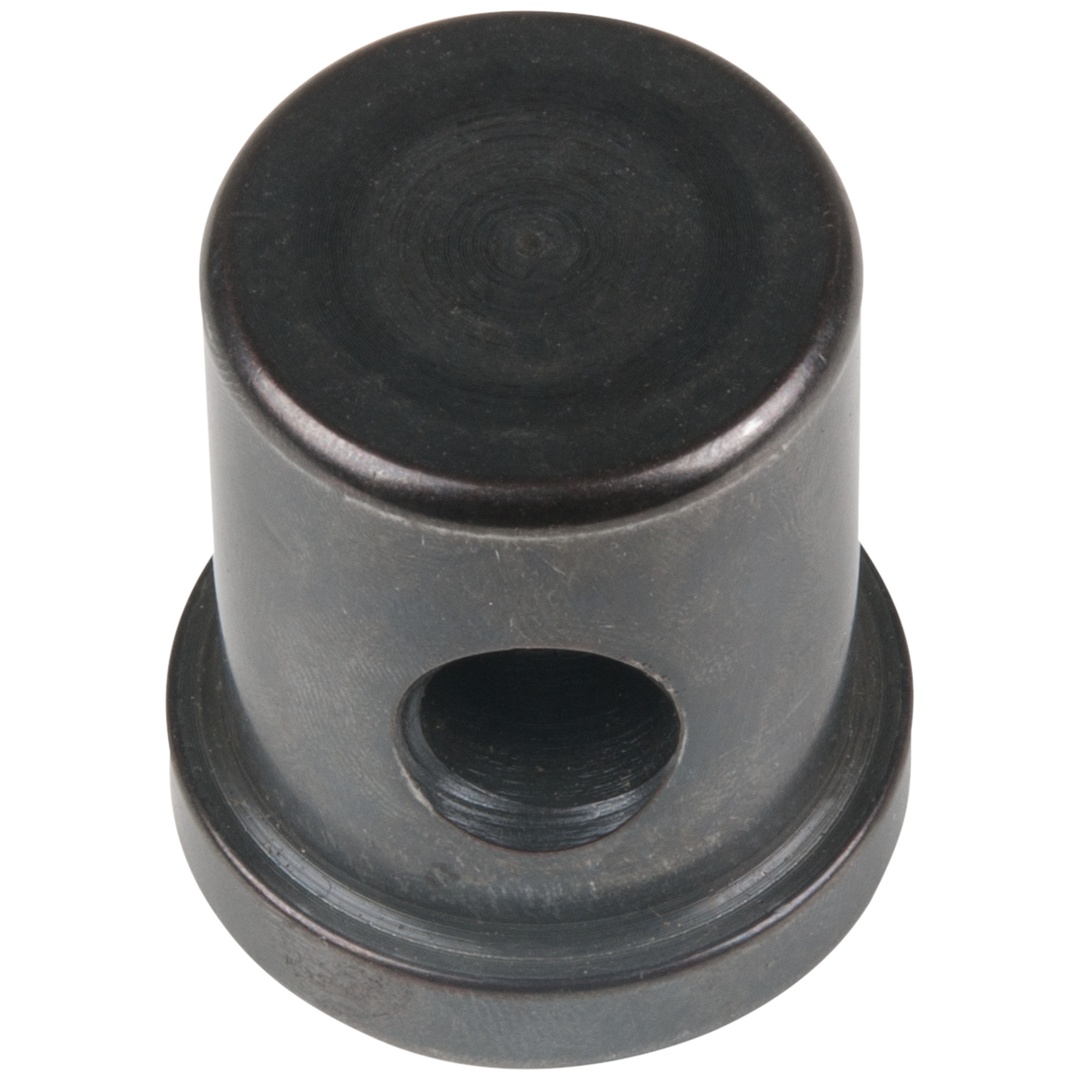


![Ks Tools Druckfuß, M24x3 mm [Hersteller-Nr. 440.0003]](https://cdn.carpartsplatform.net/ggl/product/1500x1500/4723598.jpg)
![Ks Tools Karosserie-Handfaust [Hersteller-Nr. 140.2101]](https://cdn.carpartsplatform.net/ggl/product/1500x1500/4724677.jpg)
![Ks Tools Kunststoff-Richtklotz, groß [Hersteller-Nr. 140.2167]](https://cdn.carpartsplatform.net/ggl/product/1500x1500/4719549.jpg)

![Ks Tools Handfaust, flach-gewölbt [Hersteller-Nr. 140.2163]](https://cdn.carpartsplatform.net/ggl/product/1500x1500/4719745.jpg)
![Ks Tools Rund-Amboss [Hersteller-Nr. 140.2146]](https://cdn.carpartsplatform.net/ggl/product/1500x1500/4719523.jpg)
![Ks Tools Karosserie-Großamboss-Ausbeuleisen, 125mm [Hersteller-Nr. 140.2104]](https://cdn.carpartsplatform.net/ggl/product/1500x1500/4724488.jpg)
![Ks Tools Karosserie-Kleinamboss-Ausbeuleisen, 125mm [Hersteller-Nr. 140.2103]](https://cdn.carpartsplatform.net/ggl/product/1500x1500/4724487.jpg)
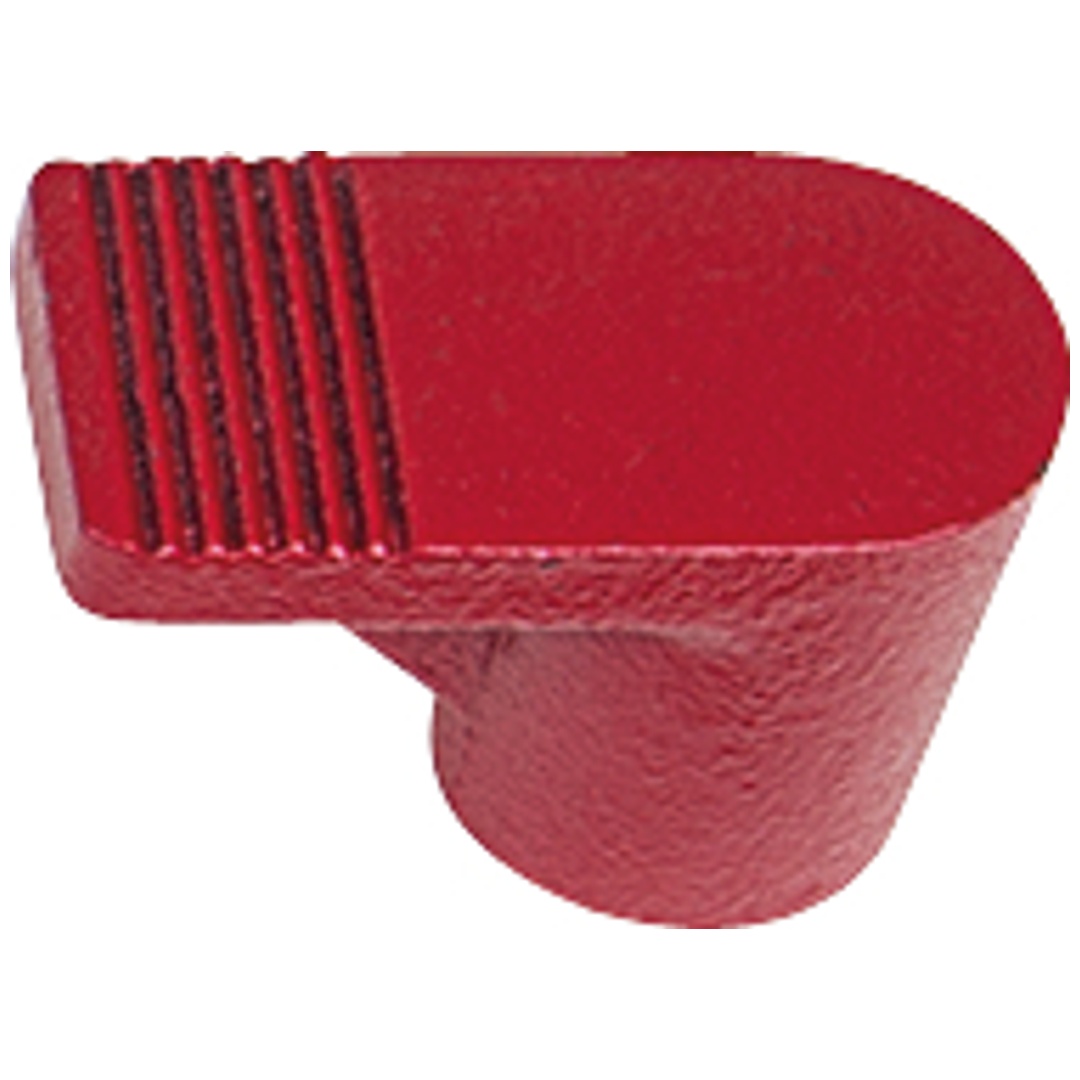
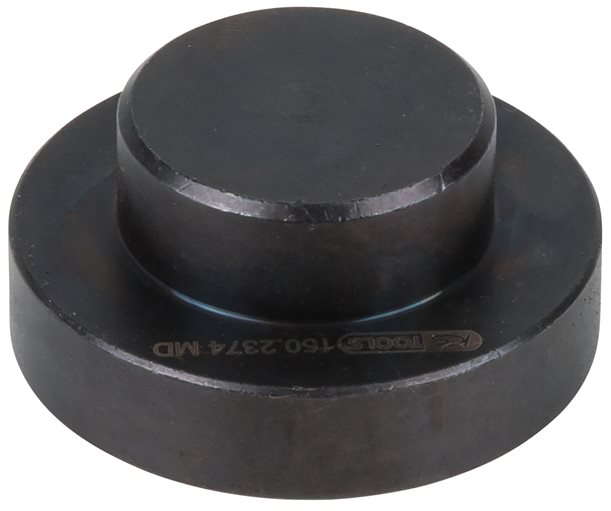
![Ks Tools 3 in 1 Ausbeuleisen, 42 x 98,5 mm [Hersteller-Nr. 140.2107]](https://cdn.carpartsplatform.net/ggl/product/1500x1500/4724492.jpg)
![Ks Tools 3 in 1 Ausbeuleisen, 37 x 86,5 mm [Hersteller-Nr. 140.2106]](https://cdn.carpartsplatform.net/ggl/product/1500x1500/4724491.jpg)