Hammers
How to choose hammers
Considerations
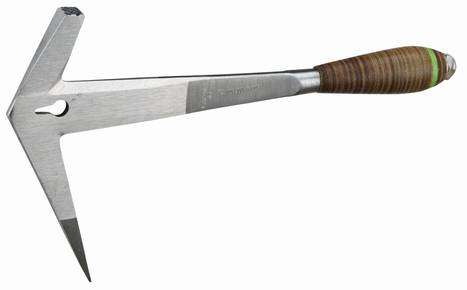
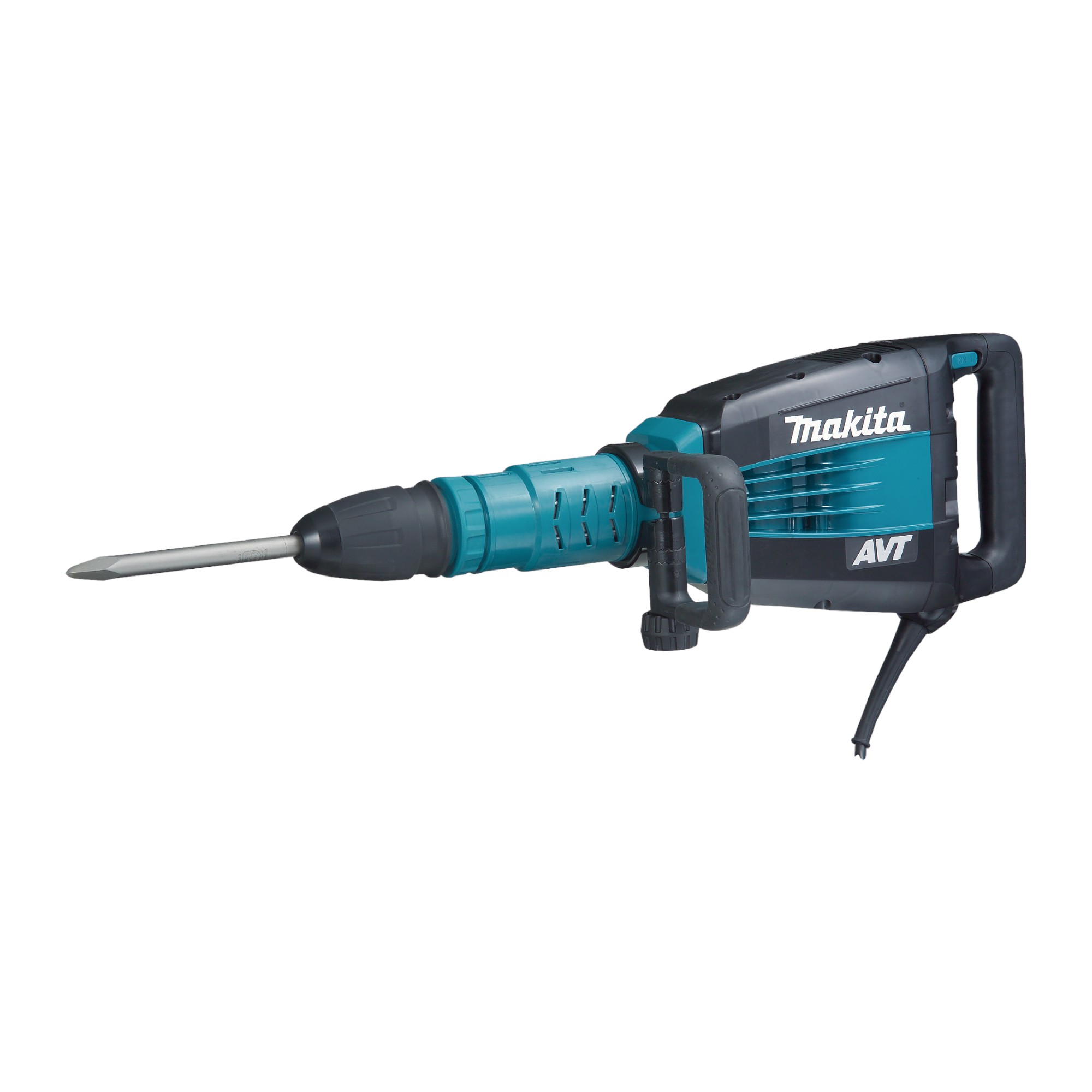
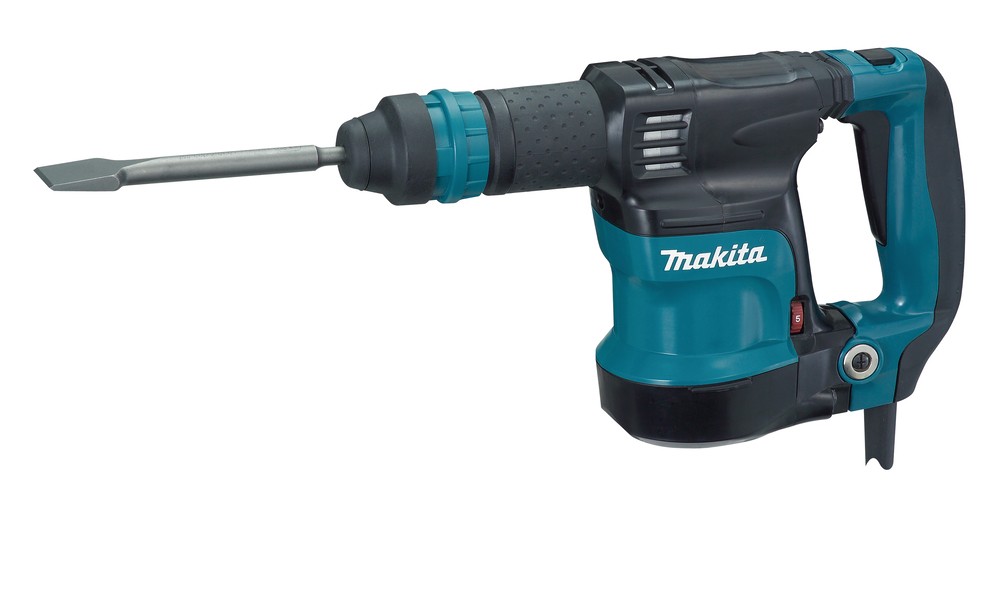
First, manual or powered. Manual gives control and portability, powered gives speed for big jobs.
Considerations
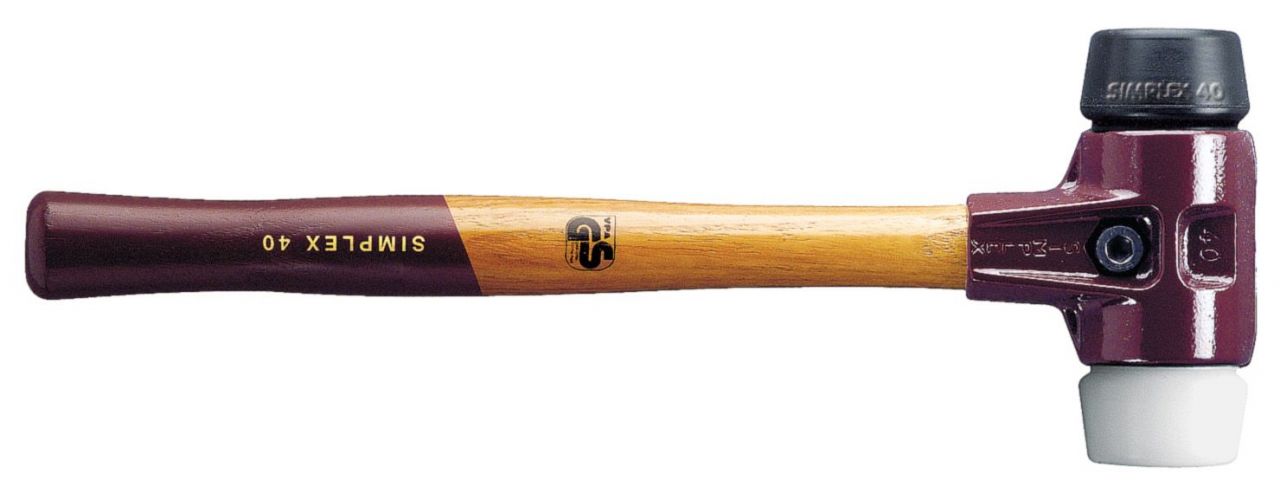
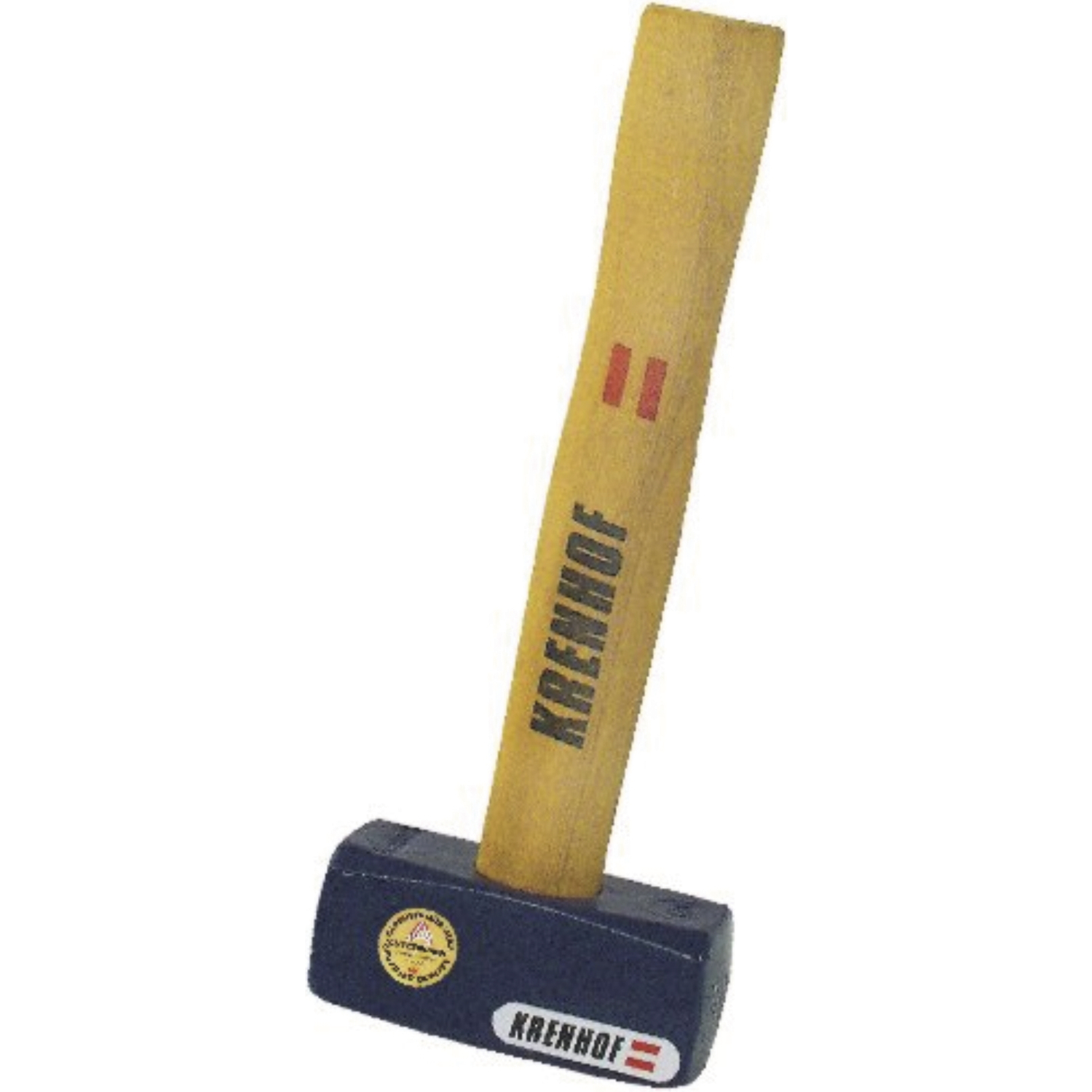
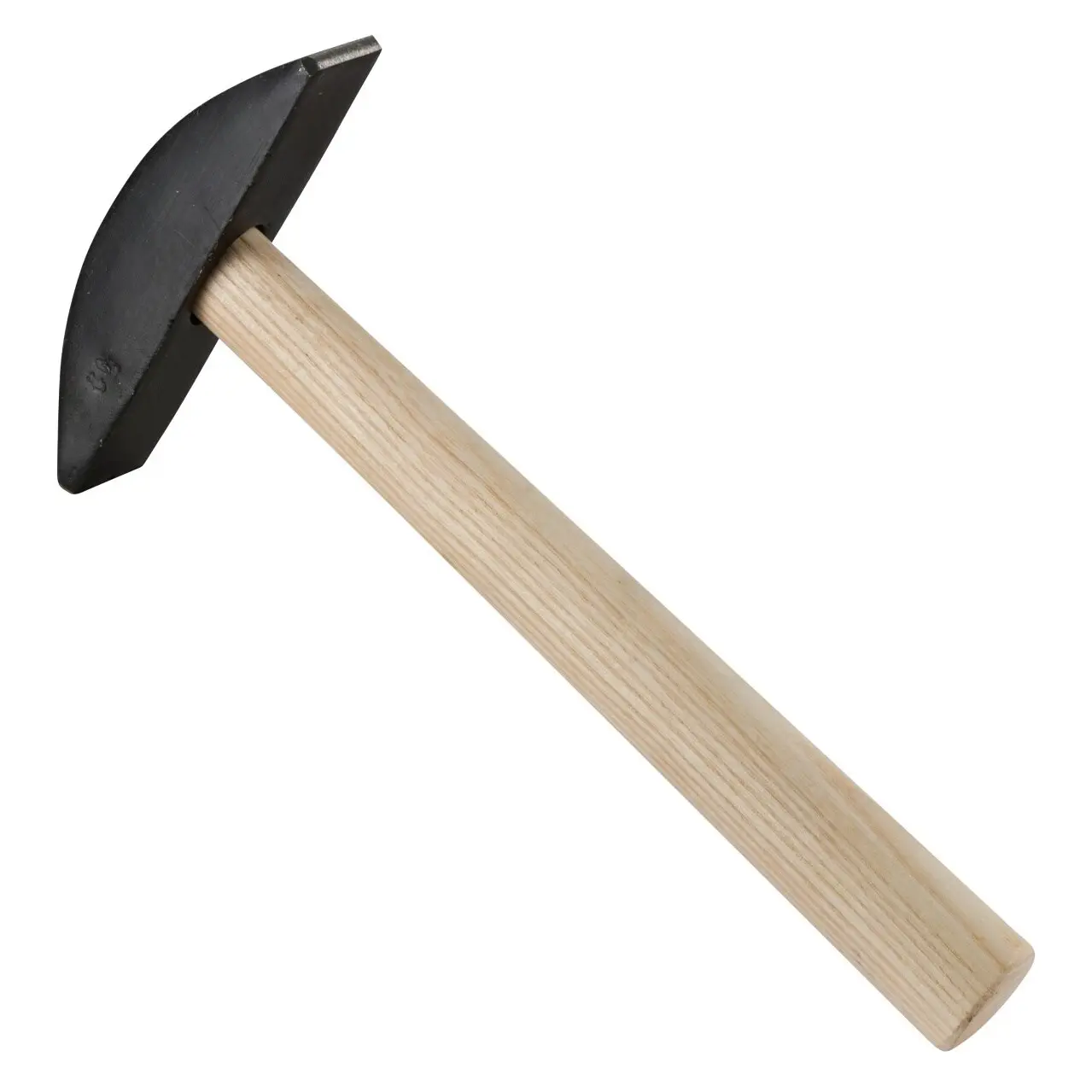
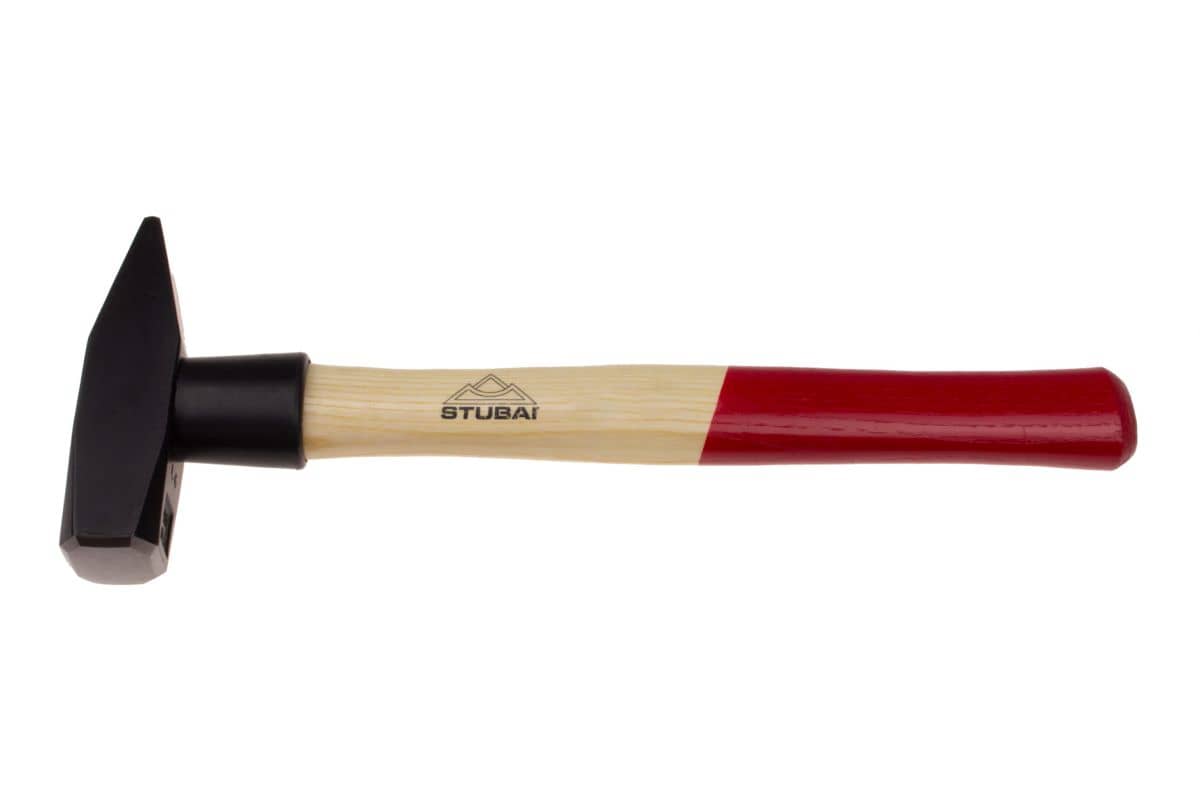
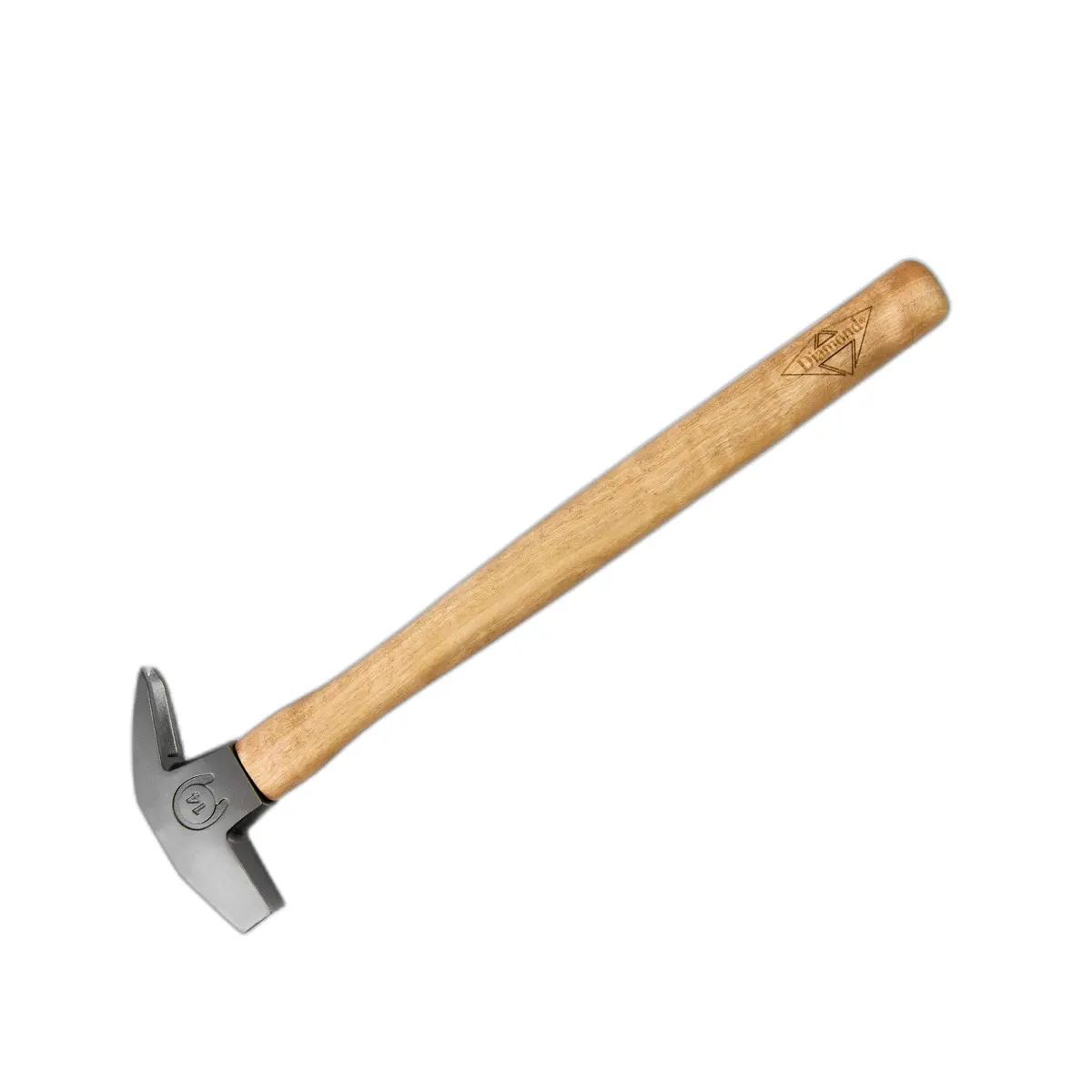
Second, head material. Steel drives nails, copper and nylon suit jewellery and forming, rubber avoids marks.
Considerations
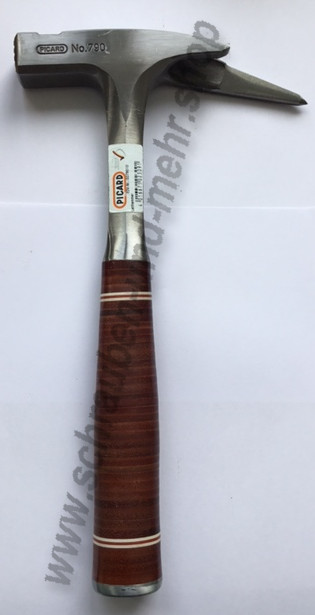
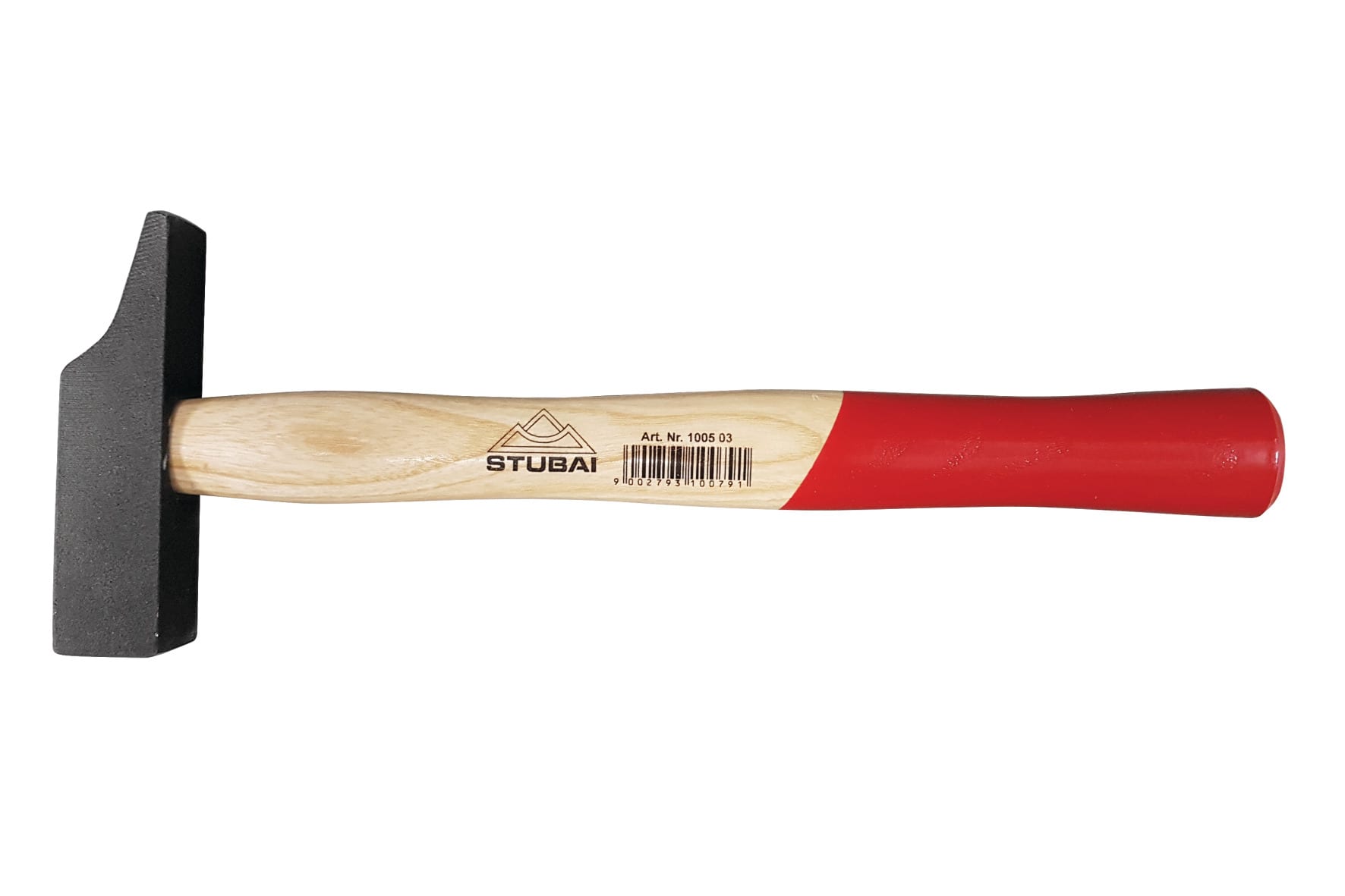
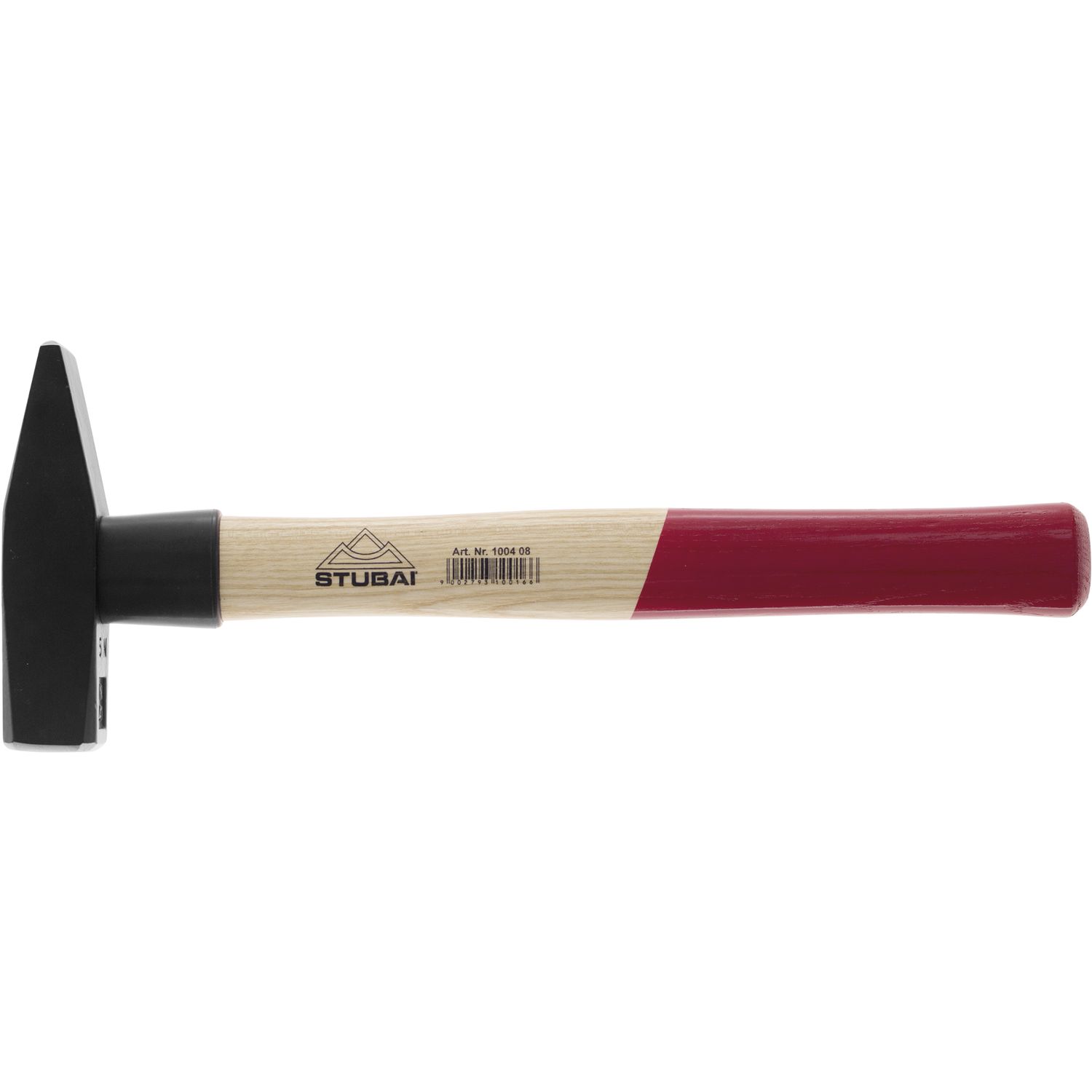
Third, handle build. Wood absorbs shock but ages, steel/rubber survives knocks but jars more.
Considerations
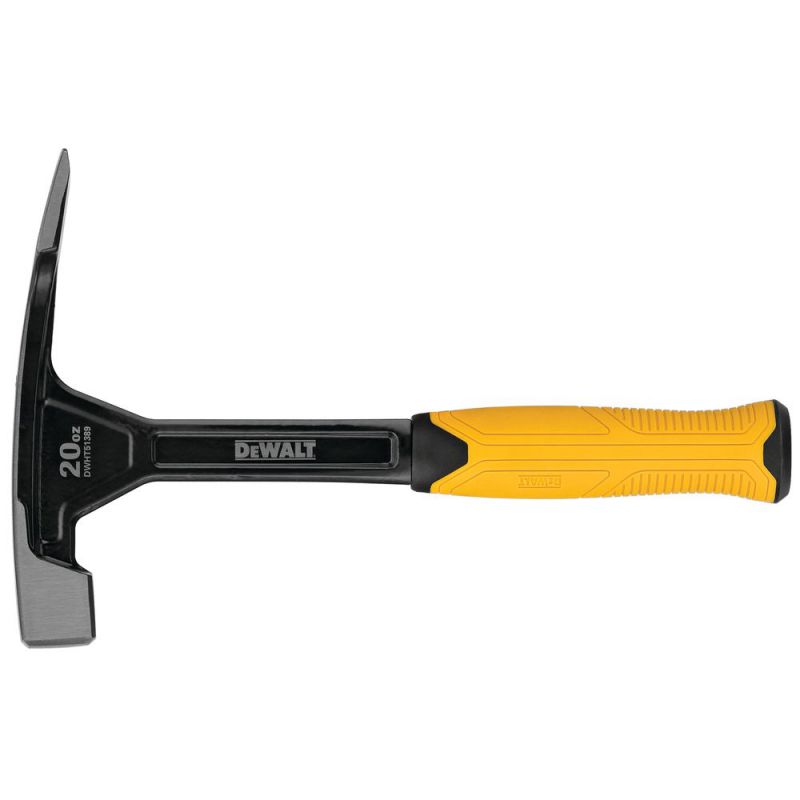
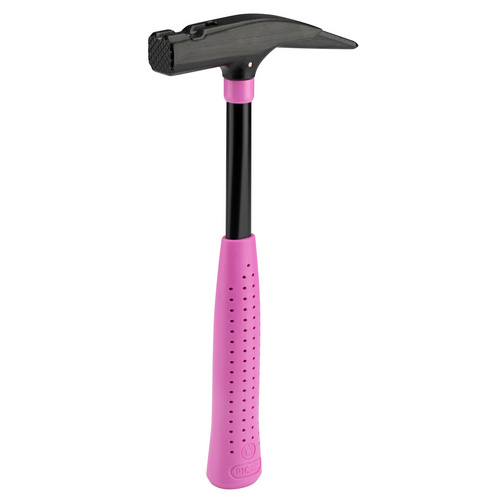
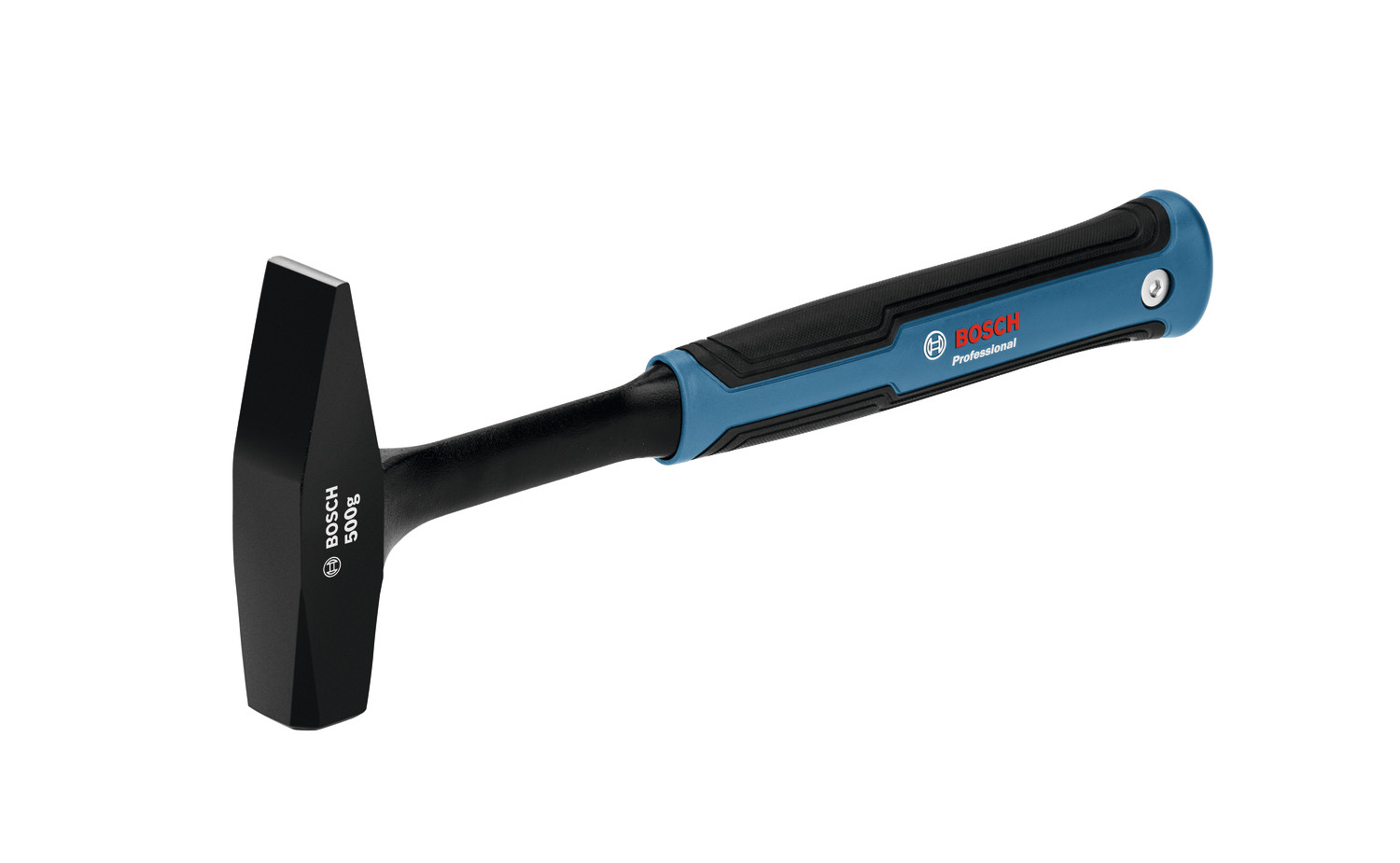
Fourth, colour choice. Black, orange, or blue help you spot the tool, yet change nothing in use.
Considerations
Fifth, sub-type label. Tools and Hardware listings mix general hammers with trade items, so read the detail.
What's good
- Manual hammers need no power source. They work on a roof, in a shed, or at a jewellery bench.
- Rubber and nylon headed manual hammers protect soft surfaces. That makes them right for joinery, tiling, or fret work.
- Powered hammers cut fatigue on repeat impacts. They suit renovation jobs where you sink many nails.
- The category spans simple manual shapes and powered units. You can match the tool to the task without guessing.
Things to watch
- Powered hammers are heavier and need a cord or battery. They are wrong for quick, quiet repairs.
- Manual hammers ask for arm strength and a steady swing. A claw hammer will tire you over a long session.
- Rubber and nylon faces wear faster than steel. Mallets need replacing sooner than a steel head.
- Wooden handled manual hammers can loosen at the eye. Steel shaft versions last longer but send more buzz to your wrist.
Care & maintenance
Maintenance
Keep steel heads dry. A light oil cloth stops rust in damp UK storage.
Maintenance
Check wooden handles for splits each month. Tighten a loose head before it becomes a hazard.
Maintenance
Clean rubber mallet faces with mild soap. Harsh solvents crack the rubber prematurely.
Maintenance
Powered hammers need a visual check of cords and switches. Faults cause delays, not just irritation.
Frequently Asked Questions
What should I look for when buying hammers?
When shopping for hammers, consider factors such as quality, price, brand reputation, and customer reviews. Compare prices across multiple retailers to ensure you're getting the best deal. Look for products that match your specific needs and budget.
How do I choose the right hammers?
Choosing the right hammers depends on your individual needs, budget, and preferences. Research different options, read customer reviews, and compare specifications. Consider what features are most important to you and look for products that offer the best value for money.
Where can I find the best deals on hammers?
You can find the best deals on hammers by comparing prices across multiple retailers. Our price comparison tool helps you find the lowest prices from trusted UK retailers including Amazon, eBay, and other major online stores. Check regularly as prices and deals change frequently.
Are hammers products worth the investment?
The value of hammers products depends on your specific needs and how you plan to use them. Quality products from reputable brands often provide better long-term value, even if they cost more initially. Consider your budget and requirements when making your decision.
What's the difference between different types of hammers?
Different types of hammers vary in features, quality, price, and intended use. Some may offer premium features while others focus on affordability. Research the specific differences between models or brands to find the option that best suits your needs and budget.