Insulation
How to choose insulation
Sub-type first
Pick Building Materials (rolls, boards, slabs) for whole-surface upgrades, or Hardware (sleeves, foil) for spot fixes.
Match material to job
Material decides application: wool or polyester for loft rolls, PIR or polyurethane for slim boards, rubber or silicone for hot pipes.
Colour is coding, not performance
Colour helps on pipes (blue, red, yellow) but stays cosmetic for loft rolls where white or grey is fine.
Acoustic vs thermal
If noise matters as much as heat, stone wool slabs beat paper or polyester wraps for acoustic mass.
Foil is a reflector
Foil types (silver, aluminium) reflect radiant heat yet add little bulk insulation, so pair with rolls or boards.
What's good
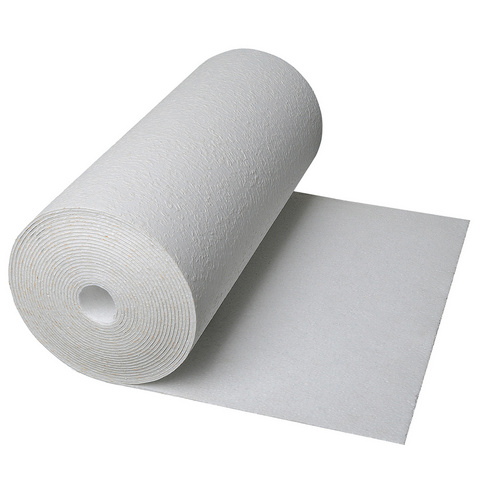
- Loft rolls in mineral wool or polyester lay between joists quickly, cutting heat loss in a standard roof.
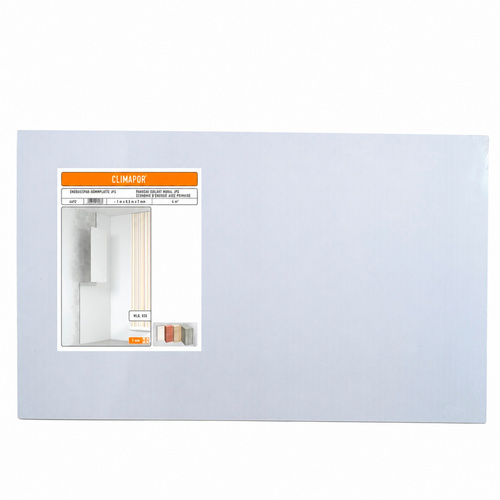
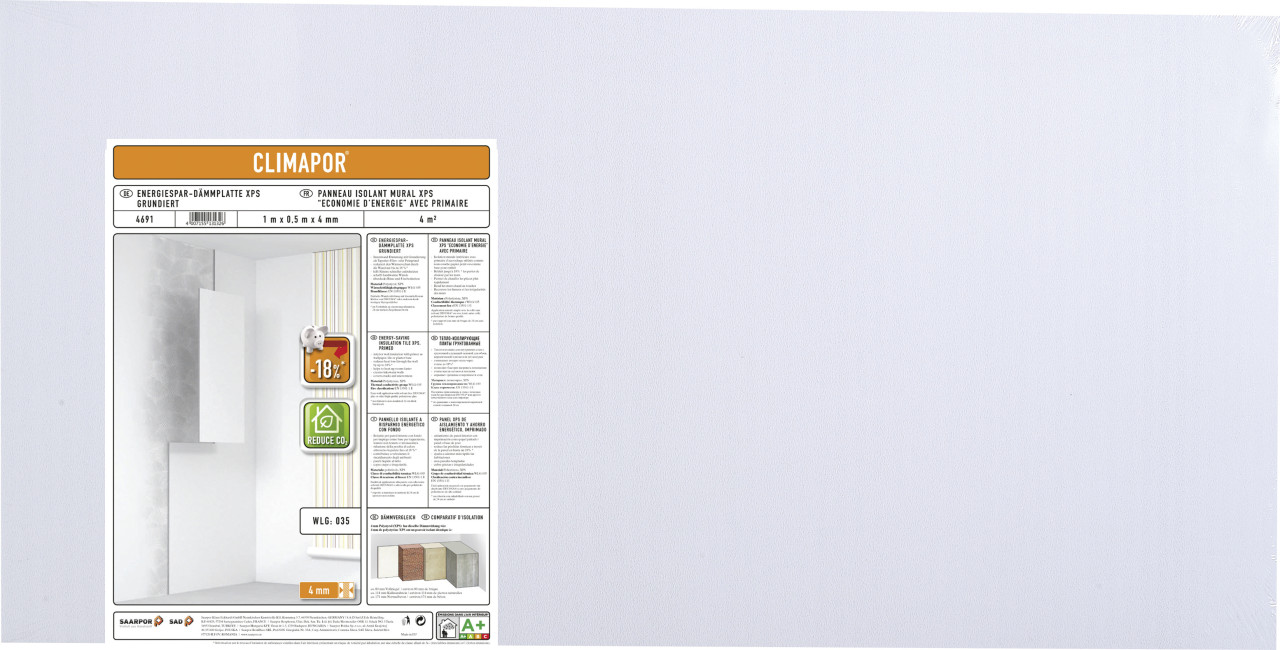
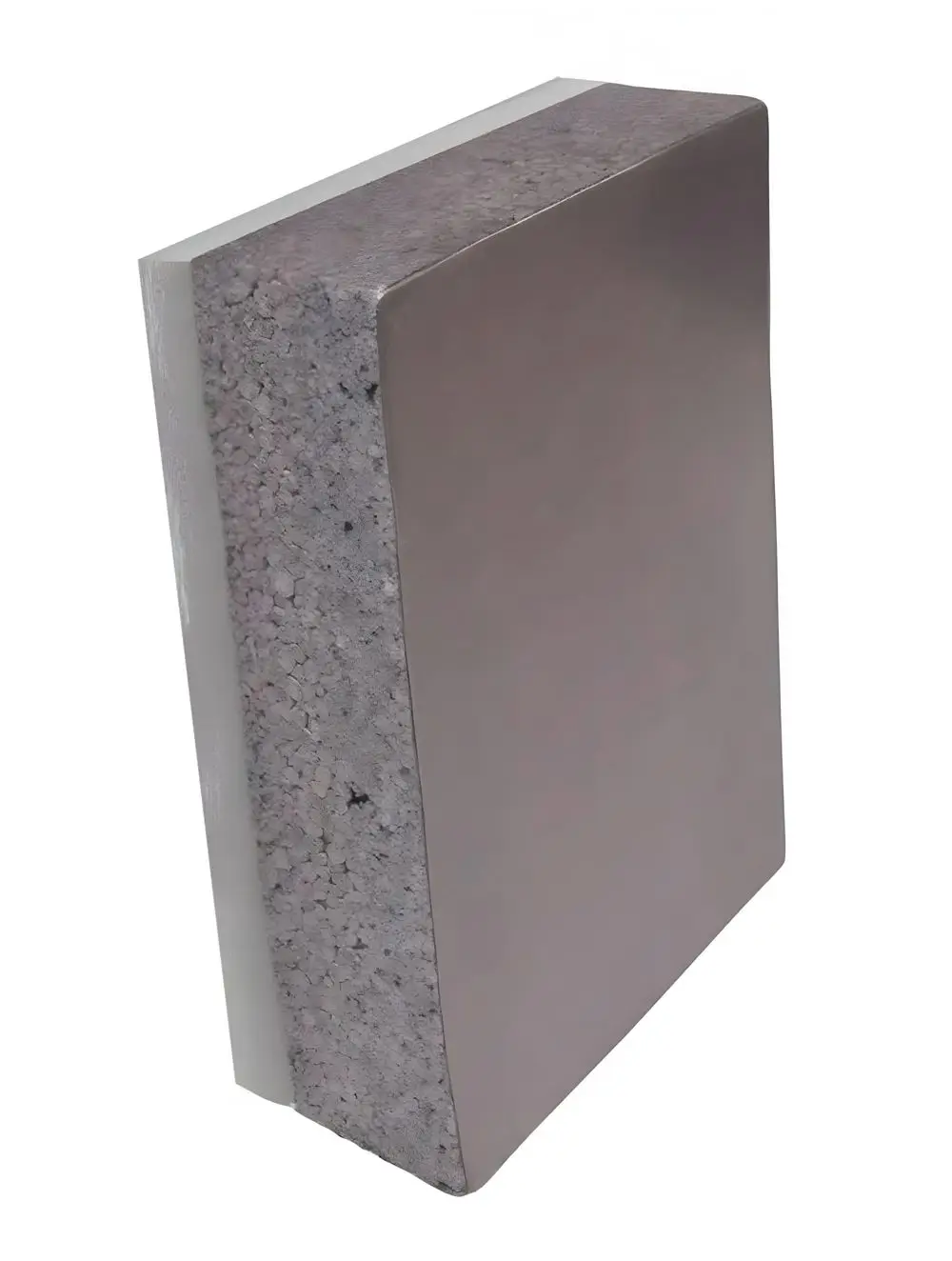
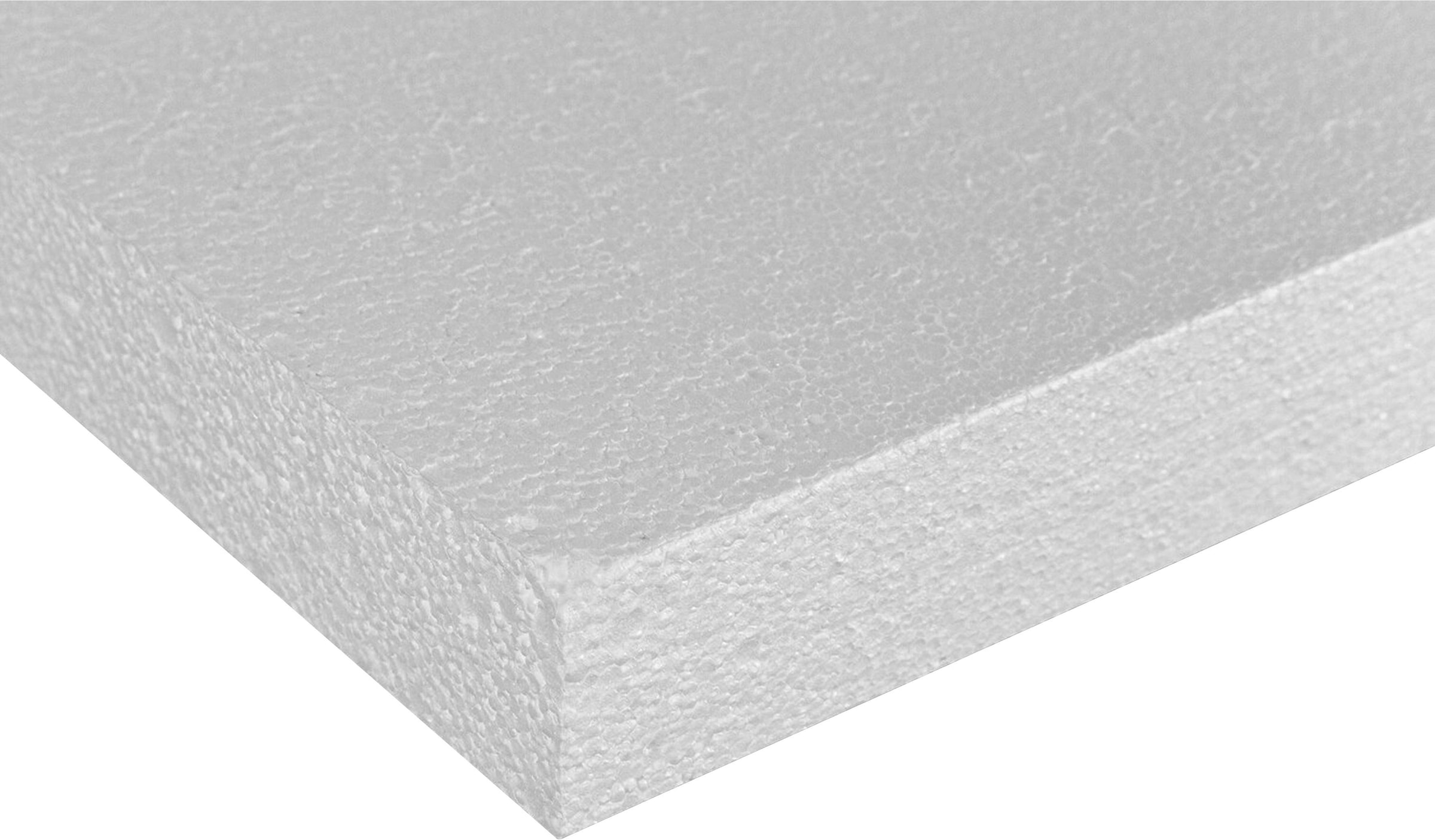
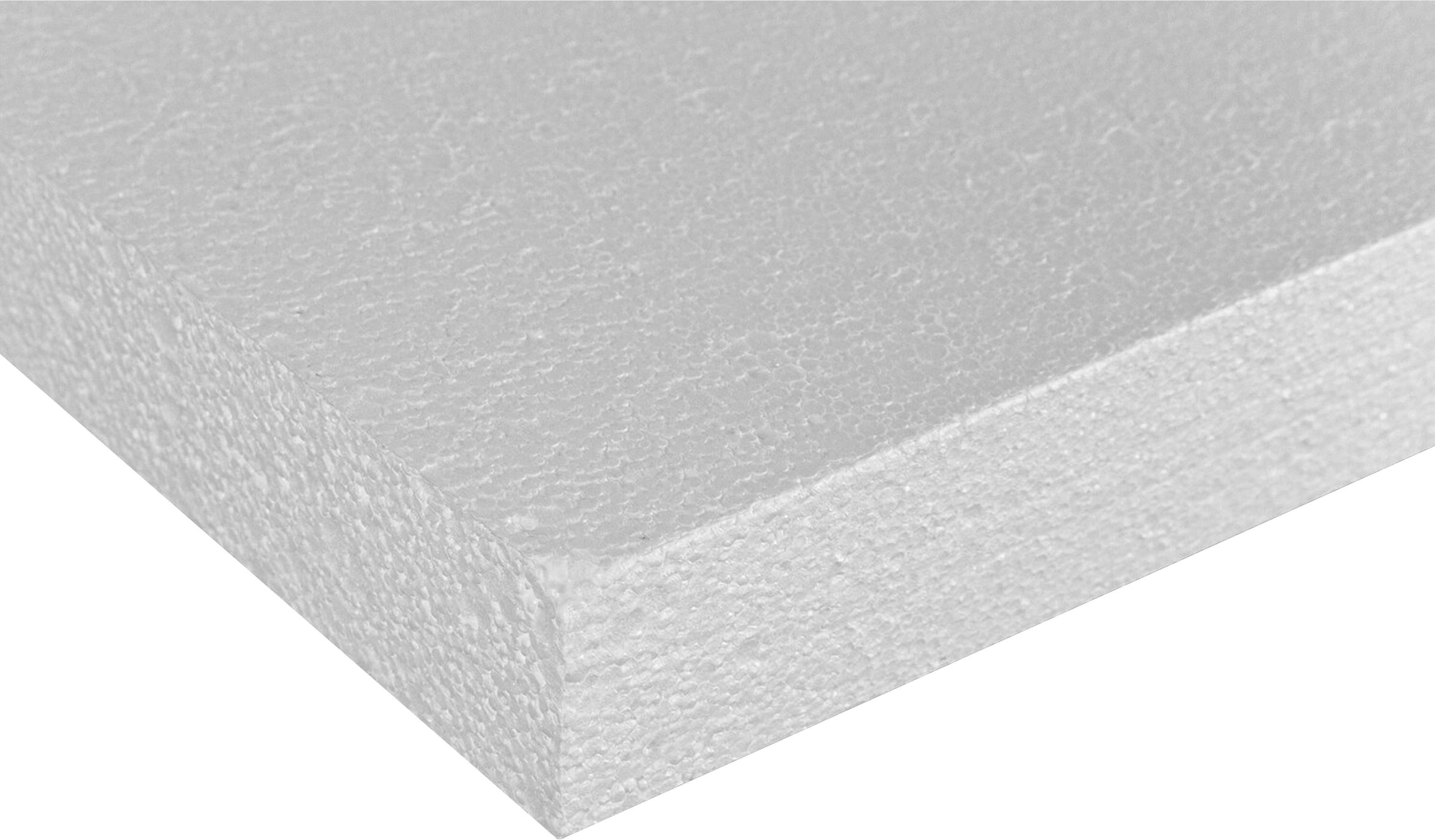
- Rigid boards using PIR or polyurethane achieve high thermal resistance in thin layers, saving wall space.
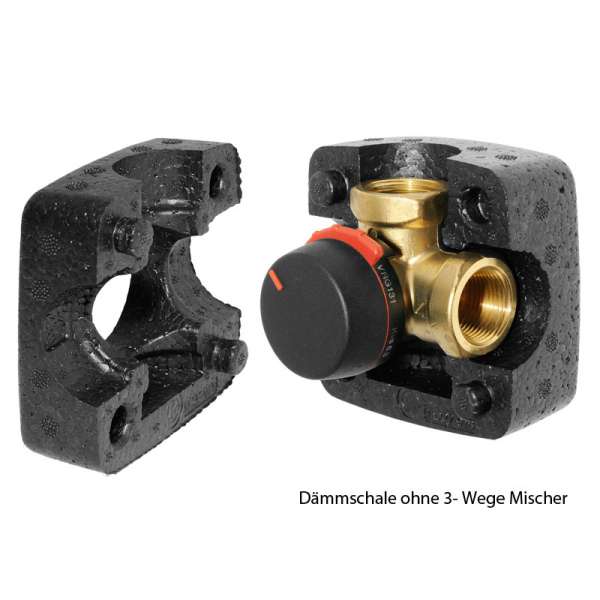
- Pipe lagging in rubber or silicone prevents condensation on plumbing, a small Hardware task with clear comfort gain.
- Stone wool slabs dampen sound as well as heat, suited to party walls or music rooms.
- Aluminium foil sleeves bounce radiator heat back into the room without thick padding.
Things to watch
- Thick mineral wool rolls need deep joists, reducing loft storage height.
- PIR and polyurethane boards need accurate cutting and careful handling, and they show gaps on uneven walls.
- Paper or light polyester pipe wraps suit cold lines but soften or fail near hot flows.
- Stone wool irritates skin and airways during fitting, requiring masks and gloves.
- Coloured lagging (red, blue, yellow) aids pipe identification but adds no extra insulation over black or grey.
Care & maintenance
Check loft rolls
Lift loft rolls each year to check for compression or damp, and re-lay to full depth.
Wipe foil gently
Dust aluminium foil reflectors with a dry cloth, since creases lower reflectivity.
Reseal pipe lags
After cold snaps, feel pipe lagging seams and reseal any openings with silicone.
Keep boards dry
Store spare rigid boards under cover; wet PIR loses performance and can bow.
Frequently Asked Questions
What should I look for when buying insulation?
When shopping for insulation, consider factors such as quality, price, brand reputation, and customer reviews. Compare prices across multiple retailers to ensure you're getting the best deal. Look for products that match your specific needs and budget.
How do I choose the right insulation?
Choosing the right insulation depends on your individual needs, budget, and preferences. Research different options, read customer reviews, and compare specifications. Consider what features are most important to you and look for products that offer the best value for money.
Where can I find the best deals on insulation?
You can find the best deals on insulation by comparing prices across multiple retailers. Our price comparison tool helps you find the lowest prices from trusted UK retailers including Amazon, eBay, and other major online stores. Check regularly as prices and deals change frequently.
Are insulation products worth the investment?
The value of insulation products depends on your specific needs and how you plan to use them. Quality products from reputable brands often provide better long-term value, even if they cost more initially. Consider your budget and requirements when making your decision.
What's the difference between different types of insulation?
Different types of insulation vary in features, quality, price, and intended use. Some may offer premium features while others focus on affordability. Research the specific differences between models or brands to find the option that best suits your needs and budget.