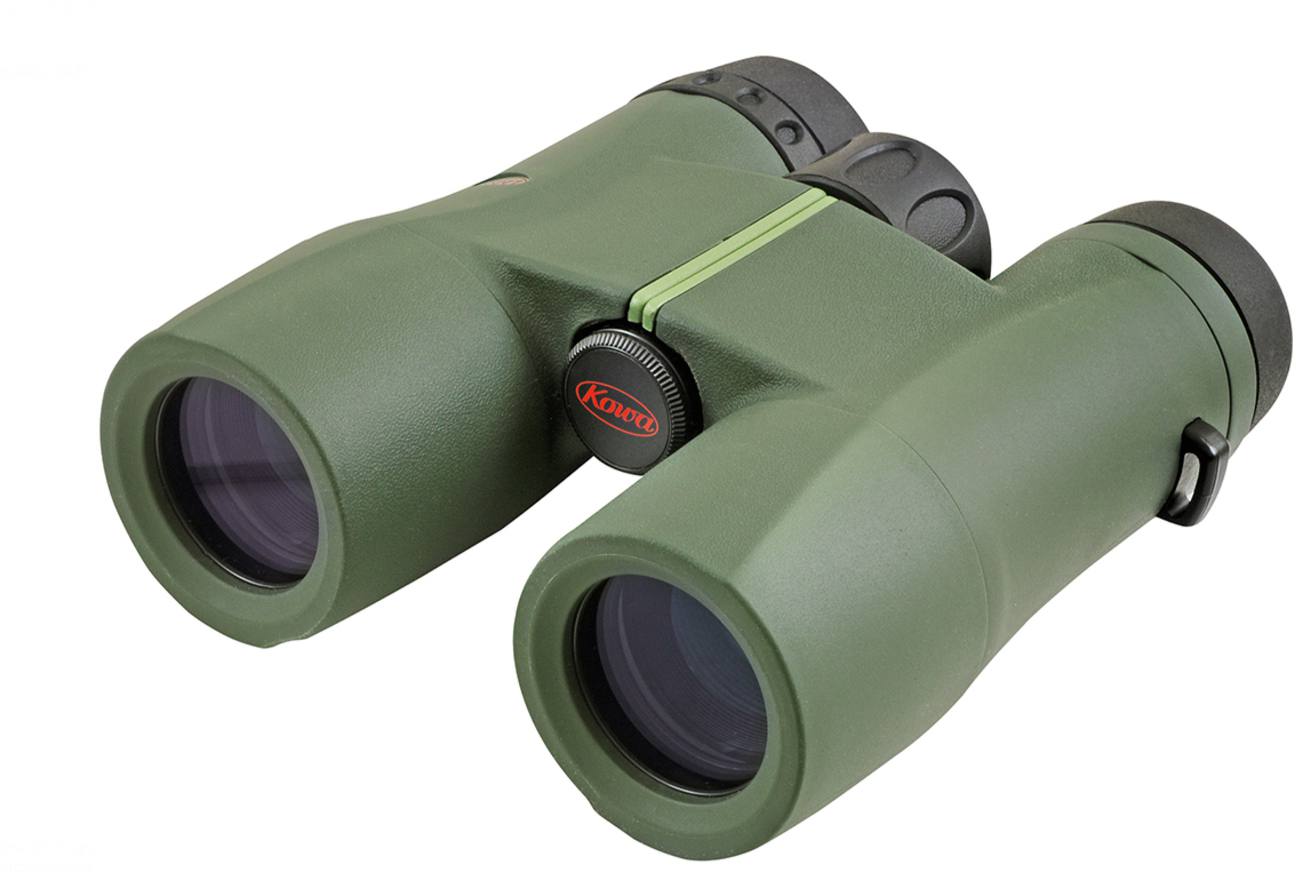
Binoculars
How to choose binoculars
Spec scale
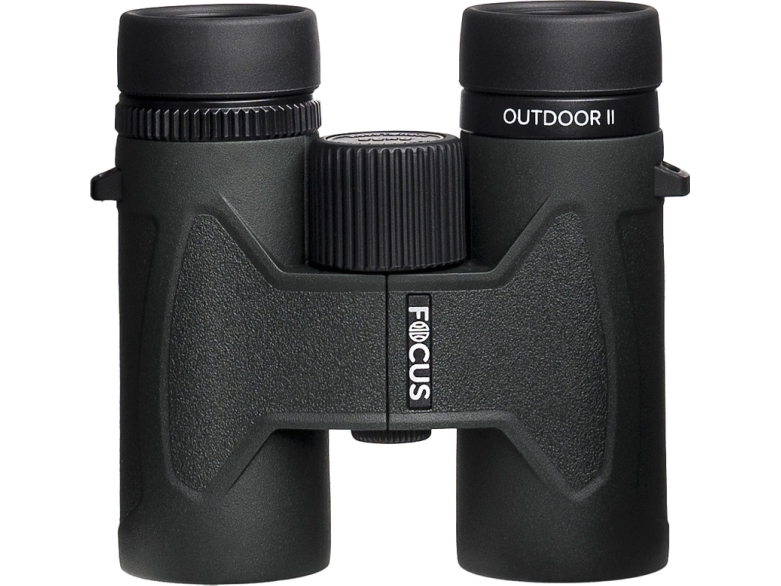
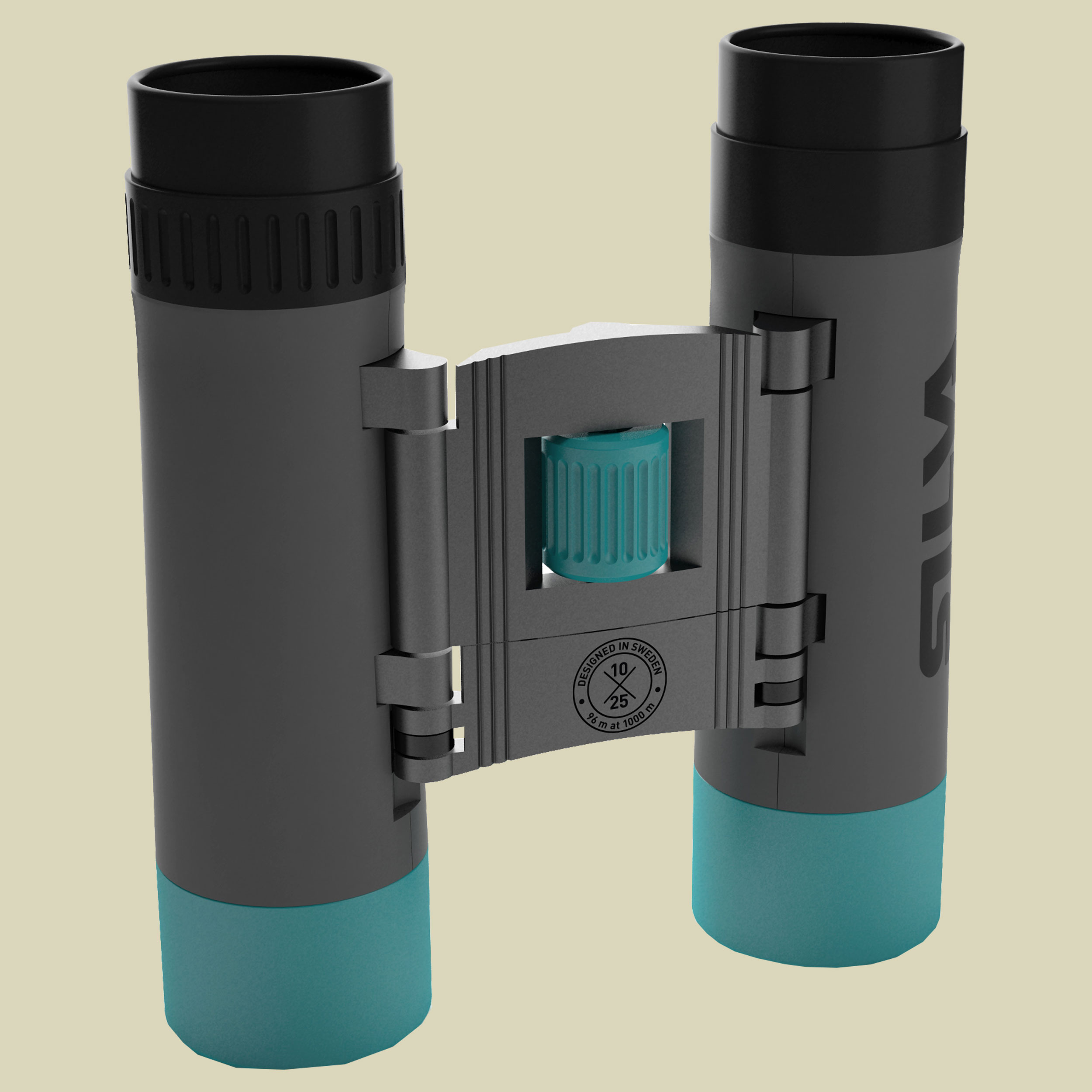
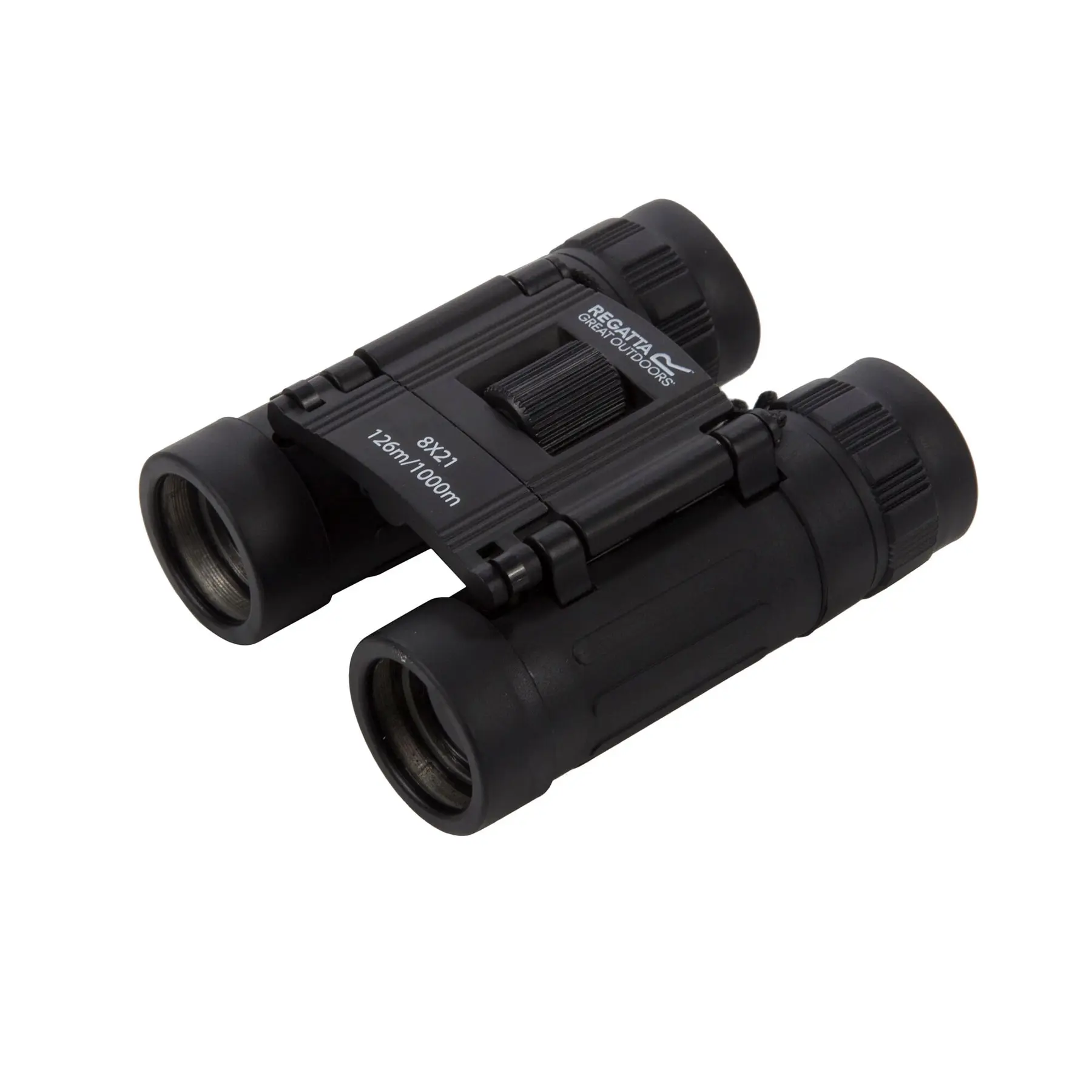
Magnification and objective: 8x21 compacts favour travel, while 10x50 or 12x60 serve observation but weigh more.
Build material
Material choice: rubber and metal/rubber resist knocks, whereas brass or aluminium feel dense and conduct cold.
Visibility
Colour and finish: red, pink, yellow, green, white, or silver make the pair easy to spot, against black or dark tones that stay subtle, with gold options for style.
Extras
Feature set: a compass adds bulk over a light observation model, and close focus types suit nearby wildlife over distant scans.
Category split
Sub type: Cameras & Optics listings may bundle other kit, while plain Optics entries keep to the binoculars alone. The grid below holds the live range for each type you pick.
What's good
- Compact roof prism types, such as 8x21 units, sit light in the hand and tuck into a coat pocket.
- Larger 50mm or 60mm objective models draw in more light, suiting dawn watch or observation tiers.
- Pairs with a built in compass give bearing reads for hiking without a separate device.
- Rubber and metal/rubber housings across the Optics sub-type add grip and bump protection over bare metal.
Things to watch
- Twelve power types bring shake and weight that eight power compacts avoid.
- Small 8x21 lenses show dimmer views in poor light than 50mm or 60mm observation glasses.
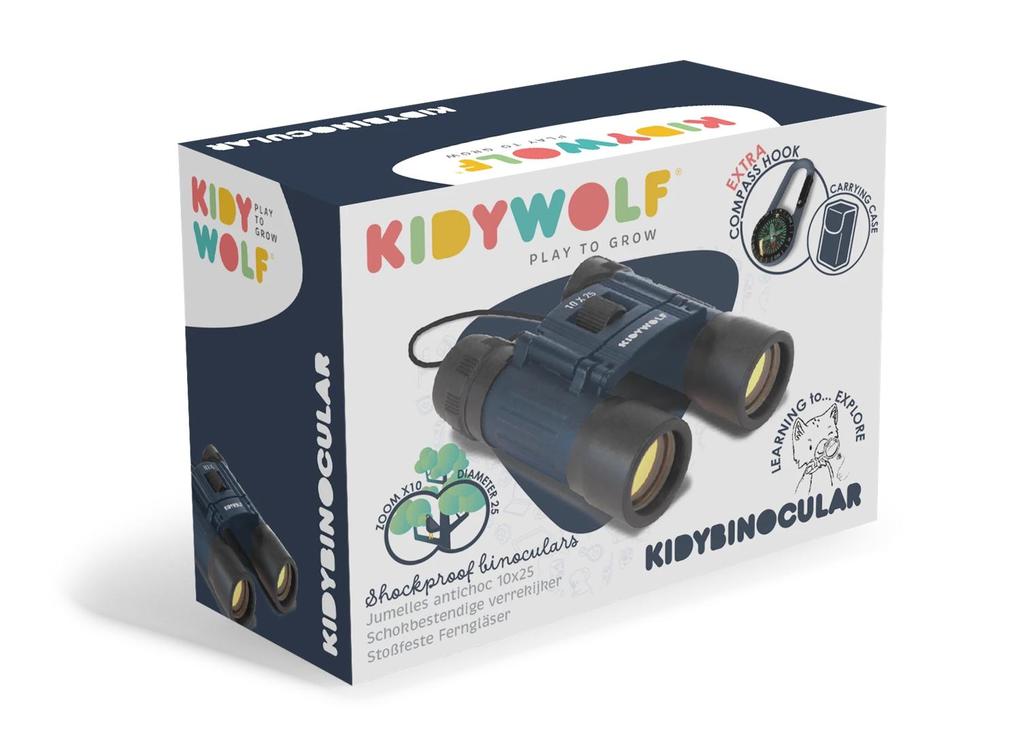
- Kids and toy tier items in plastic or silicone skip the fine focus of aluminium roof prism builds.
- Compass fitted 7x50 units give up the high magnification some land users prefer.
Care & maintenance
Lens care
Brush dust from lenses before a microfibre wipe, to keep coated glass scratch free.
Body storage
Keep rubber, silicone, or plastic bodies out of prolonged sun, as heat can warp or fade the shell.
Mechanism upkeep
After wet use, dry the focus wheel on metal or aluminium frames to stop grit binding.
Compass care
If your model carries a compass, store it clear of magnets so the read stays true.
Frequently Asked Questions
What should I look for when buying binoculars?
When shopping for binoculars, consider factors such as quality, price, brand reputation, and customer reviews. Compare prices across multiple retailers to ensure you're getting the best deal. Look for products that match your specific needs and budget.
How do I choose the right binoculars?
Choosing the right binoculars depends on your individual needs, budget, and preferences. Research different options, read customer reviews, and compare specifications. Consider what features are most important to you and look for products that offer the best value for money.
Where can I find the best deals on binoculars?
You can find the best deals on binoculars by comparing prices across multiple retailers. Our price comparison tool helps you find the lowest prices from trusted UK retailers including Amazon, eBay, and other major online stores. Check regularly as prices and deals change frequently.
Are binoculars products worth the investment?
The value of binoculars products depends on your specific needs and how you plan to use them. Quality products from reputable brands often provide better long-term value, even if they cost more initially. Consider your budget and requirements when making your decision.
What's the difference between different types of binoculars?
Different types of binoculars vary in features, quality, price, and intended use. Some may offer premium features while others focus on affordability. Research the specific differences between models or brands to find the option that best suits your needs and budget.