Laminators
How to choose laminators
Sub-type first
Pick Office Equipment (the machine) or Office Supplies (pouches, adhesive cartridges). One is hardware, the other ongoing stock.
Size
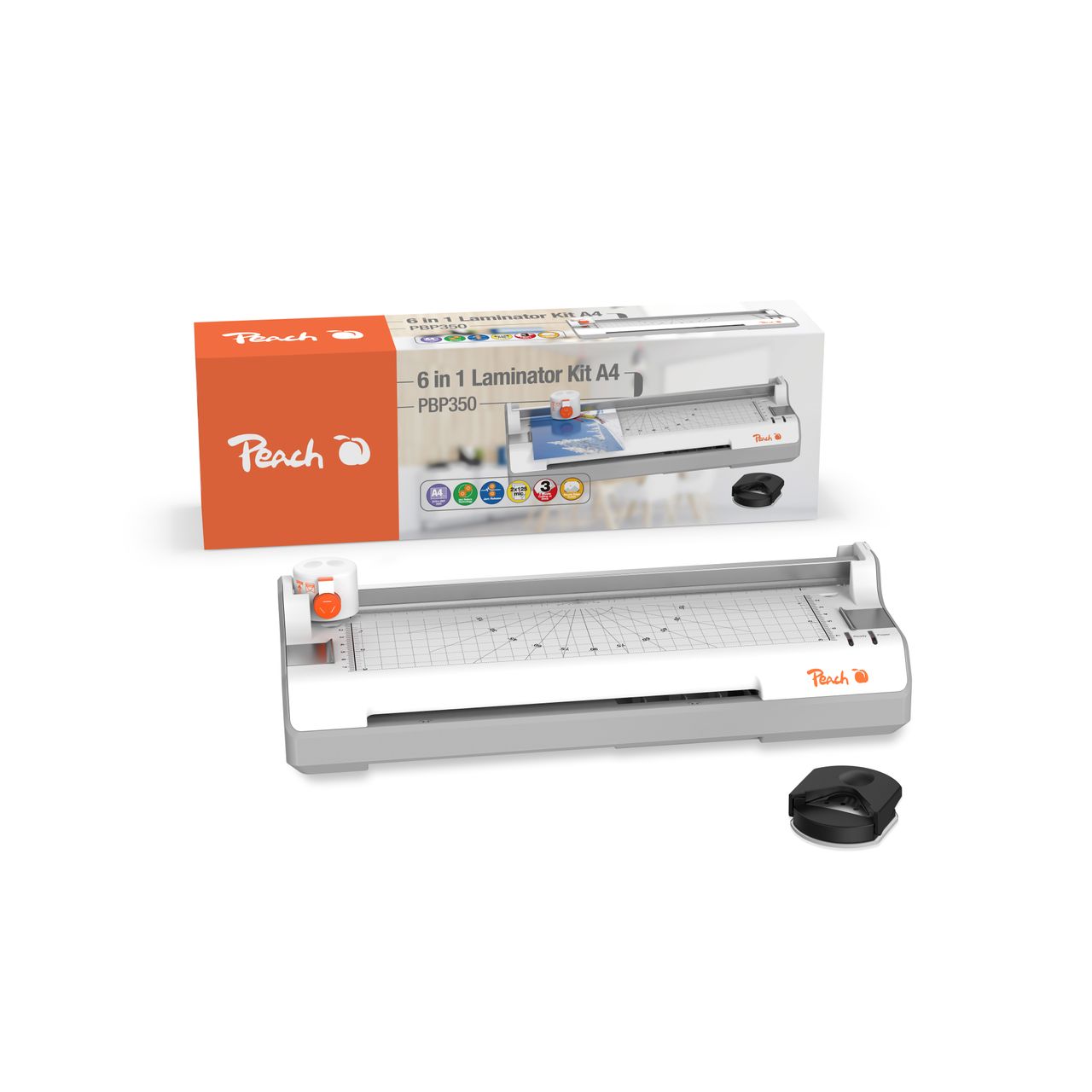
Choose A4 for letters and cards, A3 for posters. A3 takes more desk room.
Build
Material changes the feel. Plastic is light, steel is stable but heavier.
Look
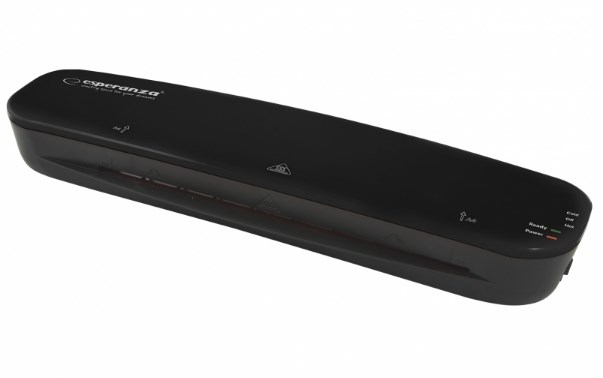
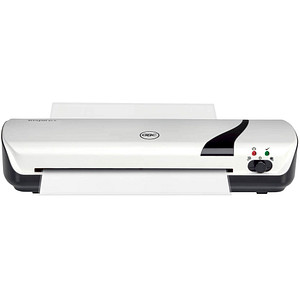
Colour is practical. Grey/silver blends in, blue/white or black/red/blue stand out.
Thickness
Micron range decides rigidity. Wider (80-175) takes thick pouches, narrower (80-125) suits daily sheets.
What's good
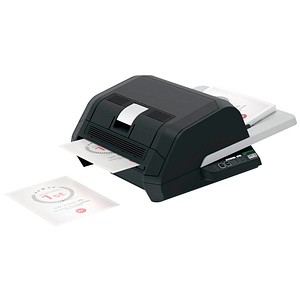
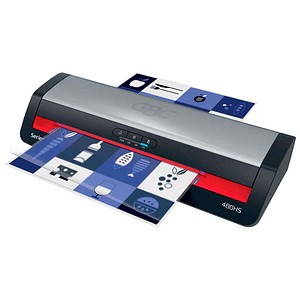
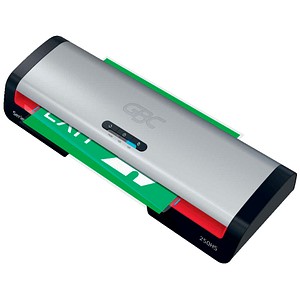
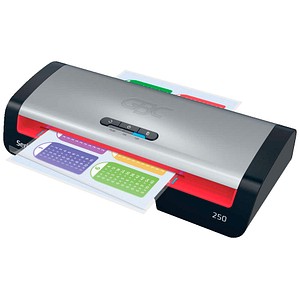
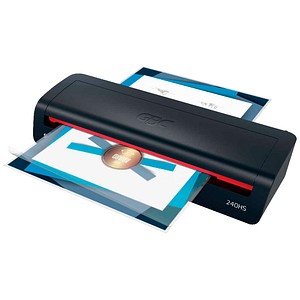
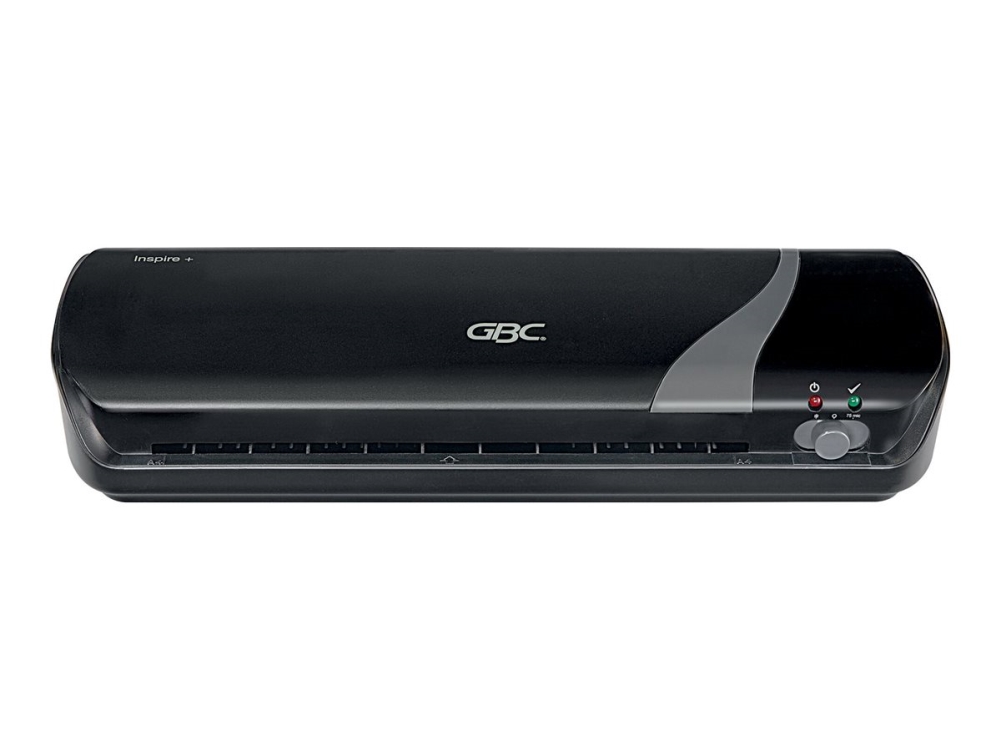
- Desktop laminators in the Office Equipment sub-type protect documents in house. Some warm up in one minute and feature anti-jam feeding.
- Steel-bodied models (material: steel) stay put on a busy desk. They resist knocks better than light plastic.
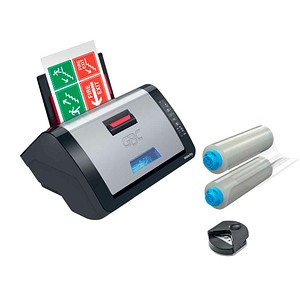
- A single-sided lamination module handles card media and specialised jobs. Pouch machines cannot do this.
- Office Supplies like paper/mode pouches let you match stock to the task. No need to change the hardware.
- Colour options from white to dark/silver help the unit fit your space. Blue/white or black/red/blue can lift a plain desk.
Things to watch
- A3 machines need more surface than A4 ones. Steel builds add weight when you move them.
- Single-sided modules do one job. They are wrong for general document lamination.
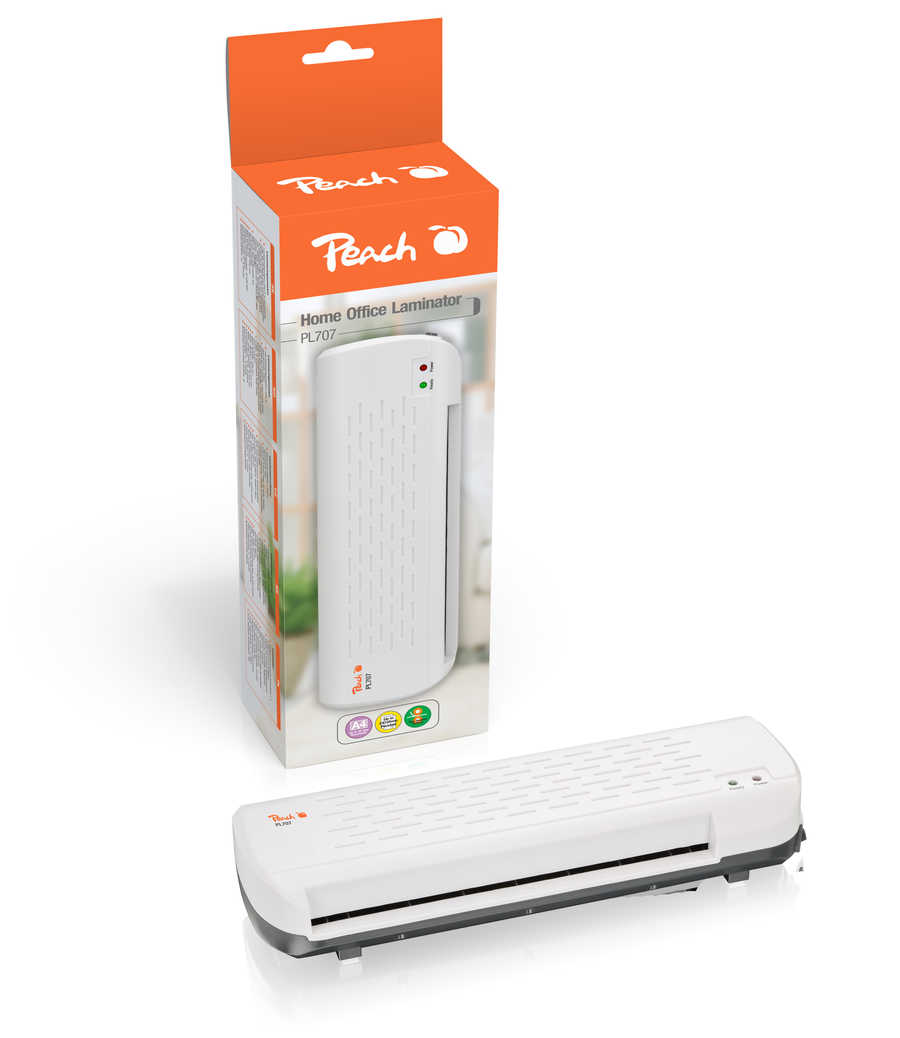
- Plastic-bodied units (material: plastic) are easy to carry but can slide while feeding. A steady hand is needed.
- Pouch laminators rely on Office Supplies reordering. That is ongoing work a self-contained process avoids.
- Units capped at 80-125 micron give less rigid results than those taking 80-175 micron. Thick signs need the wider range.
Care & maintenance
Cool and clear
Let the laminator cool before clearing a misfeed. Use the anti-jam feature if your tier has it.
Mind the micron
Stay inside the rated micron window, such as 80-125 or 80-175. This avoids strain on the unit.
Wipe down
Wipe plastic cases with a damp cloth. Steel bodies prefer a dry cloth to avoid marks.
Dust free
Keep the entry path free of dust. Straight entry prevents curling.
Frequently Asked Questions
What should I look for when buying laminators?
When shopping for laminators, consider factors such as quality, price, brand reputation, and customer reviews. Compare prices across multiple retailers to ensure you're getting the best deal. Look for products that match your specific needs and budget.
How do I choose the right laminators?
Choosing the right laminators depends on your individual needs, budget, and preferences. Research different options, read customer reviews, and compare specifications. Consider what features are most important to you and look for products that offer the best value for money.
Where can I find the best deals on laminators?
You can find the best deals on laminators by comparing prices across multiple retailers. Our price comparison tool helps you find the lowest prices from trusted UK retailers including Amazon, eBay, and other major online stores. Check regularly as prices and deals change frequently.
Are laminators products worth the investment?
The value of laminators products depends on your specific needs and how you plan to use them. Quality products from reputable brands often provide better long-term value, even if they cost more initially. Consider your budget and requirements when making your decision.
What's the difference between different types of laminators?
Different types of laminators vary in features, quality, price, and intended use. Some may offer premium features while others focus on affordability. Research the specific differences between models or brands to find the option that best suits your needs and budget.