Plumbing Flanges
How to choose plumbing flanges
Sub-type
pick Plumbing for main pipe connections, Plumbing Fittings & Supports for expansion or mounting, Hardware for caps and small components.
Material
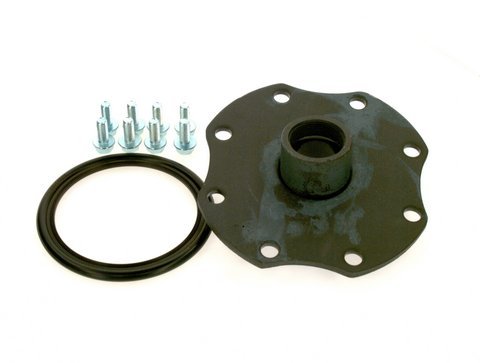
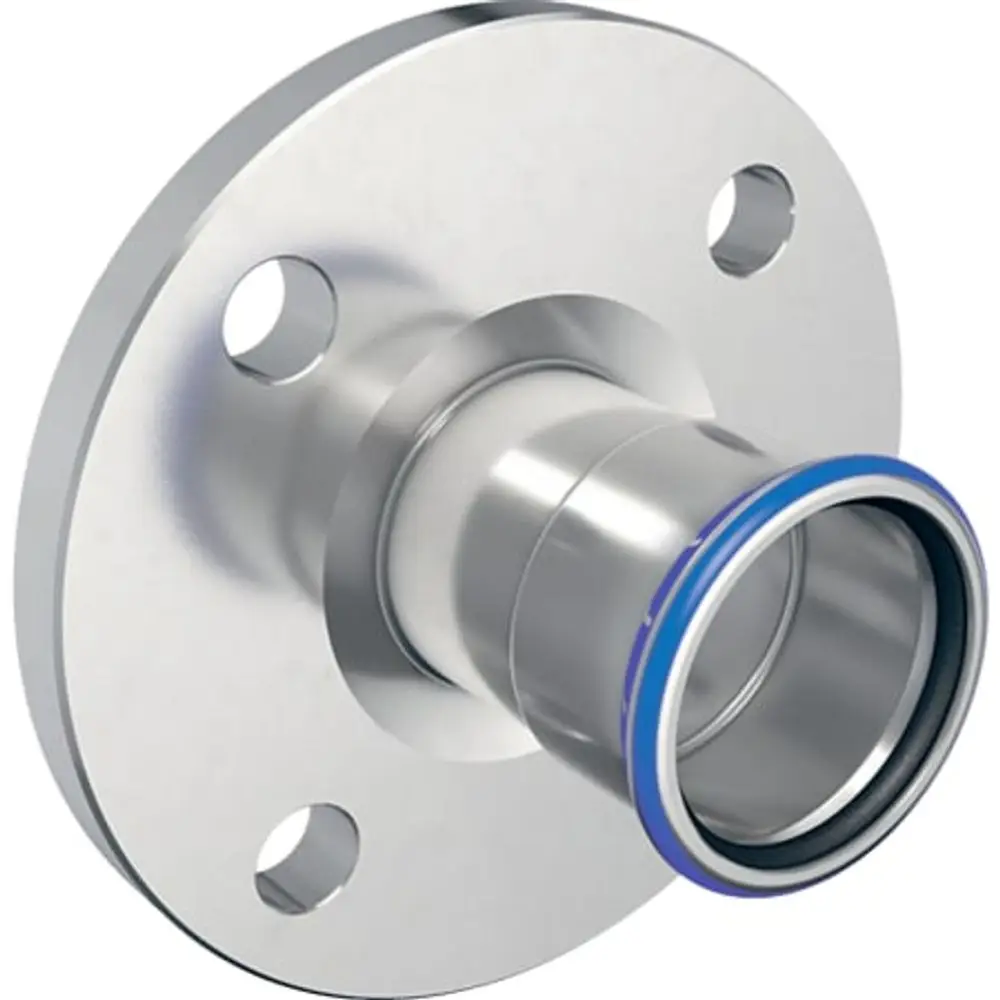
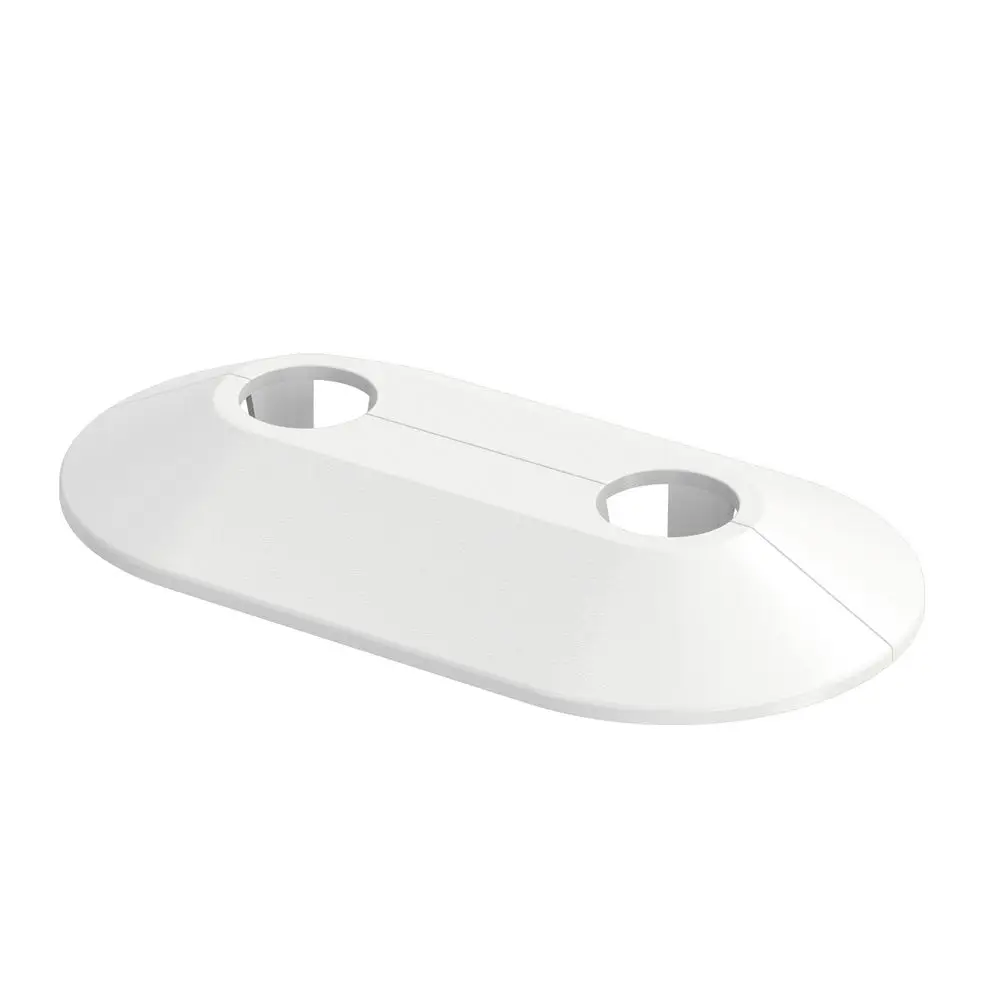
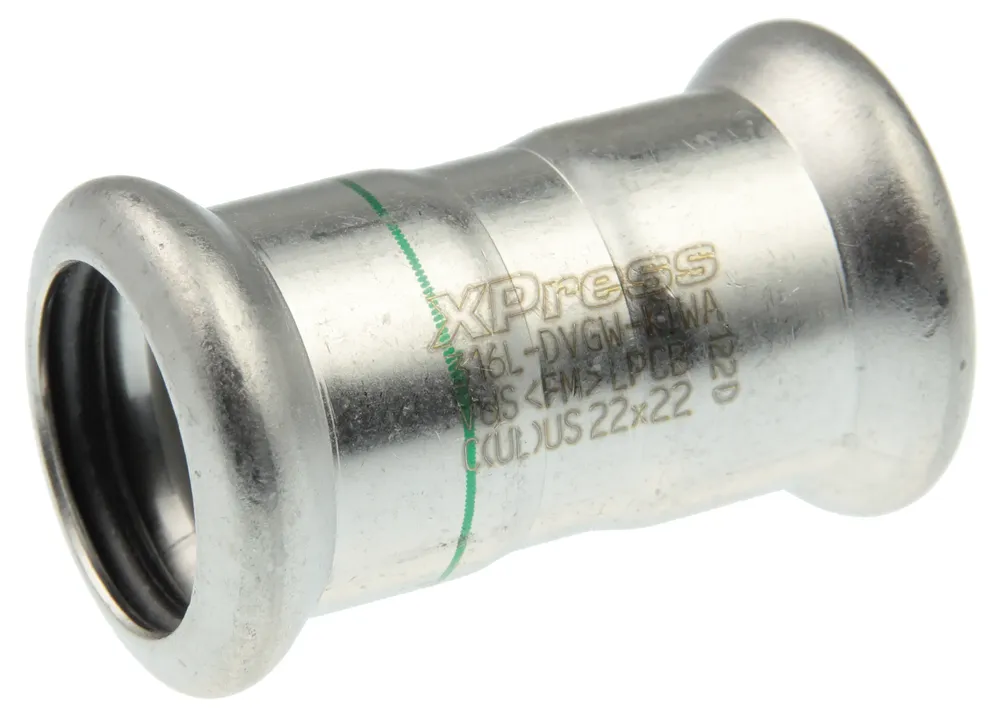
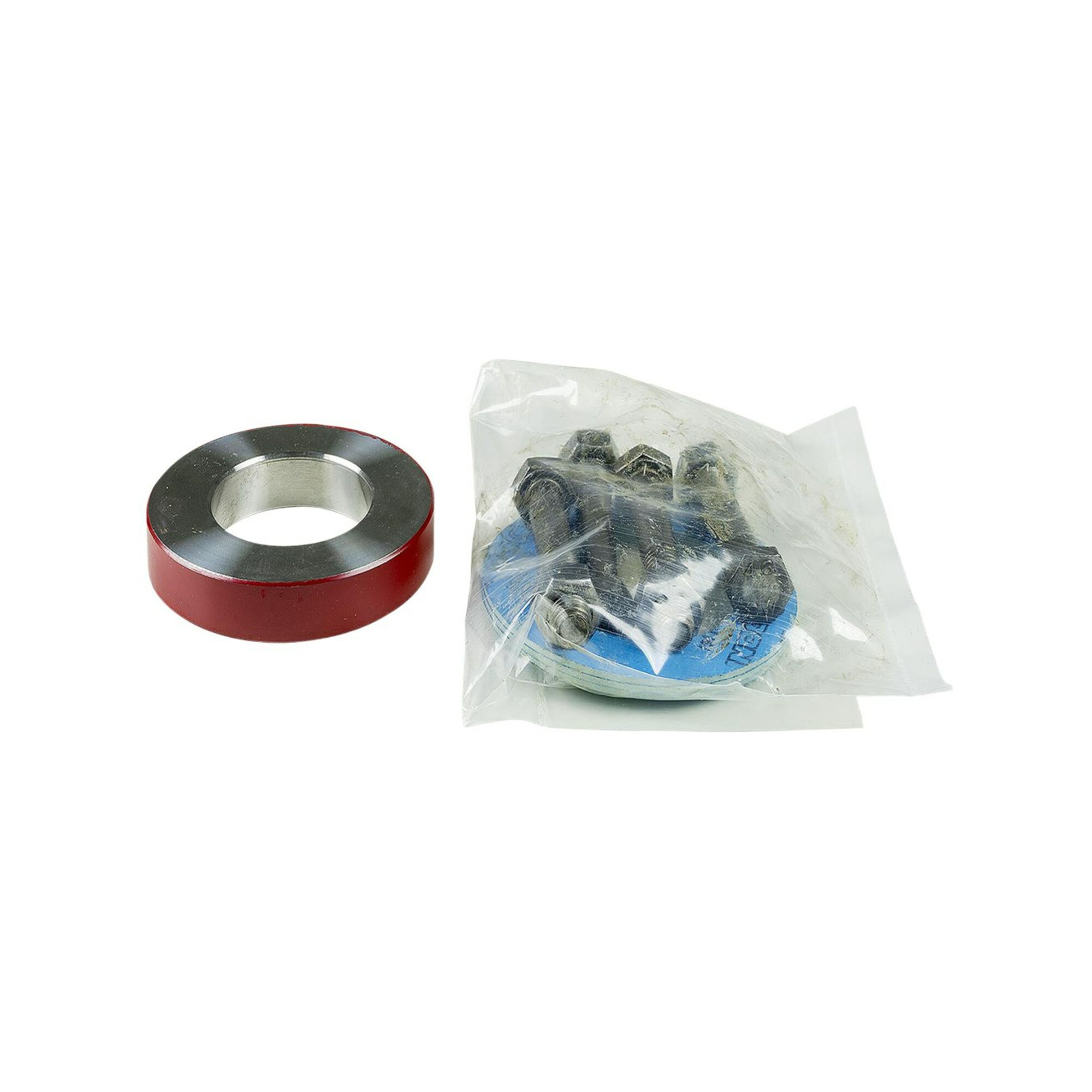
stainless steel resists corrosion but is heavier, plastic is light but less sturdy, rubber absorbs vibration but is not rigid.
Colour
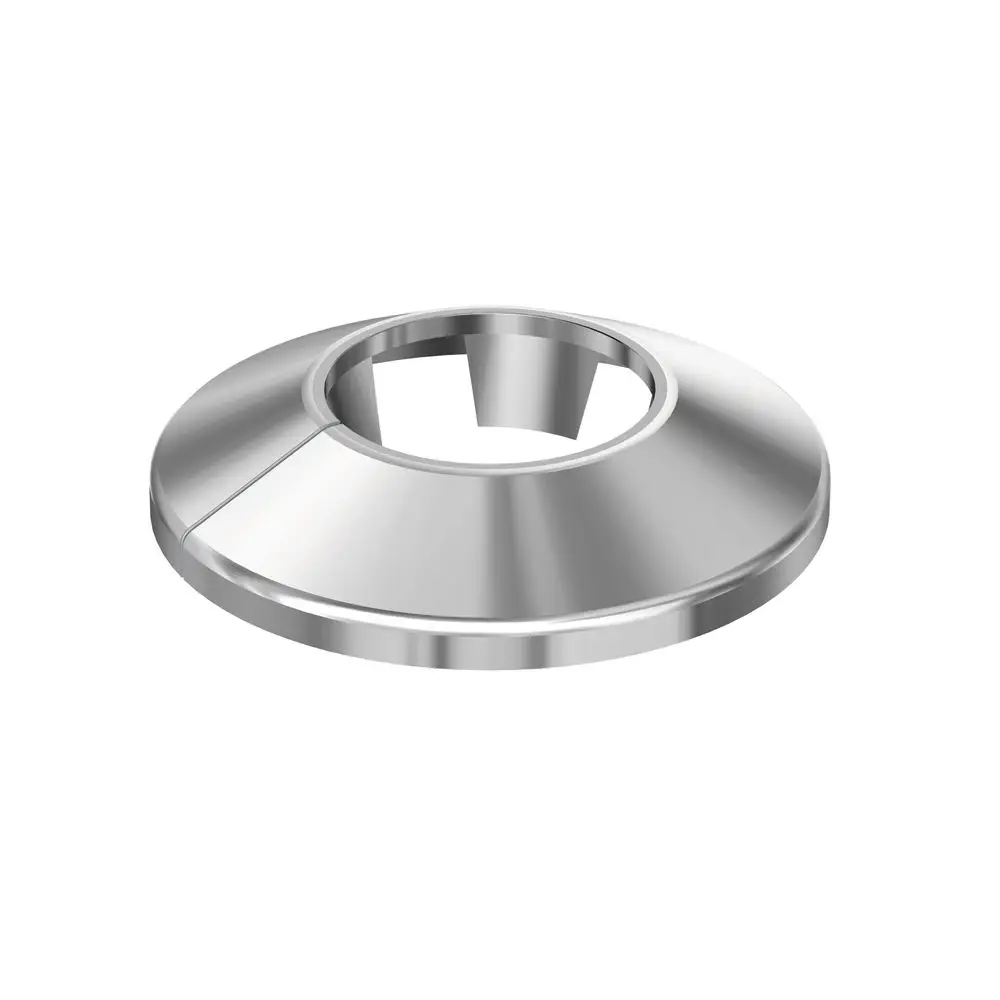
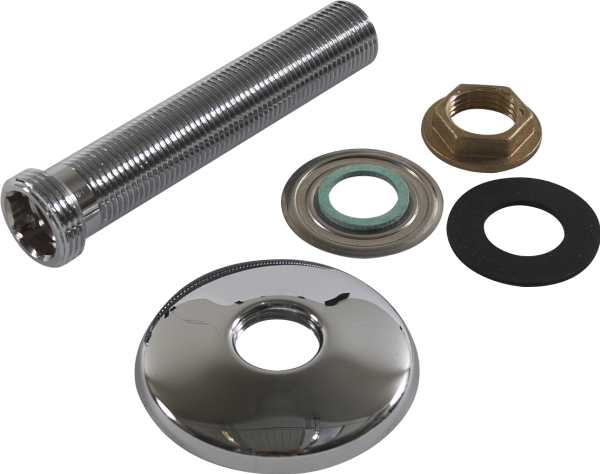
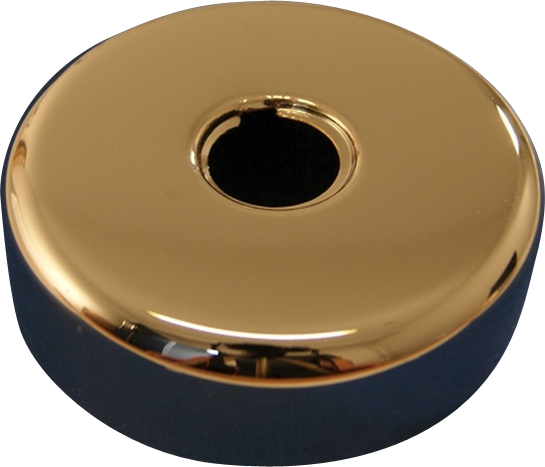
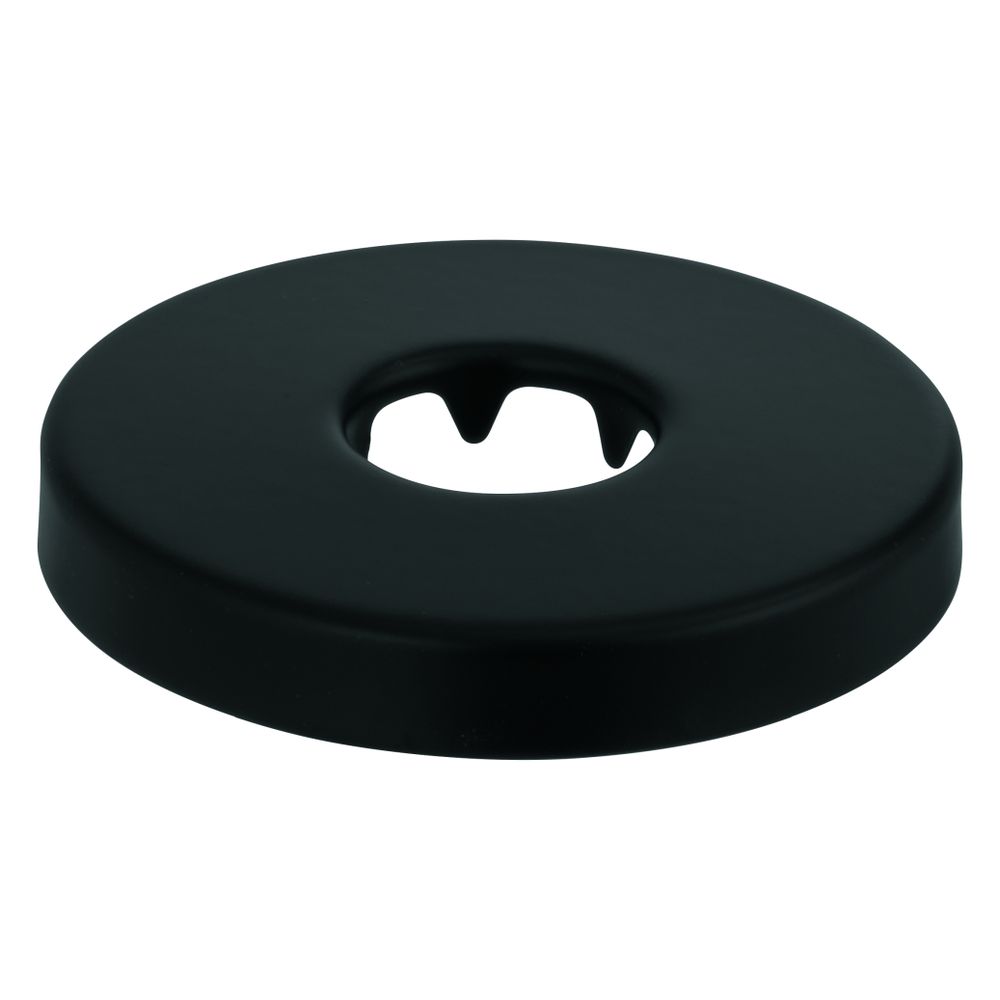
chrome and bronze blend with existing fittings, black or anthracite suit modern decor but can show scratches more than plain steel.
Connection style
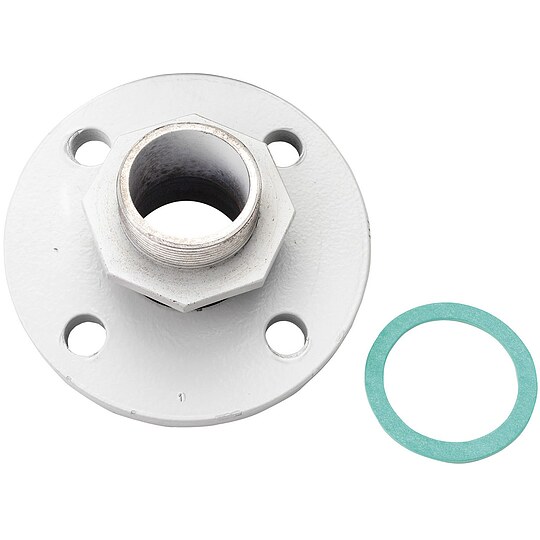
Connection: threaded steel flanges suit fixed pipework with matching threads, flanged rubber joints suit systems that shift or need vibration control.
What's good
- Stainless steel flanges resist rust in damp UK rooms, a sound choice for Plumbing joints.
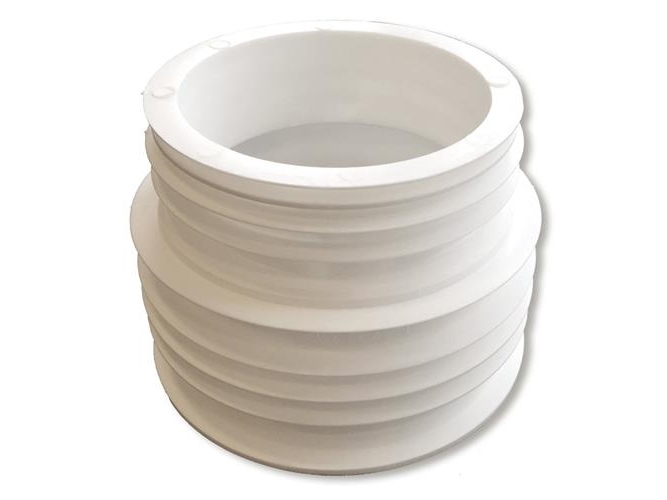
- Rubber or silicone flanges absorb pipe movement and cut noise, useful in Plumbing Fittings & Supports.
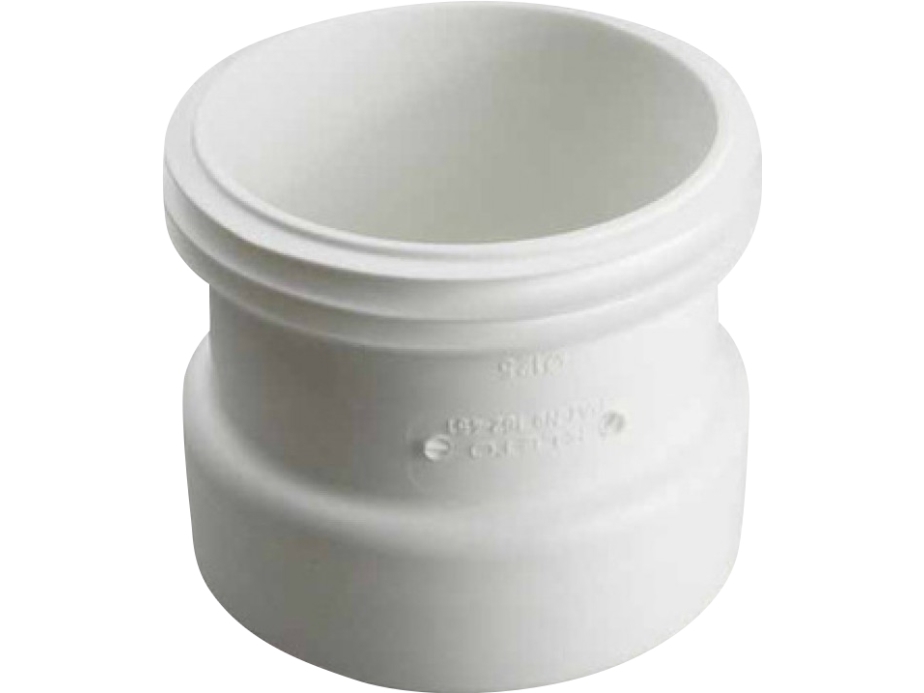
- Plastic and light steel Hardware pieces are easy to handle for small repairs.
- Chrome or bronze finishes match taps and valves, keeping a neat look across sub-types.
Things to watch
- Stainless steel and cast iron parts weigh more than plastic or rubber options, making a solo fit harder.
- Rubber expansion joints flex well but lack the rigid face of steel flanges, so they suit moving pipework rather than fixed rigid lines.
- Bare iron or steel can corrode if moisture sits on it, unlike chrome or coated finishes that shield the surface.
- Threaded flanges need matching threaded pipework, while flanged types bolt to a companion face, so mixing the two will not work.
Care & maintenance
Finish care
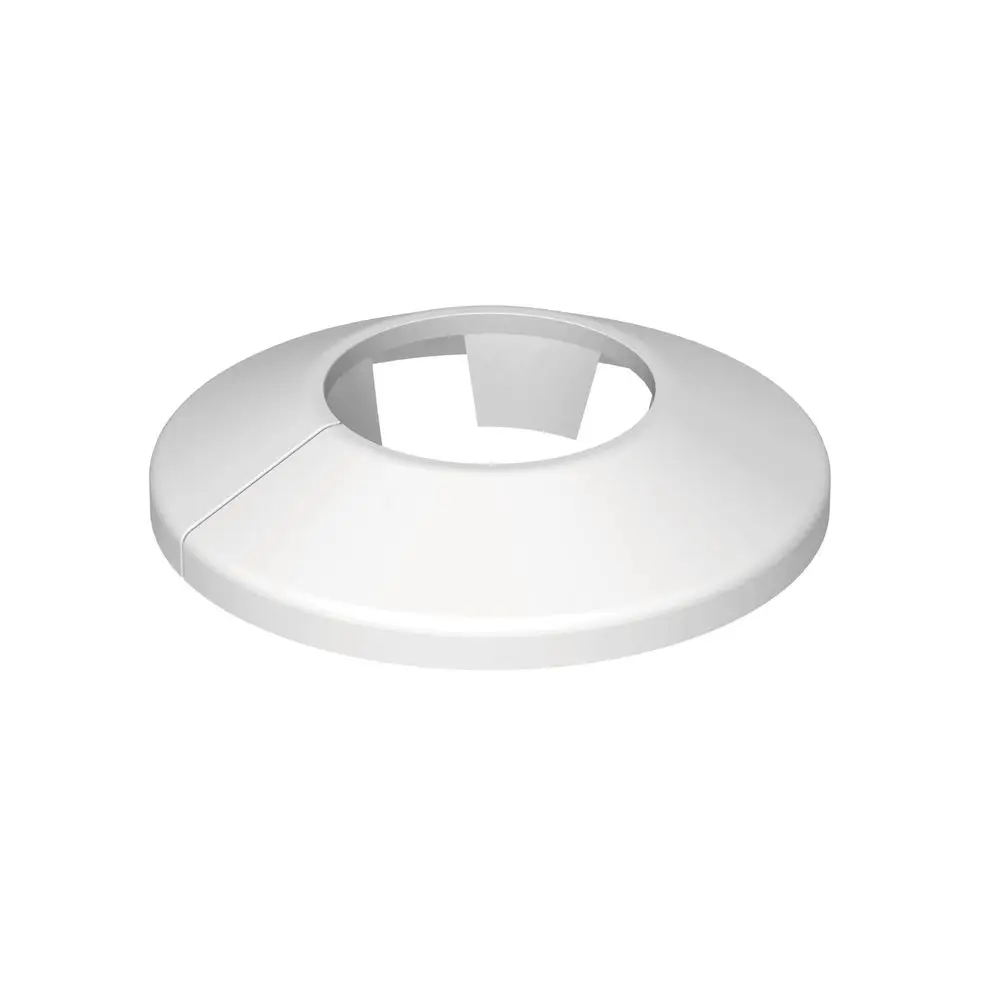
Wipe chrome or coloured flanges with a soft cloth to keep limescale off the finish.
Metal checks
Check iron and cast iron flanges periodically for rust spots, especially in damp spaces.
Flexible parts
Inspect rubber or silicone joints for cracks or stiffness, and replace them if they lose give.
Plastic storage
Keep plastic Hardware fittings out of direct sunlight to avoid brittleness.
Frequently Asked Questions
What should I look for when buying plumbing flanges?
When shopping for plumbing flanges, consider factors such as quality, price, brand reputation, and customer reviews. Compare prices across multiple retailers to ensure you're getting the best deal. Look for products that match your specific needs and budget.
How do I choose the right plumbing flanges?
Choosing the right plumbing flanges depends on your individual needs, budget, and preferences. Research different options, read customer reviews, and compare specifications. Consider what features are most important to you and look for products that offer the best value for money.
Where can I find the best deals on plumbing flanges?
You can find the best deals on plumbing flanges by comparing prices across multiple retailers. Our price comparison tool helps you find the lowest prices from trusted UK retailers including Amazon, eBay, and other major online stores. Check regularly as prices and deals change frequently.
Are plumbing flanges products worth the investment?
The value of plumbing flanges products depends on your specific needs and how you plan to use them. Quality products from reputable brands often provide better long-term value, even if they cost more initially. Consider your budget and requirements when making your decision.
What's the difference between different types of plumbing flanges?
Different types of plumbing flanges vary in features, quality, price, and intended use. Some may offer premium features while others focus on affordability. Research the specific differences between models or brands to find the option that best suits your needs and budget.