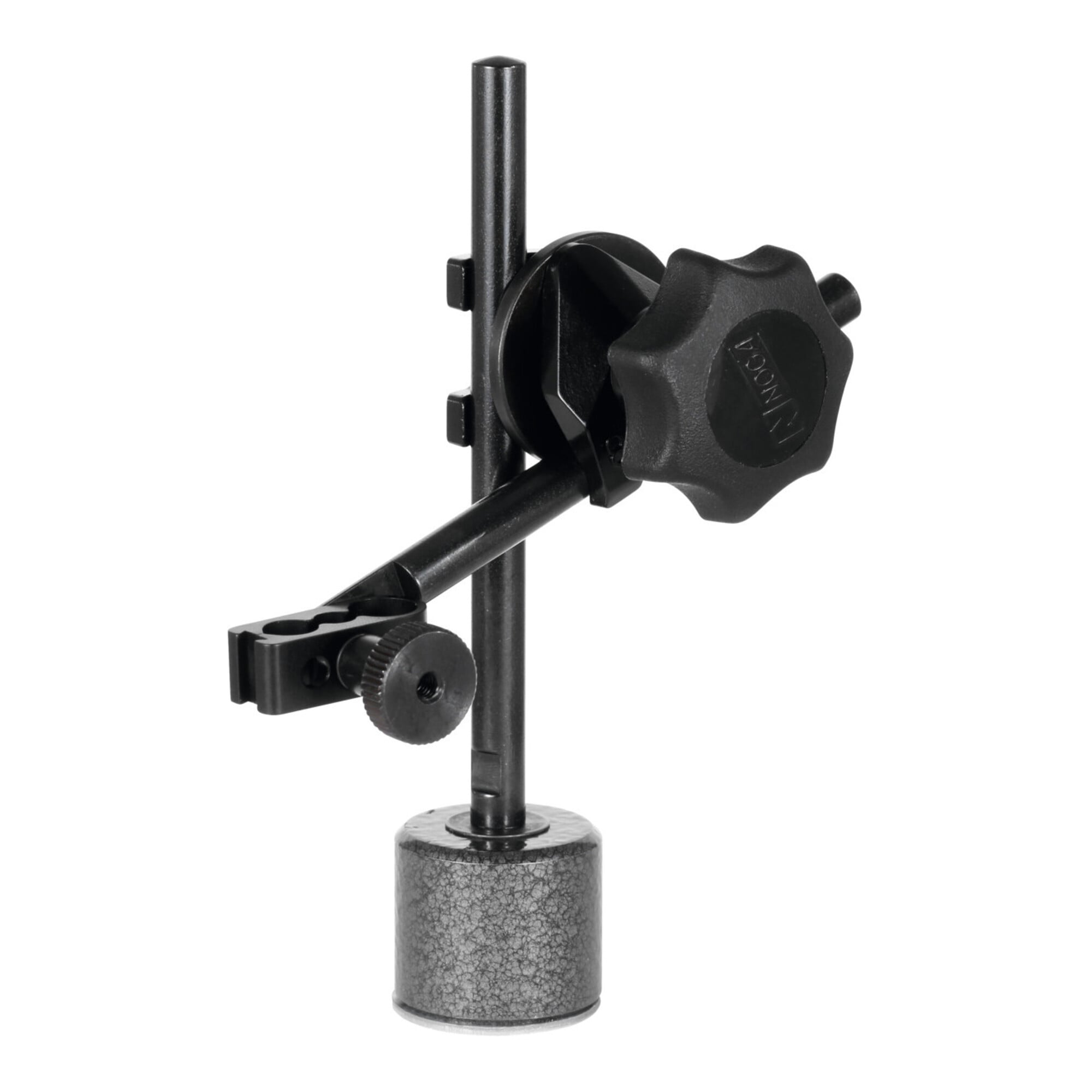
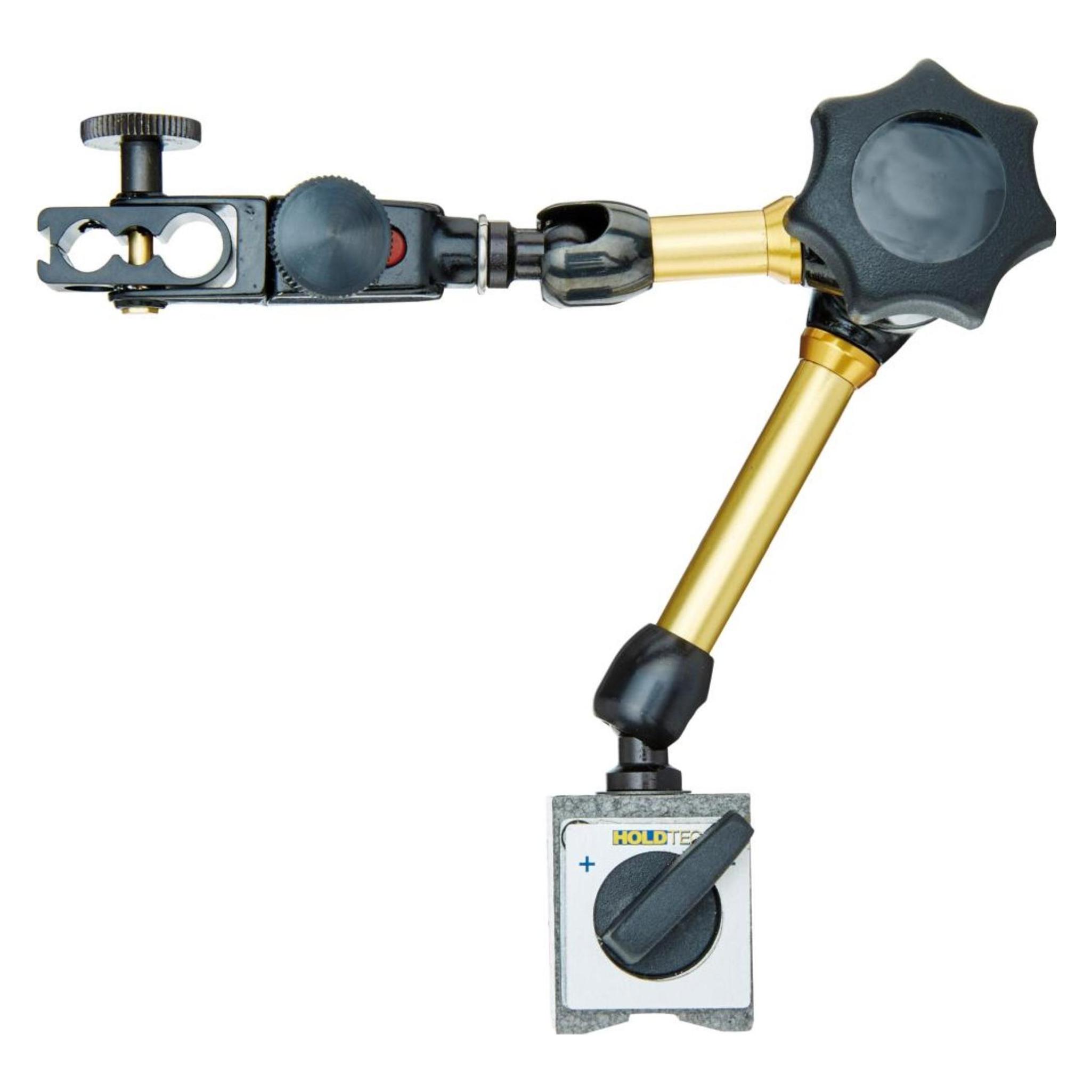
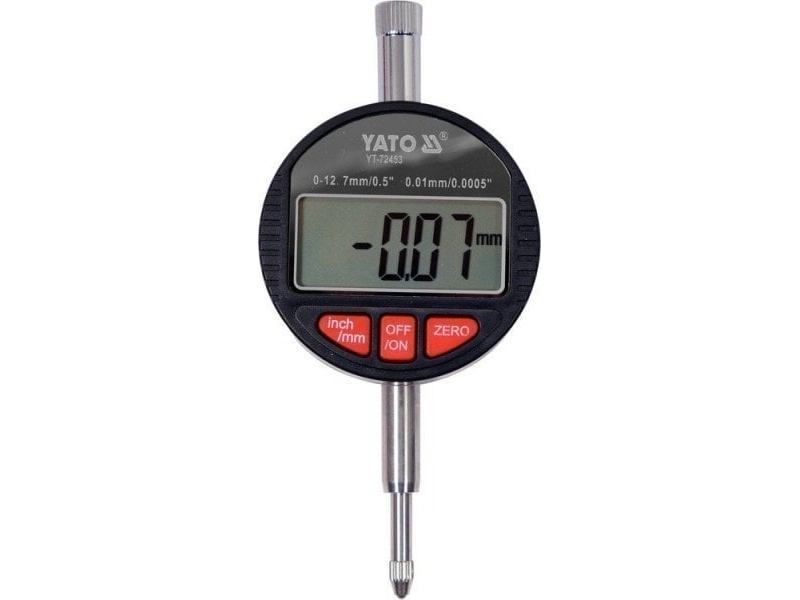
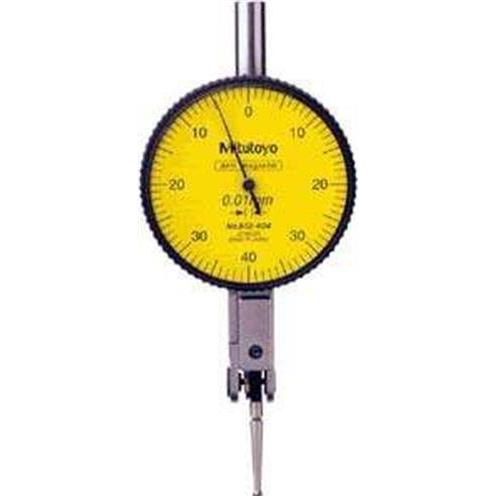
Gauges
How to choose gauges
Type
Pick Tools like feeler gauges for mechanical gaps, or Measuring Tools & Sensors for electronic readouts.
Material
Material drives lifespan: stainless steel for tough use, plastic for light craft, paper/leather for cartonnage.
Colour
Colour (black, orange, yellow) can mark which gauge lives in the garage versus the workshop.
Sub-type
Hardware sub-type items suit alignment tasks, not measuring stone weight.
Manual vs digital
Manual types trade speed for simplicity, while digital ones need charging discipline.
What's good
- Manual feeler gauges (Tools) need no battery, so they work anywhere.
- Stainless steel builds resist rust better than plastic ones in damp sheds.
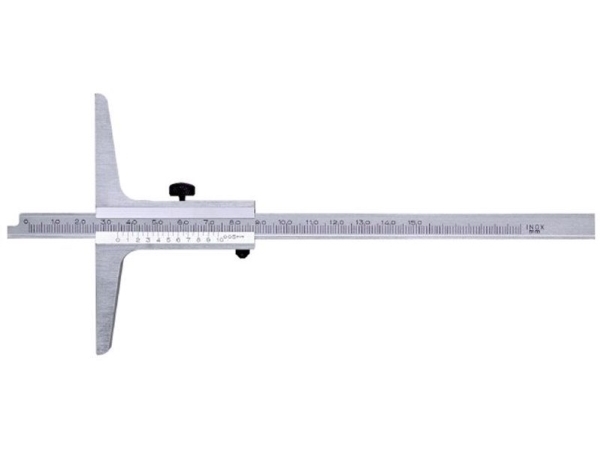
- Digital height gauges (Measuring Tools & Sensors) show numbers on a screen, useful in poor light.
- Paper or leather gauge sets (Hardware) stay light for bookbinding and craft tasks.
- Colour choices like red, blue, or green/silver let you assign gauges to specific benches.
Things to watch
- Paper gauges warp if kept damp, unlike steel types.
- Digital sensors add weight and battery care to your routine.
- Plastic bodies can flex under pressure, hurting accuracy on tight gaps.
- Hardware compensators fit machinery setups, not jewellery sizing.
- Locking nut feeler sets take longer to set than a single blade tool.
Care & maintenance
After use
Wipe steel and aluminium gauges with a light oil cloth after use.
Storage
Store paper or leather sets in a dry place to stop warping.
Batteries
Take batteries out of digital gauges if left unused for weeks.
Avoid solvents
Keep plastic and rubber parts away from solvent sprays.
Frequently Asked Questions
What should I look for when buying gauges?
When shopping for gauges, consider factors such as quality, price, brand reputation, and customer reviews. Compare prices across multiple retailers to ensure you're getting the best deal. Look for products that match your specific needs and budget.
How do I choose the right gauges?
Choosing the right gauges depends on your individual needs, budget, and preferences. Research different options, read customer reviews, and compare specifications. Consider what features are most important to you and look for products that offer the best value for money.
Where can I find the best deals on gauges?
You can find the best deals on gauges by comparing prices across multiple retailers. Our price comparison tool helps you find the lowest prices from trusted UK retailers including Amazon, eBay, and other major online stores. Check regularly as prices and deals change frequently.
Are gauges products worth the investment?
The value of gauges products depends on your specific needs and how you plan to use them. Quality products from reputable brands often provide better long-term value, even if they cost more initially. Consider your budget and requirements when making your decision.
What's the difference between different types of gauges?
Different types of gauges vary in features, quality, price, and intended use. Some may offer premium features while others focus on affordability. Research the specific differences between models or brands to find the option that best suits your needs and budget.