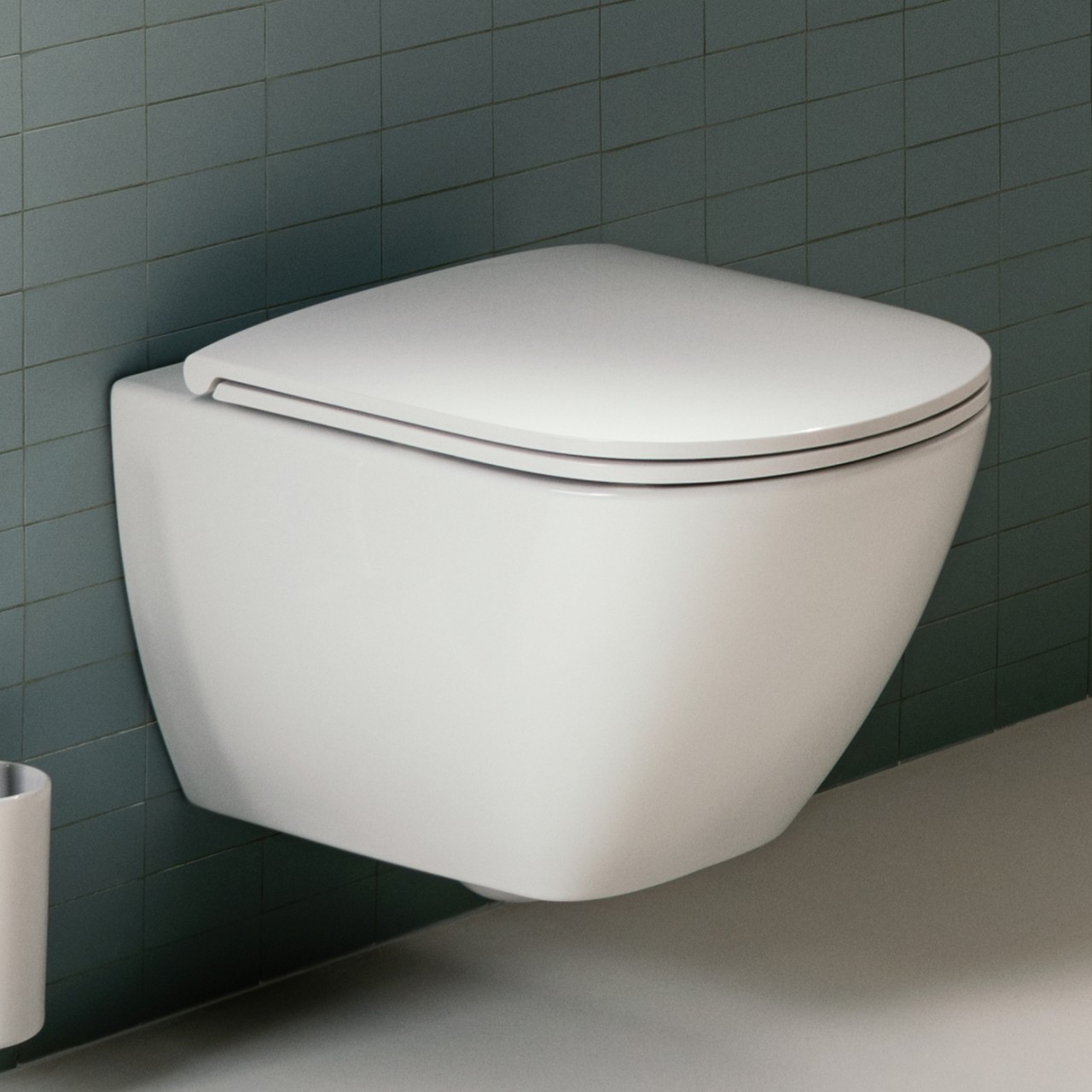
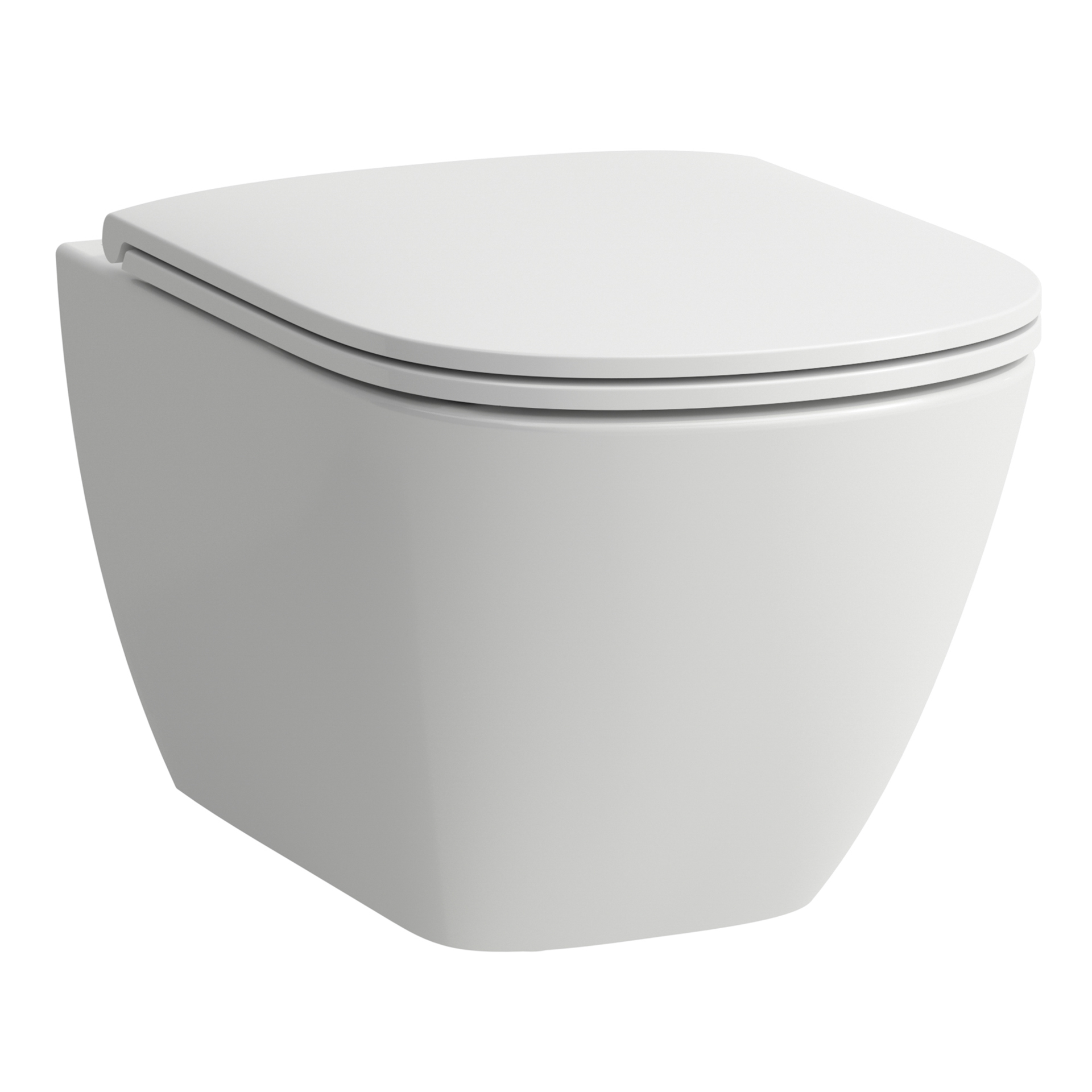
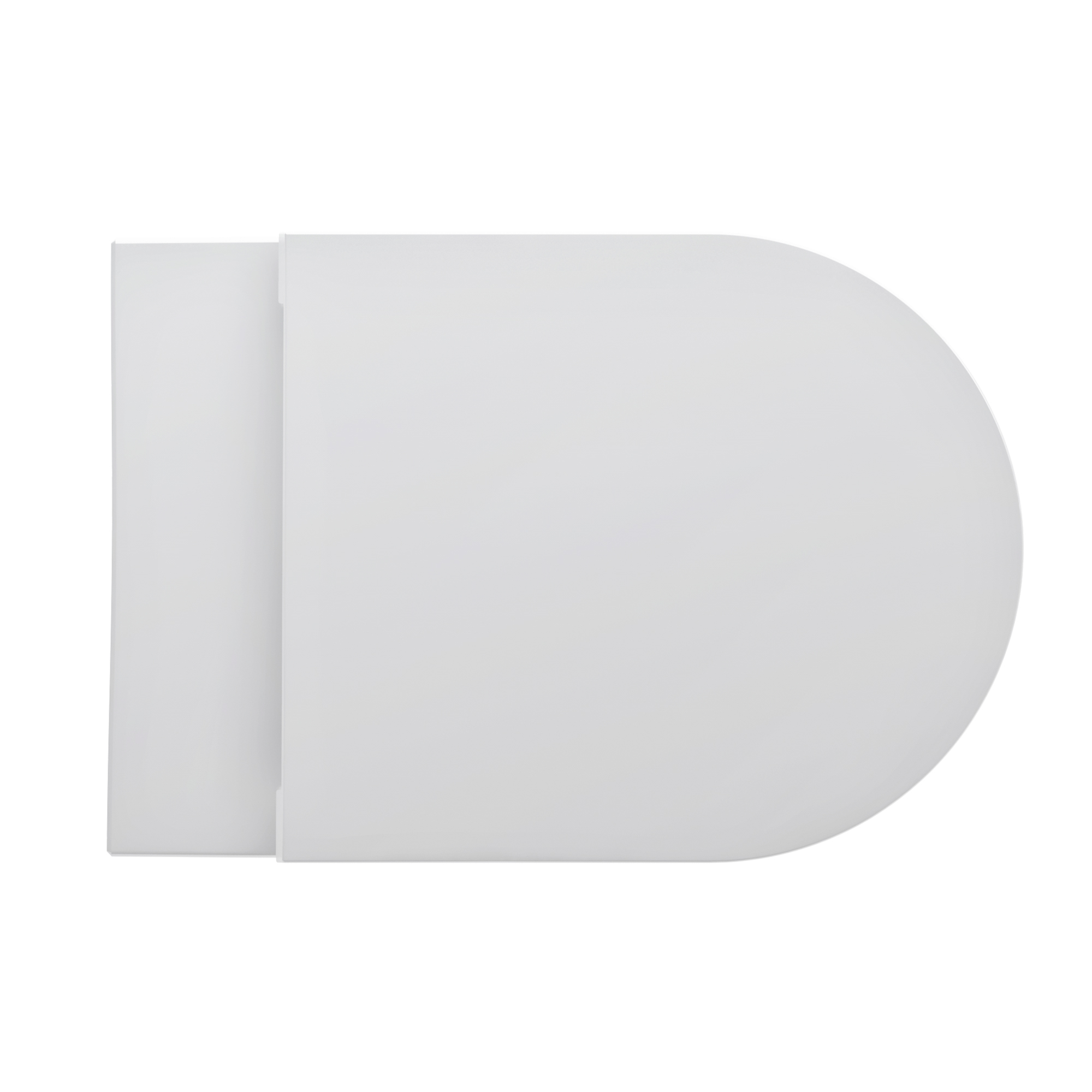
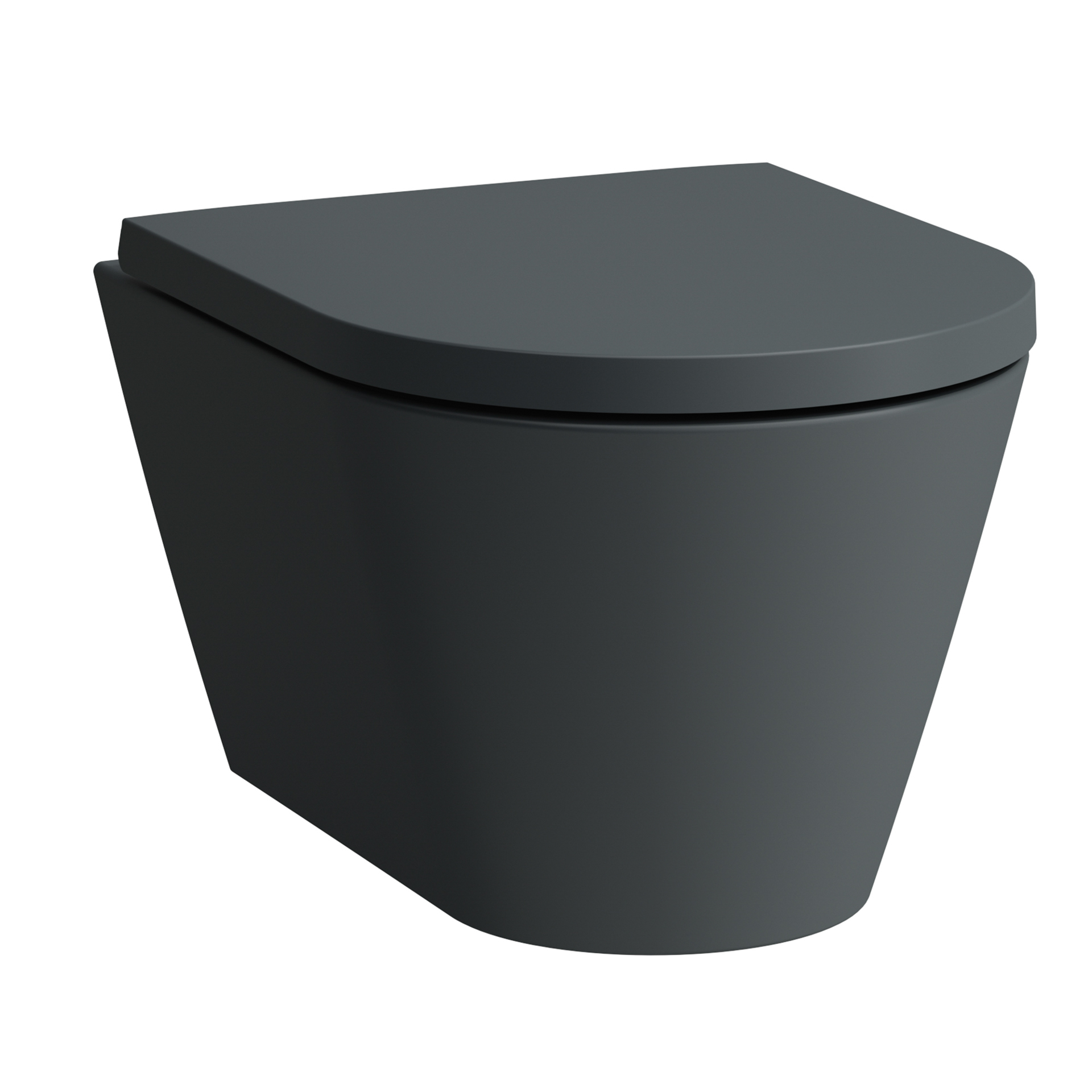
Toilets
How to choose toilets
Colour
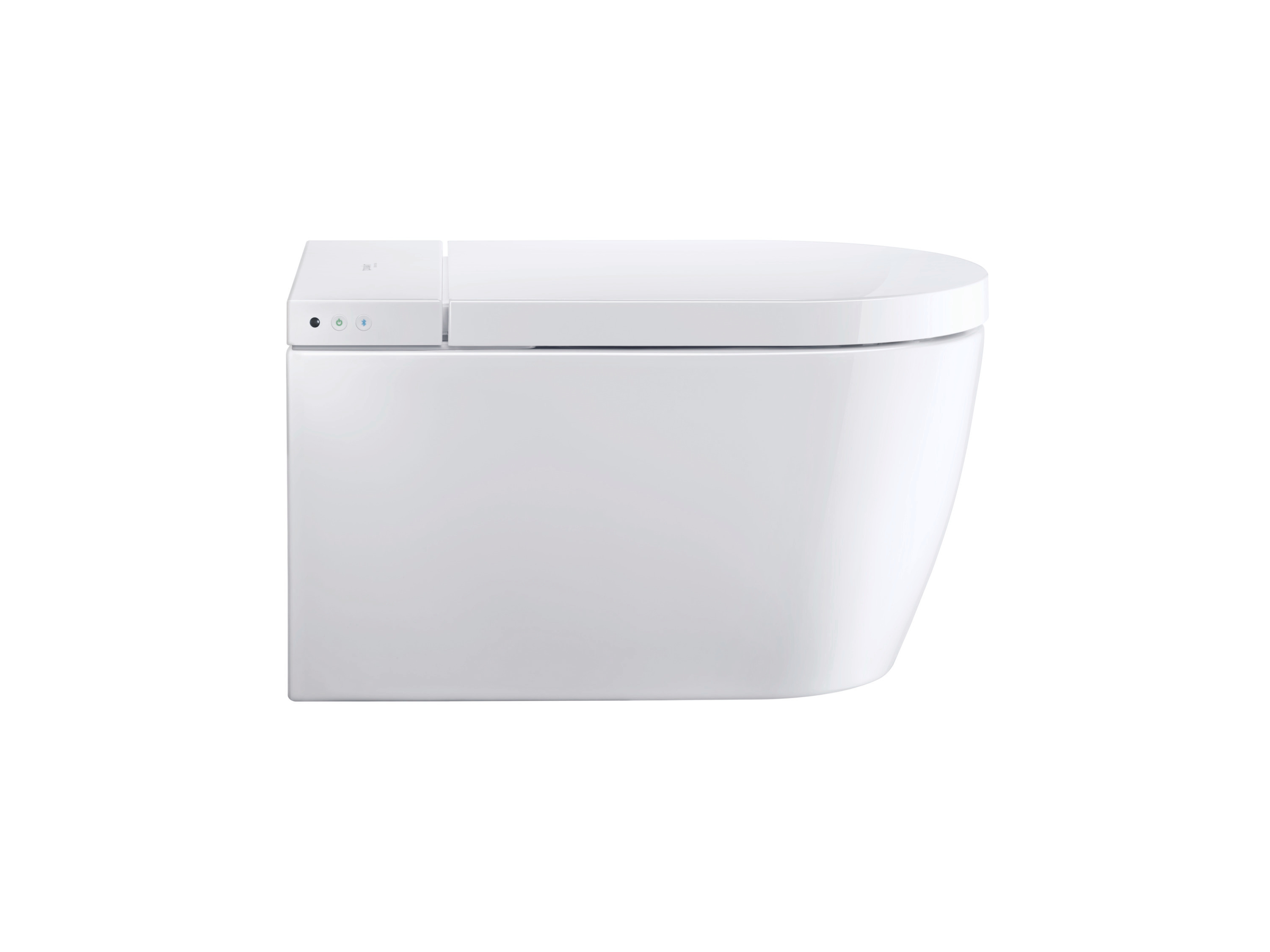
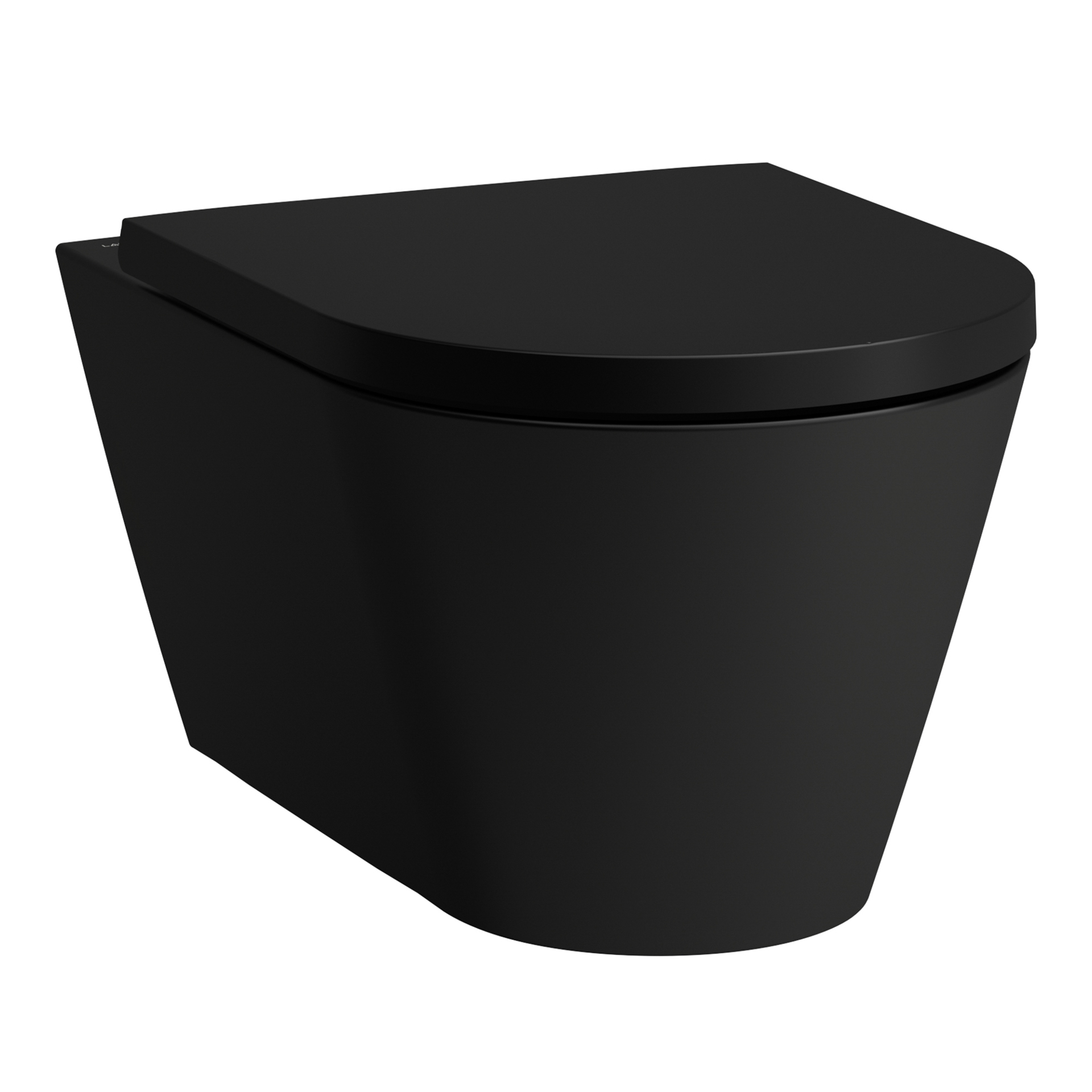
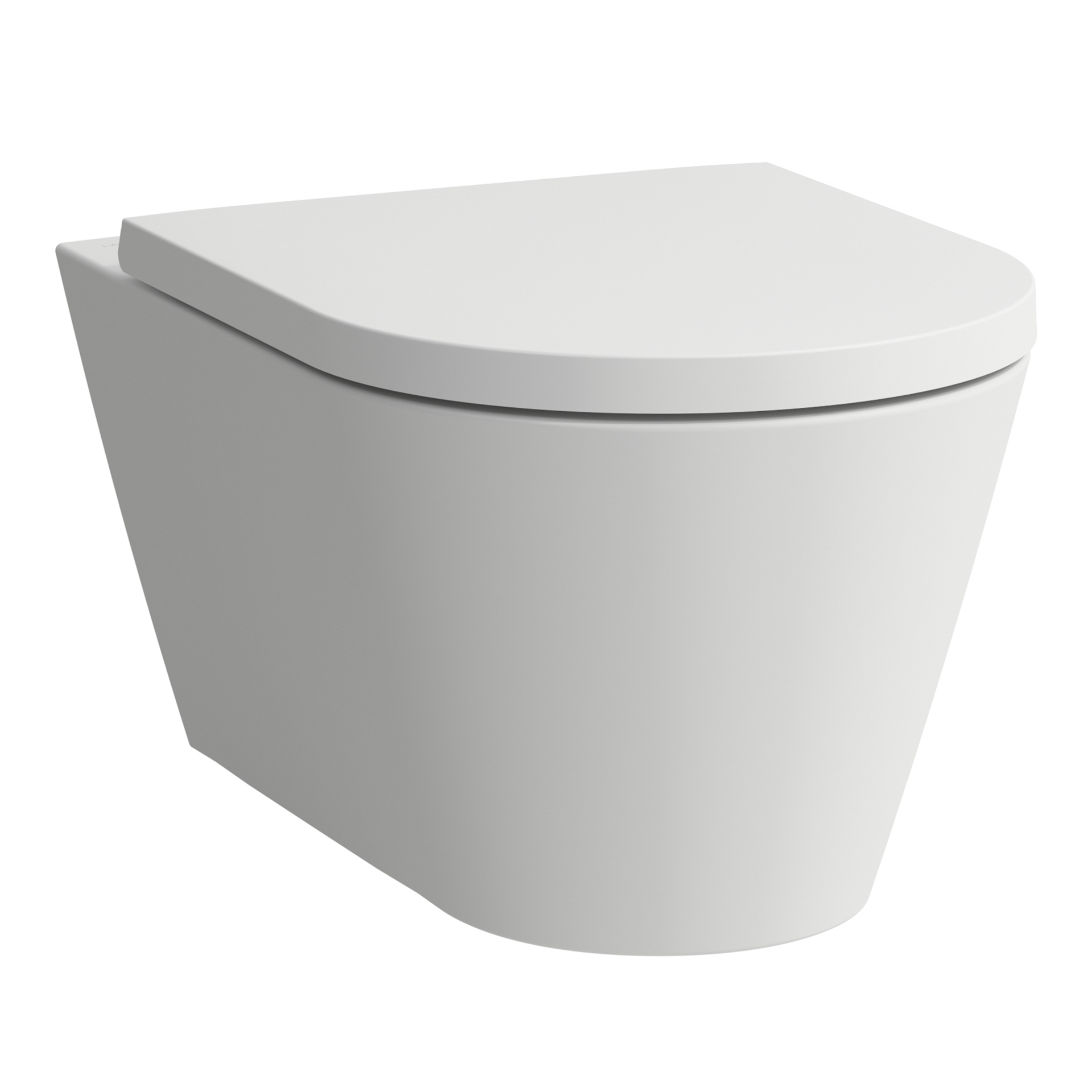
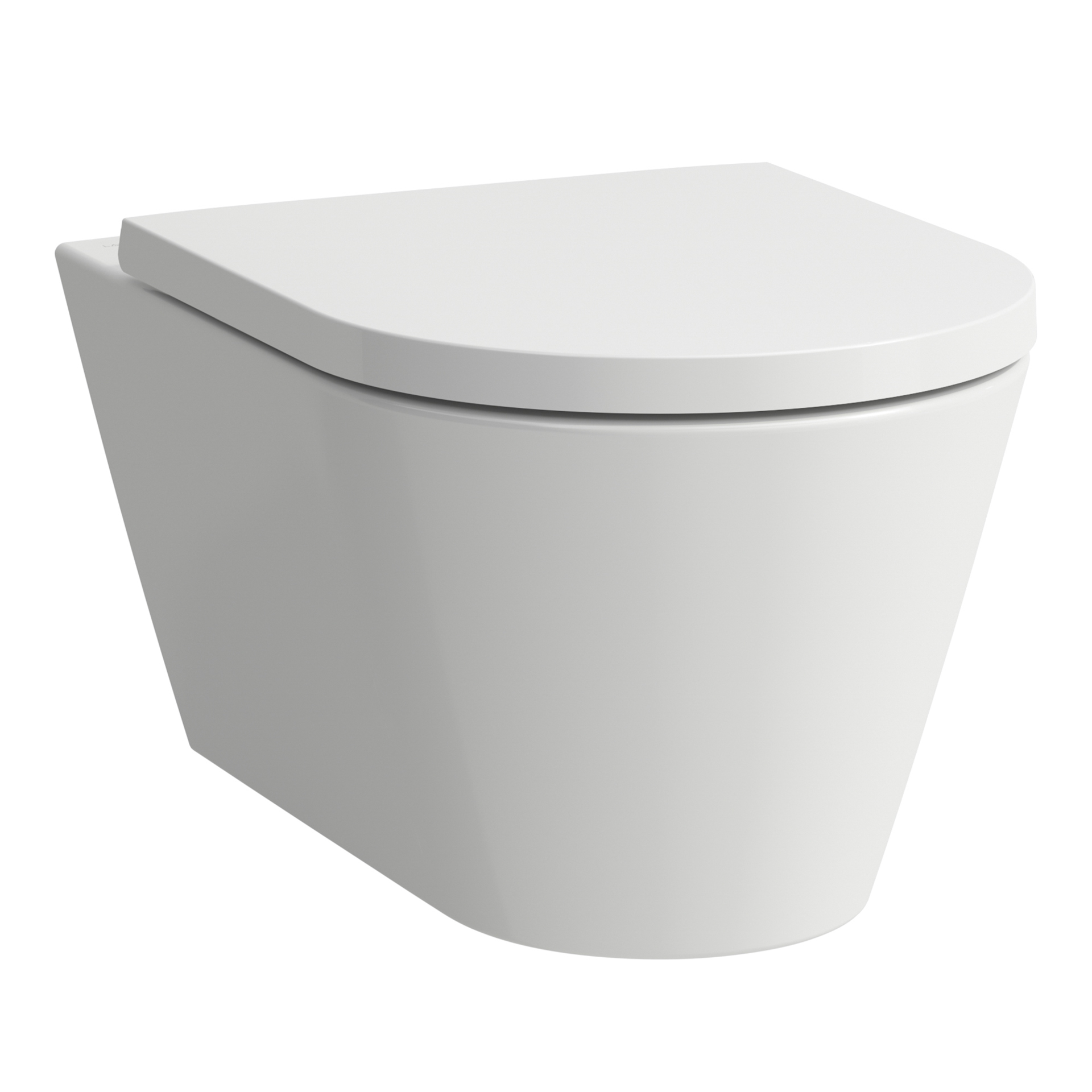
white and white gloss blend with existing suites, while green or bronze two-tone draws the eye but shows marks.
Material
ceramic pans last longest, but acrylic or plastic reduces weight for accessible blocks with ramps.
Sub-type
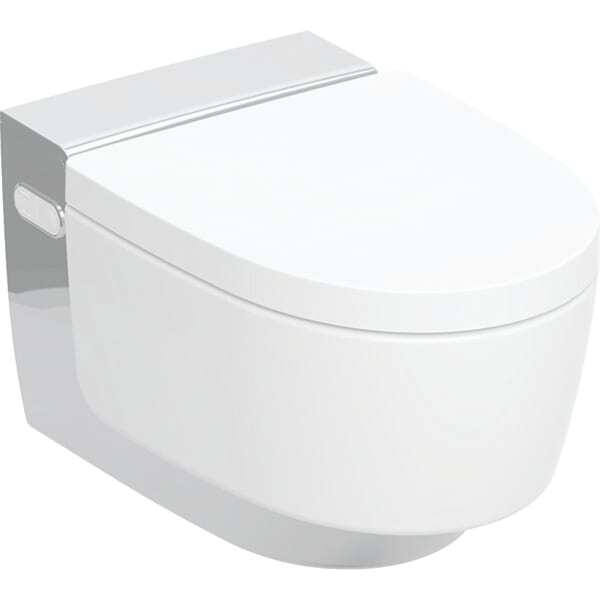
pick a full Toilets & Bidets pack with seat and cistern, or source Plumbing Fixtures separately for custom builds.
Back style
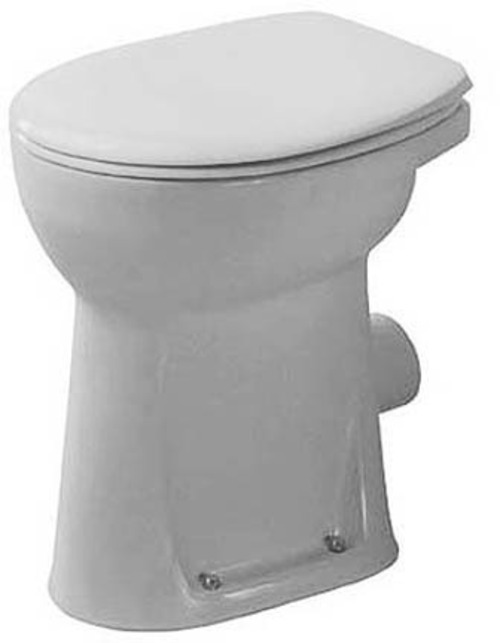
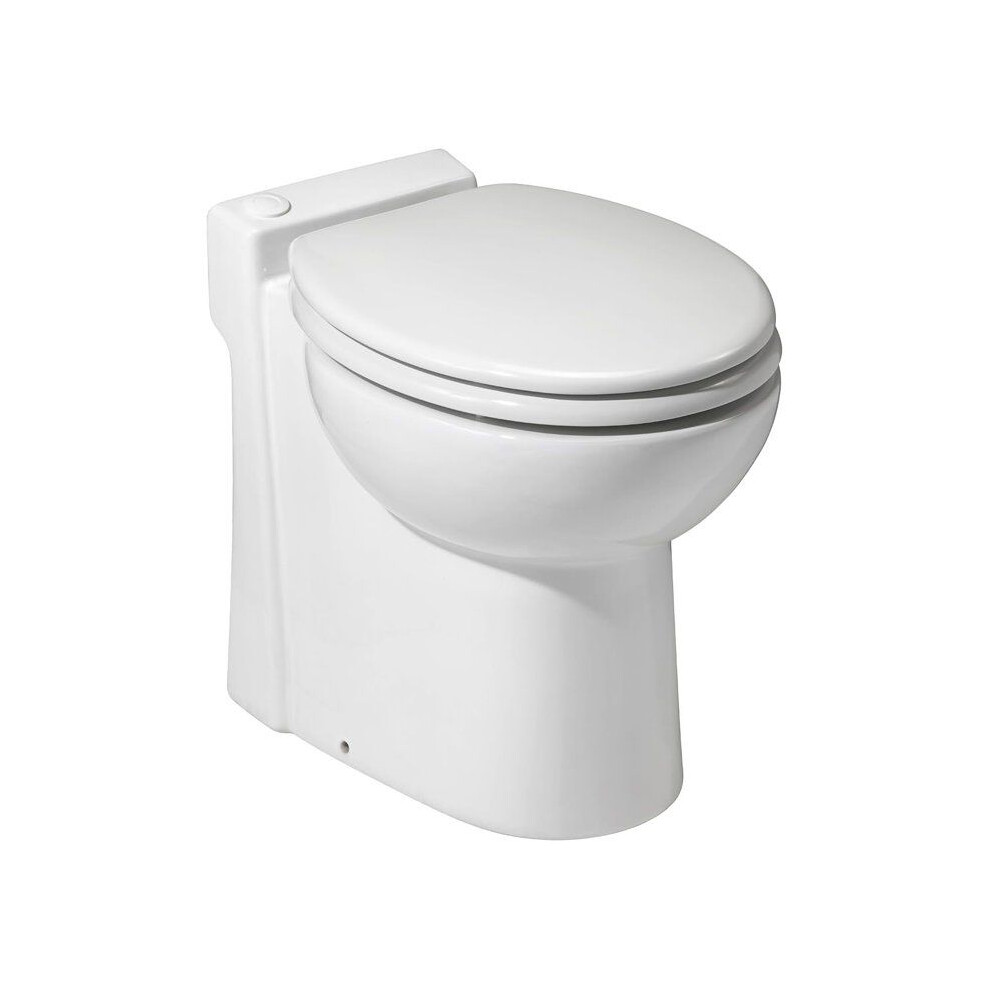
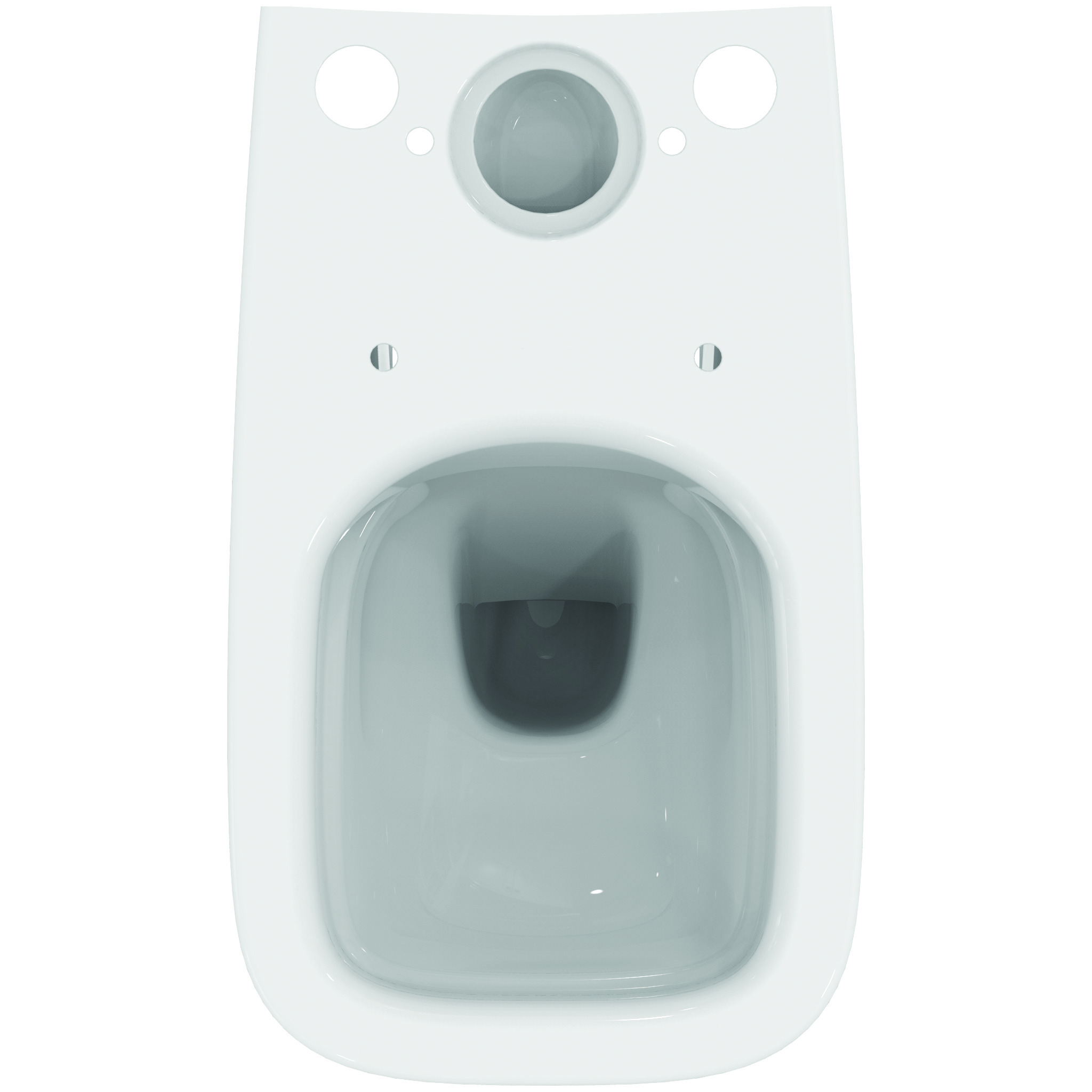
open back close coupled gives rear access for repairs, closed back hides pipework but sits prouder.
Space
semi flush to wall saves depth, but needs careful measure against soil pipe position.
What's good
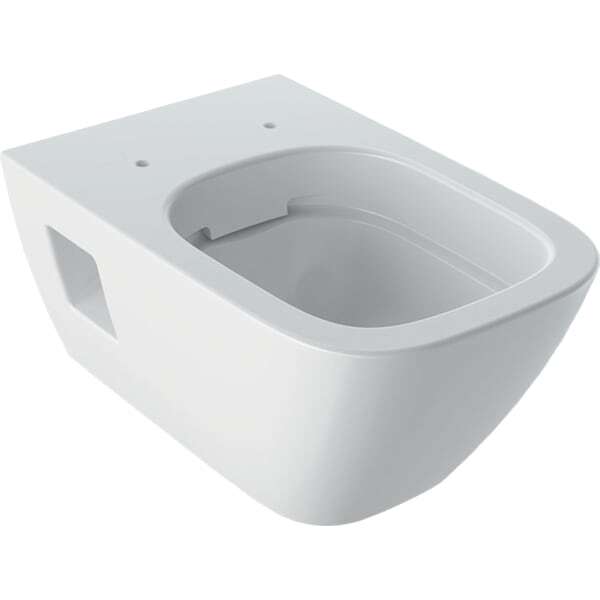
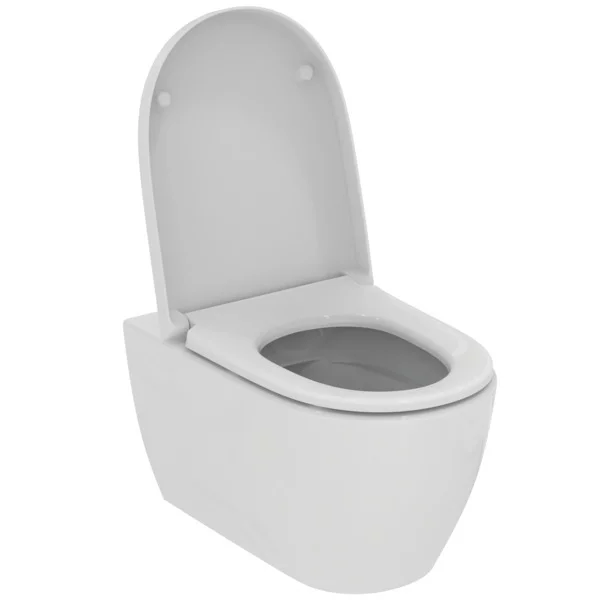
- Rimless pans in the Toilets & Bidets sub-type remove the hidden ledge where bacteria grow. They suit families wanting less scrubbing.
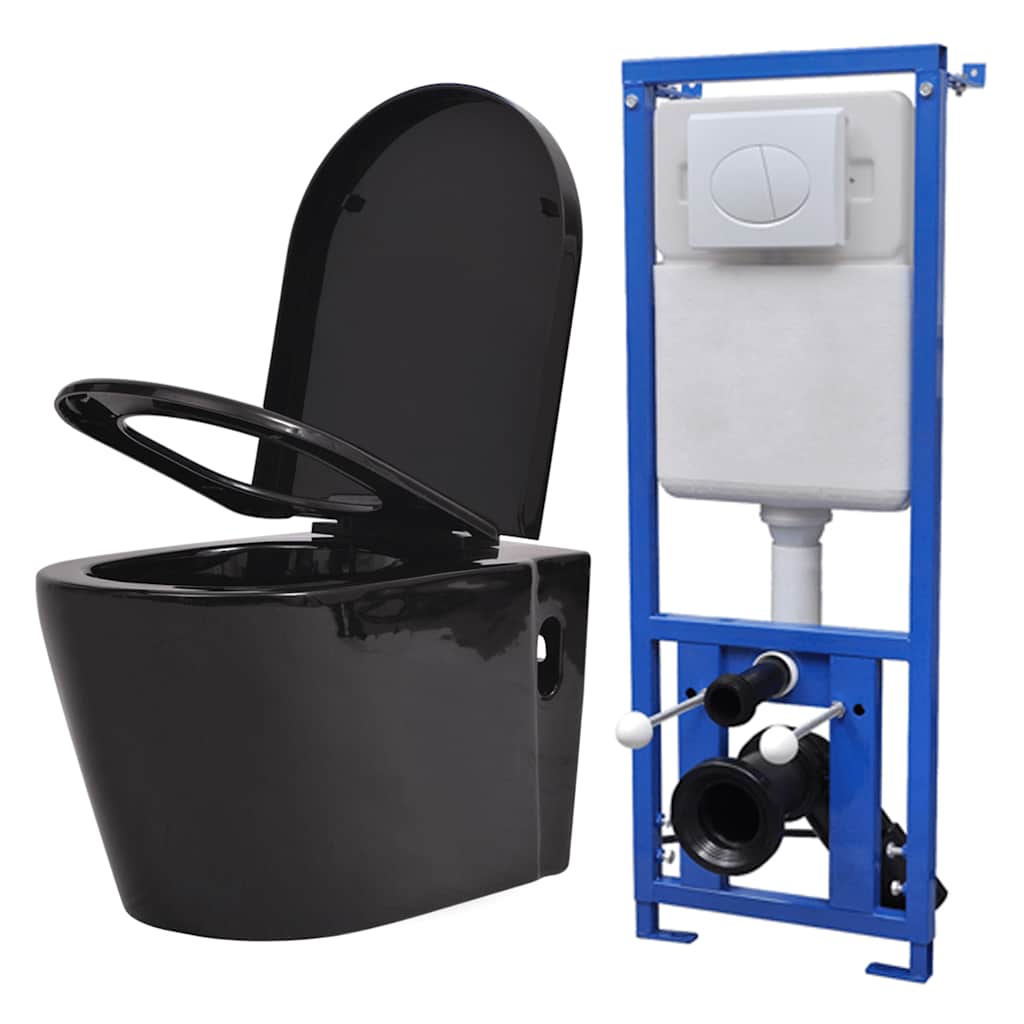
- Back to wall and semi flush pans save floor space in cramped UK bathrooms. They pair with concealed cisterns from Plumbing Fixtures.
- Close coupled toilets combine pan and cistern in one box. They suit straightforward replacements without chasing walls.
- Stainless steel or metal parts under Hardware resist rust near sinks and ramps. Good for damp utility rooms.
- Ceramic remains the common material for pans. It holds a gloss finish and copes with daily flush pressure.
Things to watch
- Rimless designs can need matching flush technology from the same tier. They are wrong if you have an old cistern.
- Back to wall pans need a built wall or furniture unit. Retrofit flats without cavity space will struggle.
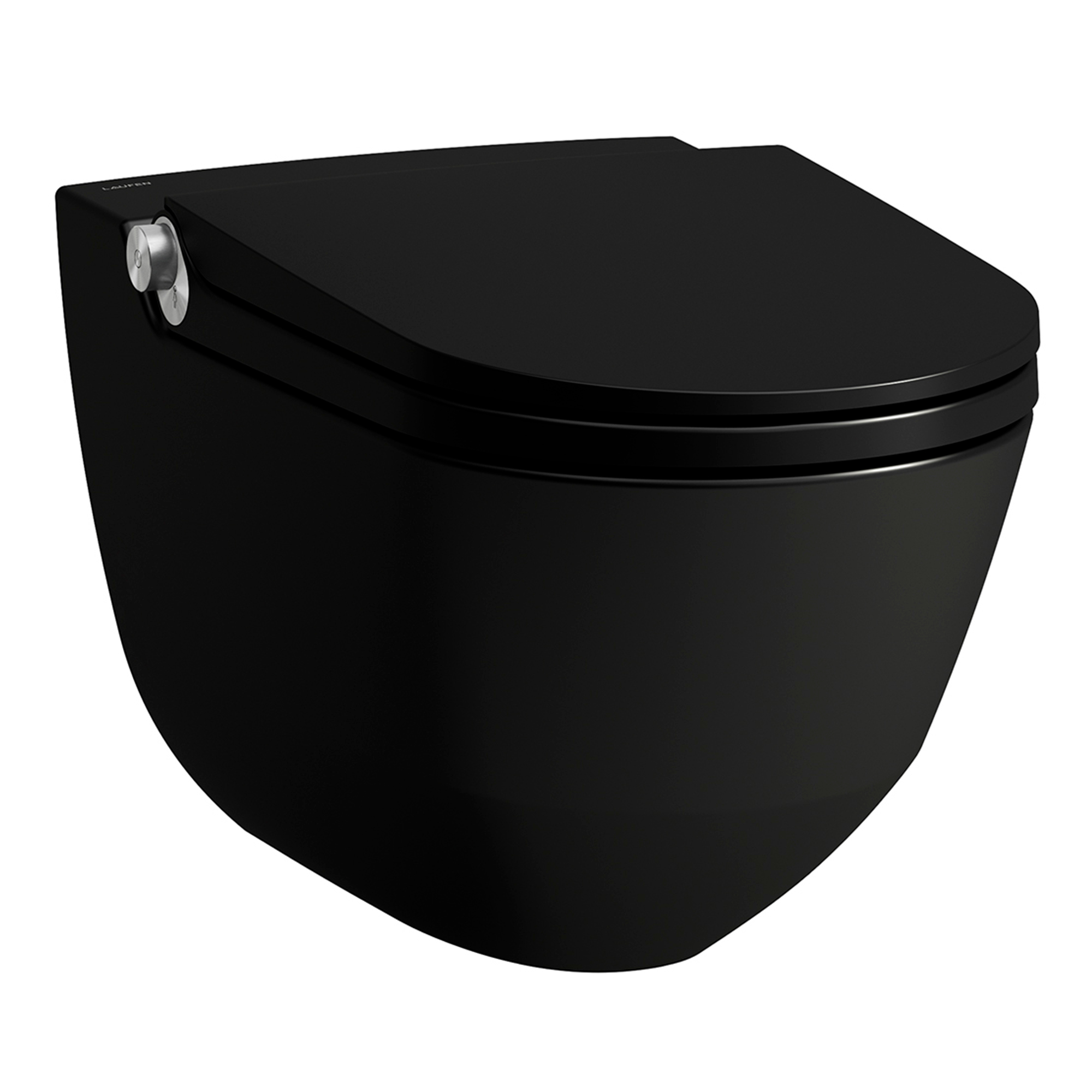
- Black, grey, or dark finishes show limescale streaks faster than white. They demand more frequent cleaning.
- Plastic or paper components are light but feel less solid under use. They suit temporary setups, not main baths.
- Close coupled toilets protrude further than wall hung types. Small rooms lose legroom.
Care & maintenance
Pans
Wipe ceramic pans with a soft cloth and neutral cleaner weekly. Avoid scouring pads that dull the glaze.
Metal parts
Dry stainless steel and metal hardware after each clean. This stops speckling from hard water.
Wood seats
Oil oak or wood seats every few months. Central heating dries the grain.
Cisterns
Test cistern fill valves for trickles yearly. A silent leak wastes water behind the unit.
Frequently Asked Questions
What should I look for when buying toilets?
When shopping for toilets, consider factors such as quality, price, brand reputation, and customer reviews. Compare prices across multiple retailers to ensure you're getting the best deal. Look for products that match your specific needs and budget.
How do I choose the right toilets?
Choosing the right toilets depends on your individual needs, budget, and preferences. Research different options, read customer reviews, and compare specifications. Consider what features are most important to you and look for products that offer the best value for money.
Where can I find the best deals on toilets?
You can find the best deals on toilets by comparing prices across multiple retailers. Our price comparison tool helps you find the lowest prices from trusted UK retailers including Amazon, eBay, and other major online stores. Check regularly as prices and deals change frequently.
Are toilets products worth the investment?
The value of toilets products depends on your specific needs and how you plan to use them. Quality products from reputable brands often provide better long-term value, even if they cost more initially. Consider your budget and requirements when making your decision.
What's the difference between different types of toilets?
Different types of toilets vary in features, quality, price, and intended use. Some may offer premium features while others focus on affordability. Research the specific differences between models or brands to find the option that best suits your needs and budget.