Pliers
How to choose pliers
Sub-type
Sub-type label matters less than content. Both Tools and Hardware listings hold the same plier styles, so choose by type not department.
Material
Material drives use. Steel and stainless suit cutting, nylon suits scratch free bending, rubber or plastic improves grip.
Colour
Colour runs from black through red, blue, green, orange and more. Pick a loud shade like yellow if you often misplace tools.
Nose shape
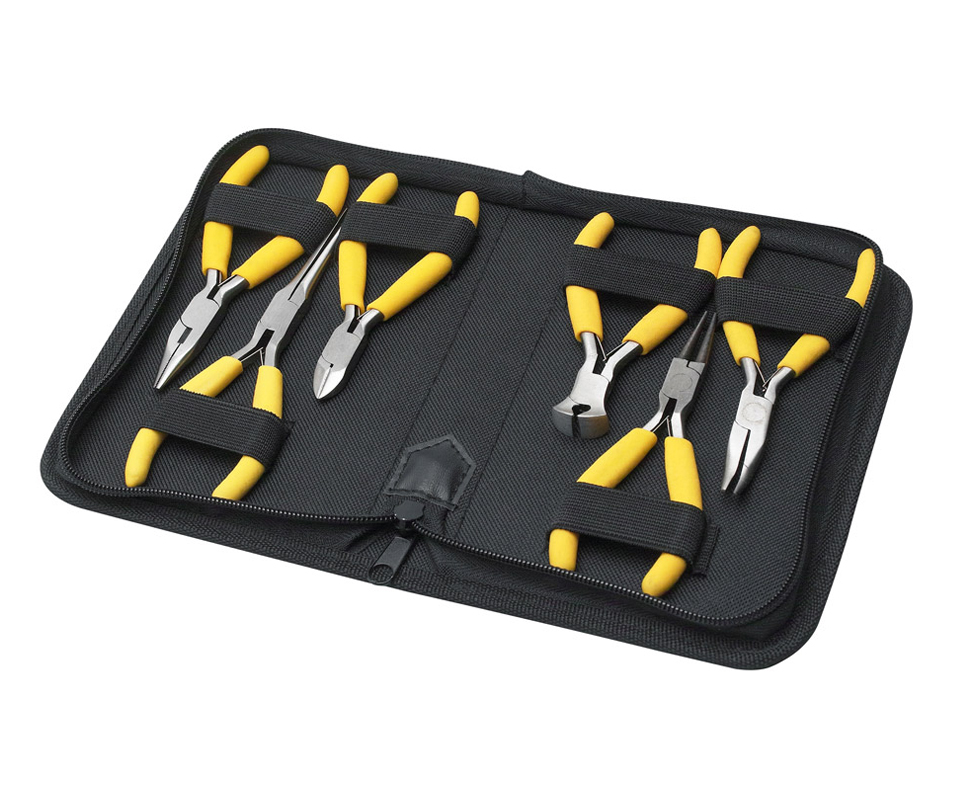
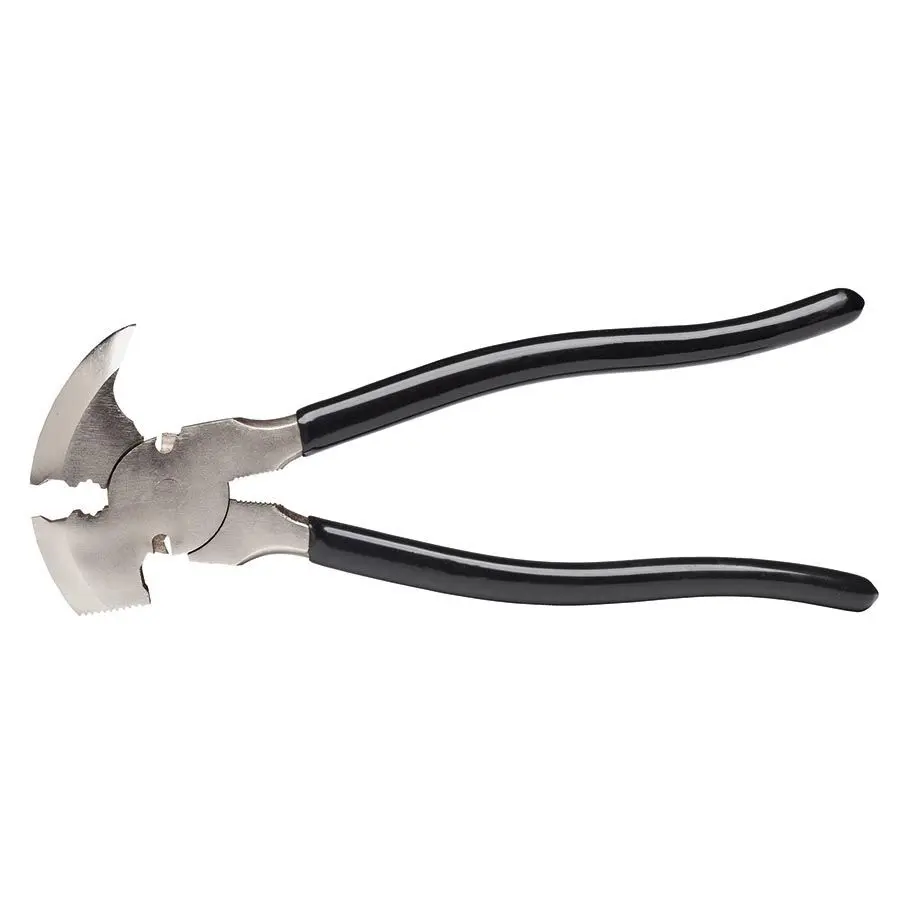
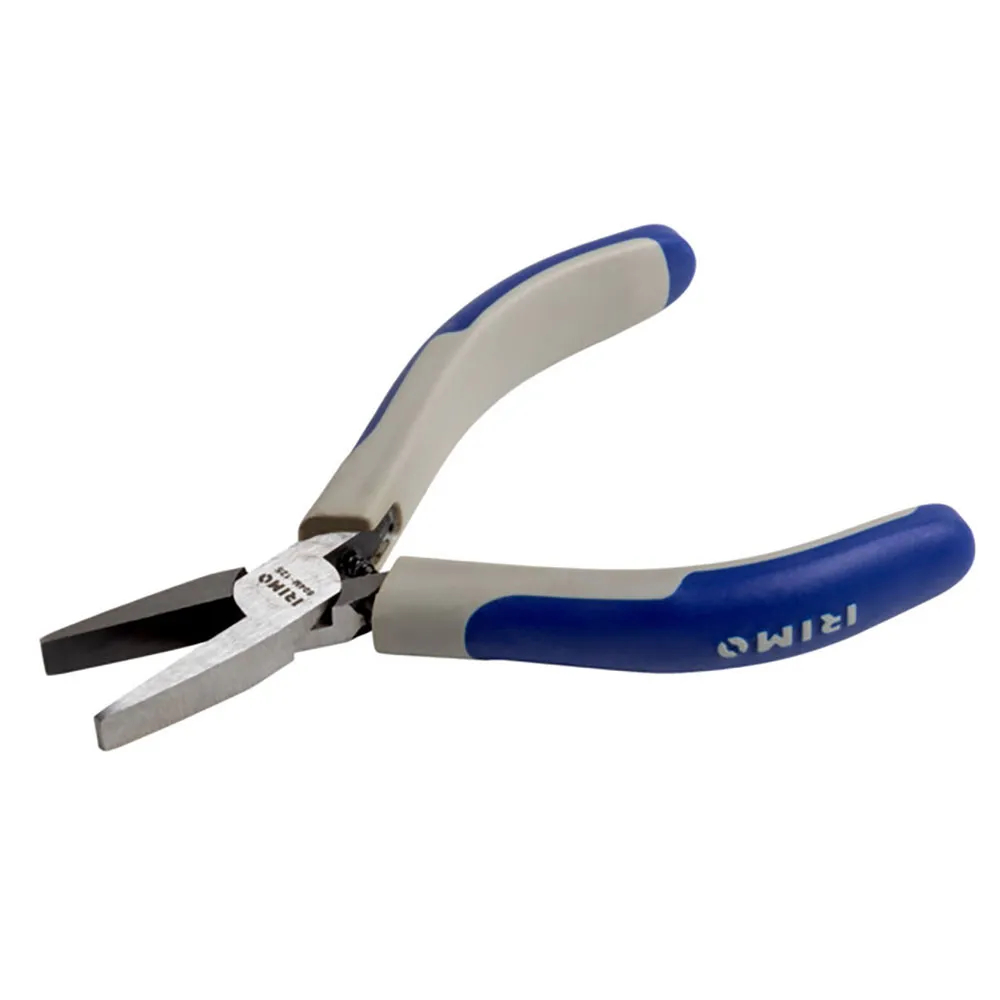
Nose shape decides the job. Long nose reaches recesses, flat nose holds square, round nose forms loops, chisel nose suits fine jewellery.
Insulation
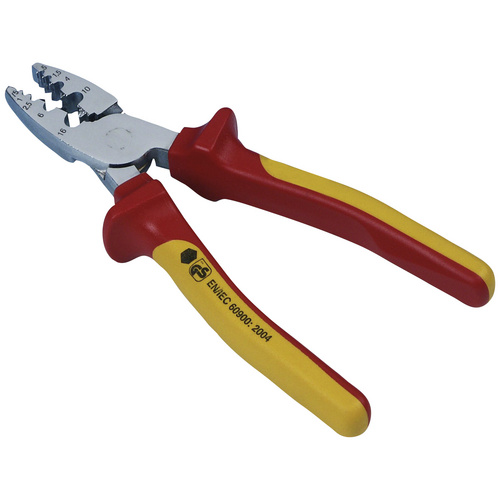
Insulation tier: pick VDE types for live circuit work, but accept thicker handles if you need non insulated precision instead.
What's good
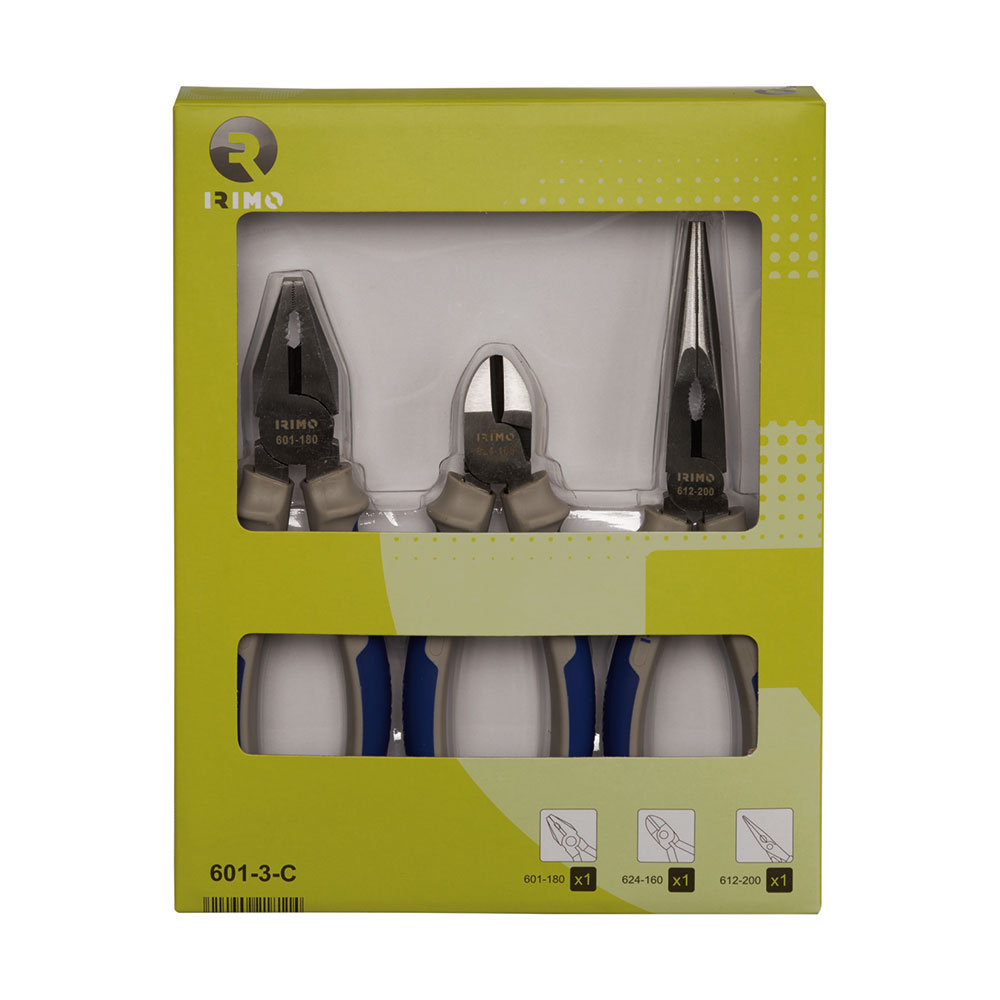
- Combination pliers with cutting edges grip, bend and cut in one tool, keeping your kit compact.
- VDE insulated long nose and snipe nose types protect hands when working near live parts.
- Nylon jaw or plastic flat nose pliers shape soft wire and cuffs without leaving tooth marks.
- Stainless steel bodies resist rust in damp sheds better than bare steel.
- Two component rubber or plastic handles give a steadier hold than metal only frames.
Things to watch
- Insulated sleeves add handle bulk, so fine tasks in tight spaces get harder.
- Nylon jaw pliers cannot cut wire, limiting them to forming jobs only.
- Long and snipe nose styles offer precision but little leverage for stiff joints.
- Non insulated steel pliers leave you exposed near circuits, a clear risk for electrical work.
- Boxjoint round nose pliers make smooth curves yet lack flat faces for firm gripping.
Care & maintenance
Wipe down
Wipe steel and stainless jaws with a dry cloth after use to stop residue hardening.
Avoid heat
Keep nylon jaw pliers away from heat, as the jaws can warp out of shape.
Inspect insulation
Check VDE insulation for nicks before each electrical job, since damaged sleeving loses its guard.
Oil joints
A drop of oil on steel boxjoint hinges keeps the action from stiffening.
Frequently Asked Questions
What should I look for when buying pliers?
When shopping for pliers, consider factors such as quality, price, brand reputation, and customer reviews. Compare prices across multiple retailers to ensure you're getting the best deal. Look for products that match your specific needs and budget.
How do I choose the right pliers?
Choosing the right pliers depends on your individual needs, budget, and preferences. Research different options, read customer reviews, and compare specifications. Consider what features are most important to you and look for products that offer the best value for money.
Where can I find the best deals on pliers?
You can find the best deals on pliers by comparing prices across multiple retailers. Our price comparison tool helps you find the lowest prices from trusted UK retailers including Amazon, eBay, and other major online stores. Check regularly as prices and deals change frequently.
Are pliers products worth the investment?
The value of pliers products depends on your specific needs and how you plan to use them. Quality products from reputable brands often provide better long-term value, even if they cost more initially. Consider your budget and requirements when making your decision.
What's the difference between different types of pliers?
Different types of pliers vary in features, quality, price, and intended use. Some may offer premium features while others focus on affordability. Research the specific differences between models or brands to find the option that best suits your needs and budget.