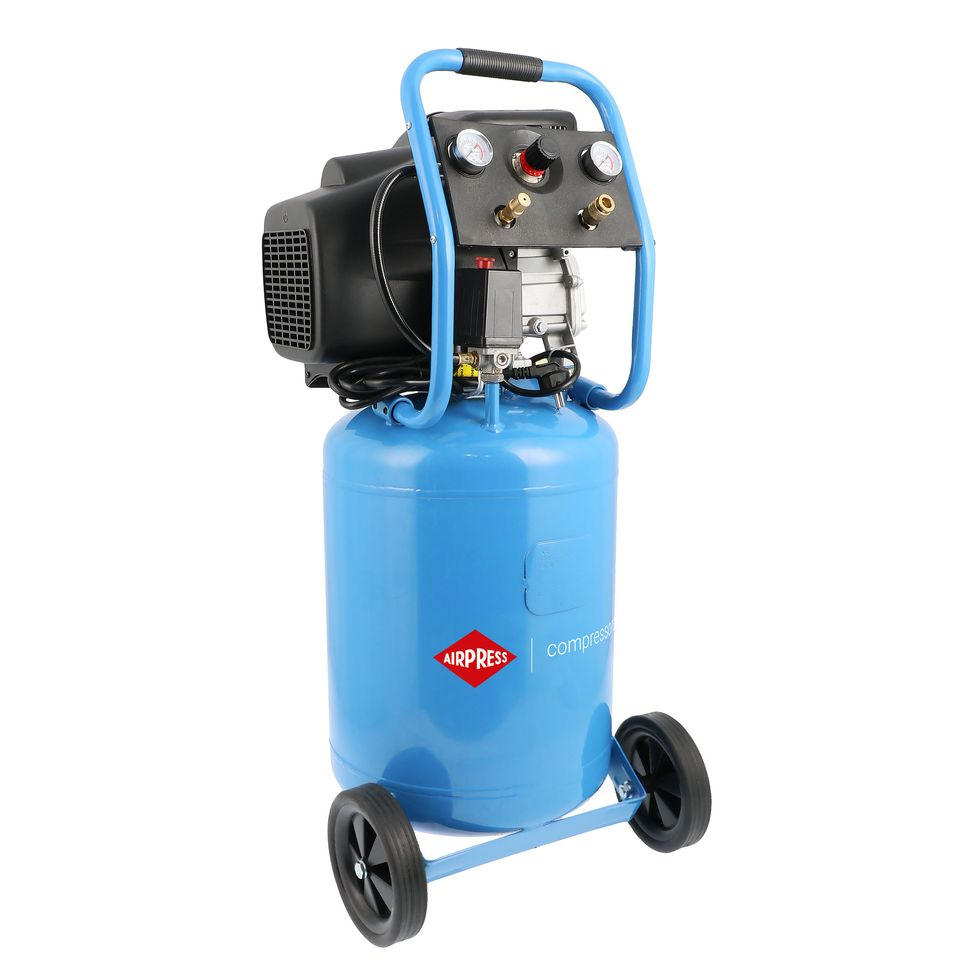
Compressors
How to choose compressors
Sub-type
Decide between Tools and Hardware sub-types. Tools lean portable, while Hardware covers fixed wall mounted or vertical units.
Drive type
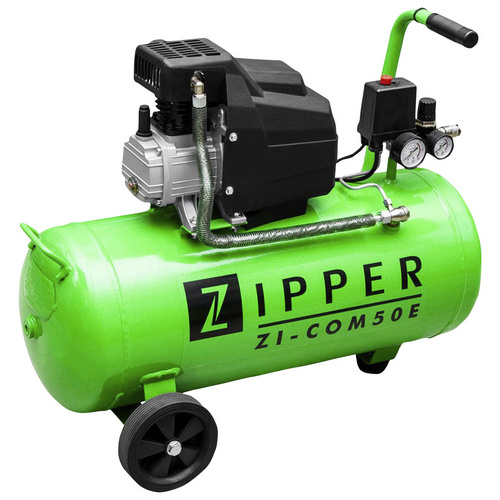
Choose direct drive for light tasks and low noise, or belt drive for higher HP and capacity. Direct drive is lighter, belt drive stays put.
Tank volume
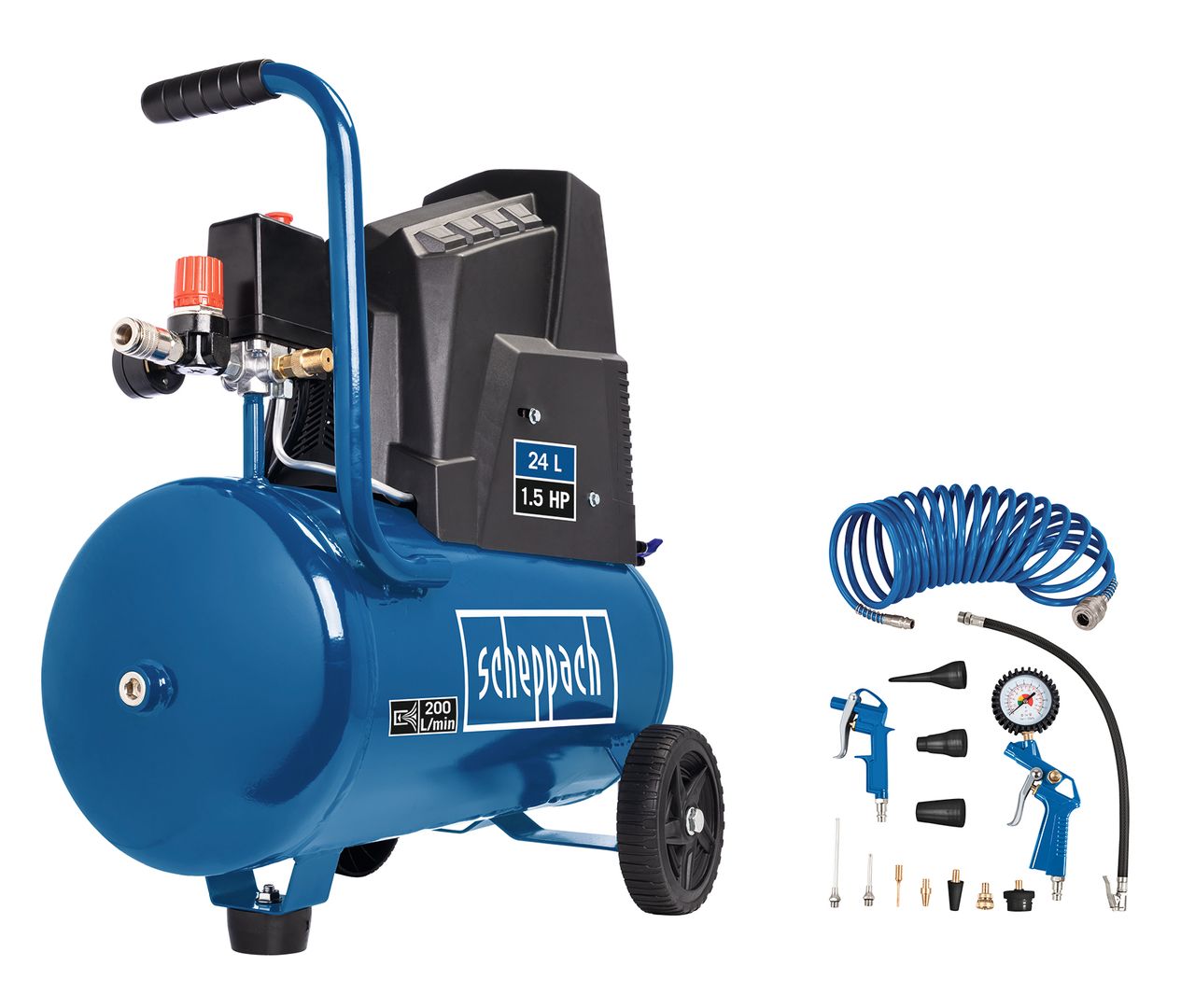
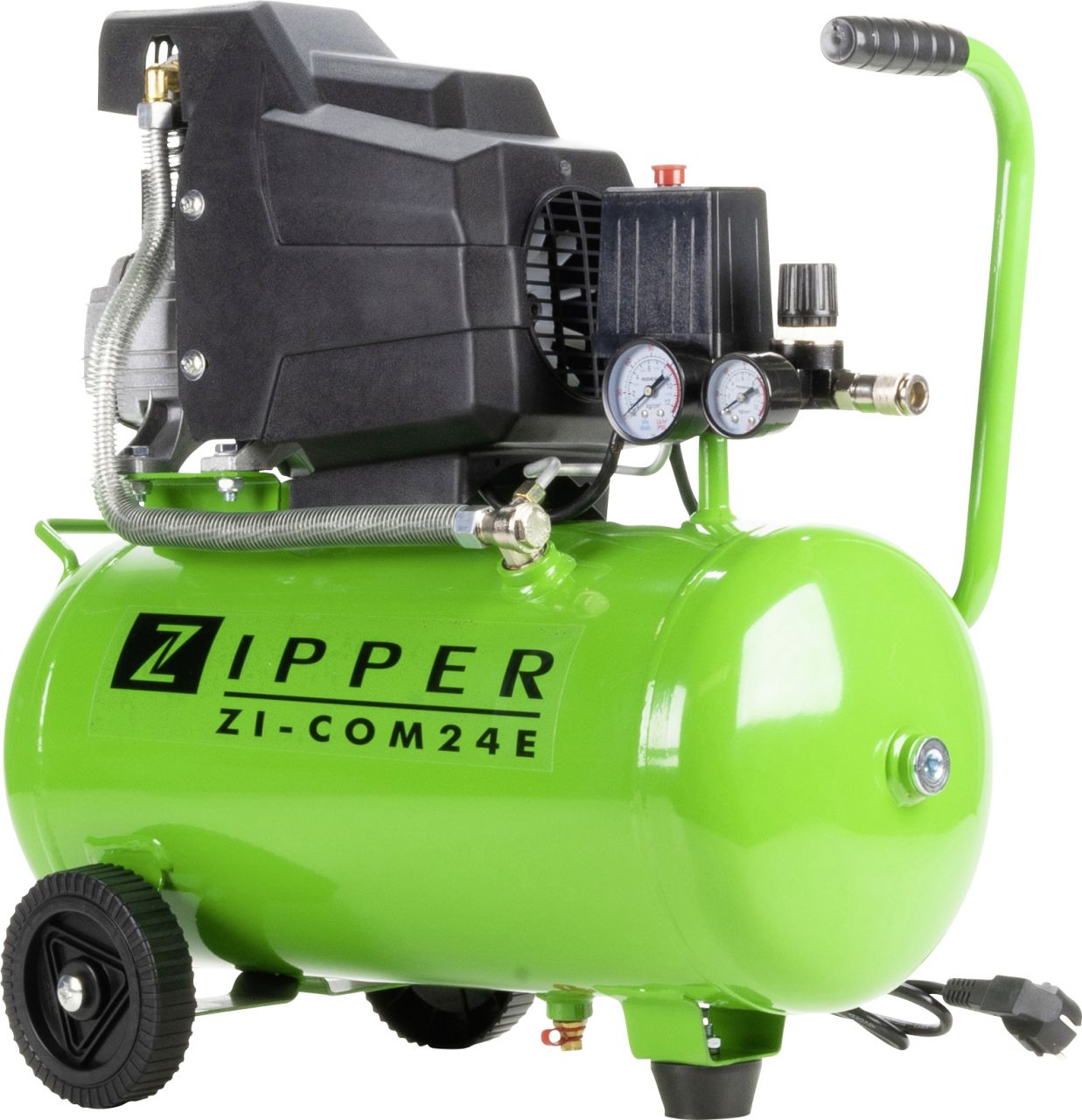
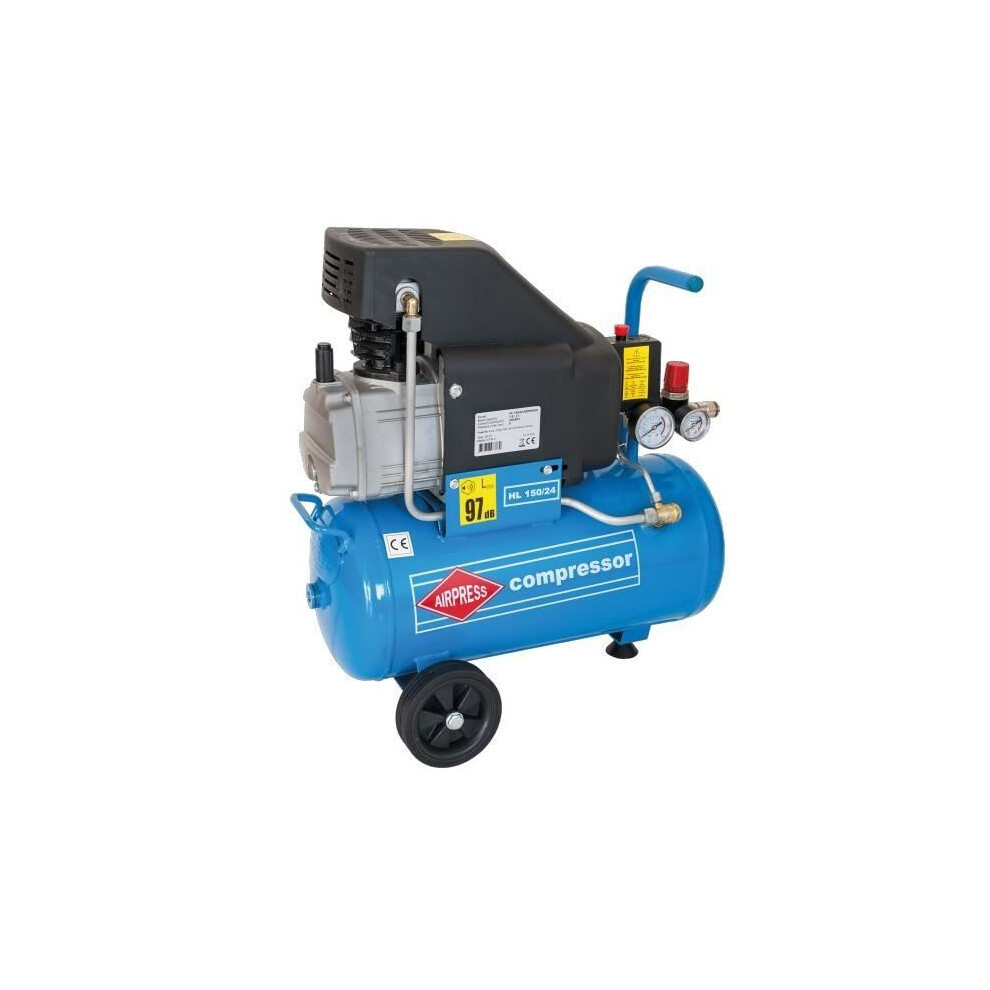
Tank size drives runtime. A 24L tank suits tyres and brad nails, while a 270L tank feeds grinders for long stretches.
Build material
Material affects weight and life. Aluminium and cast iron pumps resist wear, but steel bodies are heavier to move around.
Colour
Colour is personal. Black, red, or yellow units stand out in a shared workshop, but the spec should lead your choice.
What's good
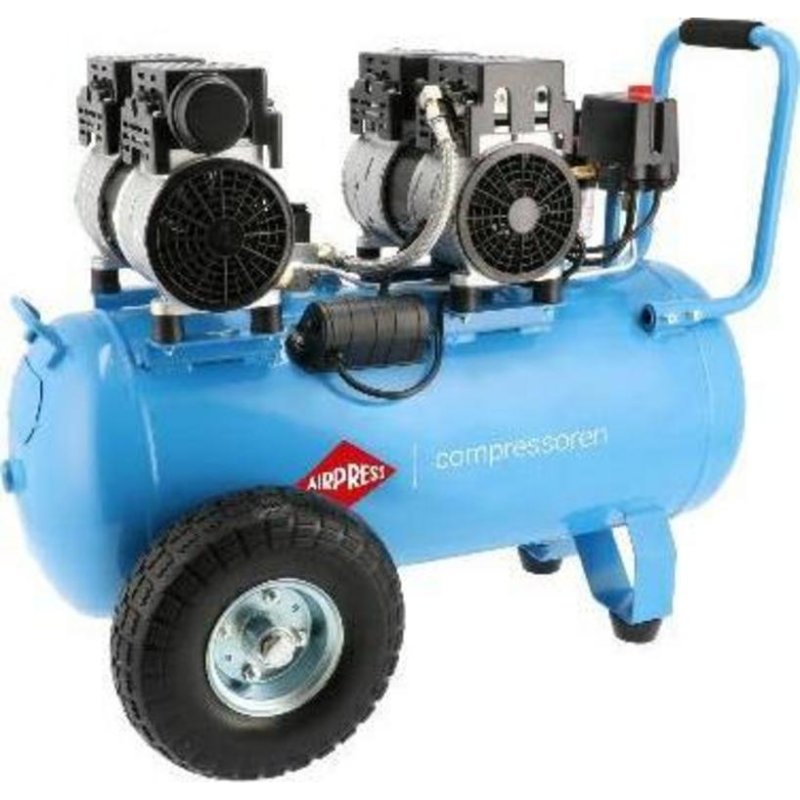
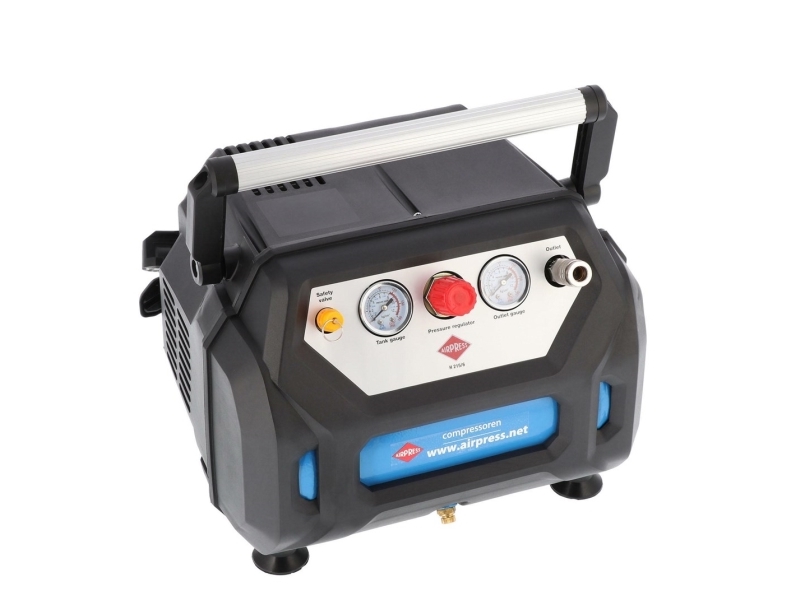
- Direct drive oil free compressors run with low noise and need no oil changes. They suit home workshops and residential streets.
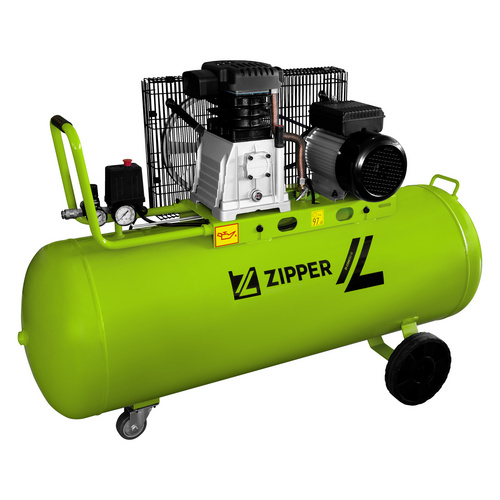
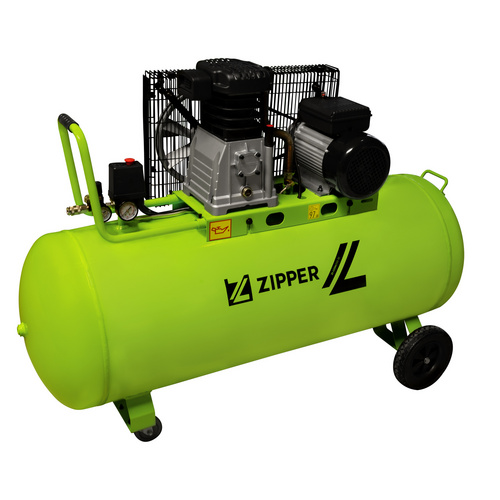
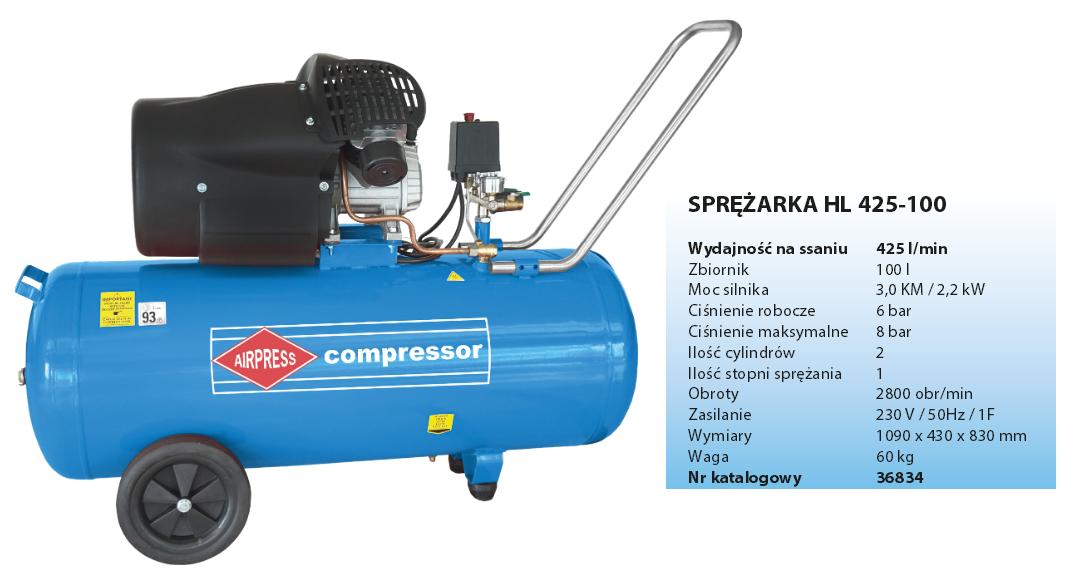
- Belt drive units offer higher HP motors and larger tanks, from 50L up to 270L. They keep air tools running longer on site.
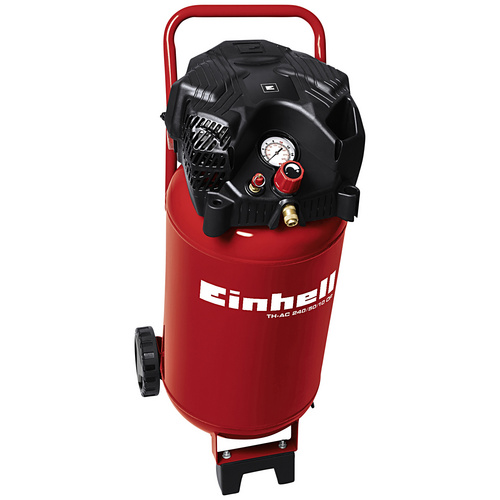
- Wall mounted models save floor space in cramped garages. They fix to a wall and stay out of the way.
- Portable electric compressors with twin air outlets let you run two tools at once. They suit mobile trades who need flexibility.
Things to watch
- Direct drive compressors have smaller tanks and lower HP than belt drive units. They struggle with continuous sanding or spraying tasks.
- Belt drive compressors are heavy and need a permanent floor spot. They are wrong for flats or vans with limited space.
- Large vertical 270L units use two-stage pumps and fixed placement. They are not for trades who move between job sites.
- Cast iron or steel builds add durability but also weight. That makes portable units harder to lift into a car.
Care & maintenance
Drain tanks
Drain condensate from the tank after each use. This prevents rust inside steel or aluminium shells.
Belt checks
Check belt tension on belt drive compressors every few months. Loose belts reduce pumping efficiency.
Oil levels
If you pick a non oil free model, inspect oil level before use and top up as needed.
Seals and feet
Inspect rubber feet and polyurethane hoses for cracks. Replace worn parts to keep the unit stable and leak free.
Frequently Asked Questions
What should I look for when buying compressors?
When shopping for compressors, consider factors such as quality, price, brand reputation, and customer reviews. Compare prices across multiple retailers to ensure you're getting the best deal. Look for products that match your specific needs and budget.
How do I choose the right compressors?
Choosing the right compressors depends on your individual needs, budget, and preferences. Research different options, read customer reviews, and compare specifications. Consider what features are most important to you and look for products that offer the best value for money.
Where can I find the best deals on compressors?
You can find the best deals on compressors by comparing prices across multiple retailers. Our price comparison tool helps you find the lowest prices from trusted UK retailers including Amazon, eBay, and other major online stores. Check regularly as prices and deals change frequently.
Are compressors products worth the investment?
The value of compressors products depends on your specific needs and how you plan to use them. Quality products from reputable brands often provide better long-term value, even if they cost more initially. Consider your budget and requirements when making your decision.
What's the difference between different types of compressors?
Different types of compressors vary in features, quality, price, and intended use. Some may offer premium features while others focus on affordability. Research the specific differences between models or brands to find the option that best suits your needs and budget.