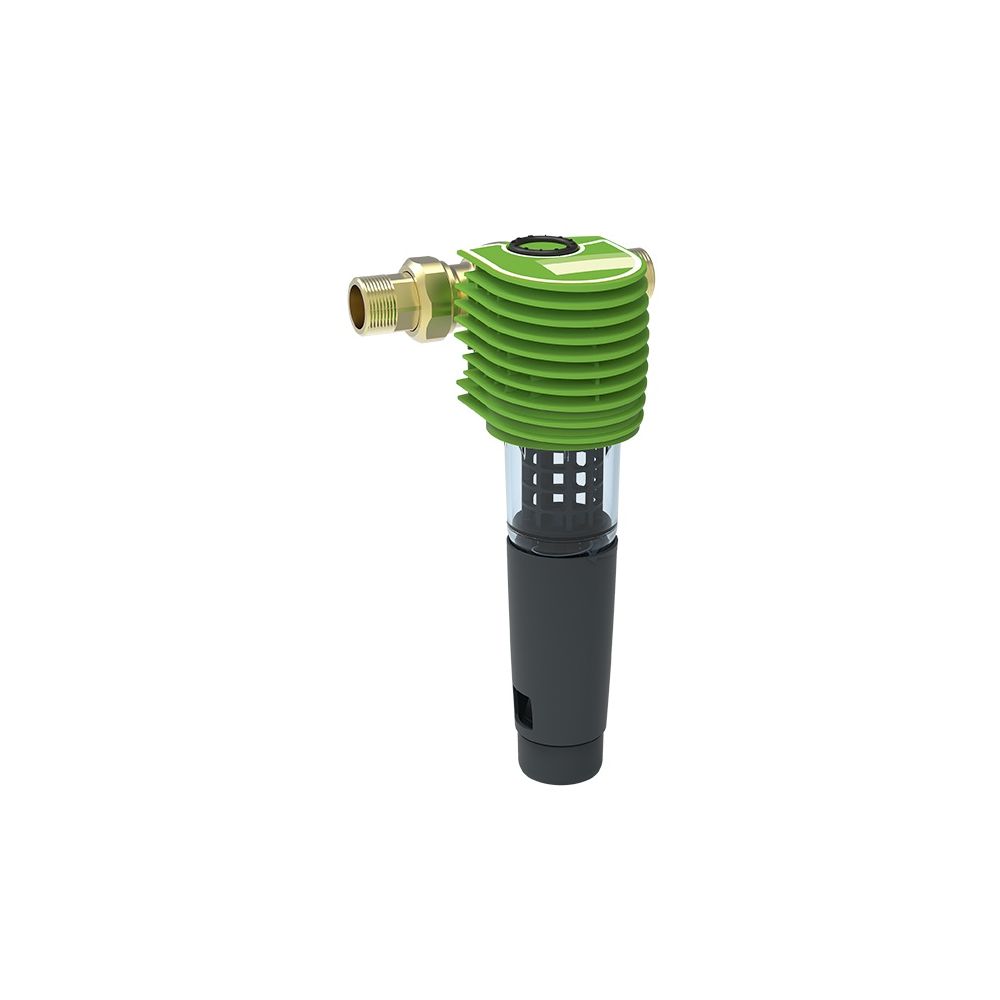
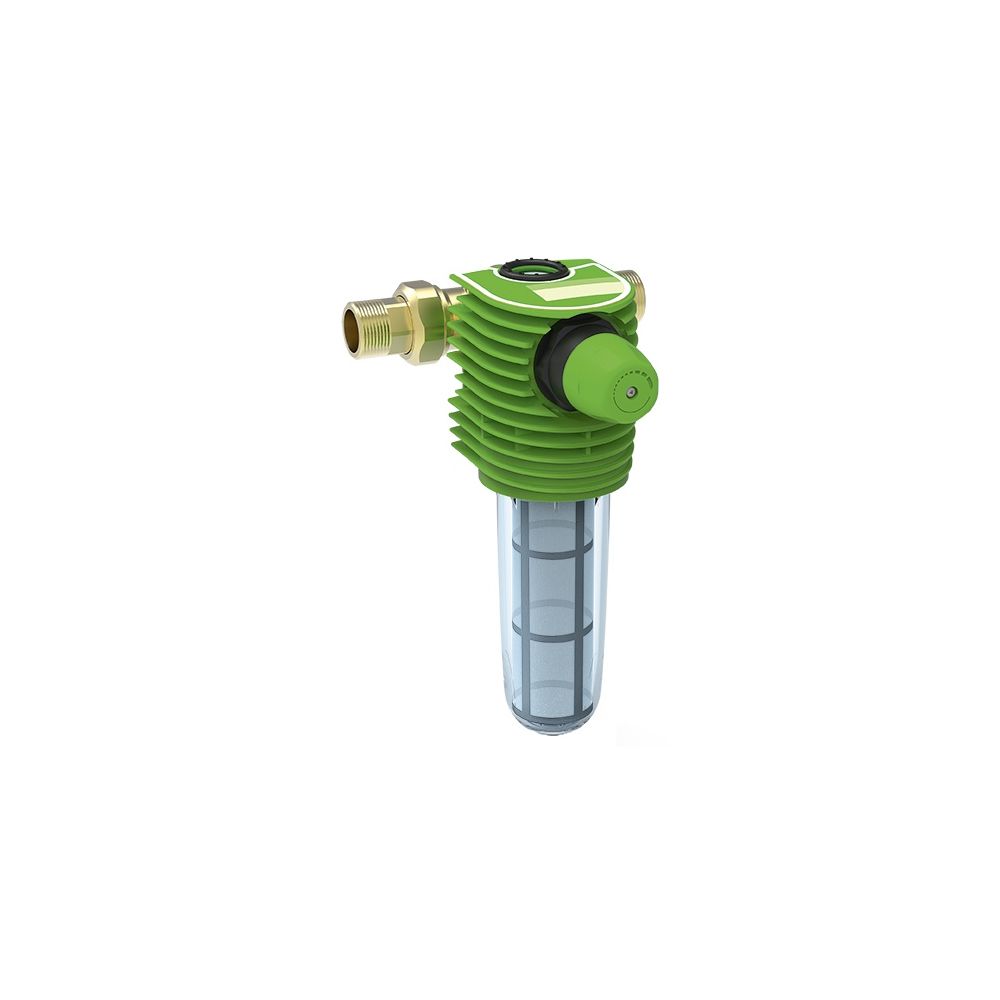
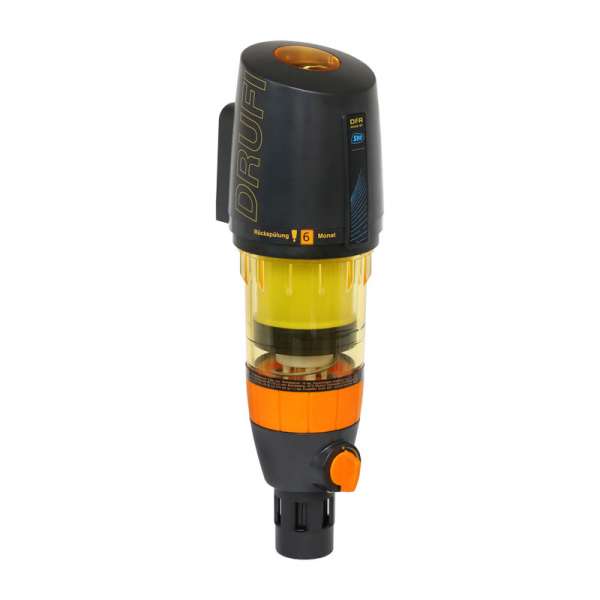
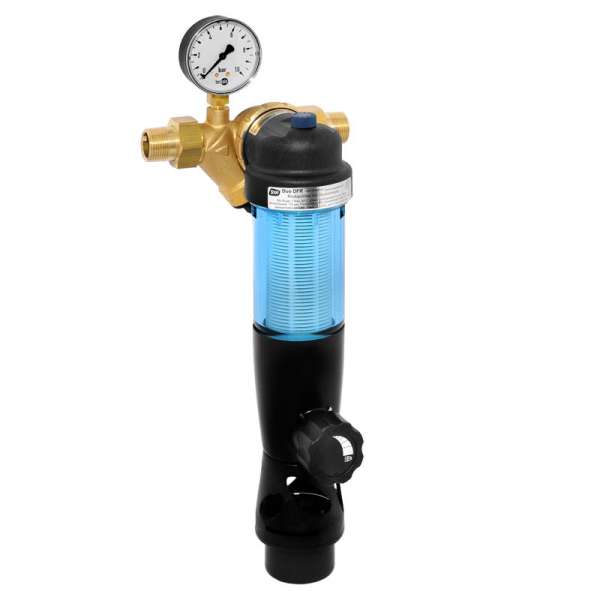
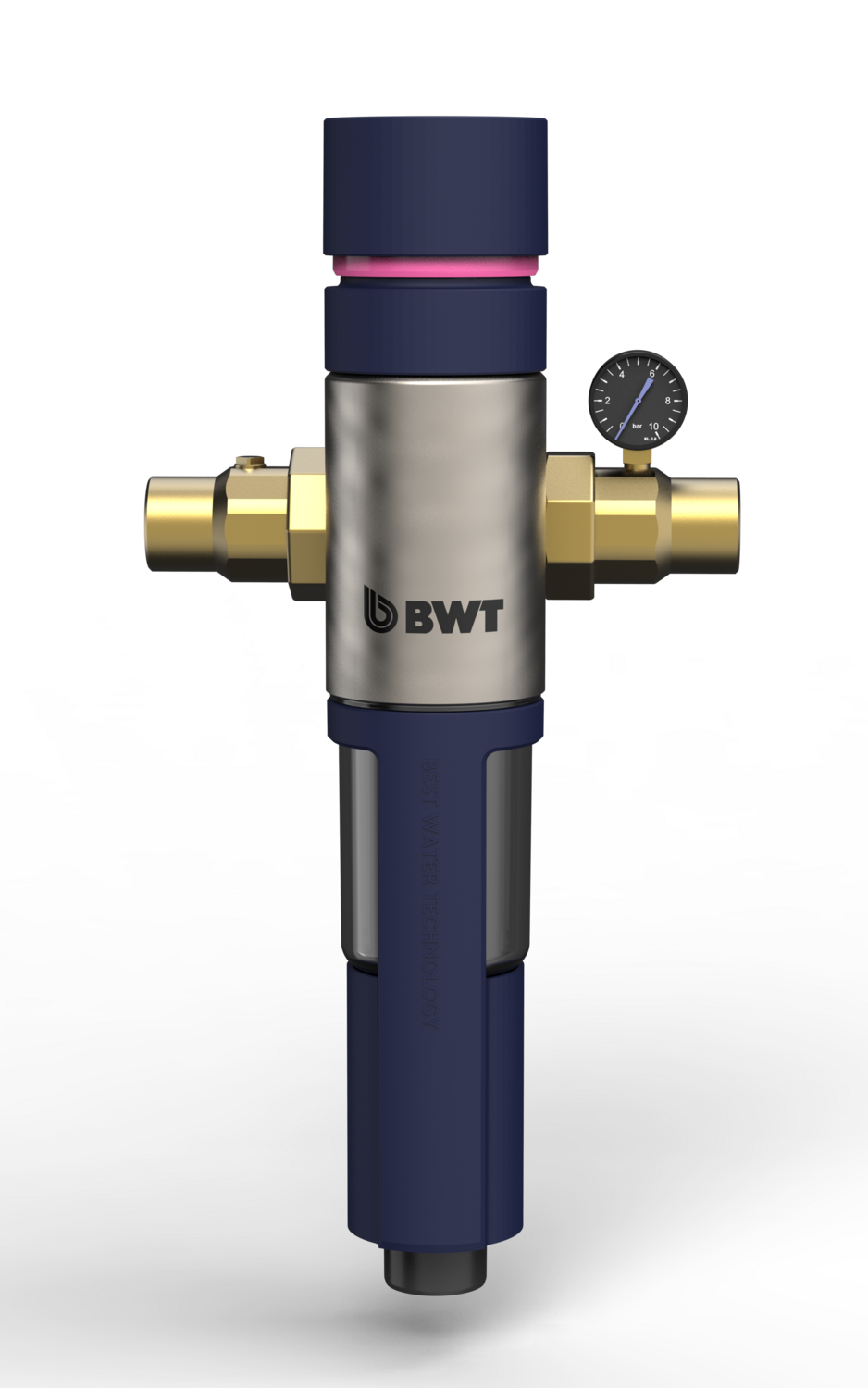
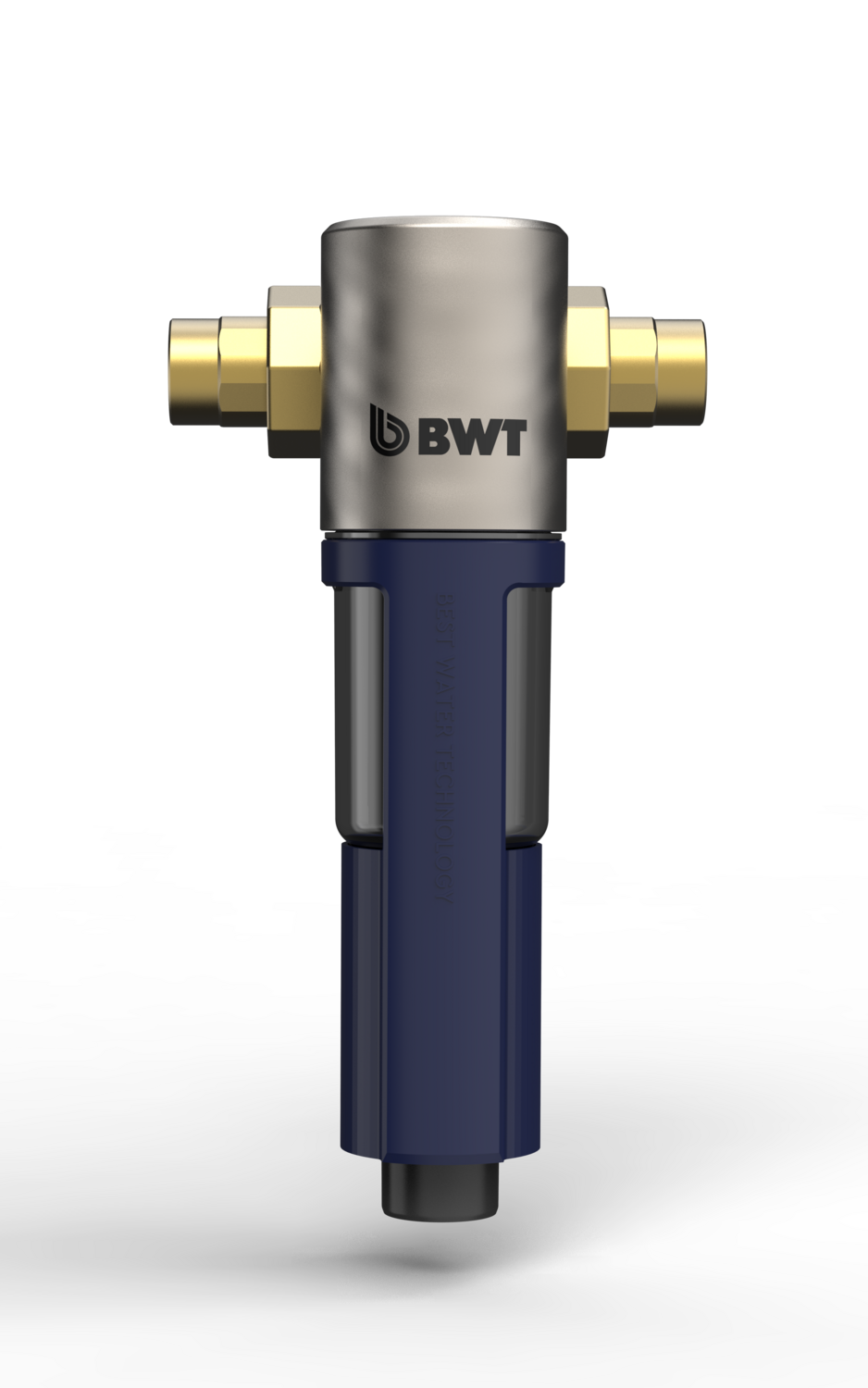
In-Line Water Filters
How to choose in-line water filters
Sub-type
choose Plumbing for pressure control, Water Dispensing & Filtration for taste, Hardware for connections.
Material
stainless steel and brass/plastic resist wear, while plastic keeps weight low but shortens lifespan.
Colour
white, black or silver match appliances, but blue or red finishes are cosmetic only.
Capacity
undersink models reach around 30,000 litres, whereas fridge replacements target a single unit.
Certification
if reducing lead or PFAS matters, seek NSF/ANSI 42 marked units rather than uncertified hardware.
What's good
- Fridge compatible filters (a Water Dispensing & Filtration type) slot into existing appliances, so you get cleaner ice without new pipes.
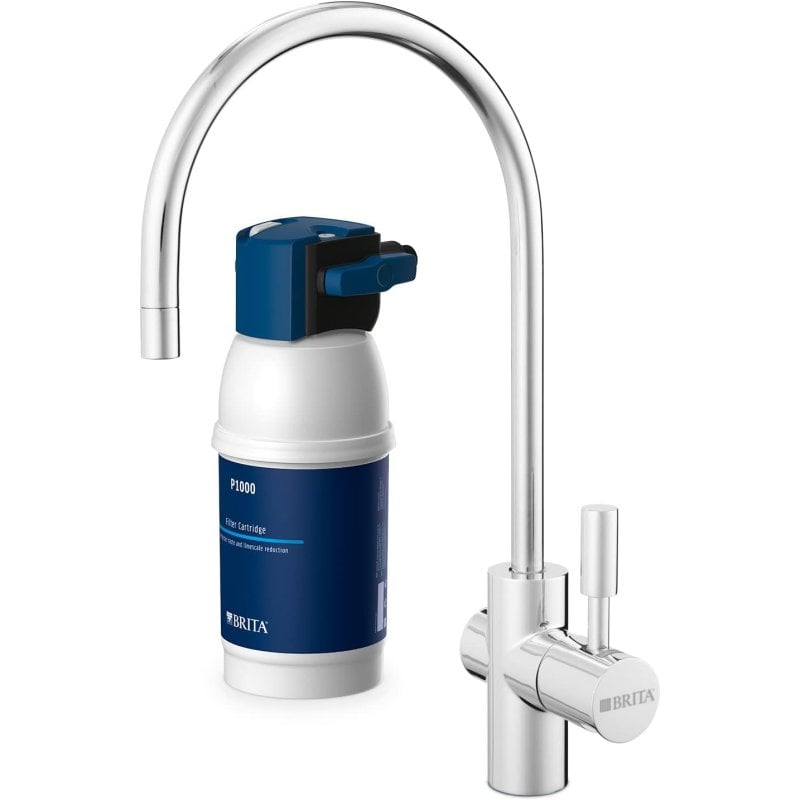
- Undersink units with NSF/ANSI 42 certification cut lead, chlorine and PFAS from drinking water.
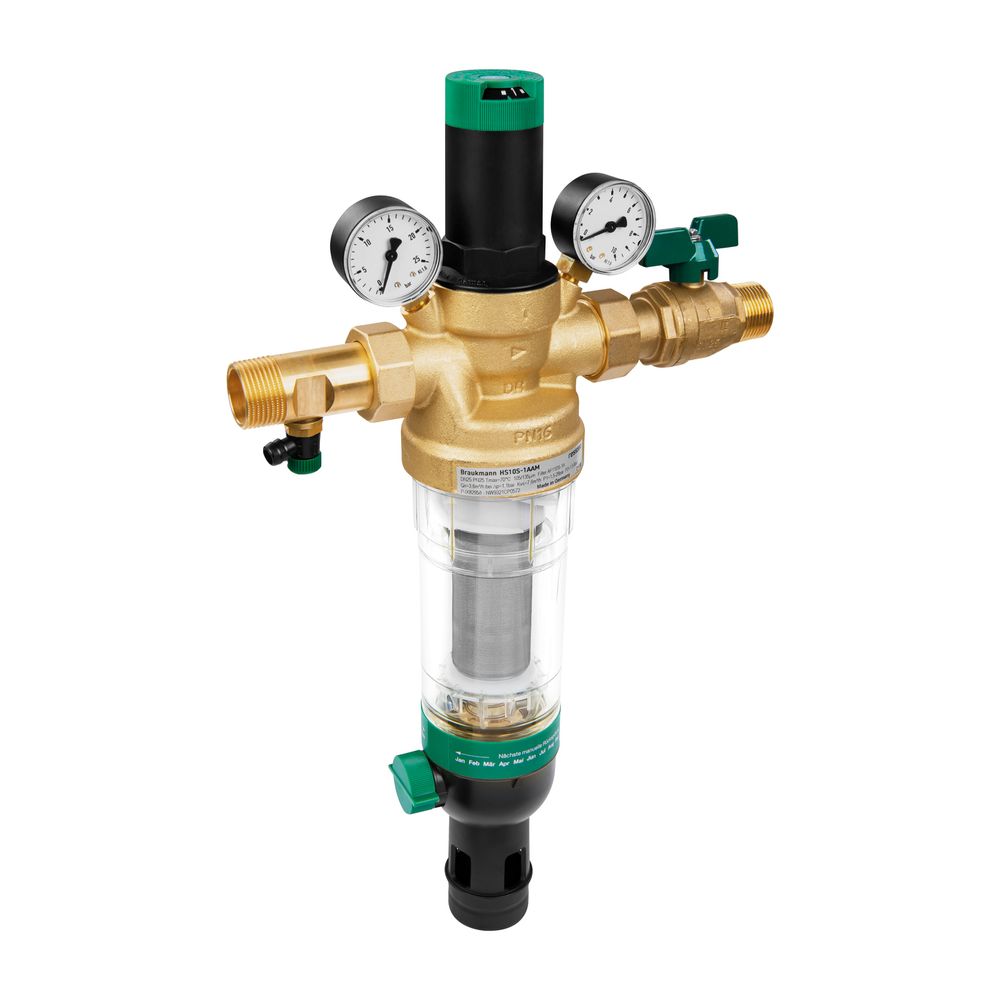
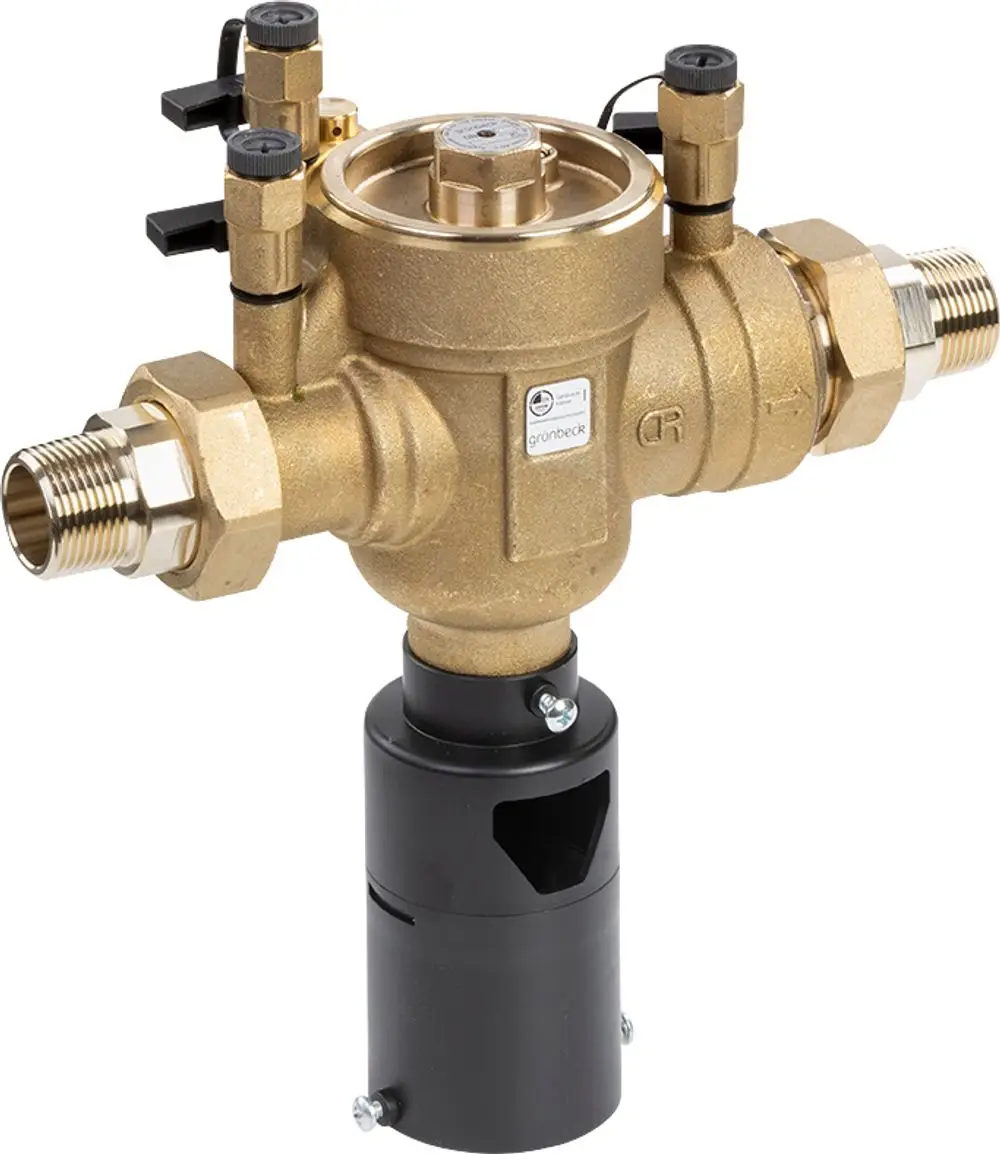
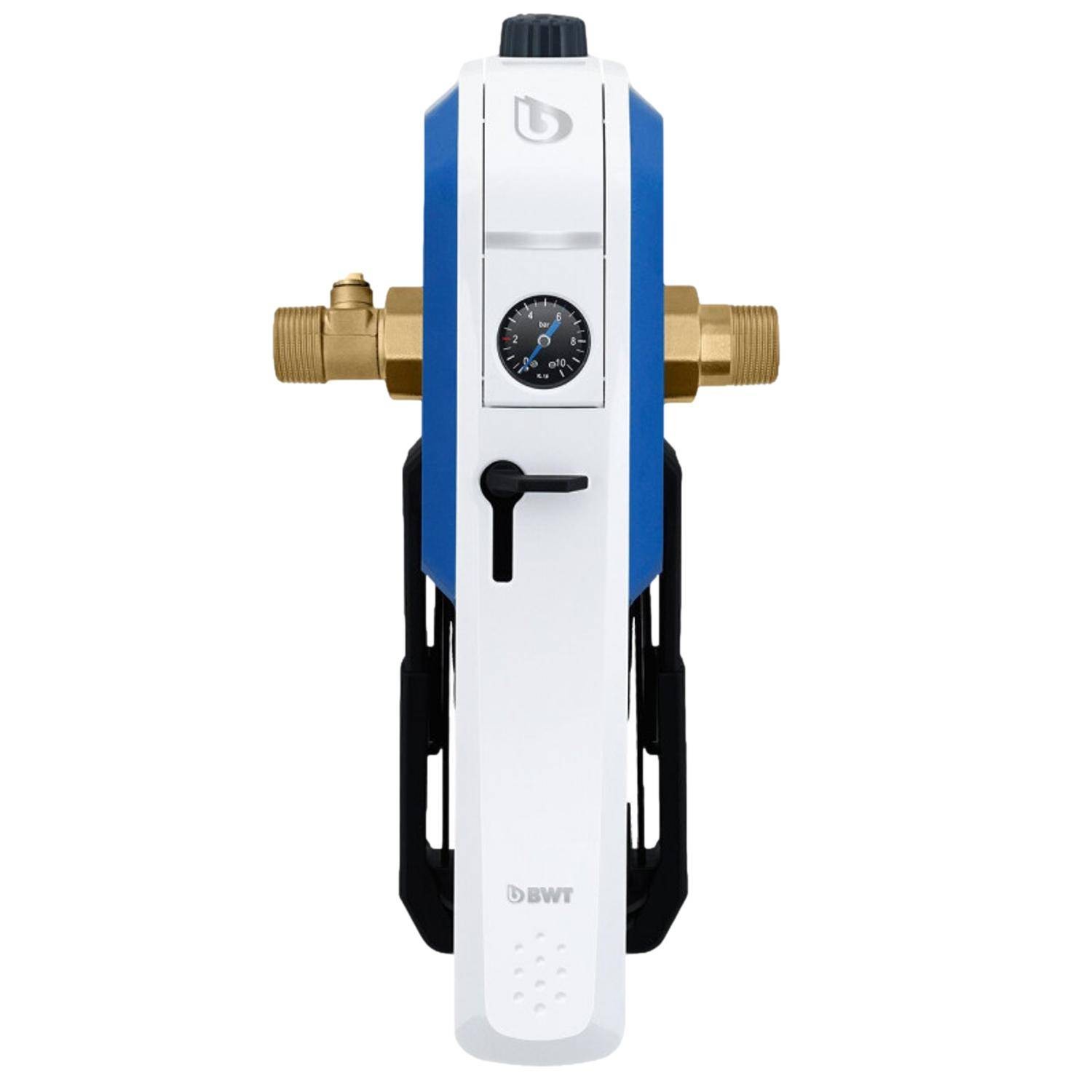
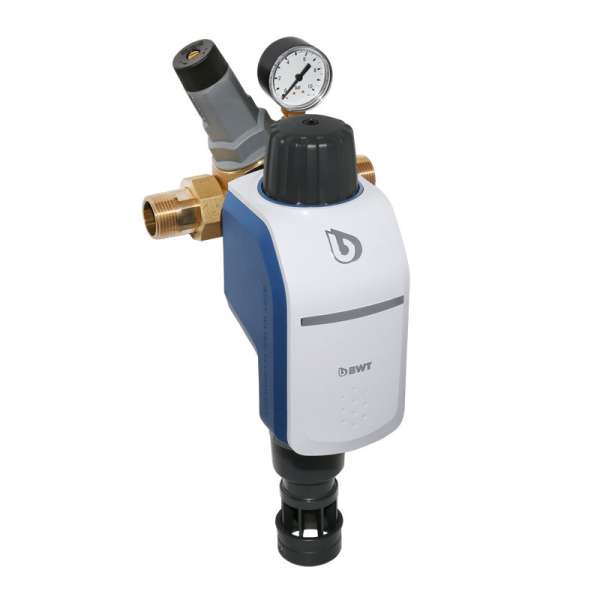
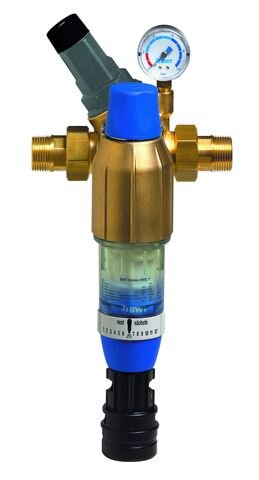
- Plumbing pressure reducers in brass/plastic handle flow up to 52 L/min at 1.5-6 bar, with no electric parts.
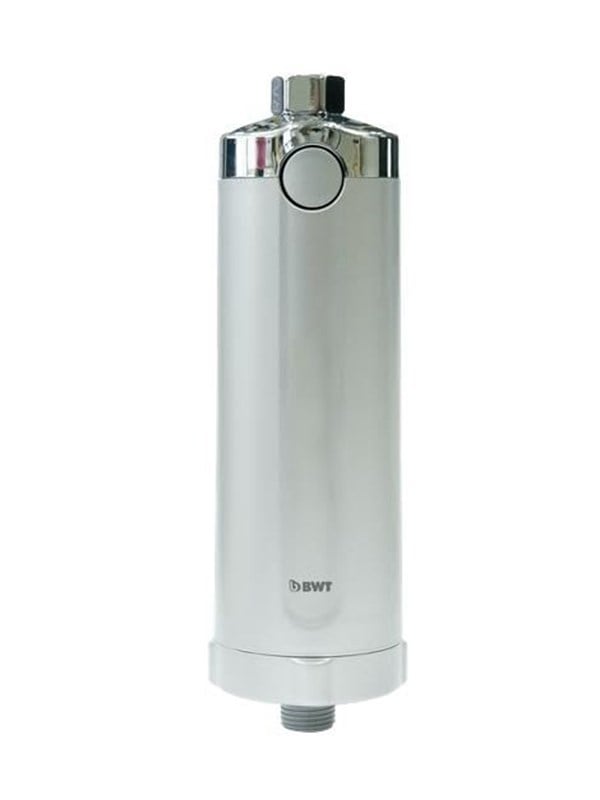
- Shower filters attach at the head, reducing chlorine on skin during every wash.
- Hardware fittings in stainless steel or metal/plastic give a secure inline connection that lasts in damp cupboards.
Things to watch
- Basic compatible fridge filters only serve one appliance, not the whole home supply.
- High capacity undersink systems need cabinet space and a dedicated tap, complicating a retrofit.
- Reverse osmosis units (a Water Dispensing & Filtration tier) require a separate tap, adding install steps versus inline filters.
- Plastic-bodied hardware is lighter but may flex under high pressure versus stainless steel.
- Colours like lavender or peach look smart yet add no filtration benefit, which can mislead.
Care & maintenance
Cartridges
Swap cartridges in fridge and undersink filters on the maker's interval to keep flow steady.
Plumbing
Flush plumbing pressure reducers periodically on hard supplies to prevent scale build-up.
Shower
Wipe shower filter housings and check the seal to avoid leaks from sediment.
Fittings
Inspect stainless steel or brass/plastic fittings after fitting, tightening by hand if moisture appears.
Frequently Asked Questions
What should I look for when buying in-line water filters?
When shopping for in-line water filters, consider factors such as quality, price, brand reputation, and customer reviews. Compare prices across multiple retailers to ensure you're getting the best deal. Look for products that match your specific needs and budget.
How do I choose the right in-line water filters?
Choosing the right in-line water filters depends on your individual needs, budget, and preferences. Research different options, read customer reviews, and compare specifications. Consider what features are most important to you and look for products that offer the best value for money.
Where can I find the best deals on in-line water filters?
You can find the best deals on in-line water filters by comparing prices across multiple retailers. Our price comparison tool helps you find the lowest prices from trusted UK retailers including Amazon, eBay, and other major online stores. Check regularly as prices and deals change frequently.
Are in-line water filters products worth the investment?
The value of in-line water filters products depends on your specific needs and how you plan to use them. Quality products from reputable brands often provide better long-term value, even if they cost more initially. Consider your budget and requirements when making your decision.
What's the difference between different types of in-line water filters?
Different types of in-line water filters vary in features, quality, price, and intended use. Some may offer premium features while others focus on affordability. Research the specific differences between models or brands to find the option that best suits your needs and budget.