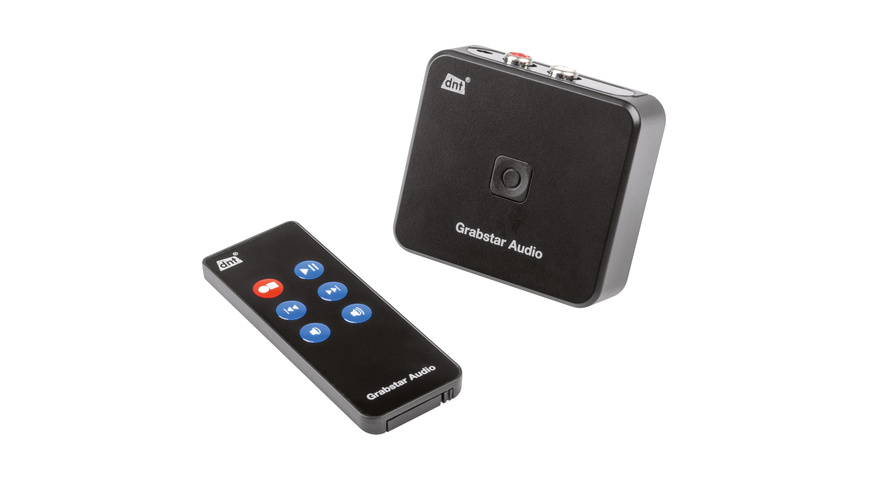
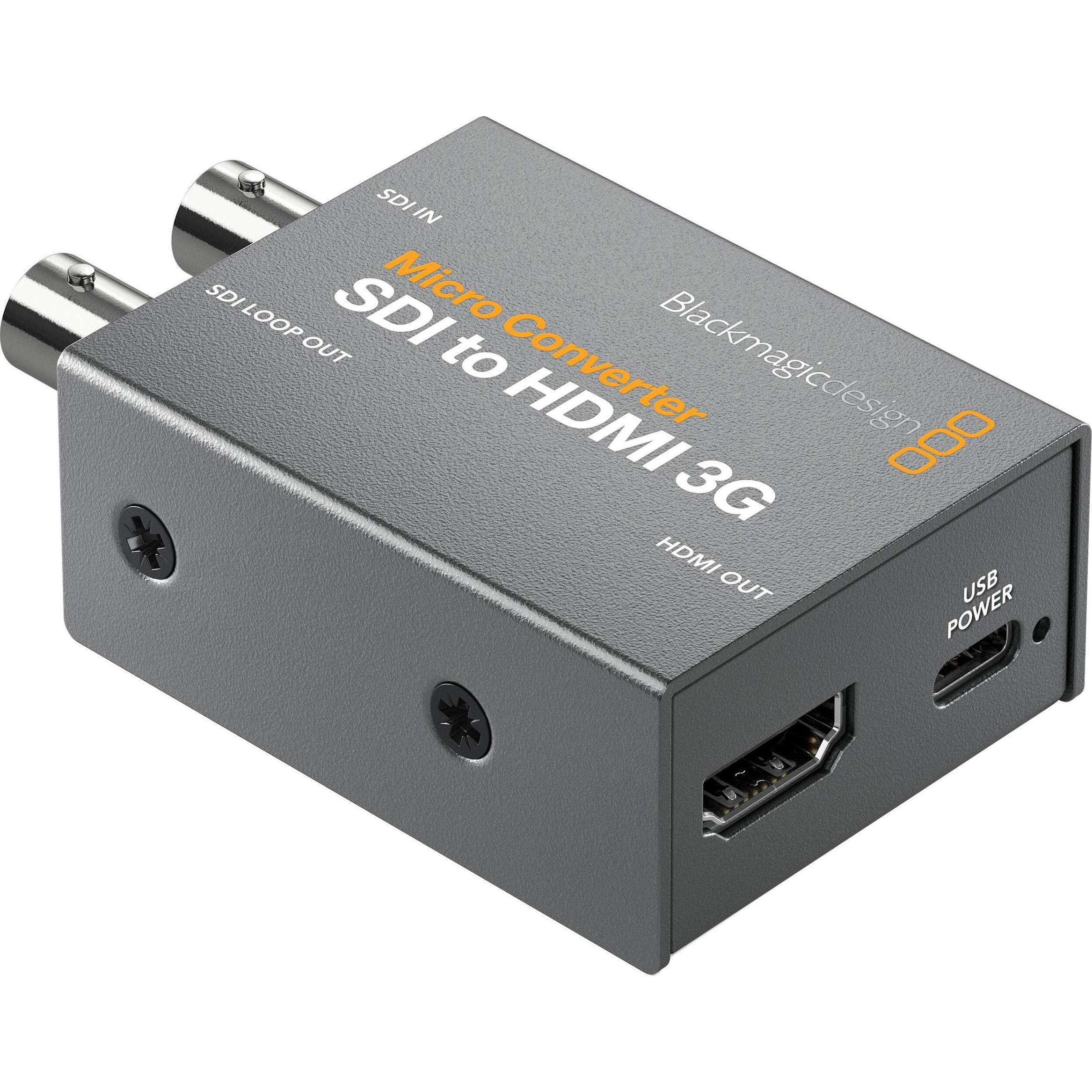
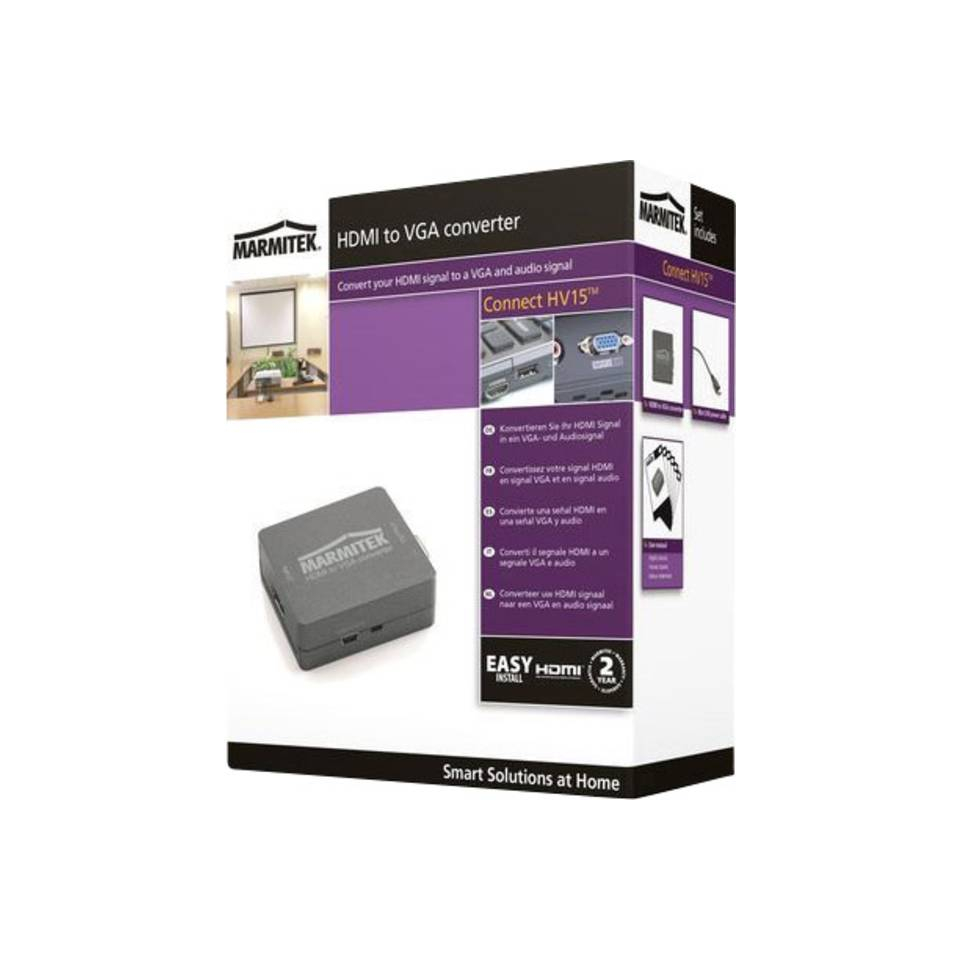
Converters
How to choose converters
Signal path
Decide between Components for a no-power plug and Electronics when the signal format must change.
Scan need
Opt for Scan Converters only if source and display disagree on scan rates, or you add a box and lag for nothing.
Build
Weigh material: aluminium and metal fit permanent racks, while plastic favours portable use.
Colour
Note colour choices like red/white or yellow/white/red can match legacy AV leads, helping identify ports in a rack.
Material trade
If you like gold or silver for humid rooms, remember iron or copper builds will be heavier to mount.
What's good
- Components need no external power, so a passive balun or adapter keeps a setup simple and reliable.
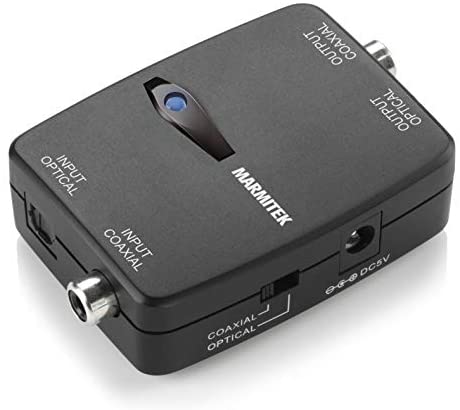
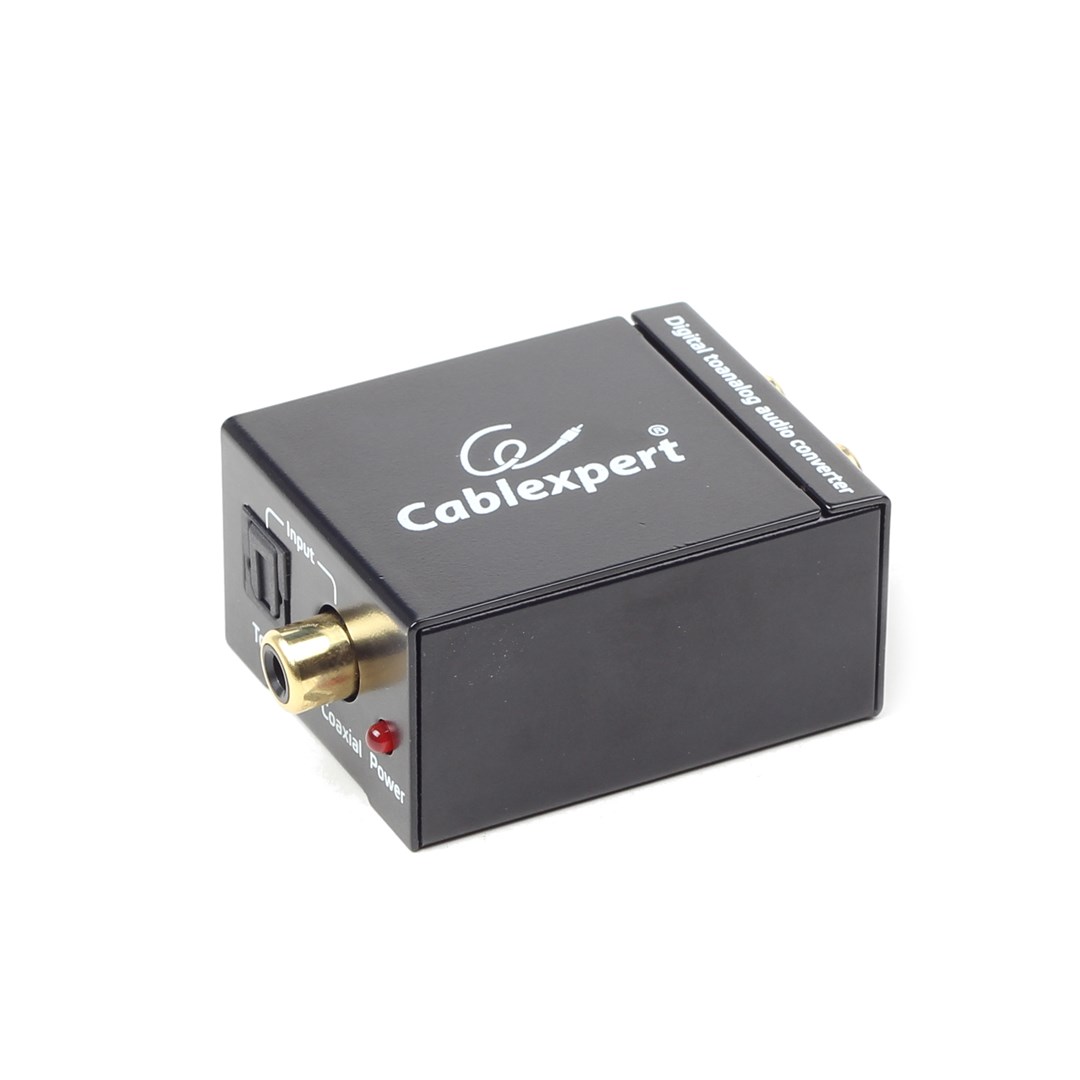
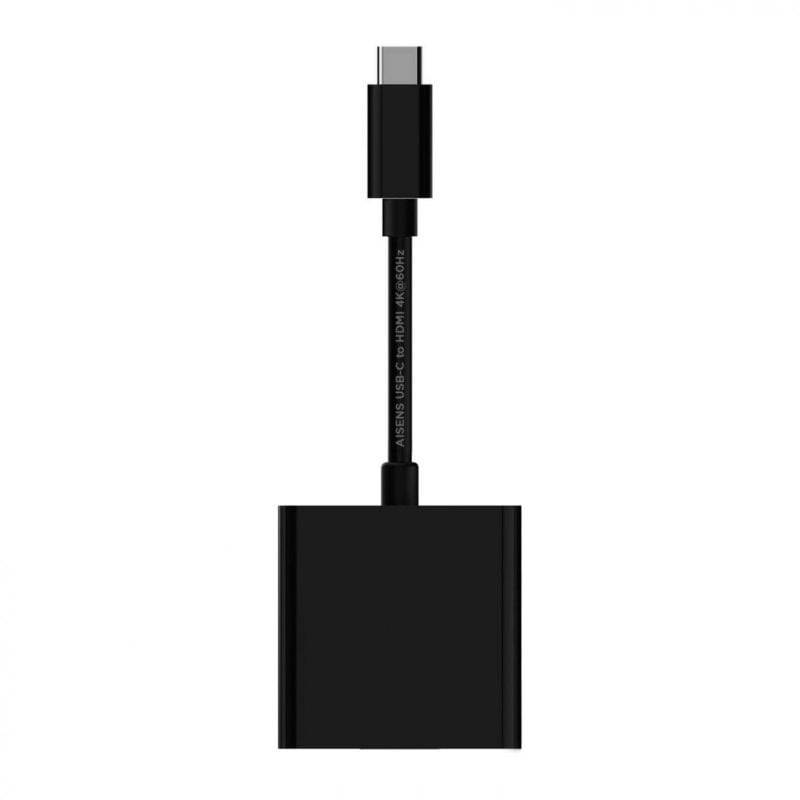
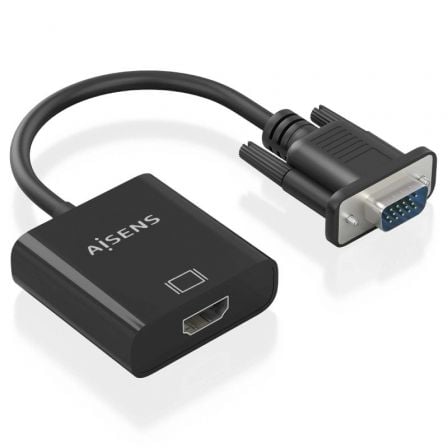
- Electronics manage active translation, such as VGA to composite or HDMI to SDI, letting mixed-age gear work together.
- Scan Converters fix the mismatch when a PC signal hits a TV with a different scan rate, avoiding a blank screen.
- Metal and aluminium housings across the range stand up to rack use better than plastic alone.
Things to watch
- Components cannot rebuild a signal, so they are wrong for tasks like HDMI to DisplayPort conversion that need active chips.
- Electronics require a power source and may add latency, a drawback for live monitoring unless specs suit.
- Scan Converters are a niche purchase, pointless if both devices already share the same standard.
- Iron or copper materials add heft, making those units poor for a mobile bag.
- Gold or silver finishes bring slight corrosion resistance but no visible gain for short indoor links.
Care & maintenance
Storage
Plastic or plastic/metal bodies should be kept dry and cool, a low burden that suits temporary kits.
Power
Electronics with metal shells benefit from being unplugged when not in use, extending board life for fixed installs.
Contacts
Gold, silver or copper contacts need only an occasional dry wipe, so pick those if you want minimal upkeep.
Frequently Asked Questions
What should I look for when buying converters?
When shopping for converters, consider factors such as quality, price, brand reputation, and customer reviews. Compare prices across multiple retailers to ensure you're getting the best deal. Look for products that match your specific needs and budget.
How do I choose the right converters?
Choosing the right converters depends on your individual needs, budget, and preferences. Research different options, read customer reviews, and compare specifications. Consider what features are most important to you and look for products that offer the best value for money.
Where can I find the best deals on converters?
You can find the best deals on converters by comparing prices across multiple retailers. Our price comparison tool helps you find the lowest prices from trusted UK retailers including Amazon, eBay, and other major online stores. Check regularly as prices and deals change frequently.
Are converters products worth the investment?
The value of converters products depends on your specific needs and how you plan to use them. Quality products from reputable brands often provide better long-term value, even if they cost more initially. Consider your budget and requirements when making your decision.
What's the difference between different types of converters?
Different types of converters vary in features, quality, price, and intended use. Some may offer premium features while others focus on affordability. Research the specific differences between models or brands to find the option that best suits your needs and budget.