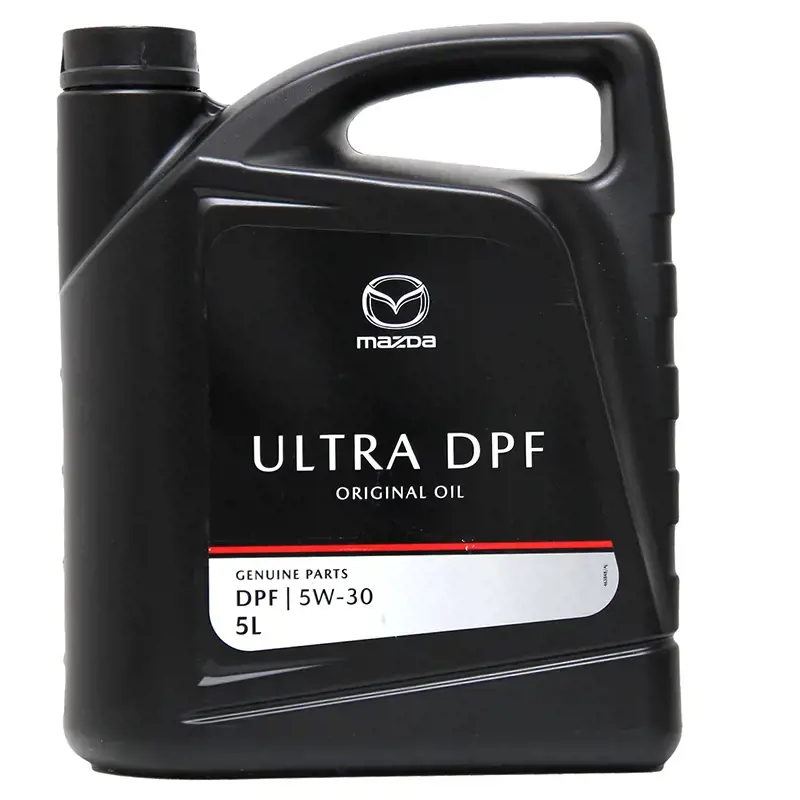
Vehicle Fluids
How to choose vehicle fluids
Oil tier
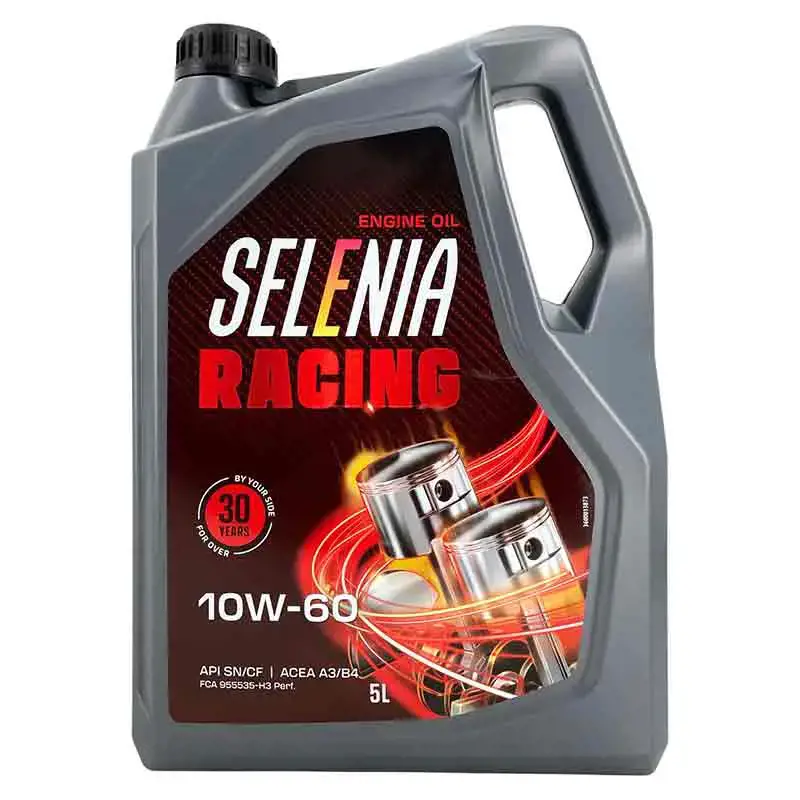
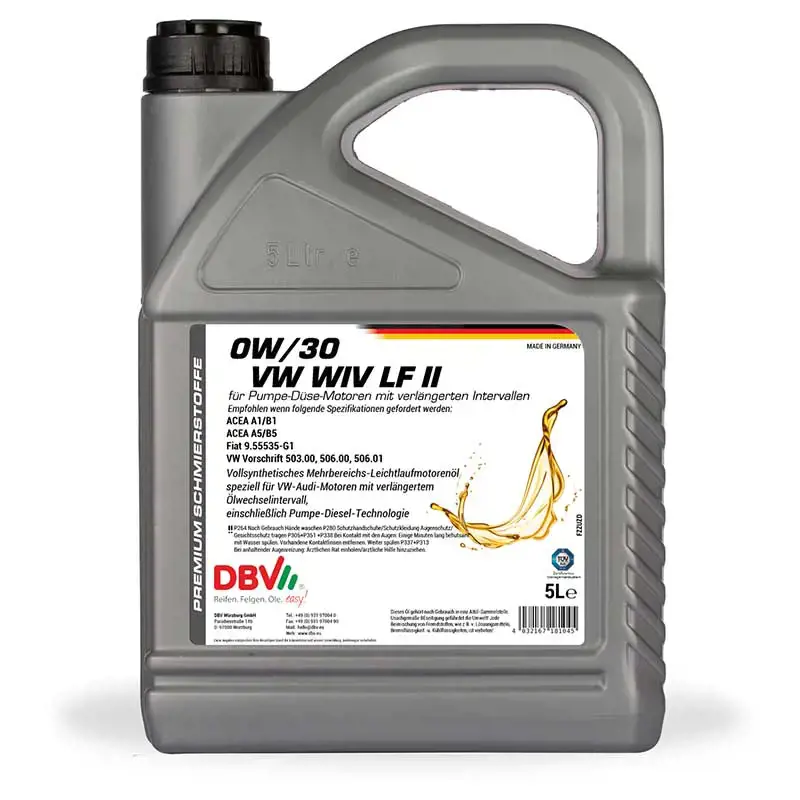
Within Vehicle Motor Oil, choose the oil tier: fully synthetic for modern low-emission cars, part synthetic for older engines, semi-synthetic for light use.
Viscosity
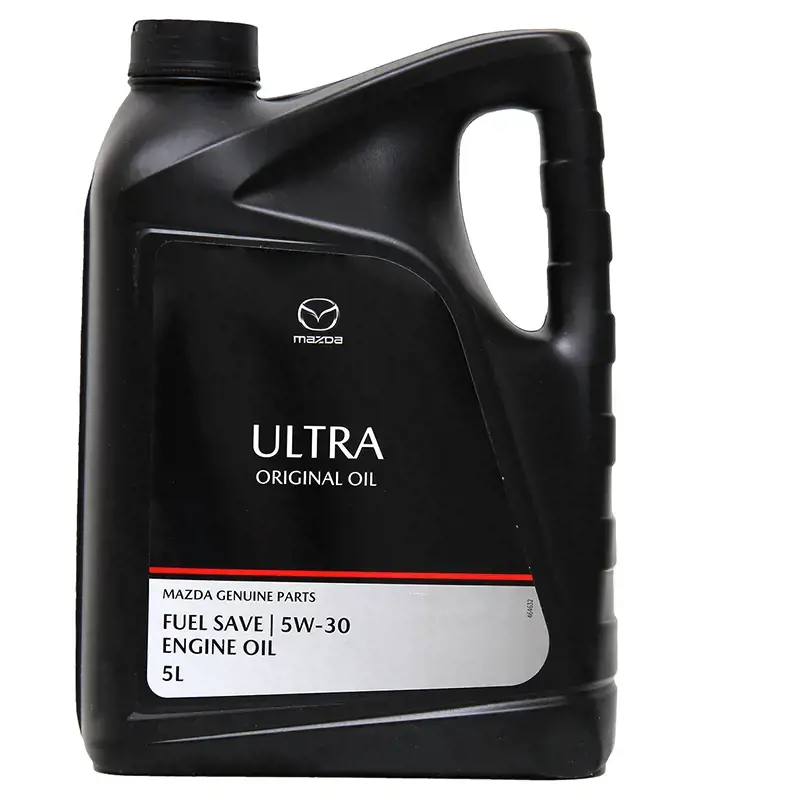
Viscosity grade is a real decision: 5W30 aids cold starts, 10W40 suits warmer weather or higher mileage.
Effect fluid
If you browse Vehicle Maintenance, Care & Decor, pick between low fog fluid and high density smoke fluid for the effect you need.
Colour
Colour attribute matters: bottles appear in blue, green, clear and more, so select a shade that is easy to spot on your shelf.
Container material
Material attribute: containers in plastic are lighter, while metal or steel resist puncture but add weight.
What's good
- Fully synthetic engine oil, a tier inside Vehicle Motor Oil, gives stable viscosity and strong sludge control under heat.
- Diesel exhaust fluid (AdBlue) is a simple top-up that keeps modern diesel emissions systems working as intended.
- Smoke and fog fluids split into low fog and high density types, so you match the effect to the venue.
- Colour-coded bottles (blue, green, clear) make it easy to grab the right fluid from a busy shelf.
- Part synthetic oil suits older engines that do not need full synthetic specifications.
Things to watch
- Fully synthetic engine oil is the wrong choice for classic motors that require mineral-only lubricants.
- Diesel exhaust fluid (AdBlue) freezes in an unheated garage and must never mix with engine oil.
- Smoke and fog fluids under Vehicle Maintenance, Care & Decor do nothing for mechanical upkeep, so they are an extra purchase.
- High density smoke fluid can leave a residue on paintwork if used close to a vehicle.
- Part synthetic oils often lack low-SAPS additives, making them a poor fit for modern diesel filters.
Care & maintenance
Sealed storage
Store all fluids in sealed plastic or metal containers, kept away from direct heat.
Oil checks
Check engine oil on the dipstick monthly, topping up with the same grade (5W30 or 10W40).
AdBlue care
Keep AdBlue below 25°C and out of sunlight to stop it degrading.
Spill control
Wipe coloured spills quickly, as dyes like red or blue can stain concrete and paint.
Frequently Asked Questions
What should I look for when buying vehicle fluids?
When shopping for vehicle fluids, consider factors such as quality, price, brand reputation, and customer reviews. Compare prices across multiple retailers to ensure you're getting the best deal. Look for products that match your specific needs and budget.
How do I choose the right vehicle fluids?
Choosing the right vehicle fluids depends on your individual needs, budget, and preferences. Research different options, read customer reviews, and compare specifications. Consider what features are most important to you and look for products that offer the best value for money.
Where can I find the best deals on vehicle fluids?
You can find the best deals on vehicle fluids by comparing prices across multiple retailers. Our price comparison tool helps you find the lowest prices from trusted UK retailers including Amazon, eBay, and other major online stores. Check regularly as prices and deals change frequently.
Are vehicle fluids products worth the investment?
The value of vehicle fluids products depends on your specific needs and how you plan to use them. Quality products from reputable brands often provide better long-term value, even if they cost more initially. Consider your budget and requirements when making your decision.
What's the difference between different types of vehicle fluids?
Different types of vehicle fluids vary in features, quality, price, and intended use. Some may offer premium features while others focus on affordability. Research the specific differences between models or brands to find the option that best suits your needs and budget.