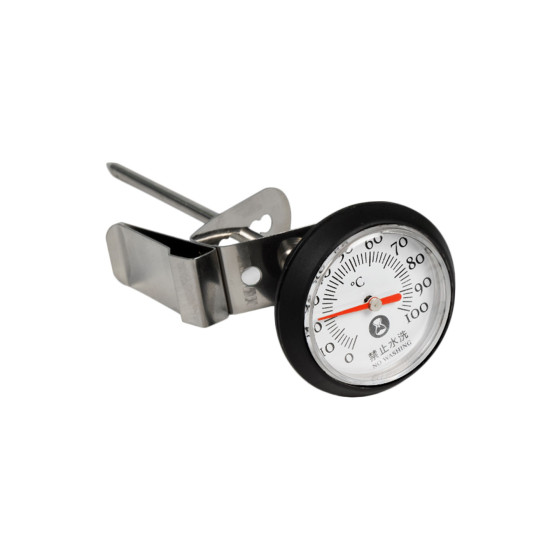
Cooking Thermometers
How to choose cooking thermometers
Sub-type
Home & Garden suits BBQ and outdoor leisure, Kitchen & Dining suits indoor meals, Kitchen Tools & Utensils suits the gadget drawer.
Material
stainless steel resists wear but heats up, plastic and silicone stay cool yet age faster.
Colour
bright red or blue helps you spot the thermometer, gold or cream looks neat but marks easy.
Power
wireless gives remote read but needs charging, analogue or corded gives no battery fuss.
Build size
larger dial cabinets are easy to read across the kitchen, smaller pocket types are portable but easy to misplace.
What's good
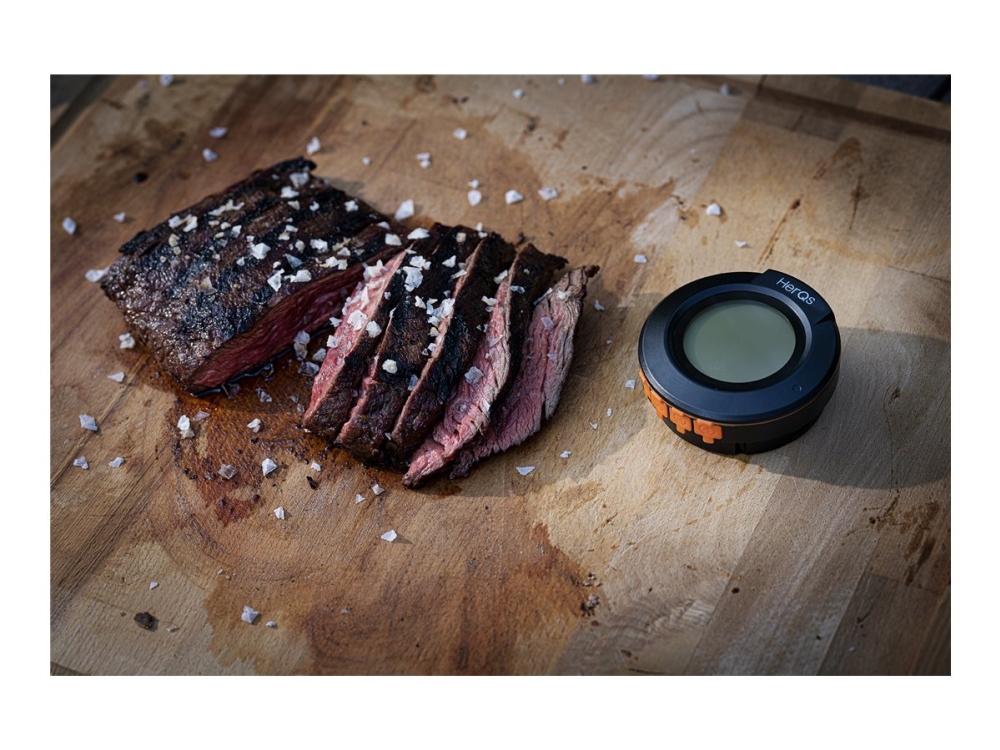
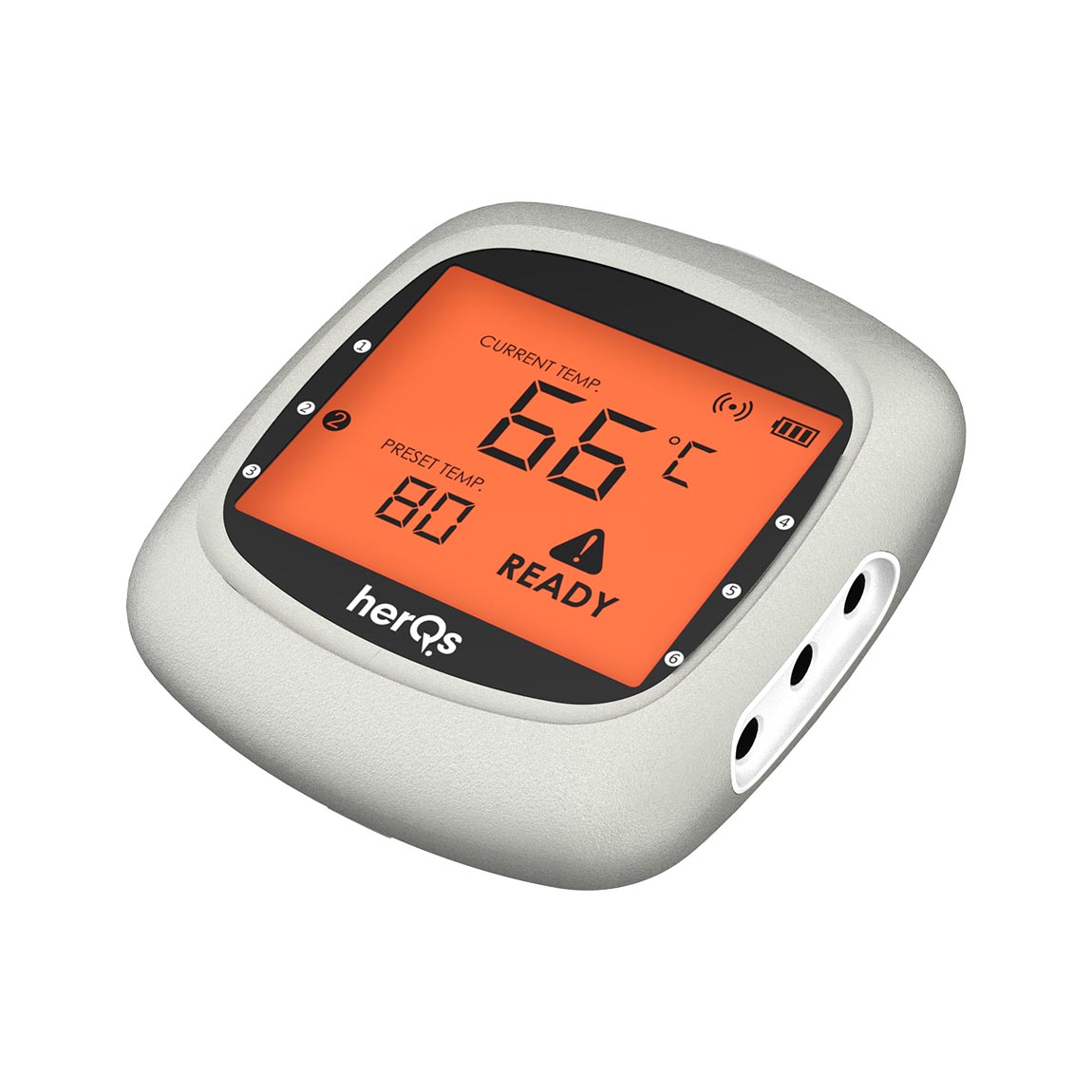
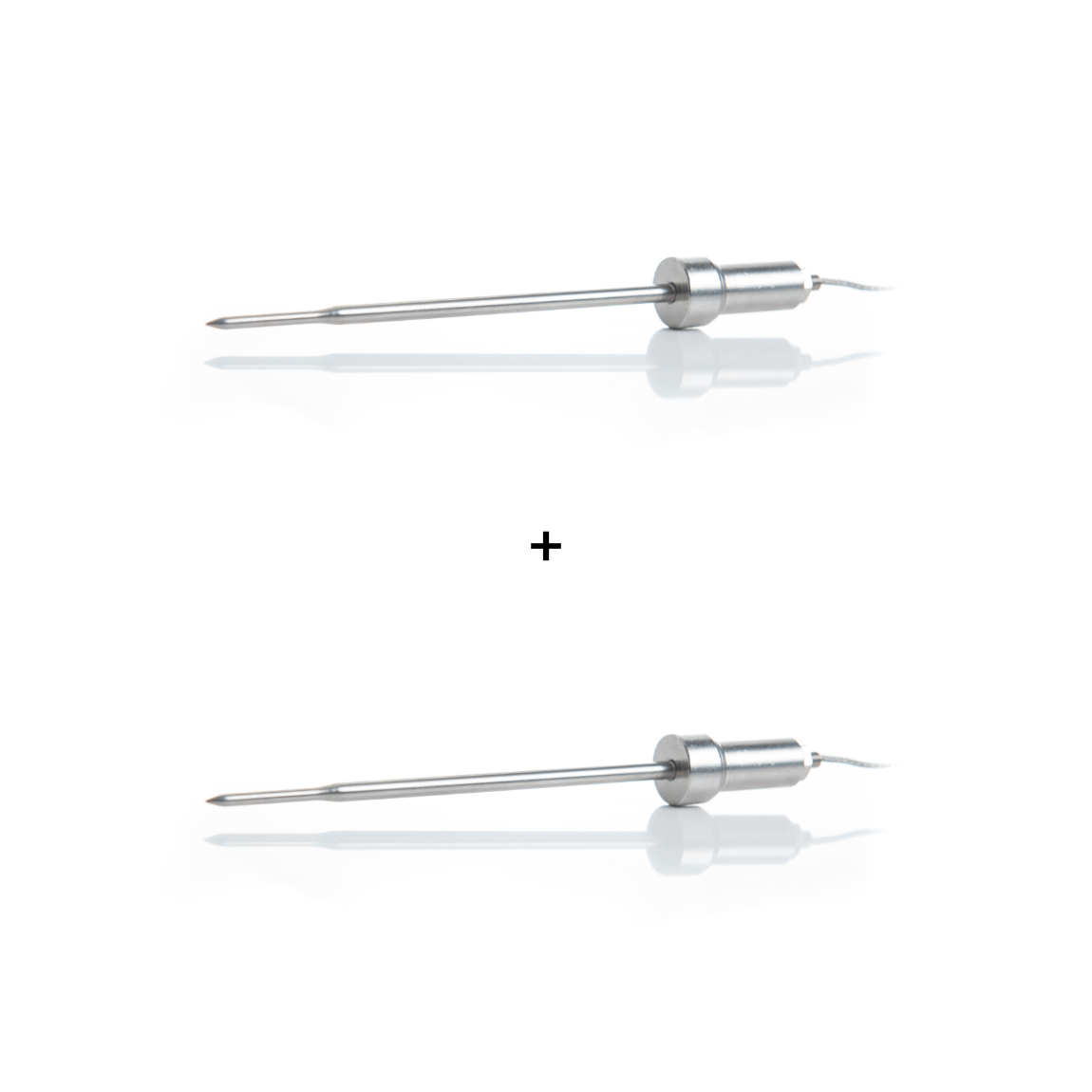
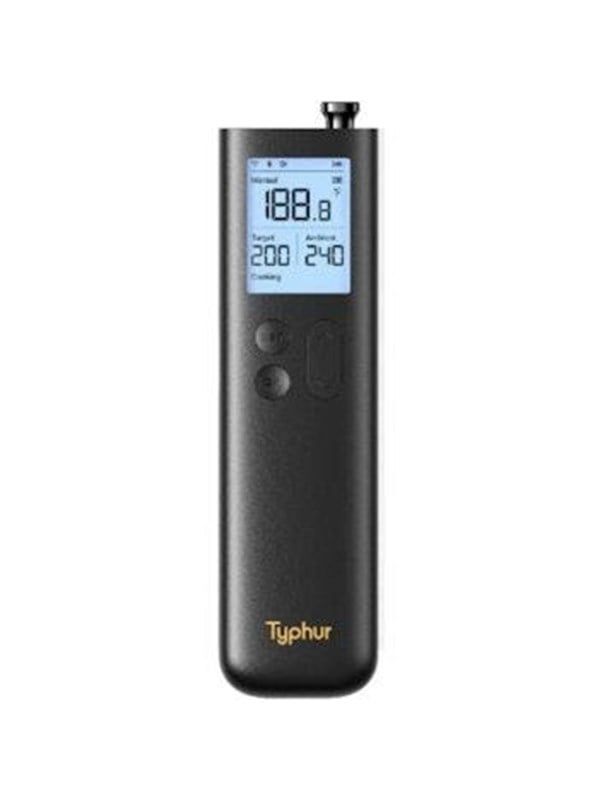
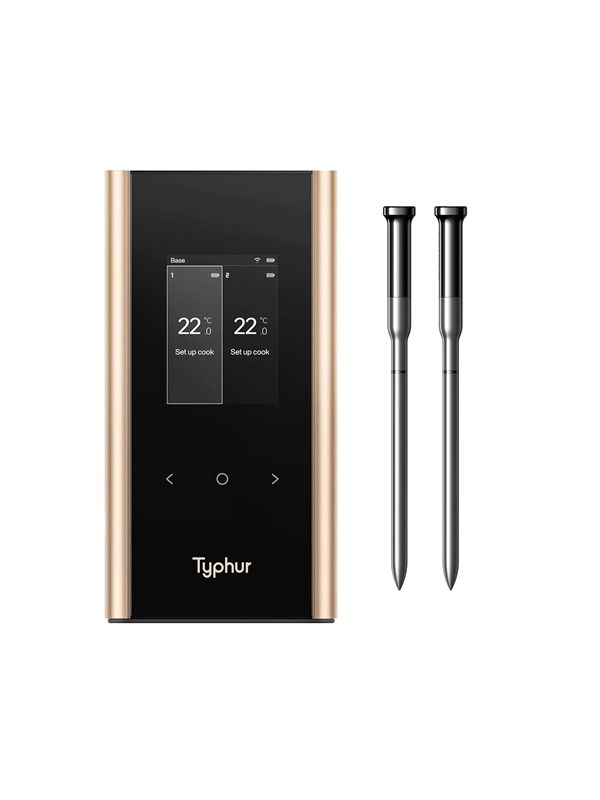
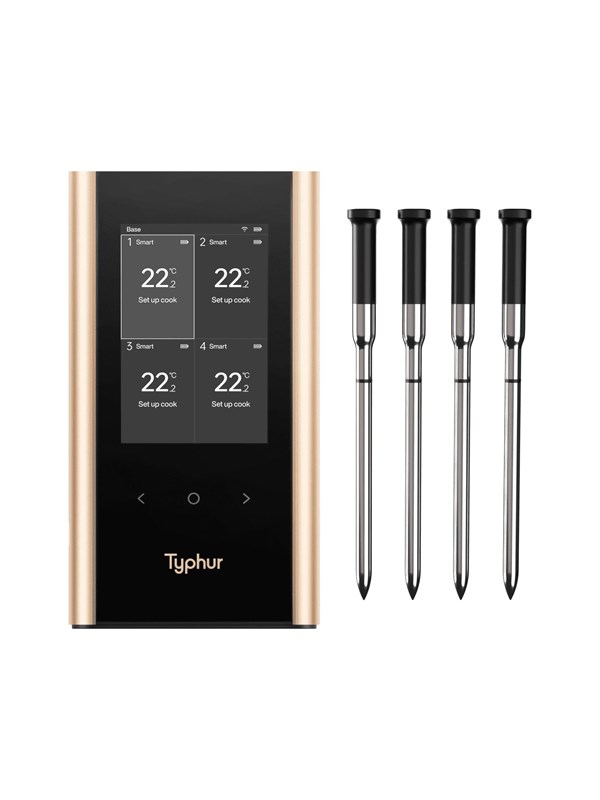
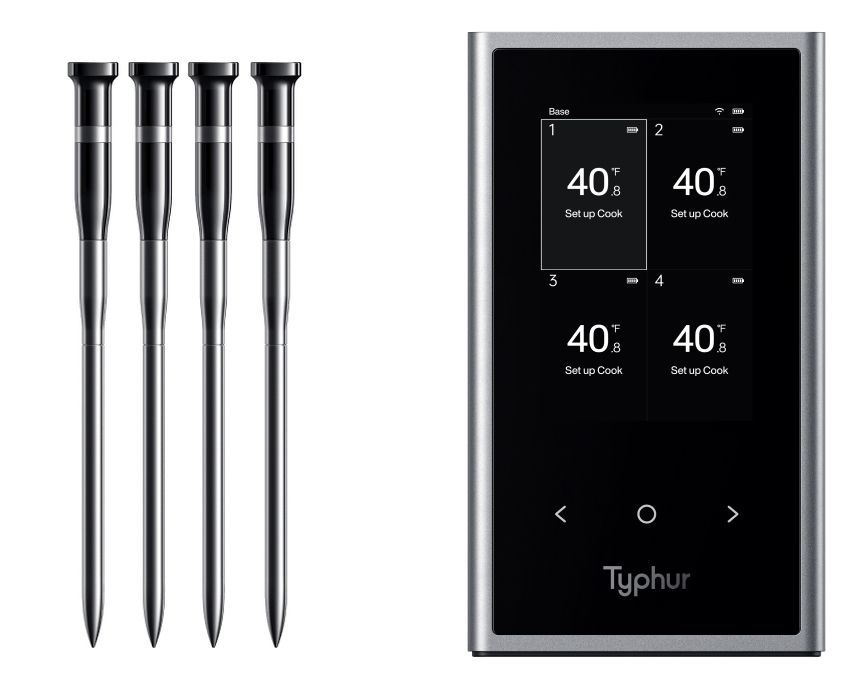
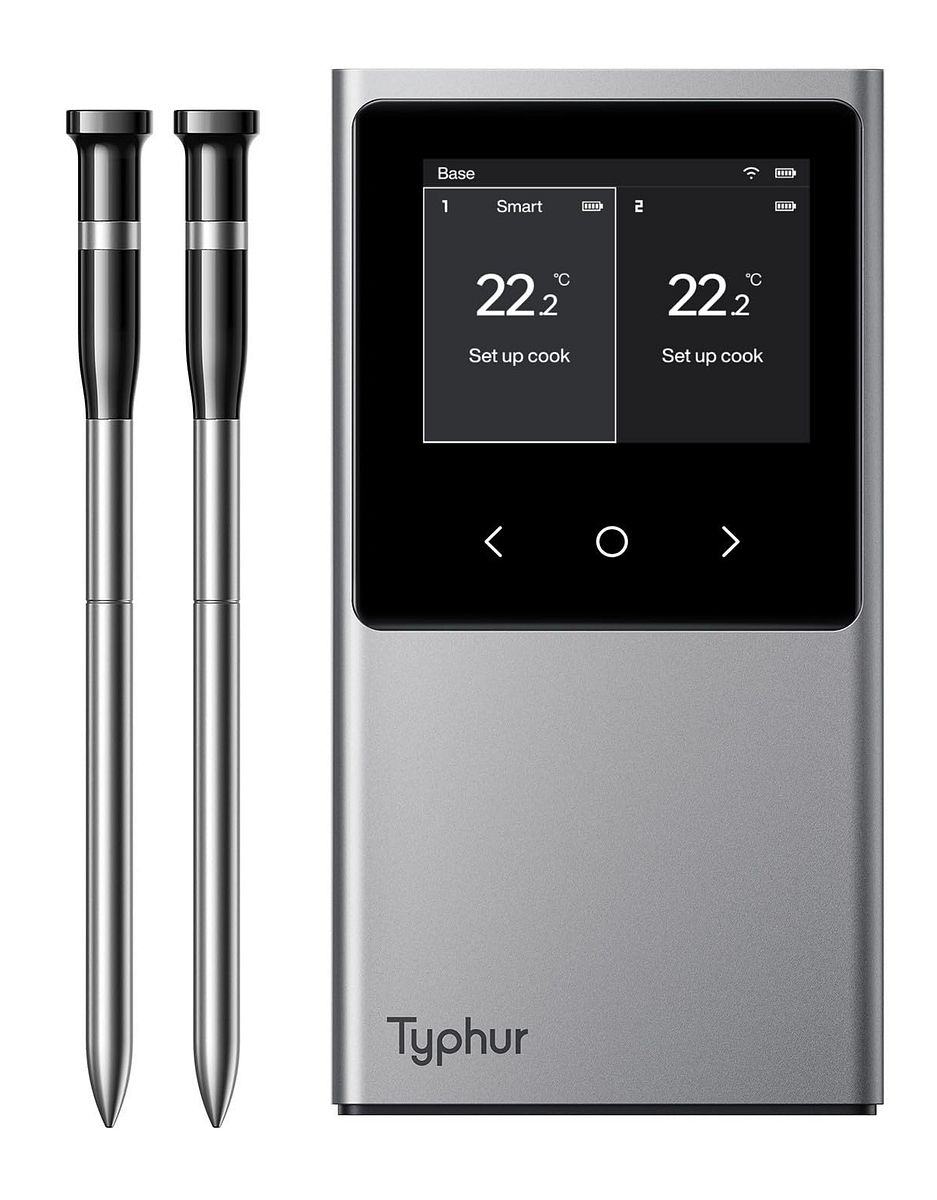
- Wireless meat thermometers, a cordless tier found under Home & Garden and Kitchen & Dining, let you leave the cooker. You can tend the garden or table while a probe reports back.
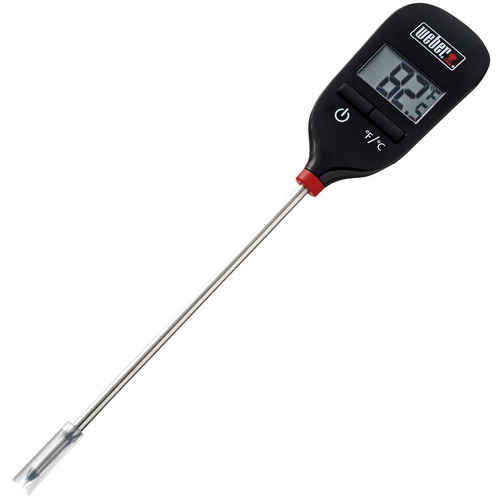
- Battery-free bimetallic stem thermometers, usually stainless steel, stay useful for years in a drawer. They suit occasional cooks who hate charging gadgets.
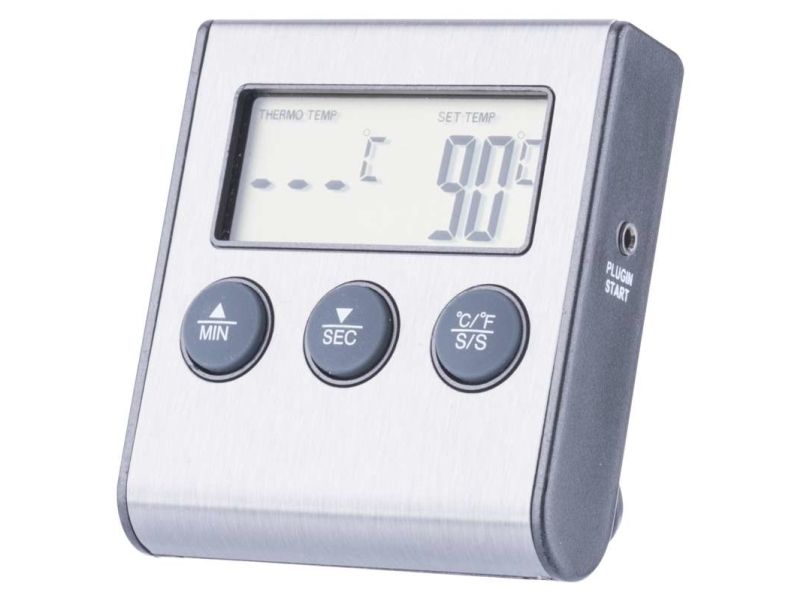
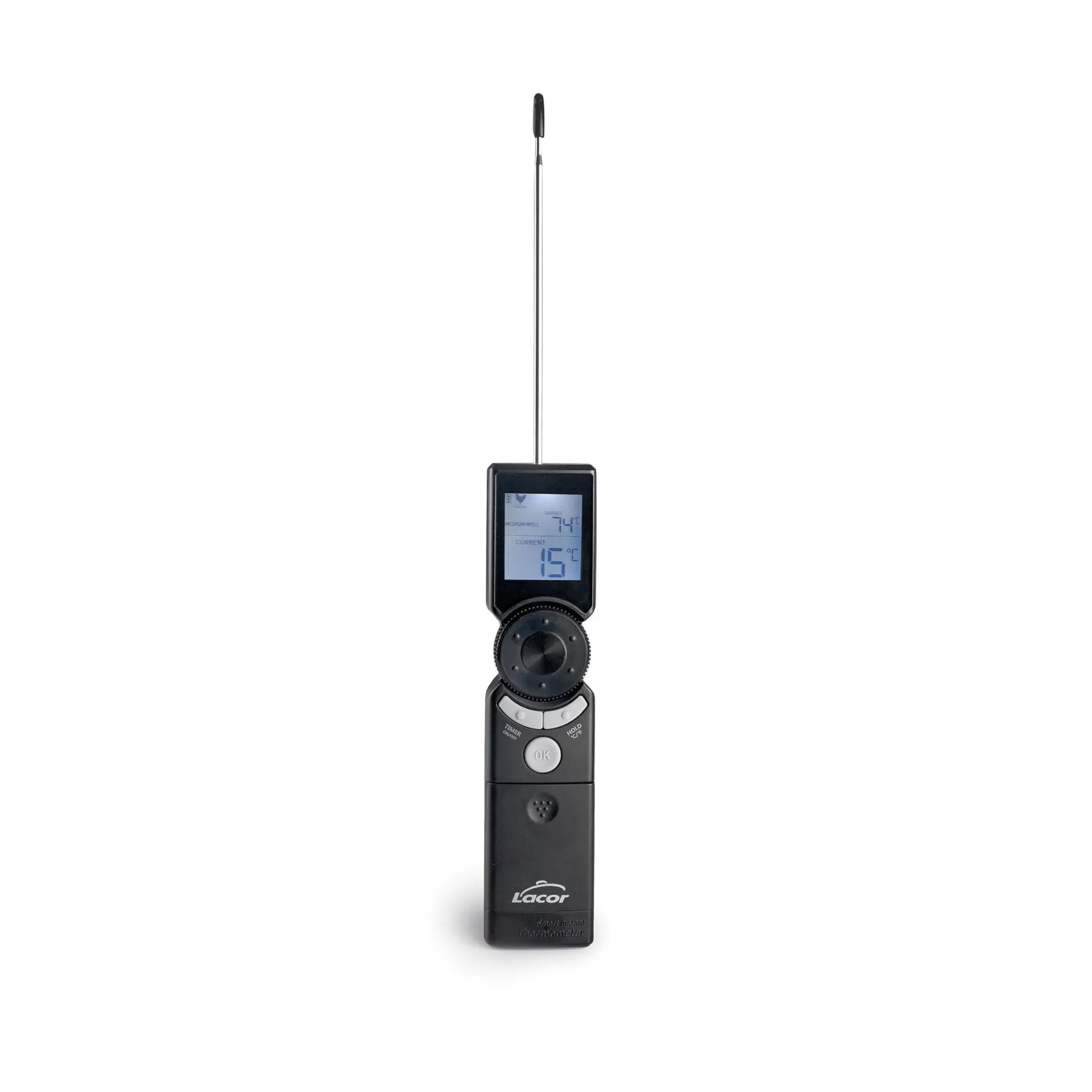
- Ultra-fast digital readers with plastic or steel bodies give a number in seconds. That helps busy kitchens stop overcooking poultry.
- Colour and material choices run from copper to silicone, and red to cream. You can match the tool to your kitchen or outdoor set.
Things to watch
- Cordless wireless types need power and can lose signal through walls. They are poor for anyone wanting a fit-and-forget dial.
- Bimetallic stem thermometers read slowly and show a dial, not a precise digit. They work in deep roasting pans but not for quick thin cuts.
- All-steel builds conduct heat to the hand, while plastic bodies stay cool but may warp near flames. Pick by where you cook, not just look.
- Pale finishes like cream or gold show grease and fingerprints. Busy users may prefer black or orange to hide grime.
Care & maintenance
Wipe and dry
Wipe stainless steel probes after each use, and keep the cabinet of analogue types dry.
No submerging
Spot clean digital and wireless bodies with a cloth, never dunk them in water.
Gentle soap
Wash silicone parts with mild soap, and skip abrasive scrubs.
Calibrate
Check analogue dials in iced water every few months, and adjust if the design allows.
Frequently Asked Questions
What should I look for when buying cooking thermometers?
When shopping for cooking thermometers, consider factors such as quality, price, brand reputation, and customer reviews. Compare prices across multiple retailers to ensure you're getting the best deal. Look for products that match your specific needs and budget.
How do I choose the right cooking thermometers?
Choosing the right cooking thermometers depends on your individual needs, budget, and preferences. Research different options, read customer reviews, and compare specifications. Consider what features are most important to you and look for products that offer the best value for money.
Where can I find the best deals on cooking thermometers?
You can find the best deals on cooking thermometers by comparing prices across multiple retailers. Our price comparison tool helps you find the lowest prices from trusted UK retailers including Amazon, eBay, and other major online stores. Check regularly as prices and deals change frequently.
Are cooking thermometers products worth the investment?
The value of cooking thermometers products depends on your specific needs and how you plan to use them. Quality products from reputable brands often provide better long-term value, even if they cost more initially. Consider your budget and requirements when making your decision.
What's the difference between different types of cooking thermometers?
Different types of cooking thermometers vary in features, quality, price, and intended use. Some may offer premium features while others focus on affordability. Research the specific differences between models or brands to find the option that best suits your needs and budget.