Capacitors
How to choose capacitors
Mounting style
Mounting: choose SMD (metal or tin finish) for dense boards, or leaded (lead, lead/aluminium) for hand assembly and prototypes.
Dielectric material
Dielectric: C0G/NP0 ceramic stays stable, X5R and Y5V trade stability for size, aluminium electrolytic gives high microfarads, polypropylene film suits low-loss needs.
Voltage and capacitance
Voltage class: low-voltage 10V to 25V ceramics for logic, higher 100V or 450V electrolytics for power stages.
Colour coding
Colour: black, blue, red or gold coatings appear across the range; pick by workshop labelling rather than performance.
Rated life
Life tier: standard 2000 hour radial versus 5000 hour snap-in electrolytic; always-on kit benefits from the longer rating.
What's good
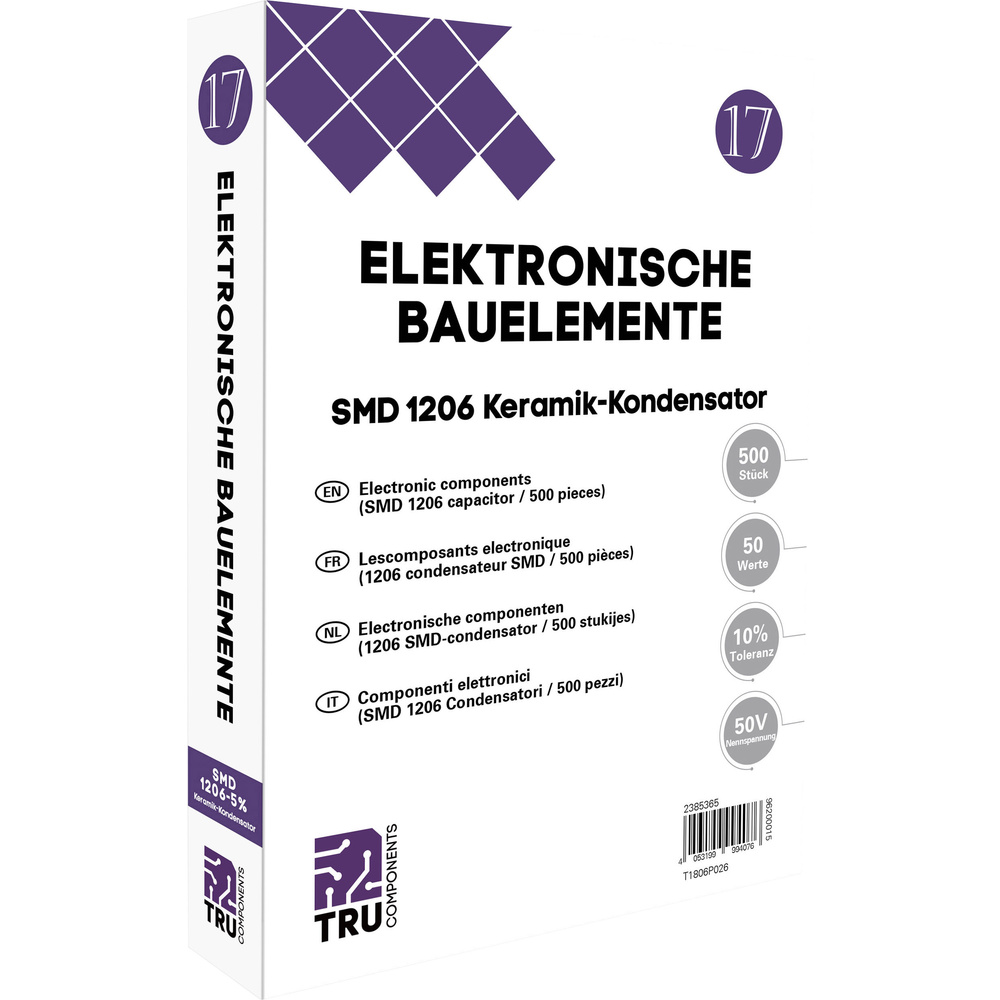
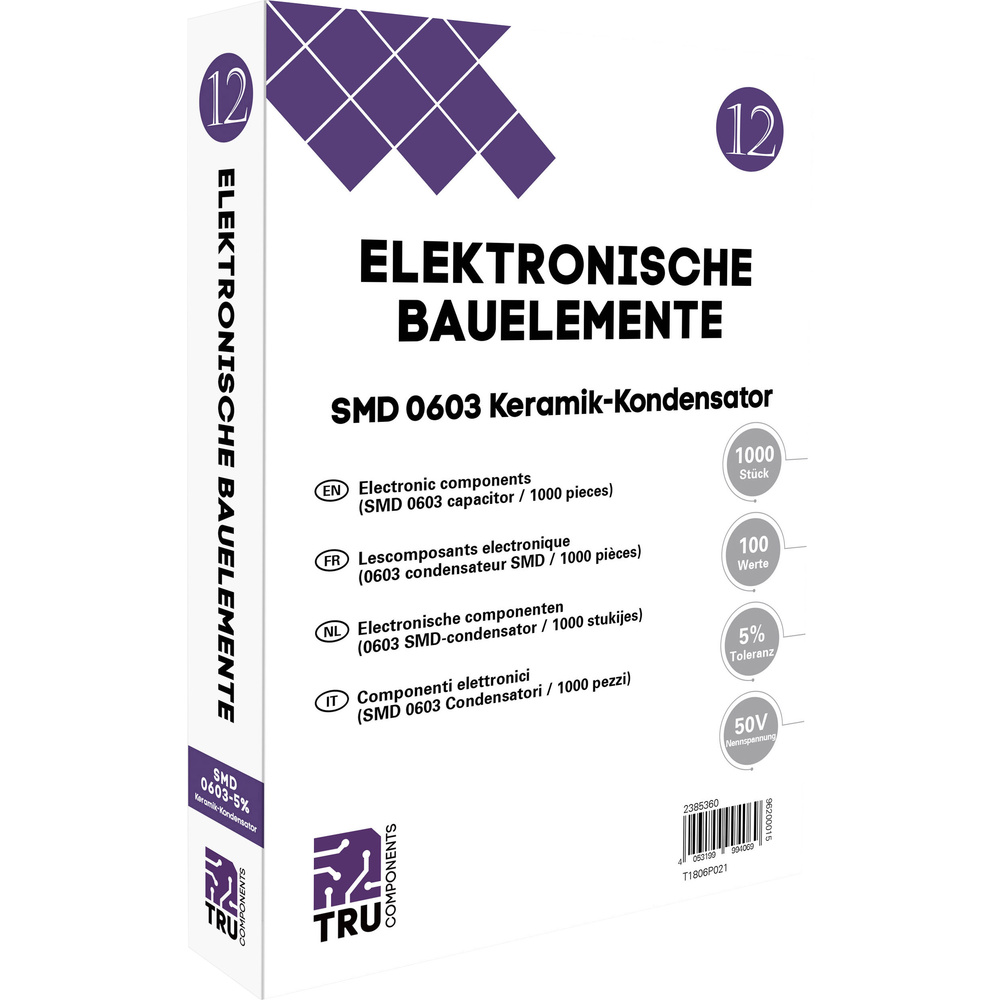
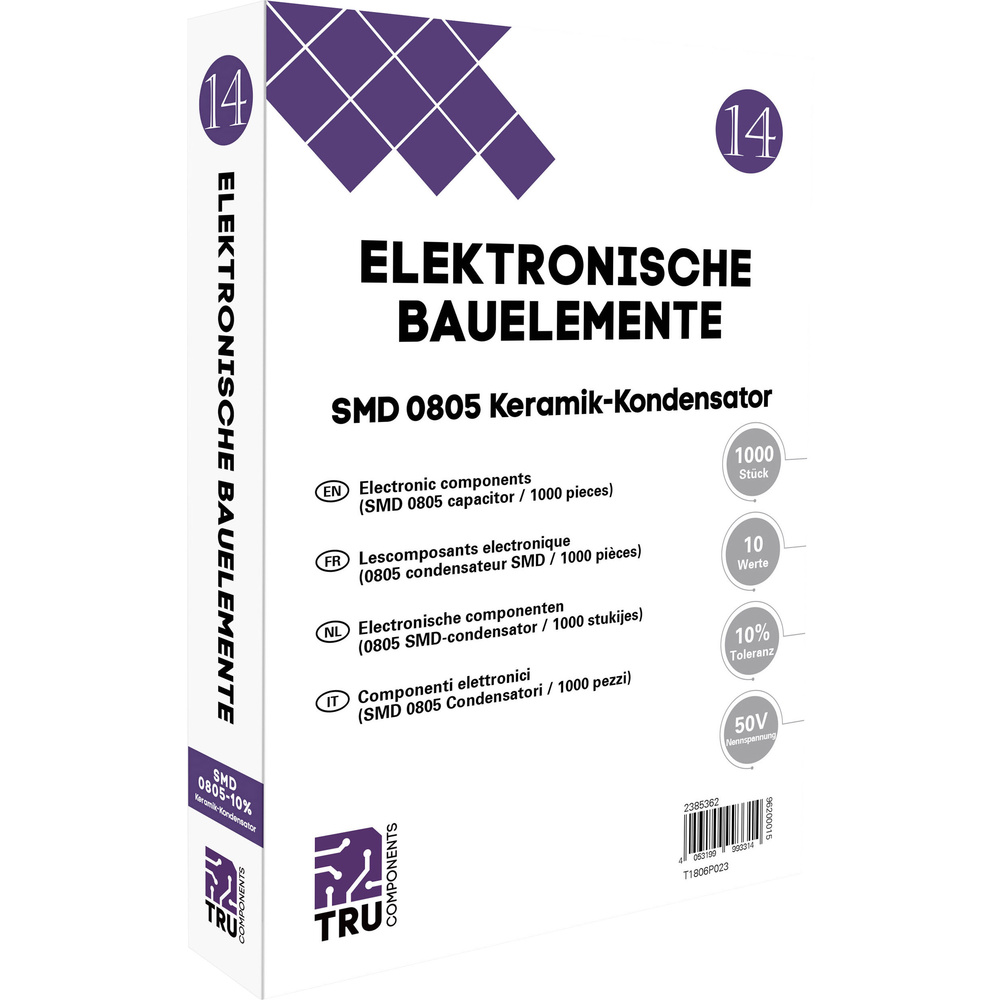
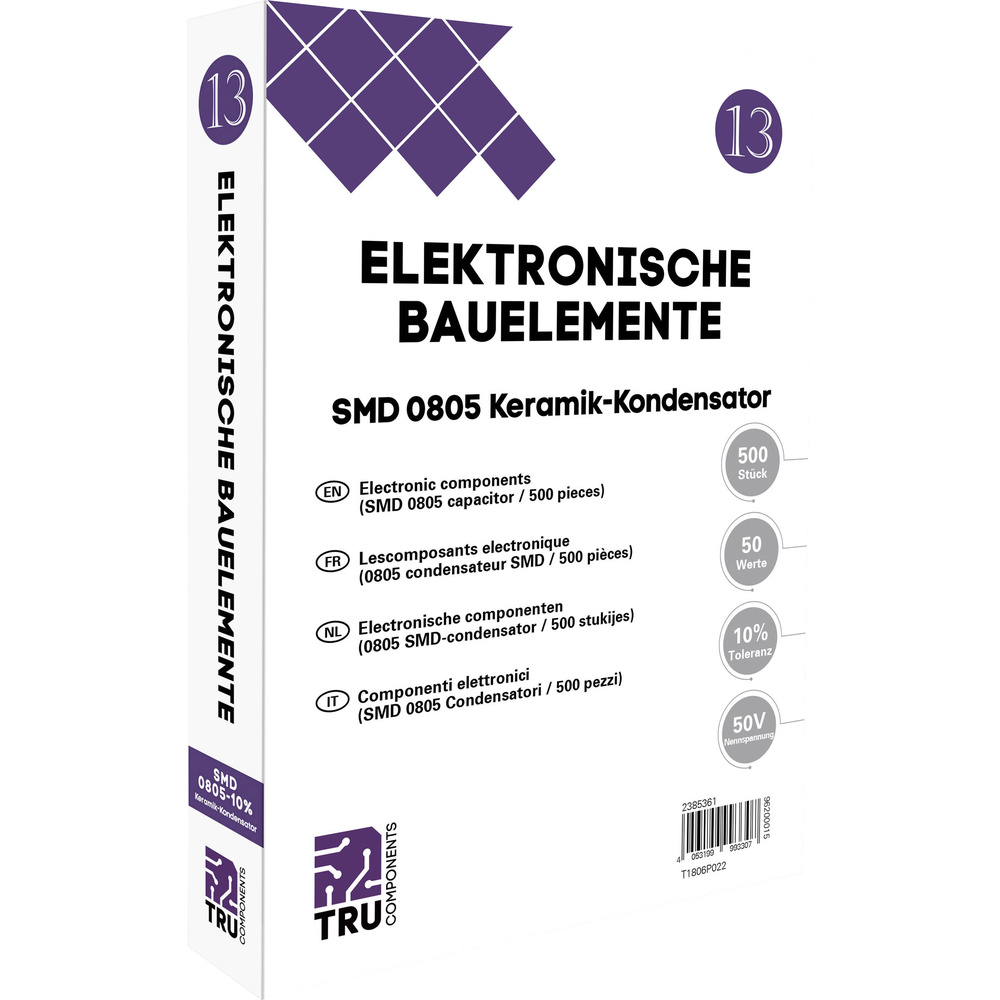
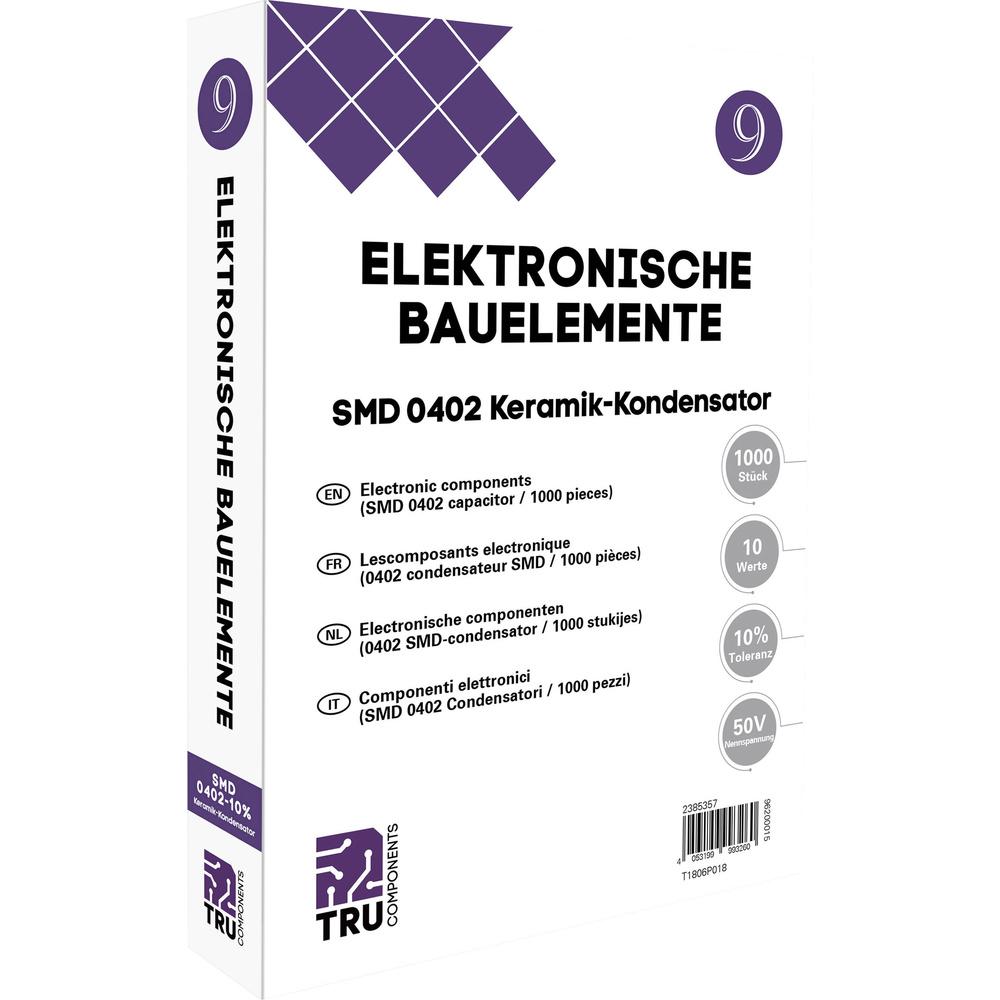
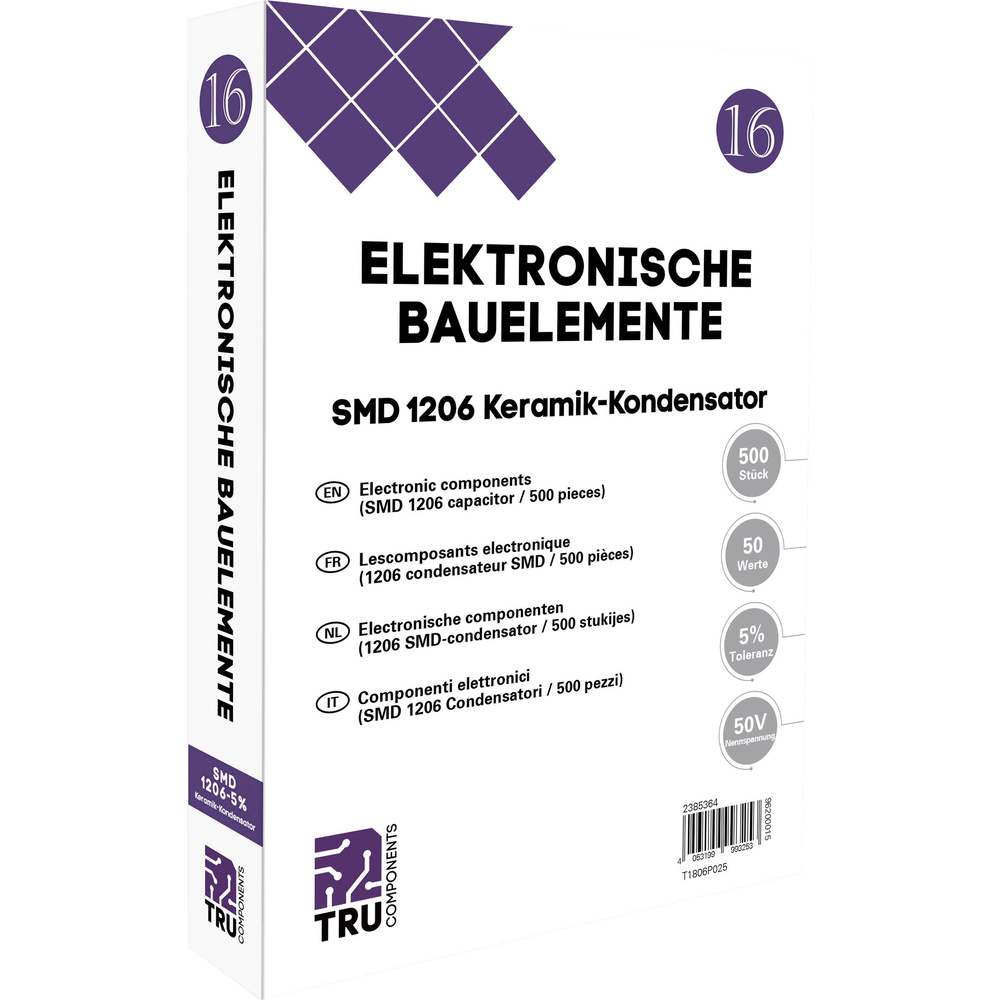
- Surface-mount multilayer ceramic capacitors pack high values into 0402 or 0805 metric sizes, saving board space.
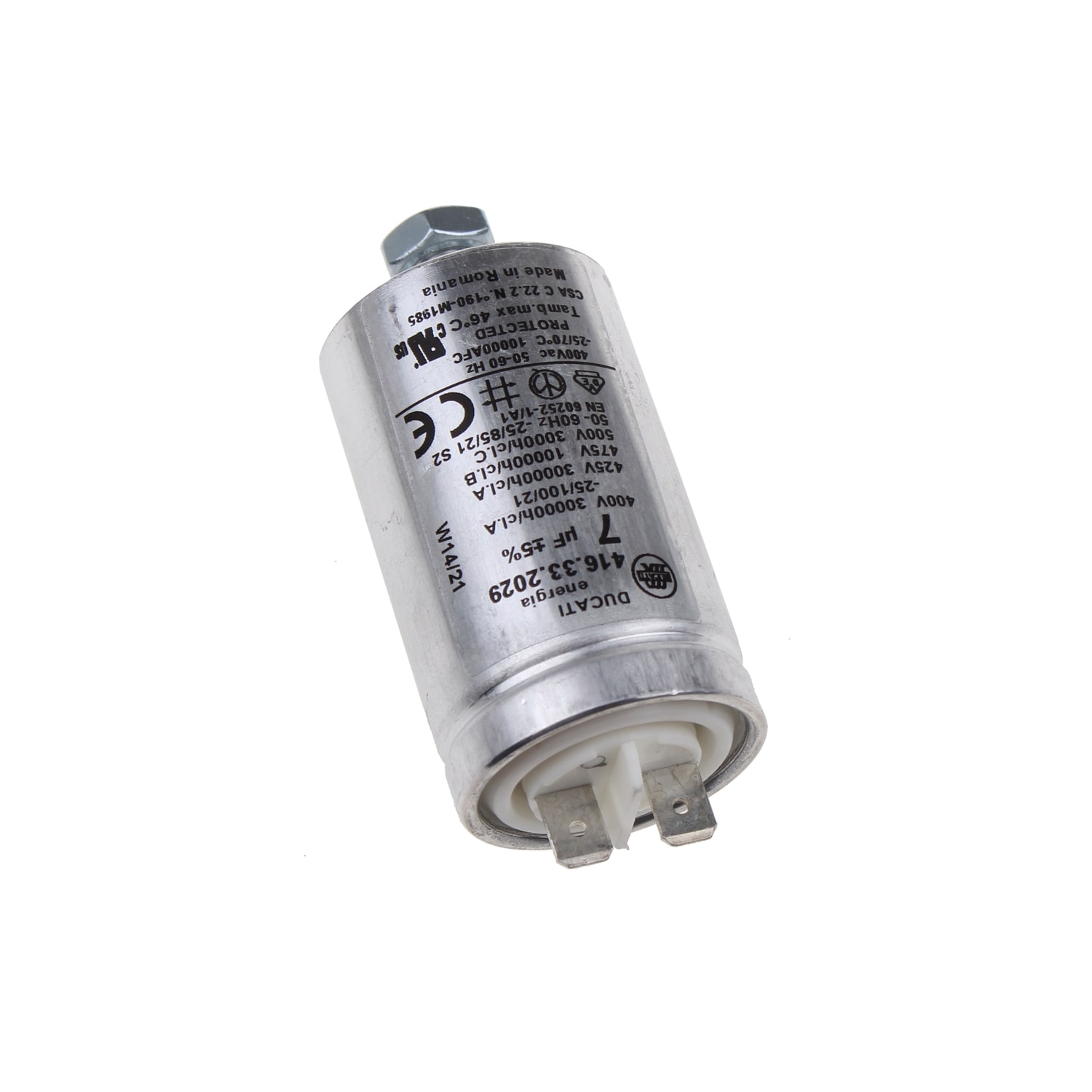
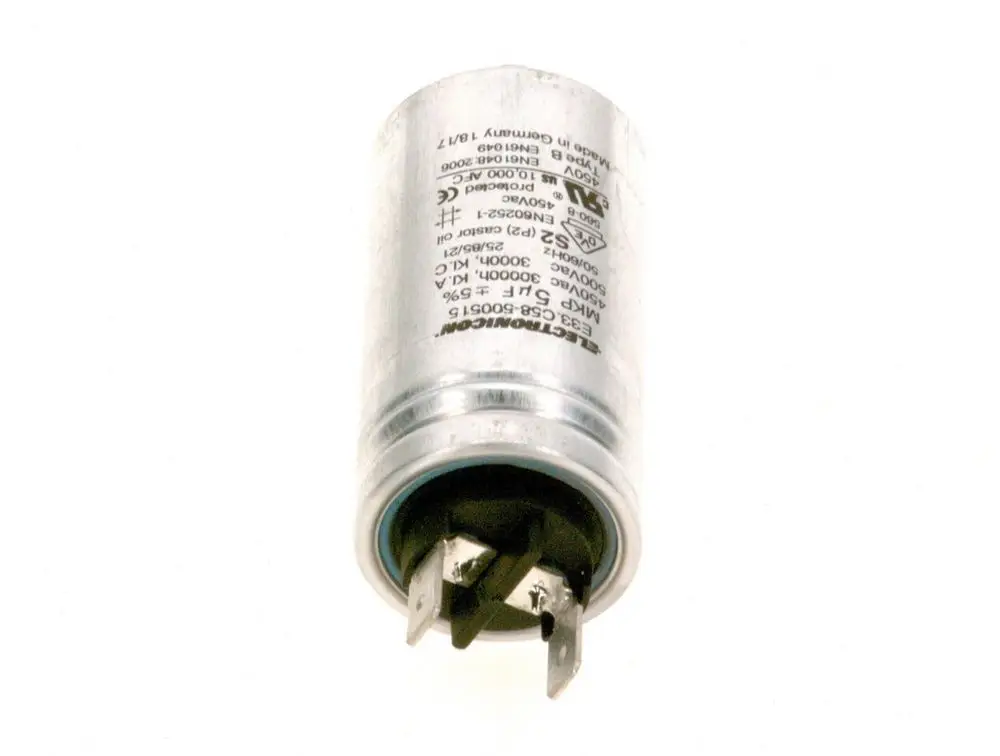
- Aluminium electrolytic types deliver large capacitance in radial, axial, or snap-in builds for power smoothing.
- Tantalum surface-mount parts hold their value in tight spots where size matters.
- Some electrolytics are rated for thousands of hours at 85°C or 105°C, giving longer service in hot circuits.
Things to watch
- Radial and axial leaded capacitors need through-hole holes, so they add height and weight versus SMD parts.
- Ceramic capacitors with Y5V dielectric shift capacitance with temperature and voltage, unlike C0G types.
- Aluminium electrolytics are polar, so wrong-way voltage can destroy them.
- Snap-in electrolytics give big capacitance but occupy a large footprint, poor for compact boards.
- Polypropylene or paper film types can be physically larger than ceramic equivalents for the same rating.
Care & maintenance
Dry storage
Keep leaded and lead/aluminium parts dry to stop terminal corrosion during storage.
Polarity check
Fit polar electrolytics with correct orientation; reversing them shortens life or causes failure.
Mechanical fixings
Secure snap-in and axial parts against vibration so leads do not fatigue.
Stay in spec
Stay within the rated voltage and temperature to preserve the hours rating.
Frequently Asked Questions
What should I look for when buying capacitors?
When shopping for capacitors, consider factors such as quality, price, brand reputation, and customer reviews. Compare prices across multiple retailers to ensure you're getting the best deal. Look for products that match your specific needs and budget.
How do I choose the right capacitors?
Choosing the right capacitors depends on your individual needs, budget, and preferences. Research different options, read customer reviews, and compare specifications. Consider what features are most important to you and look for products that offer the best value for money.
Where can I find the best deals on capacitors?
You can find the best deals on capacitors by comparing prices across multiple retailers. Our price comparison tool helps you find the lowest prices from trusted UK retailers including Amazon, eBay, and other major online stores. Check regularly as prices and deals change frequently.
Are capacitors products worth the investment?
The value of capacitors products depends on your specific needs and how you plan to use them. Quality products from reputable brands often provide better long-term value, even if they cost more initially. Consider your budget and requirements when making your decision.
What's the difference between different types of capacitors?
Different types of capacitors vary in features, quality, price, and intended use. Some may offer premium features while others focus on affordability. Research the specific differences between models or brands to find the option that best suits your needs and budget.