Motor Vehicle Lighting
How to choose motor vehicle lighting
Technology
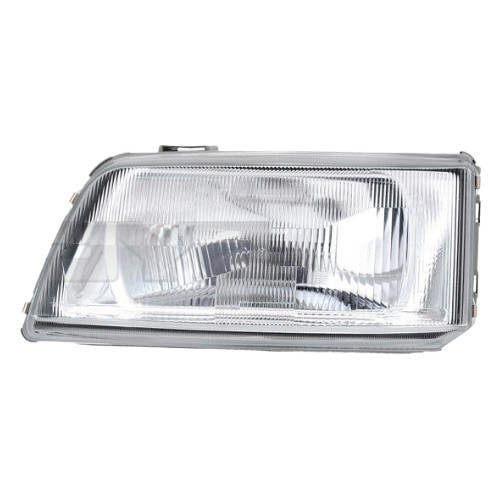
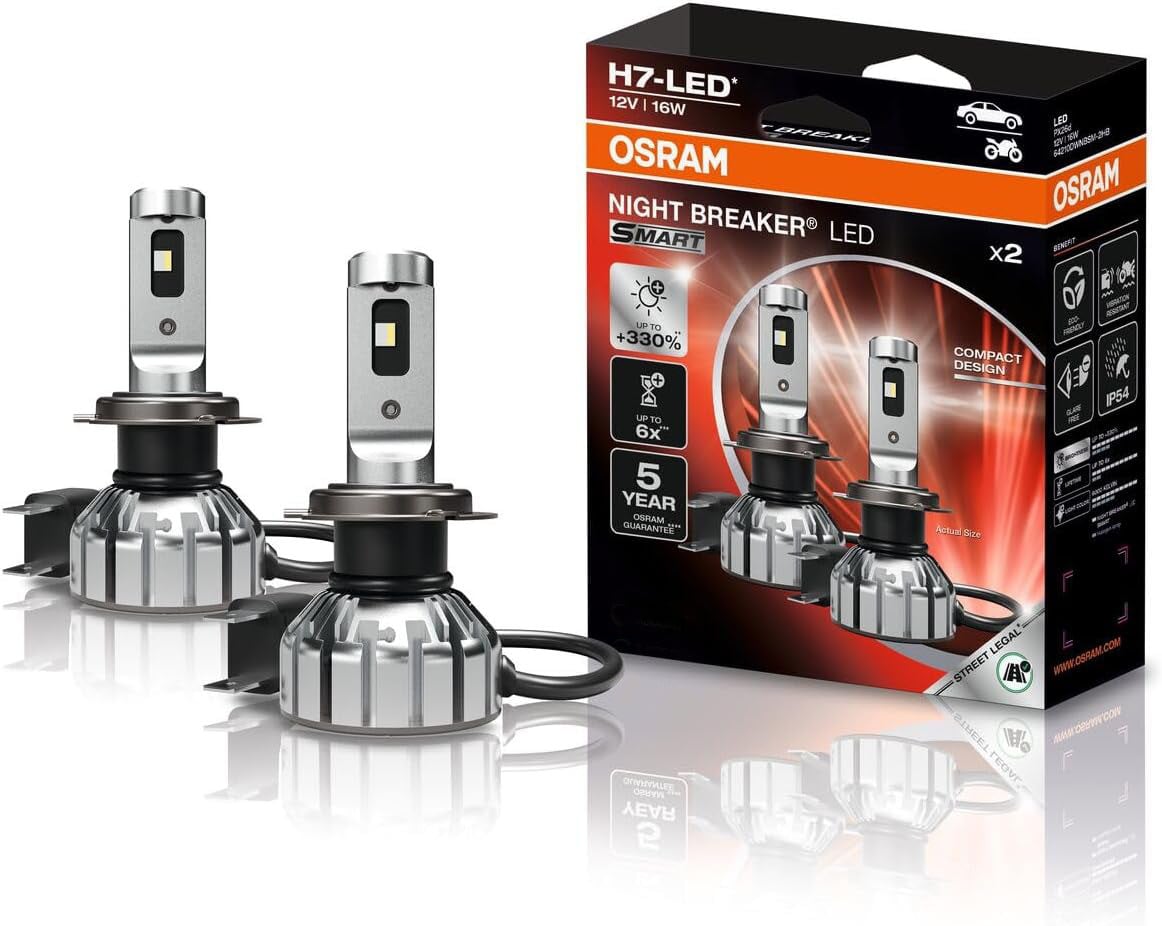
Bulb tech: Halogen is a dim but simple swap, good for older cars but wrong for night motorway drivers. LED is brighter yet needs space for its heatsink, poor for tight headlamp housings.
Form Factor
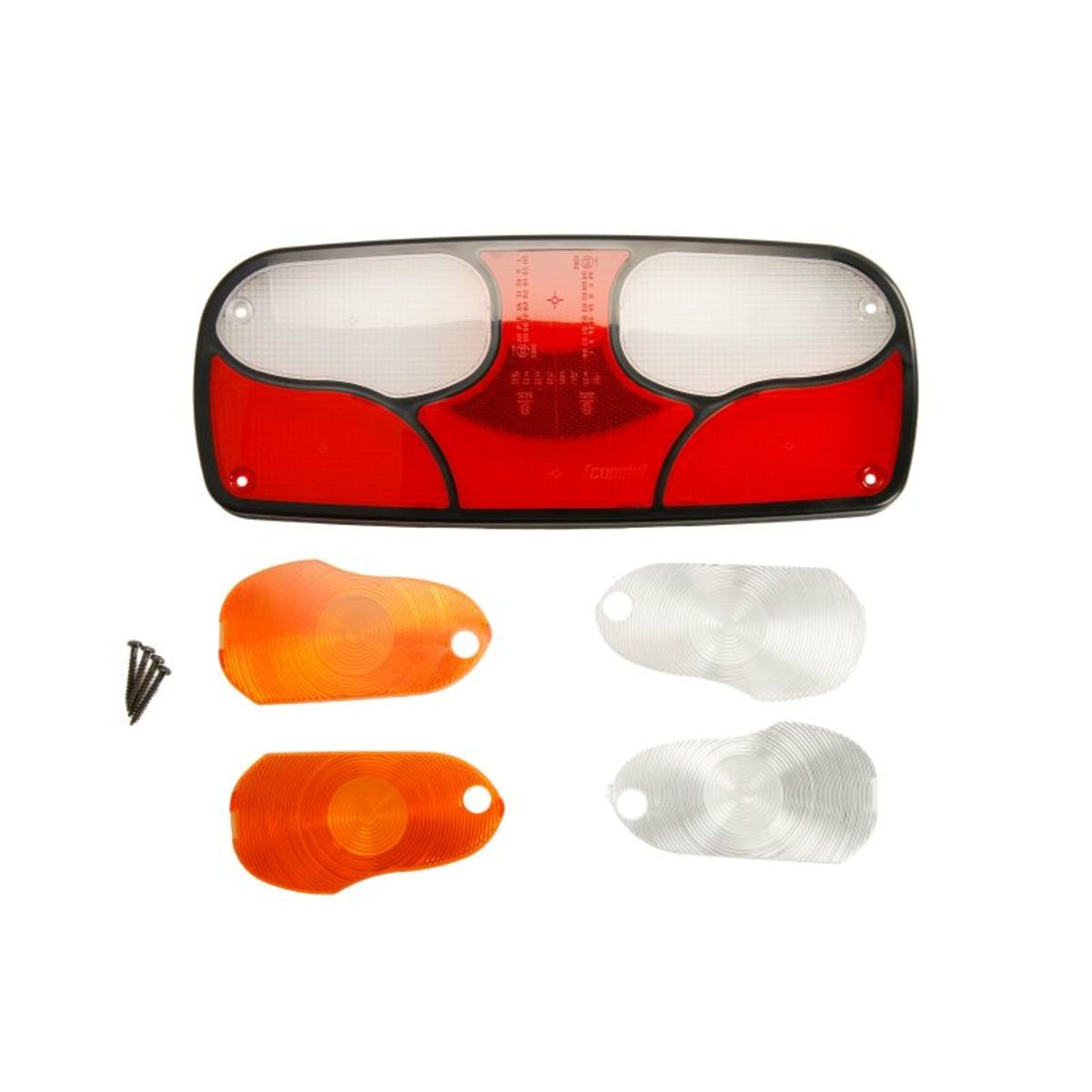
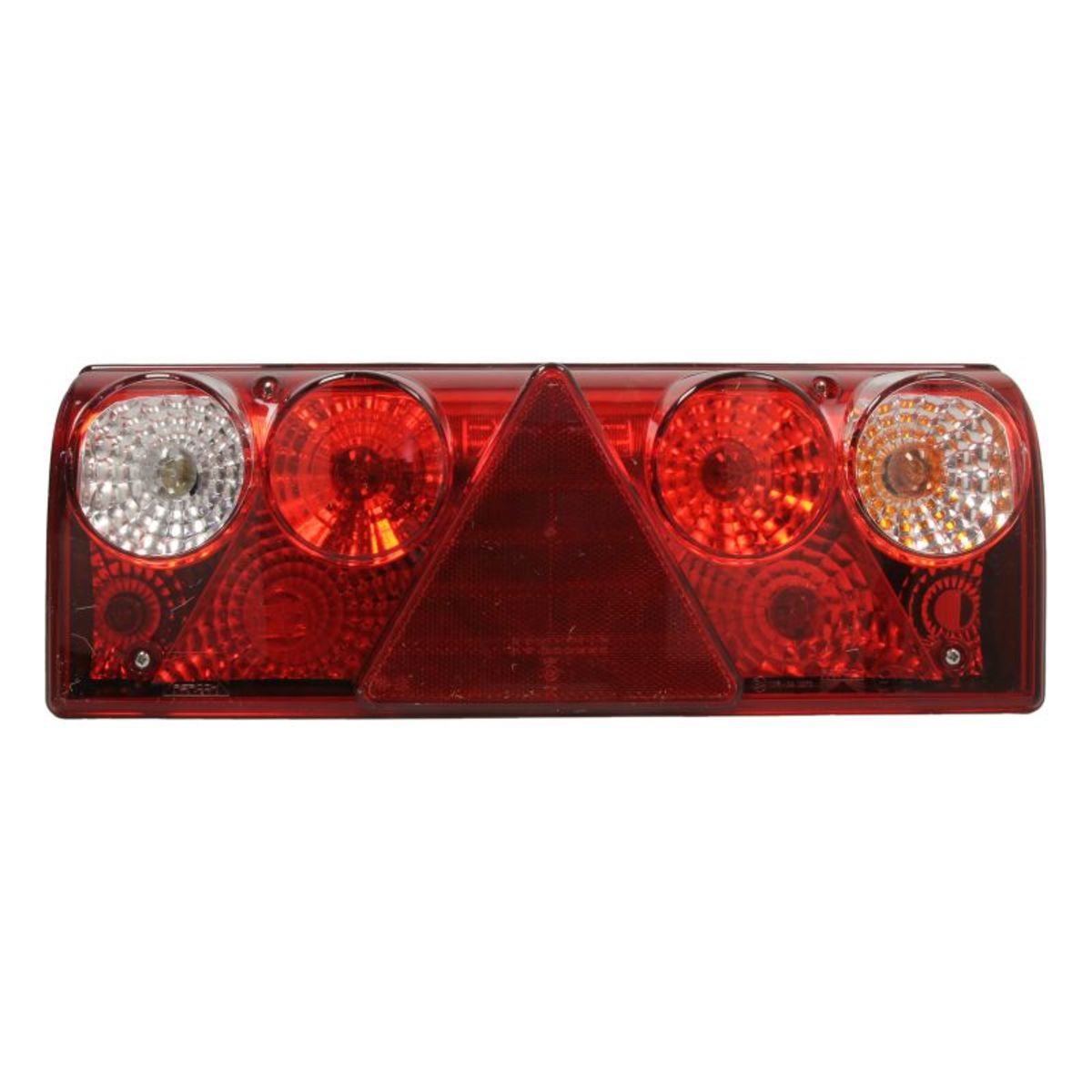
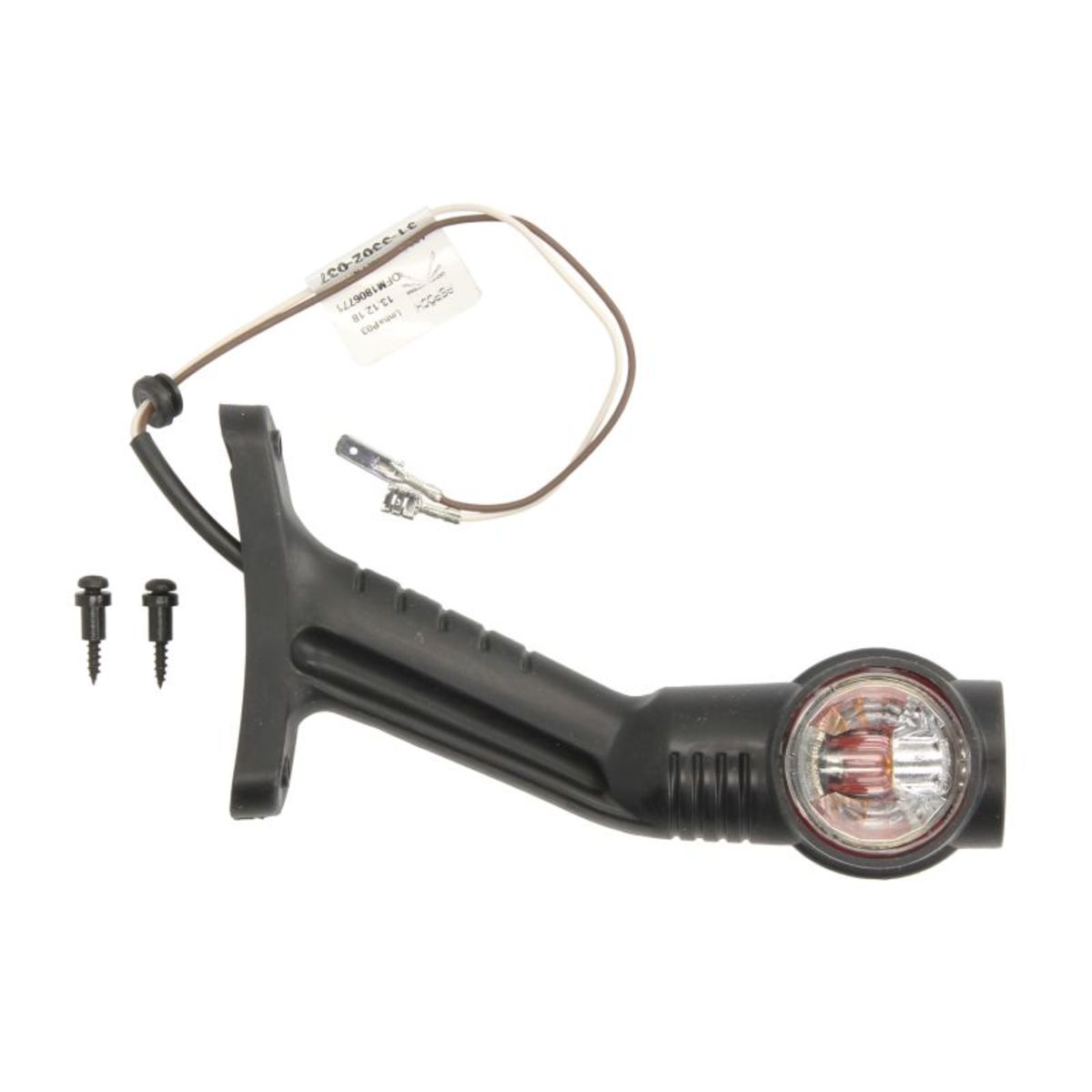
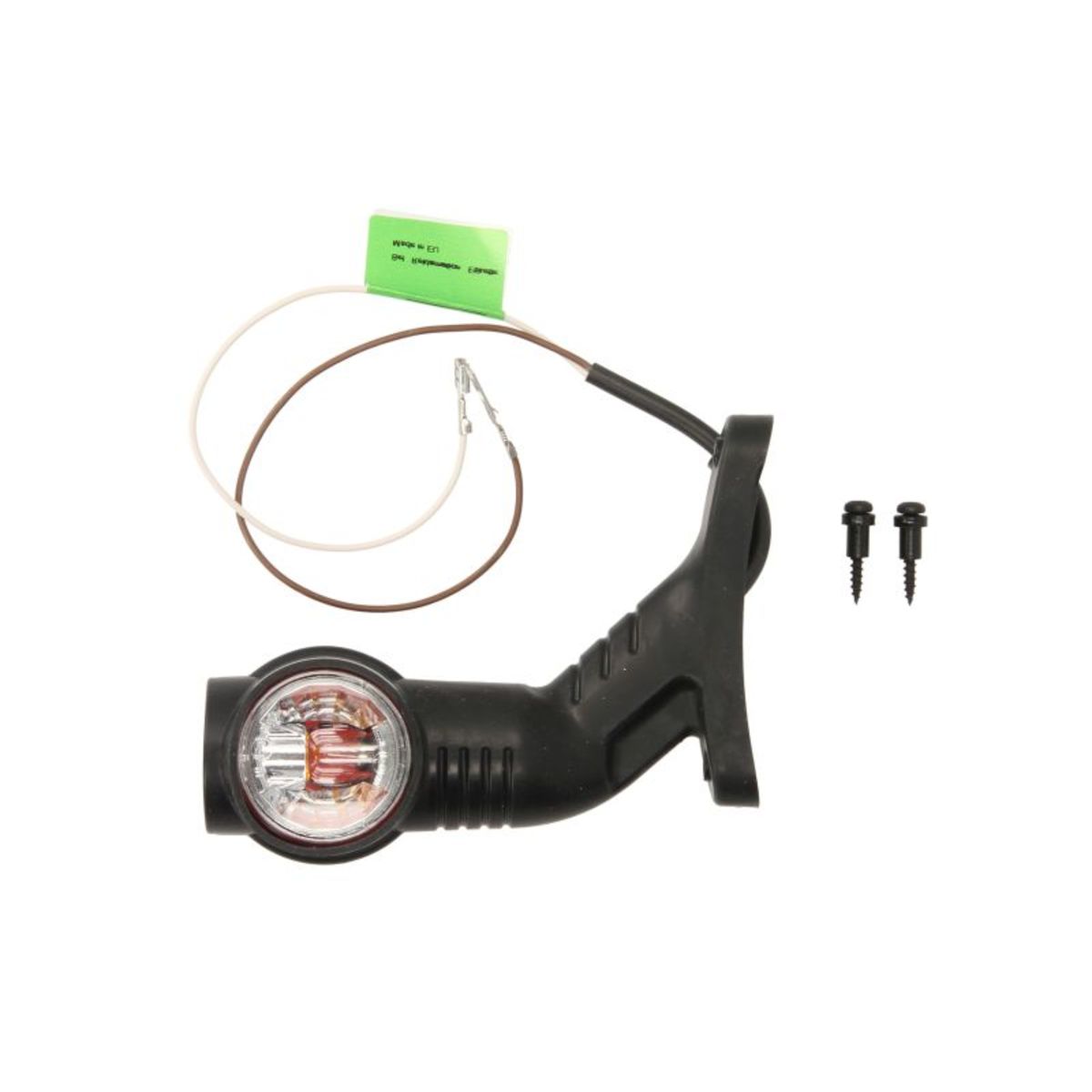
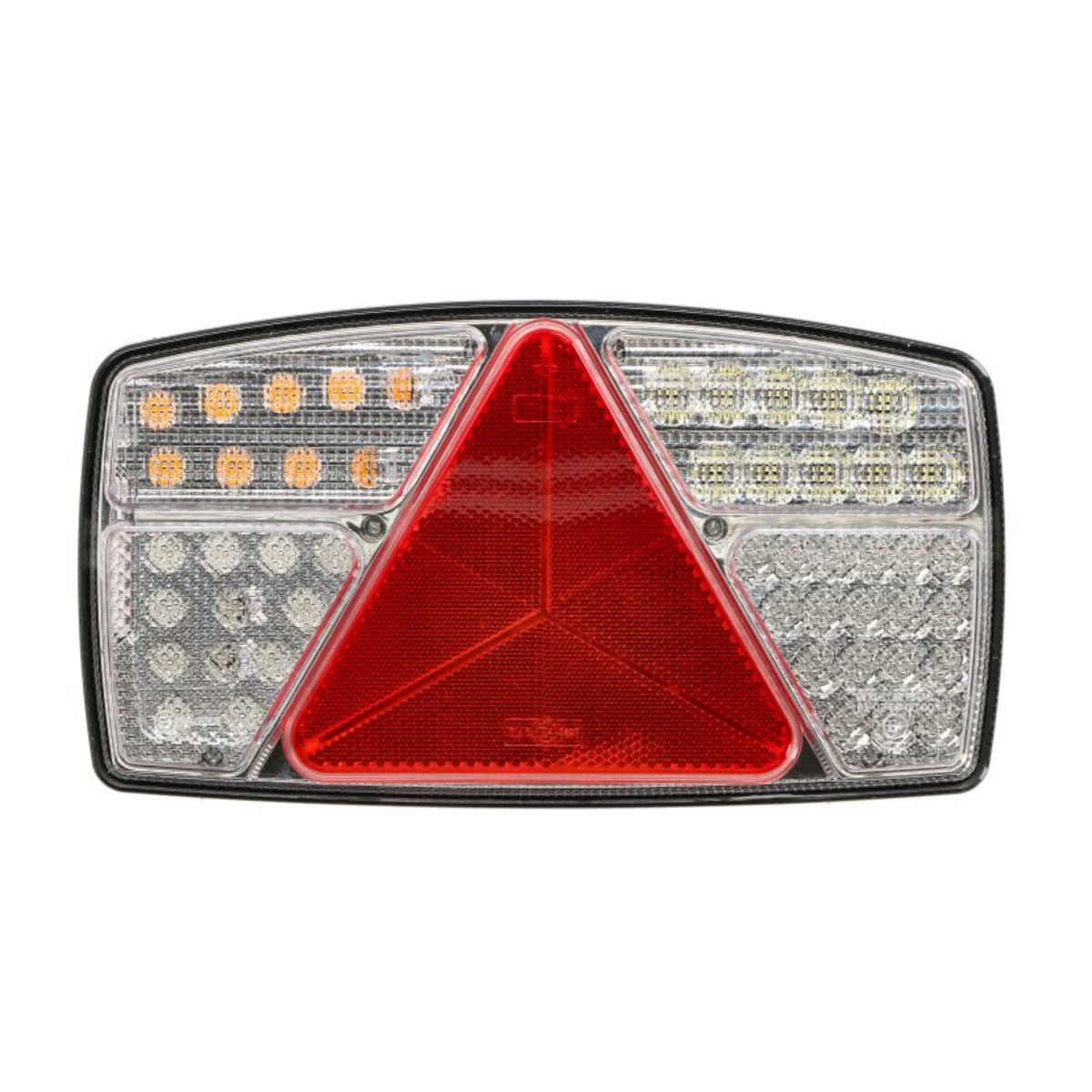
Single bulbs suit DIY interior swaps, but full tail light assemblies (Vehicle Parts & Accessories) are right for cracked lenses and wrong if you just need a bulb.
Colour
Color match: White or light/white suits front and cabin use. Red/light or amber/light is correct for rear and indicator roles, so match the color axis to the fitment.
Material
Material build: Plastic housings keep weight down, while plastic/metal or aluminium parts handle heat better but add bulk to the unit.
Sub-Type
Sub-type scope: Motor Vehicle Parts and Vehicles & Parts cover broad fits, so confirm your model before picking an assembly that might not match.
What's good
- LED bulbs outshine halogen bulbs for night driving.
- Complete tail light assemblies pack stop, brake, signal and reversing LEDs into one red or black housing, saving you from sourcing separate bulbs.
- Canbus error free LED types fit dome and plate sockets without dashboard warnings, a snag with early retrofits.
- Halogen bulbs remain a straightforward 12V swap for older cars that need a simple filament replacement.
Things to watch
- LED bulbs need aluminium heatsinks to stay cool, making them bulkier than a halogen and tricky in shallow housings.
- Tail light assemblies are model specific.
- A red or black plastic unit for one car will not fit another, unlike universal single bulbs.
- Halogen bulbs give less light and die sooner than LED types, so you change them more often.
- Non canbus LED replacements can throw dashboard warnings on cars built for filaments, a hassle halogen avoids.
Care & maintenance
Cleaning
Wipe plastic or rubber housings with a soft cloth to stop dirt clouding white, red or amber light.
Seals
Check rubber seals on tail light assemblies so moisture stays off the LED boards.
Heatsinks
Seat aluminium or stainless steel heatsinks on LED bulbs firmly, as loose fitment causes flicker.
Filaments
Inspect halogen glass for blackening, a clear sign the filament is fading.
Frequently Asked Questions
What should I look for when buying motor vehicle lighting?
When shopping for motor vehicle lighting, consider factors such as quality, price, brand reputation, and customer reviews. Compare prices across multiple retailers to ensure you're getting the best deal. Look for products that match your specific needs and budget.
How do I choose the right motor vehicle lighting?
Choosing the right motor vehicle lighting depends on your individual needs, budget, and preferences. Research different options, read customer reviews, and compare specifications. Consider what features are most important to you and look for products that offer the best value for money.
Where can I find the best deals on motor vehicle lighting?
You can find the best deals on motor vehicle lighting by comparing prices across multiple retailers. Our price comparison tool helps you find the lowest prices from trusted UK retailers including Amazon, eBay, and other major online stores. Check regularly as prices and deals change frequently.
Are motor vehicle lighting products worth the investment?
The value of motor vehicle lighting products depends on your specific needs and how you plan to use them. Quality products from reputable brands often provide better long-term value, even if they cost more initially. Consider your budget and requirements when making your decision.
What's the difference between different types of motor vehicle lighting?
Different types of motor vehicle lighting vary in features, quality, price, and intended use. Some may offer premium features while others focus on affordability. Research the specific differences between models or brands to find the option that best suits your needs and budget.