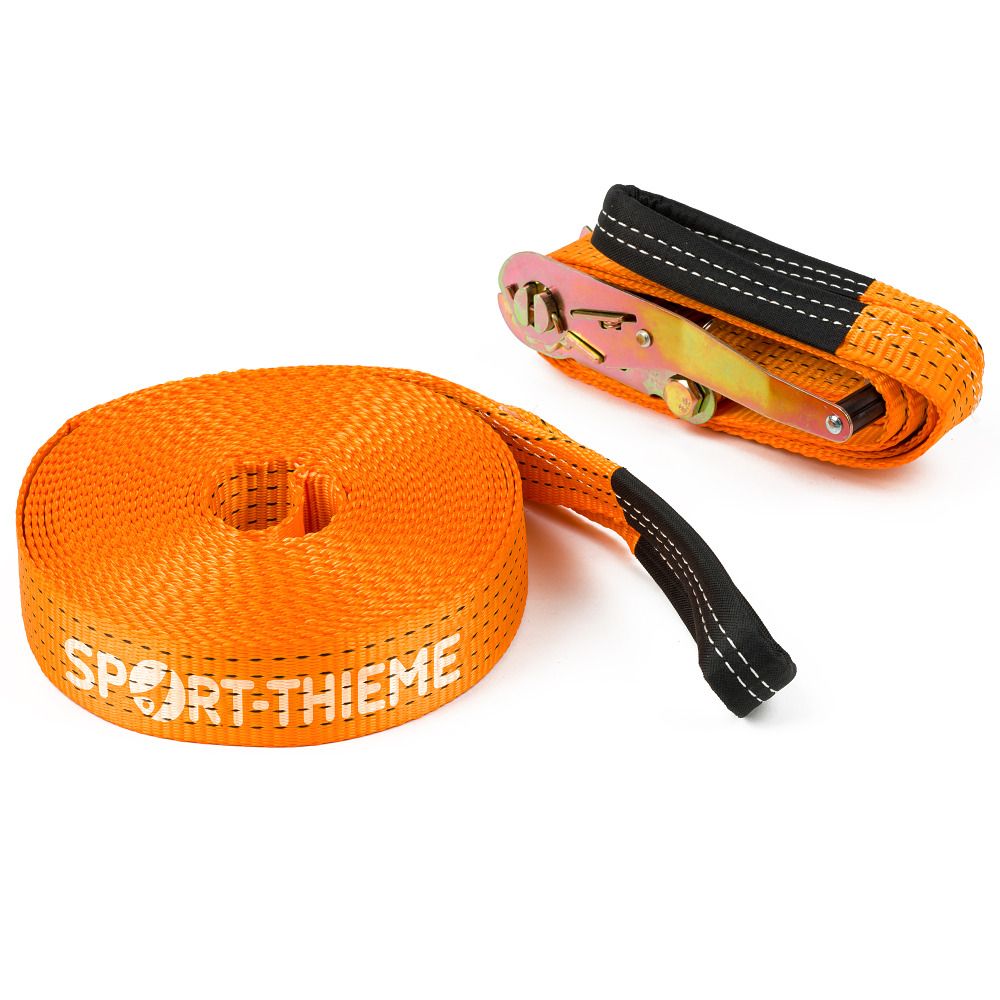
Climbing Webbing
How to choose climbing webbing
Sub-type and material
Pick the Climbing sub-type with polyamide or aramid if you need rigging strength, not the Outdoor Recreation cotton type for garden jobs.
Length
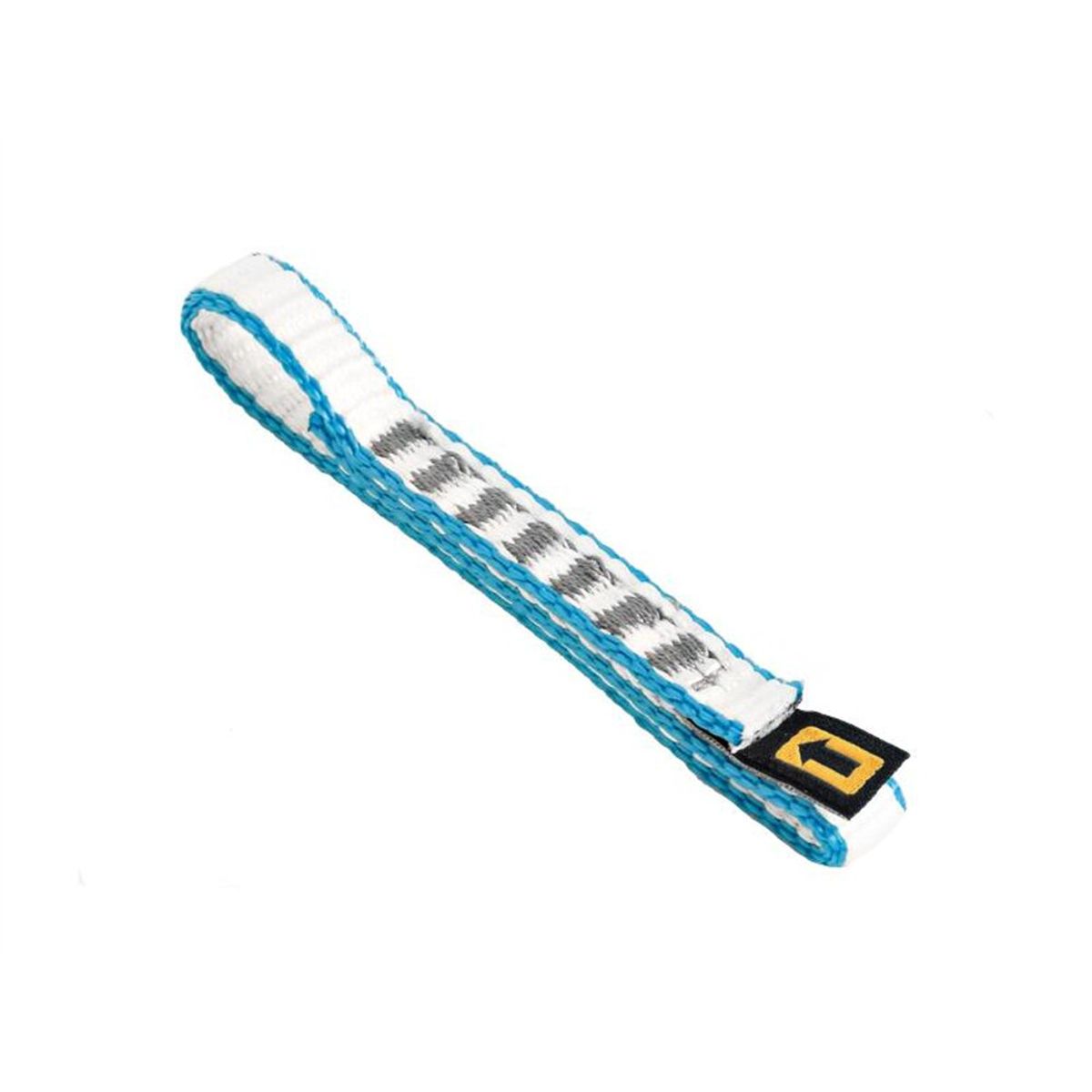
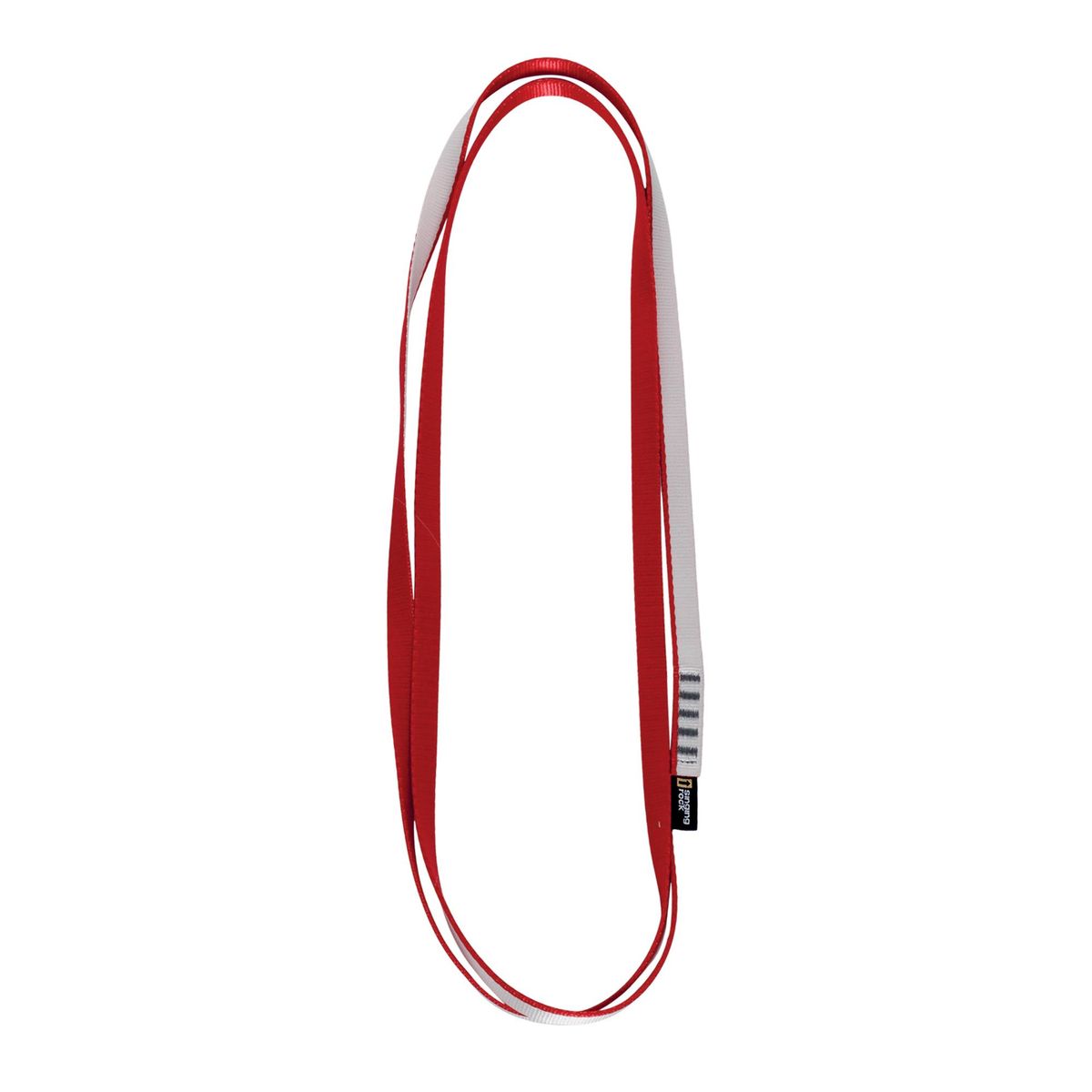
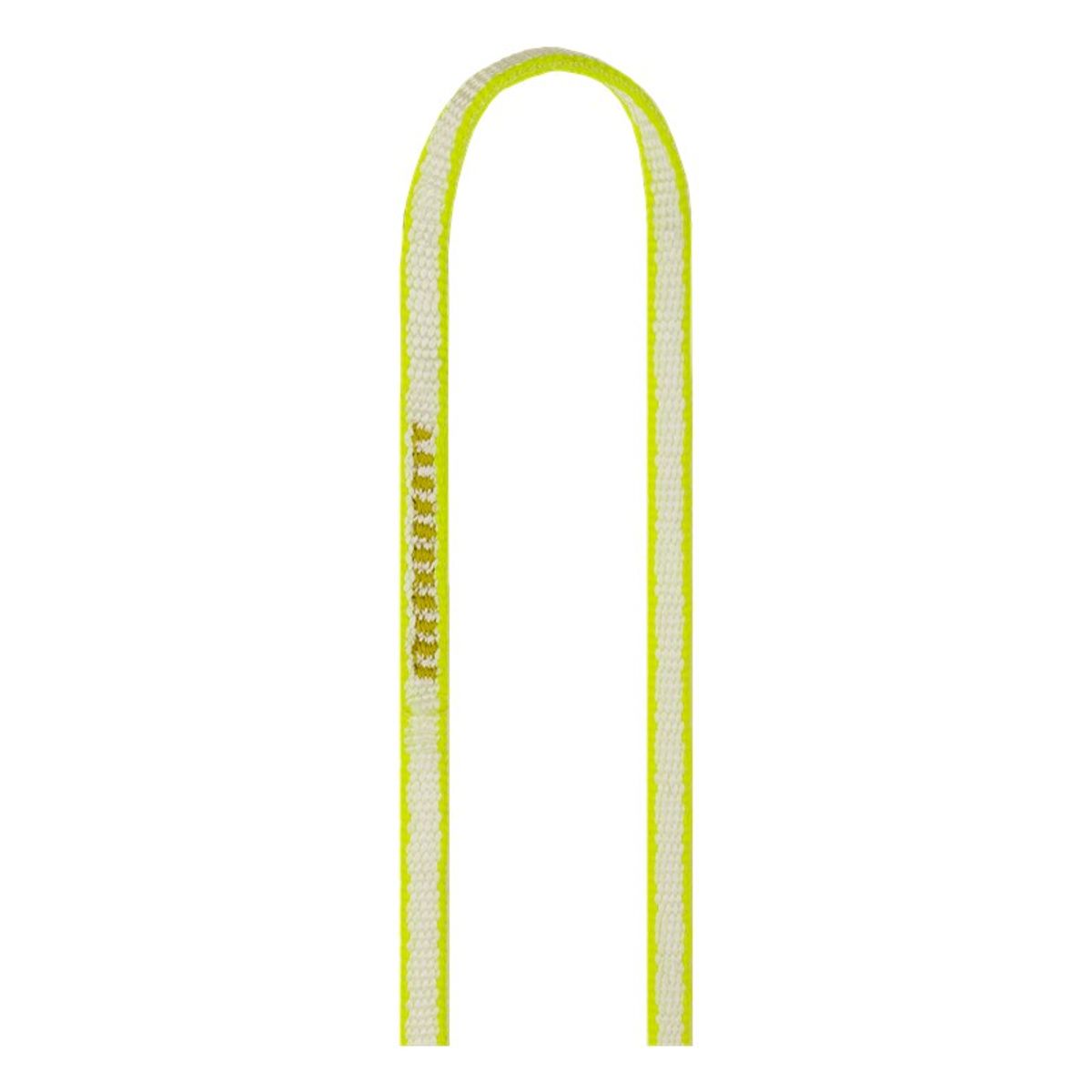
Length drives use: a 20 cm quickdraw sling clips fast, while a 150 cm eye sling builds anchors but fills your gear loop.
Colour
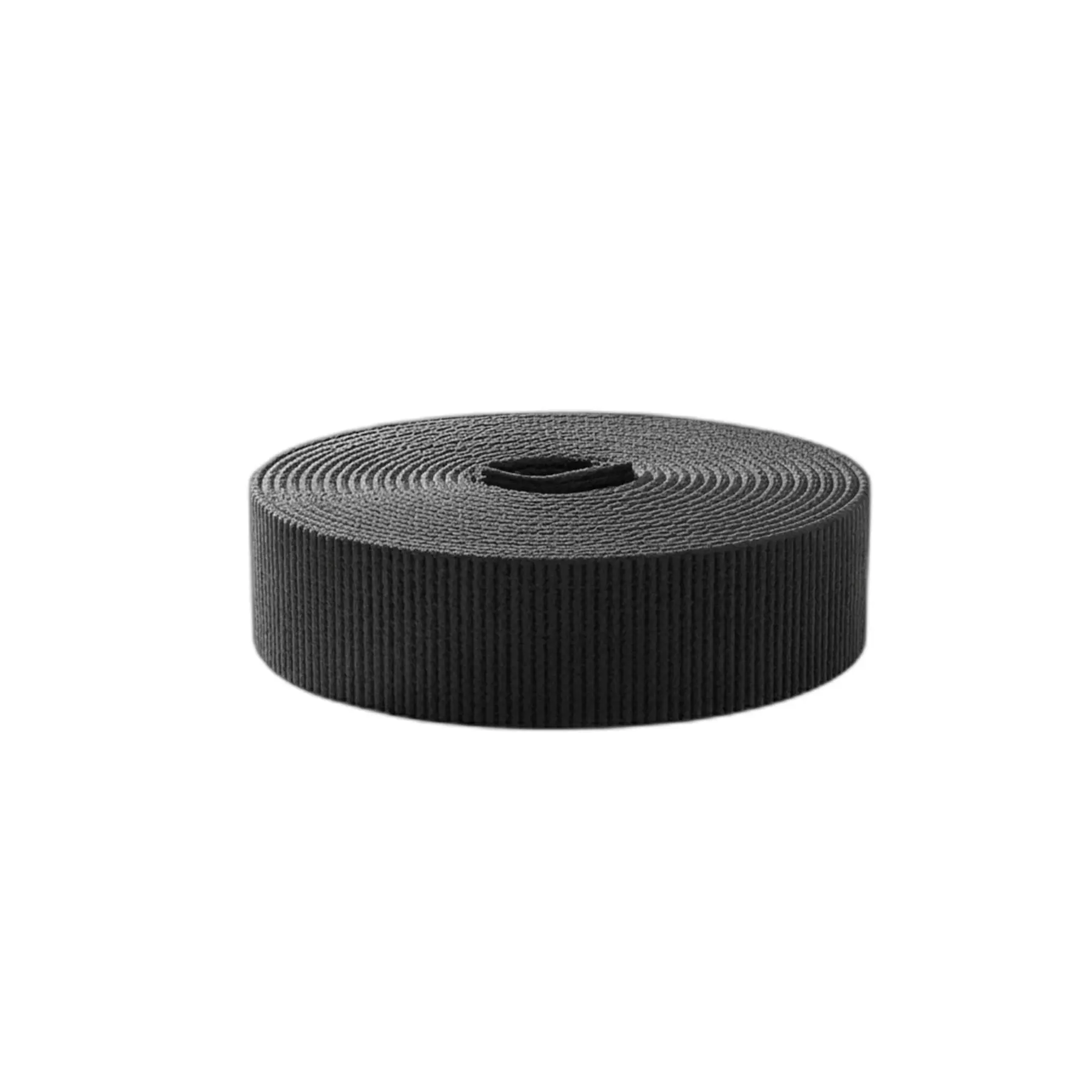
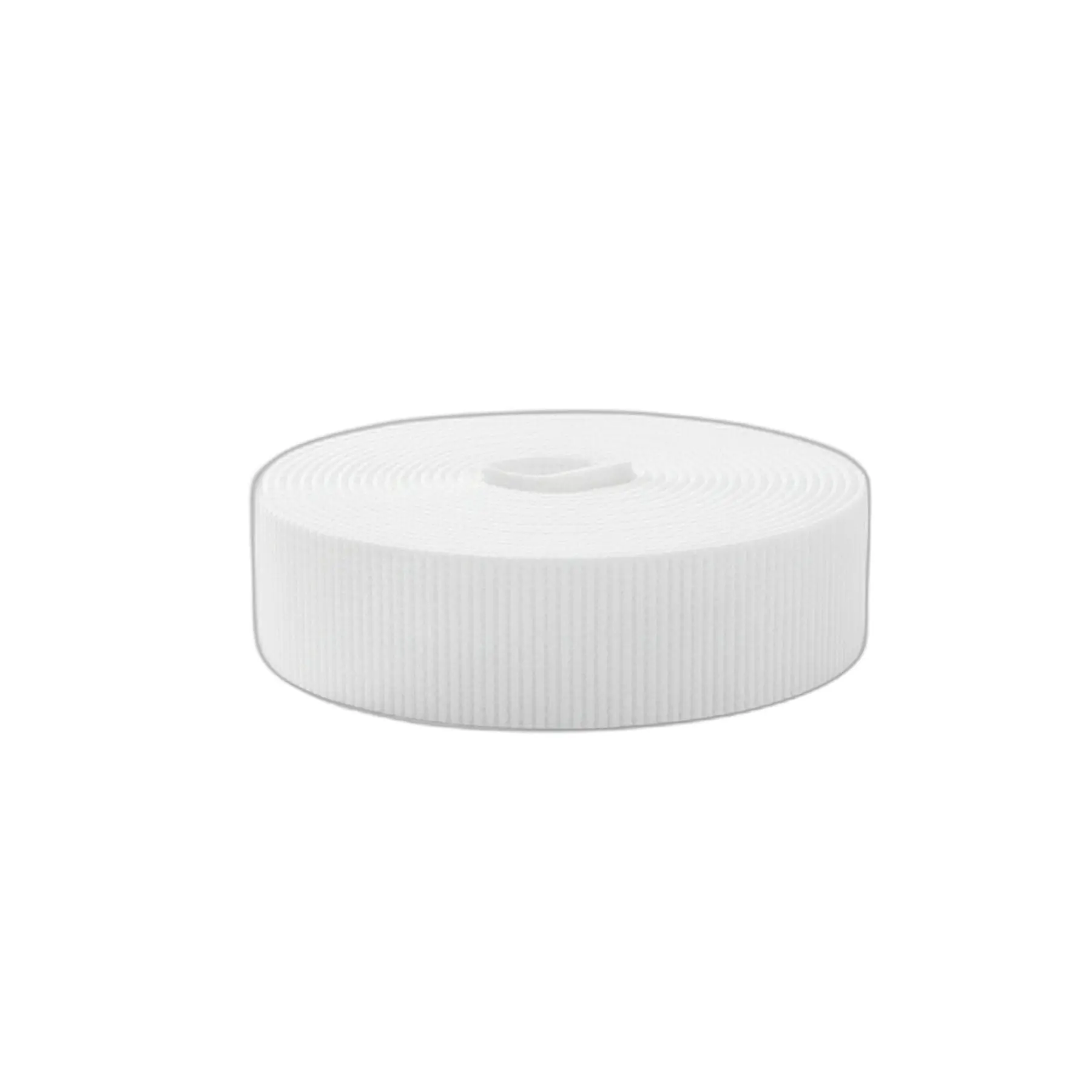
Colour matters more than looks. Red or yellow webbing stays visible on a route, black hides dirt and wear.
Material tradeoff
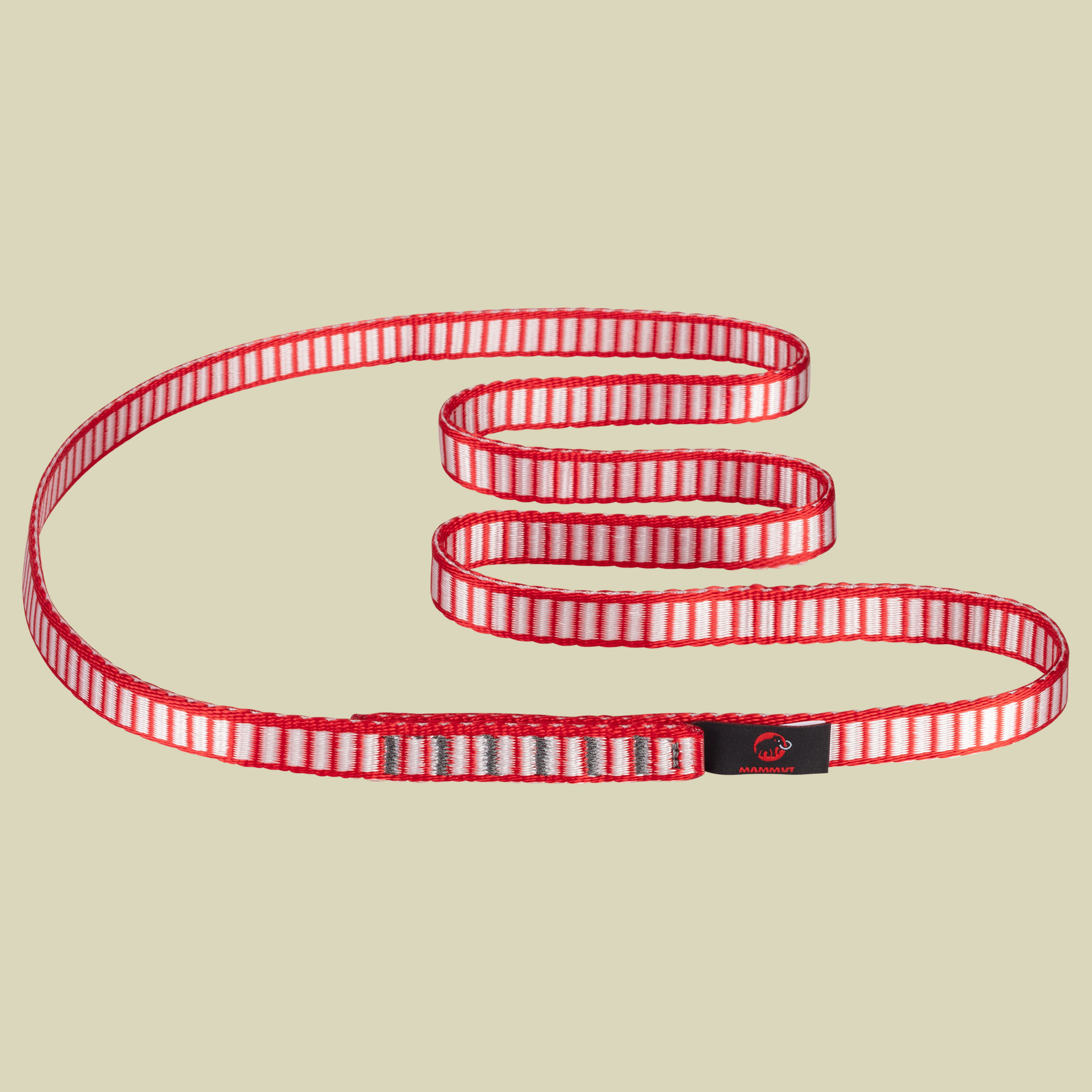
Material choice trades stretch for abrasion. Nylon/polyamide has slight give, polyester flat tape shrugs off scraping.
Intended use
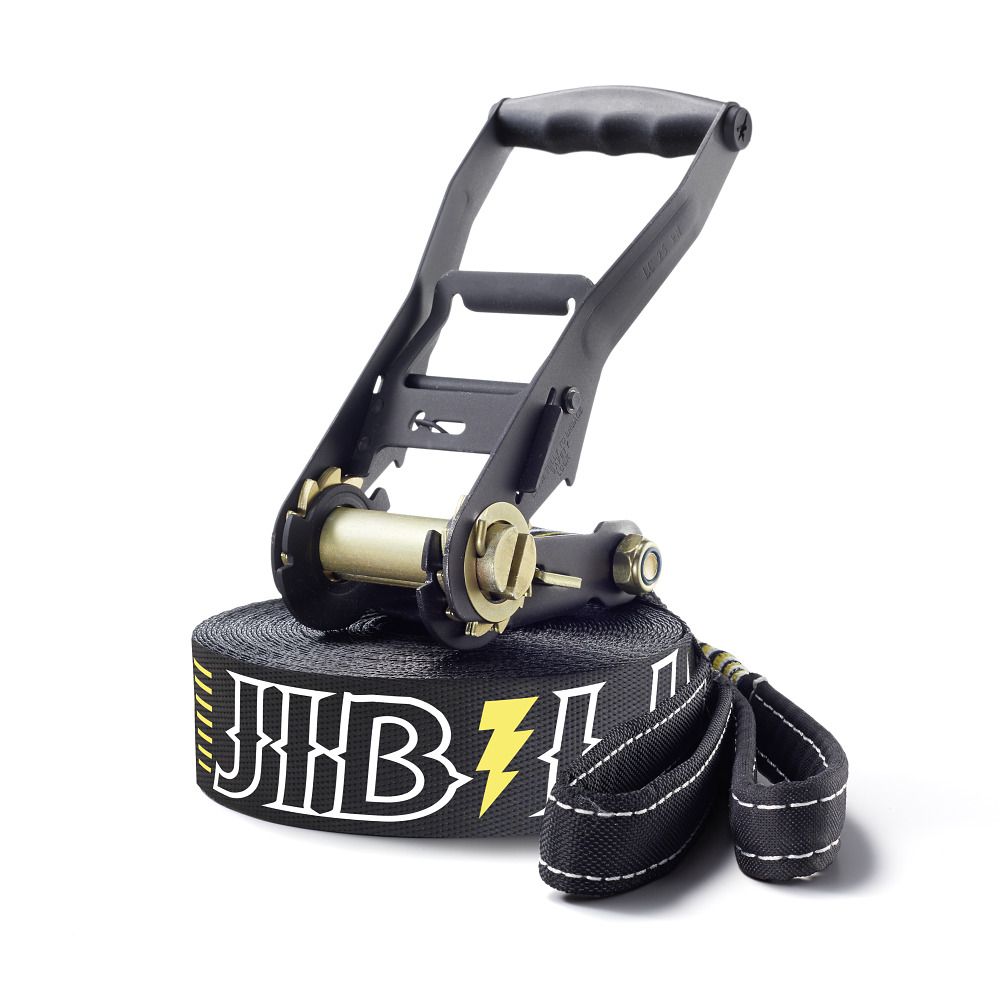
Sporting Goods training slings help practice moves, but they are not for permanent belays.
What's good
- Technical climbing webbing in polyamide or aramid/polyamide packs high strength into a light sling for rigging and extending gear.
- Flat polyester or nylon tapes give a wide bearing surface, which spreads load on anchor points better than round cord.
- Cotton and polycotton bias binding under Outdoor Recreation suits sewing, repairs, or decorative work where strength rating is not needed.
- Short quickdraw slings (around 20 cm) keep your rack tidy and reduce clipping distance on sport routes.
Things to watch
- Aramid/polyamide slings cut easily on rock edges, so they need careful placement.
- Craft webbing in cotton or wool blends carries no safe working load for climbing, and must stay out of life-critical use.
- Long anchor loops (up to 1.2 m) bulk up a harness compared to a compact 50 cm training sling.
- Steel or aluminium mixed material webbing adds noticeable weight, wrong for gram-counting alpine tasks.
Care & maintenance
Wash after use
Rinse synthetic slings in fresh water after salt or heavy chalk exposure, then air dry away from direct sun.
Dry storage
Store cotton and polycotton bias binding in a dry box to prevent mildew between projects.
Pre-use check
Check every sling for fuzzy fibres, nicks, or faded colour before you tie in.
UV avoidance
Keep nylon and polyamide tapes out of long UV layover, as sunlight weakens the fibres over time.
Frequently Asked Questions
What should I look for when buying climbing webbing?
When shopping for climbing webbing, consider factors such as quality, price, brand reputation, and customer reviews. Compare prices across multiple retailers to ensure you're getting the best deal. Look for products that match your specific needs and budget.
How do I choose the right climbing webbing?
Choosing the right climbing webbing depends on your individual needs, budget, and preferences. Research different options, read customer reviews, and compare specifications. Consider what features are most important to you and look for products that offer the best value for money.
Where can I find the best deals on climbing webbing?
You can find the best deals on climbing webbing by comparing prices across multiple retailers. Our price comparison tool helps you find the lowest prices from trusted UK retailers including Amazon, eBay, and other major online stores. Check regularly as prices and deals change frequently.
Are climbing webbing products worth the investment?
The value of climbing webbing products depends on your specific needs and how you plan to use them. Quality products from reputable brands often provide better long-term value, even if they cost more initially. Consider your budget and requirements when making your decision.
What's the difference between different types of climbing webbing?
Different types of climbing webbing vary in features, quality, price, and intended use. Some may offer premium features while others focus on affordability. Research the specific differences between models or brands to find the option that best suits your needs and budget.