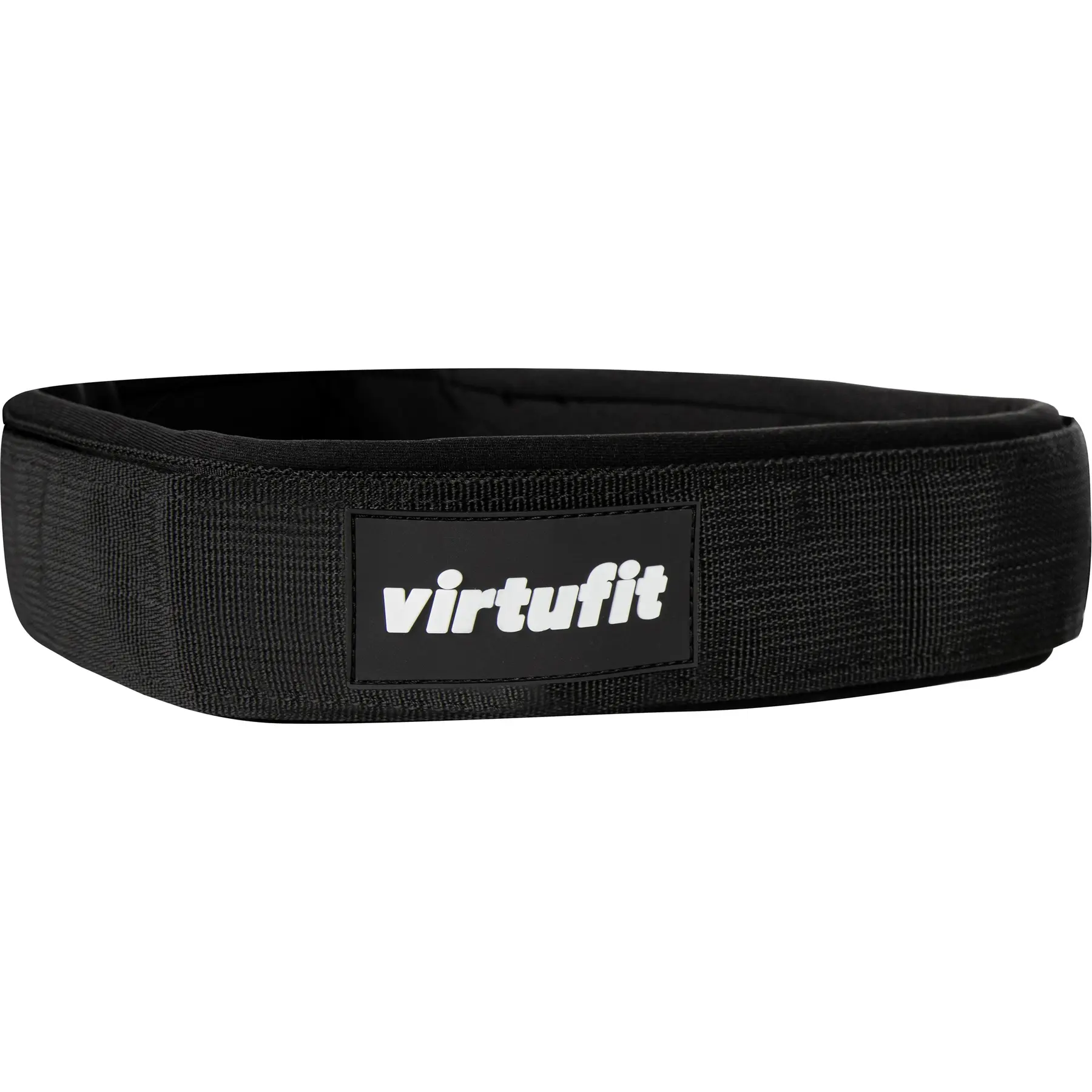
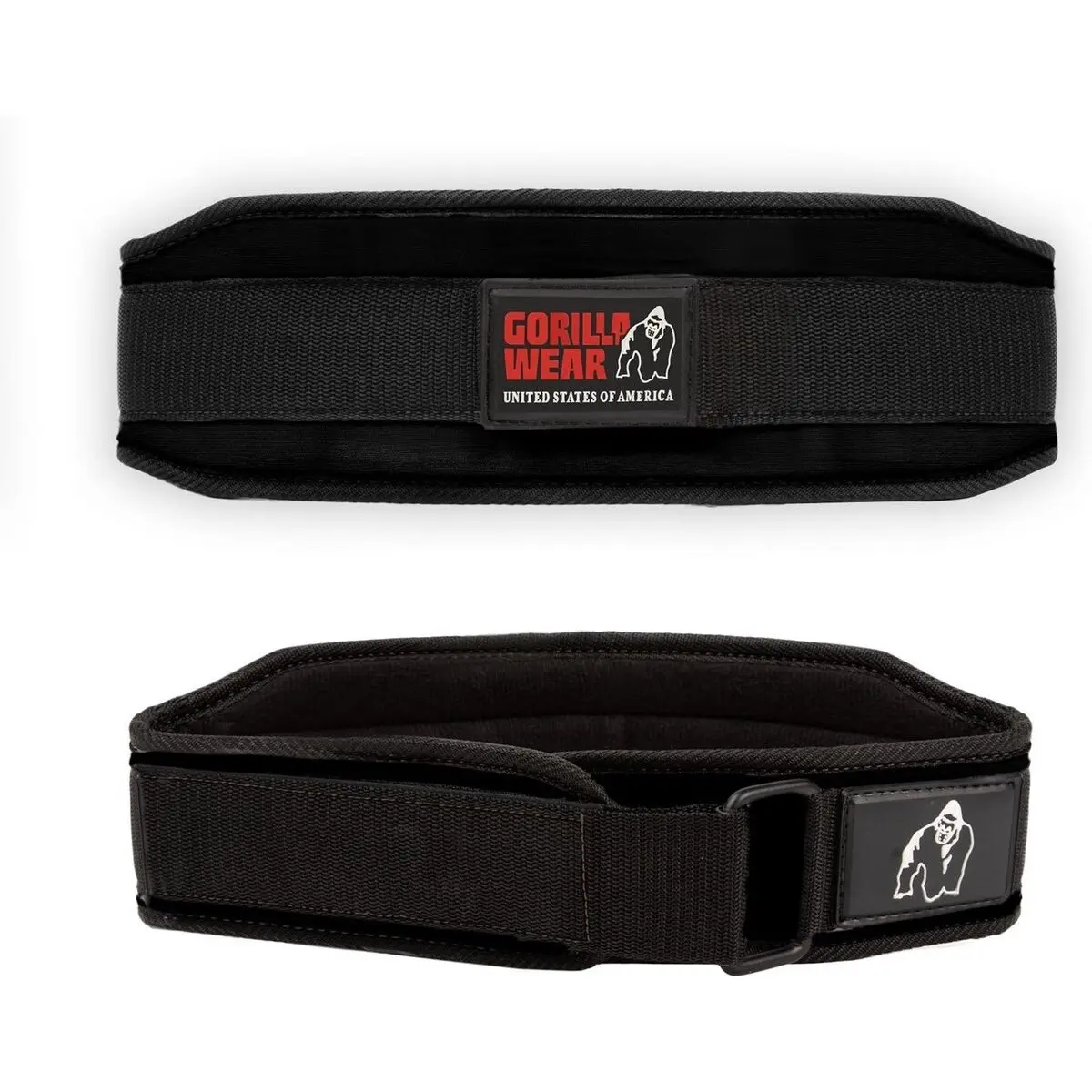
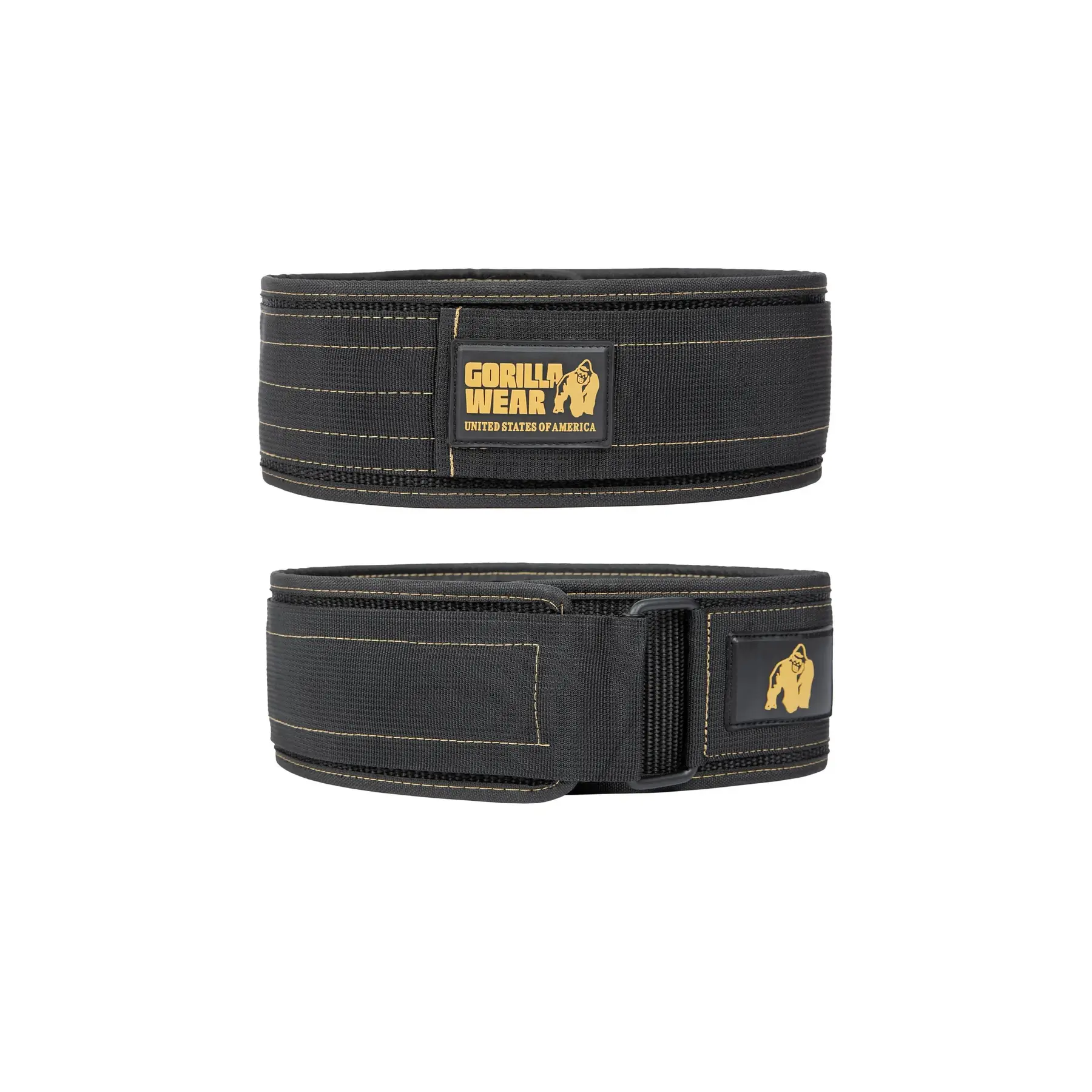
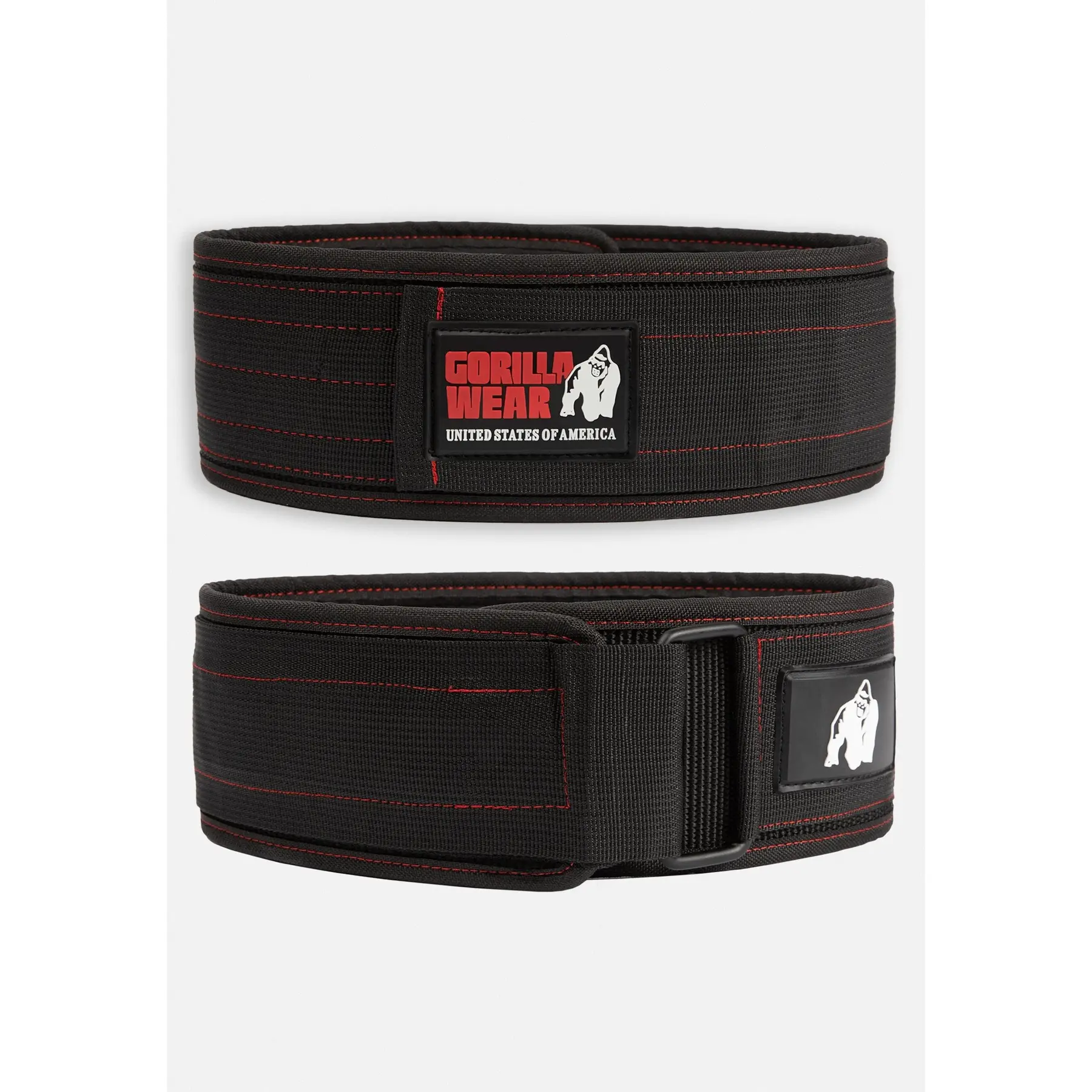
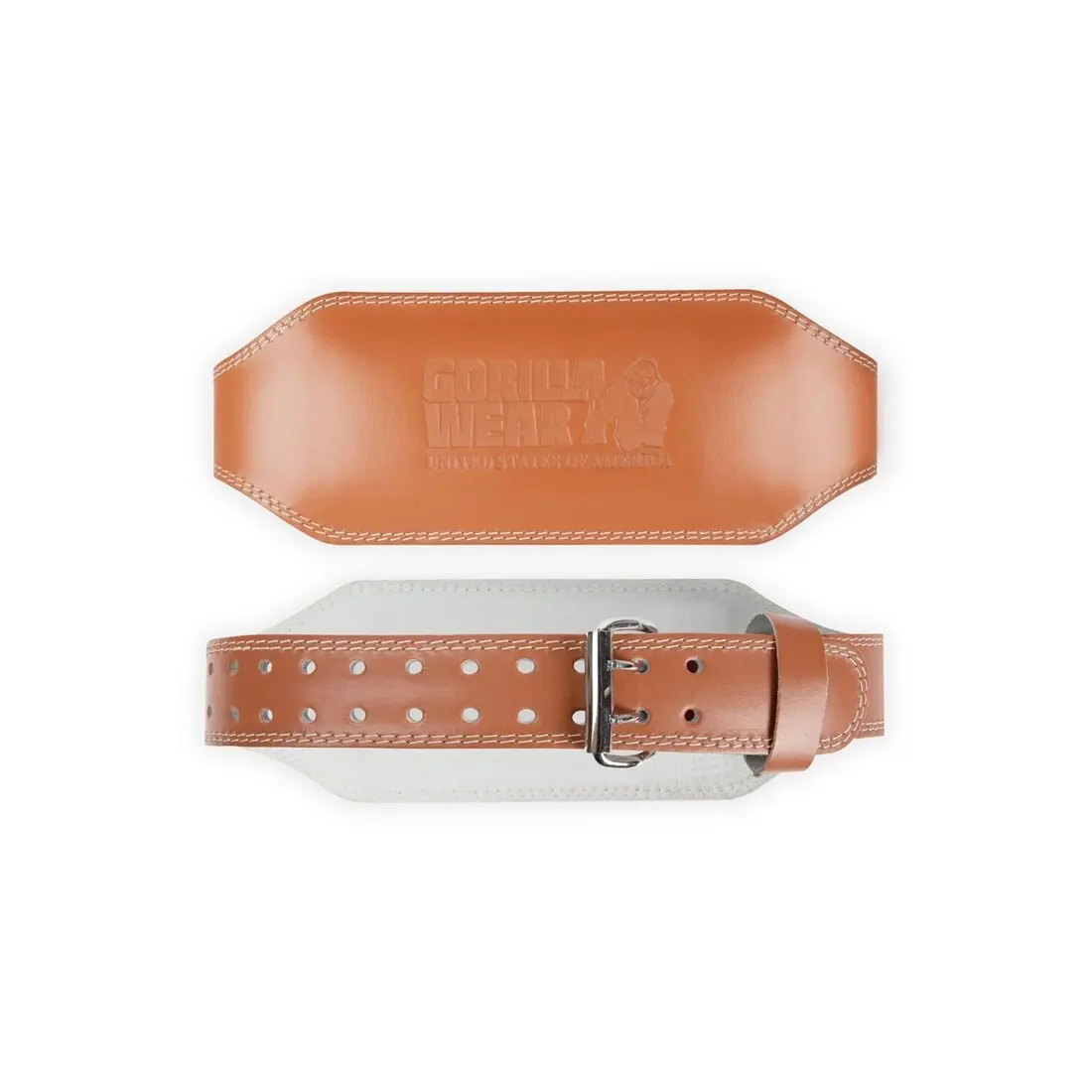
Weight Lifting Belts
How to choose weight lifting belts
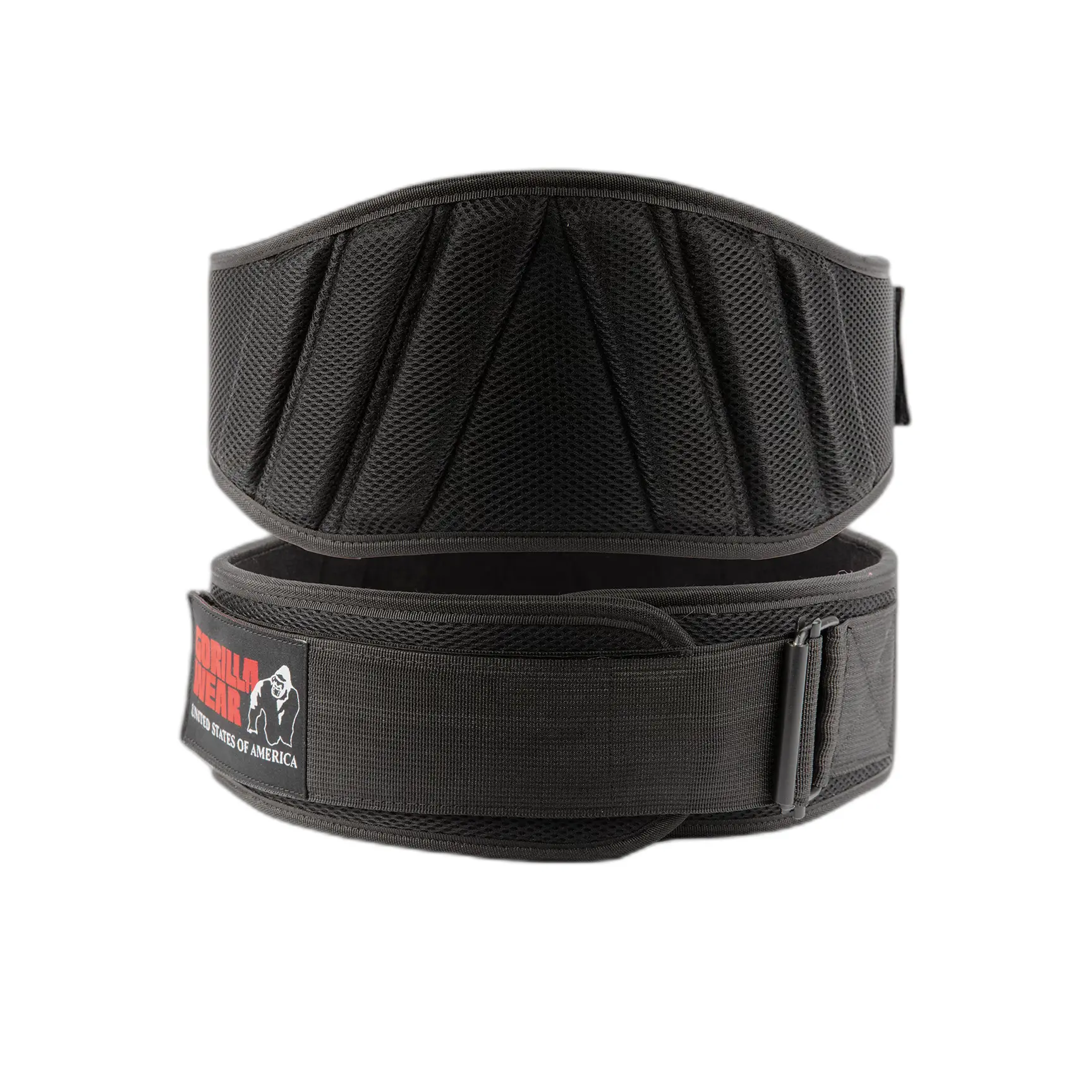
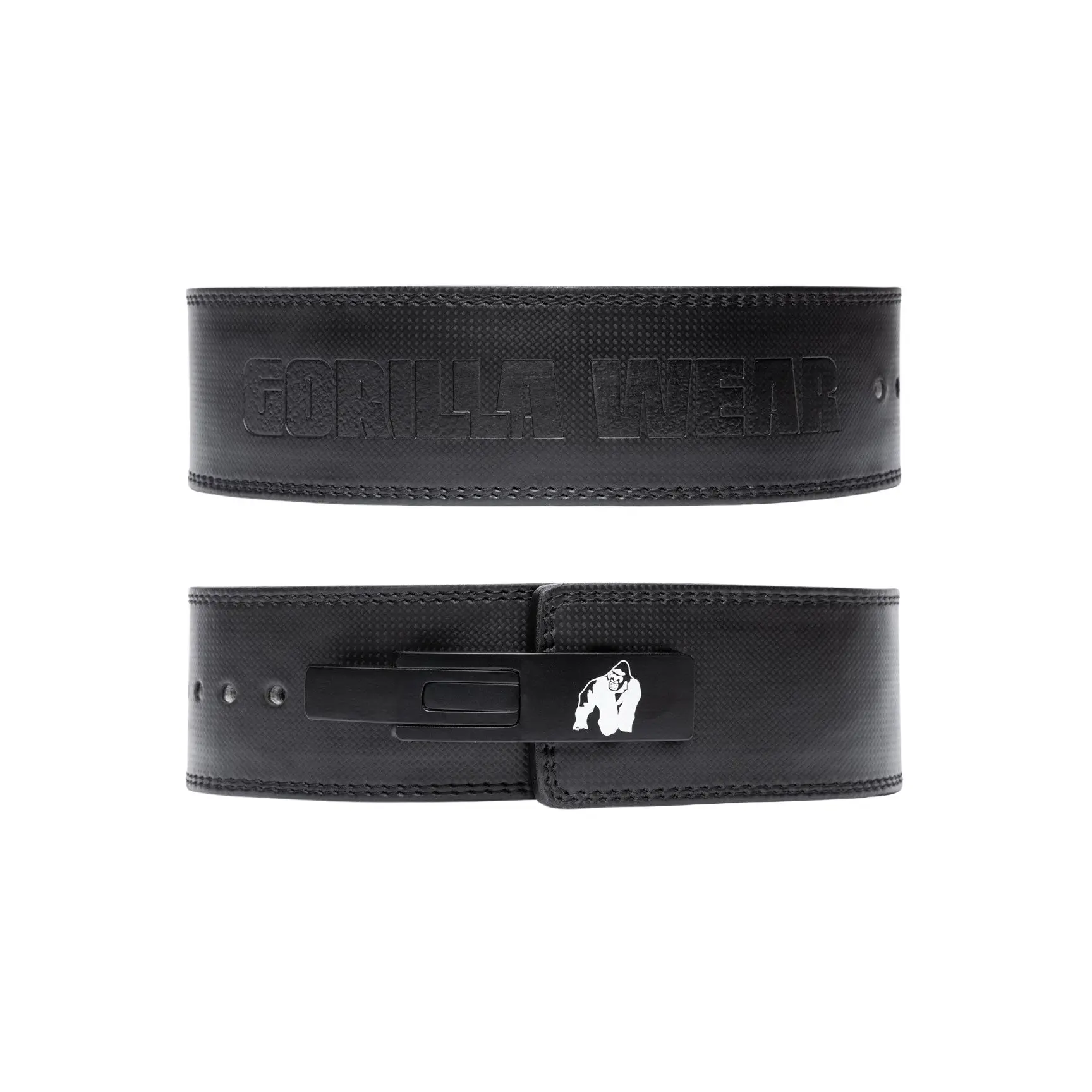
Pick leather or suede if you want rigid back support for weightlifting, but choose nylon if you need to move freely in fitness classes.
Measure your waist in centimetres. Sizes span XS to XL (91 to 97 cm at L), and a loose belt fails to brace the core.
Decide between metal hardware (steel, iron, aluminium) for durability and lighter clasps if bag weight matters.
Choose plain black, white, or black/brown for the gym floor, or pick pink, purple, red, or blue if you want standout sporting goods kit.
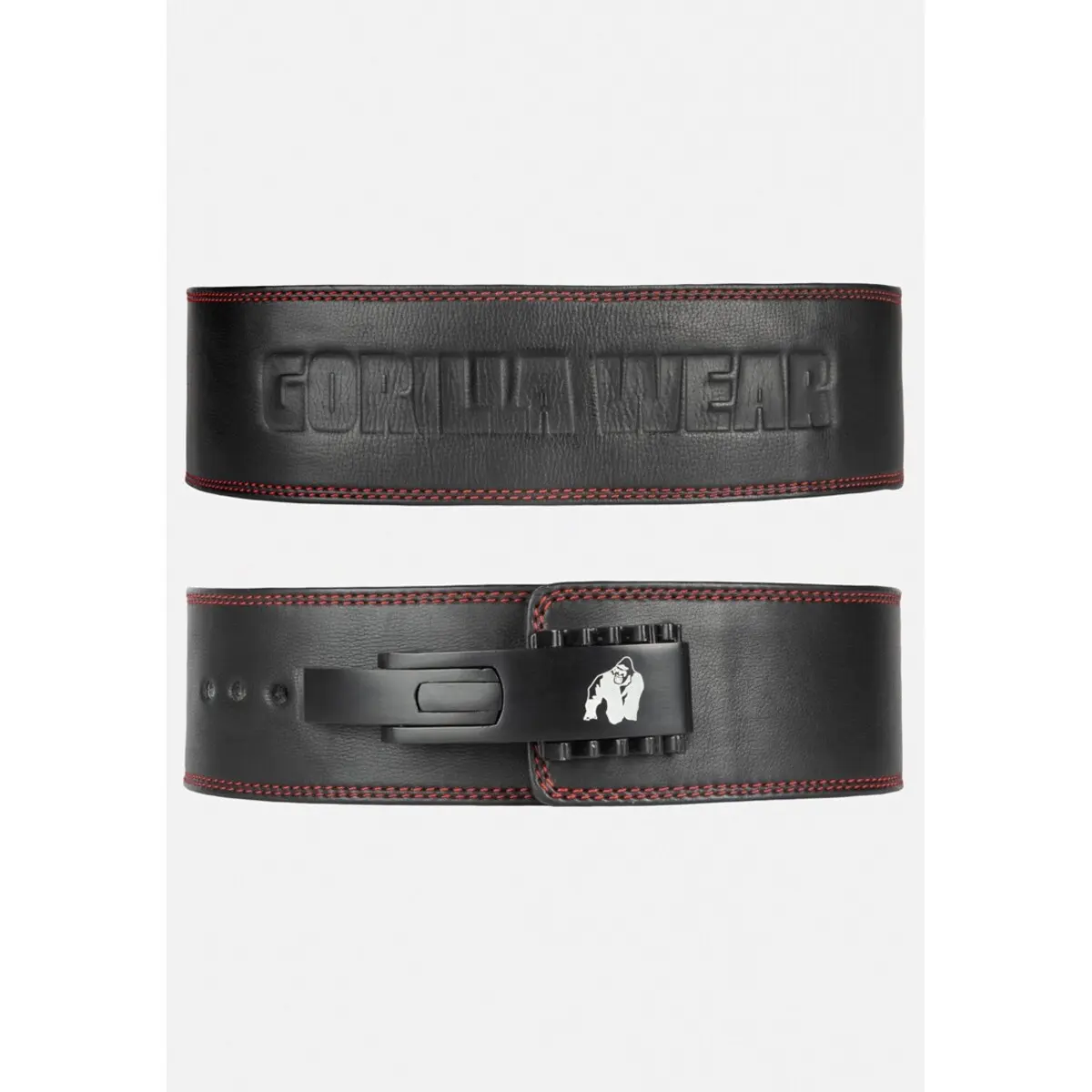
Belts with polyester or iron mixes suit general fitness, while 4 inch leather styles suit dedicated power work.
What's good
- Leather and suede weightlifting belts give firm abdominal pressure for heavy power training sessions.
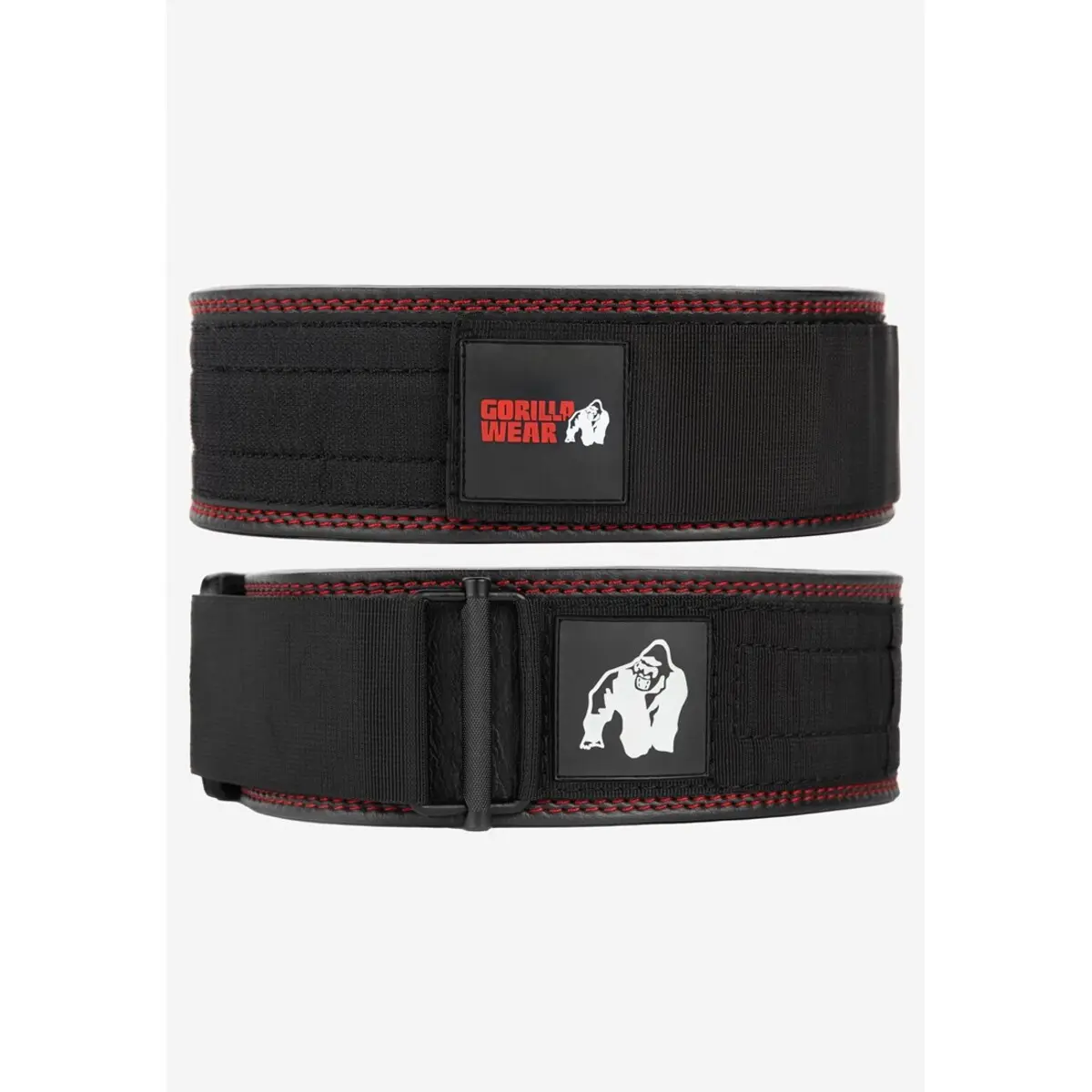
- Nylon and neoprene bandage styles bend with your torso. This helps in general exercise and fitness warmups.
- Steel, iron, or aluminium buckles stay locked under load, so you skip mid set adjustments.
- Synthetic leather and polyester blends cut belt weight compared to leather, helping during longer workouts.
- Colourways like pink, purple, red, and blue let you match the belt to your existing sporting goods kit.
Things to watch
- Rigid leather and suede belts limit bending. They are poor for dynamic exercise and fitness circuits.
- Nylon bandage styles lack the stiffness needed for maximal weightlifting lifts.
- Steel or iron hardware adds heft to the belt, making it bulky to carry in a gym bag.
- Synthetic leather shows wear faster than leather under heavy chalk and sweat.
- Sizing runs specific. A wrong fit leaves the belt weak for lumbar support.
Care & maintenance
Wipe leather and suede belts with a dry cloth after sessions to stop chalk and sweat rot.
Hand wash nylon or neoprene bandage belts, then air dry away from direct heat.
Check steel, iron, or aluminium buckles for looseness before each heavy session.
Keep synthetic leather away from prolonged sun to stop the material cracking.
Frequently Asked Questions
What should I look for when buying weight lifting belts?
When shopping for weight lifting belts, consider factors such as quality, price, brand reputation, and customer reviews. Compare prices across multiple retailers to ensure you're getting the best deal. Look for products that match your specific needs and budget.
How do I choose the right weight lifting belts?
Choosing the right weight lifting belts depends on your individual needs, budget, and preferences. Research different options, read customer reviews, and compare specifications. Consider what features are most important to you and look for products that offer the best value for money.
Where can I find the best deals on weight lifting belts?
You can find the best deals on weight lifting belts by comparing prices across multiple retailers. Our price comparison tool helps you find the lowest prices from trusted UK retailers including Amazon, eBay, and other major online stores. Check regularly as prices and deals change frequently.
Are weight lifting belts products worth the investment?
The value of weight lifting belts products depends on your specific needs and how you plan to use them. Quality products from reputable brands often provide better long-term value, even if they cost more initially. Consider your budget and requirements when making your decision.
What's the difference between different types of weight lifting belts?
Different types of weight lifting belts vary in features, quality, price, and intended use. Some may offer premium features while others focus on affordability. Research the specific differences between models or brands to find the option that best suits your needs and budget.