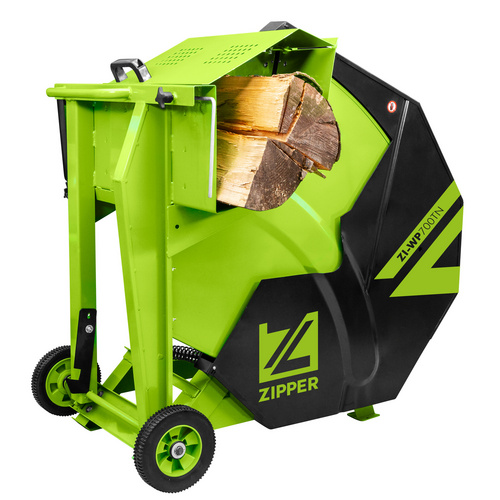
Table Saws
How to choose table saws
Build material
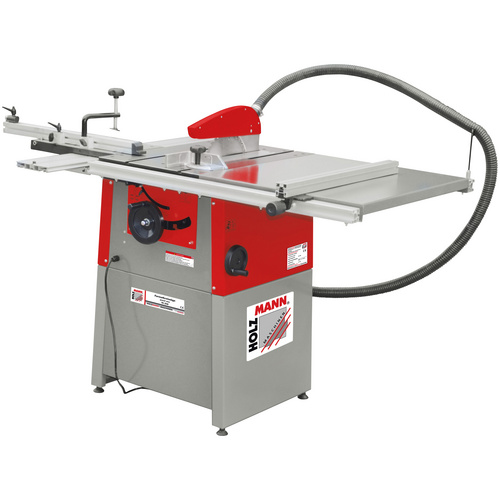
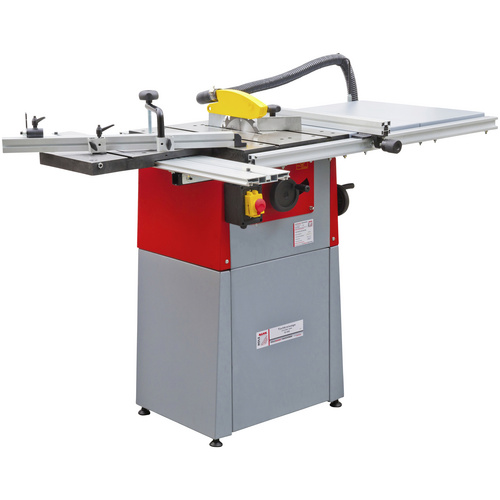
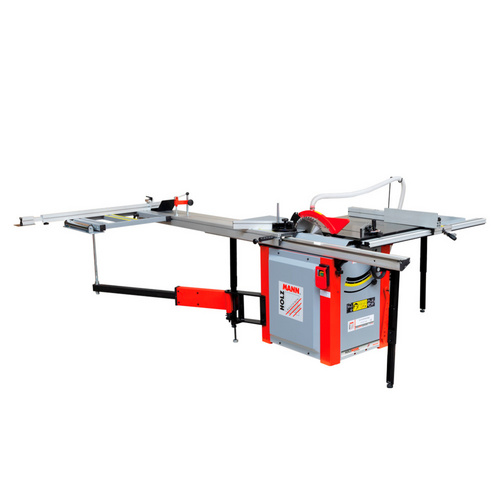
Choose bed material first: cast iron or steel for stability, aluminium for portability, wood for hobby benches.
Cut material
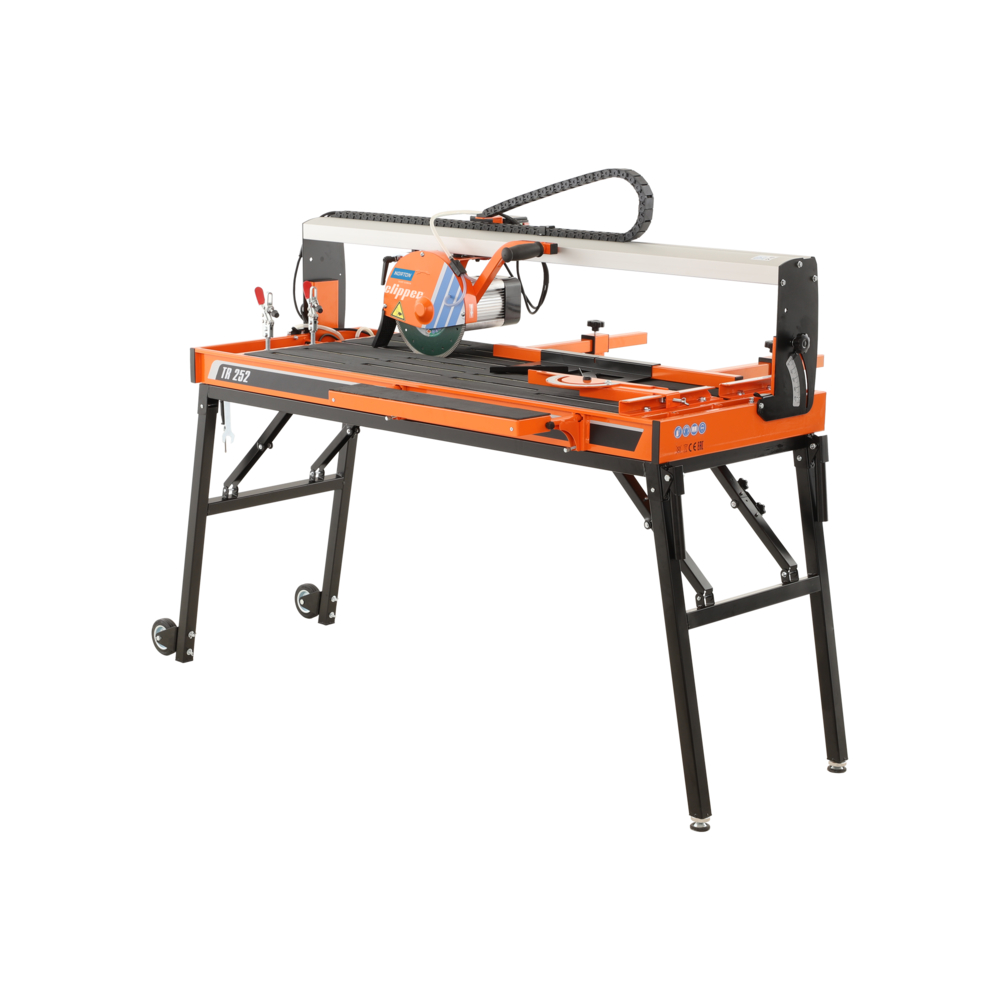
Match the saw to your main material, with wood and plastic suited to mini or portable saws, while porcelain or stone call for a wet tile saw with diamond blade.
Sub-type
Sub-type labels hint at use, as Hardware and Saws lean to full-size cutting, while Tools covers craft benches.
Colour
Colour options run from blue to silver, but pick build over shade.
Power
Power varies from low watt mini sets to high watt site saws, so match it to cut frequency rather than headline tier.
What's good
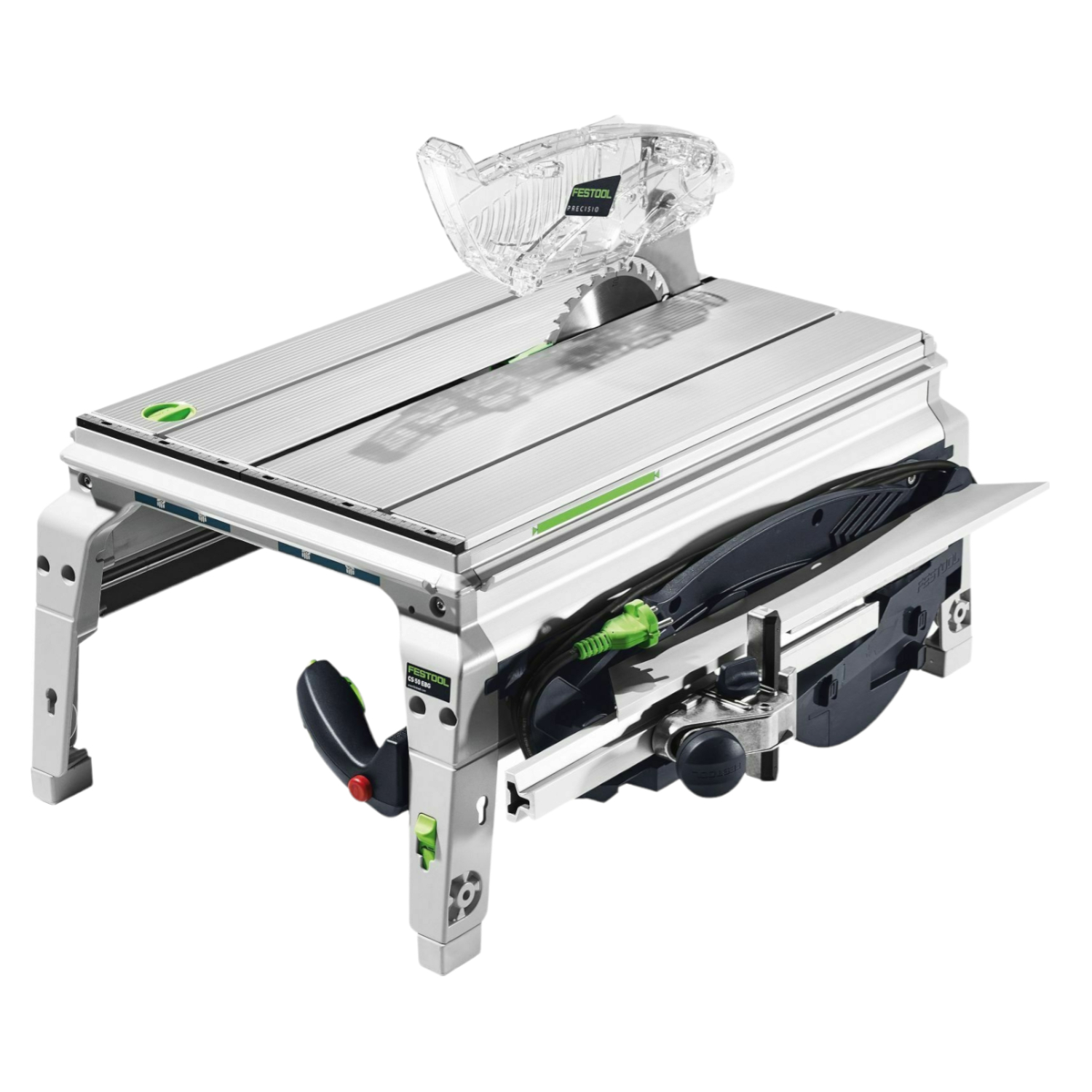
- Portable job site saws give you mains power on the move without a fixed bench.
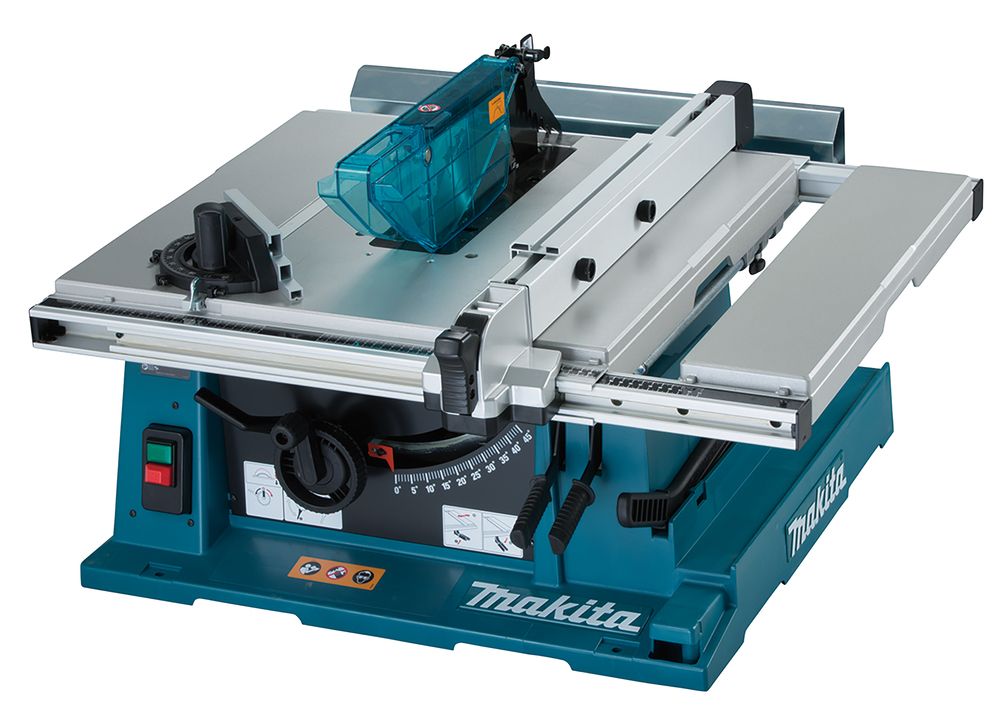
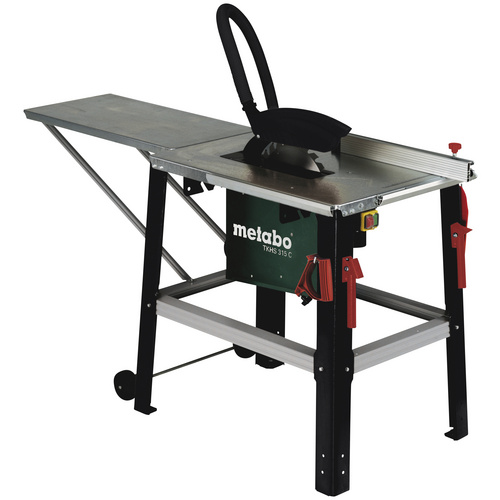
- Cast iron bed saws (listed under Saws or Hardware) sit flat and steady for repeatable workshop cuts.
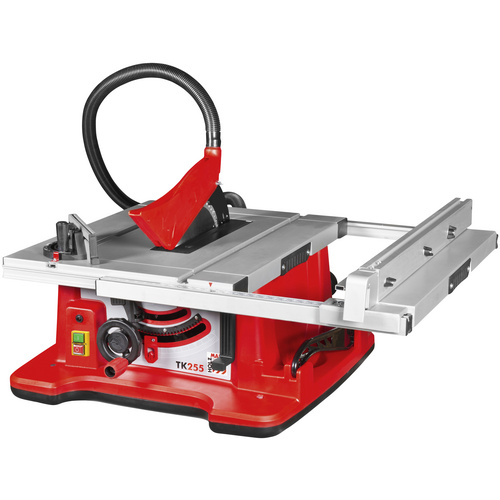
- Mini bench saws under Tools suit model makers cutting wood or plastic with a small footprint.
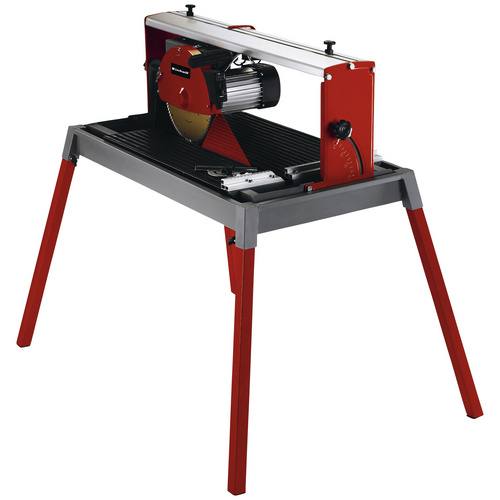
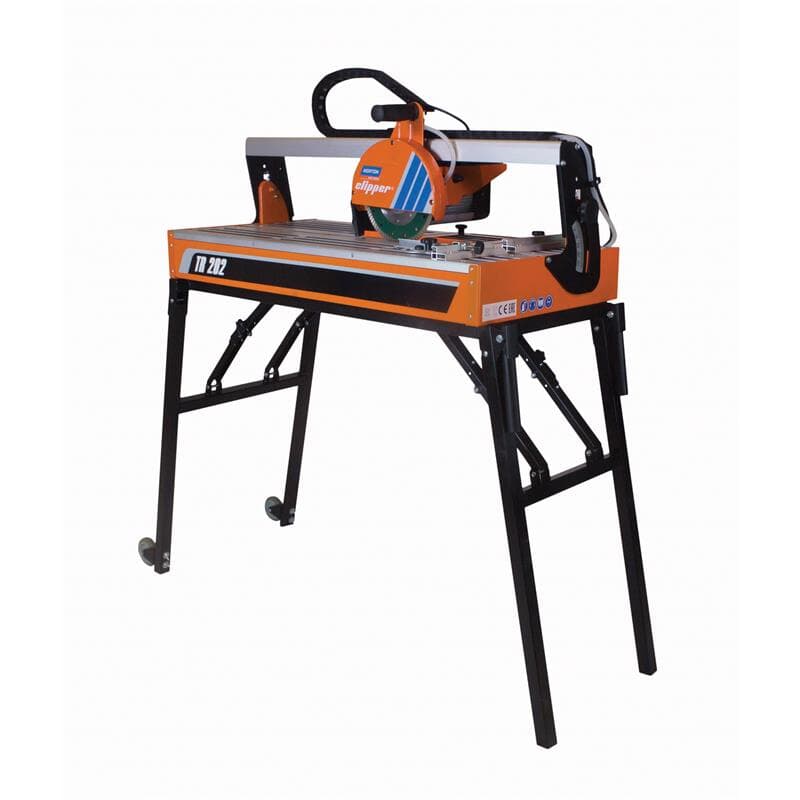
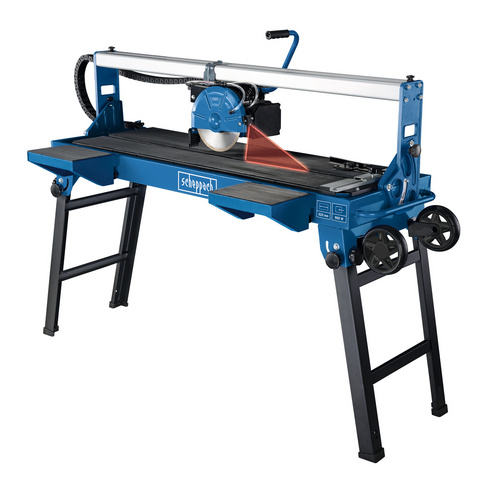
- Wet tile saws cut porcelain and stone with water, keeping dust down and edges clean.
- Multi-material desktop cutters handle wood, tile and marble, so one machine covers varied home tasks.
Things to watch
- Portable site saws trade mass for mobility, so they vibrate more than a cast iron stationary saw on fine joinery.
- Cast iron saws are heavy and need a permanent spot, which is wrong for anyone short on workshop space.
- Mini hobby benches have low power and small blades, and they stall on thick hardwood.
- Wet tile cutters need a water reservoir and slurry cleanup, which is messy for occasional use.
- Multi-material chamfering machines are versatile but they lack the fence precision of dedicated table saws.
Care & maintenance
Cast iron care
Wipe cast iron beds dry and oil them lightly to stop rust after humid days.
Wet tile upkeep
Empty the water tray and rinse the blade on wet tile saws after each job.
Portable checks
Check fence alignment on portable aluminium saws before each session.
Mini blade care
Keep mini bench blades free of resin to avoid bogging on small cuts.
Frequently Asked Questions
What should I look for when buying table saws?
When shopping for table saws, consider factors such as quality, price, brand reputation, and customer reviews. Compare prices across multiple retailers to ensure you're getting the best deal. Look for products that match your specific needs and budget.
How do I choose the right table saws?
Choosing the right table saws depends on your individual needs, budget, and preferences. Research different options, read customer reviews, and compare specifications. Consider what features are most important to you and look for products that offer the best value for money.
Where can I find the best deals on table saws?
You can find the best deals on table saws by comparing prices across multiple retailers. Our price comparison tool helps you find the lowest prices from trusted UK retailers including Amazon, eBay, and other major online stores. Check regularly as prices and deals change frequently.
Are table saws products worth the investment?
The value of table saws products depends on your specific needs and how you plan to use them. Quality products from reputable brands often provide better long-term value, even if they cost more initially. Consider your budget and requirements when making your decision.
What's the difference between different types of table saws?
Different types of table saws vary in features, quality, price, and intended use. Some may offer premium features while others focus on affordability. Research the specific differences between models or brands to find the option that best suits your needs and budget.