Climbing Rope
How to choose climbing rope
Sub-type
Sub-type leads the choice. Climbing demands dynamic stretch, outdoor recreation favours static strength.
Material
Material sets weather behaviour. Polyamide absorbs water but cushions falls, polypropylene stays light in rain.
Diameter
Diameter balances weight and wear. A 7mm cordelette is minimal, an 11.5mm sewn rope is burly.
Colour
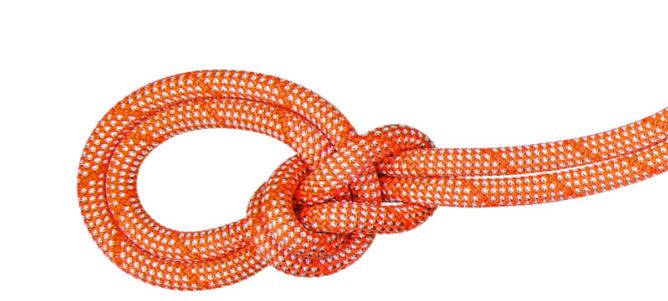
Colour affects visibility. Red or orange outdoor ropes read well at dusk, black climbing ropes mask mud.
Length
Length should fit the route. 20m to 30m suits short walls, 60m or 70m covers longer sport pitches.
What's good
- Climbing sub-type ropes in nylon or polyamide stretch under load. This reduces fall impact for a leader.
- Outdoor recreation lines in polyester or polypropylene resist water and rot. They work well for tent pegs and garden use.
- Sporting goods cords come in sisal for a natural fibre feel. Good for gym or decorative pulls.
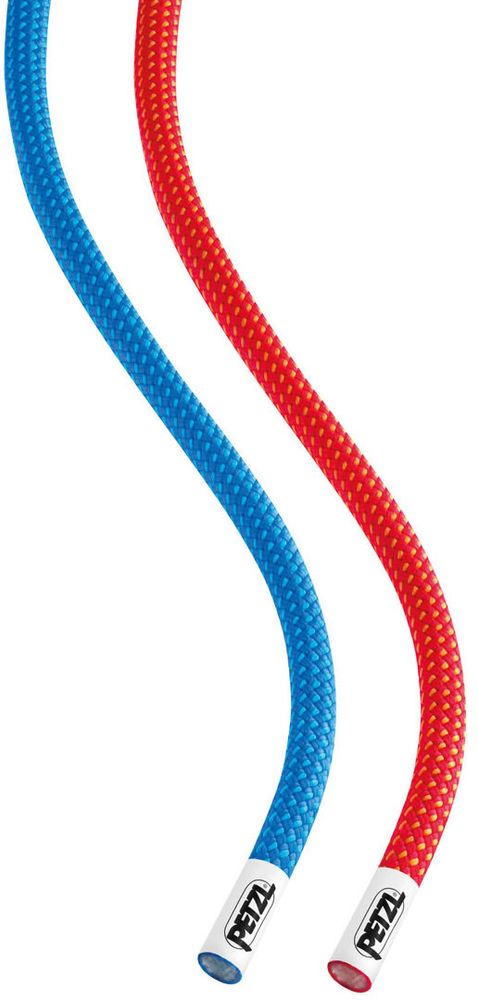
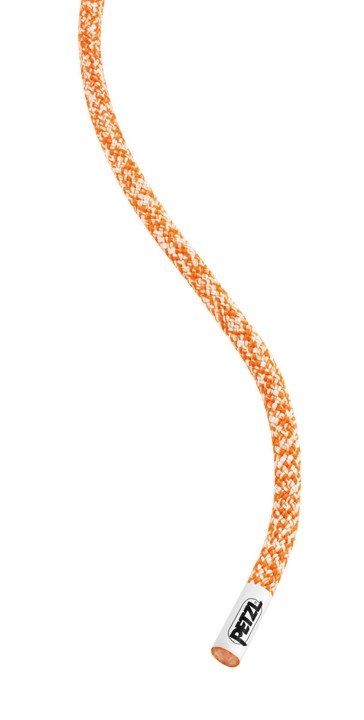
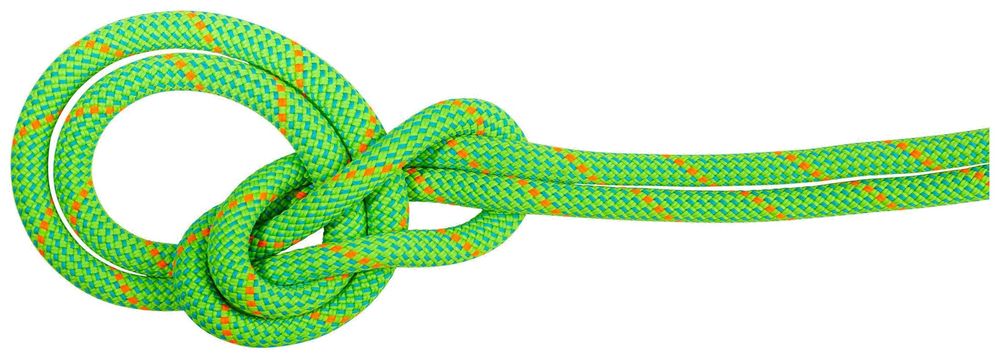
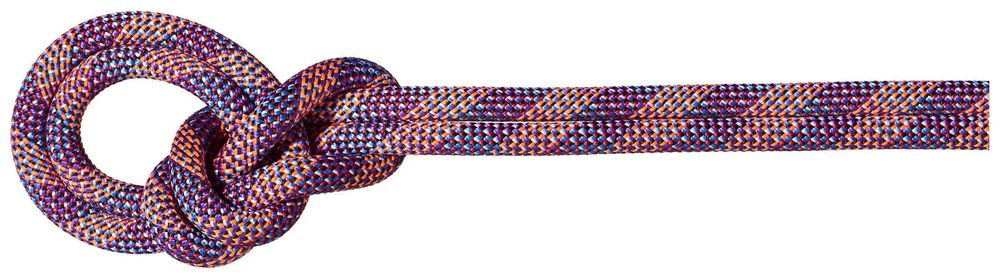
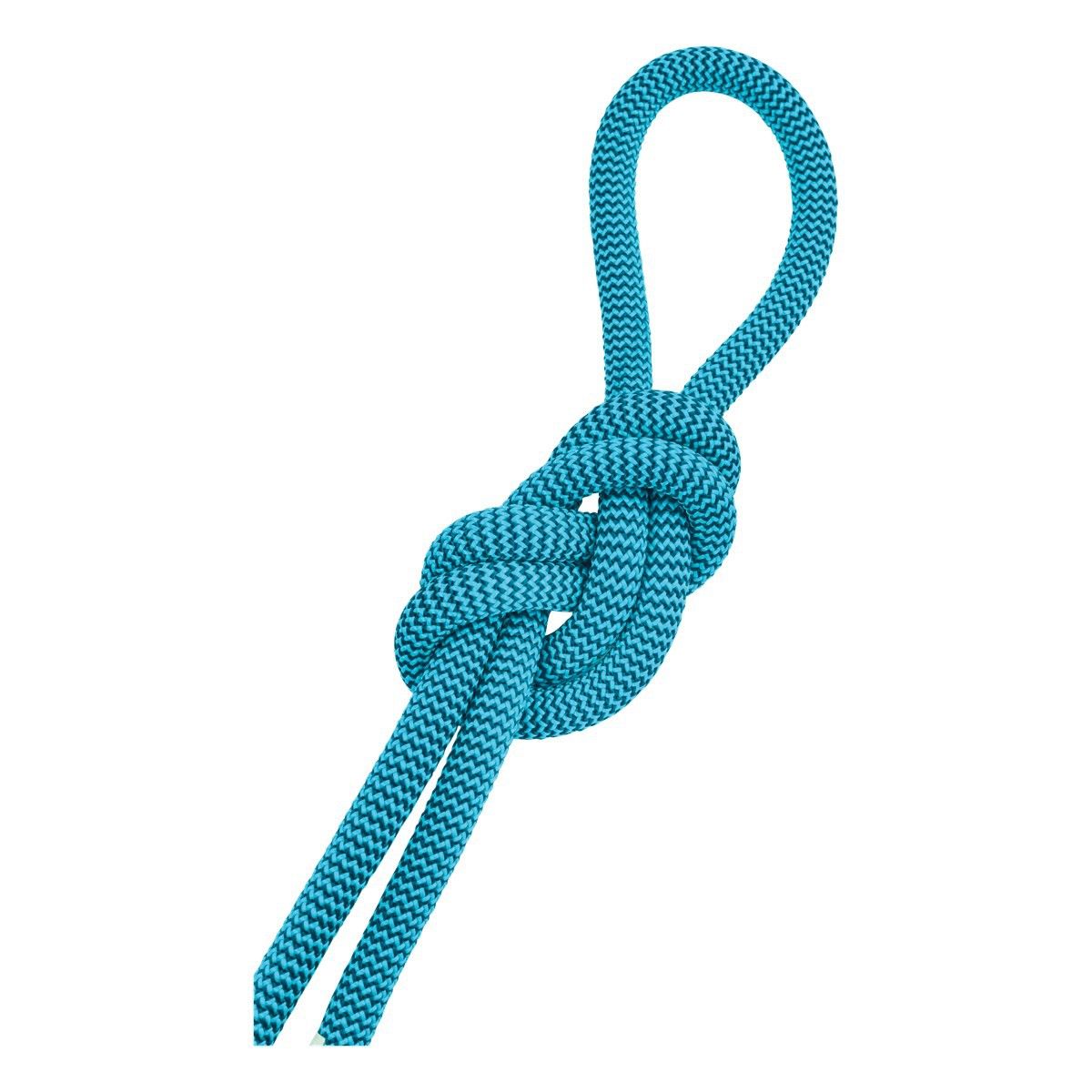
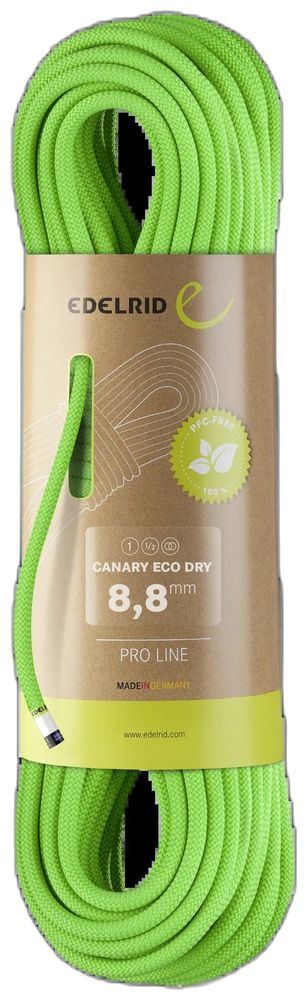
- The colour axis runs from solid blue to bright green, pink and orange. You can pick a high-vis shade for outdoor, or a personal favourite for the wall.
- Some listings are cordelettes or sewn-termination ropes (7mm to 11.5mm). These save you from tying permanent knots.
Things to watch
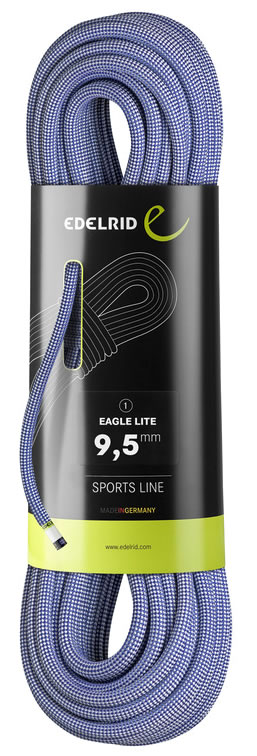
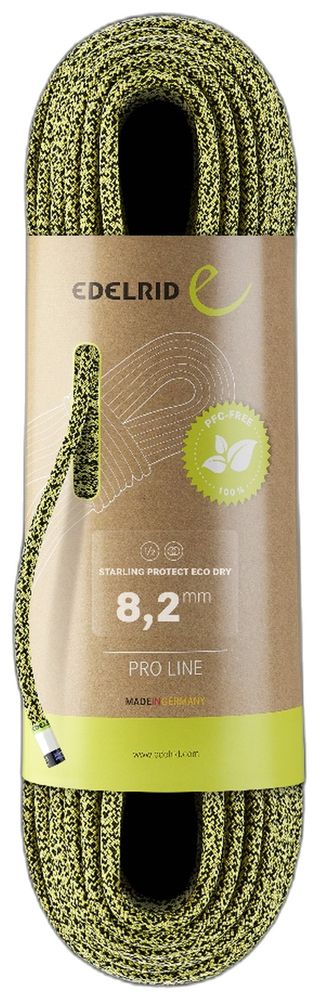
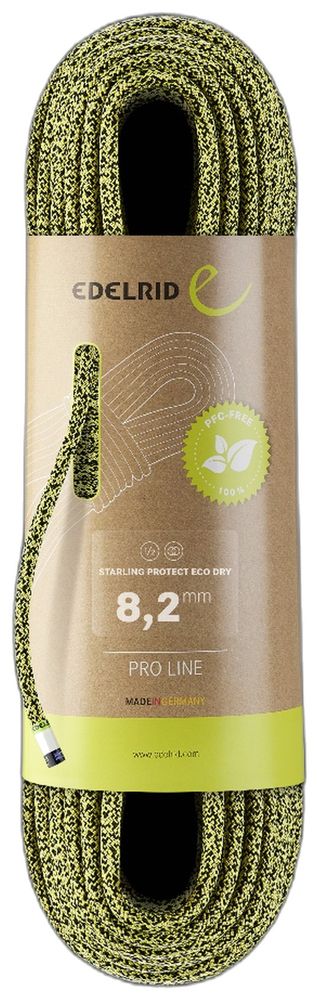
- Thin dynamic ropes near 9.1mm save grams but abrade faster than 9.8mm types.
- Static polyester or polypropylene ropes have no stretch. They are unsafe as a sole lead-climbing rope.
- Sisal and untreated cord soak up rain and can rot in a damp UK shed.
- White or yellow ropes show dirt on British crags quickly.
- Ropes sold as bare cord need whipping or careful knots, or they fray at the cut end.
Care & maintenance
Wash
Rinse nylon and polyamide climbing ropes with cold fresh water after gritty use.
Store
Store all ropes, especially polyester and polypropylene, away from direct sun to limit UV wear.
Coil
Coil lines loosely and hang them in a dry place, not crammed in a wet bag.
Inspect
Check sisal and cord for stiffness before each session.
Frequently Asked Questions
What should I look for when buying climbing rope?
When shopping for climbing rope, consider factors such as quality, price, brand reputation, and customer reviews. Compare prices across multiple retailers to ensure you're getting the best deal. Look for products that match your specific needs and budget.
How do I choose the right climbing rope?
Choosing the right climbing rope depends on your individual needs, budget, and preferences. Research different options, read customer reviews, and compare specifications. Consider what features are most important to you and look for products that offer the best value for money.
Where can I find the best deals on climbing rope?
You can find the best deals on climbing rope by comparing prices across multiple retailers. Our price comparison tool helps you find the lowest prices from trusted UK retailers including Amazon, eBay, and other major online stores. Check regularly as prices and deals change frequently.
Are climbing rope products worth the investment?
The value of climbing rope products depends on your specific needs and how you plan to use them. Quality products from reputable brands often provide better long-term value, even if they cost more initially. Consider your budget and requirements when making your decision.
What's the difference between different types of climbing rope?
Different types of climbing rope vary in features, quality, price, and intended use. Some may offer premium features while others focus on affordability. Research the specific differences between models or brands to find the option that best suits your needs and budget.