Composting
How to choose composting
Throughput vs speed
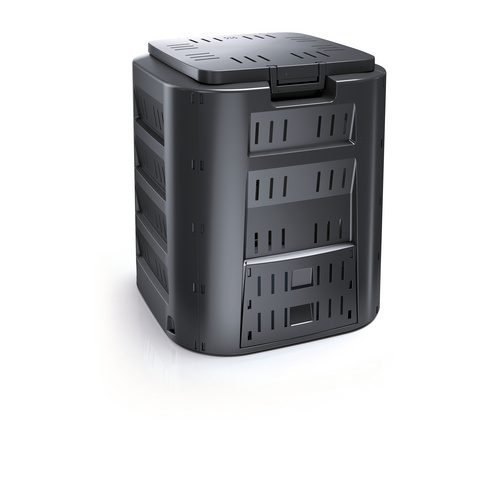
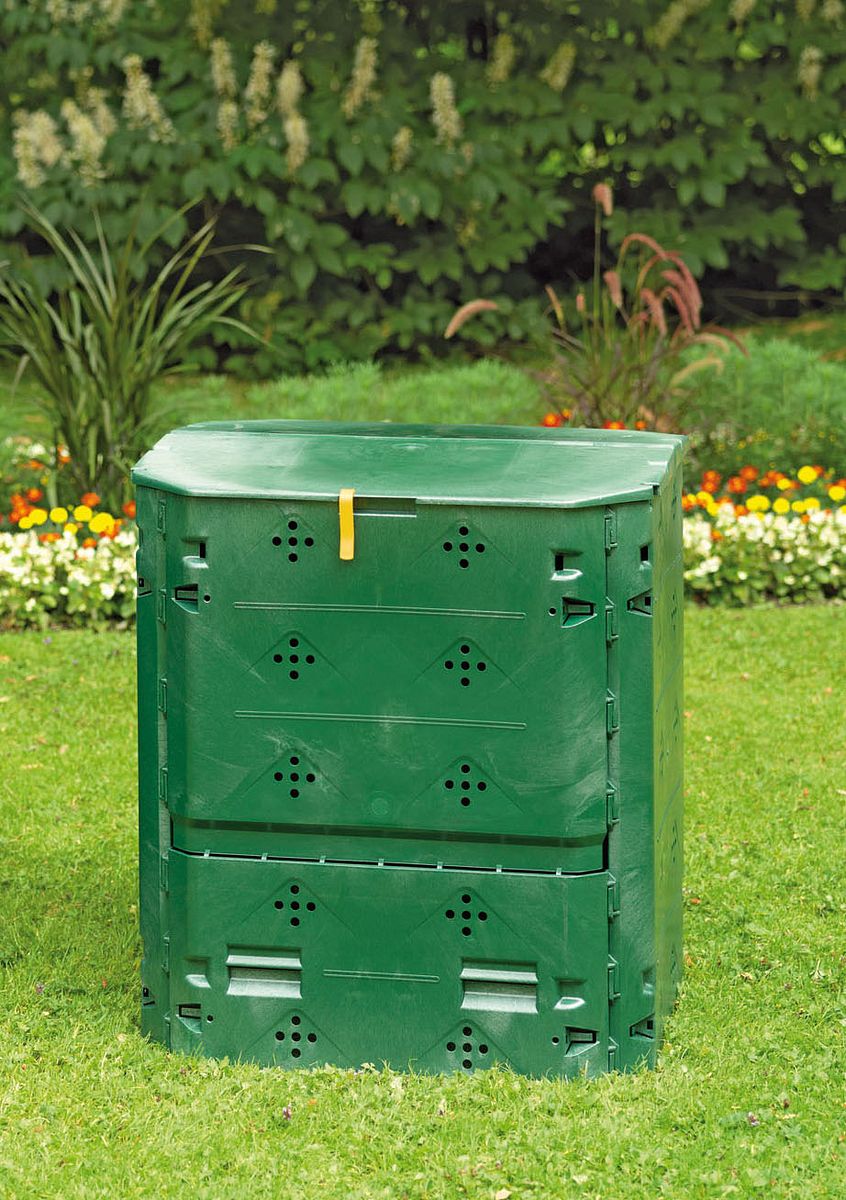
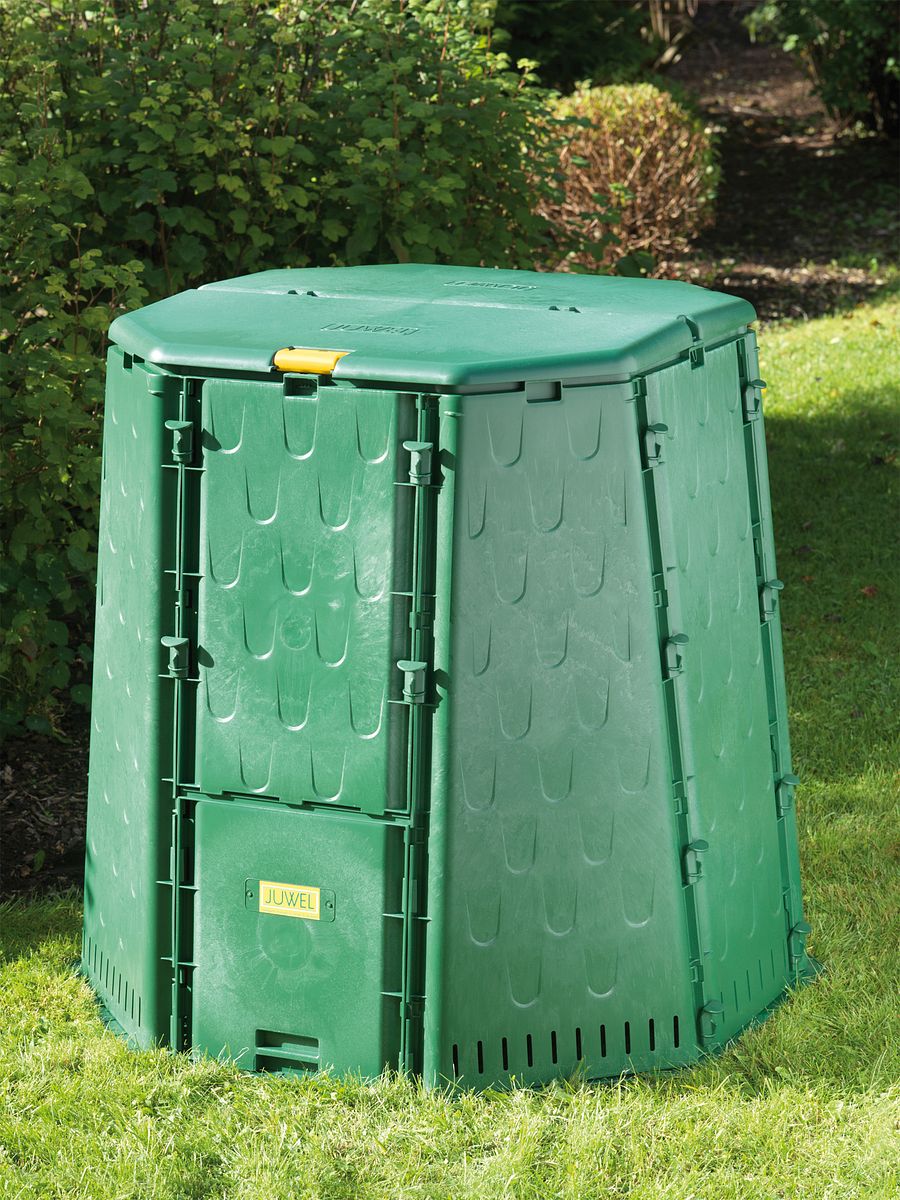
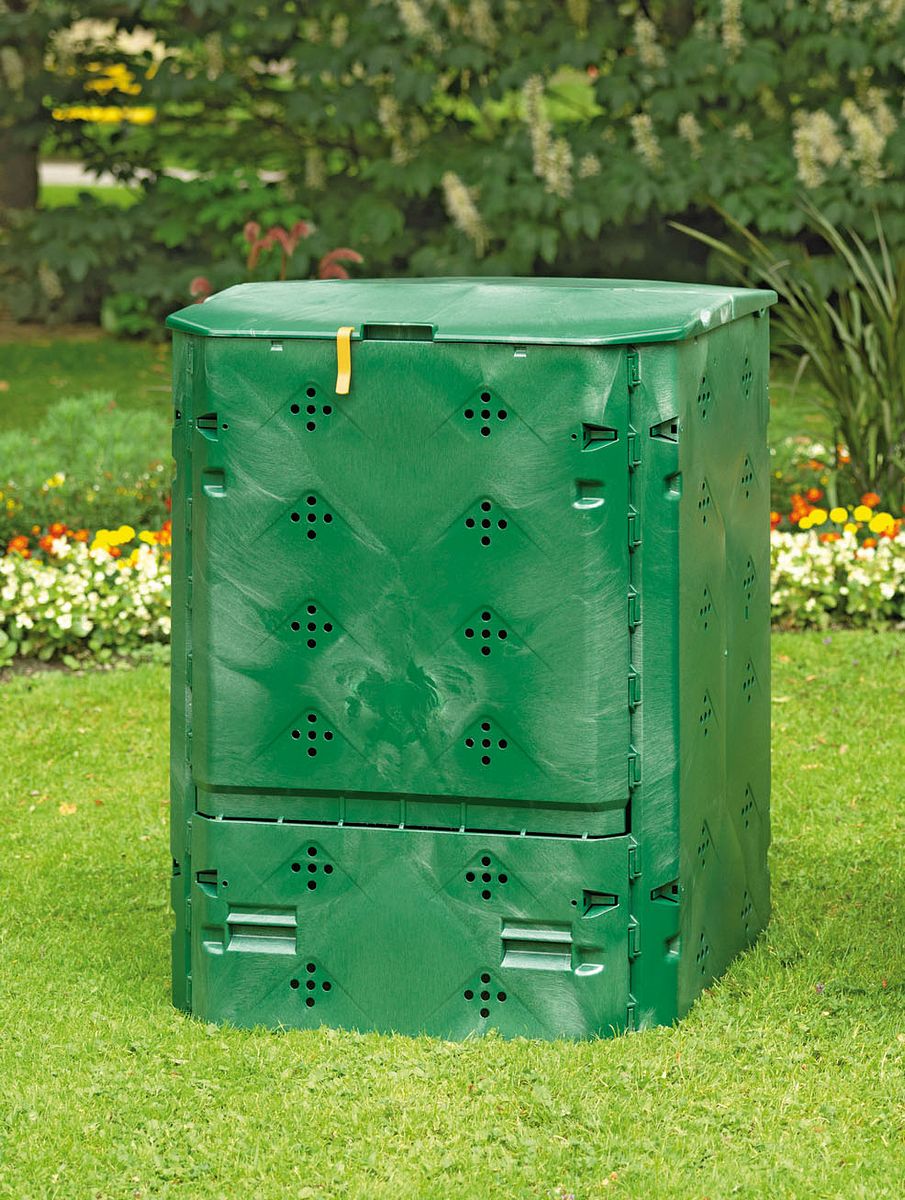
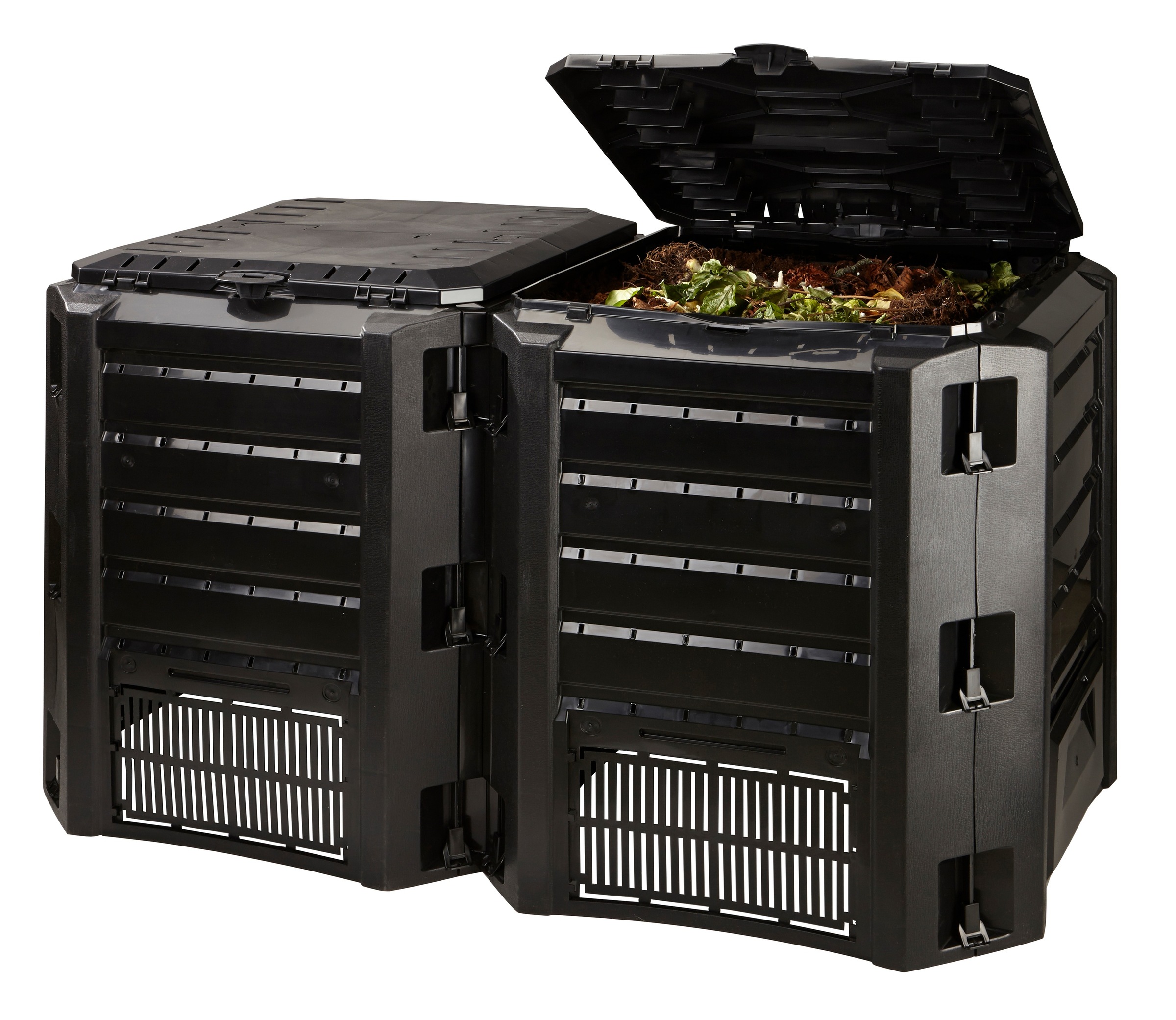
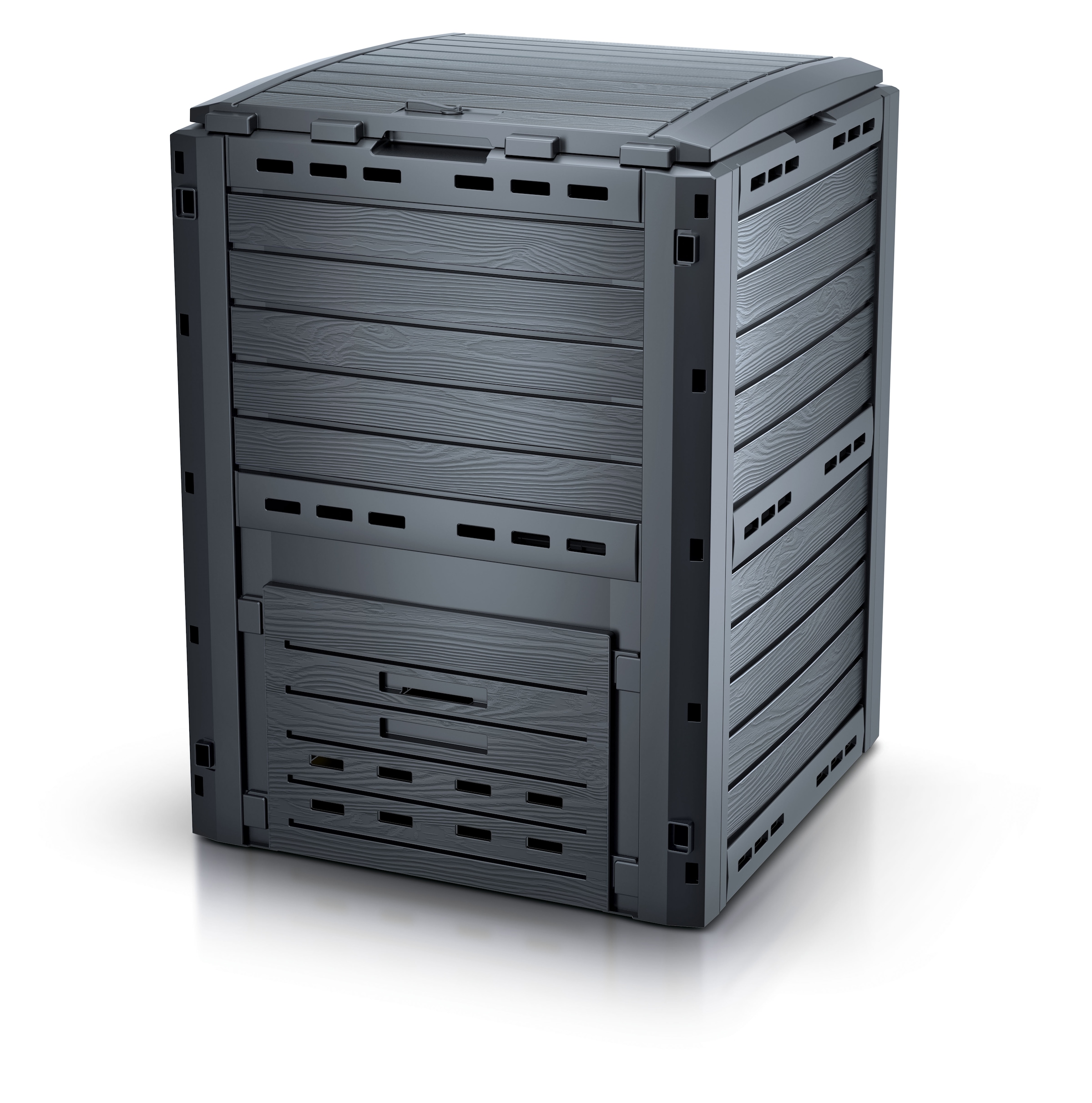
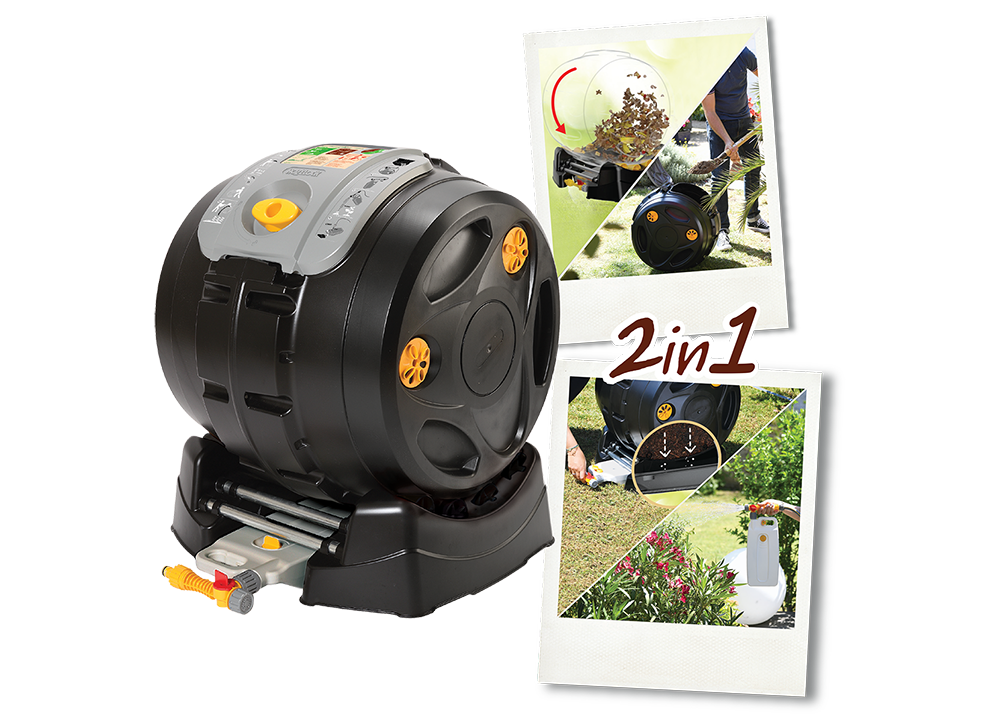
Pick a static bin (Lawn & Garden, up to 650L) for bulk garden waste, or a dual-chamber tumbler (Home & Garden, around 130L) if you want turned compost in weeks.
Material and weight
Wood and redwood blends sit naturally in borders but need ground care. Polypropylene or plastic/metal is lighter and comes in brown, grey, or blue.
Footprint
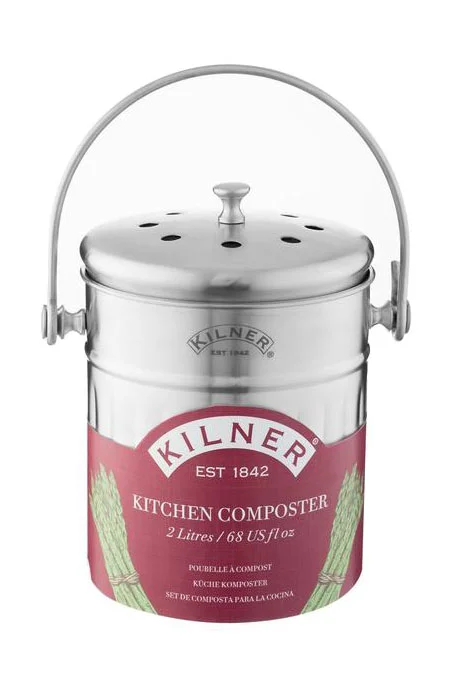
Tight patios suit a 6L caddy or small tumbler. Large plots should look at the Composters sub-type with beehive or slot-down builds.
Colour choice
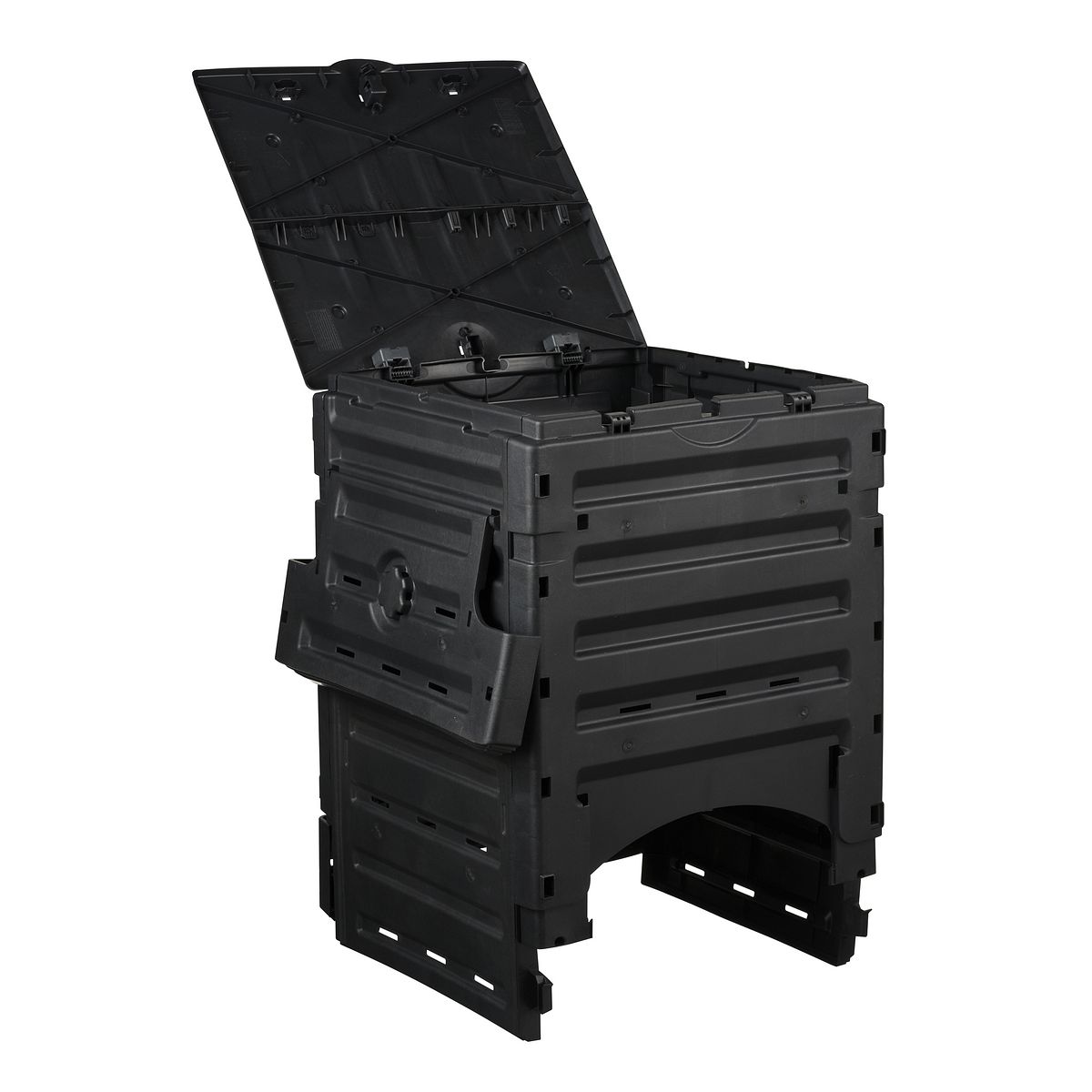
Black absorbs heat to push decomposition, while cream or silver show less grime near a back door. Colour is practical, not just style.
Instant vs homemade
Choose bagged or coir compost from Gardening if you need soil improver today, not a system that makes its own over months.
What's good
- Bagged compost in the Gardening sub-type conditions soil immediately, with no wait for a heap to break down.
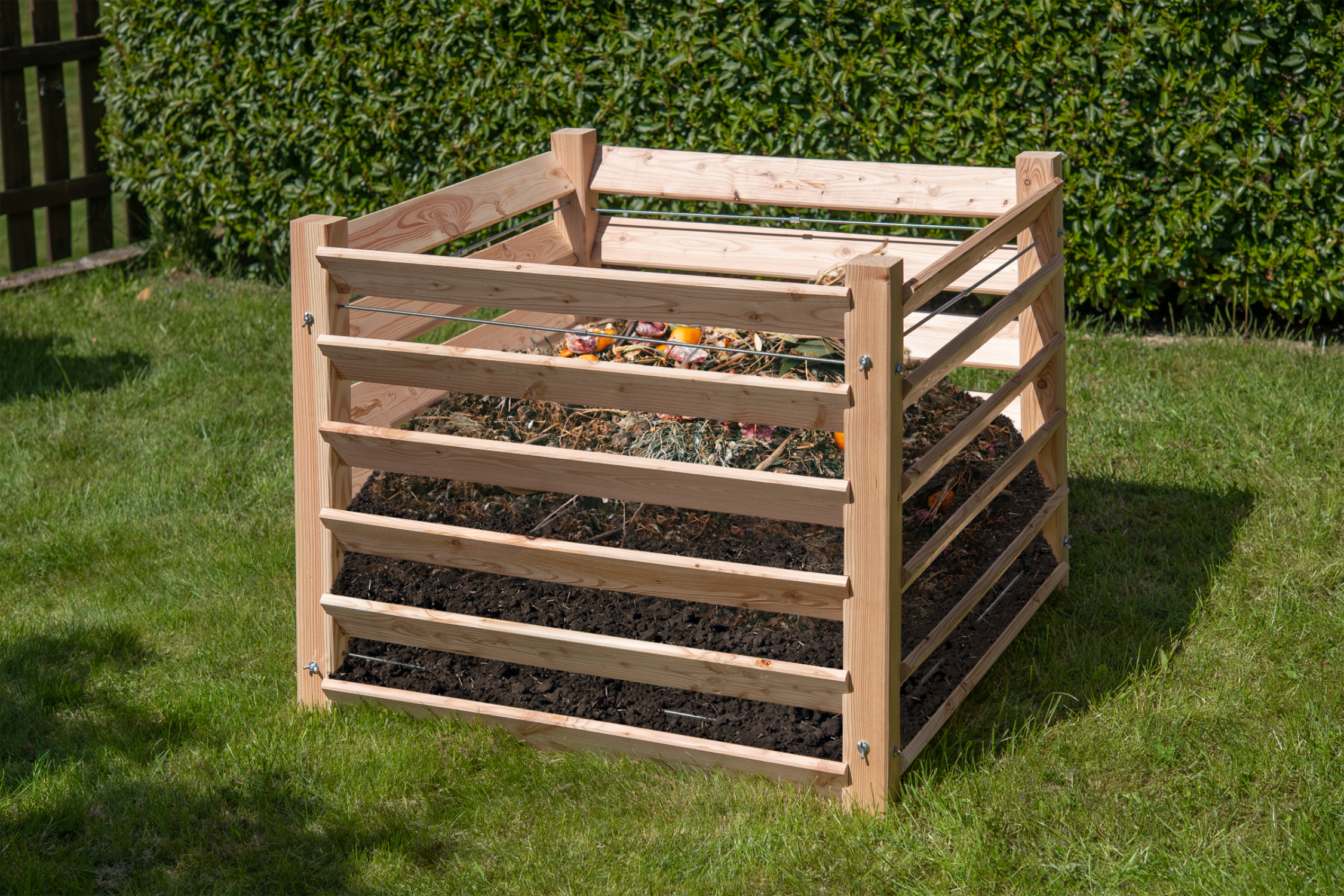
- Static timber bins (Lawn & Garden) hold high volumes of leaves and clippings, with capacities around 650L.
- Tumblers with dual chambers (Home & Garden) keep waste enclosed and turning, which suits rodent-prone gardens.
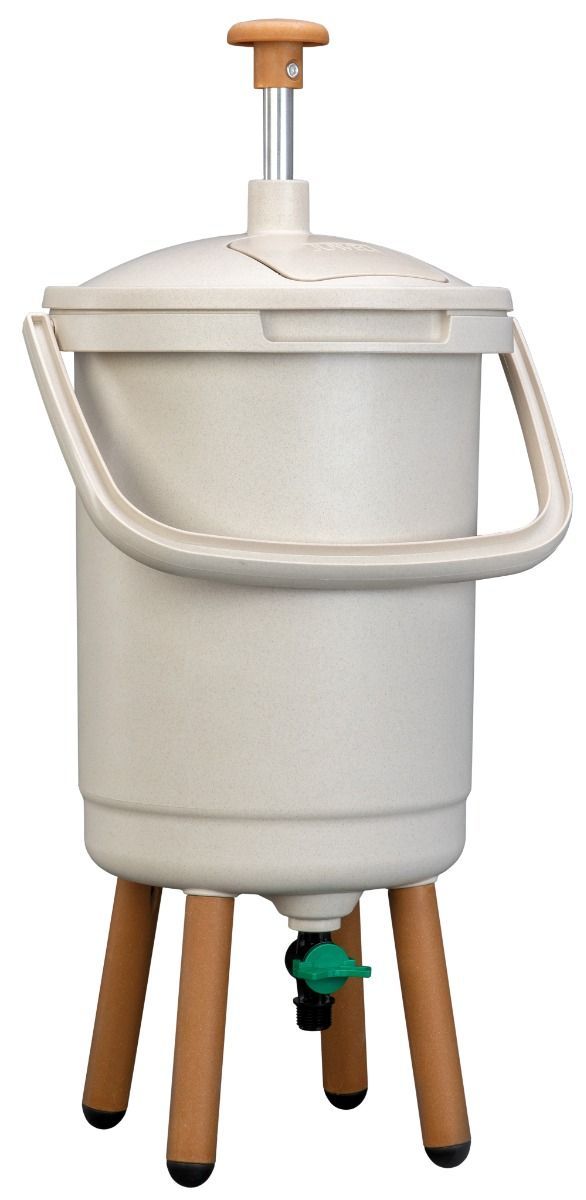
- Kitchen caddies in stainless steel or bamboo let you stage scraps on the counter before a trip to the outdoor heap.
- Coir packs are compact to store and expand with water, a neat fit for the Gardening sub-type indoors.
Things to watch
- Timber bins in the Lawn & Garden sub-type are heavy and need a level, drained base, unlike clip-together plastic units.
- A rotating tumbler (Home & Garden) turns waste faster but holds less volume than a wide static bin rated near 650L.
- Bagged compost from the Gardening sub-type conditions soil now but does nothing for recycling your own kitchen scraps.
- Cardboard caddies lose shape if they get wet, while stainless steel or bamboo versions need regular washing to stay fresh.
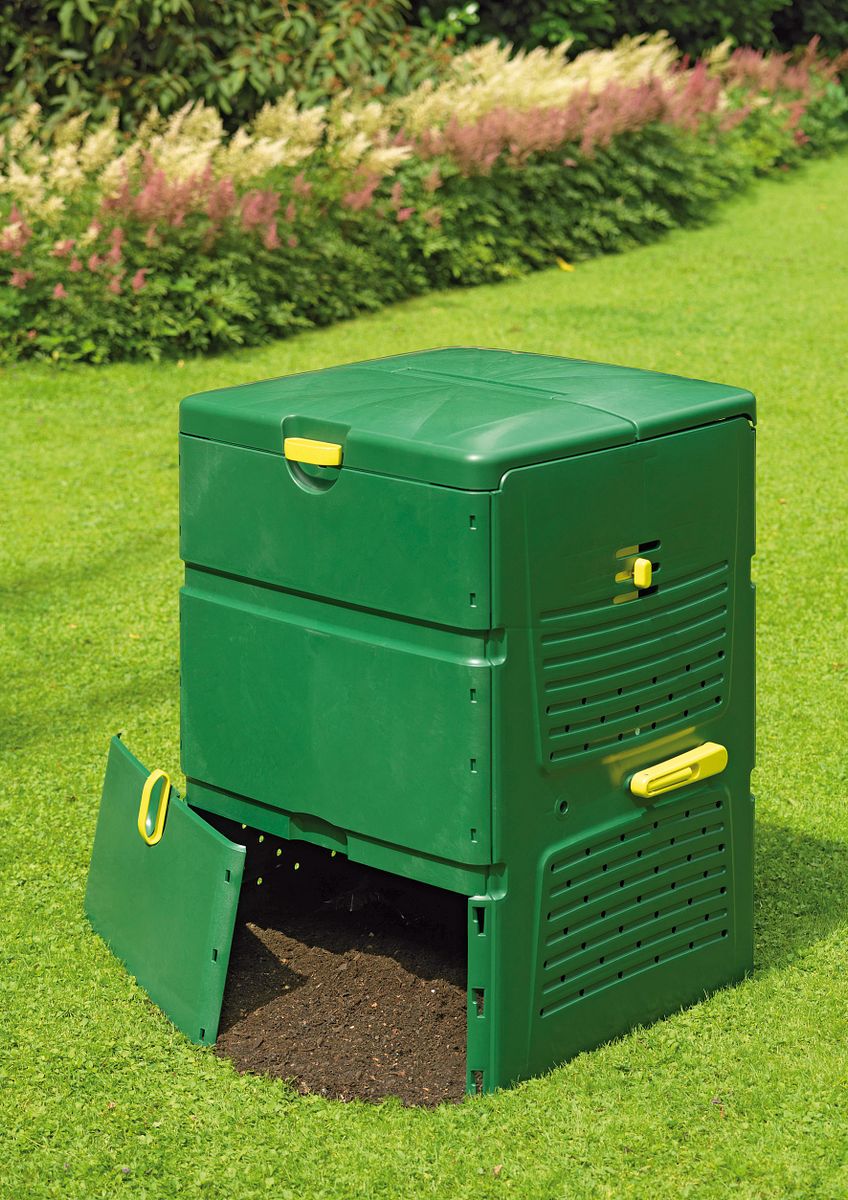
- Plastic bins in black or green can fade under UV, though they weigh far less than steel or redwood frames.
Care & maintenance
Caddies
Wipe caddy interiors weekly with mild soap, and let bamboo or stainless steel dry fully before refilling.
Tumblers
Rotate tumbler chambers every few days, and clear any blocked ventilation holes so air keeps flowing.
Wood bins
Keep timber bin bases clear of puddles to extend pressure-treated life, and check the frame each spring.
Plastic bins
Rinse plastic bins between loads to stop acidic leachate building up and to deter pests.
Frequently Asked Questions
What should I look for when buying composting?
When shopping for composting, consider factors such as quality, price, brand reputation, and customer reviews. Compare prices across multiple retailers to ensure you're getting the best deal. Look for products that match your specific needs and budget.
How do I choose the right composting?
Choosing the right composting depends on your individual needs, budget, and preferences. Research different options, read customer reviews, and compare specifications. Consider what features are most important to you and look for products that offer the best value for money.
Where can I find the best deals on composting?
You can find the best deals on composting by comparing prices across multiple retailers. Our price comparison tool helps you find the lowest prices from trusted UK retailers including Amazon, eBay, and other major online stores. Check regularly as prices and deals change frequently.
Are composting products worth the investment?
The value of composting products depends on your specific needs and how you plan to use them. Quality products from reputable brands often provide better long-term value, even if they cost more initially. Consider your budget and requirements when making your decision.
What's the difference between different types of composting?
Different types of composting vary in features, quality, price, and intended use. Some may offer premium features while others focus on affordability. Research the specific differences between models or brands to find the option that best suits your needs and budget.