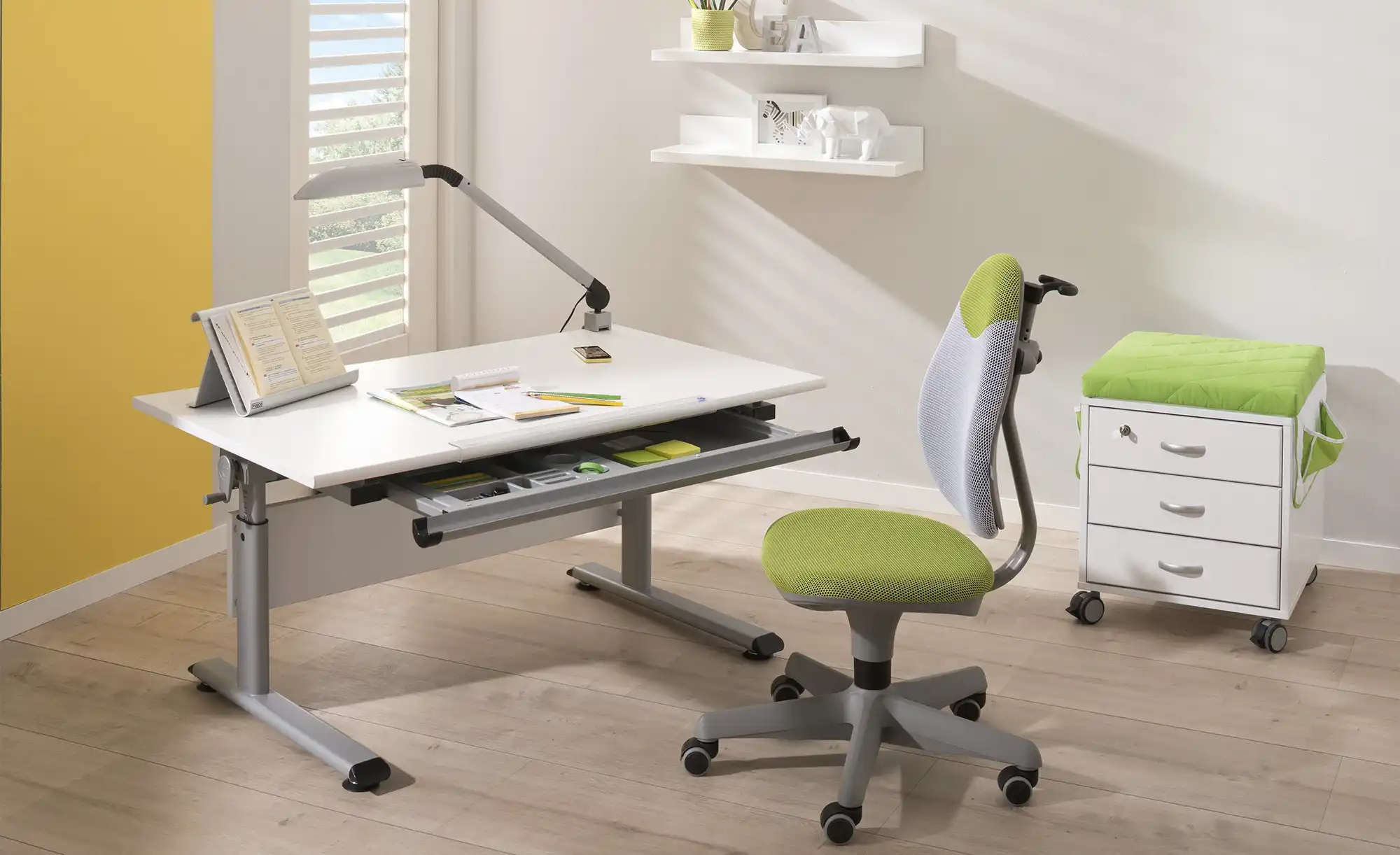
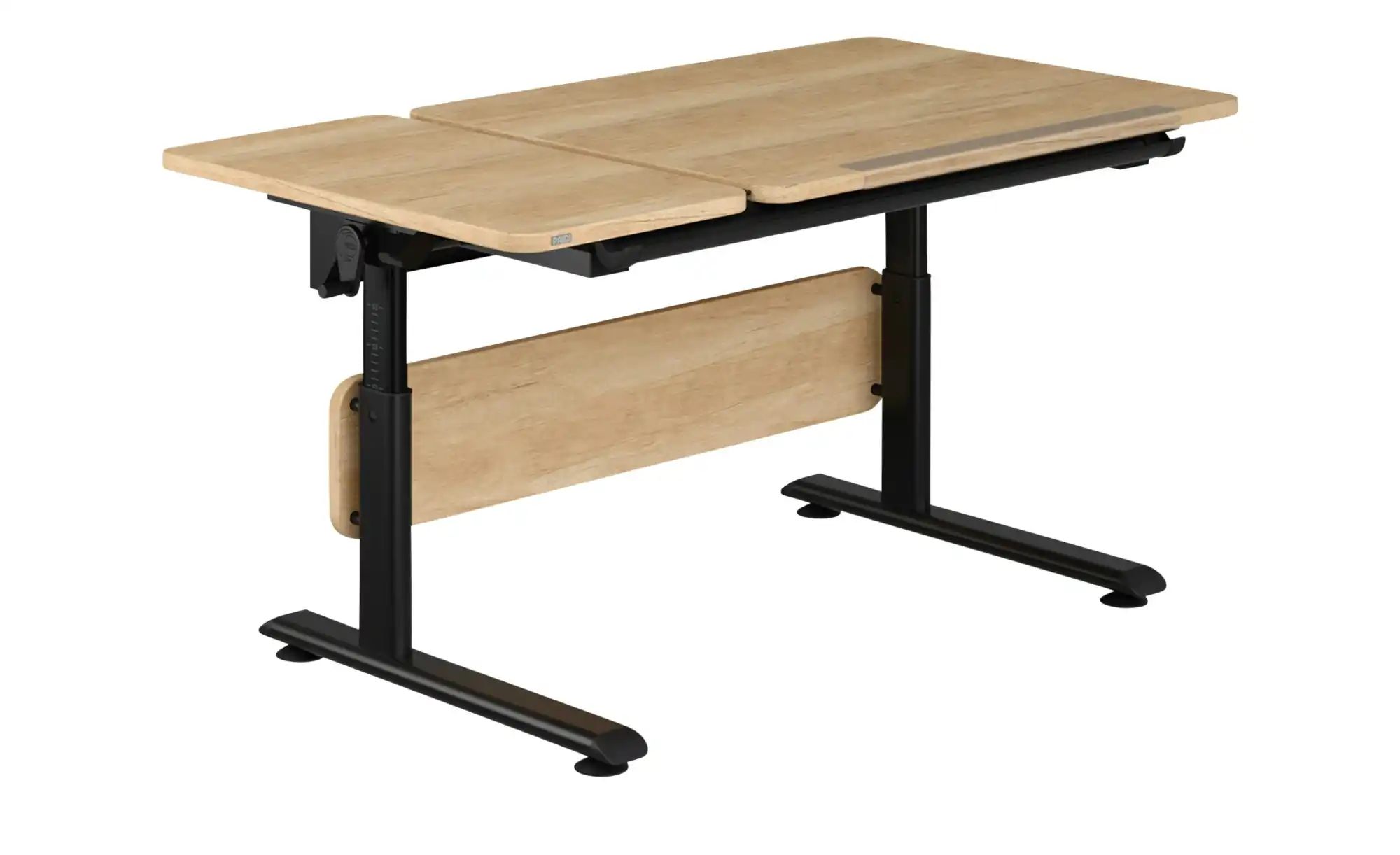
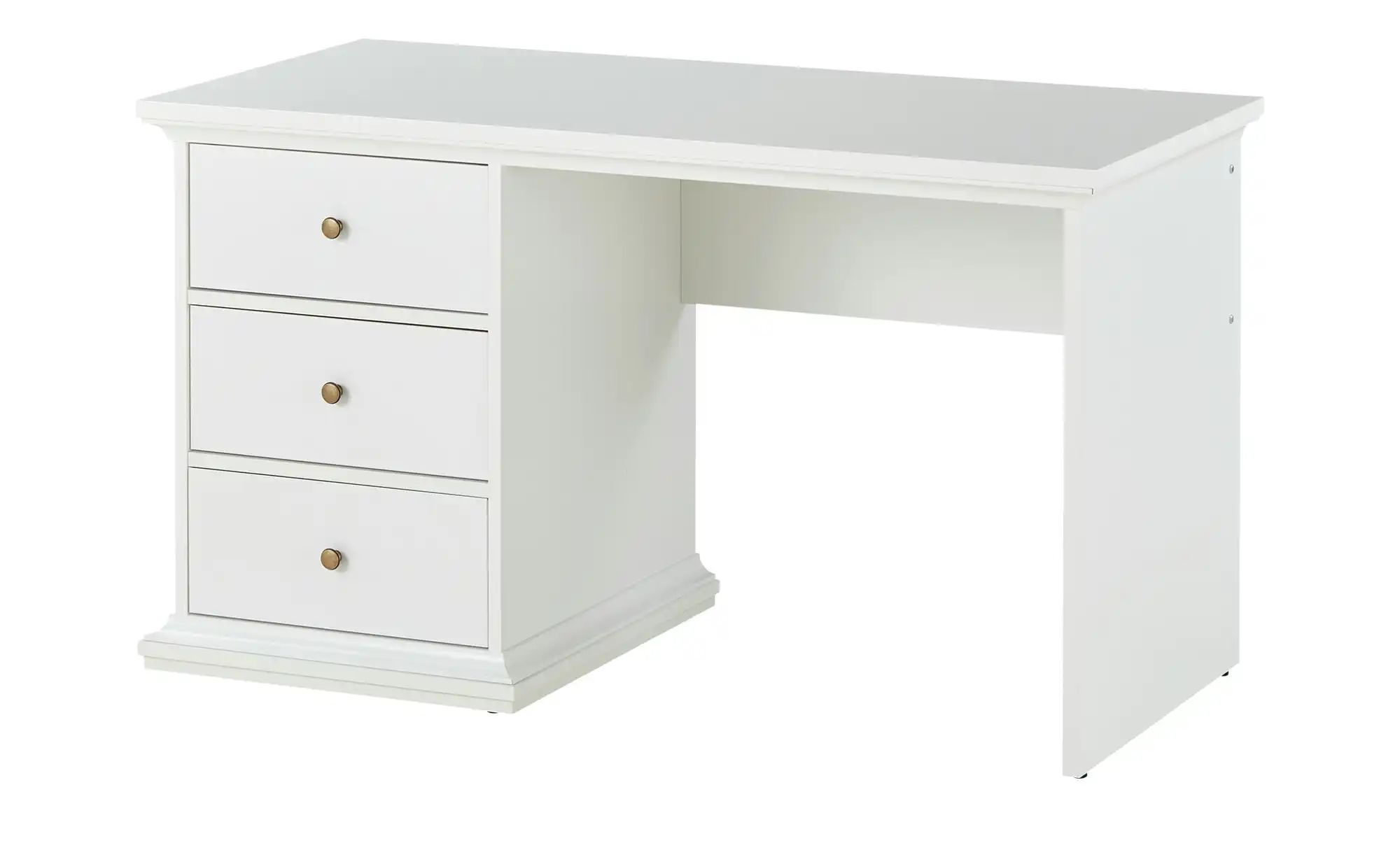
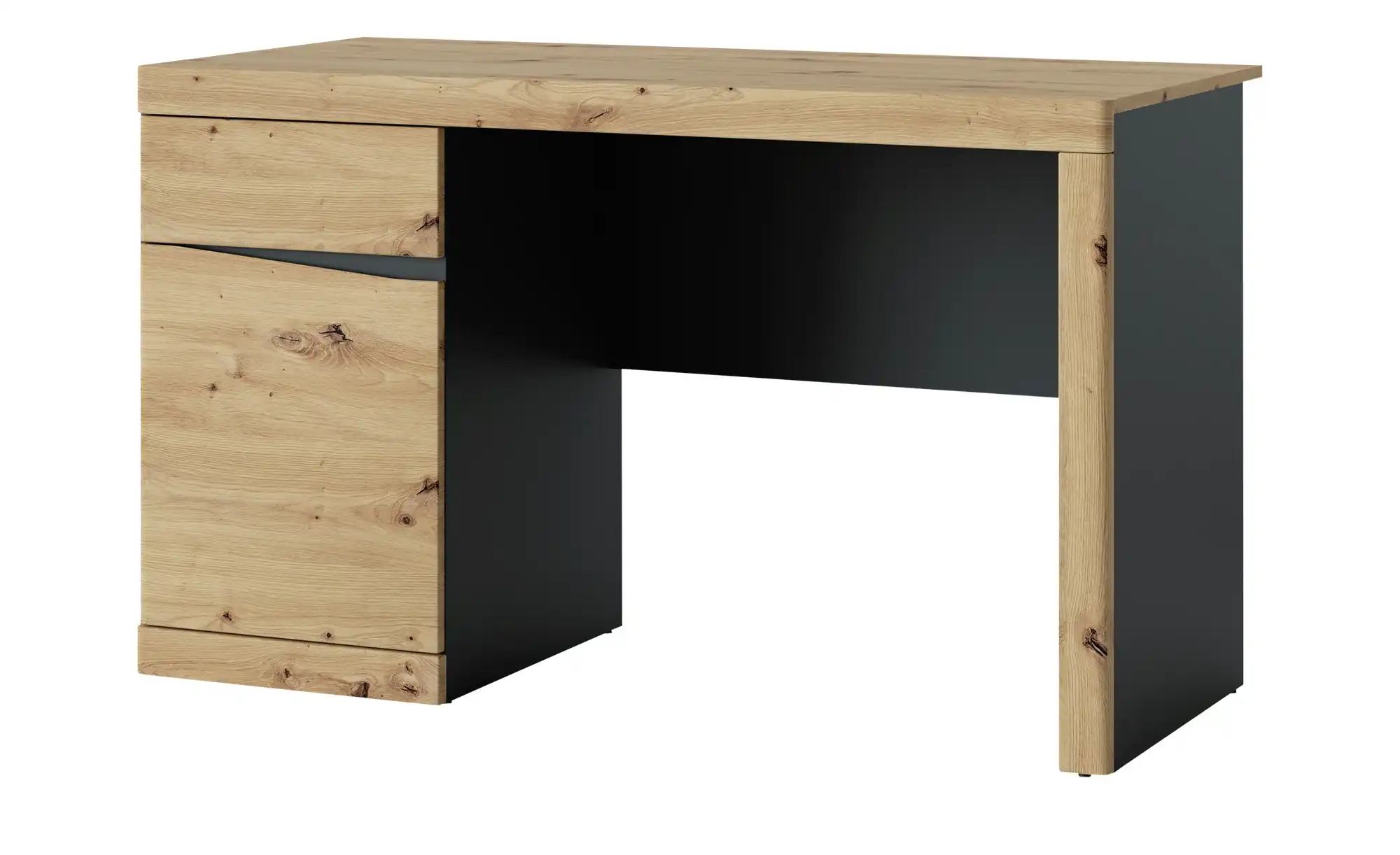
Desks
How to choose desks
Sub type
Sub type matters. Furniture lists hold decorative writing desks, Office Furniture holds task desks, choose by main use.
Material
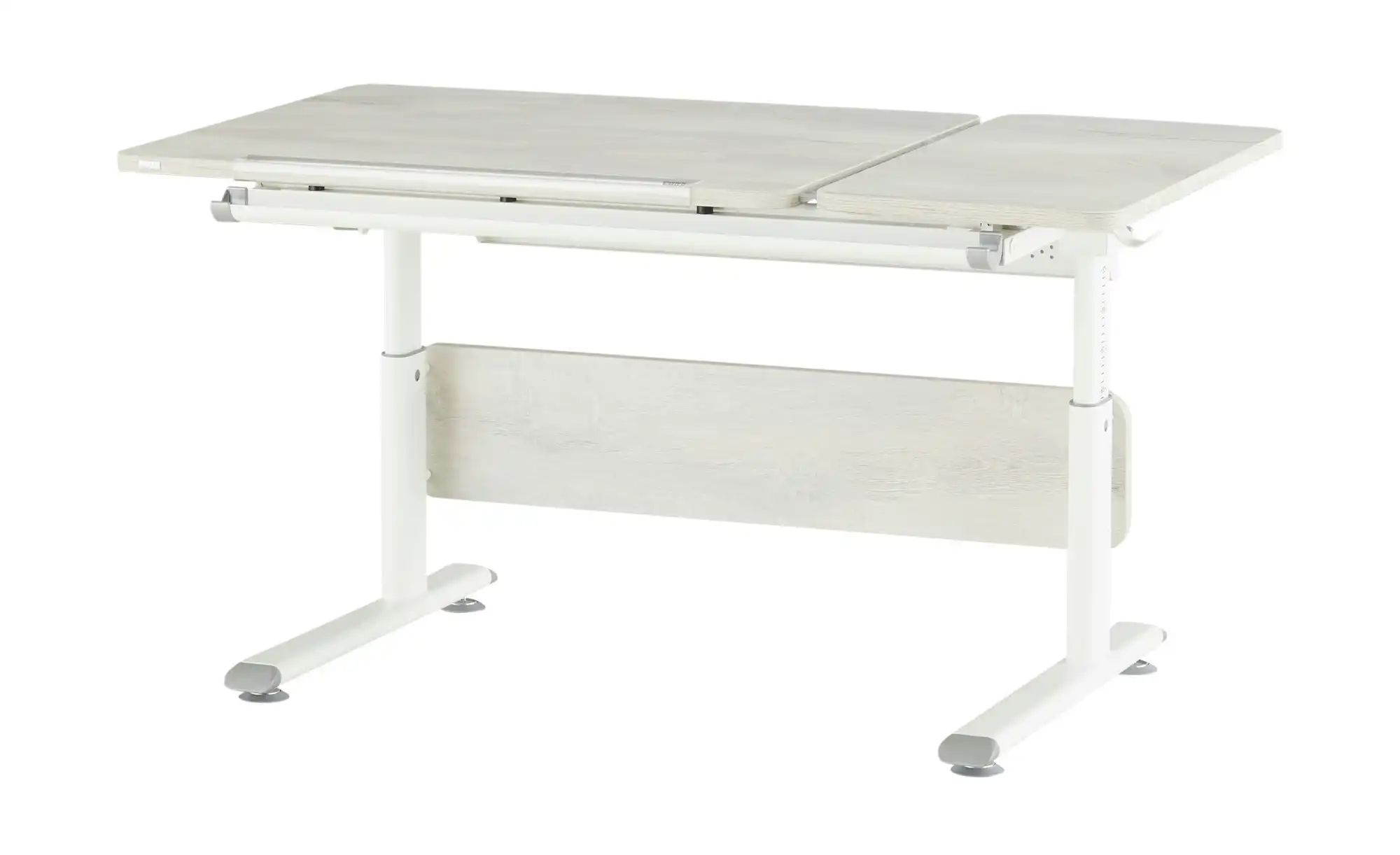
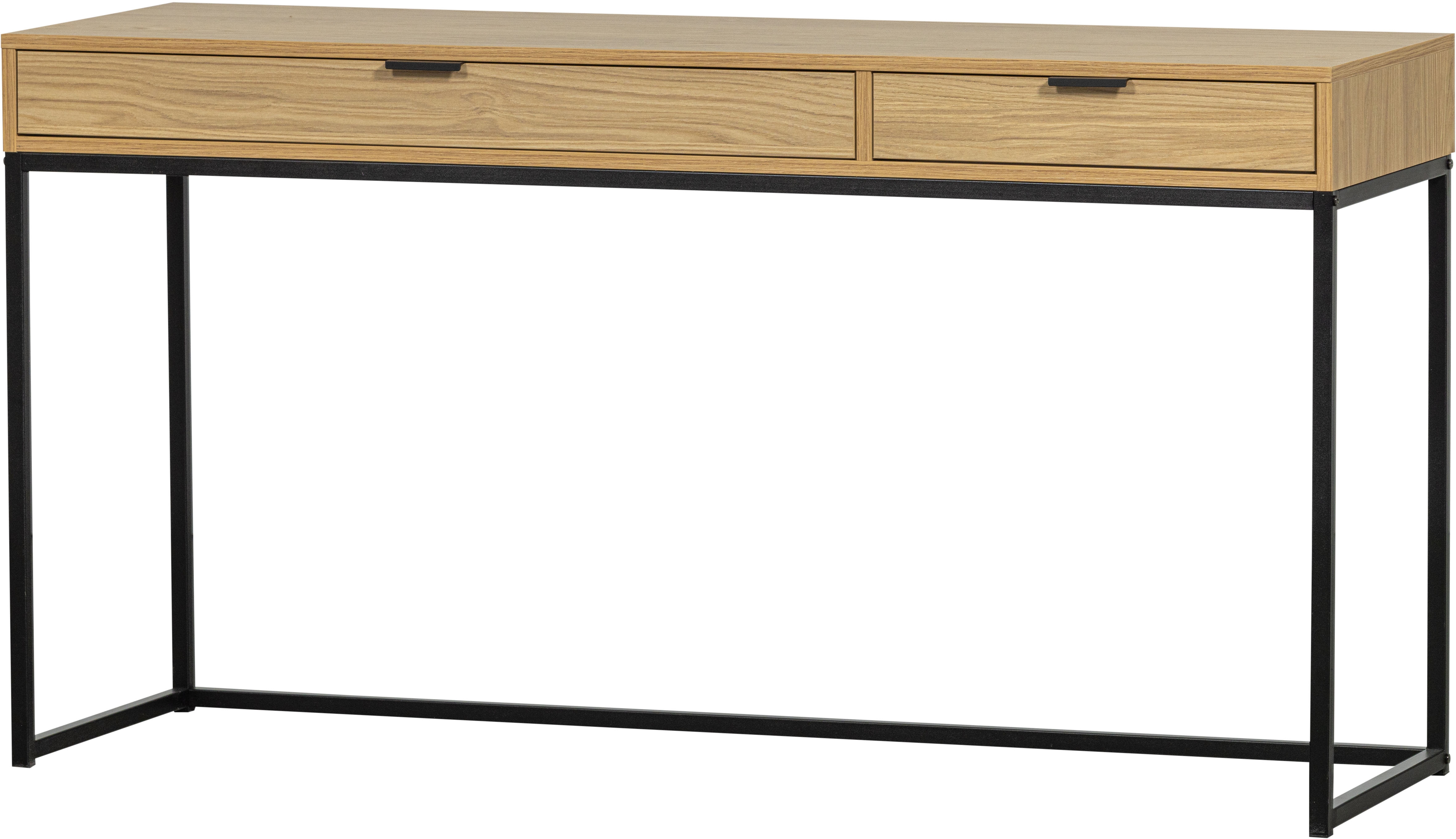
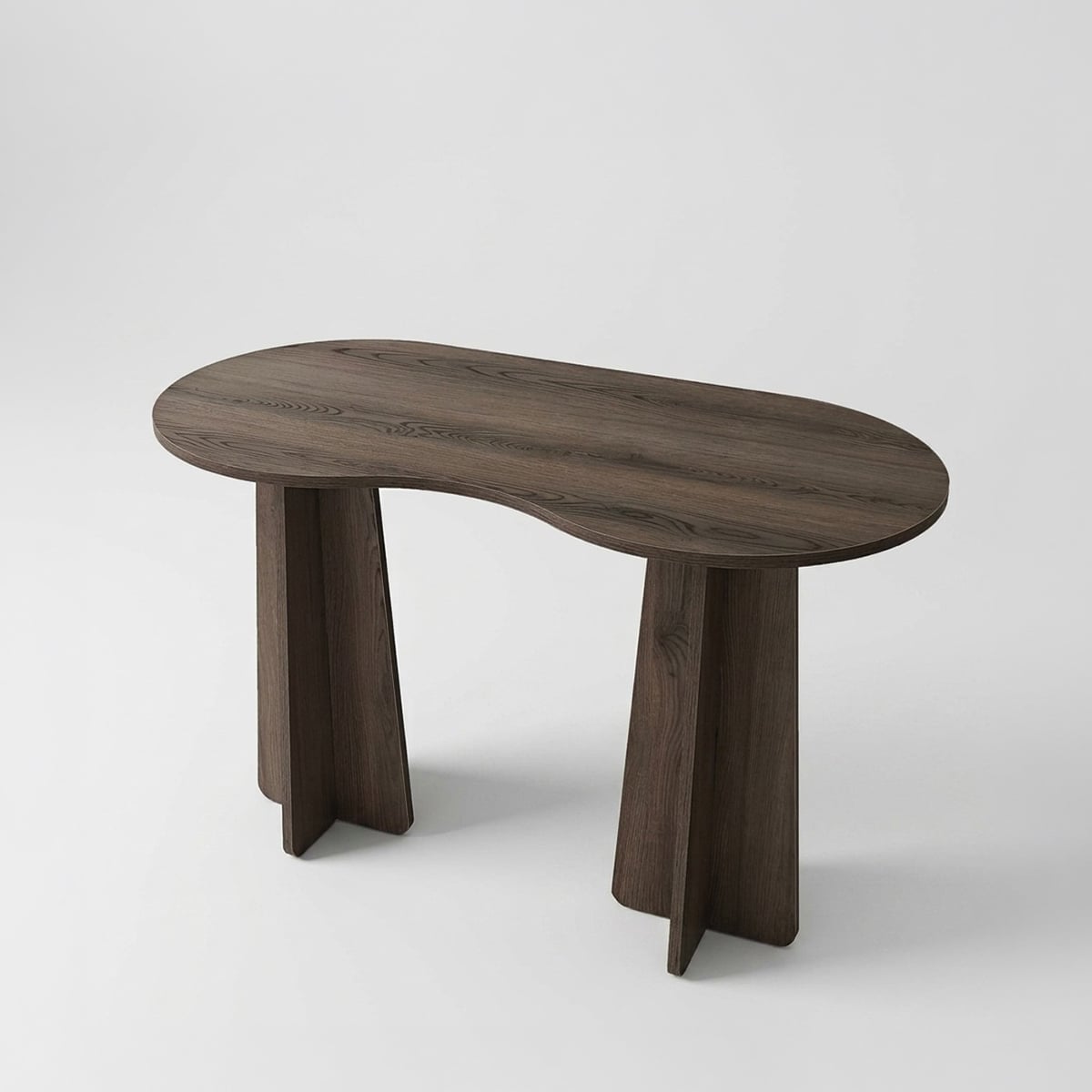
Material splits the range. Oak or solid wood lasts, melamine and chipboard save weight but show wear sooner.
Colour
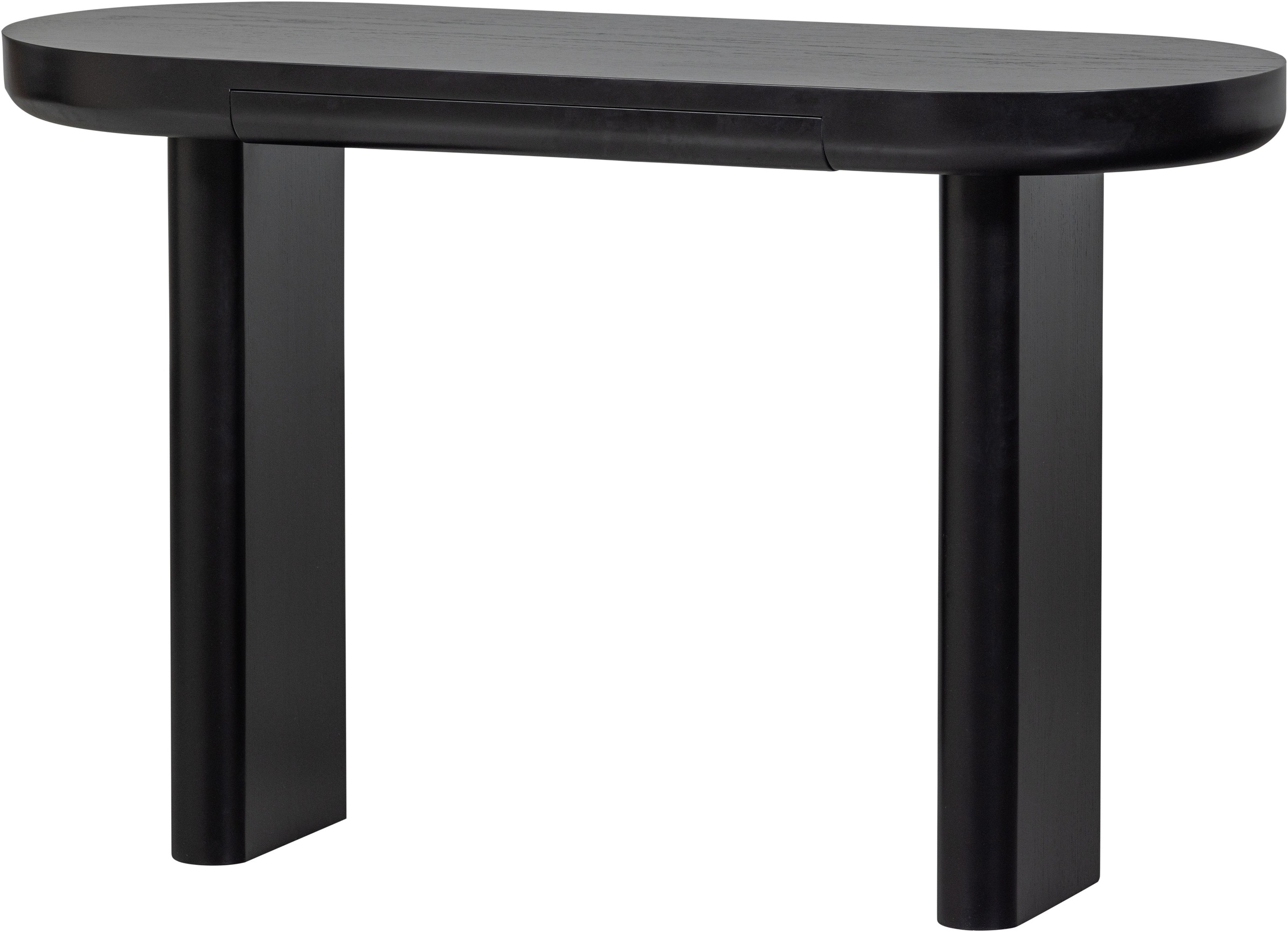
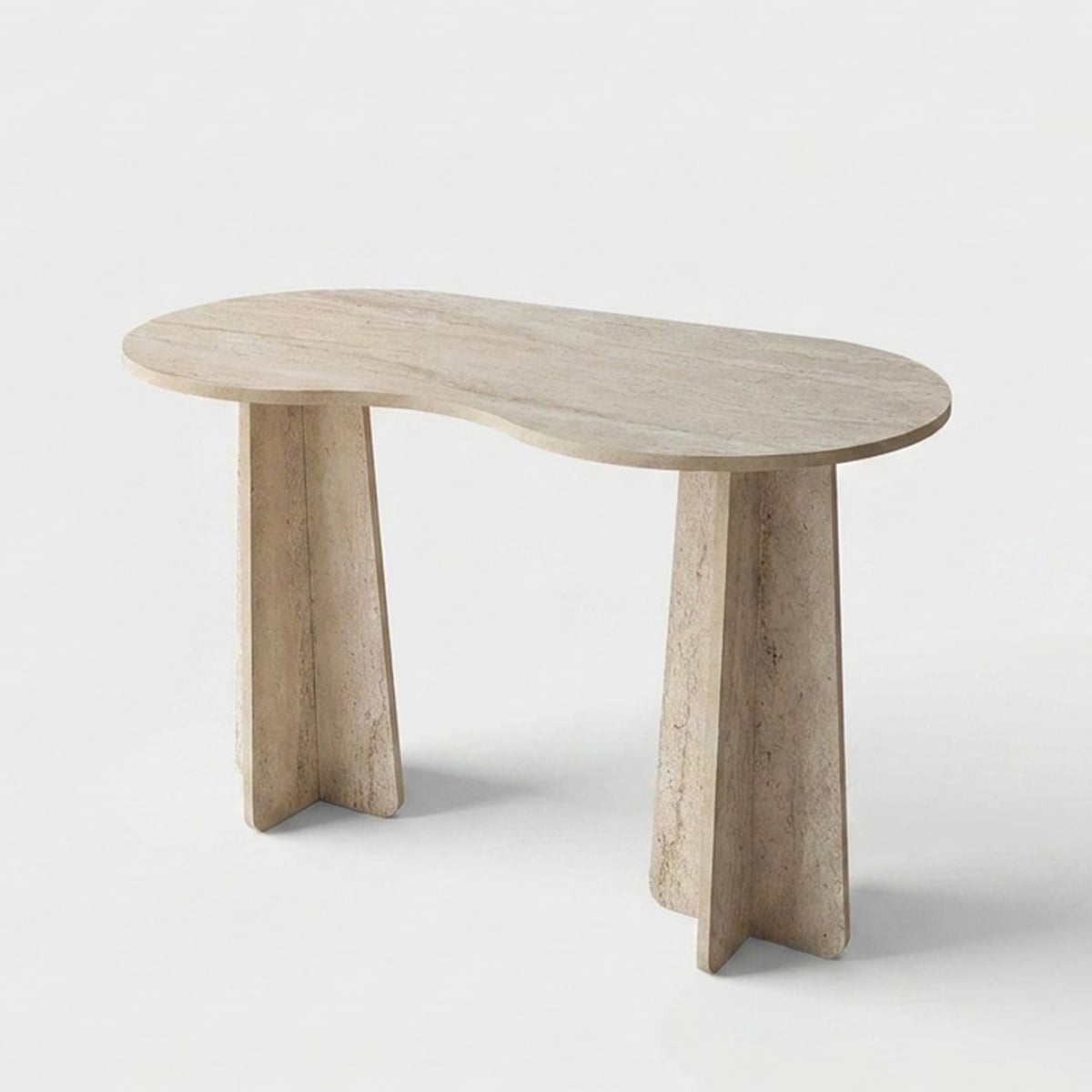
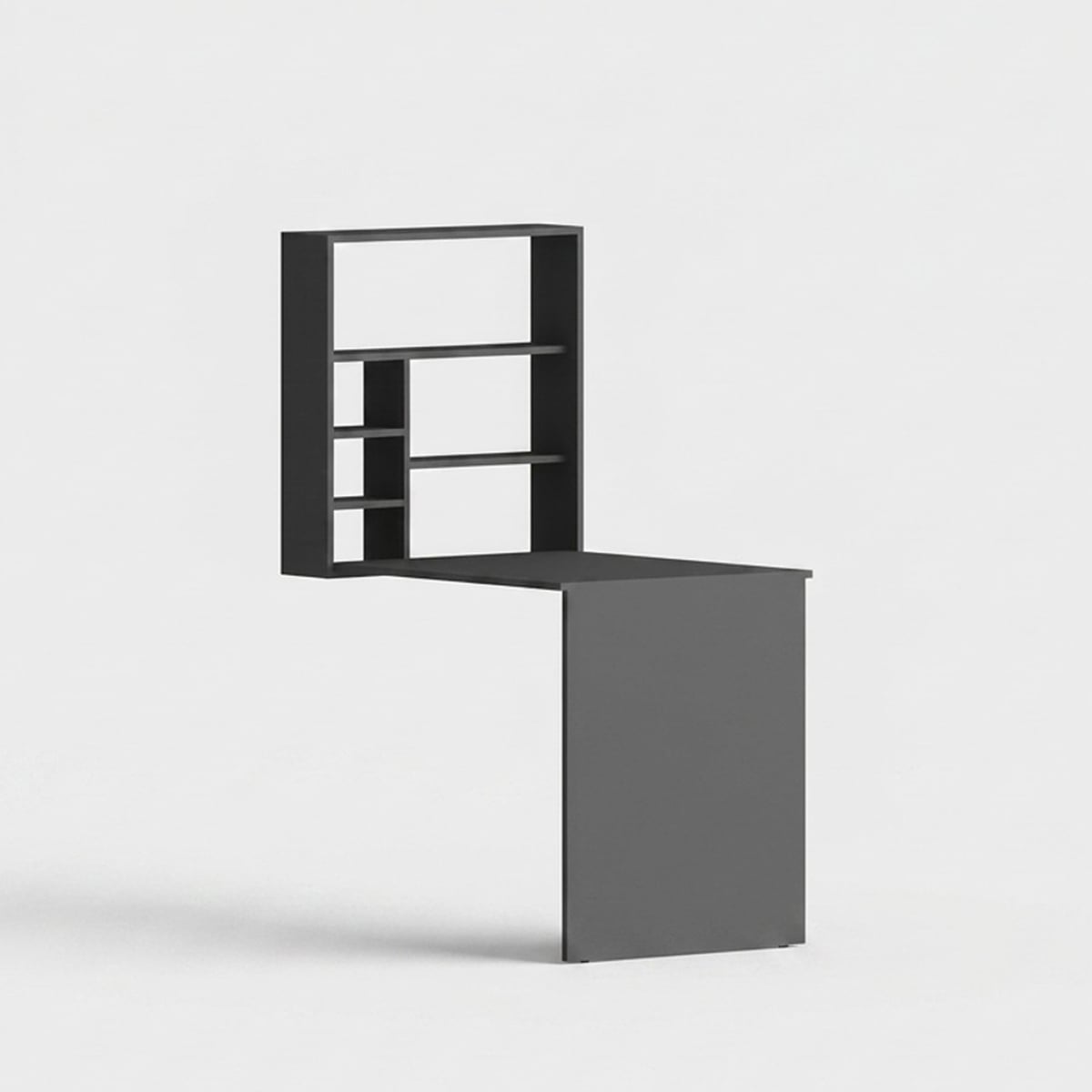
Colour sets the room tone. White, grey, and silver read modern, brown, natural, and beige suit classic spaces.
Size
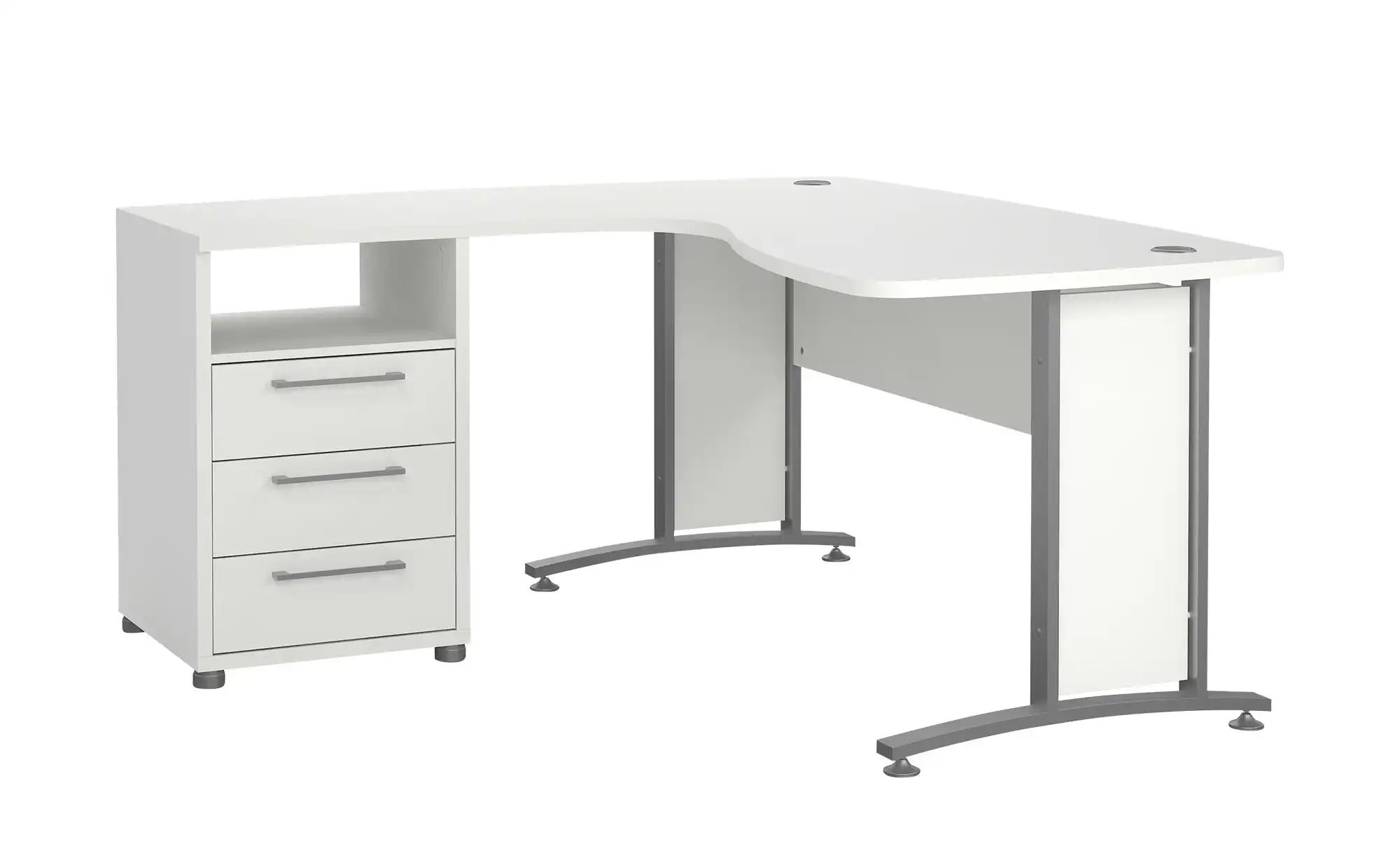
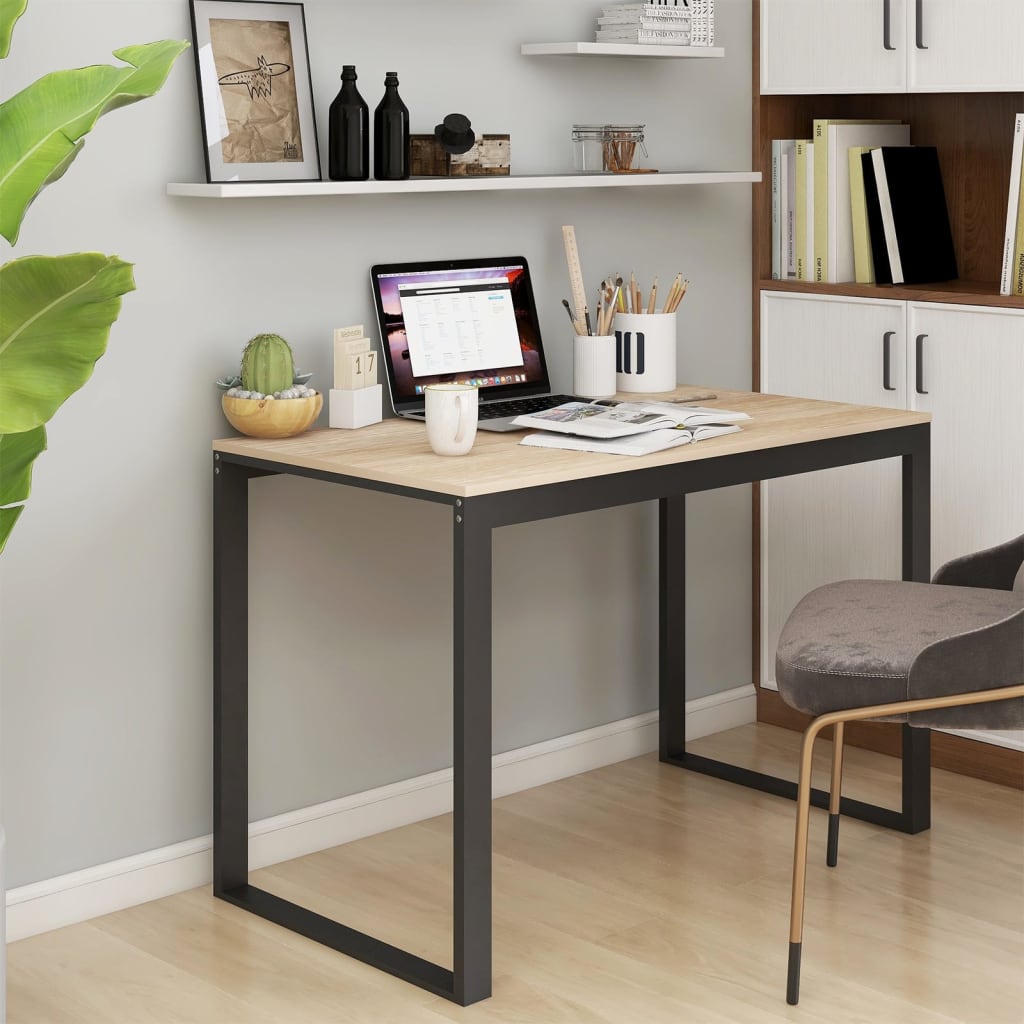
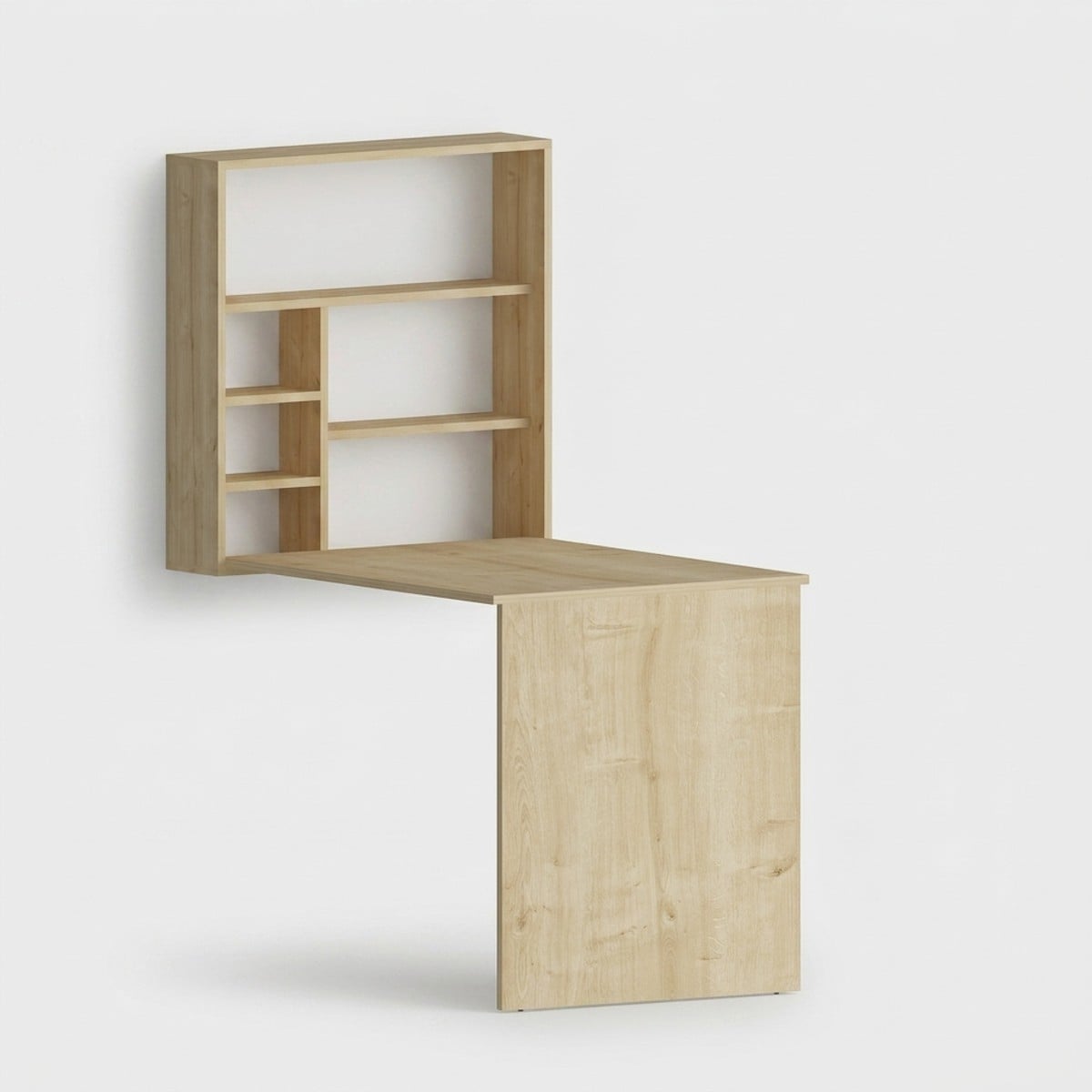
Size decides fit. Compact Scandinavian styles with hairpin legs suit small flats, full oak and steel workstations need a dedicated room.
Function
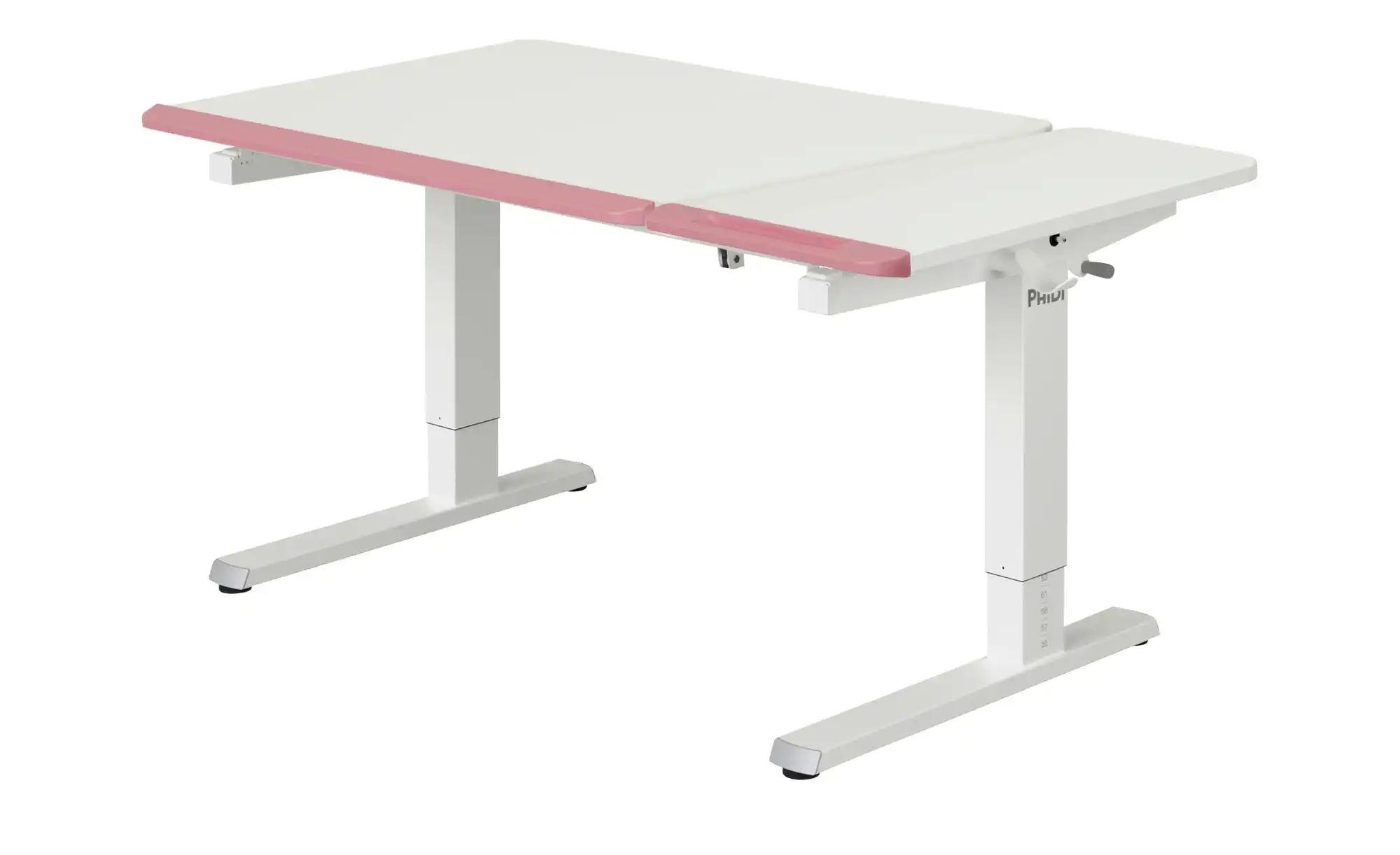
Function tests the type. Laptop tables and low coffee tables flex for casual use, proper computer desks support longer work.
What's good
- Solid wood and oak writing desks give a steady, flat surface that resists warping (useful for daily writing or laptop work).
- Compact desks with hairpin legs slip into tight corners, freeing floor space in flats.
- Melamine and chipboard computer desks weigh less, so one person can move them between rooms.
- Bespoke oak and steel workstations offer larger tops, fitting both a computer and a writing area.
- Miniature wooden desks meet collectors needing scale furniture for dolls or displays.
Things to watch
- Chipboard and melamine surfaces can swell if a drink spills and sits on the exposed edge.
- Hairpin leg compacts feel less planted than four legged wood desks on uneven floors.
- Plain writing desks often miss drawers or cable routes, poor for tower PCs.
- Oak and steel units are heavy, hard to shift without a second person.
- Low laptop tables that double as coffee tables cause a hunched pose during long typing.
Care & maintenance
Wood care
Dust oak and wood desks weekly, apply a clear wax once a year to protect the grain.
Board care
Wipe melamine or chipboard with a lightly damp cloth, then dry the edges to prevent swelling.
Metal care
Check metal and steel legs for scrapes, touch up with matching paint to stop rust.
Joint care
Tighten screws on wood and metal frames every few months to avoid wobble.
Frequently Asked Questions
What should I look for when buying desks?
When shopping for desks, consider factors such as quality, price, brand reputation, and customer reviews. Compare prices across multiple retailers to ensure you're getting the best deal. Look for products that match your specific needs and budget.
How do I choose the right desks?
Choosing the right desks depends on your individual needs, budget, and preferences. Research different options, read customer reviews, and compare specifications. Consider what features are most important to you and look for products that offer the best value for money.
Where can I find the best deals on desks?
You can find the best deals on desks by comparing prices across multiple retailers. Our price comparison tool helps you find the lowest prices from trusted UK retailers including Amazon, eBay, and other major online stores. Check regularly as prices and deals change frequently.
Are desks products worth the investment?
The value of desks products depends on your specific needs and how you plan to use them. Quality products from reputable brands often provide better long-term value, even if they cost more initially. Consider your budget and requirements when making your decision.
What's the difference between different types of desks?
Different types of desks vary in features, quality, price, and intended use. Some may offer premium features while others focus on affordability. Research the specific differences between models or brands to find the option that best suits your needs and budget.