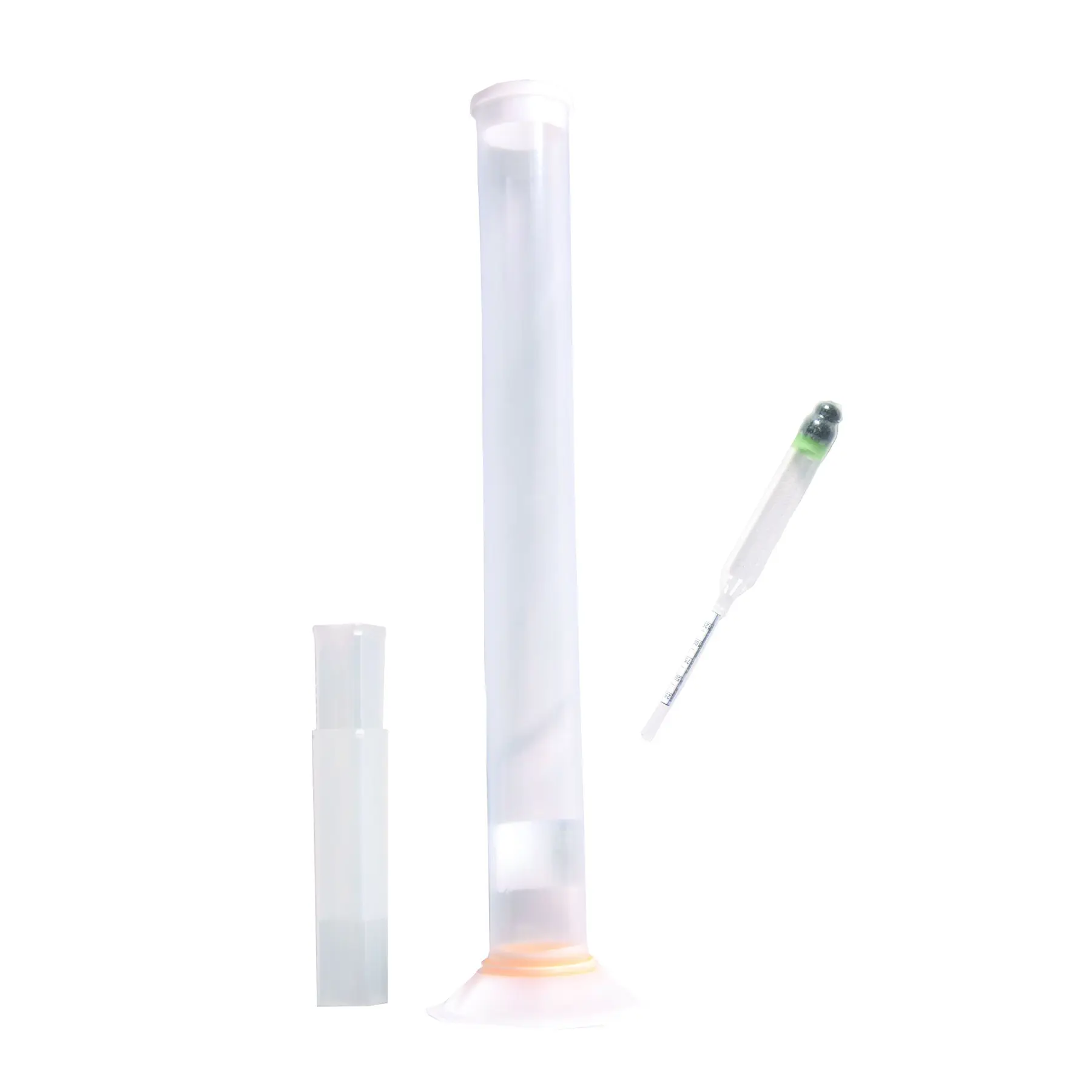
Test Tubes
How to choose test tubes
Sub-type
Choose sub-type first. Science & Laboratory fits experiments, Business & Industrial fits durable reuse, Laboratory Supplies fits disposable bulk needs.
Material
Material drives use case. Glass handles heat and chemicals, plastic is safer but less resistant, metal suits repeated mechanical use.
Colour
Colour matters. Transparent shows contents, amber or brown blocks light, bright colours help sorting.
Closure
Closure style affects seal. Screw caps shut tight, corks are simple but less leak-proof, open tubes need separate racks.
Shape
Wall thickness and bottom shape (round bottom appears in glass blowing types) change how tubes sit in racks or cope with heating.
What's good
- Plastic and polypropylene tubes in the Laboratory Supplies sub-type are light and shatterproof, good for classrooms or storage.
- Glass tubes within Science & Laboratory, including thick-wall types, take direct heat for bending or sterilising.
- The colour range spans transparent, amber, brown and bright shades, so you can block light or colour-code samples.
- Metal choices such as stainless steel or aluminium under Business & Industrial give reusable vessels that survive rough handling.
Things to watch
- Glass breaks on impact, so it is wrong for kids' party favours or outdoor field kits.
- Thin plastic tubes can warp near heat, limiting them to cold or room-temperature tasks.
- Bulk glass packs with hundreds of pieces are heavy and need careful shelving to avoid breakage.
- Mixed-material tubes (plastic/rubber or polypropylene/polyester/gold) are harder to recycle after use.
Care & maintenance
Glass care
Rinse glass tubes soon after use to stop residues baking on, and avoid sudden temperature shifts.
Cap checks
Check plastic screw caps for cracks, and replace if the seal looks worn.
Metal care
Wipe metal tubes dry after washing to prevent spotting or corrosion.
Stopper storage
Store cork or clear stoppers in a dry box so they do not absorb moisture.
Frequently Asked Questions
What should I look for when buying test tubes?
When shopping for test tubes, consider factors such as quality, price, brand reputation, and customer reviews. Compare prices across multiple retailers to ensure you're getting the best deal. Look for products that match your specific needs and budget.
How do I choose the right test tubes?
Choosing the right test tubes depends on your individual needs, budget, and preferences. Research different options, read customer reviews, and compare specifications. Consider what features are most important to you and look for products that offer the best value for money.
Where can I find the best deals on test tubes?
You can find the best deals on test tubes by comparing prices across multiple retailers. Our price comparison tool helps you find the lowest prices from trusted UK retailers including Amazon, eBay, and other major online stores. Check regularly as prices and deals change frequently.
Are test tubes products worth the investment?
The value of test tubes products depends on your specific needs and how you plan to use them. Quality products from reputable brands often provide better long-term value, even if they cost more initially. Consider your budget and requirements when making your decision.
What's the difference between different types of test tubes?
Different types of test tubes vary in features, quality, price, and intended use. Some may offer premium features while others focus on affordability. Research the specific differences between models or brands to find the option that best suits your needs and budget.