Bird Treats
How to choose bird treats
Pet vs wild
Decide if you feed caged pets or garden birds, as Bird Supplies includes pet treats like mineral sticks and wild options like suet sticks.
Material
Pick material by location: coconut and jute suit natural gardens, while plastic or metal/coconut survive longer on exposed fences.
Colour
Check colour choices such as red, blue/coal, or orange/yellow/white to match existing feeders, though peanut-toned treats signal content rather than hue.
Pack size
Choose pack size wisely: single mineral sticks suit trial, while multipacks of suet sticks or coconut halves keep feeders full with less restocking.
Species match
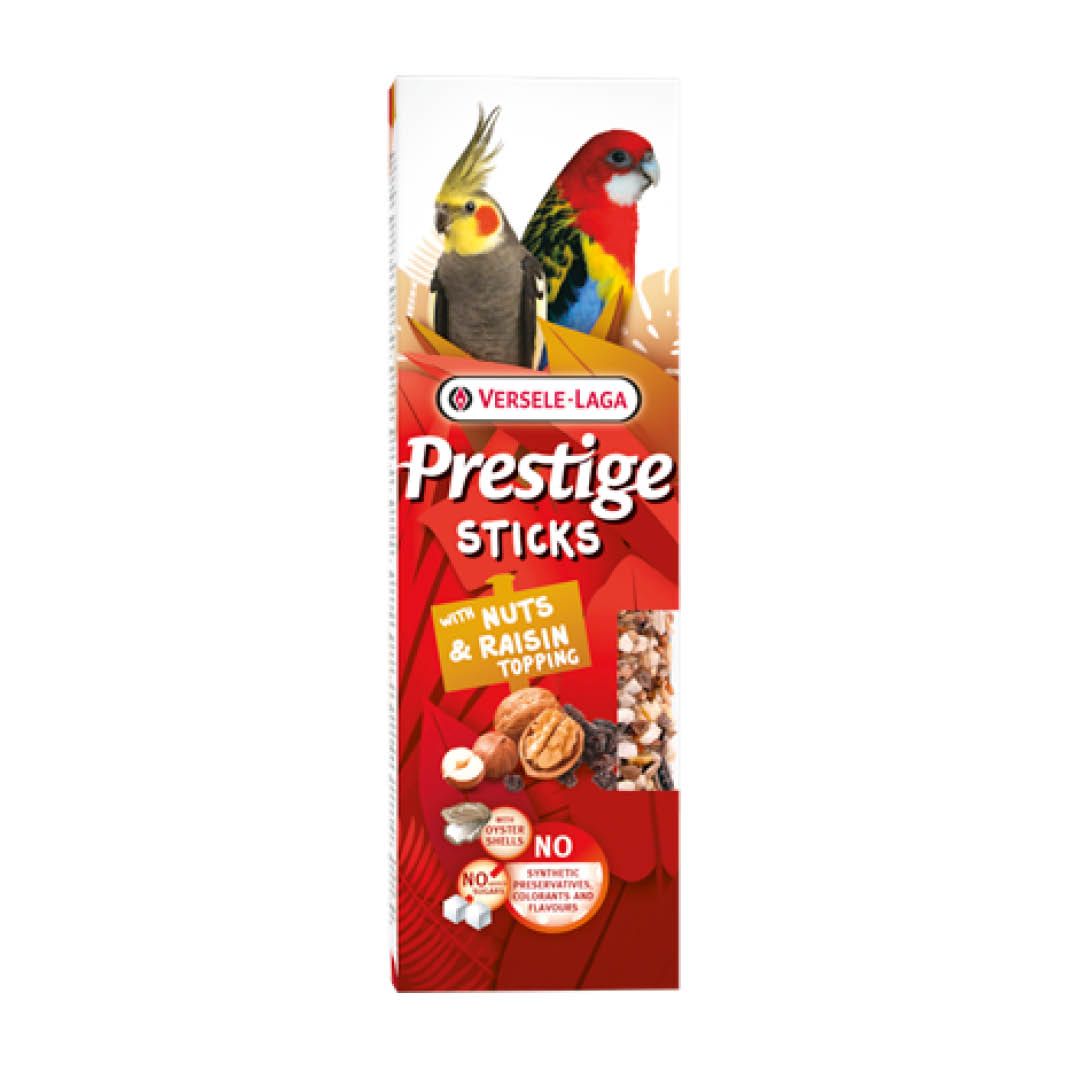
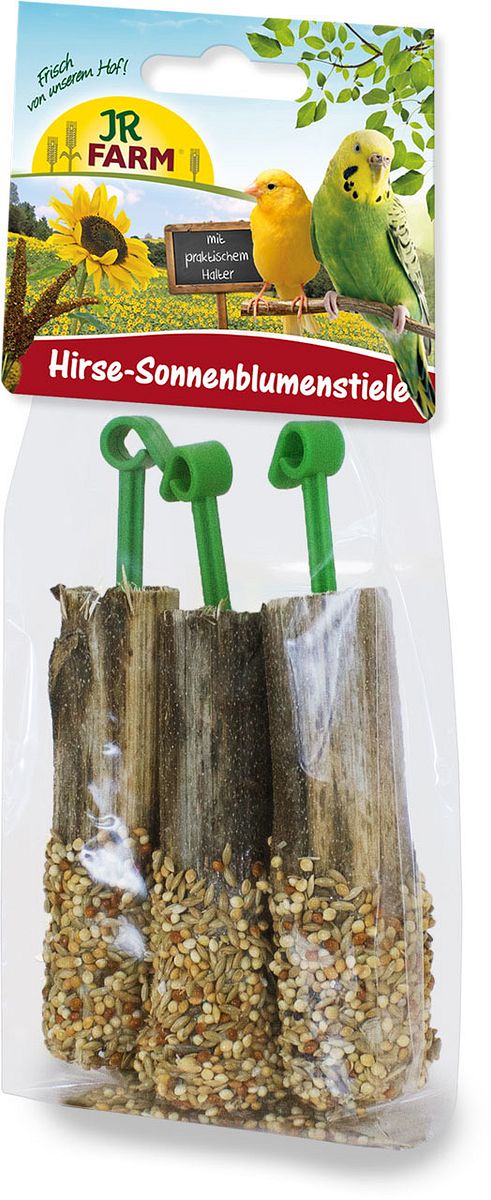
Match treat shape to species: wood or plastic based fruit sticks fit cockatiels, whereas coconut halves and fat balls attract wild birds.
What's good
- Mineral sticks give caged birds a calcium source and a surface to wear beaks.
- No-net fat balls remove the risk of wild birds tangling in mesh, though you supply a feeder.
- Suet sticks in sunflower seed or hearts pack energy into a hanging format that fits standard feeders.
- Coconut halves with jute hangers offer a natural look and a refillable shell for peanut treats.
- Fruit and kracker sticks bring varied flavours for pet birds such as cockatiels.
Things to watch
- Mineral sticks are tiny, single items, so they only suit indoor cages, not garden feeding.
- No-net fat balls need a separate holder, adding a step before you can hang them.
- Plastic suet stick holders are lighter than metal/coconut but may crack in frost.
- Coconut and jute treats break down in rain, so they demand more frequent swaps than plastic or metal.
- Fruit sticks target specific pet birds, making them wrong for wild visitors or other animals.
Care & maintenance
Clean holders
Wipe plastic or metal/coconut suet holders after each refill to stop old fat going mouldy.
Replace natural parts
Swap jute and coconut pieces once they look soft or frayed from weather.
Store dry
Keep spare mineral sticks and fat balls in a cool, dry cupboard to preserve freshness.
Check wood
Inspect wooden fruit sticks for splinters before giving them to pet birds.
Frequently Asked Questions
What should I look for when buying bird treats?
When shopping for bird treats, consider factors such as quality, price, brand reputation, and customer reviews. Compare prices across multiple retailers to ensure you're getting the best deal. Look for products that match your specific needs and budget.
How do I choose the right bird treats?
Choosing the right bird treats depends on your individual needs, budget, and preferences. Research different options, read customer reviews, and compare specifications. Consider what features are most important to you and look for products that offer the best value for money.
Where can I find the best deals on bird treats?
You can find the best deals on bird treats by comparing prices across multiple retailers. Our price comparison tool helps you find the lowest prices from trusted UK retailers including Amazon, eBay, and other major online stores. Check regularly as prices and deals change frequently.
Are bird treats products worth the investment?
The value of bird treats products depends on your specific needs and how you plan to use them. Quality products from reputable brands often provide better long-term value, even if they cost more initially. Consider your budget and requirements when making your decision.
What's the difference between different types of bird treats?
Different types of bird treats vary in features, quality, price, and intended use. Some may offer premium features while others focus on affordability. Research the specific differences between models or brands to find the option that best suits your needs and budget.