Casters
How to choose casters
Mobility style
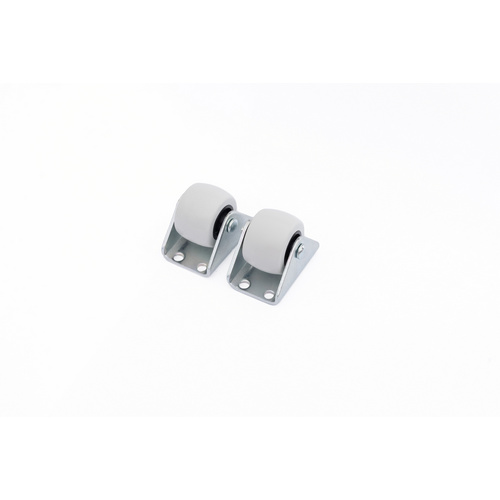
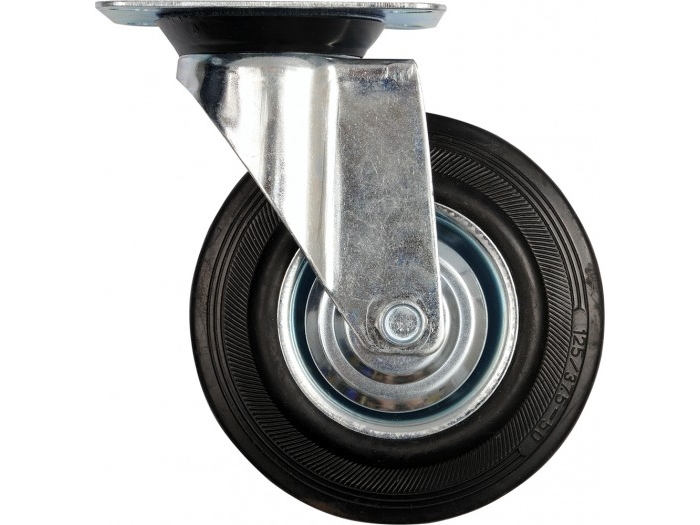
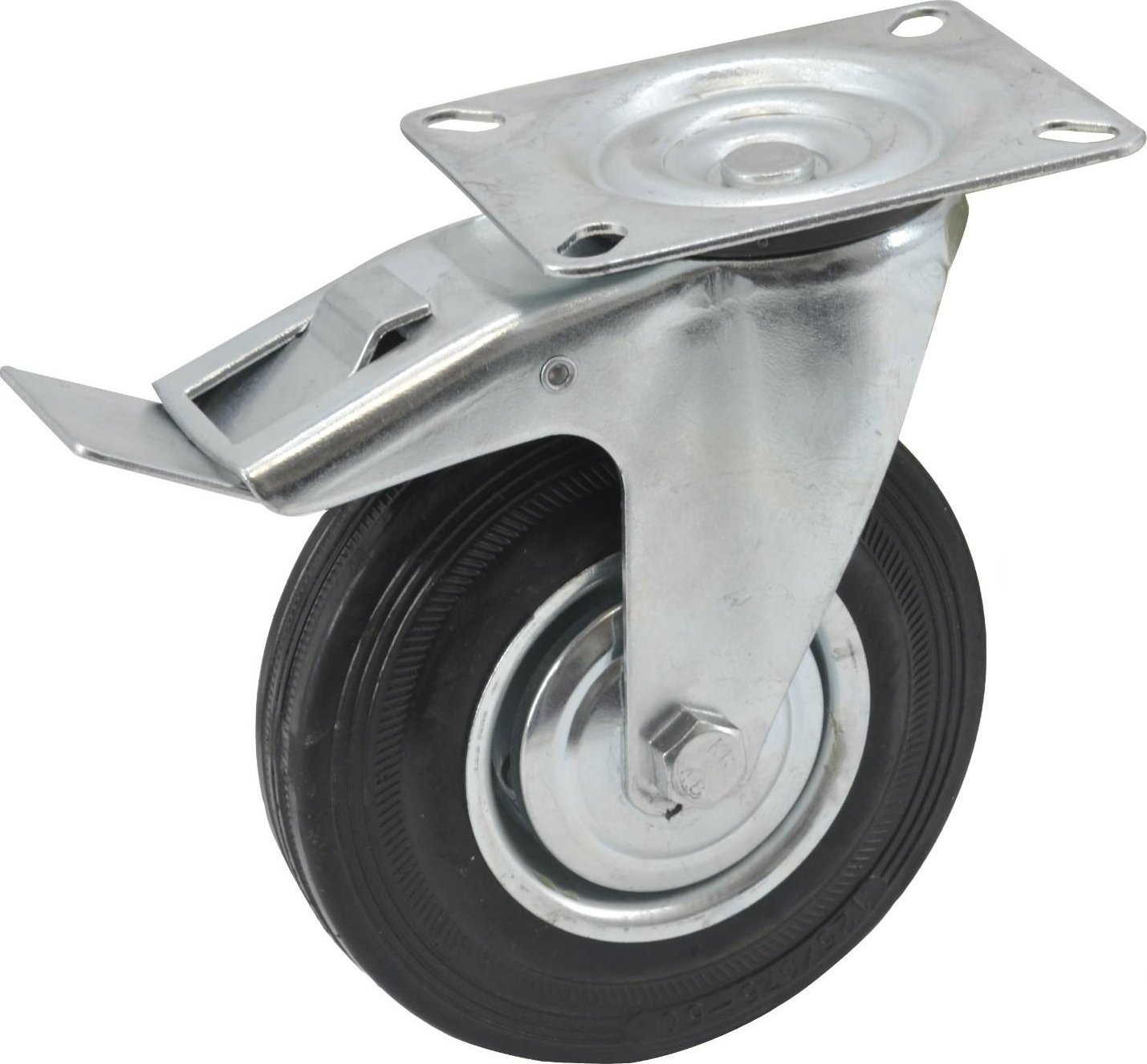
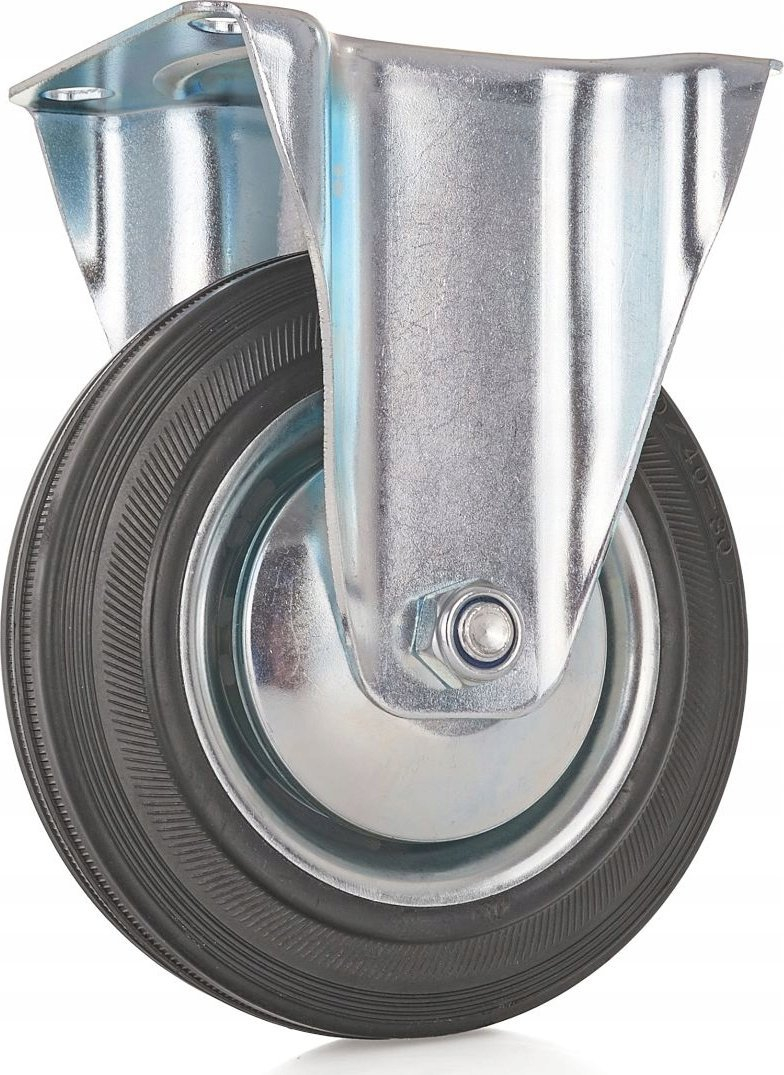
Choose between swivel and fixed castors. Swivel suits moving in tight rooms, fixed suits straight trolley tracks.
Wheel material
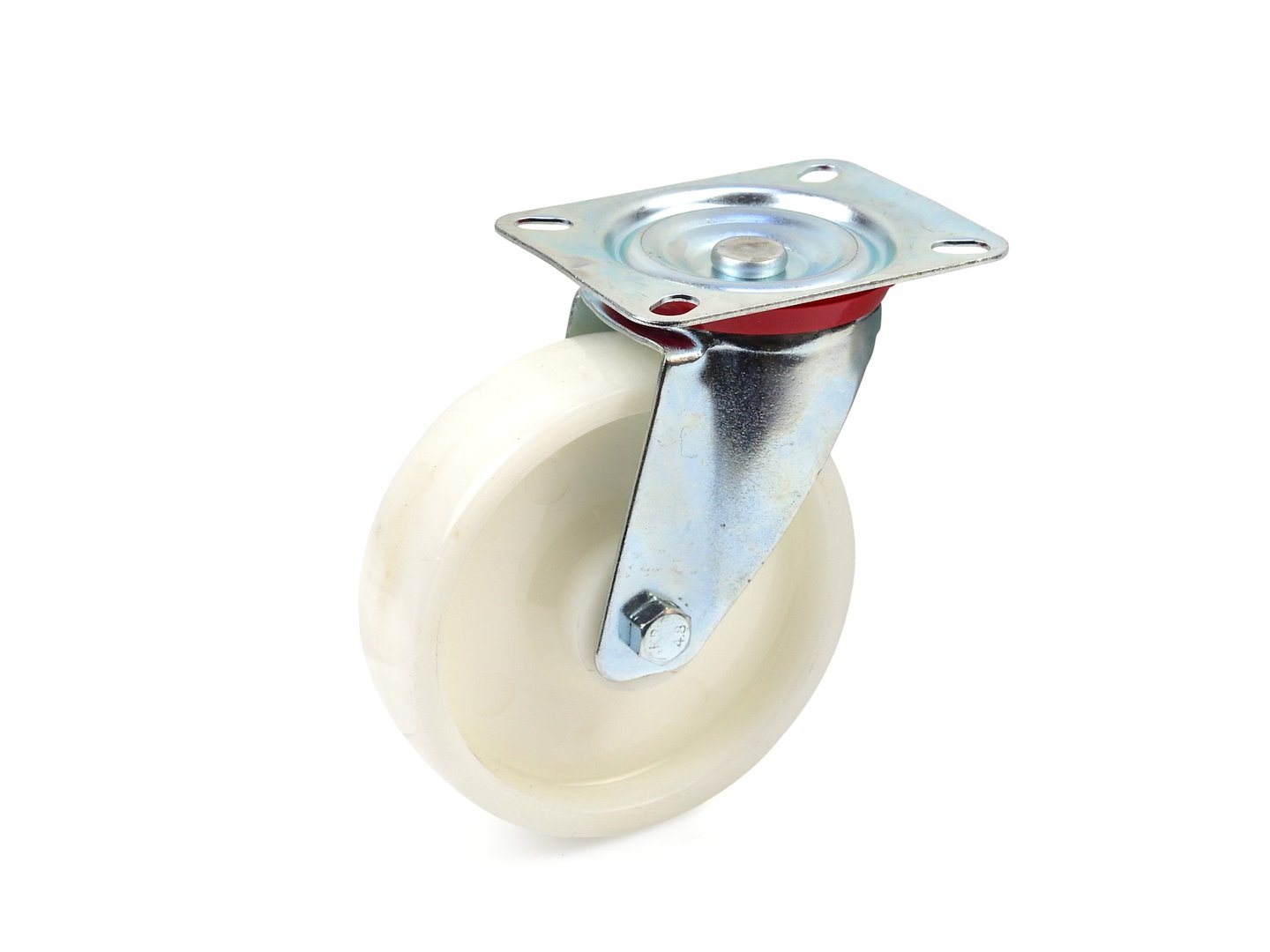
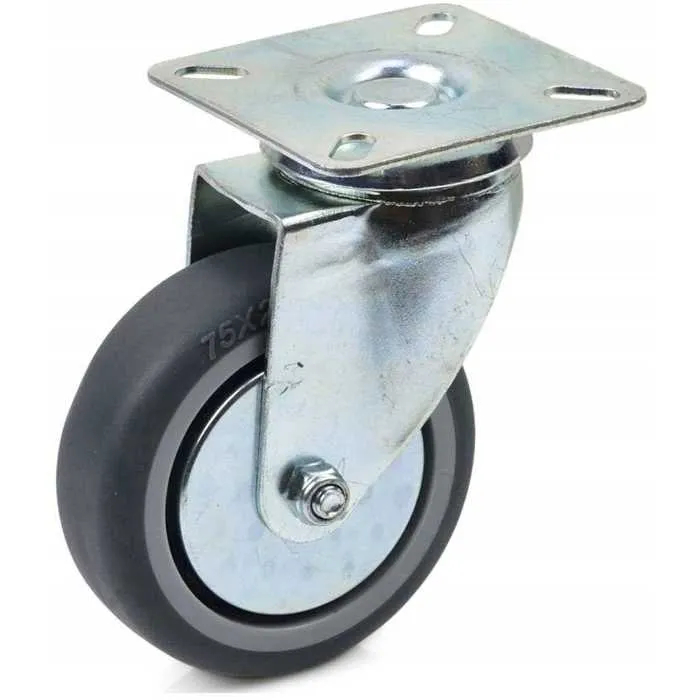
Pick material by floor type. Rubber or polyurethane for delicate floors, steel for rough concrete and high loads.
Part shape
Select sub-type: a full Castors wheel, a Hardware Accessories push-in socket, or Hardware like a wooden leg with integrated antique castor.
Brake need
Decide if you need brakes. Braked castors secure beds and carts, non-braked keep light chairs simple.
Look
Match colour and finish. Black, grey, or silver for modern pieces, brown or bronze for vintage styles.
What's good
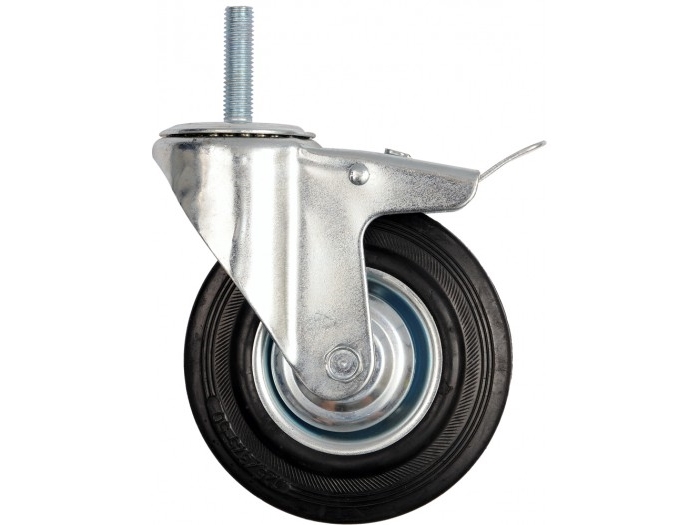
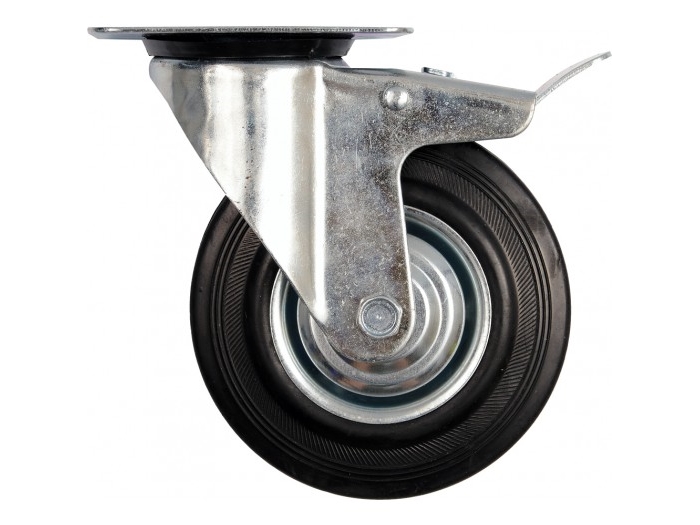
- Swivel castors with brakes let you shift heavy loads, then lock them in place. This suits trolleys and beds in busy rooms.
- Rubber and polyurethane tyres roll quietly and spare wooden floors from marks that steel or plastic might cause.
- Wood or bronze finished castors under Hardware or Hardware Accessories blend with period furniture, keeping a retro look while adding movement.
- Steel and stainless steel framed castors carry far heavier weights than nylon or plastic, fitting workshop use over light home chairs.
Things to watch
- Fixed castors track only straight lines. They are wrong for tight spaces where a swivel type turns corners.
- Soft rubber or polyurethane treads can gather debris and wear quicker on rough ground than all-metal wheels.
- Push-in grip neck castors need a matching socket. They will not suit furniture without pre-drilled holes.
- Heavy duty steel swivel castors with brakes add mass and complexity compared to a simple plastic wheel, which is overkill for a lightweight stool.
- Vintage wooden or bronze types prioritise appearance and may hold lower loads than modern metal castors.
Care & maintenance
Dry metal
Wipe steel and stainless steel castors with a dry cloth to prevent rust, especially in damp sheds.
Test brakes
Check brake levers on braked swivel castors now and then to confirm they still engage.
Clean treads
Clear hair and grit from rubber or polyurethane tyres to keep the roll smooth.
Secure fittings
Tighten grip neck fittings in wooden legs so castors do not work loose.
Frequently Asked Questions
What should I look for when buying casters?
When shopping for casters, consider factors such as quality, price, brand reputation, and customer reviews. Compare prices across multiple retailers to ensure you're getting the best deal. Look for products that match your specific needs and budget.
How do I choose the right casters?
Choosing the right casters depends on your individual needs, budget, and preferences. Research different options, read customer reviews, and compare specifications. Consider what features are most important to you and look for products that offer the best value for money.
Where can I find the best deals on casters?
You can find the best deals on casters by comparing prices across multiple retailers. Our price comparison tool helps you find the lowest prices from trusted UK retailers including Amazon, eBay, and other major online stores. Check regularly as prices and deals change frequently.
Are casters products worth the investment?
The value of casters products depends on your specific needs and how you plan to use them. Quality products from reputable brands often provide better long-term value, even if they cost more initially. Consider your budget and requirements when making your decision.
What's the difference between different types of casters?
Different types of casters vary in features, quality, price, and intended use. Some may offer premium features while others focus on affordability. Research the specific differences between models or brands to find the option that best suits your needs and budget.