Anemometers
How to choose anemometers
Considerations
Pick the sub-type first: Tools for hand checks, Measuring Tools & Sensors for fixed reads, Hardware for loose parts.
Considerations
Weigh material against use. Plastic carries easy, aluminium and steel hold up outside.
Considerations
Decide if you need a built-in screen. Digital handhelds show speed, bare sensors output only.
Considerations
Colour has a job. Orange or red stands out on a busy site, white/gray stays subtle.
Considerations
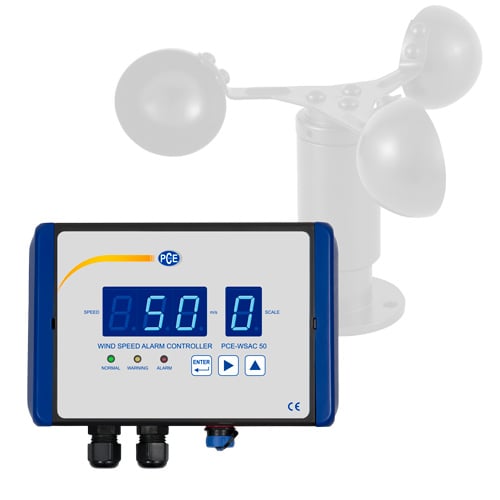
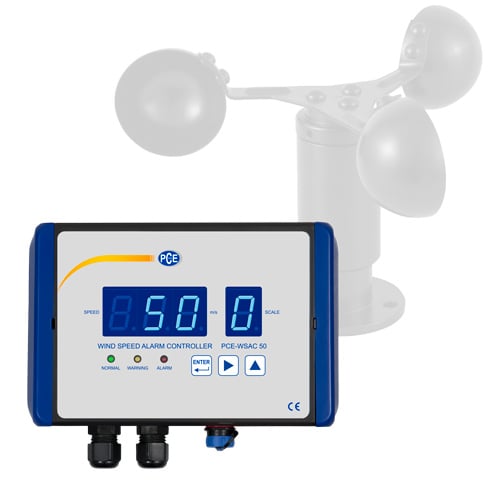
Cable reach matters on compact monitors. Around 0.8m sets how far the sensor sits from the box.
What's good
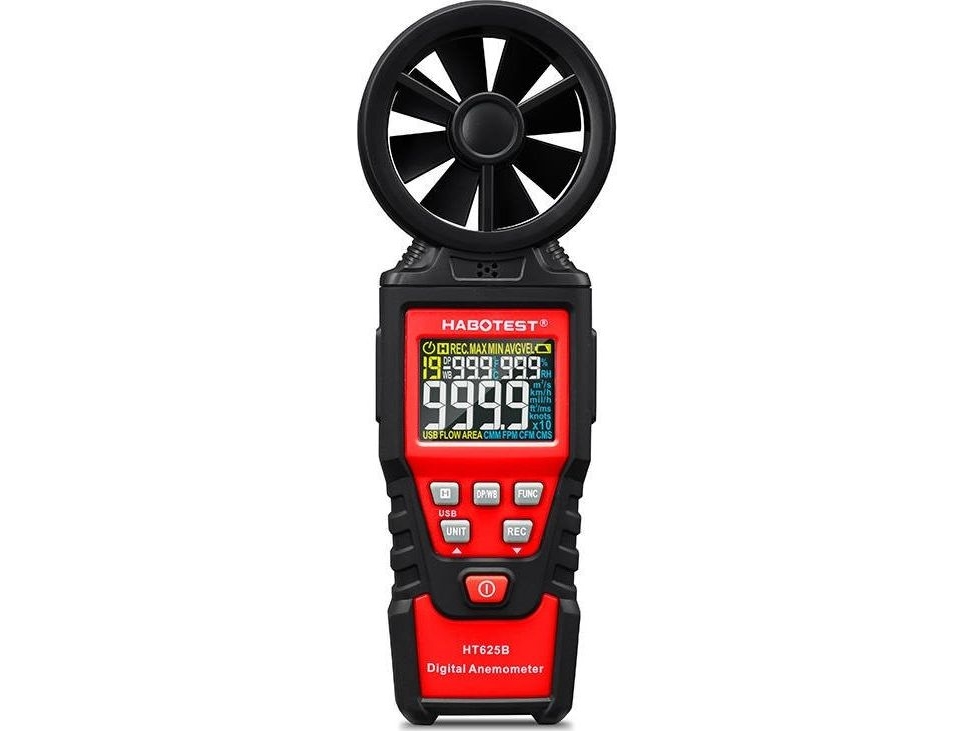
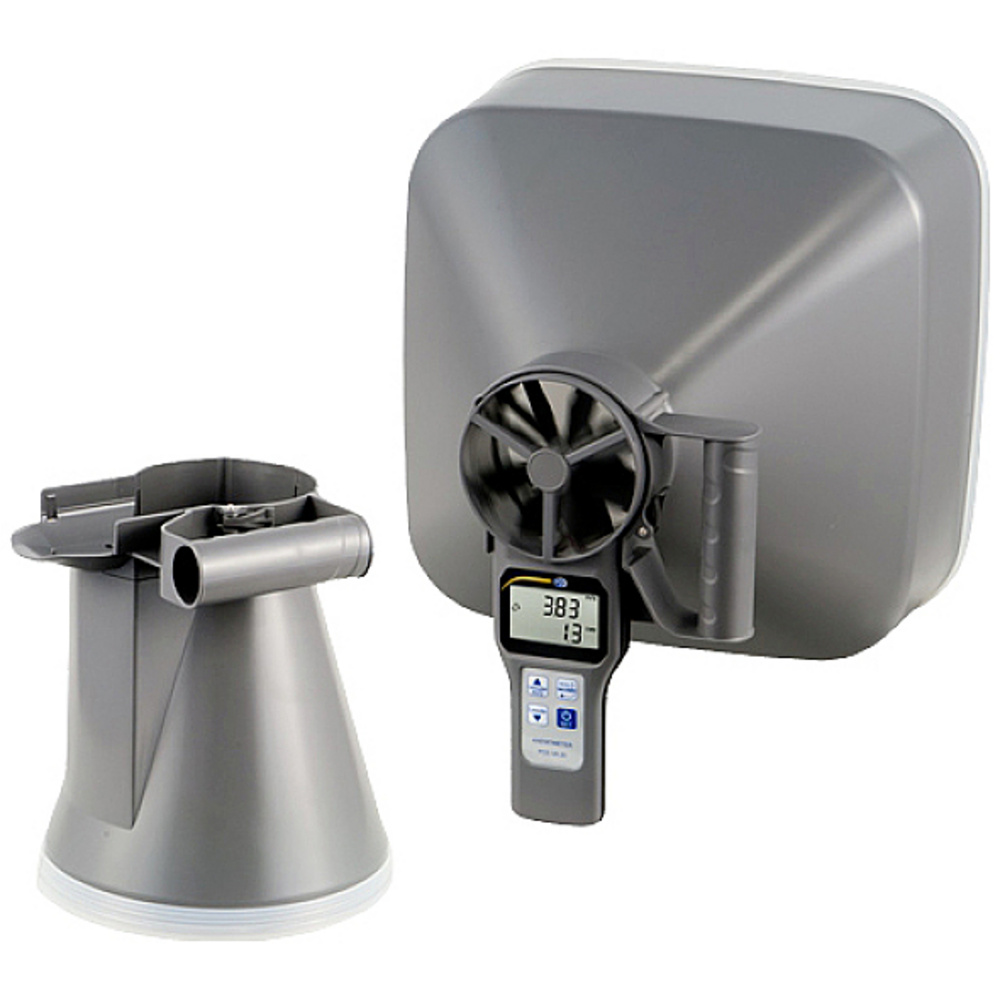
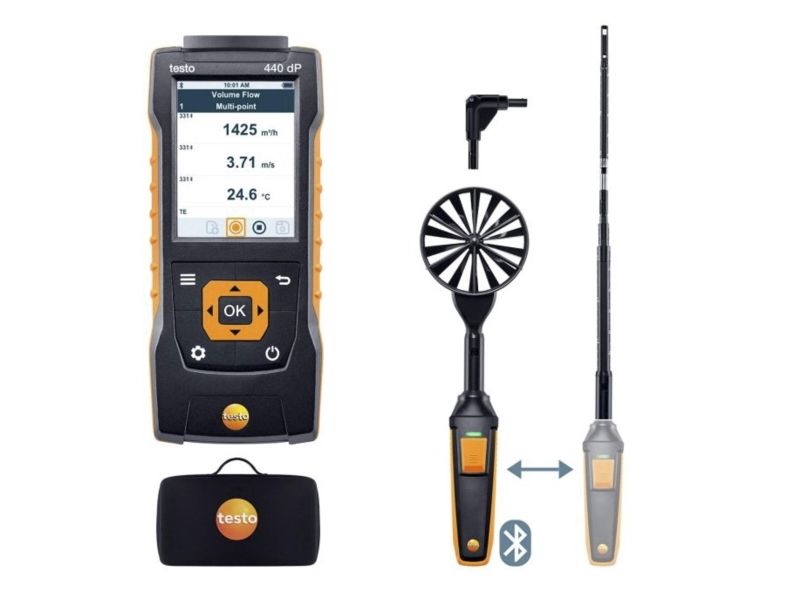
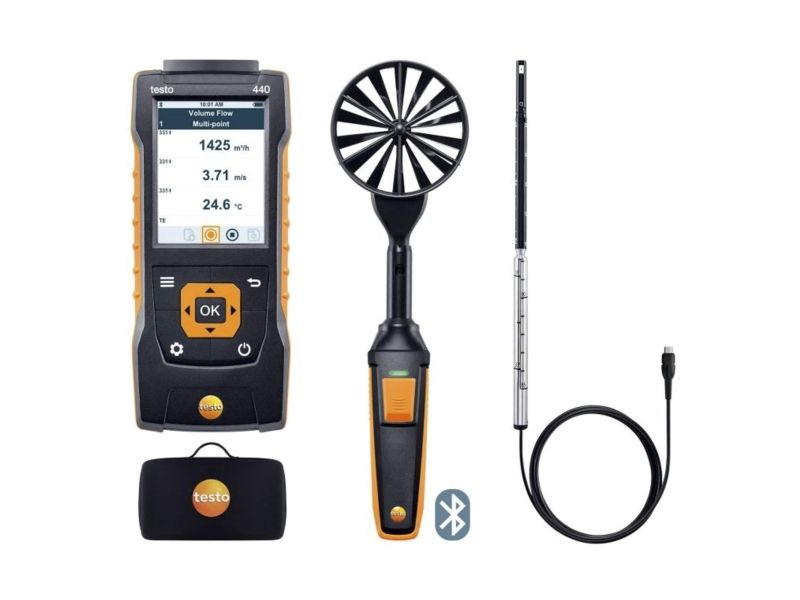
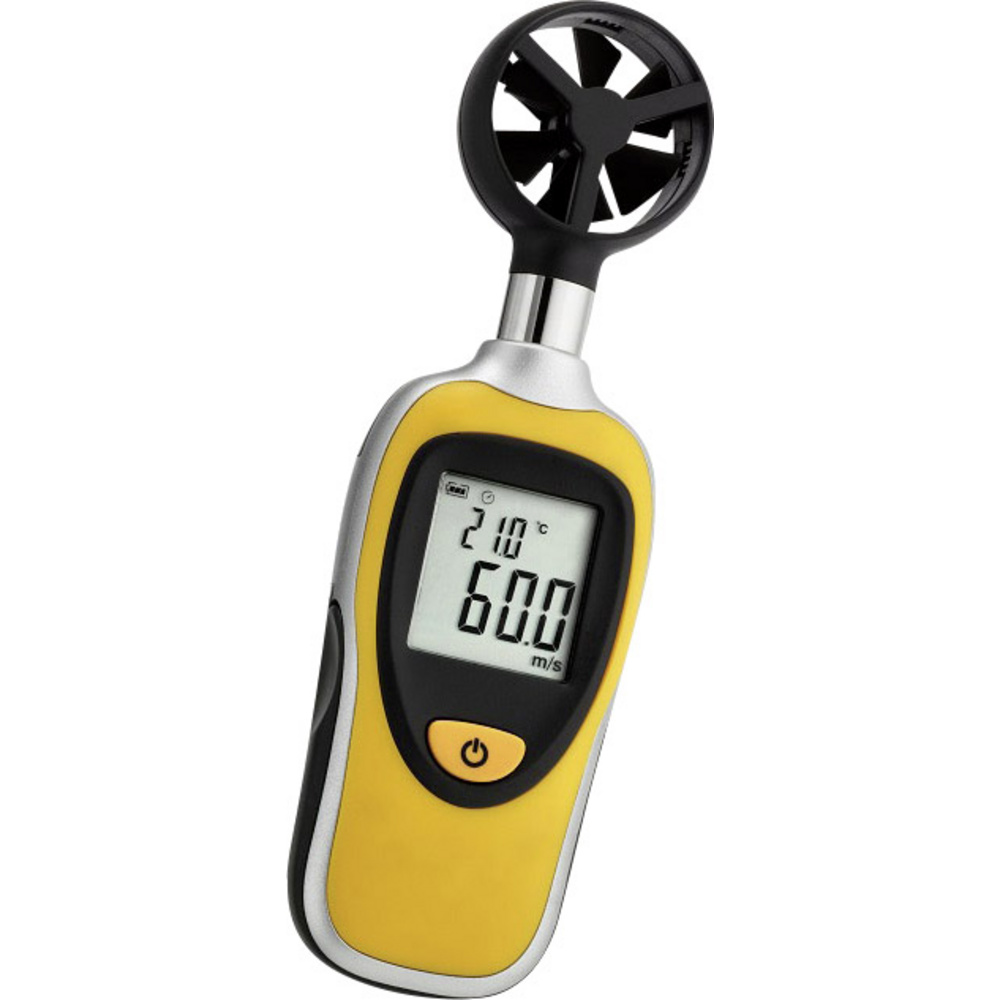
- Handheld digital anemometers in the Tools sub-type show wind speed on a small LCD. They suit quick checks.
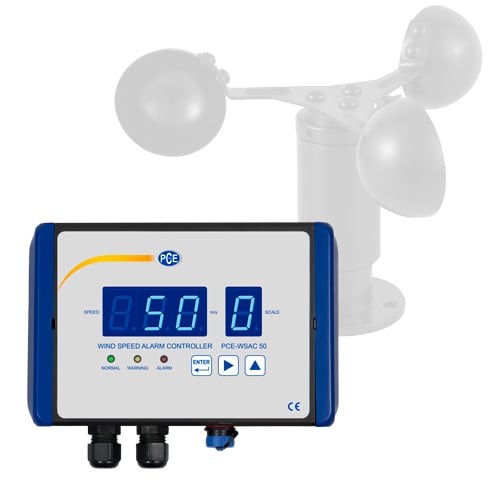
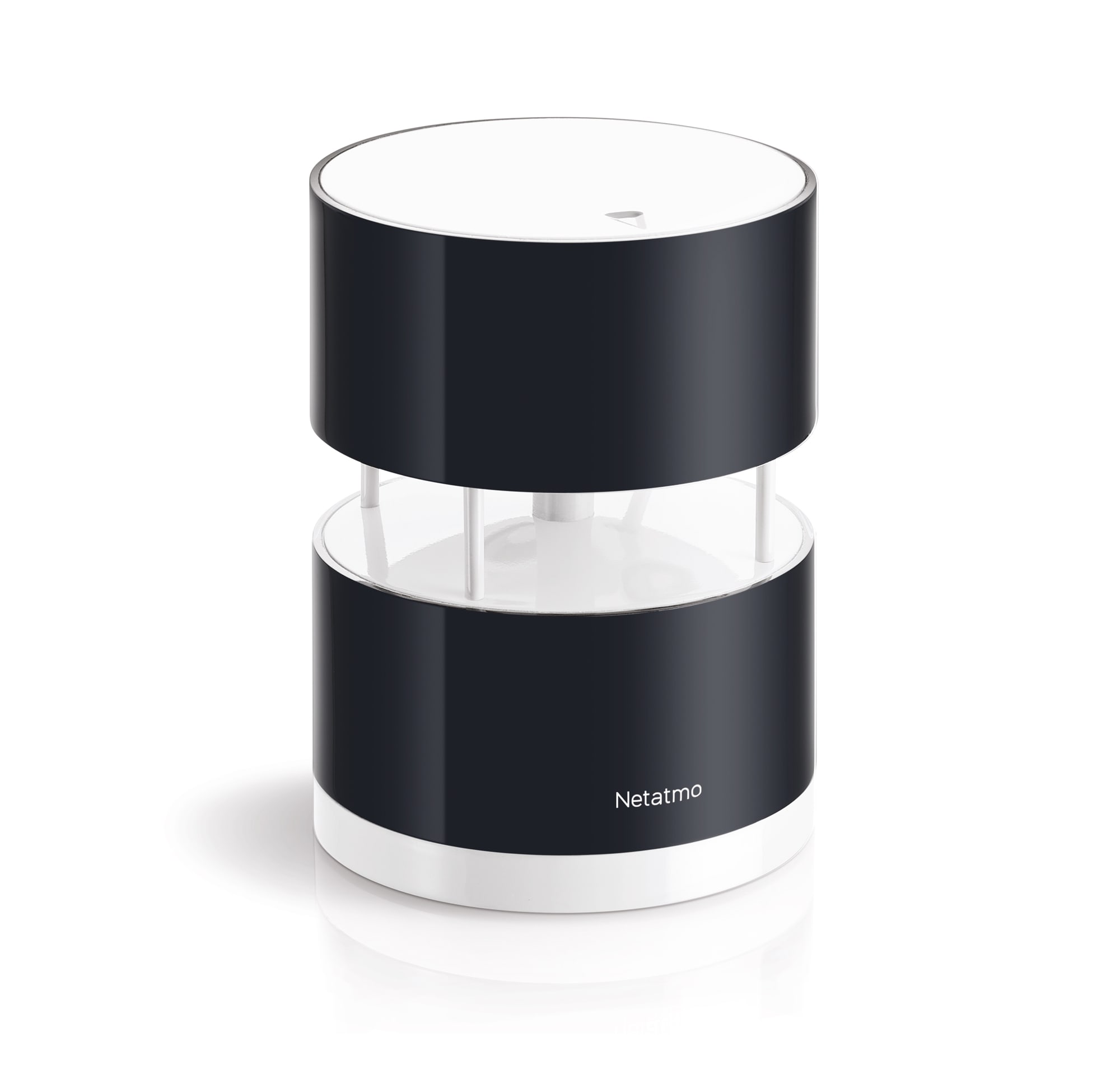
- Cup-style sensors under Measuring Tools & Sensors catch wind from 360 degrees. Many are waterproof for outdoor fitment.
- Aluminium and steel builds in the Hardware sub-type resist weather better than plastic. They suit permanent mounts.
- Compact cabled monitors use anti-interference design for a steady signal. They fit fixed monitoring rigs.
- You can choose a full meter or a bare sensor. That lets you buy only the part your setup lacks.
Things to watch
- Plastic-bodied handhelds are light but scratch if dropped. They are weak for rough site work.
- Three-cup sensors need a fixed pole or wall. They are wrong for someone wanting a pocket tool.
- A compact monitor with a 0.8m cable limits sensor placement. The readout must sit close by.
- White or gray units disappear against pale skies. Orange or red are easier to spot on site.
- Some hardware items are sensor only, with no display. You need a separate gauge to read them.
Care & maintenance
Maintenance
Clear leaves and grit from cup and blade rotors after storms. Free spin keeps the reading true.
Maintenance
Store plastic digital meters in a dry place when idle. This stops screen fog.
Maintenance
Rinse steel or aluminium parts used near the coast. Salt left on metal drives corrosion.
Maintenance
Check the cable on wired monitors for sharp bends. A kink can cut the signal.
Frequently Asked Questions
What should I look for when buying anemometers?
When shopping for anemometers, consider factors such as quality, price, brand reputation, and customer reviews. Compare prices across multiple retailers to ensure you're getting the best deal. Look for products that match your specific needs and budget.
How do I choose the right anemometers?
Choosing the right anemometers depends on your individual needs, budget, and preferences. Research different options, read customer reviews, and compare specifications. Consider what features are most important to you and look for products that offer the best value for money.
Where can I find the best deals on anemometers?
You can find the best deals on anemometers by comparing prices across multiple retailers. Our price comparison tool helps you find the lowest prices from trusted UK retailers including Amazon, eBay, and other major online stores. Check regularly as prices and deals change frequently.
Are anemometers products worth the investment?
The value of anemometers products depends on your specific needs and how you plan to use them. Quality products from reputable brands often provide better long-term value, even if they cost more initially. Consider your budget and requirements when making your decision.
What's the difference between different types of anemometers?
Different types of anemometers vary in features, quality, price, and intended use. Some may offer premium features while others focus on affordability. Research the specific differences between models or brands to find the option that best suits your needs and budget.