Protective Masks
How to choose protective masks
Type by hazard
Choose between reusable cloth (cotton, silk, fleece) and Work Safety Protective Equipment (silicone, latex, metal) by hazard level. Cloth suits low risk, moulded suits dust.
Colour choice
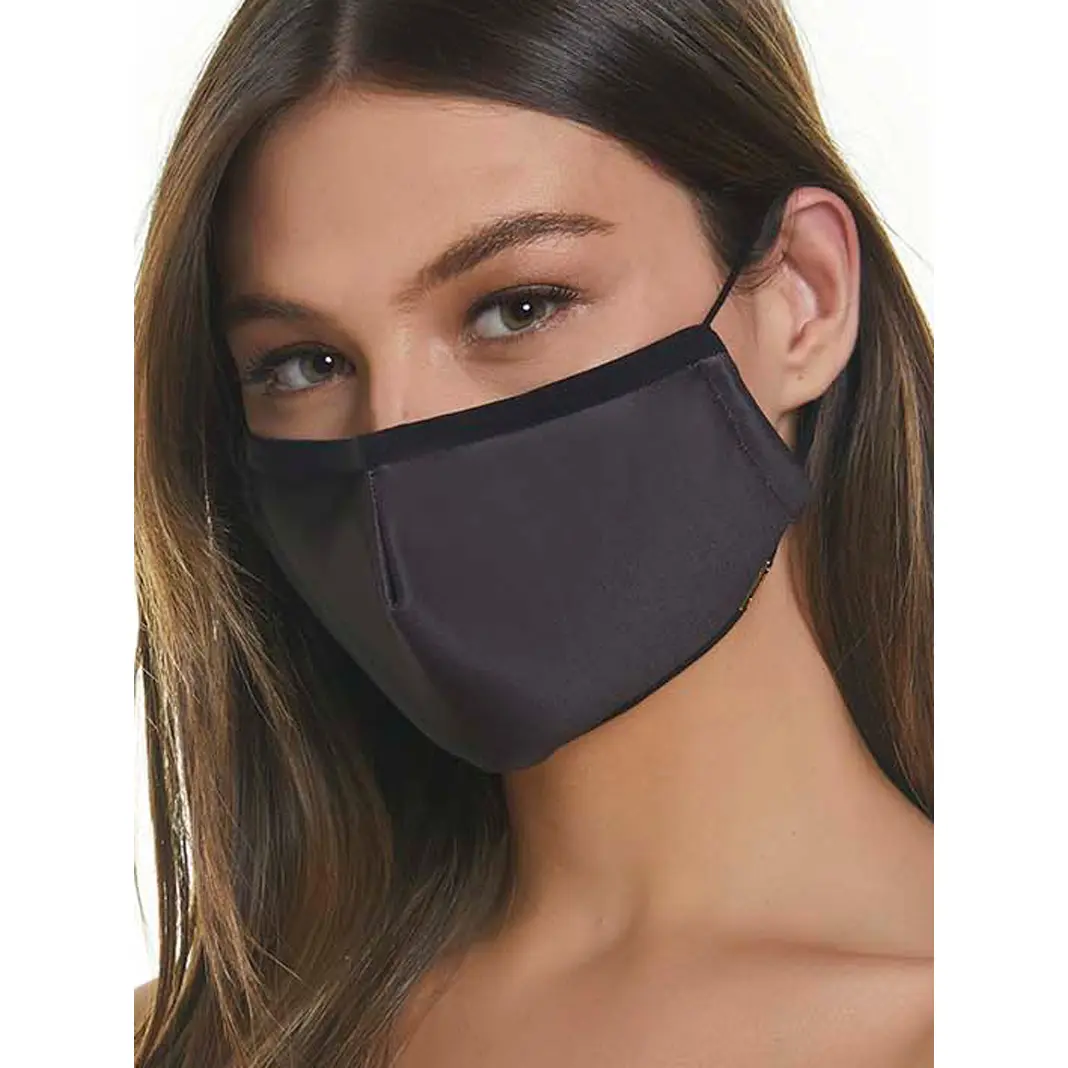
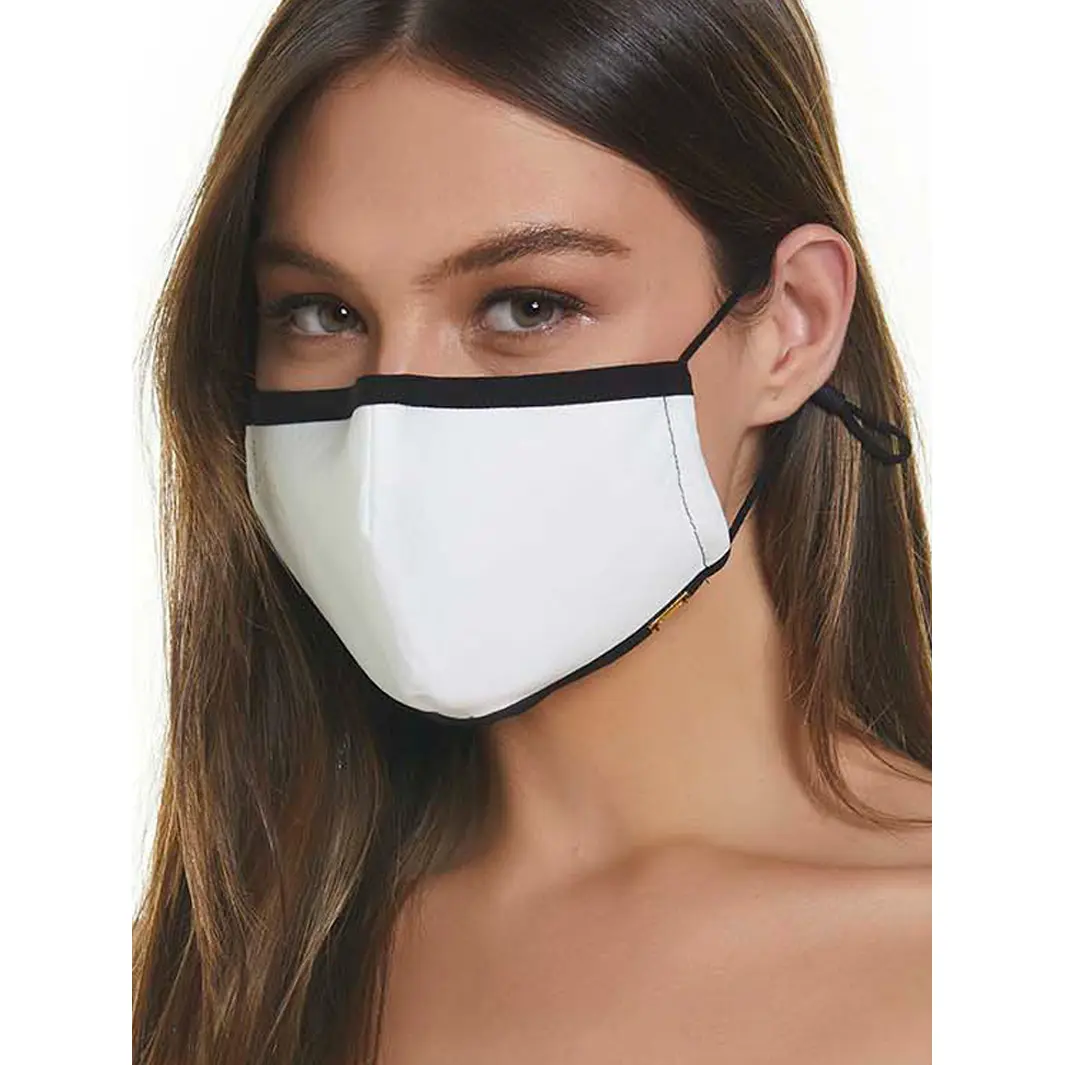
Colour carries tradeoffs. Black, grey and white read neutral, while yellow, orange and red aid visibility but may break dress codes.
Material tradeoff
Material drives comfort and upkeep. Fleece is warm but bulky. Latex fits well yet risks allergy.
Sub-type split
The two sub-types, Business & Industrial and Work Safety Protective Equipment, attract different needs. One wants a custom look, the other wants task cover.
Use the grid
The grid below groups these types, so you can line up the listings that match your specs.
What's good
- Reusable cloth masks in this category often use cotton or polyester with a filter pocket and nose wire. They suit wearers who want to wash the mask and swap filters.
- Work Safety Protective Equipment leans on silicone, rubber or plastic for a moulded seal. That fit beats loose fabric for dusty or industrial tasks.
- The colour axis runs from black, white and grey to pink, red and multicolor. You can pick a plain mask for the workplace or a bright one for visibility.
- Both Business & Industrial and Work Safety sub-types appear together. One search shows custom fabric masks and task-grade cover.
Things to watch
- Cloth masks with filter compartments still rely on the filter you insert. They are wrong for anyone needing built-in respirator protection.
- Latex or rubber work masks (material axis) can trigger allergies for some wearers. Check the material before choosing.
- Silk or fleece masks feel soft but need gentler washing than cotton. That adds a care step.
- Themed or multicolor masks may be rejected in strict work zones where plain colours are required.
Care & maintenance
Wash cloth masks
Cotton and polyester masks with filter pockets should be washed regularly, with the filter replaced after each wear.
Wipe moulded parts
Silicone, plastic or metal parts on work masks wipe down with mild soap, then air dry.
Protect soft parts
Leather or latex elements need kept dry and away from heat to avoid cracking.
Keep nose wire
Reshape the nose wire after washing so the mask keeps its seal.
Frequently Asked Questions
What should I look for when buying protective masks?
When shopping for protective masks, consider factors such as quality, price, brand reputation, and customer reviews. Compare prices across multiple retailers to ensure you're getting the best deal. Look for products that match your specific needs and budget.
How do I choose the right protective masks?
Choosing the right protective masks depends on your individual needs, budget, and preferences. Research different options, read customer reviews, and compare specifications. Consider what features are most important to you and look for products that offer the best value for money.
Where can I find the best deals on protective masks?
You can find the best deals on protective masks by comparing prices across multiple retailers. Our price comparison tool helps you find the lowest prices from trusted UK retailers including Amazon, eBay, and other major online stores. Check regularly as prices and deals change frequently.
Are protective masks products worth the investment?
The value of protective masks products depends on your specific needs and how you plan to use them. Quality products from reputable brands often provide better long-term value, even if they cost more initially. Consider your budget and requirements when making your decision.
What's the difference between different types of protective masks?
Different types of protective masks vary in features, quality, price, and intended use. Some may offer premium features while others focus on affordability. Research the specific differences between models or brands to find the option that best suits your needs and budget.