Drywall
How to choose drywall
Sub-type split
Sub-type: Building Materials gives the wall surface, Hardware gives trims and doors, decide both if hiding services.
Material match
Material: gypsum suits dry interiors, steel/glass fibre fits wet areas, linden wood appears in niche decorative items.
Colour signal
Colour cue: green, pink or blue tints flag moisture or fire traits, match them to room risk rather than looks.
Board thickness
Thickness: 12mm or 12.5mm standard sits closer to studs than 30mm thermal, affecting skirting and sockets.
Edge profile
Edge: tapered edge boards need joint compound, square edge boards pair with metal reveals or butt fits.
What's good
- Gypsum plasterboard (the common Building Materials type) is light, so a single builder can hang a 12.5mm sheet without mechanical aid.
- Fire-rated boards, often tinted pink or grey, boost fire resistance on a single layer for stairs or heating cupboards.
- Tile backer boards made with glass fibre and gypsum shrug off shower steam that ruins plain board.
- Hardware such as beaded access panels keeps valves reachable behind a flush wall.
- Thermal boards at 30mm thick add insulation while lining, sparing you a separate insulating layer.
Things to watch
- Standard gypsum and paper board loses strength when wet, so it is wrong for wet rooms without a backer.
- Fibre cement construction boards are heavy, needing pilot drills and firm fixings versus light plasterboard.
- Access panels (Hardware) show a frame line on the finished face, breaking a clean paint job.
- Coloured performance boards (green, pink, blue) carry traits you may not need in a dry bedroom, adding complexity.
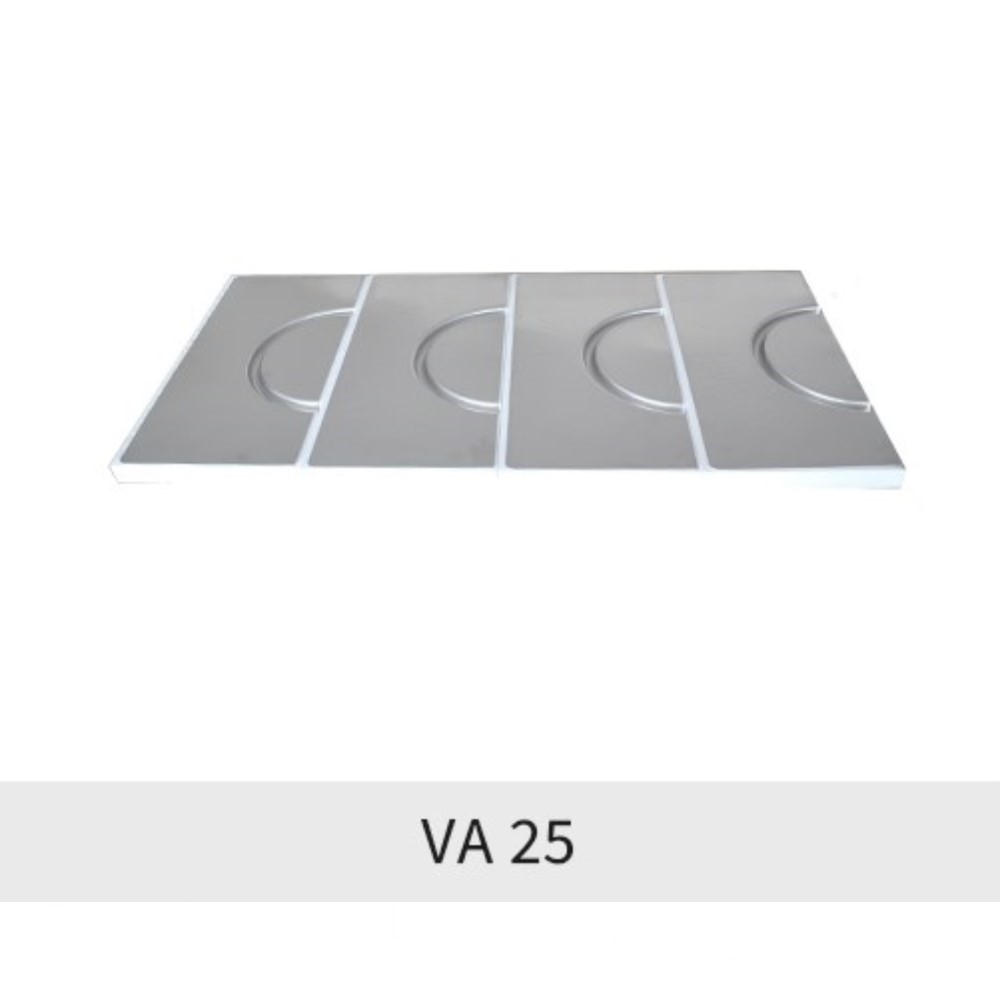
- Decorative plasterboard (like relief patterns) locks you into its design, where flat board takes any paint.
Care & maintenance
Metal care
Dust or wipe steel and metal trims to prevent corrosion in damp air.
Seal checks
Inspect silicone seals on tile backer board joints each year, redoing any cracked beads.
Dry decoration
Keep plasterboard paper faces dry while decorating, use a barely damp cloth rather than a soak.
Panel action
Exercise access panel hinges periodically so paint does not weld the door shut.
Frequently Asked Questions
What should I look for when buying drywall?
When shopping for drywall, consider factors such as quality, price, brand reputation, and customer reviews. Compare prices across multiple retailers to ensure you're getting the best deal. Look for products that match your specific needs and budget.
How do I choose the right drywall?
Choosing the right drywall depends on your individual needs, budget, and preferences. Research different options, read customer reviews, and compare specifications. Consider what features are most important to you and look for products that offer the best value for money.
Where can I find the best deals on drywall?
You can find the best deals on drywall by comparing prices across multiple retailers. Our price comparison tool helps you find the lowest prices from trusted UK retailers including Amazon, eBay, and other major online stores. Check regularly as prices and deals change frequently.
Are drywall products worth the investment?
The value of drywall products depends on your specific needs and how you plan to use them. Quality products from reputable brands often provide better long-term value, even if they cost more initially. Consider your budget and requirements when making your decision.
What's the difference between different types of drywall?
Different types of drywall vary in features, quality, price, and intended use. Some may offer premium features while others focus on affordability. Research the specific differences between models or brands to find the option that best suits your needs and budget.