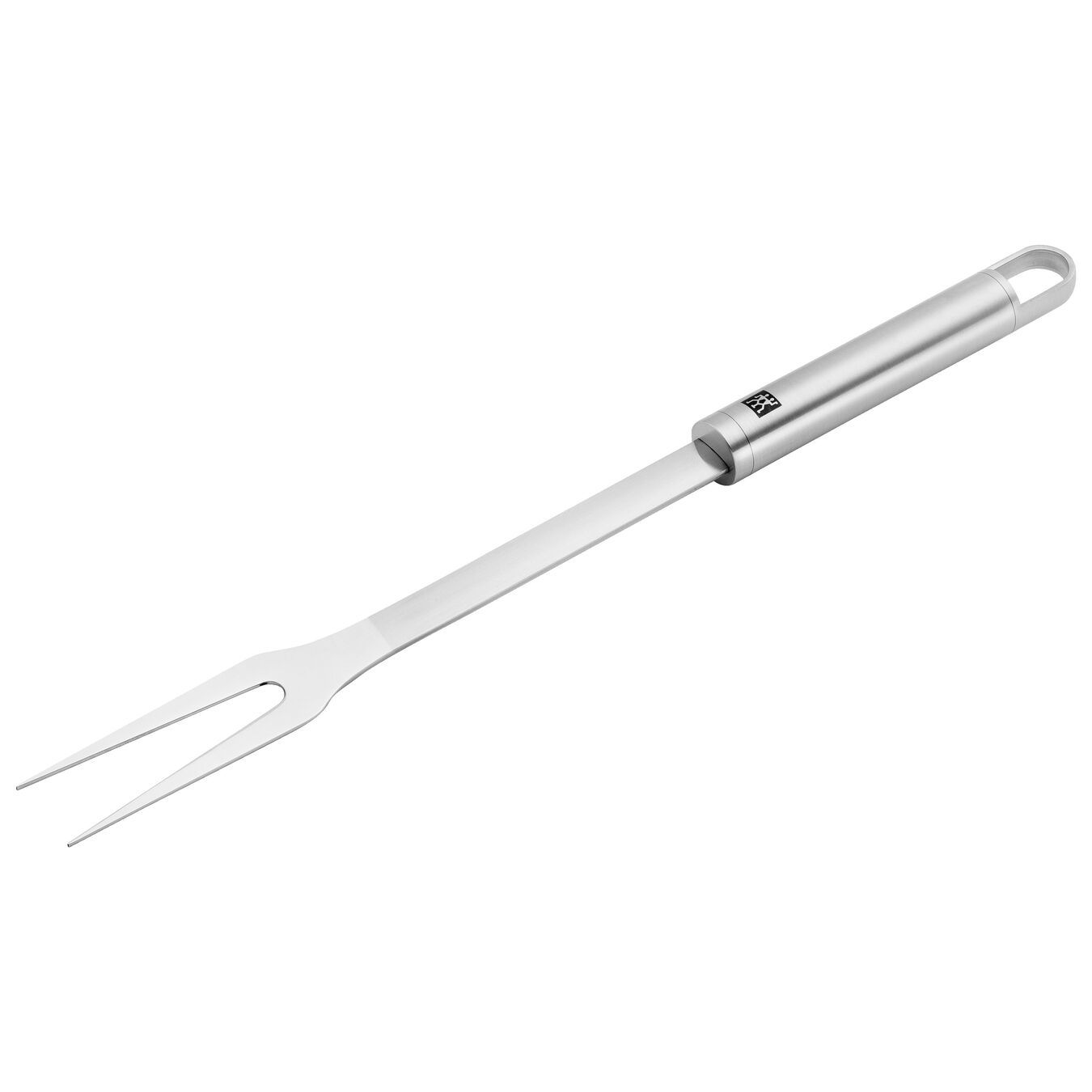
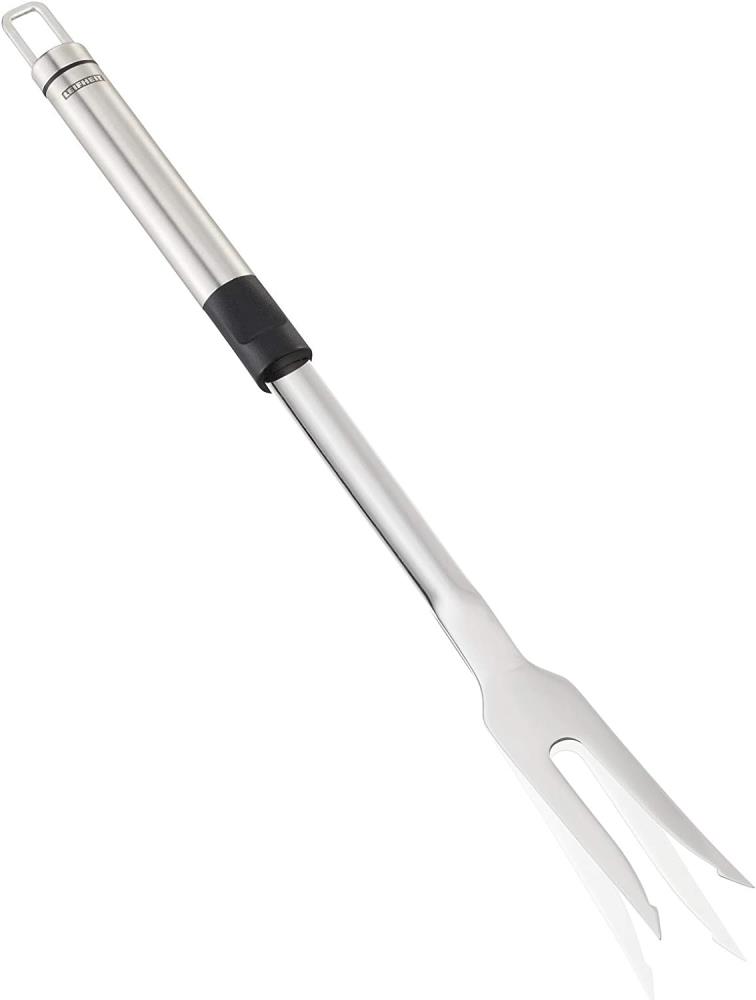
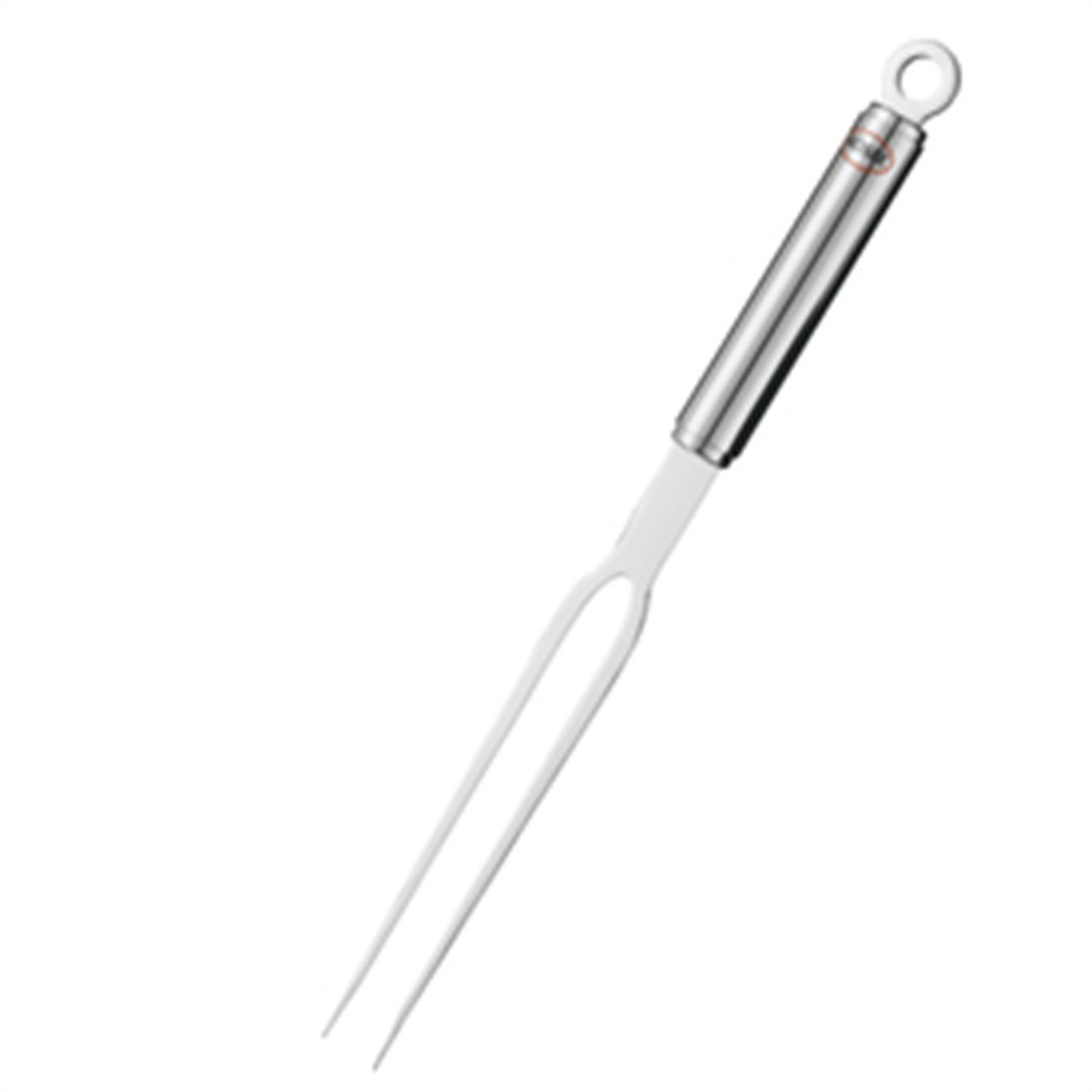
Carving Forks
How to choose carving forks
Colour and setting
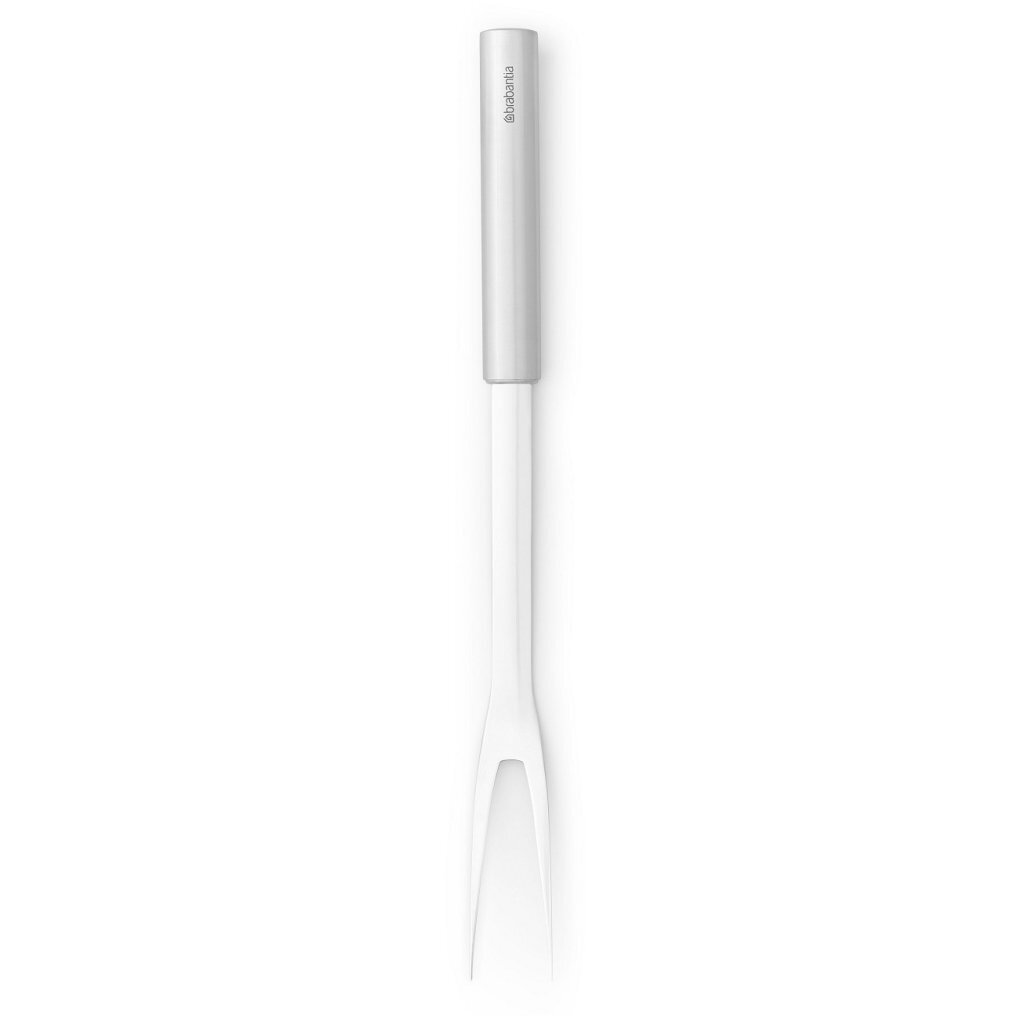
Handle colour sets the tone. Silver and black suit modern kitchens. Copper, gold, or walnut suit traditional dining.
Tine material
Think about tine sharpness. Molybdenum stainless steel holds a point better than basic steel for tough cuts.
Production method
Hand-forged types suit gift buyers who want character. Standard steel types suit those wanting identical, replaceable tools.
Material and upkeep
Material drives care. Stainless steel is low fuss. Mild steel or copper looks great but needs drying. Wood needs hand washing.
Sub-type first
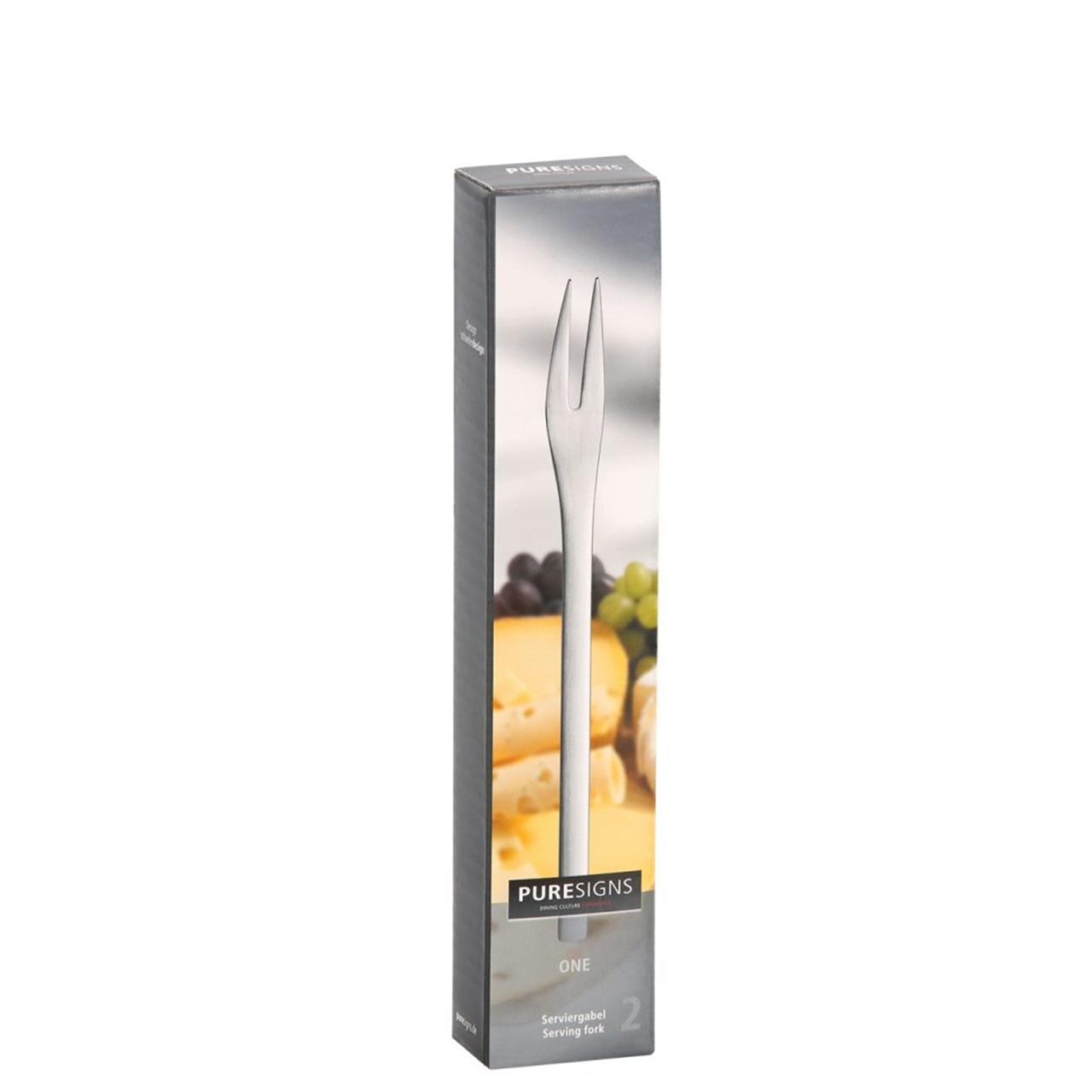
Pick your sub-type first. Kitchen Tools & Utensils covers daily meat forks. Home & Garden covers BBQ lengths. Kitchen & Dining suits serving pieces.
What's good
- Stainless steel carving forks from the Kitchen Tools & Utensils sub-type resist rust and survive dishwashers, which suits daily cooks.
- Hand-forged mild steel pieces offer unique looks (hammered finishes, dragon heads) that mass-produced types lack.
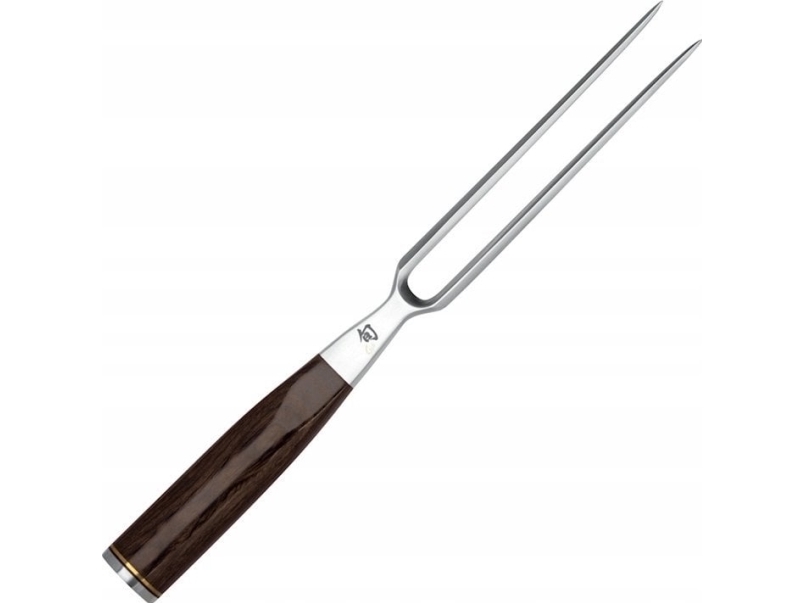
- Wood-handled or walnut coloured options add a warm serving aesthetic that all-metal types do not.
- Molybdenum stainless steel tiers give harder tines than basic steel, good for slicing through thick roasts.
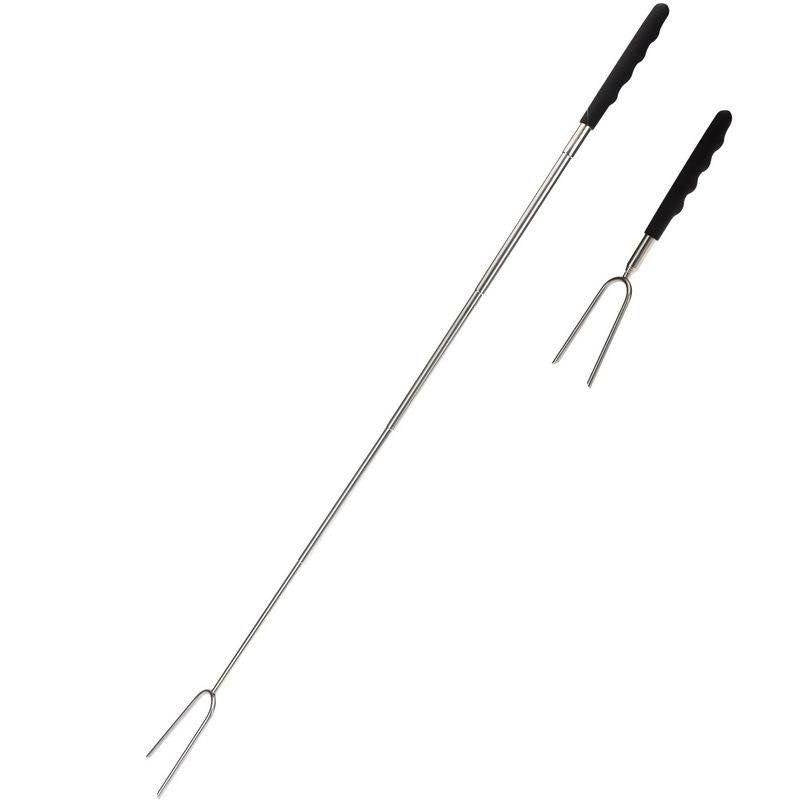
- BBQ and grill forks under Home & Garden tend to have longer reaches, keeping hands away from flames.
Things to watch
- Mild steel and copper coloured forks need careful drying to avoid patina, unlike stainless steel or silver types.
- Hand-forged blacksmith pieces lack the uniform balance of mass-produced kitchenware lines.
- Wood-handled forks cannot go in the dishwasher, a drawback versus all-metal carving forks.
- Gold or copper finishes scratch easier than plain stainless steel, showing wear on heavy-use meat forks.
- Curved or rotating eating-aid styles help limited grip but are wrong for standard carving tasks.
Care & maintenance
Wood care
Wash wood-handled and walnut coloured forks by hand, then oil the grain occasionally to stop cracking.
Dry metals
Dry mild steel and copper types immediately after washing to prevent rust or discolouration.
Easy wash
Run stainless steel and molybdenum stainless steel forks through the dishwasher for easy upkeep.
Check joins
Check hand-forged tines for handle looseness, as hand-finished joins vary more than factory ones.
Frequently Asked Questions
What should I look for when buying carving forks?
When shopping for carving forks, consider factors such as quality, price, brand reputation, and customer reviews. Compare prices across multiple retailers to ensure you're getting the best deal. Look for products that match your specific needs and budget.
How do I choose the right carving forks?
Choosing the right carving forks depends on your individual needs, budget, and preferences. Research different options, read customer reviews, and compare specifications. Consider what features are most important to you and look for products that offer the best value for money.
Where can I find the best deals on carving forks?
You can find the best deals on carving forks by comparing prices across multiple retailers. Our price comparison tool helps you find the lowest prices from trusted UK retailers including Amazon, eBay, and other major online stores. Check regularly as prices and deals change frequently.
Are carving forks products worth the investment?
The value of carving forks products depends on your specific needs and how you plan to use them. Quality products from reputable brands often provide better long-term value, even if they cost more initially. Consider your budget and requirements when making your decision.
What's the difference between different types of carving forks?
Different types of carving forks vary in features, quality, price, and intended use. Some may offer premium features while others focus on affordability. Research the specific differences between models or brands to find the option that best suits your needs and budget.