Tagines & Clay Cooking Pots
How to choose tagines & clay cooking pots
Hob compatibility
Hob and material link up. Pick cast iron or ceramic for induction, and leave plain red clay for gas or oven use.
Sub-type intent
Sub-type shows intent. Cookware & Bakeware and Cookware listings take heat, while Home & Garden pieces may be decor first.
Colour and display
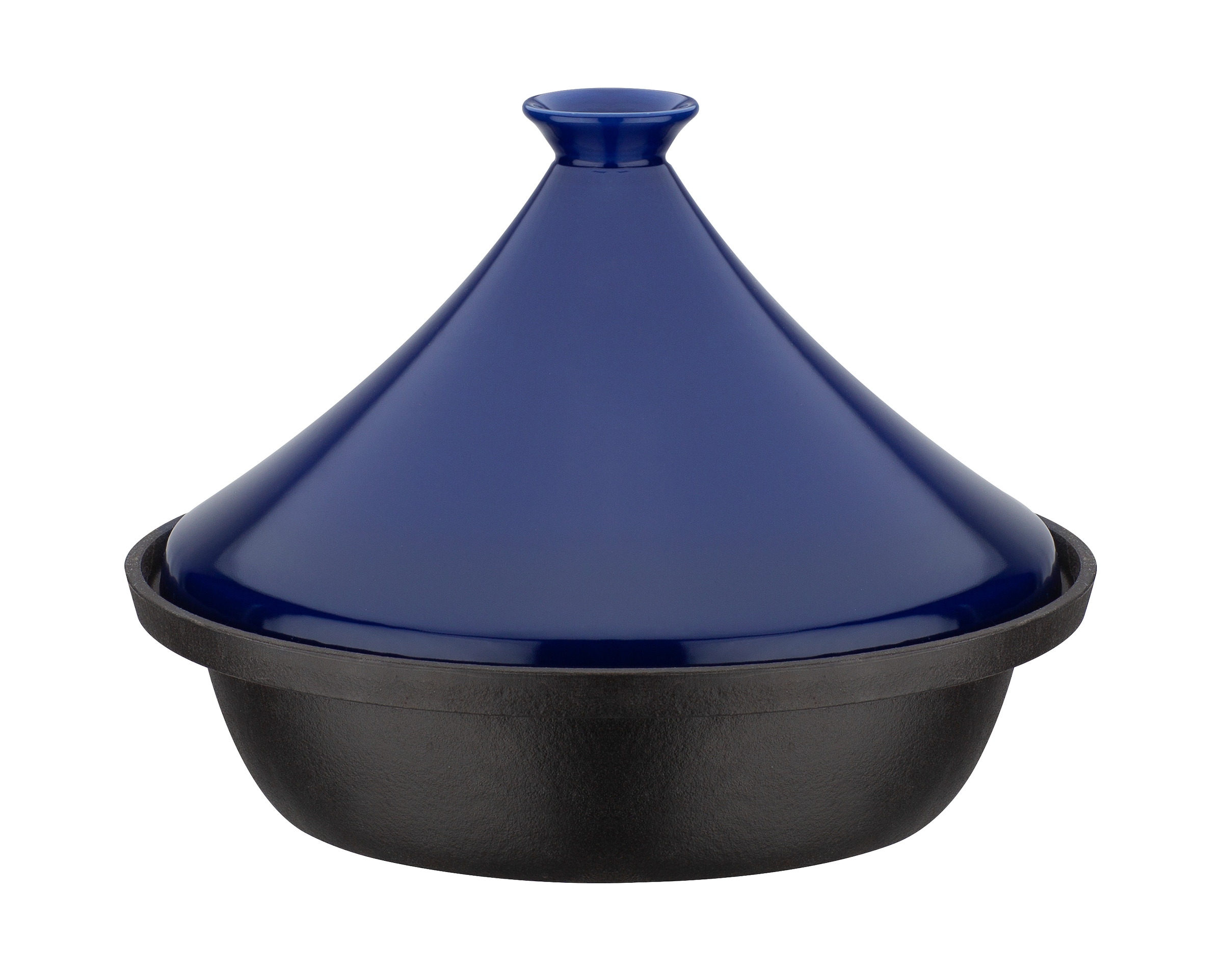
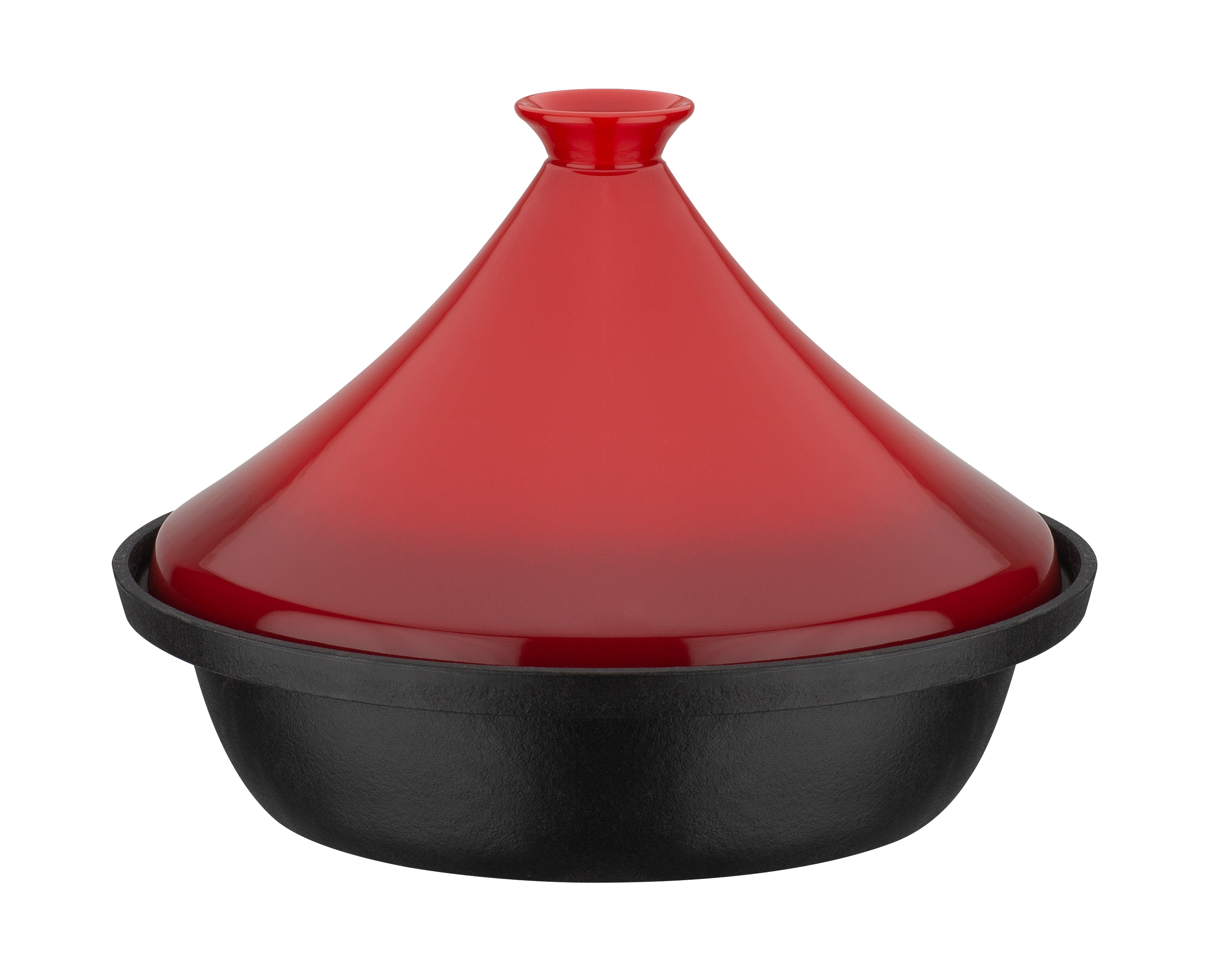
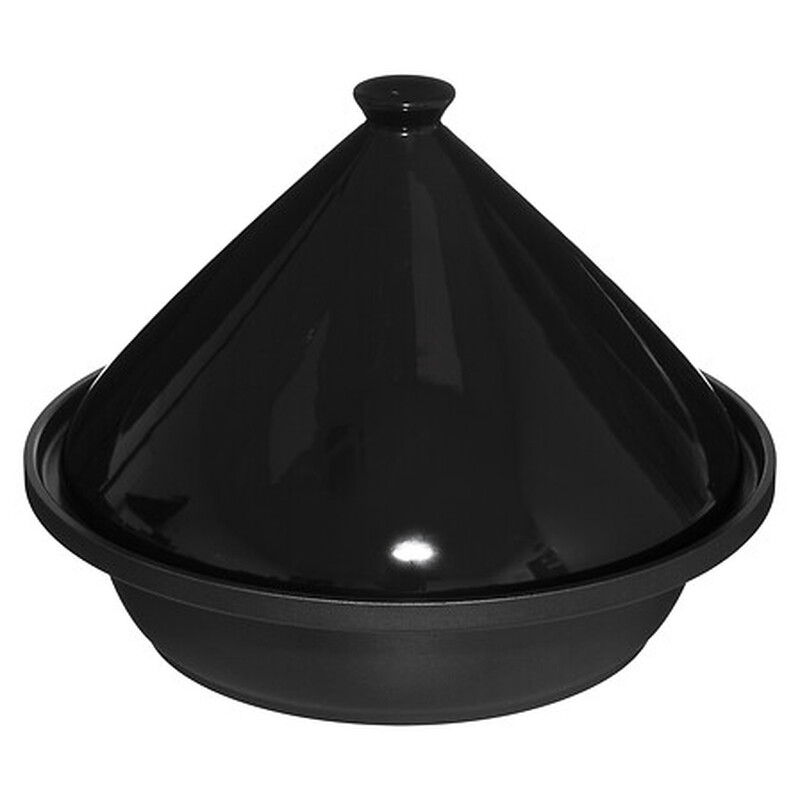
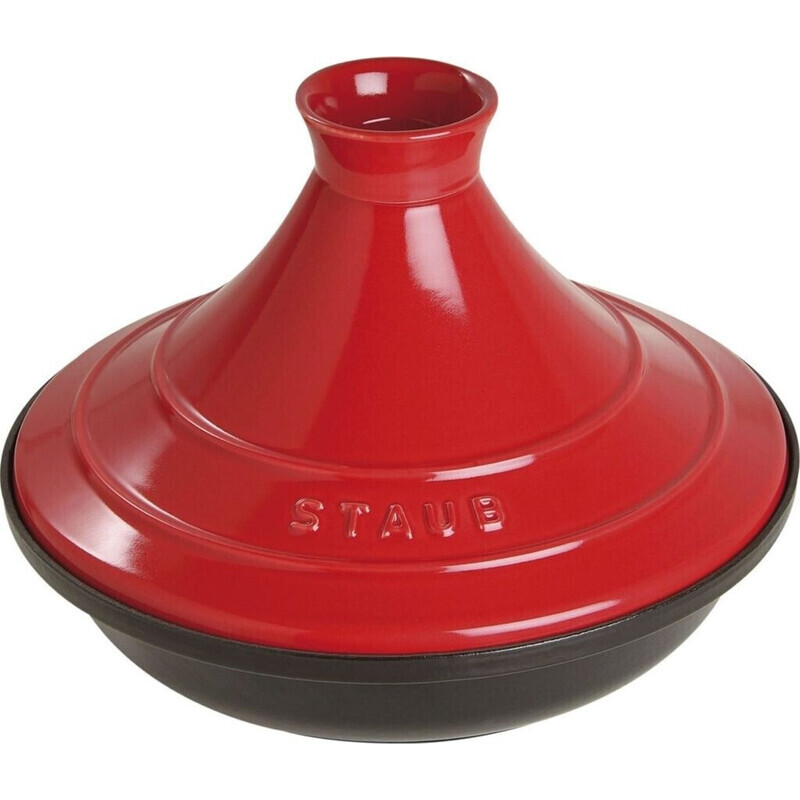
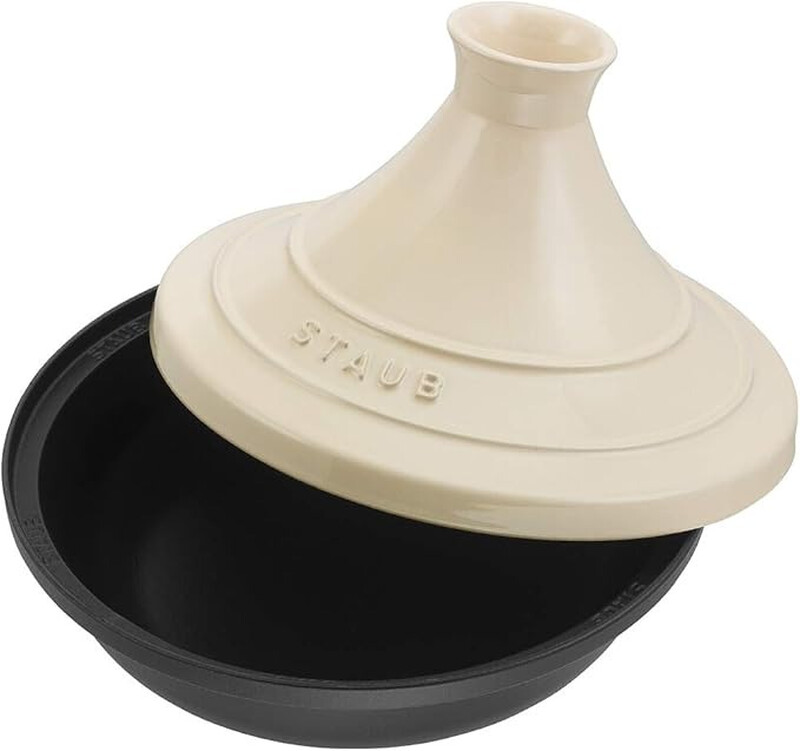
Colour runs from brown and black to cherry and ivory. Decide if the item stays on a Kitchen & Dining shelf or cooks.
Weight versus fragility
Material weight is a trade. Stainless steel and cast iron are sturdy but heavy, whereas clay and wood mixes keep the piece light.
Material safety
Food safety needs a check. The material axis shows clay/lead or steel/wool, marking them as decor rather than food-grade pots.
What's good
- Cast iron and stoneware tagines hold heat well and work on all hobs, including induction.
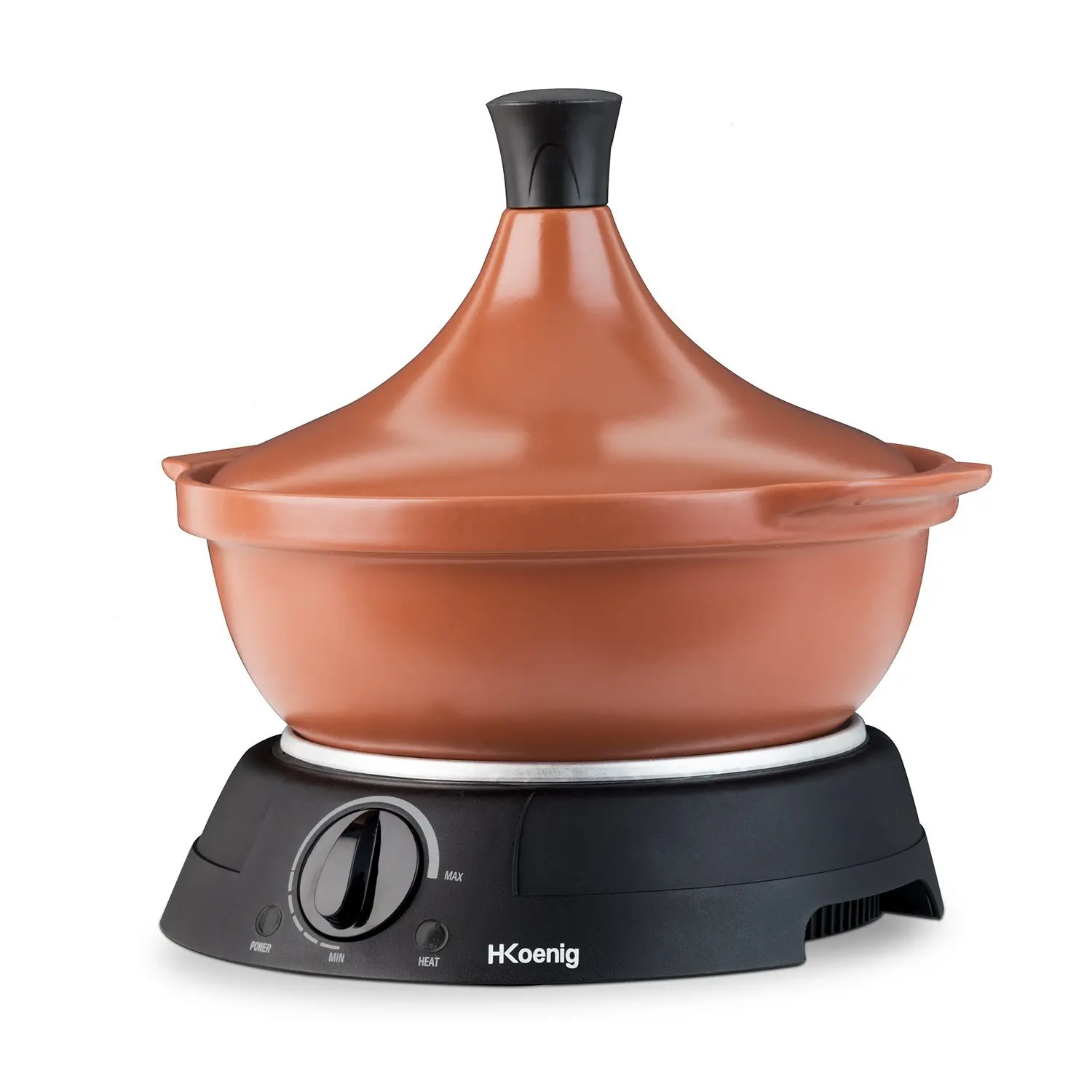
- Traditional clay and red clay pots are lighter. They give the slow steam loop that defines tagine cooking.
- Mini ceramic dip dishes suit individual serves. They fit the Kitchen & Dining sub-type without a full oven queue.
- Glazed ceramic versions in yellow, orange or green move between Cookware and table serveware with no fuss.
Things to watch
- Plain clay and red clay pieces often need soaking. Many will not sit on an induction hob.
- Cast iron tagines are tough but heavy. The base can chip if knocked against a hard sink edge.
- Mini tagine dishes look good yet hold too little for a family main. They are wrong for batch cooking.
- Some mixed materials (clay/lead or steel/wool) point to Home & Garden decor. They are not food-safe Cookware, which limits use.
Care & maintenance
Season clay
Season unglazed clay and red clay tagines with oil. A low oven cure before the first cook stops cracks.
Gentle washing
Hand wash traditional clay and ceramic pieces. Dishwasher heat can craze the glaze through thermal shock.
Wood care
Wipe wood-lid or wood-handle items instead of soaking them. This stops the grain swelling and warping.
Dry thoroughly
Dry cast iron and stoneware bases fully after washing. It keeps the lid seat clean and odour free.
Frequently Asked Questions
What should I look for when buying tagines & clay cooking pots?
When shopping for tagines & clay cooking pots, consider factors such as quality, price, brand reputation, and customer reviews. Compare prices across multiple retailers to ensure you're getting the best deal. Look for products that match your specific needs and budget.
How do I choose the right tagines & clay cooking pots?
Choosing the right tagines & clay cooking pots depends on your individual needs, budget, and preferences. Research different options, read customer reviews, and compare specifications. Consider what features are most important to you and look for products that offer the best value for money.
Where can I find the best deals on tagines & clay cooking pots?
You can find the best deals on tagines & clay cooking pots by comparing prices across multiple retailers. Our price comparison tool helps you find the lowest prices from trusted UK retailers including Amazon, eBay, and other major online stores. Check regularly as prices and deals change frequently.
Are tagines & clay cooking pots products worth the investment?
The value of tagines & clay cooking pots products depends on your specific needs and how you plan to use them. Quality products from reputable brands often provide better long-term value, even if they cost more initially. Consider your budget and requirements when making your decision.
What's the difference between different types of tagines & clay cooking pots?
Different types of tagines & clay cooking pots vary in features, quality, price, and intended use. Some may offer premium features while others focus on affordability. Research the specific differences between models or brands to find the option that best suits your needs and budget.