Pulse Oximeters
How to choose pulse oximeters
Choose your sub-type
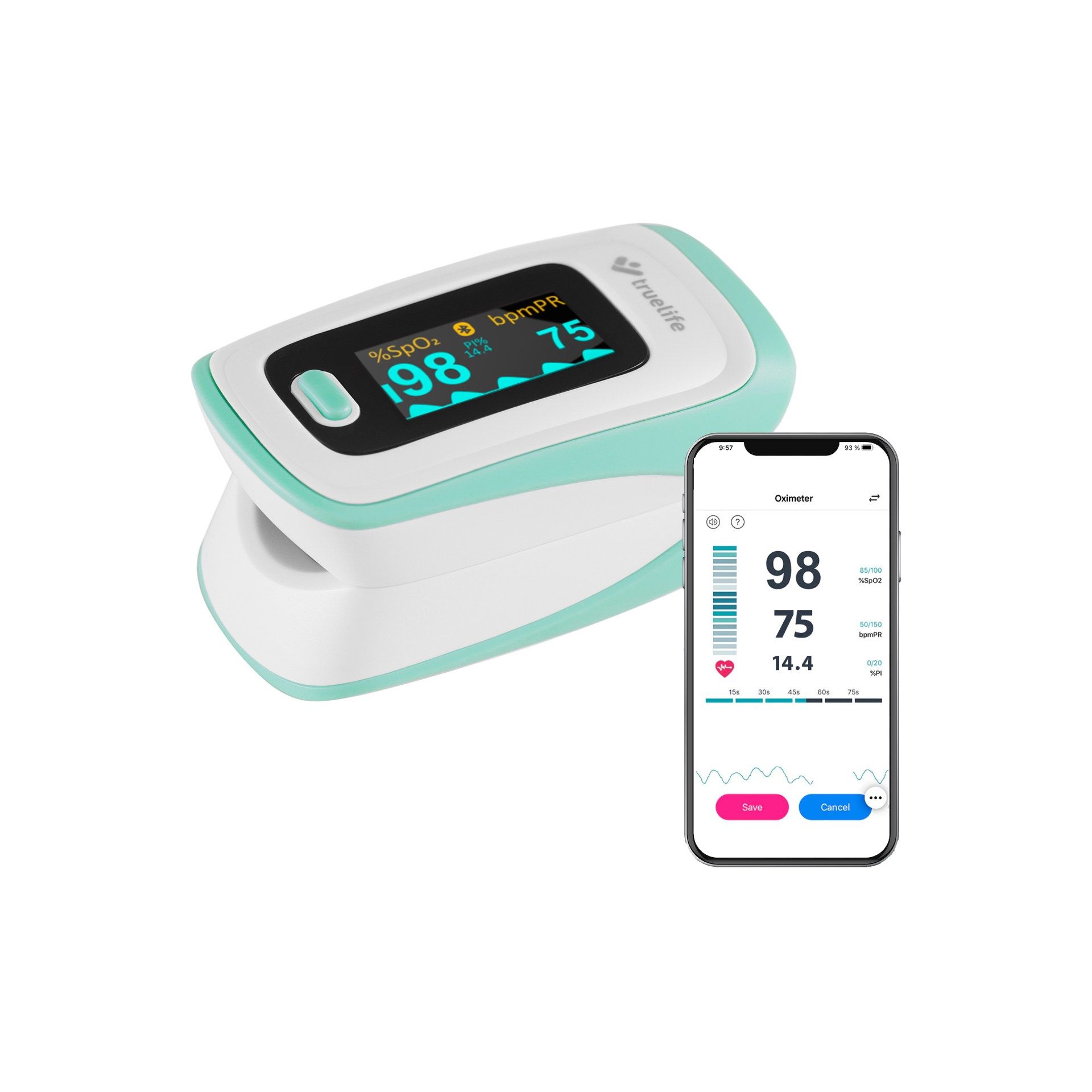
Pick a sub-type first. Health & Beauty fingertip models suit casual use, while Biometric Monitors suit those wanting perfusion and respiratory rates.
Weigh material and build
Material changes the feel. Plastic is light, rubber aids grip, but the gold or lead tags in the range are odd and likely not for clinical trust.
Consider combined kits
Combined glucose and oximeter kits under Health Care cut down on carried items. They trade size for convenience.
Factor in colour
Colour is more than looks. A bright blue or pink unit is easier to find in a bag than a black one, given the colours present.
Move to the grid
When you have the type and features set, the live product grid below shows the current options for side by side viewing.
What's good
- Fingertip biometric monitors in this category read SpO2, pulse rate, perfusion index and respiratory rate. That gives a broader view of breathing status than a basic check.
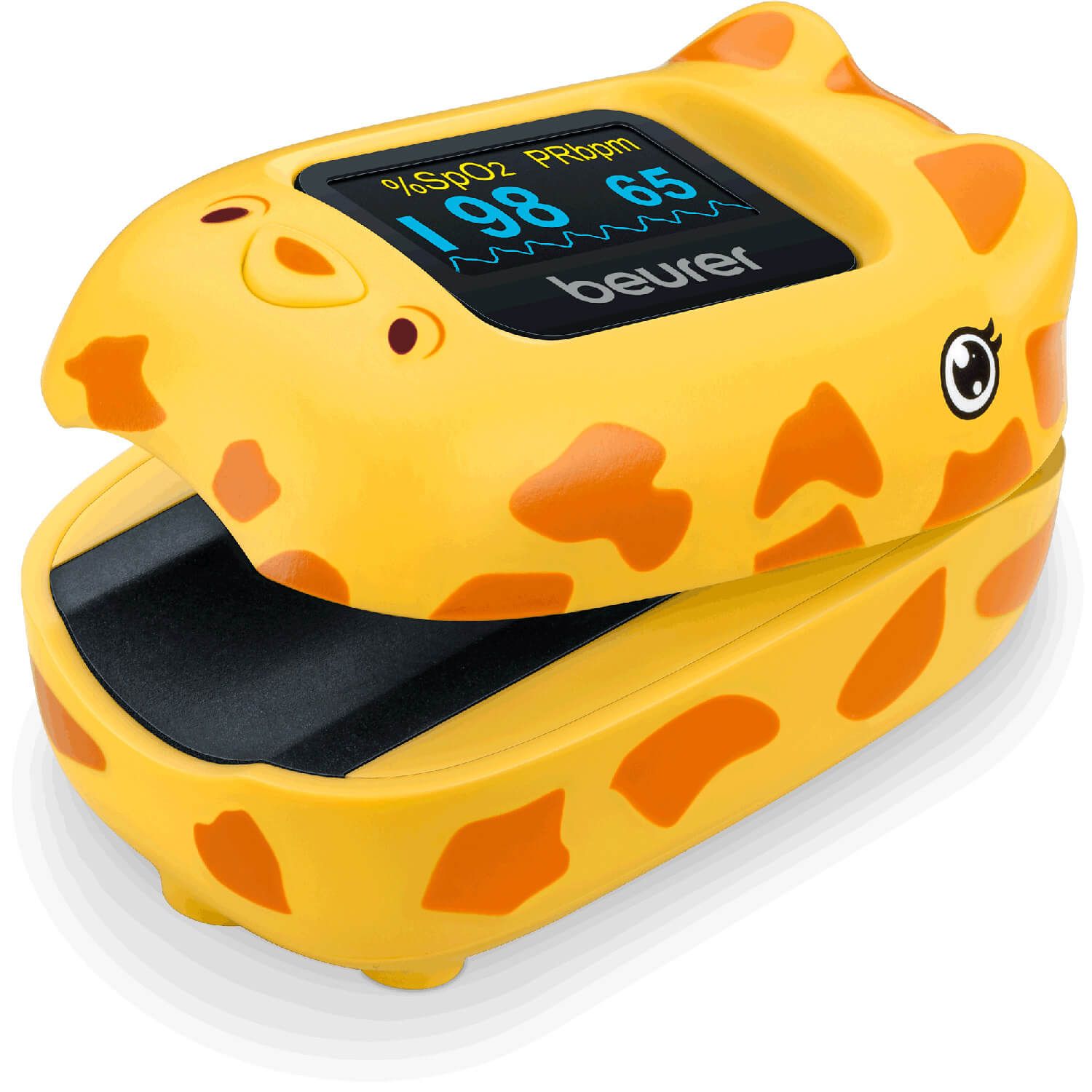
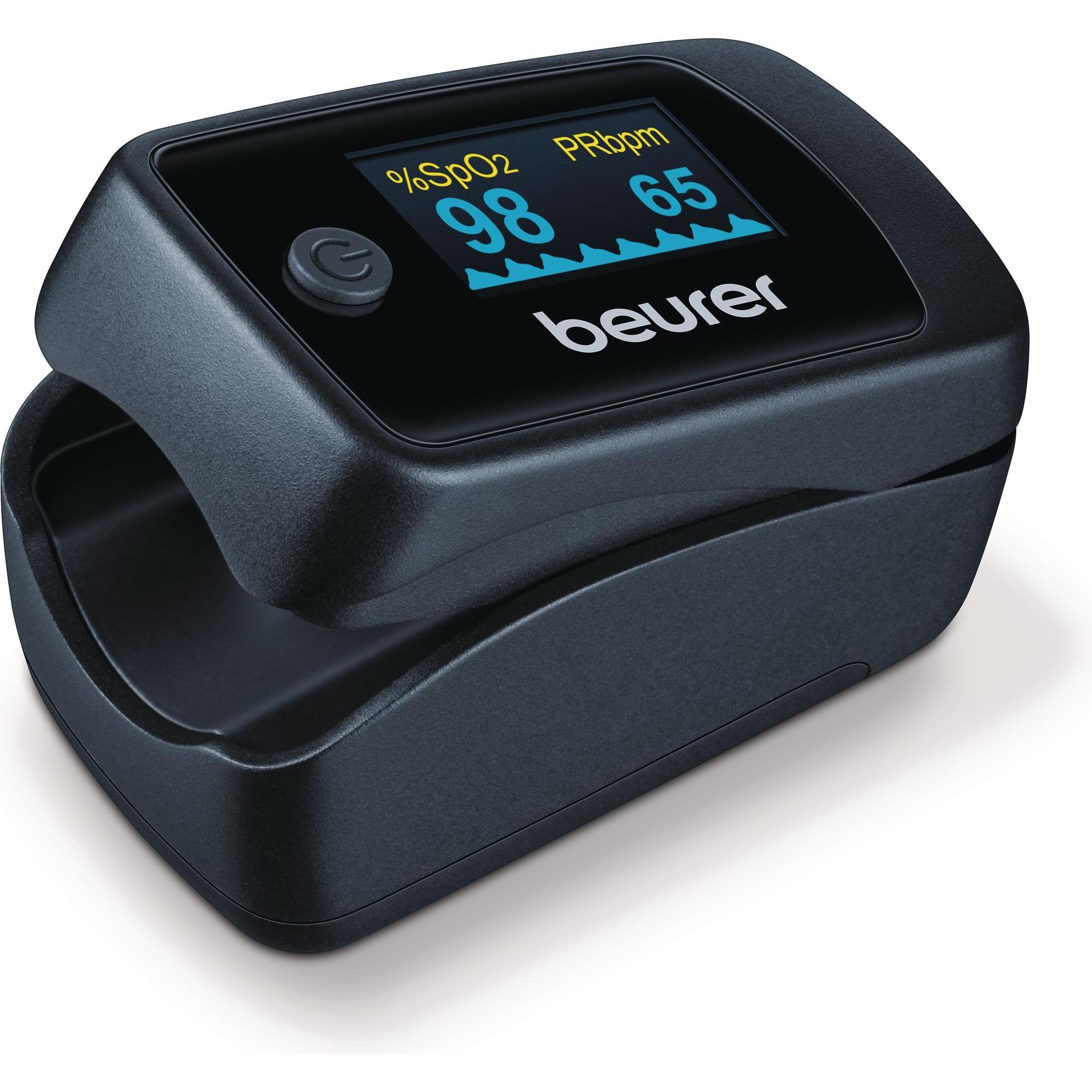
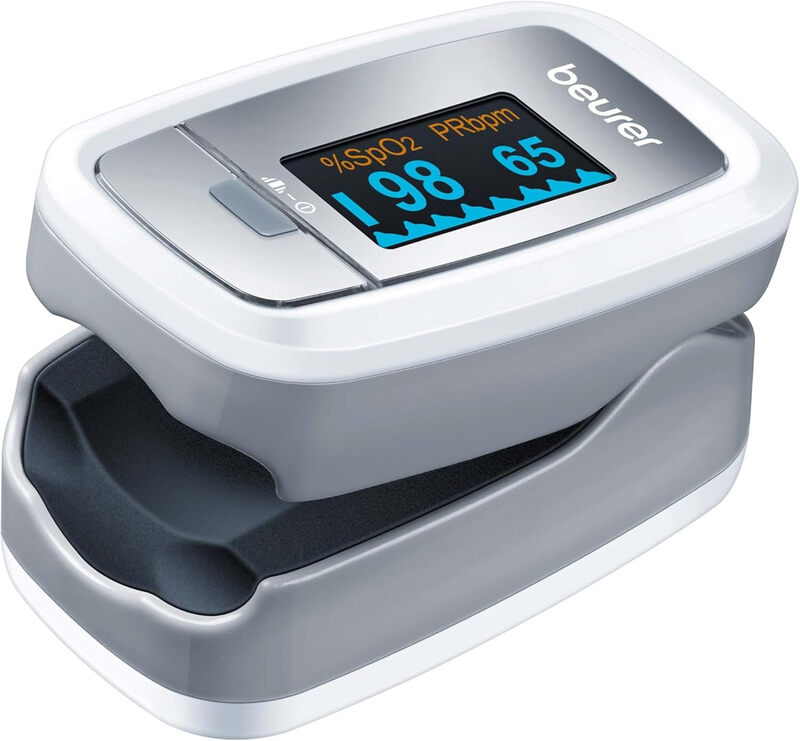
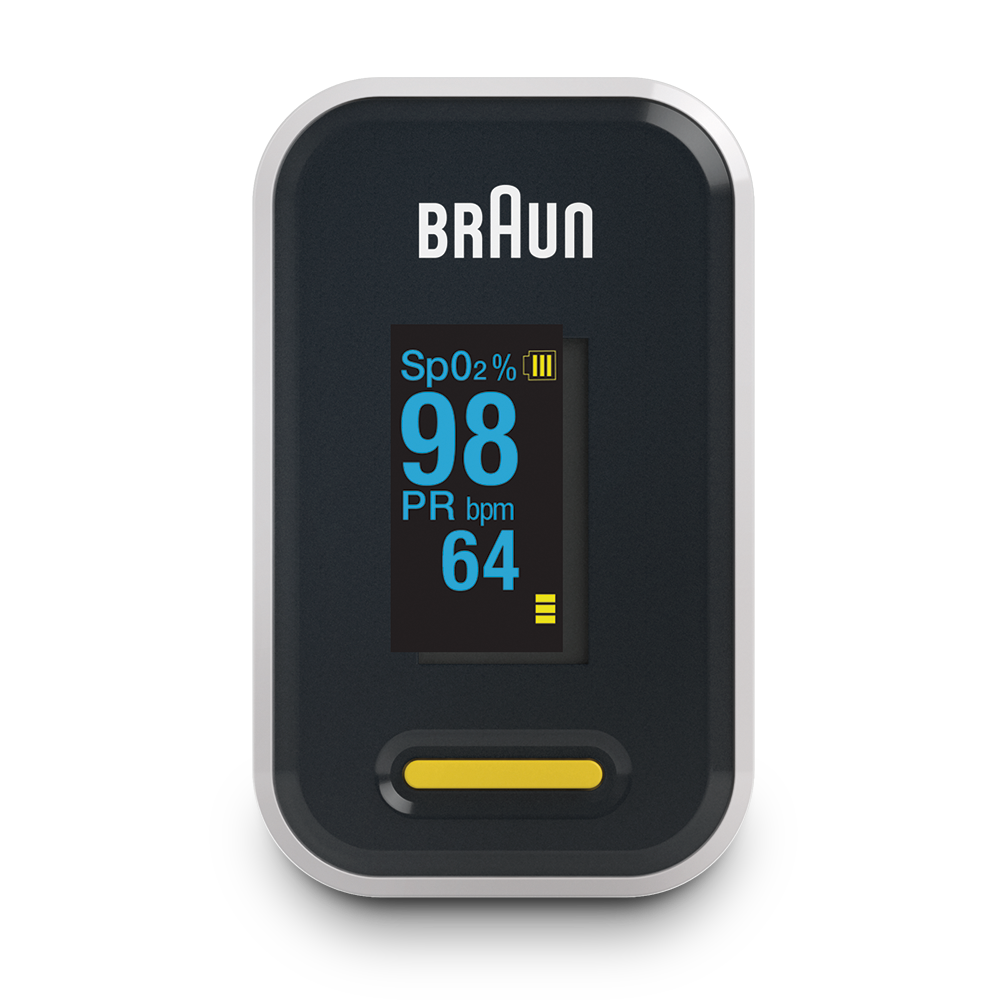
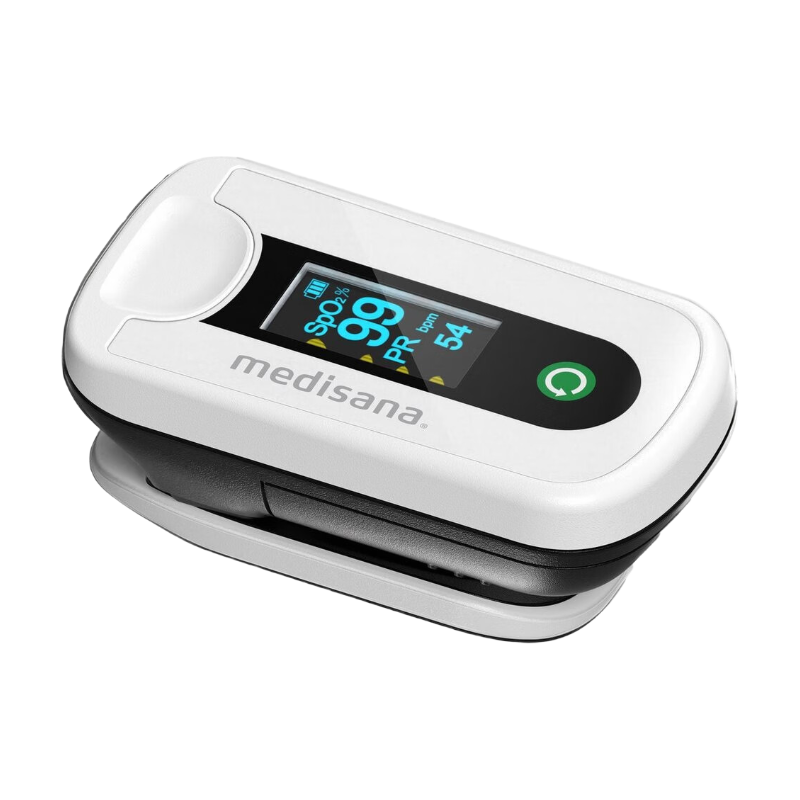
- Mini digital finger units are small and light. They slip into a pocket for travel or occasional home use.
- Combined blood glucose and oximeter kits sit under Health Care. They suit people who already test glucose and want one portable device.
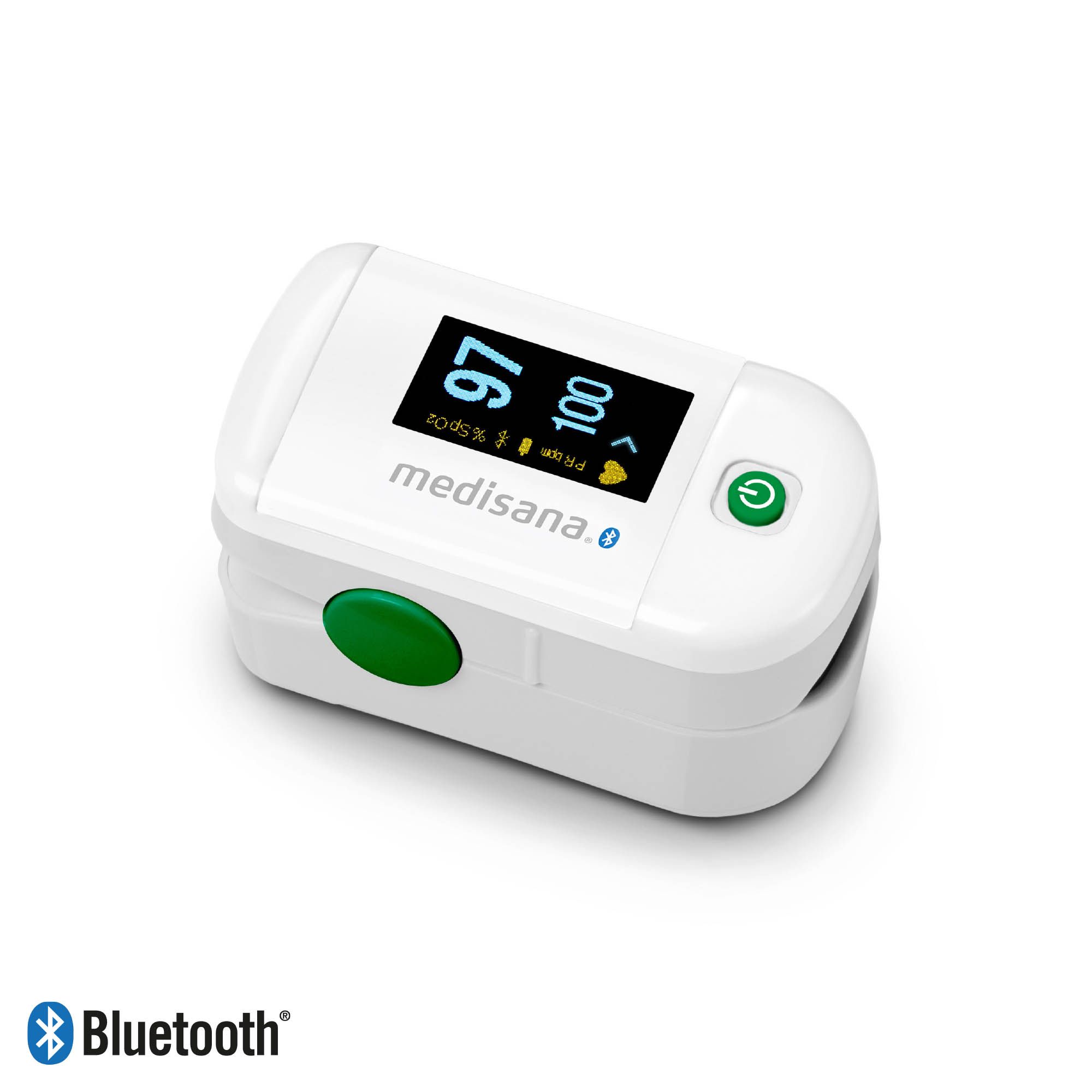
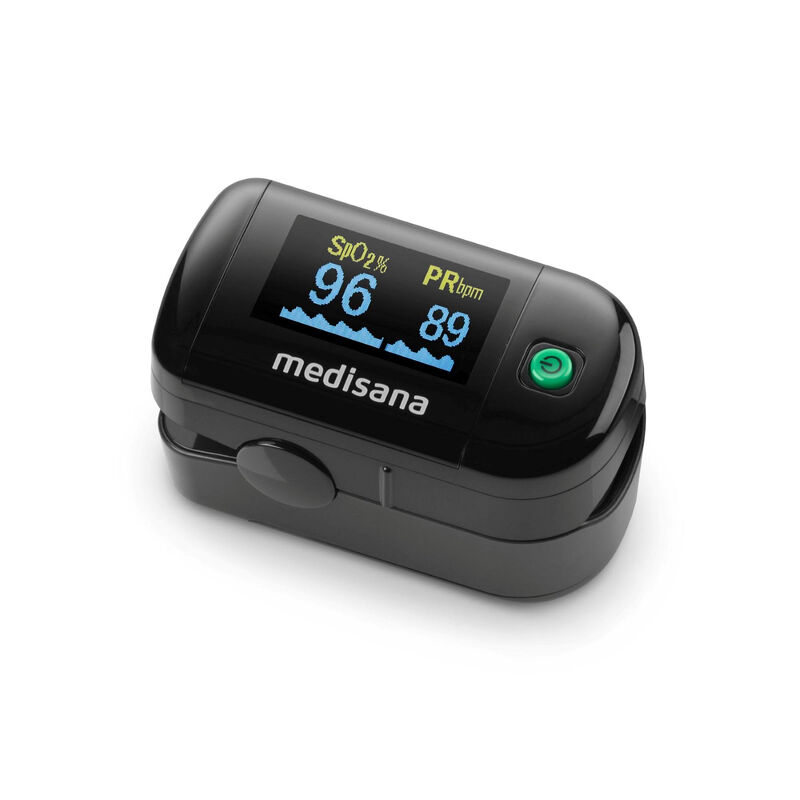
- Colour choices run from white and blue to pink and green. Plastic or rubber builds let you pick a model that feels right in hand.
Things to watch
- Multi-parameter biometric monitors add reading modes and screens. If you only want a quick oxygen spot check, the extra data is noise.
- Finger clip combos with glucose testing are bulkier than a plain oximeter. Users with weak grip may find them fiddly.
- Mini fingertip models often show only SpO2 and heart rate. They miss the perfusion index and respiratory rate of advanced monitors.
- Some attribute listings include gold or lead materials. These are uncommon for daily health use and may reflect generic marketplace tags rather than medical build.
Care & maintenance
Clean the shell
Wipe plastic or rubber housing with a soft damp cloth after each use, more often if shared.
Remove after reading
Take the unit off the finger as soon as the reading locks. This saves battery and protects the sensor.
Store sensibly
Keep the device in a dry spot away from heat. Acrylic or mode materials can haze under sun exposure.
Check batteries
If your model takes cells, check the compartment every few months for corrosion.
Frequently Asked Questions
What should I look for when buying pulse oximeters?
When shopping for pulse oximeters, consider factors such as quality, price, brand reputation, and customer reviews. Compare prices across multiple retailers to ensure you're getting the best deal. Look for products that match your specific needs and budget.
How do I choose the right pulse oximeters?
Choosing the right pulse oximeters depends on your individual needs, budget, and preferences. Research different options, read customer reviews, and compare specifications. Consider what features are most important to you and look for products that offer the best value for money.
Where can I find the best deals on pulse oximeters?
You can find the best deals on pulse oximeters by comparing prices across multiple retailers. Our price comparison tool helps you find the lowest prices from trusted UK retailers including Amazon, eBay, and other major online stores. Check regularly as prices and deals change frequently.
Are pulse oximeters products worth the investment?
The value of pulse oximeters products depends on your specific needs and how you plan to use them. Quality products from reputable brands often provide better long-term value, even if they cost more initially. Consider your budget and requirements when making your decision.
What's the difference between different types of pulse oximeters?
Different types of pulse oximeters vary in features, quality, price, and intended use. Some may offer premium features while others focus on affordability. Research the specific differences between models or brands to find the option that best suits your needs and budget.