Changing Tables
How to choose changing tables
Sub-type and storage
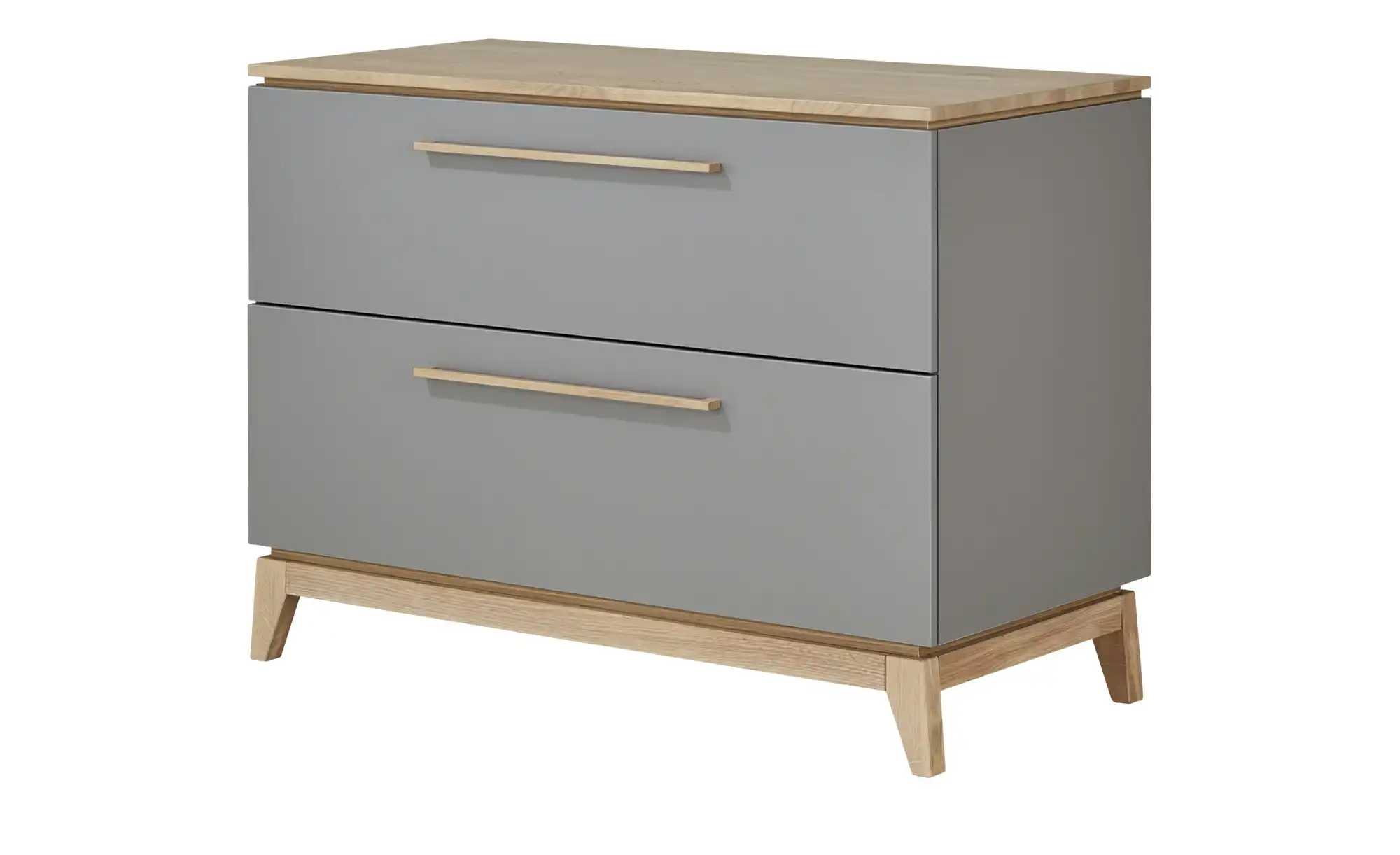
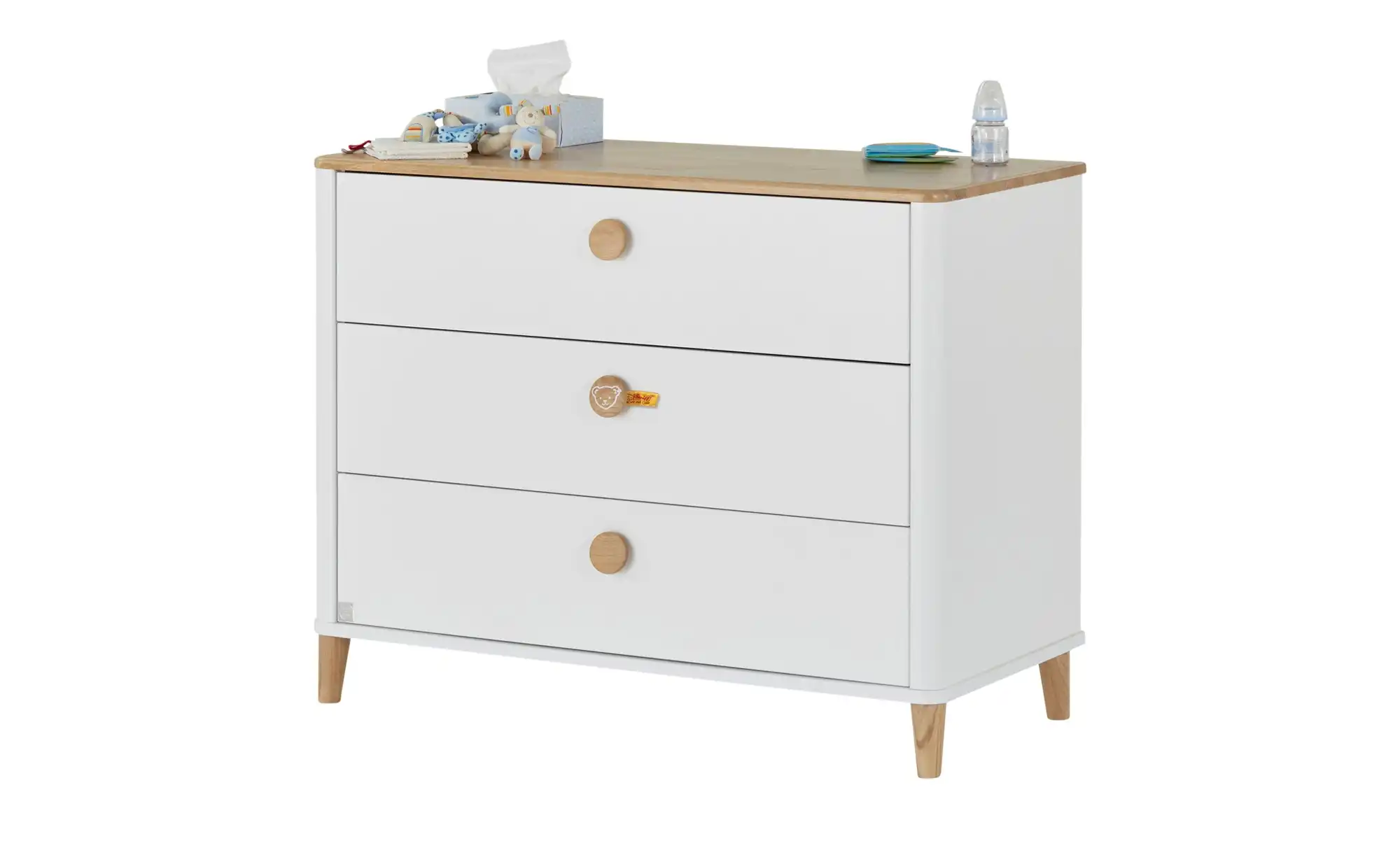
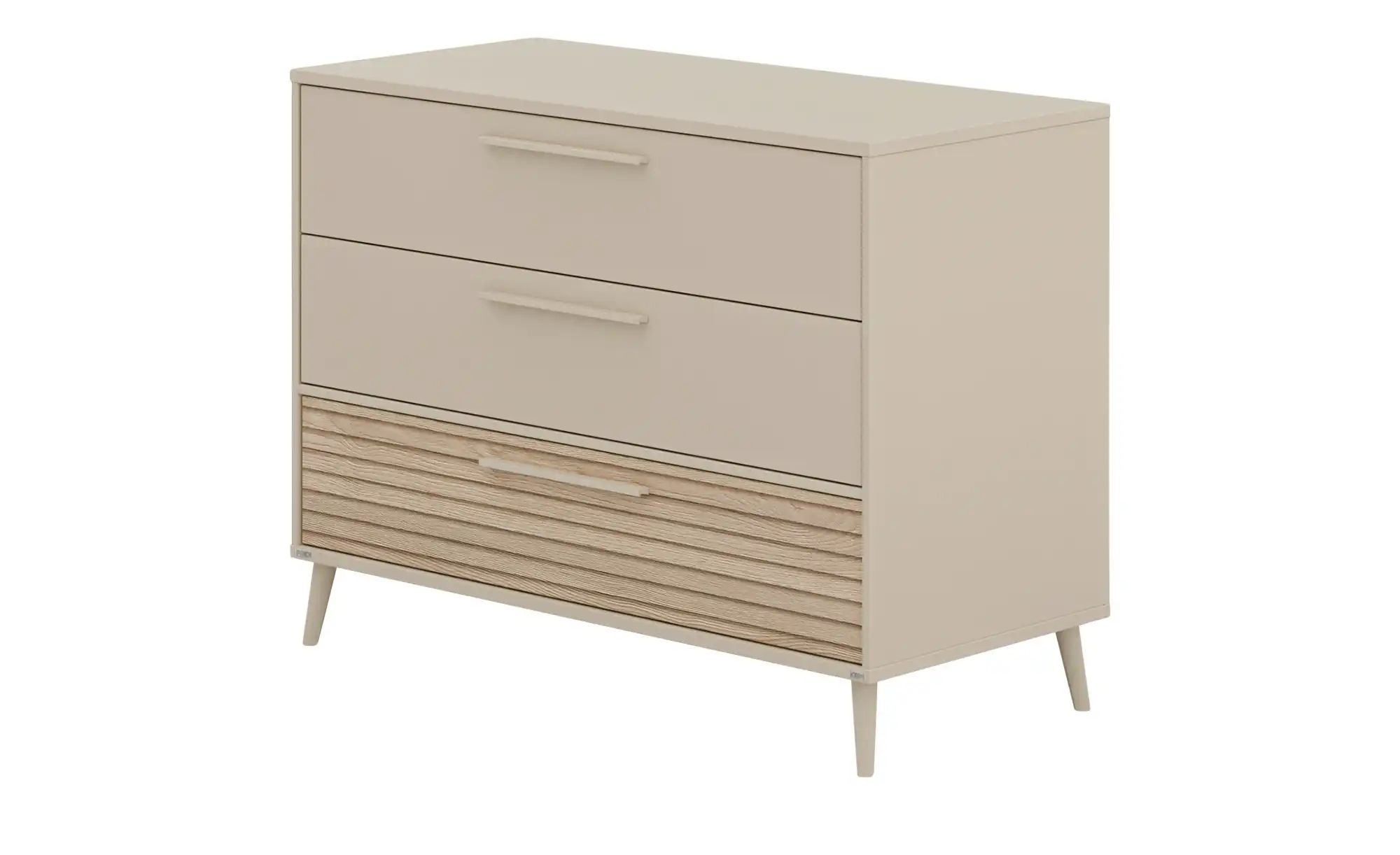
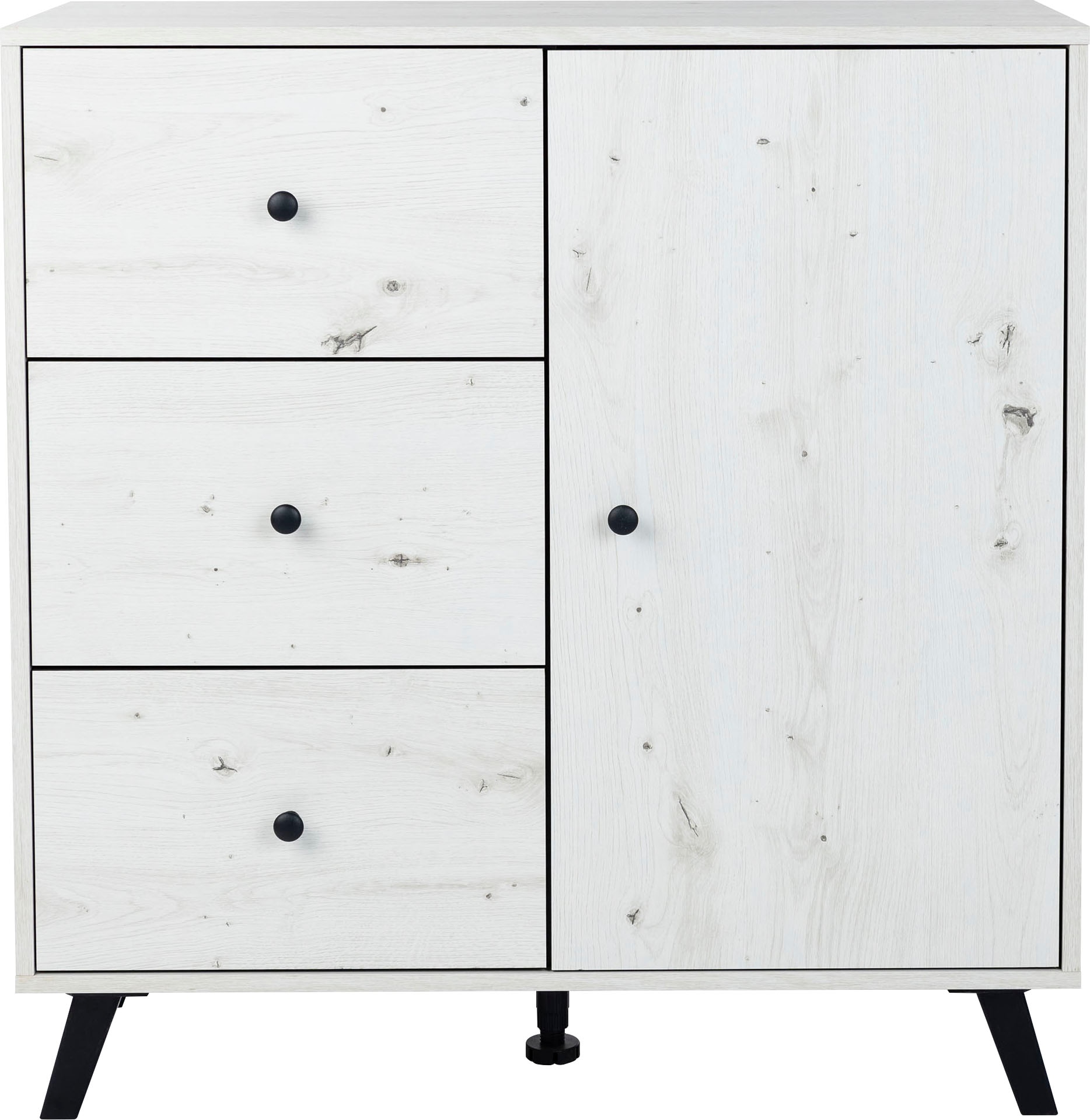
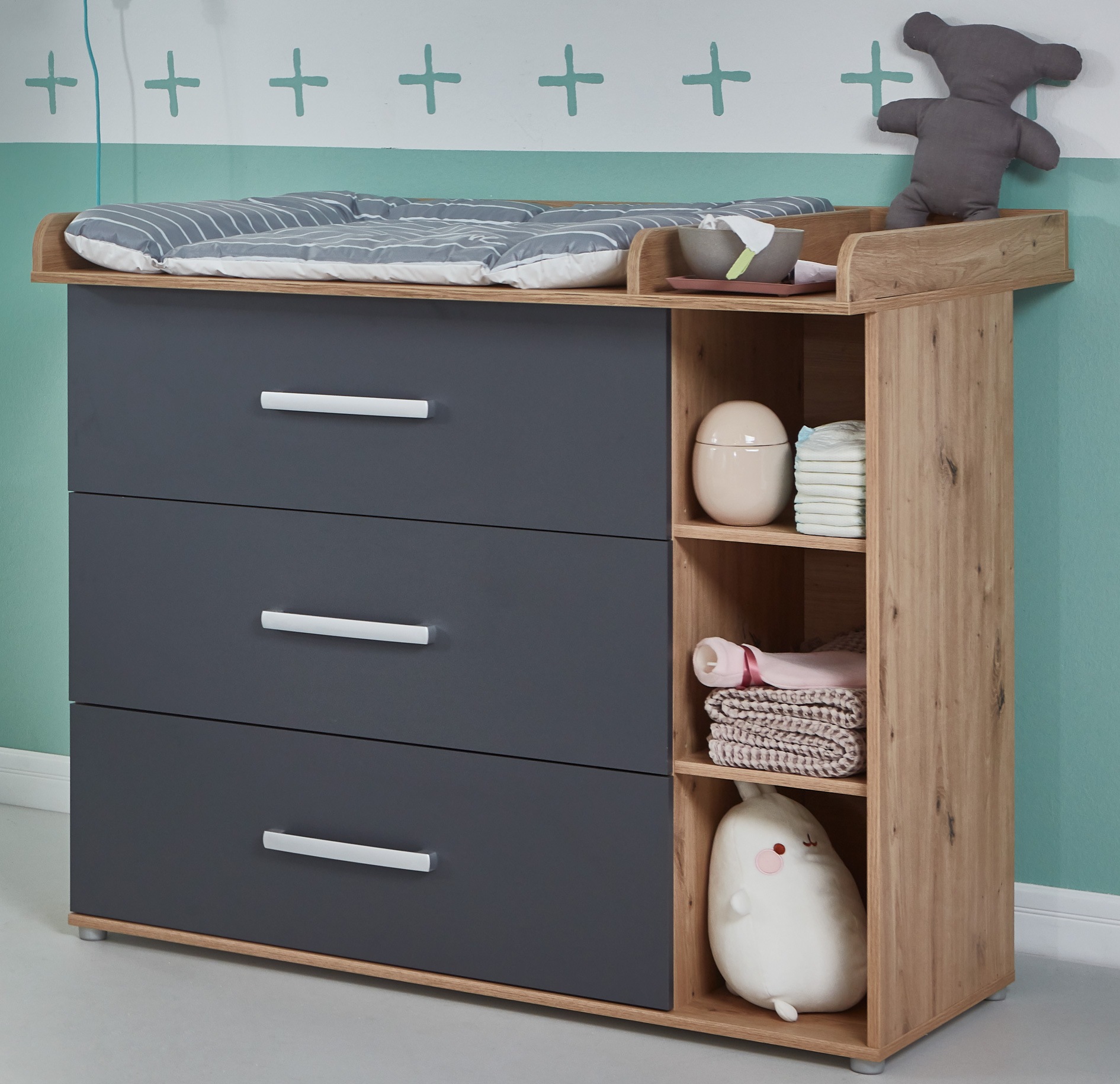
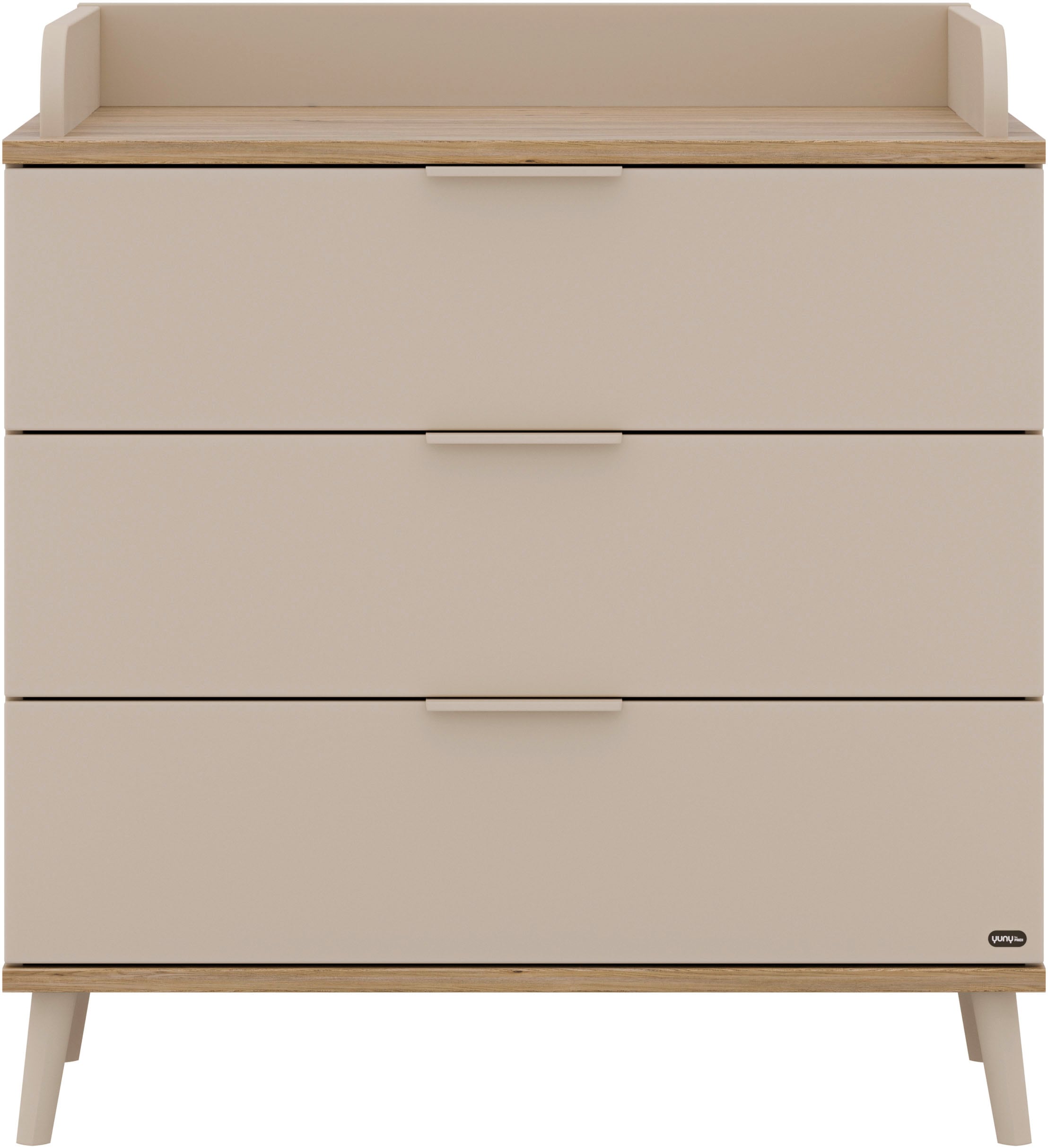
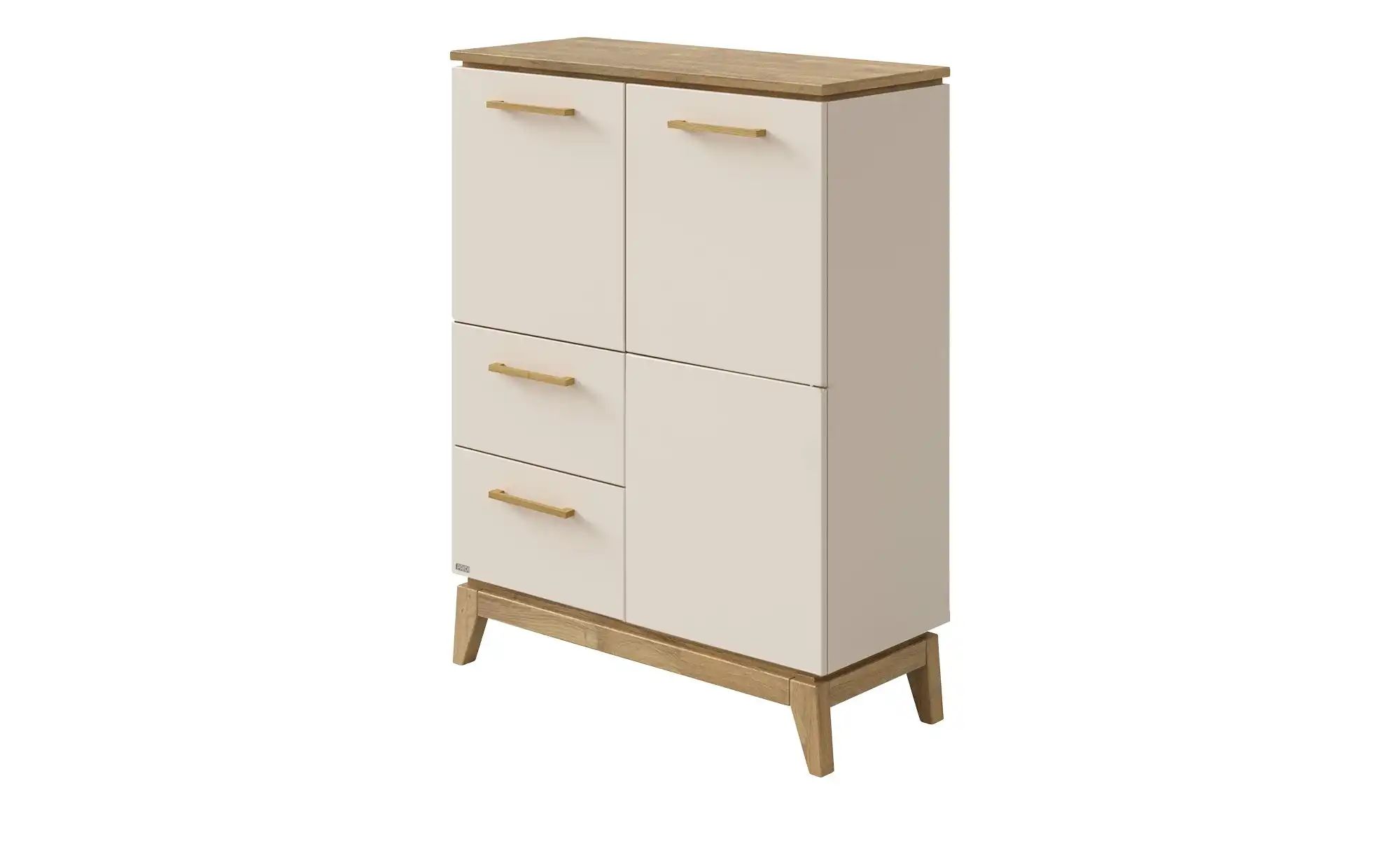
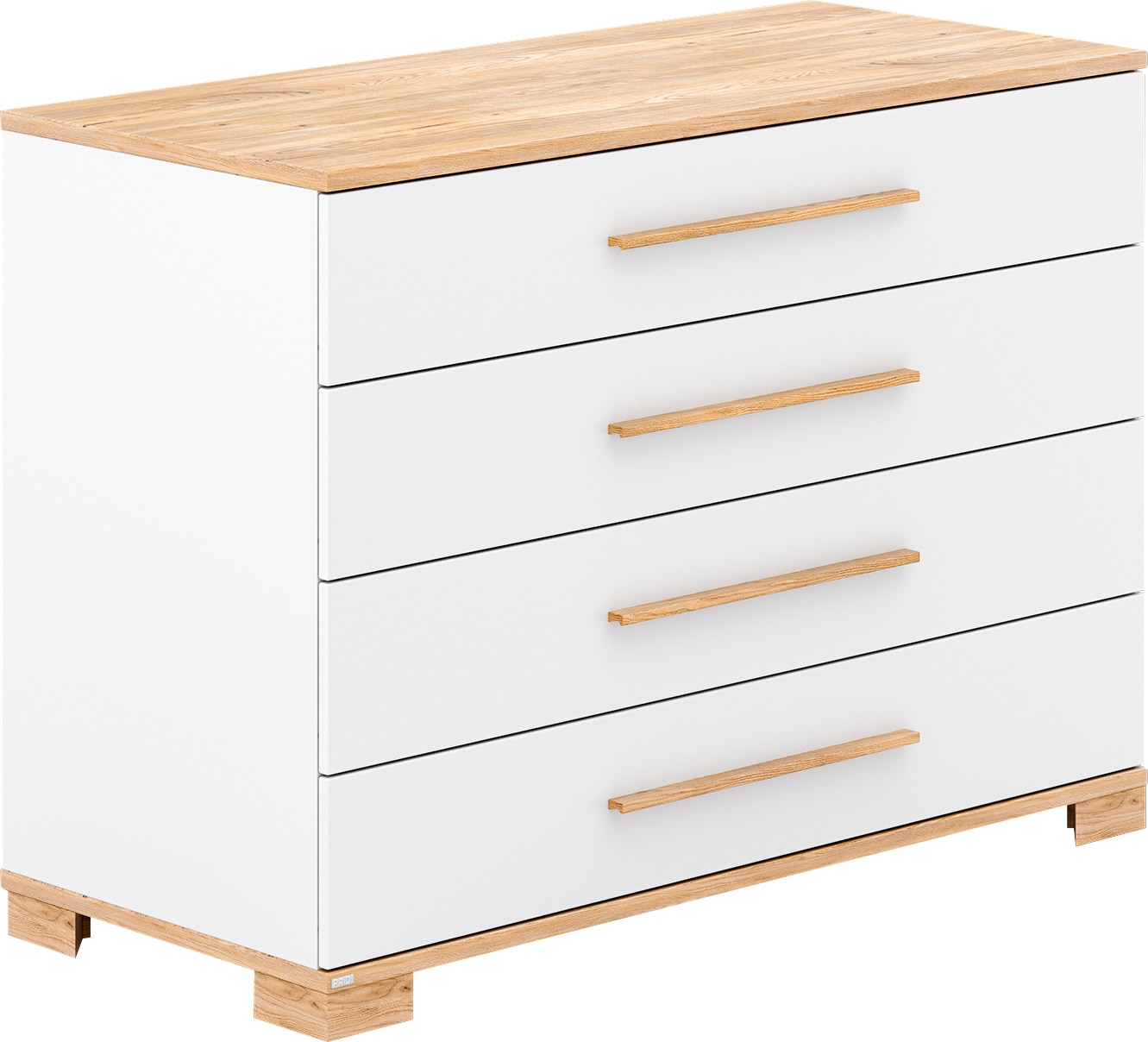
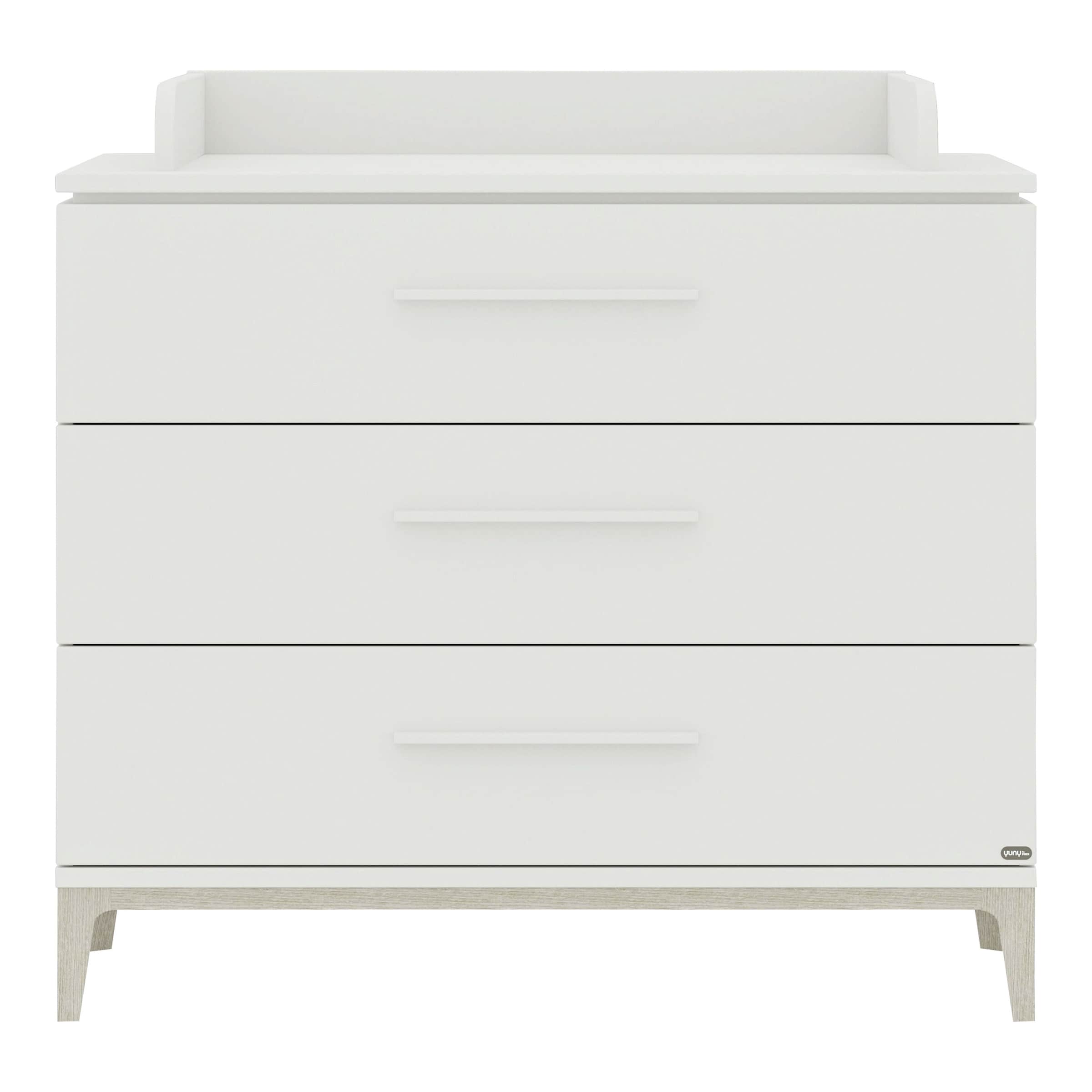
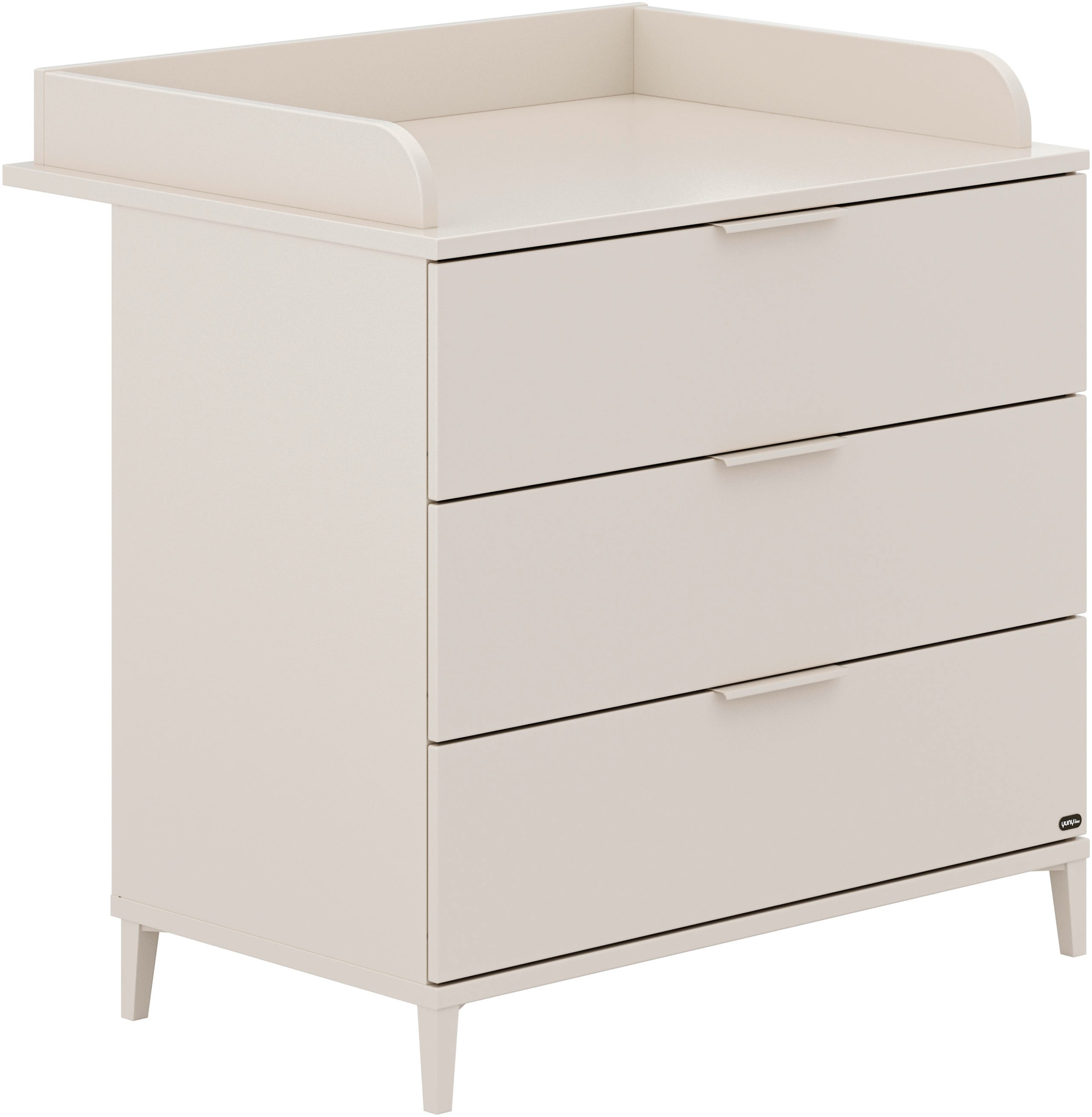
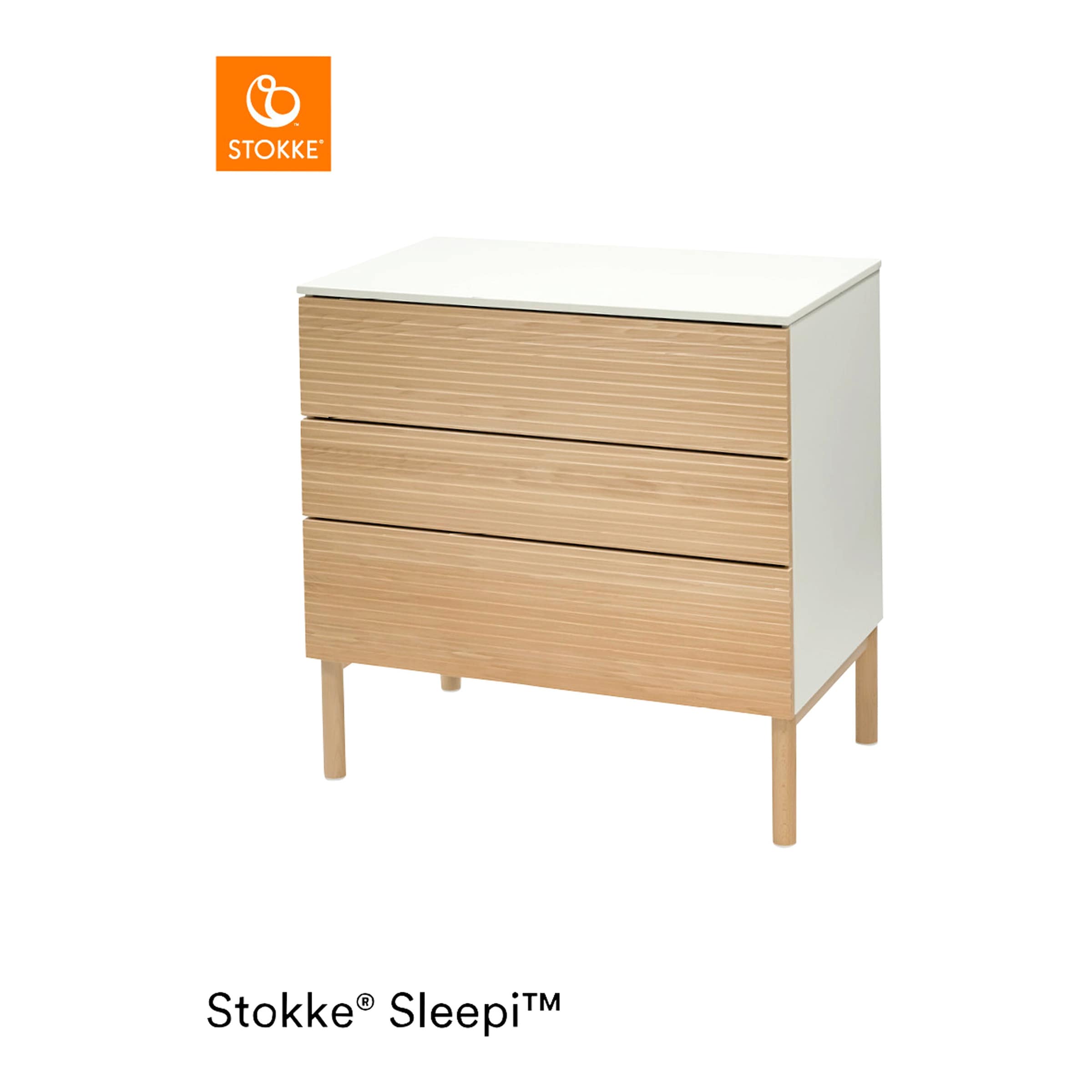
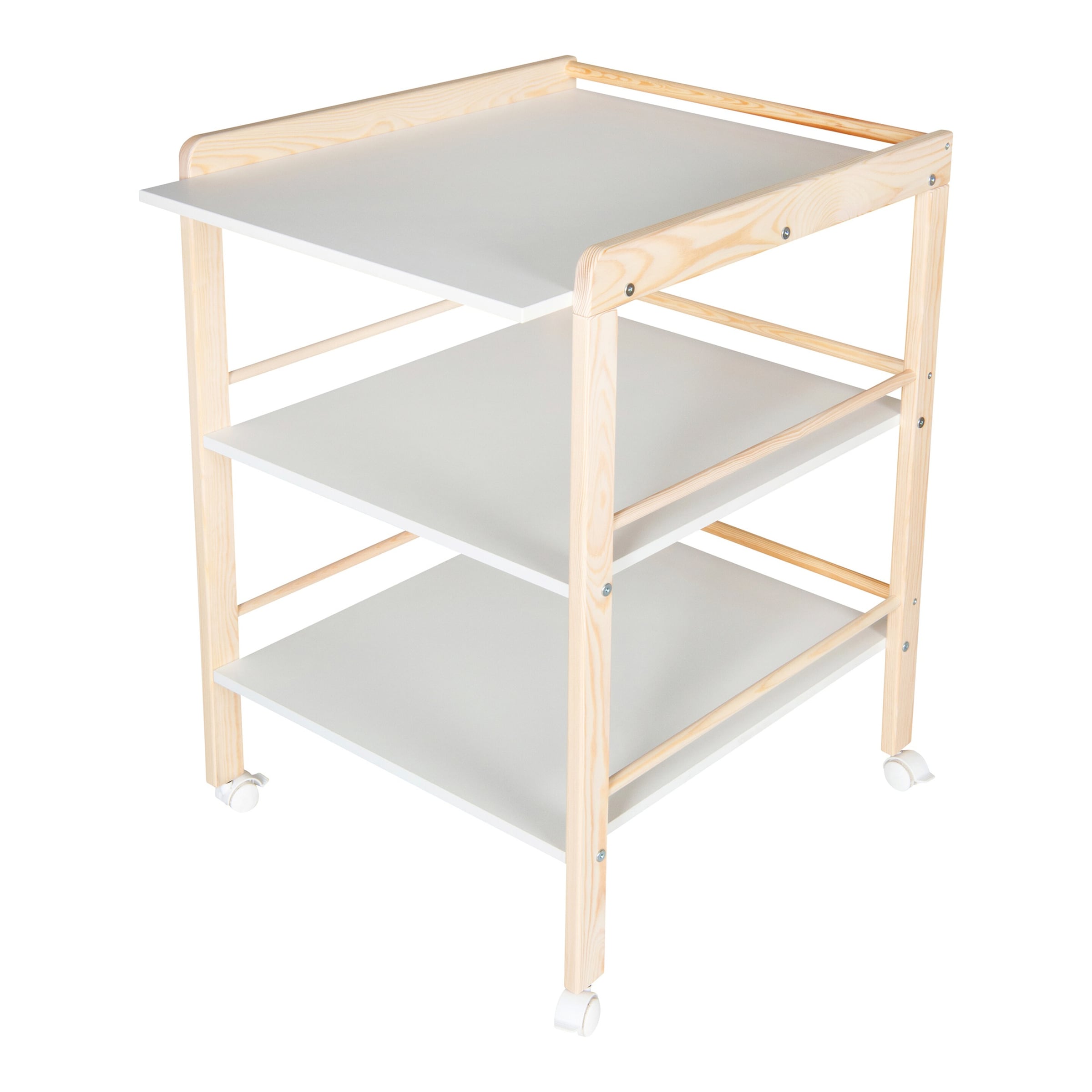
Choose between a Furniture dresser with drawers and a Baby & Toddler Furniture open frame. The dresser stores more but eats floor area.
Material build
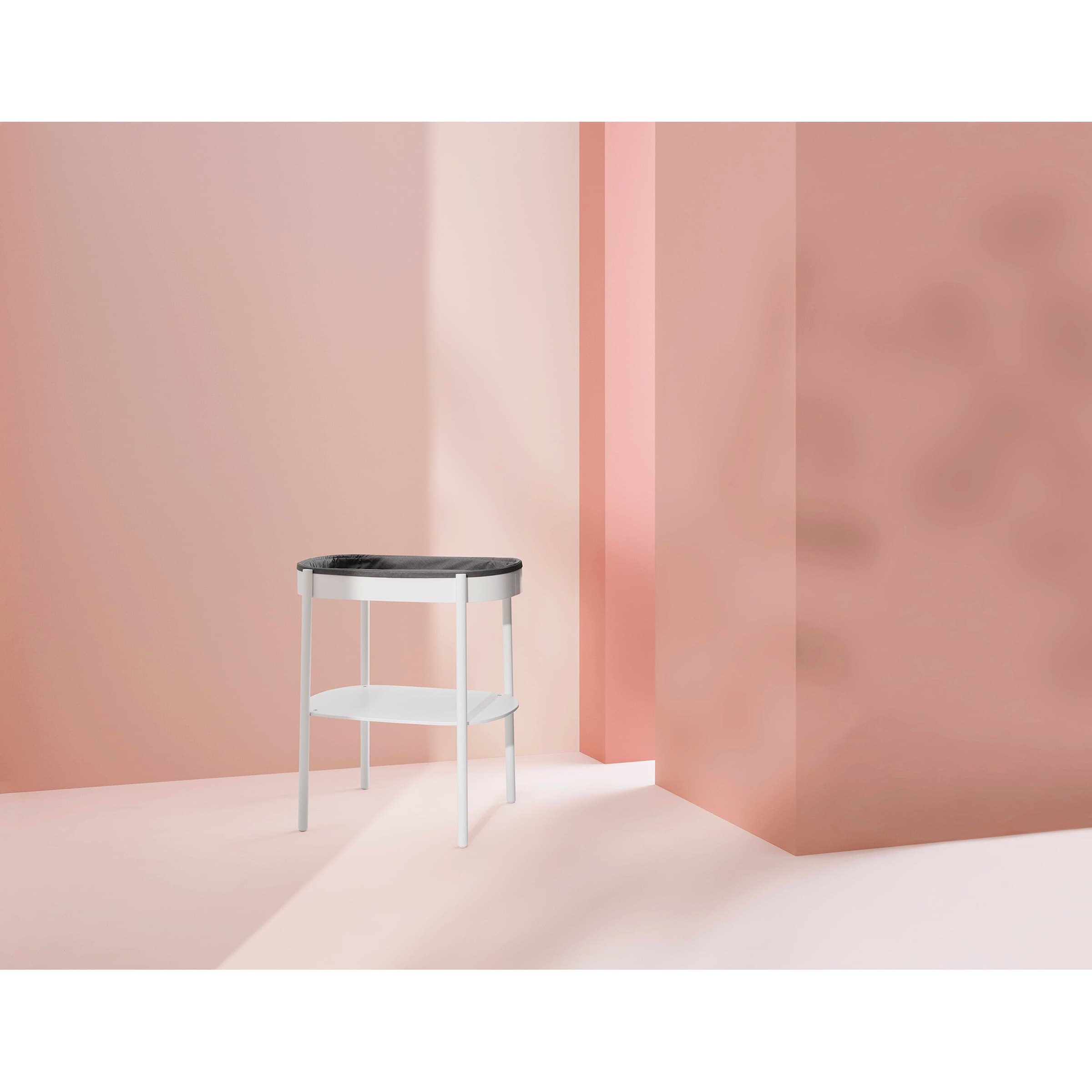
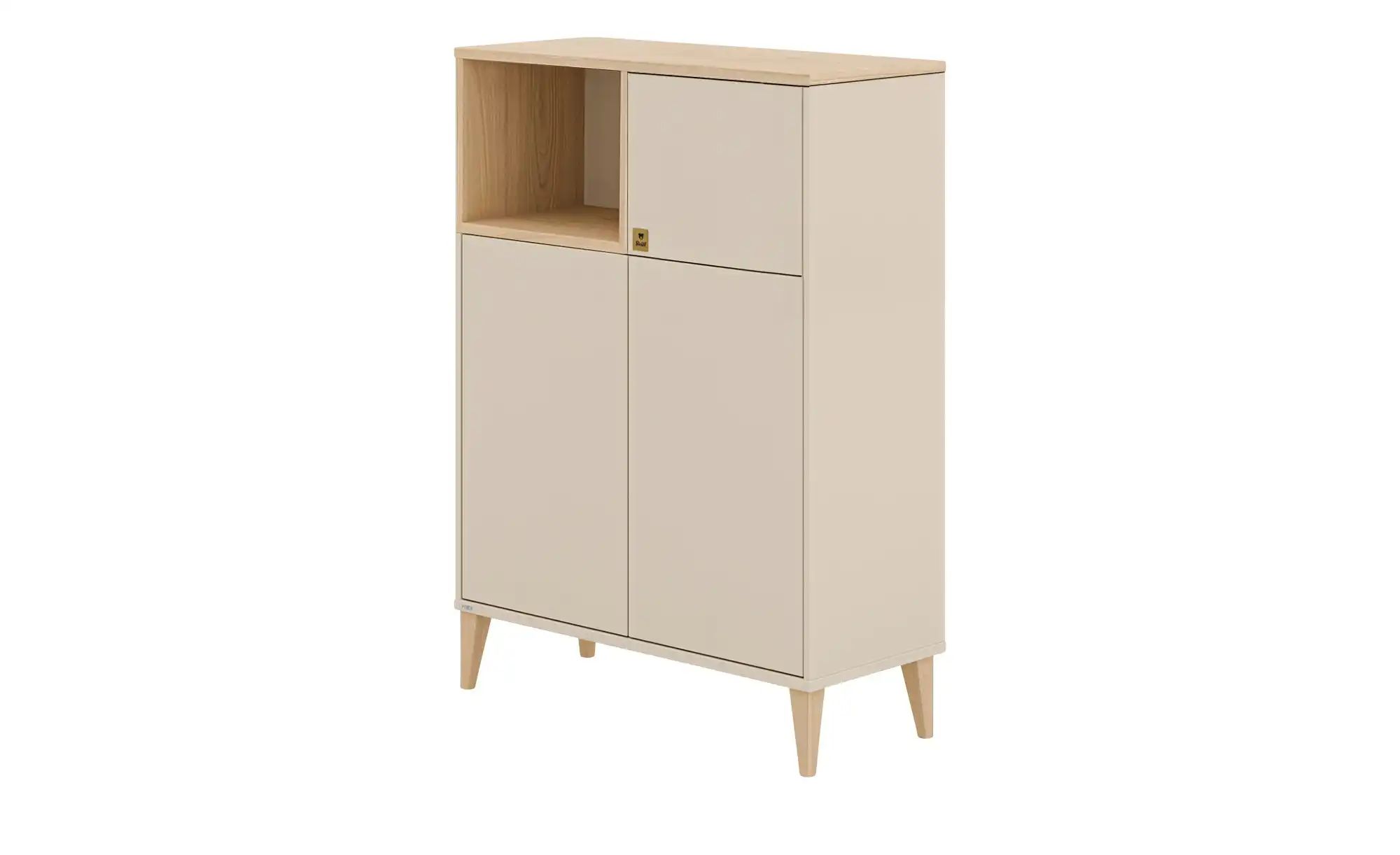
Match material to your plan. Oak and ash last for years, chipboard keeps weight down, metal gives a modern edge.
Colour finish
Pick colour from the actual range. White or grey for neutral rooms, pink or baltic for a brighter nursery, brown or beige for warmth, elm-white or white/grey for contrast.
Floor vs wall
Think about mounting. A horizontal wall unit saves space, while a floor-standing piece stays portable.
Conversion style
Decide if you want a plain changing surface or one built to sit on a chest of drawers. The latter converts existing furniture you may own.
What's good
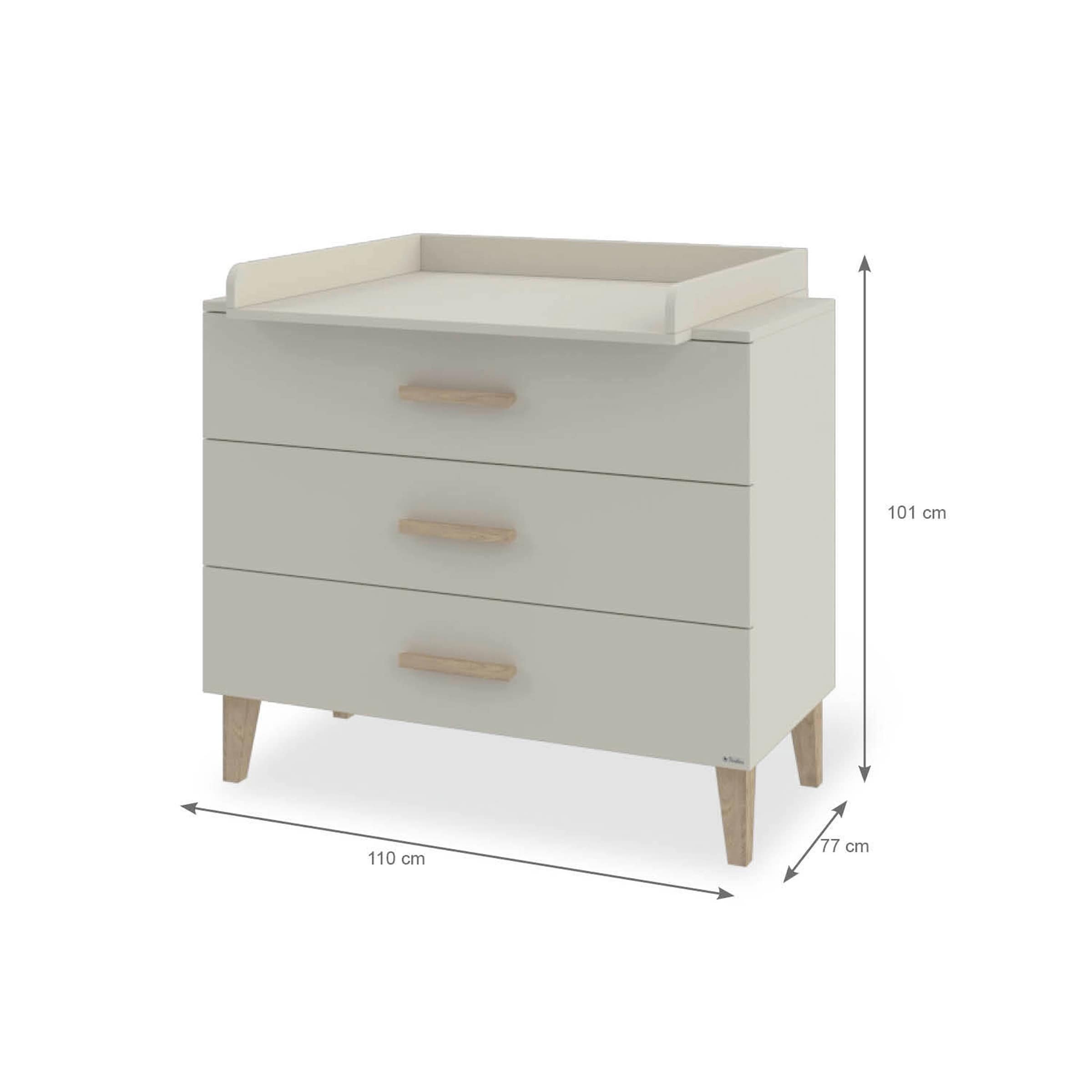
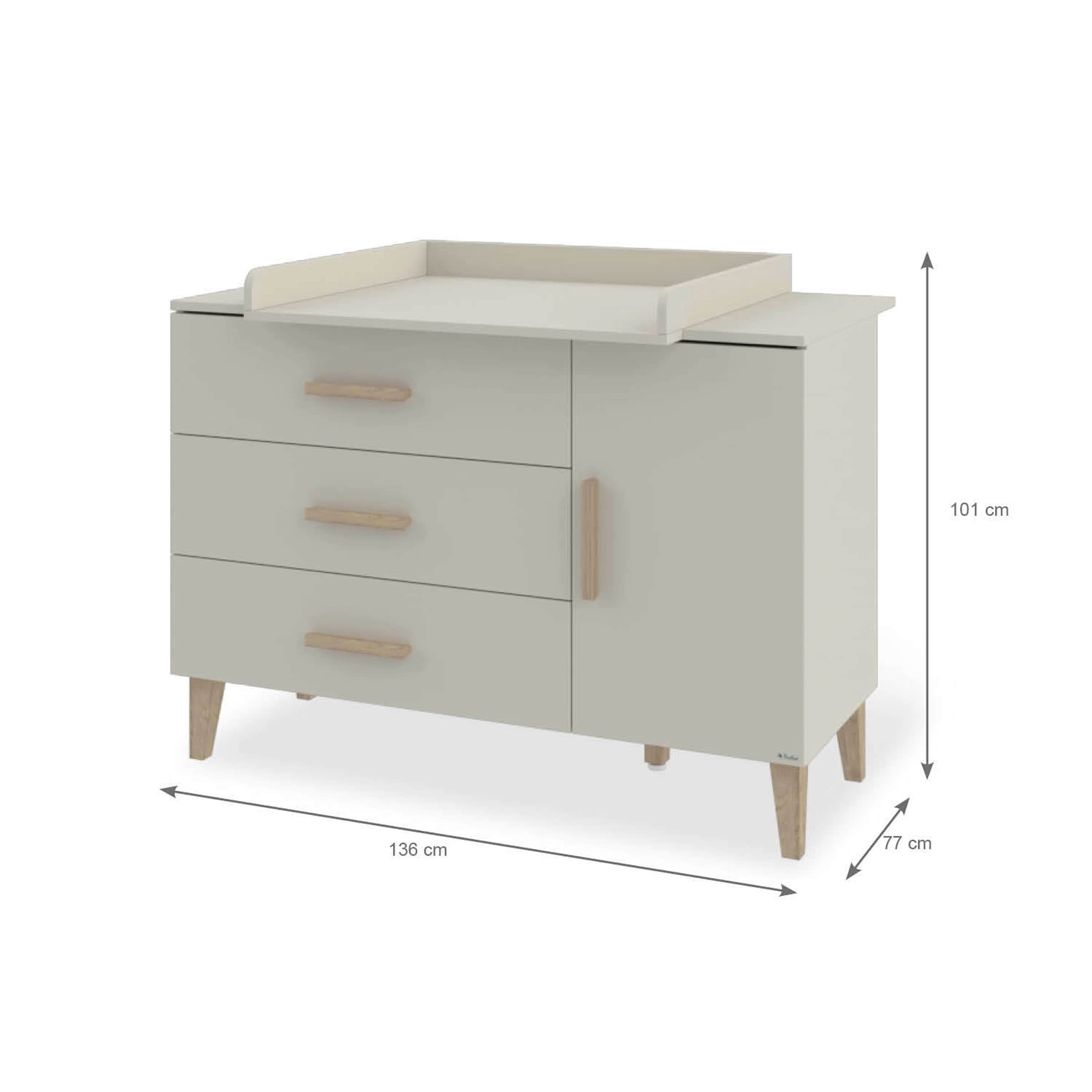
- Furniture dresser changers pair a padded top with drawers. You keep nappies and vests within arm's reach during changes.
- Baby & Toddler Furniture units often use pine or bamboo. They are light enough to carry from bedroom to bathroom.
- Solid wood builds in oak or ash blend into a nursery now. Later, with the pad removed, they serve as a normal chest.
- Wall-mounted designs (present in the range) free up floor space. A practical pick for flats with tight rooms.
- Neutral finishes like white, grey, or oak sit well in most homes. Pink or baltic suit a themed nursery, and elm-white or white/grey give a two-tone look.
Things to watch
- Chipboard units are easy to shift. They mark quickly if wiped with a soaking cloth, unlike sealed oak or metal.
- Drawer dressers need a wider footprint than open or wall-mounted units. Wrong for a narrow alcove.
- Metal and gold/metal frames look smart. They feel hard and cold, needing a padded mat for a squirming baby.
- Baby & Toddler Furniture pieces skip deep storage. You will keep supplies in a separate box.
- Integrated bathtub models add wash function. They stop the unit doubling as plain furniture after potty training.
Care & maintenance
Wood care
Dust oak, ash, or pine with a dry cloth. Wipe spills with a barely damp one to avoid swelling.
Fixings
Tighten the wall brackets and bolts on mounted units every couple of months. Timber settles over time.
Engineered board
Clean chipboard tops with mild soap. Dry the edges straight away to protect the core.
Drawers
Check drawer runners on dresser changers for slack. Reseat if they stick.
Frequently Asked Questions
What should I look for when buying changing tables?
When shopping for changing tables, consider factors such as quality, price, brand reputation, and customer reviews. Compare prices across multiple retailers to ensure you're getting the best deal. Look for products that match your specific needs and budget.
How do I choose the right changing tables?
Choosing the right changing tables depends on your individual needs, budget, and preferences. Research different options, read customer reviews, and compare specifications. Consider what features are most important to you and look for products that offer the best value for money.
Where can I find the best deals on changing tables?
You can find the best deals on changing tables by comparing prices across multiple retailers. Our price comparison tool helps you find the lowest prices from trusted UK retailers including Amazon, eBay, and other major online stores. Check regularly as prices and deals change frequently.
Are changing tables products worth the investment?
The value of changing tables products depends on your specific needs and how you plan to use them. Quality products from reputable brands often provide better long-term value, even if they cost more initially. Consider your budget and requirements when making your decision.
What's the difference between different types of changing tables?
Different types of changing tables vary in features, quality, price, and intended use. Some may offer premium features while others focus on affordability. Research the specific differences between models or brands to find the option that best suits your needs and budget.