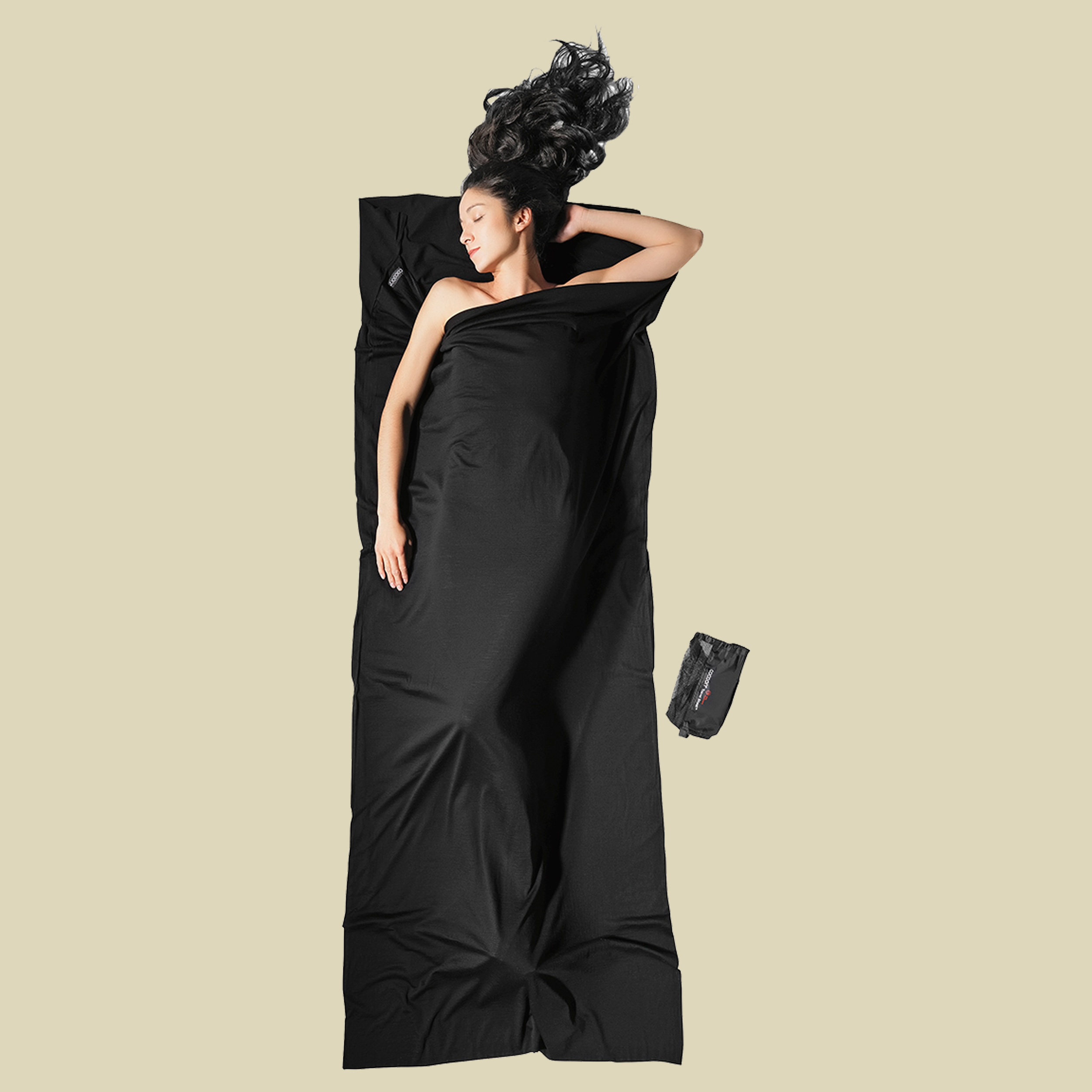
Sleeping Bag Liners
How to choose sleeping bag liners
Sub-type fit
Pick your sub-type before colour. Outdoor Recreation covers general use, Camping & Hiking targets night warmth, Sporting Goods spans travel and indoor wraps.
Material tradeoff
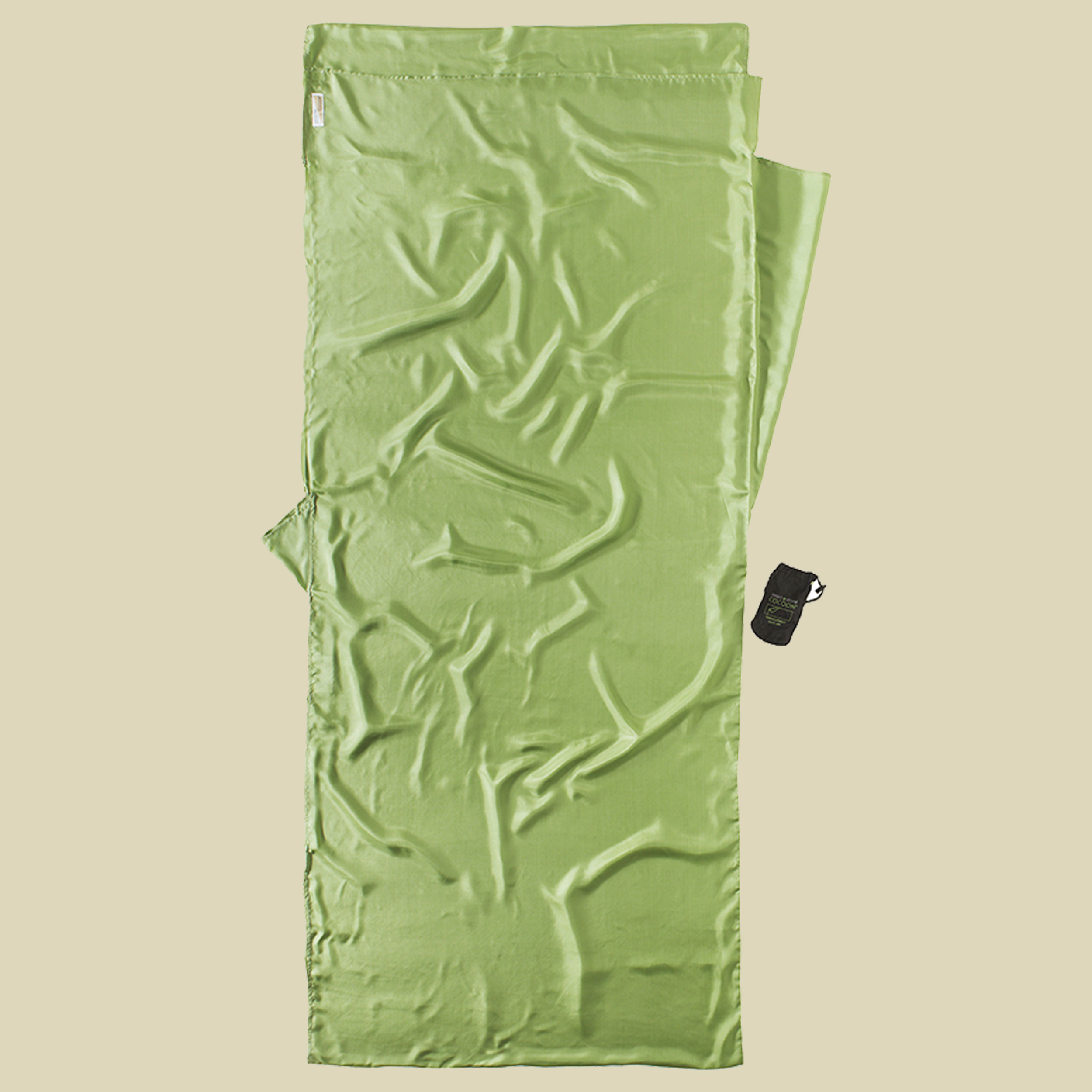
Weigh material against use. Polyester and nylon are tough but breathe less, cotton is soft but slow to dry, fleece is warm but heavy, silk is light but delicate.
Colour role
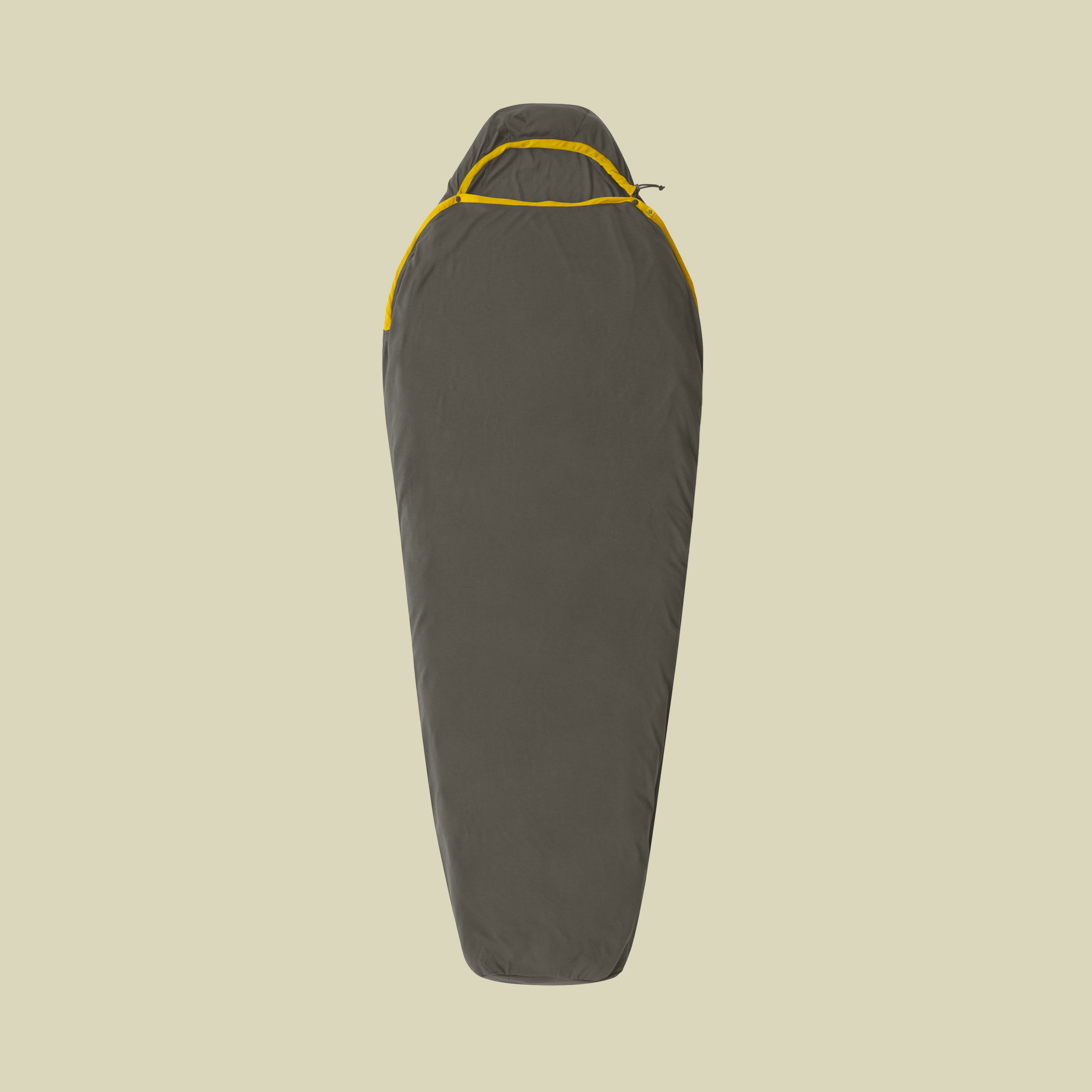
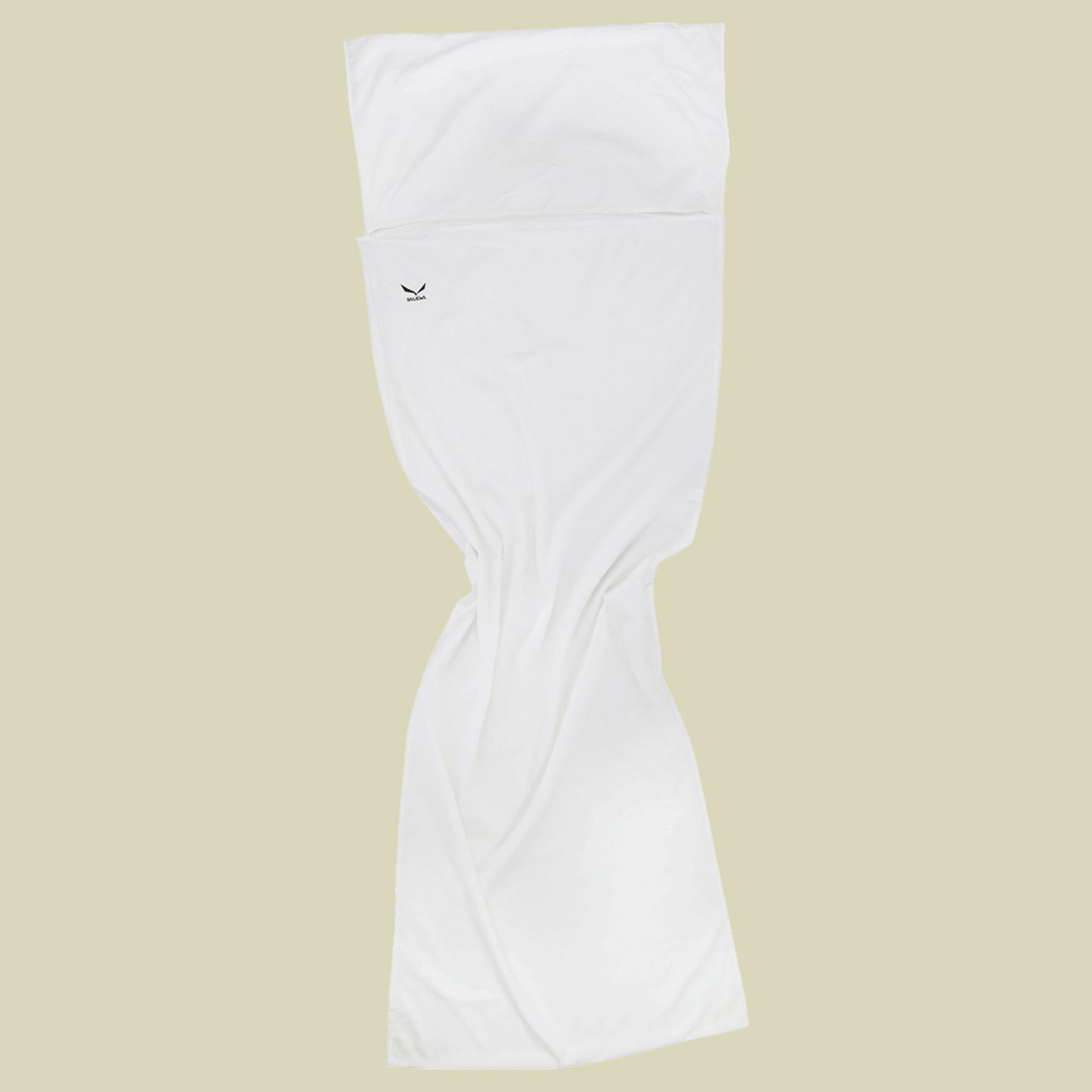
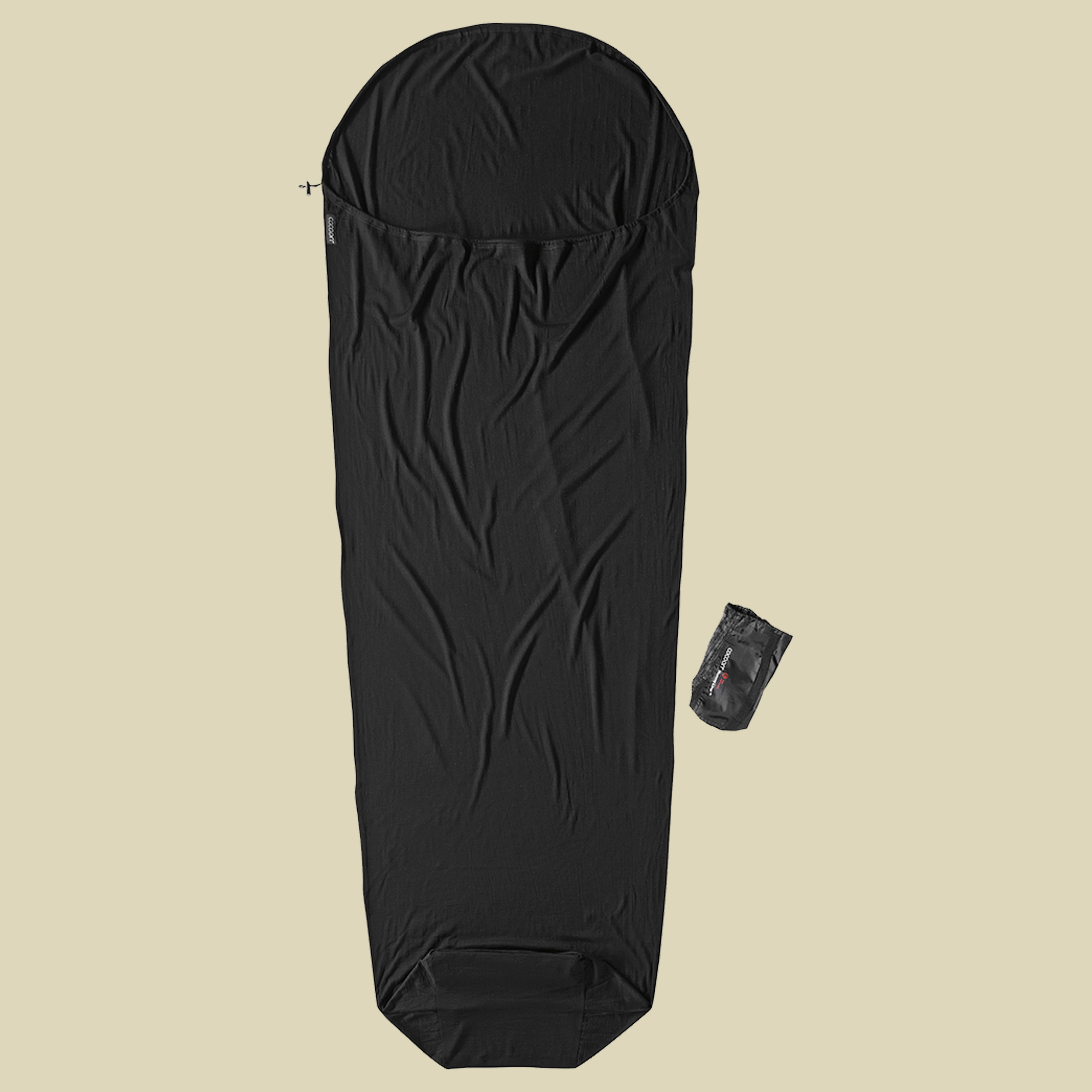
Choose colour for reality. Charcoal, army green or navy blue hide dirt on extended trips, white or azure suit hotel stays where stains matter less.
Wrong user
Know who it is wrong for. A silk liner is wrong for a careless backpacker, a fleece liner is wrong for a cyclist packing tight, a plastic liner is wrong for a hot sleeper.
What's good
- Outdoor Recreation liners in nylon or silk pack down small, so they add comfort without weighting a daypack.
- Camping & Hiking liners in fleece give a warm layer inside an existing bag, extending its use on cold nights.
- Sporting Goods liners in polyester or plastic form a barrier for travel and indoor use, shielding skin from unclean beds.
- Cotton and cotton/polyester (polycotton) liners mix a soft feel with easy washing, good for families who clean gear often.
Things to watch
- Cotton and polycotton liners are easy to wash but they show grime quickly in dark campsites, a poor pick for long trips where laundry is rare.
- Fleece liners add bulk to a pack, so they suit car campers more than thru hikers counting grams.
- Nylon and plastic liners shrug off spills yet they can feel clammy against bare skin on warm nights.
- Silk or silk/cotton liners need gentle care, wrong for anyone who expects a rough and tumble wash cycle.
Care & maintenance
Machine safe washes
Wash polyester, cotton, cotton/polyester and nylon liners on a cool machine cycle, then line dry.
Delicate care
Hand wash silk and silk/cotton liners, lay them flat to dry, and keep them away from harsh detergents.
Fleece upkeep
Shake fleece liners after each sleep to clear lint and leaves before storage.
Shape retention
Store plastic and polyester/plastic liners loosely rolled, not crushed, to avoid permanent creases.
Frequently Asked Questions
What should I look for when buying sleeping bag liners?
When shopping for sleeping bag liners, consider factors such as quality, price, brand reputation, and customer reviews. Compare prices across multiple retailers to ensure you're getting the best deal. Look for products that match your specific needs and budget.
How do I choose the right sleeping bag liners?
Choosing the right sleeping bag liners depends on your individual needs, budget, and preferences. Research different options, read customer reviews, and compare specifications. Consider what features are most important to you and look for products that offer the best value for money.
Where can I find the best deals on sleeping bag liners?
You can find the best deals on sleeping bag liners by comparing prices across multiple retailers. Our price comparison tool helps you find the lowest prices from trusted UK retailers including Amazon, eBay, and other major online stores. Check regularly as prices and deals change frequently.
Are sleeping bag liners products worth the investment?
The value of sleeping bag liners products depends on your specific needs and how you plan to use them. Quality products from reputable brands often provide better long-term value, even if they cost more initially. Consider your budget and requirements when making your decision.
What's the difference between different types of sleeping bag liners?
Different types of sleeping bag liners vary in features, quality, price, and intended use. Some may offer premium features while others focus on affordability. Research the specific differences between models or brands to find the option that best suits your needs and budget.