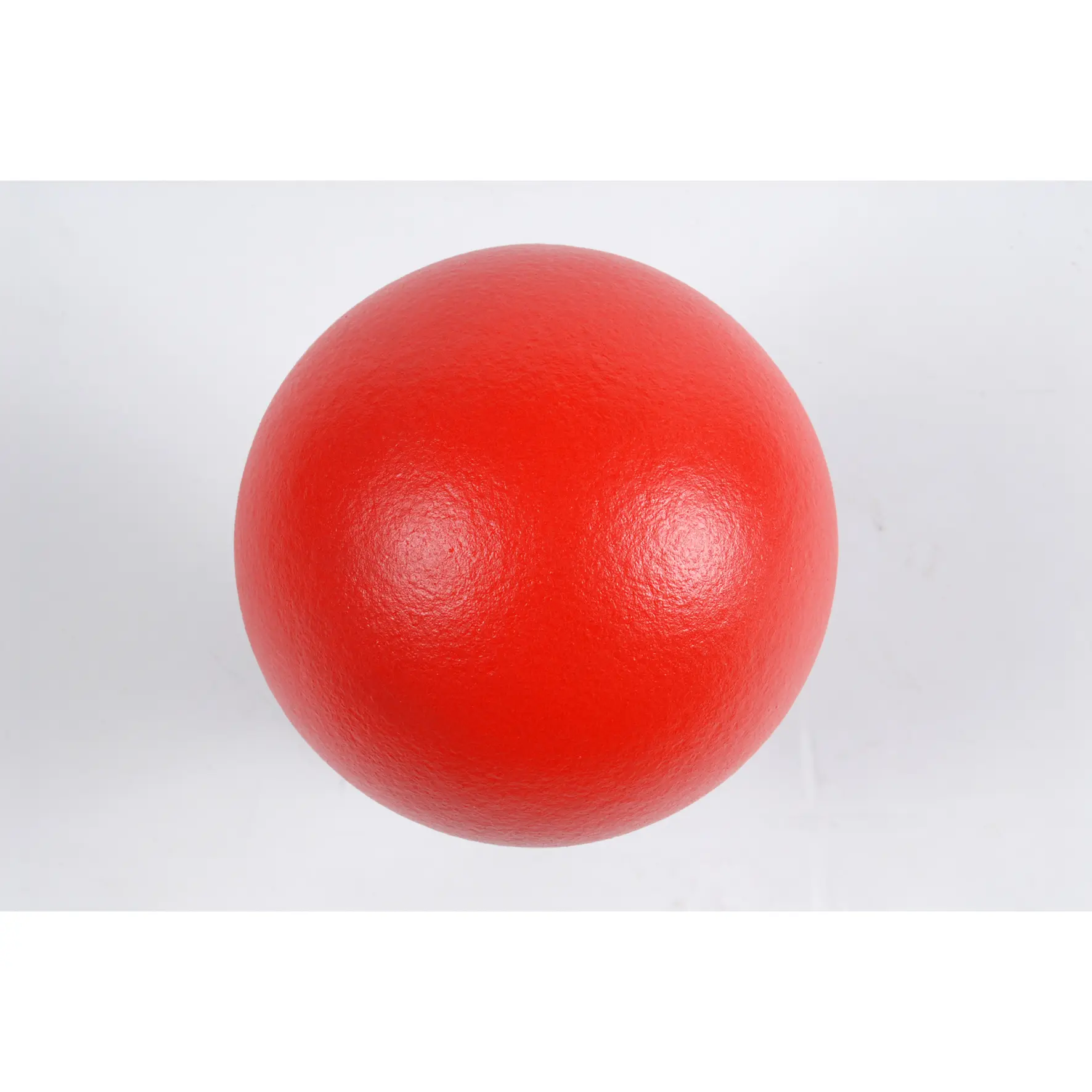
Hockey Balls & Pucks
How to choose hockey balls & pucks
Format choice
Decide between field hockey balls and ice hockey pucks first. The Figure Skating & Hockey sub-type covers pucks, while Athletics and Sporting Goods cover balls.
Material
Pick your material based on season. Rubber lasts longer in cold weather, but plastic keeps the weight down for junior sessions.
Colour
Choose colour by use case. White matches fixture rules, while black, pink, or orange improve tracking during casual training on open pitches.
Tier
Match ball or training ball? A dimple or smooth training ball builds skills daily. Only a white match ball preps you for league games.
Surface
Think about where you play. Garden or indoor use favours lighter plastic. Club astro and ice rinks demand hard rubber builds.
What's good
- Field hockey match balls in white let you train to standard fixture conditions. Bright pink or orange training balls improve visibility on wet or dirty pitches.
- Rubber ice hockey pucks from the Figure Skating & Hockey grouping stay flat and slide true on ice. They give reliable rebound for strikers and keepers alike.
- Dimple hockey balls, often in pink or multi colours, cut drag in the air. They suit fast passing drills better than smooth-surfaced types.
- The range spans Athletics and Sporting Goods listings. You can pick a light plastic ball for casual garden play or a dense rubber puck for proper rink sessions.
Things to watch
- White match balls show scuff marks quickly on abrasive astro turf. They are also harder to spot in low light than orange or green options.
- Rubber ice hockey pucks are useless on a field hockey pitch. They will not roll or glide on grass or astro surfaces, so field players should avoid them.
- Plastic hockey balls can crack in freezing UK winters. Rubber variants keep their shape but feel heavier in the hand during long training drills.
- Multi colour or pink training balls are fun for practice. League fixtures require the standard white match ball, so you end up owning two tiers.
Care & maintenance
Puck care
Wipe rubber pucks with a dry cloth after use. This removes ice shavings and stops surface residue building up on the edges.
Ball wash
Wash plastic and rubber hockey balls in cold water. Clear the pitch grit, then air dry away from direct radiators to avoid warping.
Storage
Store all balls and pucks at room temperature. Leaving rubber in a frozen shed makes it brittle over time and ruins the bounce.
Shape check
Check smooth balls for flat spots every few weeks. A warped ball will not roll straight during passing drills or match prep.
Frequently Asked Questions
What should I look for when buying hockey balls & pucks?
When shopping for hockey balls & pucks, consider factors such as quality, price, brand reputation, and customer reviews. Compare prices across multiple retailers to ensure you're getting the best deal. Look for products that match your specific needs and budget.
How do I choose the right hockey balls & pucks?
Choosing the right hockey balls & pucks depends on your individual needs, budget, and preferences. Research different options, read customer reviews, and compare specifications. Consider what features are most important to you and look for products that offer the best value for money.
Where can I find the best deals on hockey balls & pucks?
You can find the best deals on hockey balls & pucks by comparing prices across multiple retailers. Our price comparison tool helps you find the lowest prices from trusted UK retailers including Amazon, eBay, and other major online stores. Check regularly as prices and deals change frequently.
Are hockey balls & pucks products worth the investment?
The value of hockey balls & pucks products depends on your specific needs and how you plan to use them. Quality products from reputable brands often provide better long-term value, even if they cost more initially. Consider your budget and requirements when making your decision.
What's the difference between different types of hockey balls & pucks?
Different types of hockey balls & pucks vary in features, quality, price, and intended use. Some may offer premium features while others focus on affordability. Research the specific differences between models or brands to find the option that best suits your needs and budget.