UPS Batteries
How to choose ups batteries
cons
VRLA batteries are heavy and have fixed capacity. They are poor for anyone needing light weight or long runtime.
cons
The 7Ah to 9Ah ratings mean limited reserve. Buyers wanting multi-hour backup must look at board builds instead.
cons
Protection and management boards need soldering and cell knowledge. They are wrong for a quick replacement job.
cons
Cut-off modules often arrive as bare or shelled boards. They require careful enclosure to avoid short circuits.
cons
Rail kits match certain chassis lines only. Picking the wrong accessory sub-type means a return.
What's good
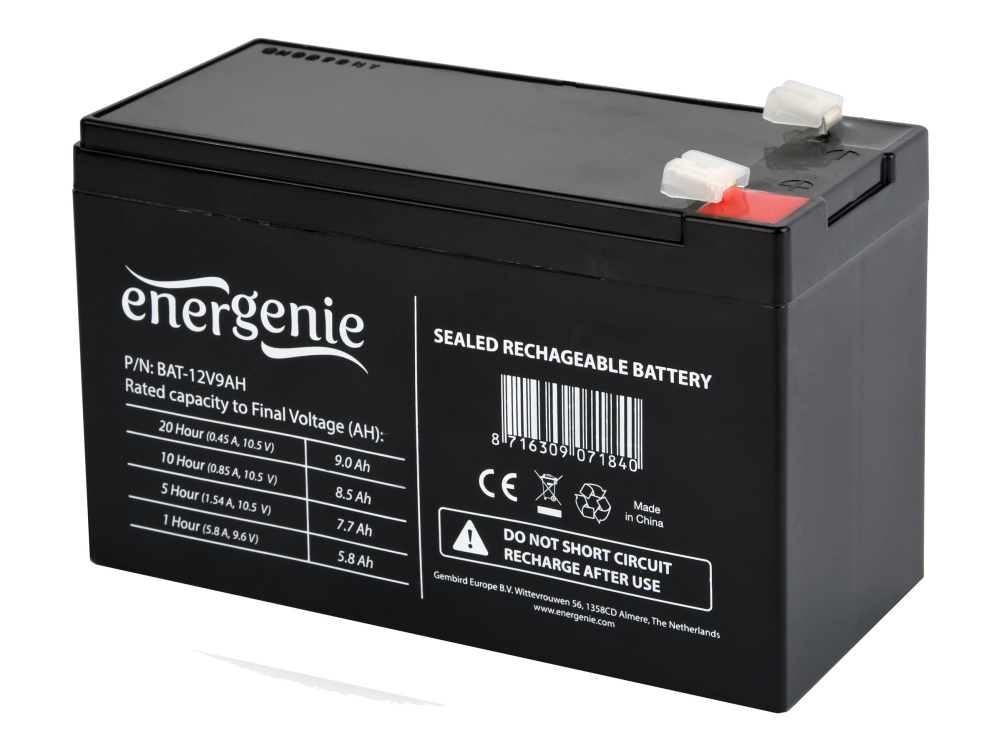
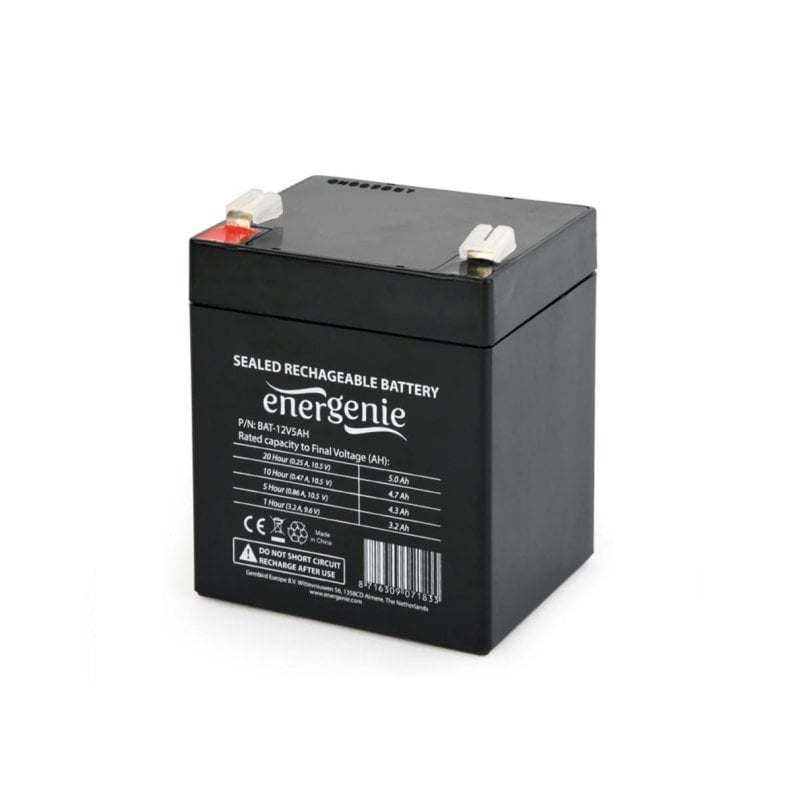
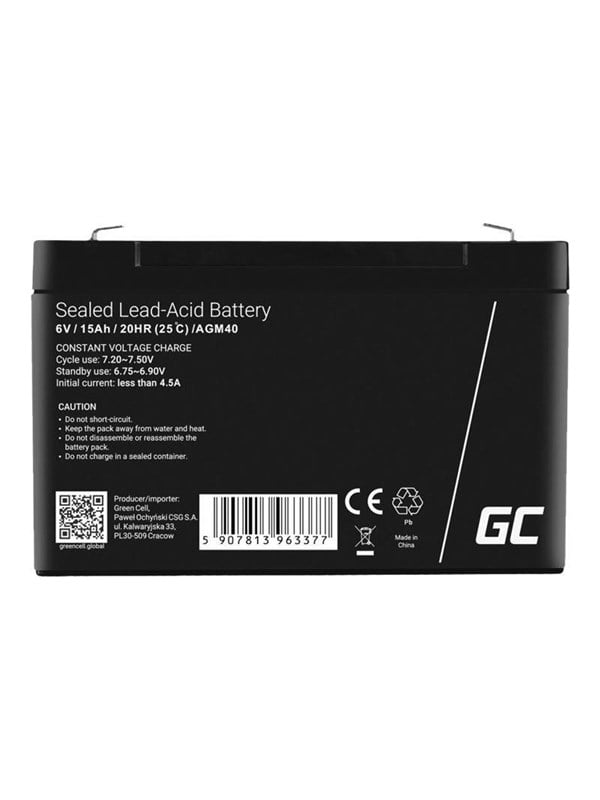
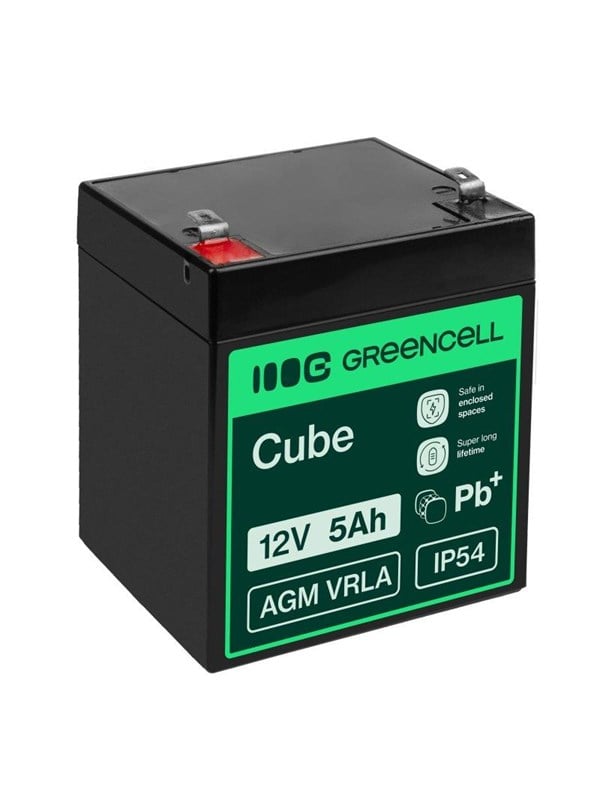
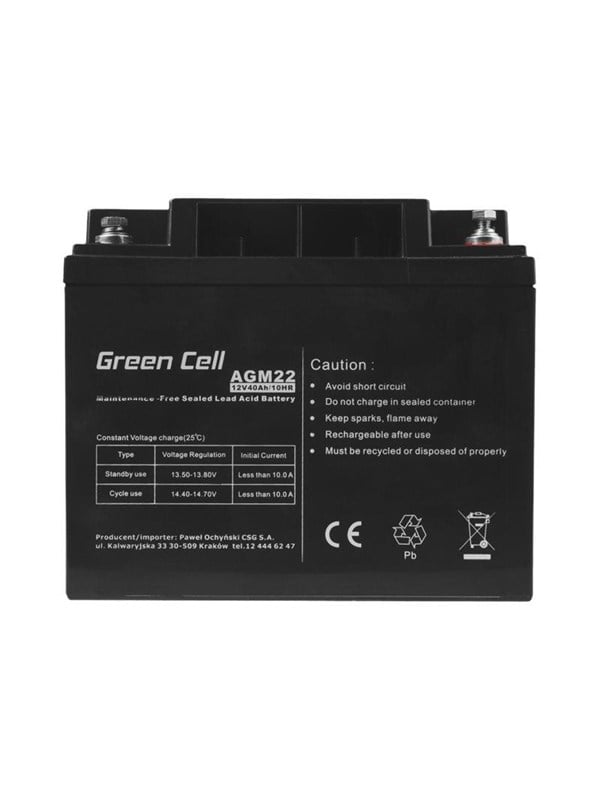
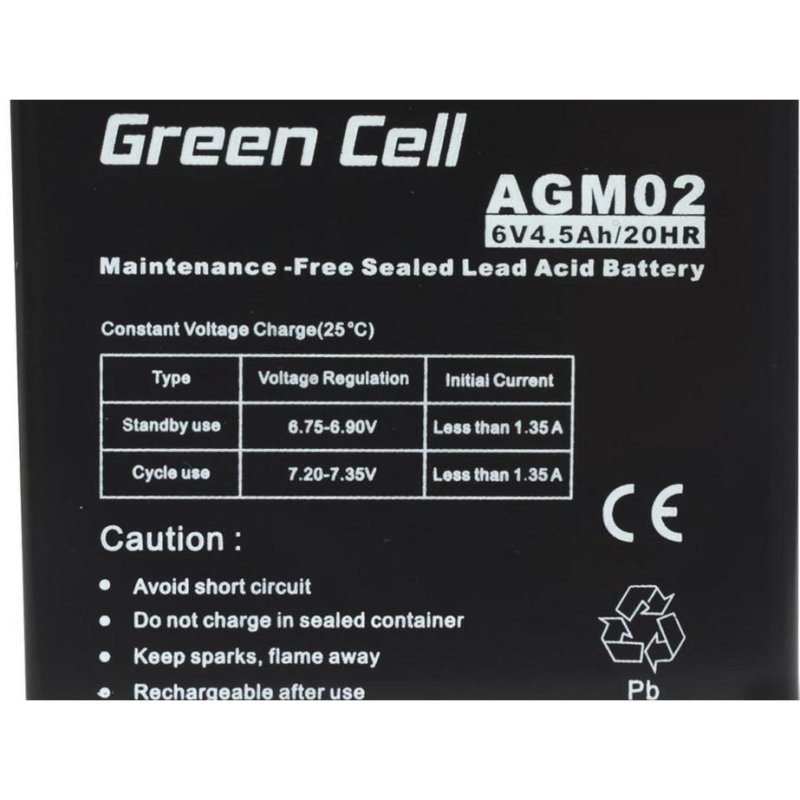
- Sealed lead acid batteries (the Batteries sub-type) come in 6V and 12V sizes with 7Ah or 9Ah ratings. They give a direct swap for many UPS units without any wiring.
- Lithium protection boards (Electronics or Power) support 4x18650 cells and handle up to 60V. They let you size a custom pack for a specific load.
- Emergency cut-off boards cover 6V to 60V with automatic switching. They add a safety layer to a DIY UPS that plain batteries lack.
- 19-inch rail kits (Electronics Accessories) allow standard rack mounting. They keep a UPS fixed in a server or network cabinet.
- Third-party accessories broaden the field beyond original maker parts. They help when a discontinued piece is needed.
Things to watch
- Sealed lead acid batteries (the Batteries sub-type) come in 6V and 12V sizes with 7Ah or 9Ah ratings. They give a direct swap for many UPS units without any wiring.
- Lithium protection boards (Electronics or Power) support 4x18650 cells and handle up to 60V. They let you size a custom pack for a specific load.
- Emergency cut-off boards cover 6V to 60V with automatic switching. They add a safety layer to a DIY UPS that plain batteries lack.
- 19-inch rail kits (Electronics Accessories) allow standard rack mounting. They keep a UPS fixed in a server or network cabinet.
- Third-party accessories broaden the field beyond original maker parts. They help when a discontinued piece is needed.
Care & maintenance
maintenance
Clean battery terminals and watch for corrosion every few months.
maintenance
Store spare sealed lead acid units at room temperature, away from damp.
maintenance
Check board connections for dust and tightness after long service.
maintenance
Confirm rail kit fixings stay secure once mounted.
Frequently Asked Questions
What should I look for when buying ups batteries?
When shopping for ups batteries, consider factors such as quality, price, brand reputation, and customer reviews. Compare prices across multiple retailers to ensure you're getting the best deal. Look for products that match your specific needs and budget.
How do I choose the right ups batteries?
Choosing the right ups batteries depends on your individual needs, budget, and preferences. Research different options, read customer reviews, and compare specifications. Consider what features are most important to you and look for products that offer the best value for money.
Where can I find the best deals on ups batteries?
You can find the best deals on ups batteries by comparing prices across multiple retailers. Our price comparison tool helps you find the lowest prices from trusted UK retailers including Amazon, eBay, and other major online stores. Check regularly as prices and deals change frequently.
Are ups batteries products worth the investment?
The value of ups batteries products depends on your specific needs and how you plan to use them. Quality products from reputable brands often provide better long-term value, even if they cost more initially. Consider your budget and requirements when making your decision.
What's the difference between different types of ups batteries?
Different types of ups batteries vary in features, quality, price, and intended use. Some may offer premium features while others focus on affordability. Research the specific differences between models or brands to find the option that best suits your needs and budget.