Door Hardware
How to choose door hardware
Pick the sub-type first. Door stops solve slamming; door knobs and handles solve access; hardware covers locks and knockers.
Weigh material: stainless steel for outdoor use, cast iron for indoor character, rubber for throw-down convenience.
Choose finish by room. Black or white suits modern spaces; bronze, gold, or dark/bronze suits older homes.
Decide fixed vs portable. A magnetic holder (hardware) stays put but needs fitting; a wedge (door stops) travels room to room.
Check building materials if you want to make a bespoke piece, but ready-made hardware saves the workshop time.
What's good
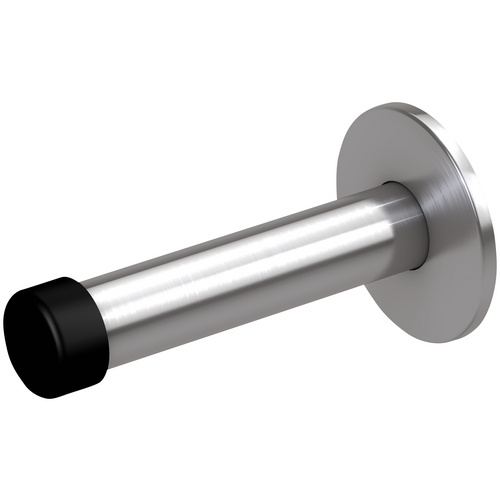
- Rubber and cast iron door stops protect skirting boards without drilling, a win over fixed hardware.
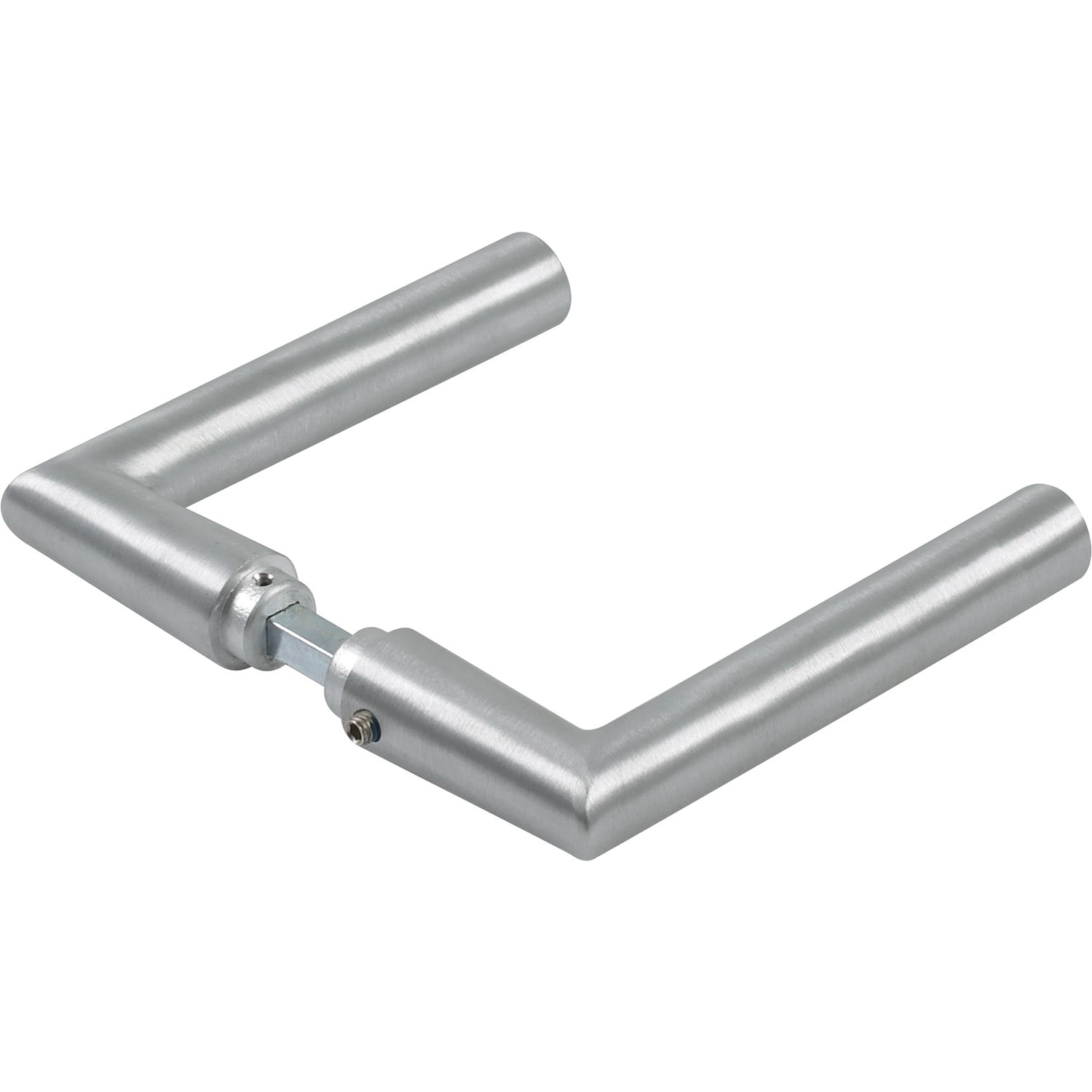
- Stainless steel or aluminium door knobs and handles shrug off rust in damp porches, unlike plain iron.
- The colour axis runs from black and white to bronze and gold, so matching existing fittings is simple across sub-types.
- Hardware tiers include magnetic holders for fire doors, giving hands-free hold-open that wedges cannot manage.
- Cast iron and wood/pine pieces bring period texture that modern steel lacks, good for renovation jobs.
Things to watch
- Rubber door stops are easy to move but crack in prolonged UV light, while metal stops last longer.
- Cast iron hardware looks right in a cottage but is heavy, needing sturdy screws that aluminium avoids.
- Electro-magnetic door locks (a hardware tier) need wiring and a power supply, unlike a manual knob.
- Wood and wood/pine items feel warm but mark easier than steel in busy hallways.
- Multicolor or themed pieces are cheerful yet narrow your decor options compared to plain silver or black.
Care & maintenance
Wipe steel, aluminium, and silver finishes with a soft damp cloth; skip scouring powders.
Keep rubber wedges dry and flip them now and then so the worn edge stays even.
Treat cast iron or iron with a thin oil film twice a year to stall rust, especially near baths.
Wood/pine handles may need a fresh coat of sealer if they feel rough after a humid winter.
Frequently Asked Questions
What should I look for when buying door hardware?
When shopping for door hardware, consider factors such as quality, price, brand reputation, and customer reviews. Compare prices across multiple retailers to ensure you're getting the best deal. Look for products that match your specific needs and budget.
How do I choose the right door hardware?
Choosing the right door hardware depends on your individual needs, budget, and preferences. Research different options, read customer reviews, and compare specifications. Consider what features are most important to you and look for products that offer the best value for money.
Where can I find the best deals on door hardware?
You can find the best deals on door hardware by comparing prices across multiple retailers. Our price comparison tool helps you find the lowest prices from trusted UK retailers including Amazon, eBay, and other major online stores. Check regularly as prices and deals change frequently.
Are door hardware products worth the investment?
The value of door hardware products depends on your specific needs and how you plan to use them. Quality products from reputable brands often provide better long-term value, even if they cost more initially. Consider your budget and requirements when making your decision.
What's the difference between different types of door hardware?
Different types of door hardware vary in features, quality, price, and intended use. Some may offer premium features while others focus on affordability. Research the specific differences between models or brands to find the option that best suits your needs and budget.