Office Furniture
How to choose office furniture
Sub-type and footprint
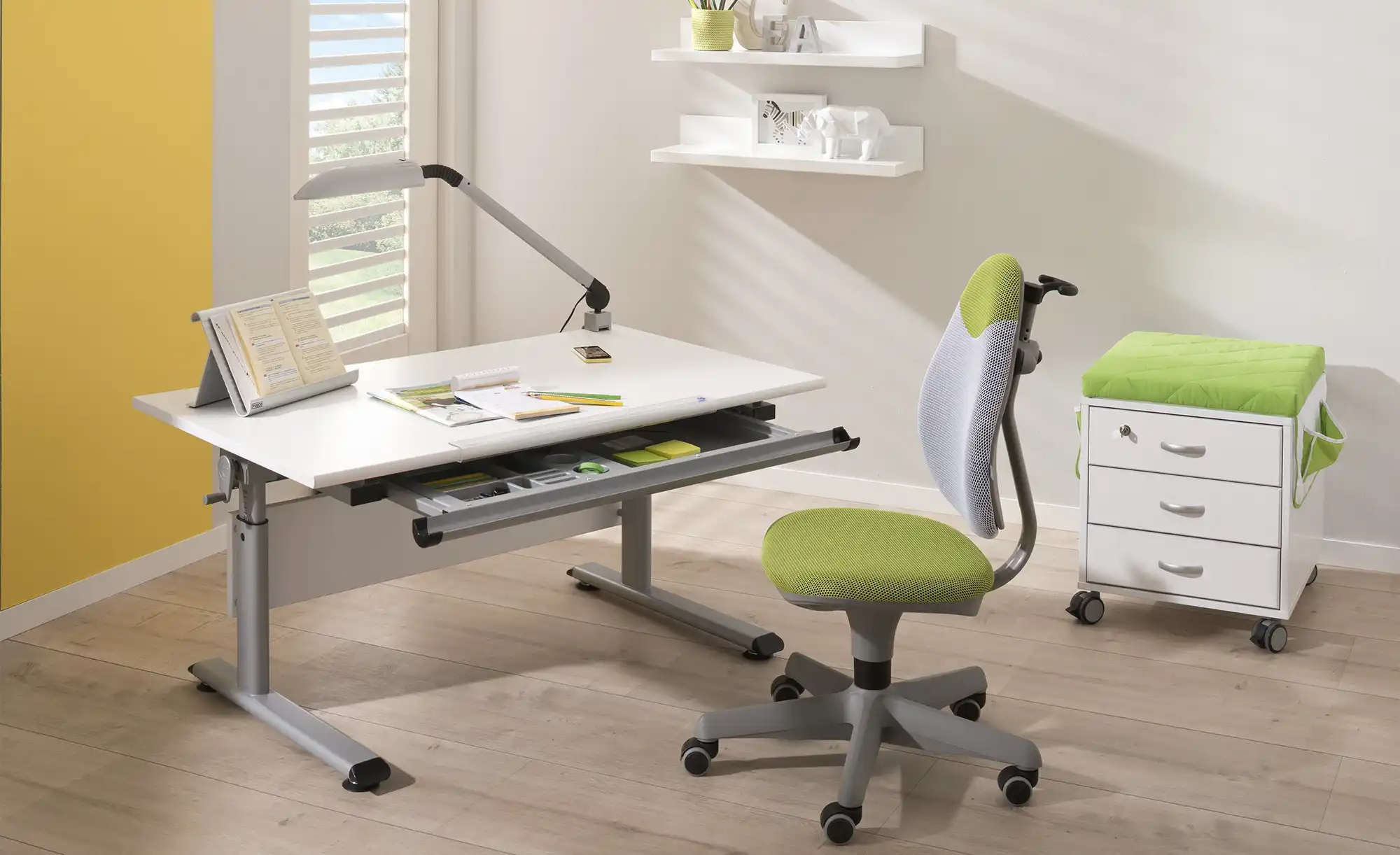
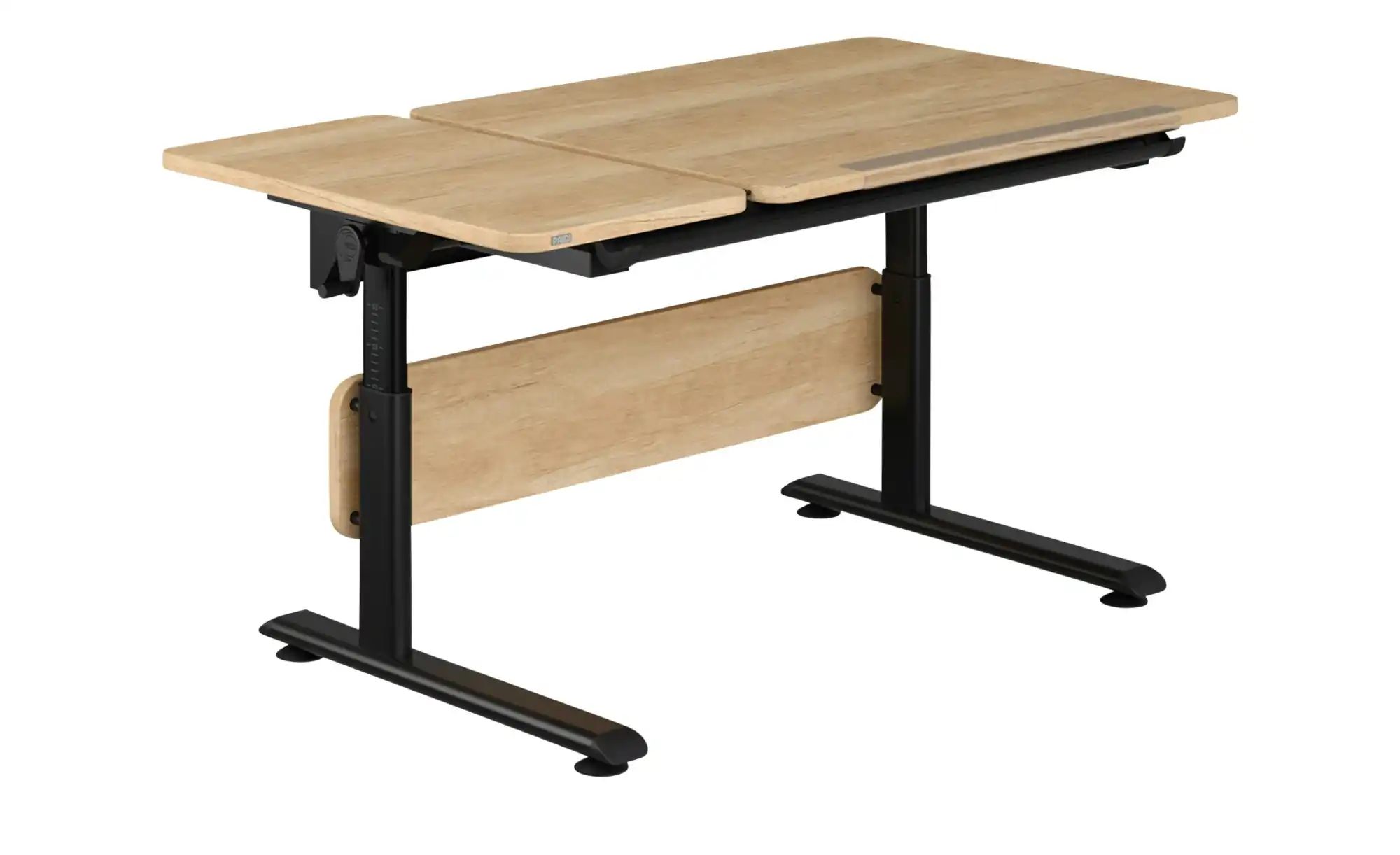
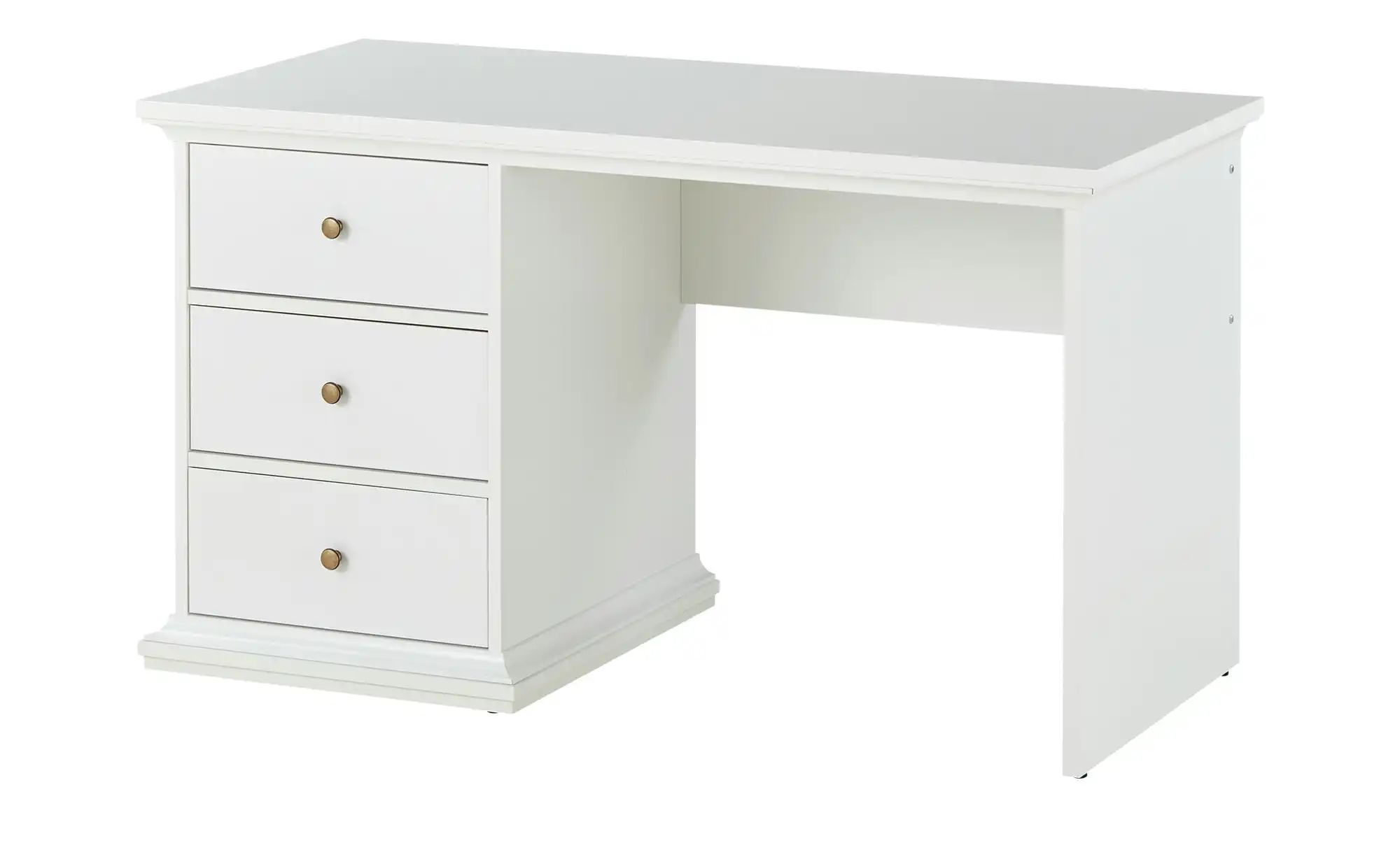
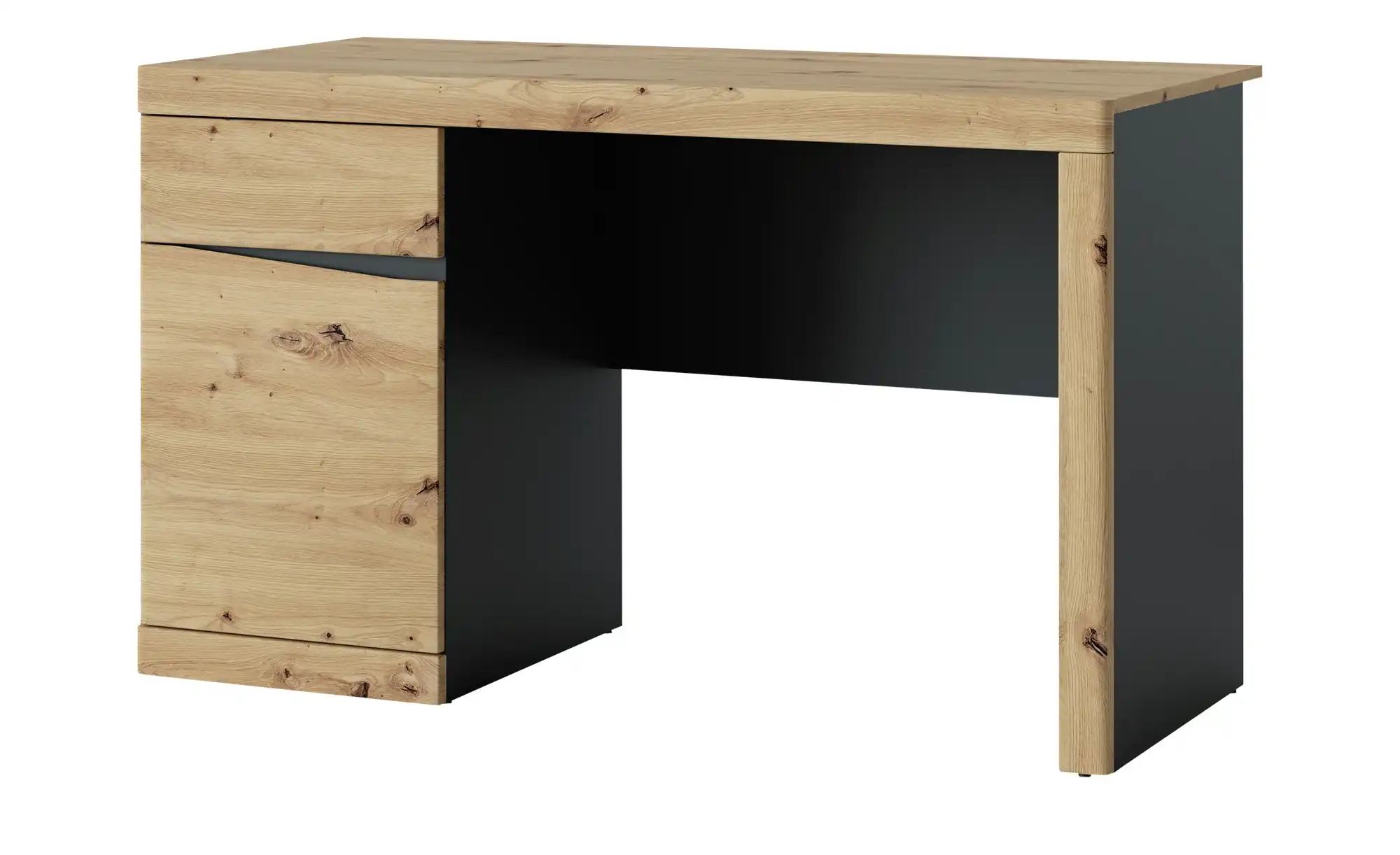
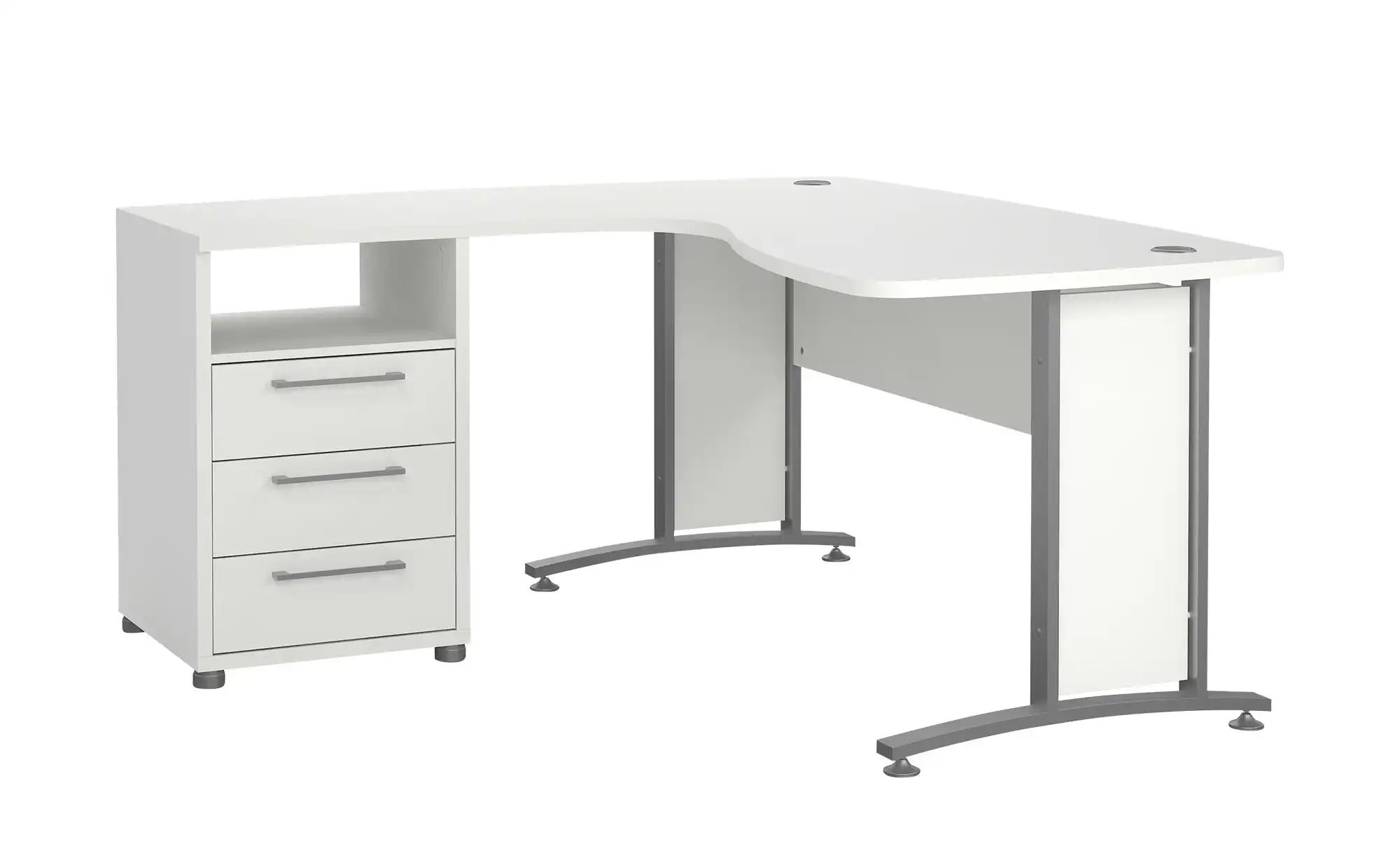
Pick a desk for a laptop corner, or a workspace table for a large studio needing spread. Desks save floor space, tables give room to spread.
Material tradeoff
Choose material by heft and care: oak/wood feels warm but is heavy, melamine/chipboard is light but less tough.
Chair upholstery
For seating, leather wipes clean in shared rooms, while velvet suits a home study but needs gentle upkeep.
Colour choice
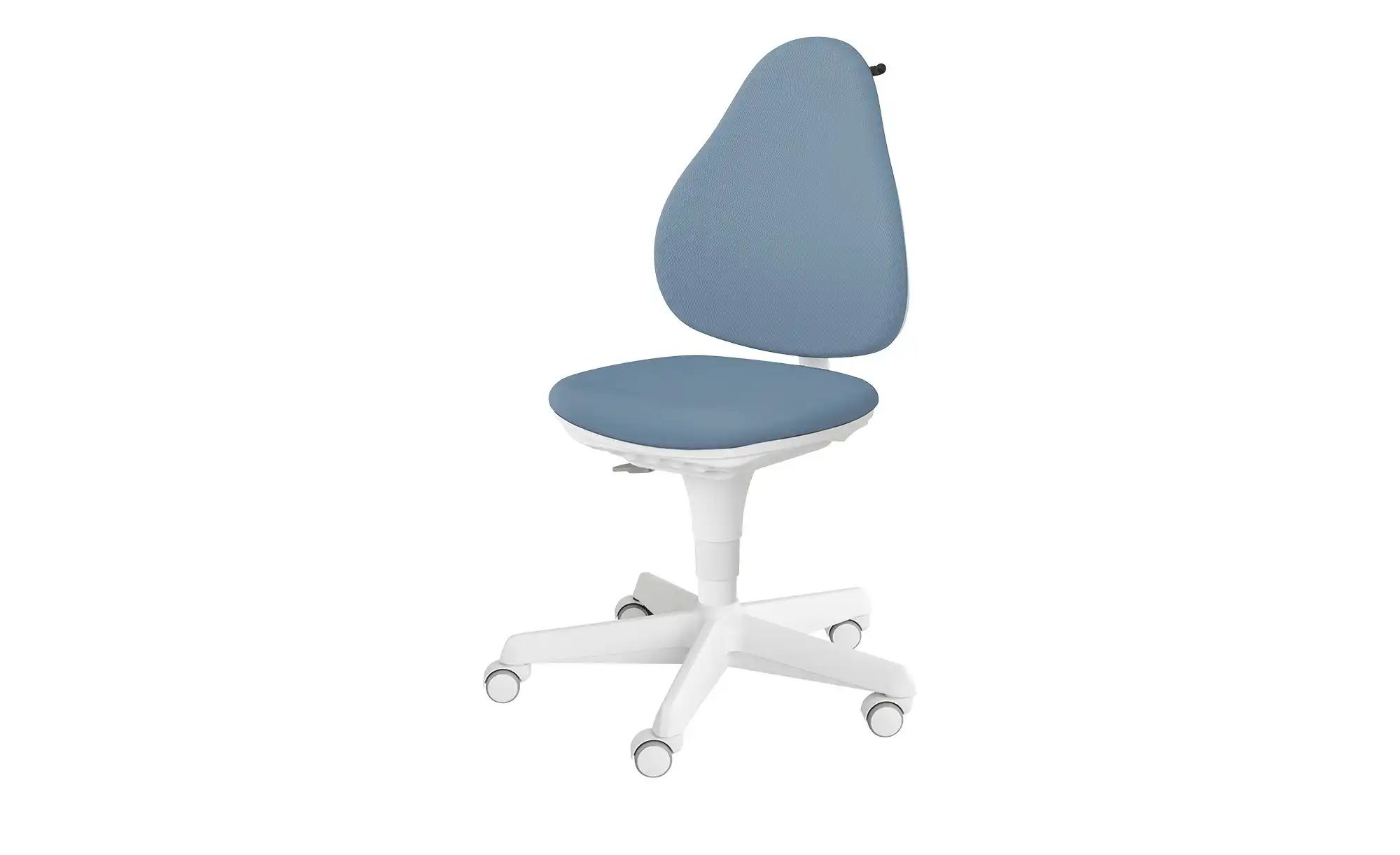
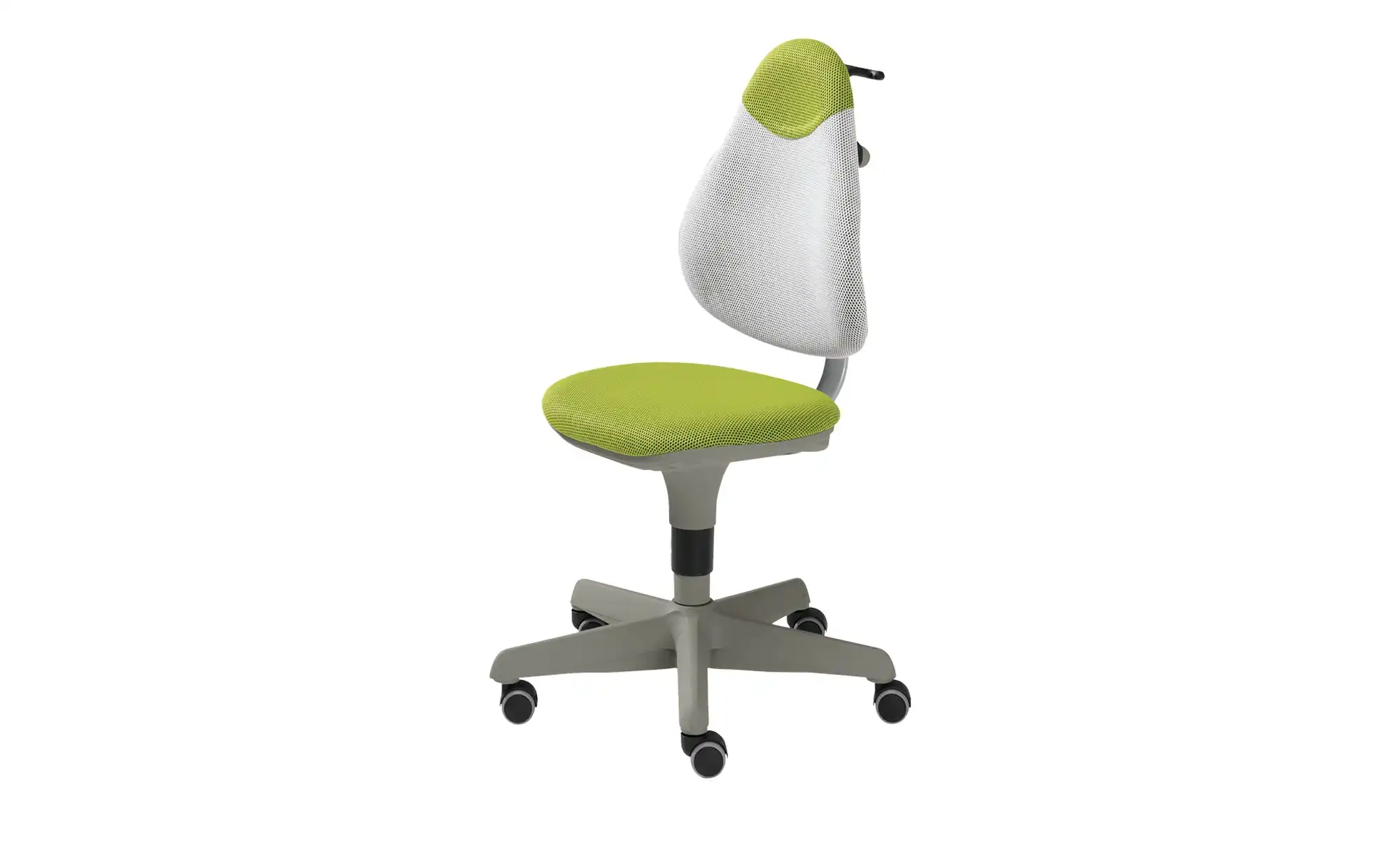
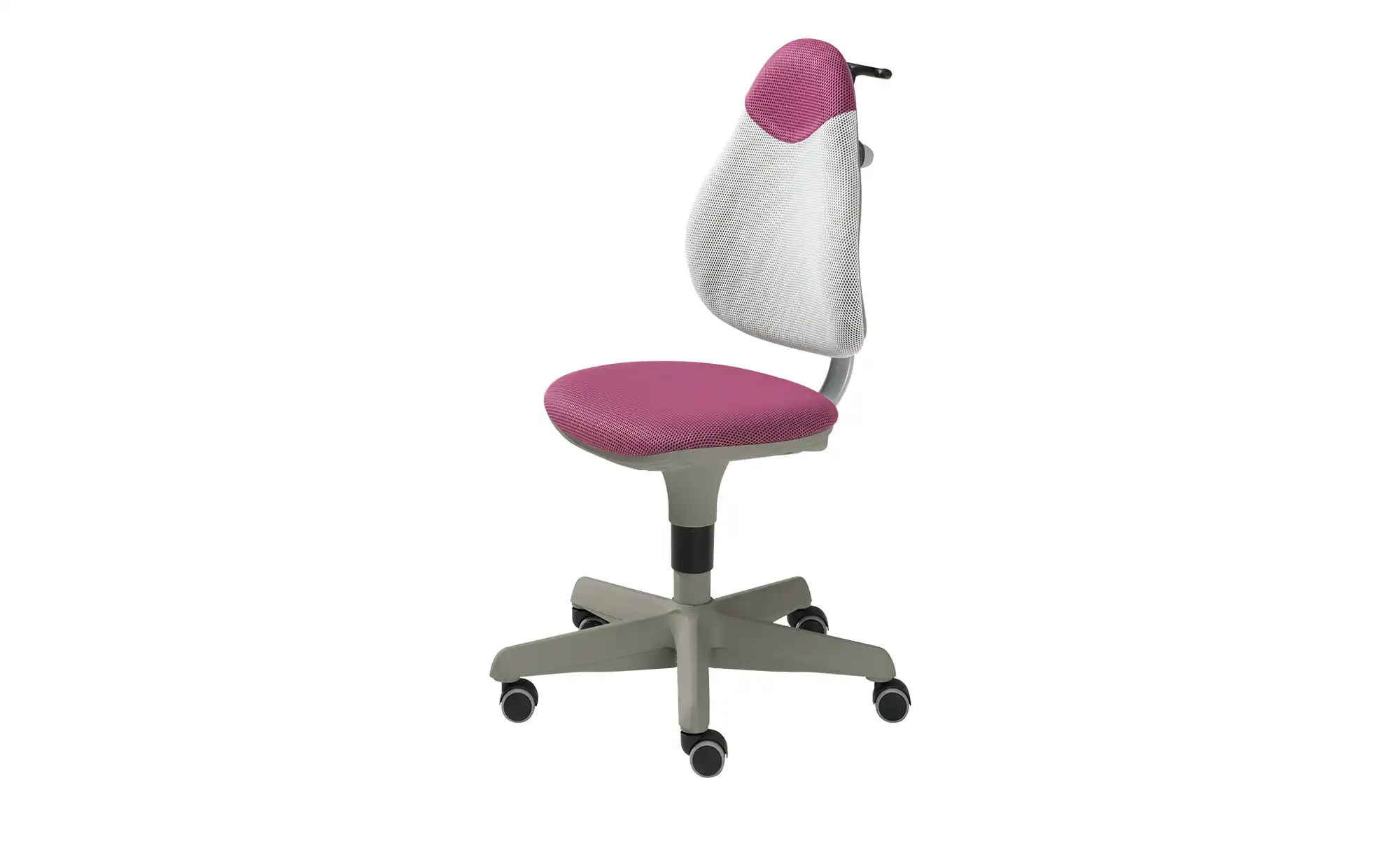
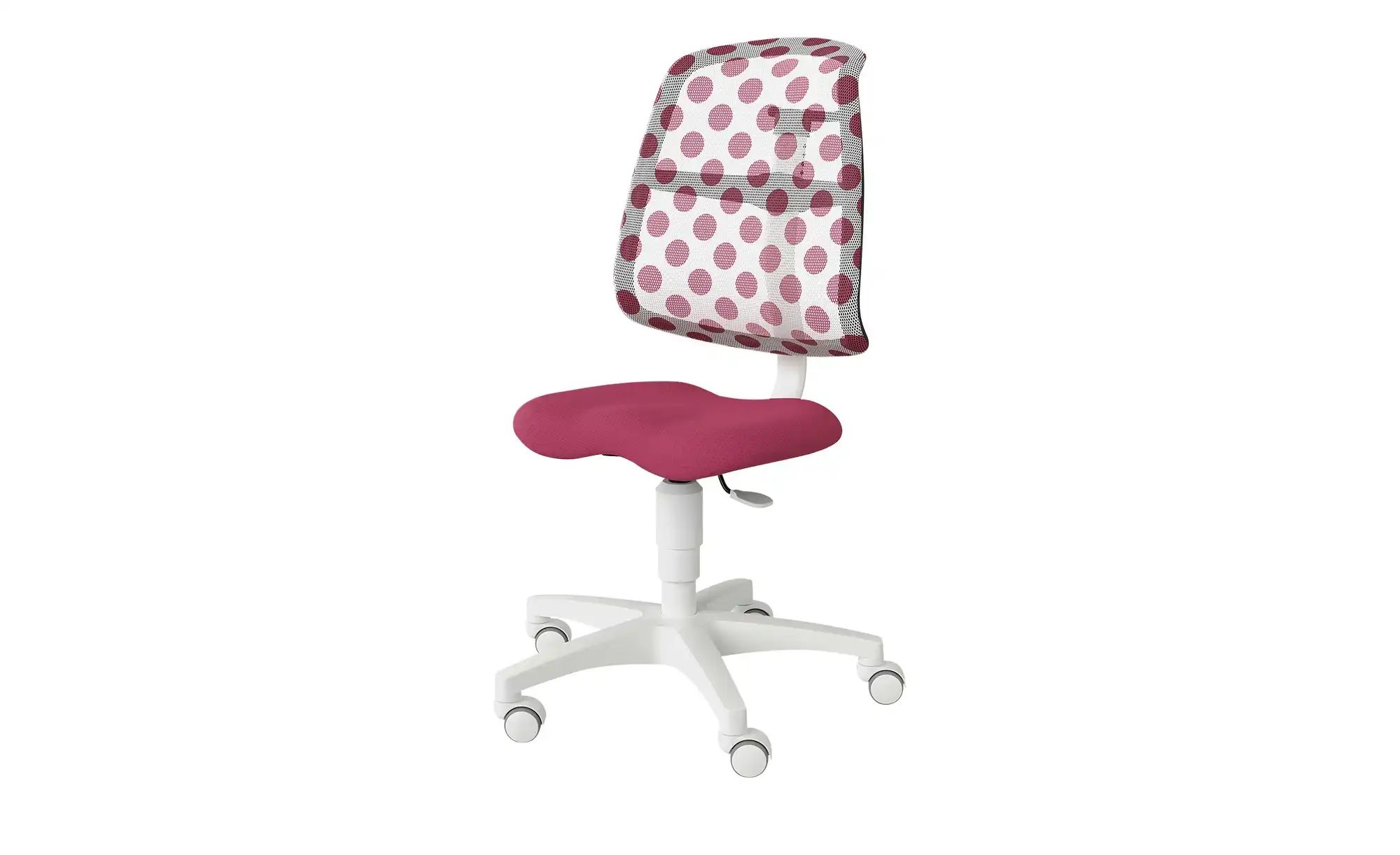
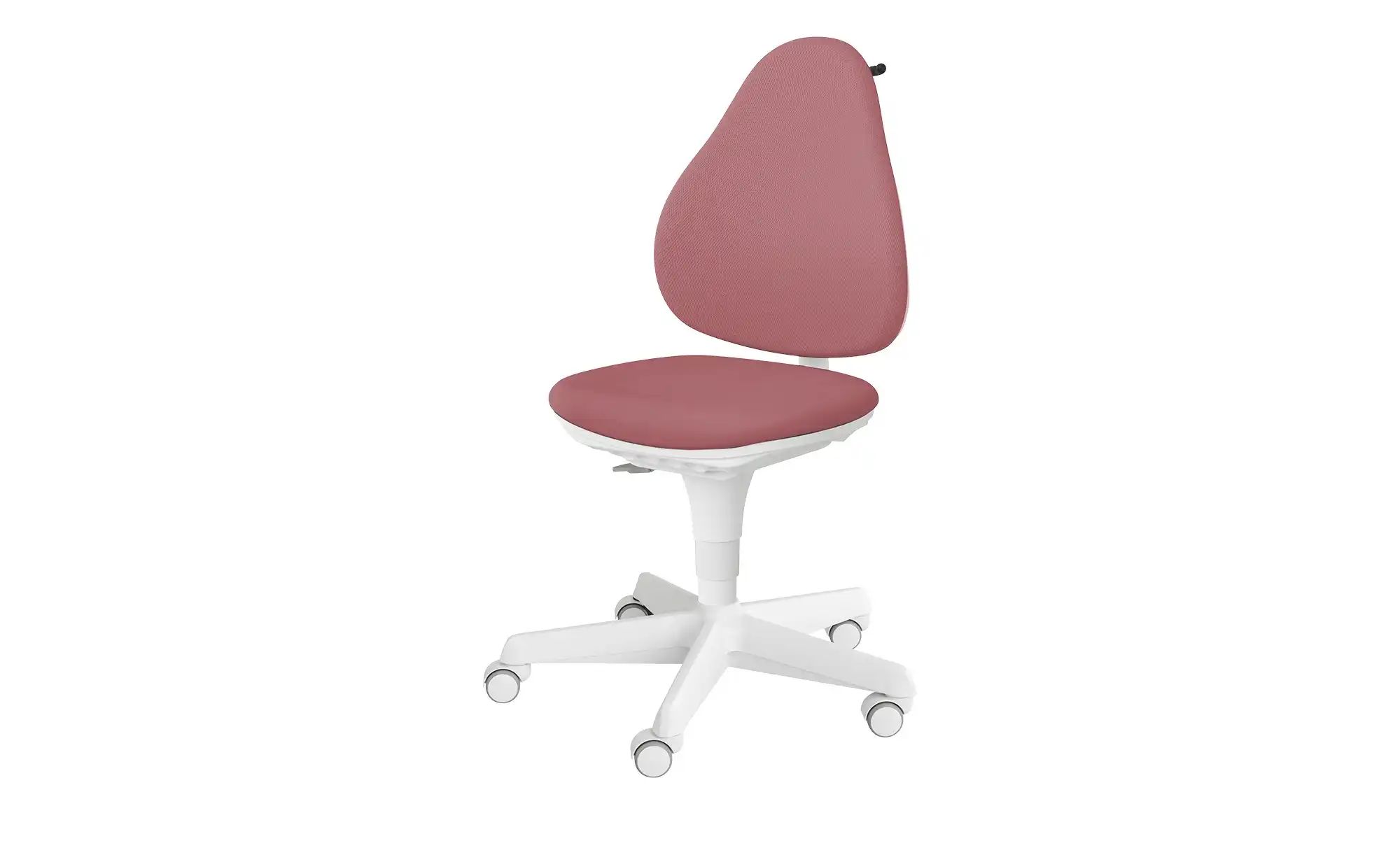
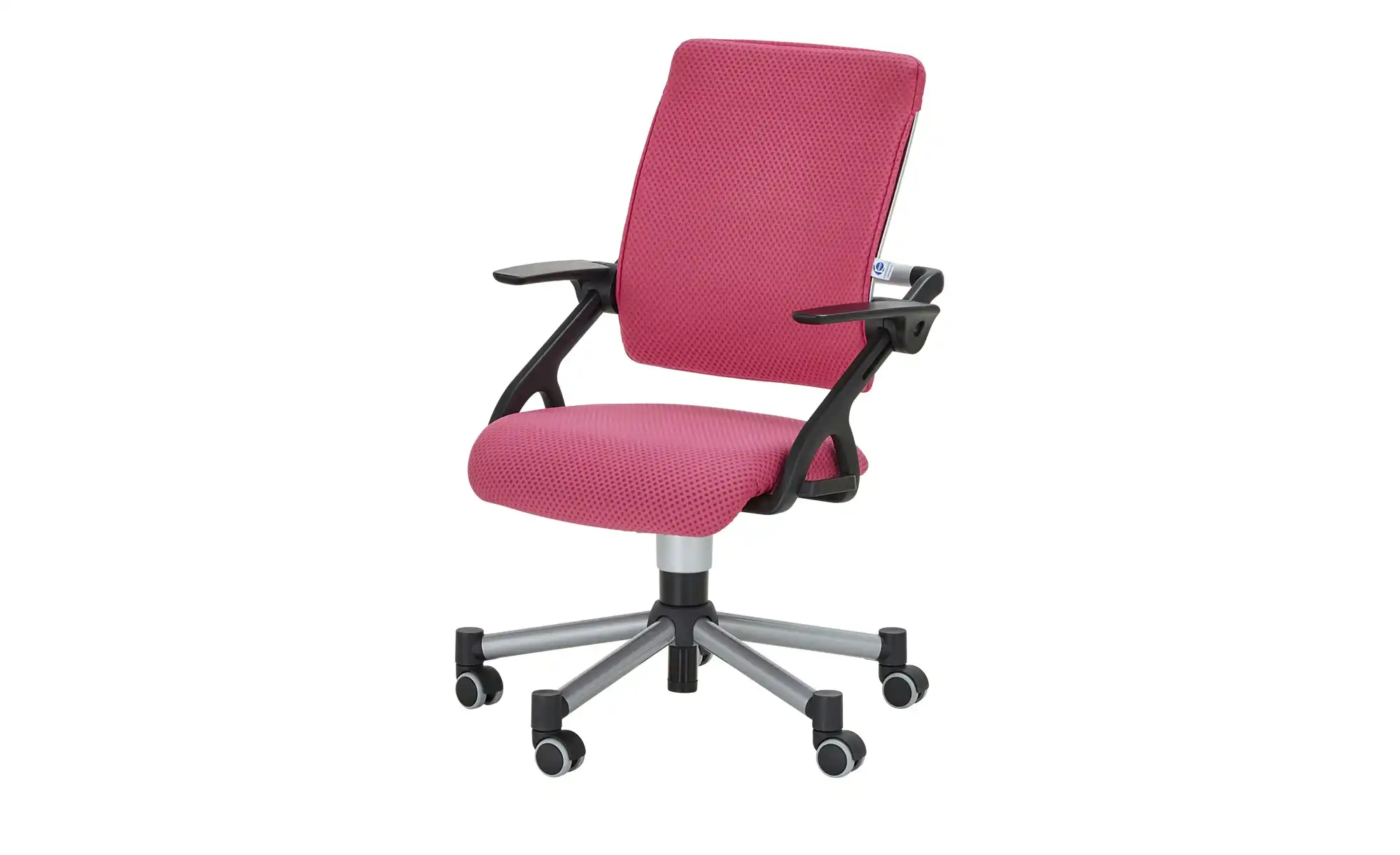
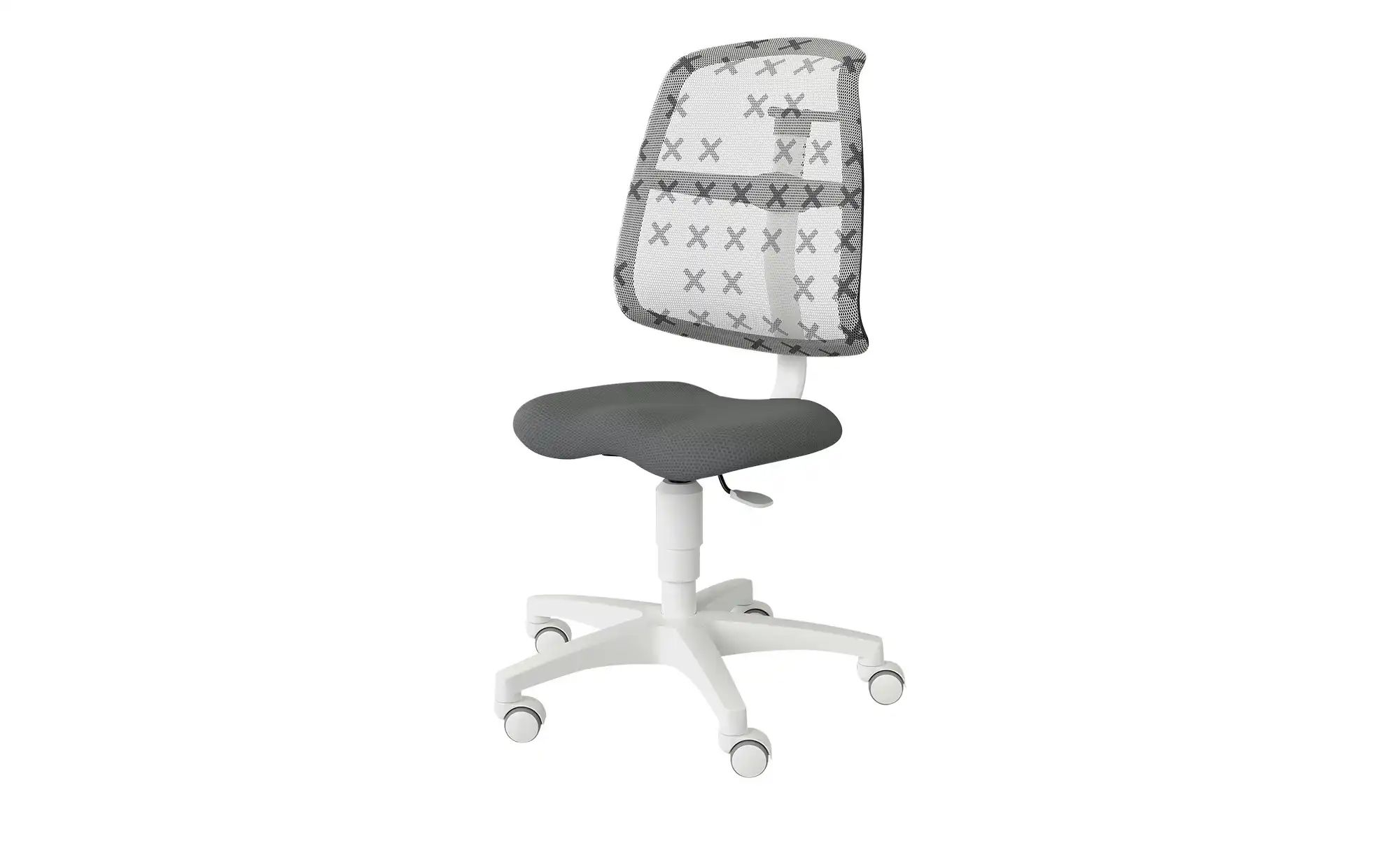
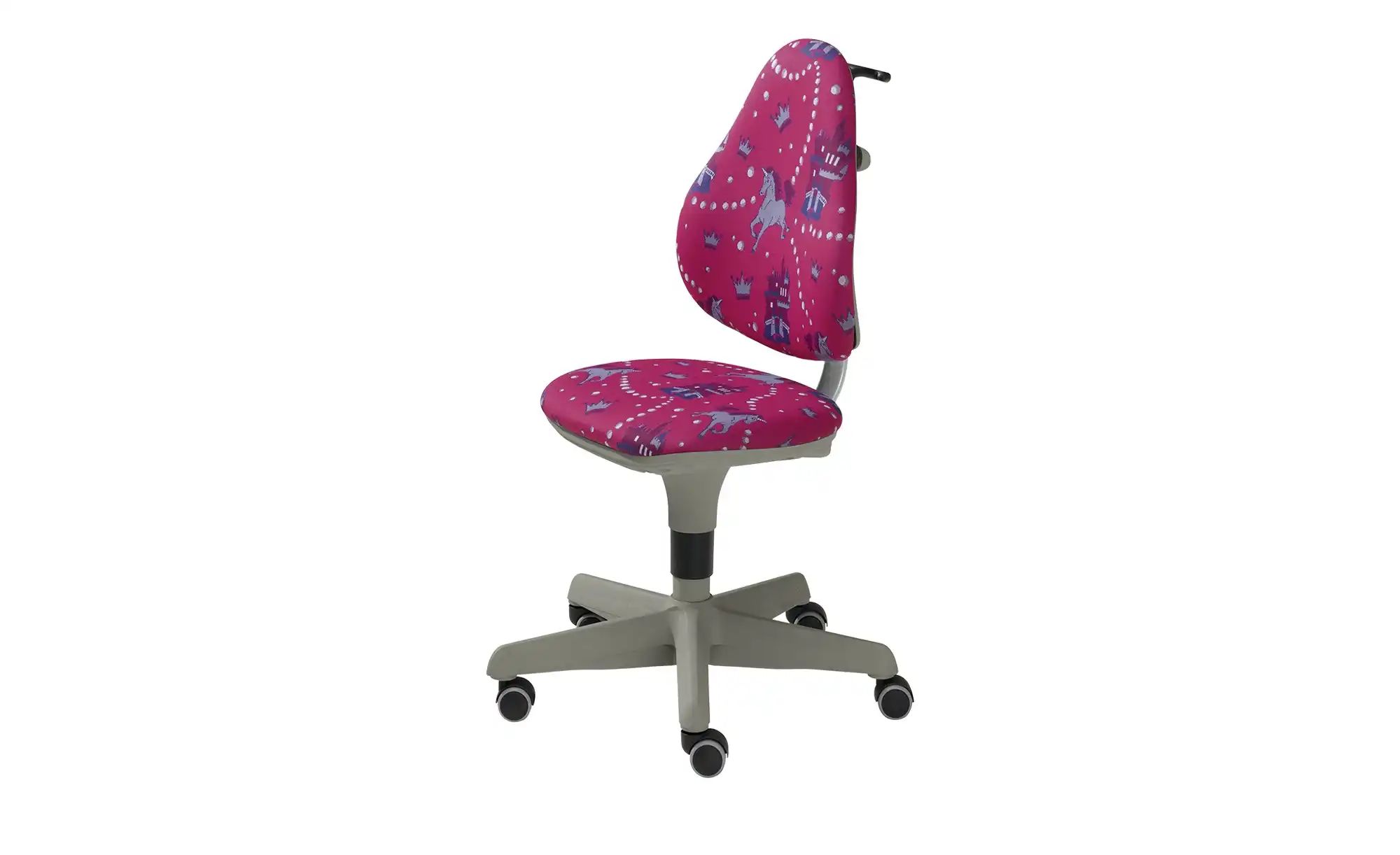
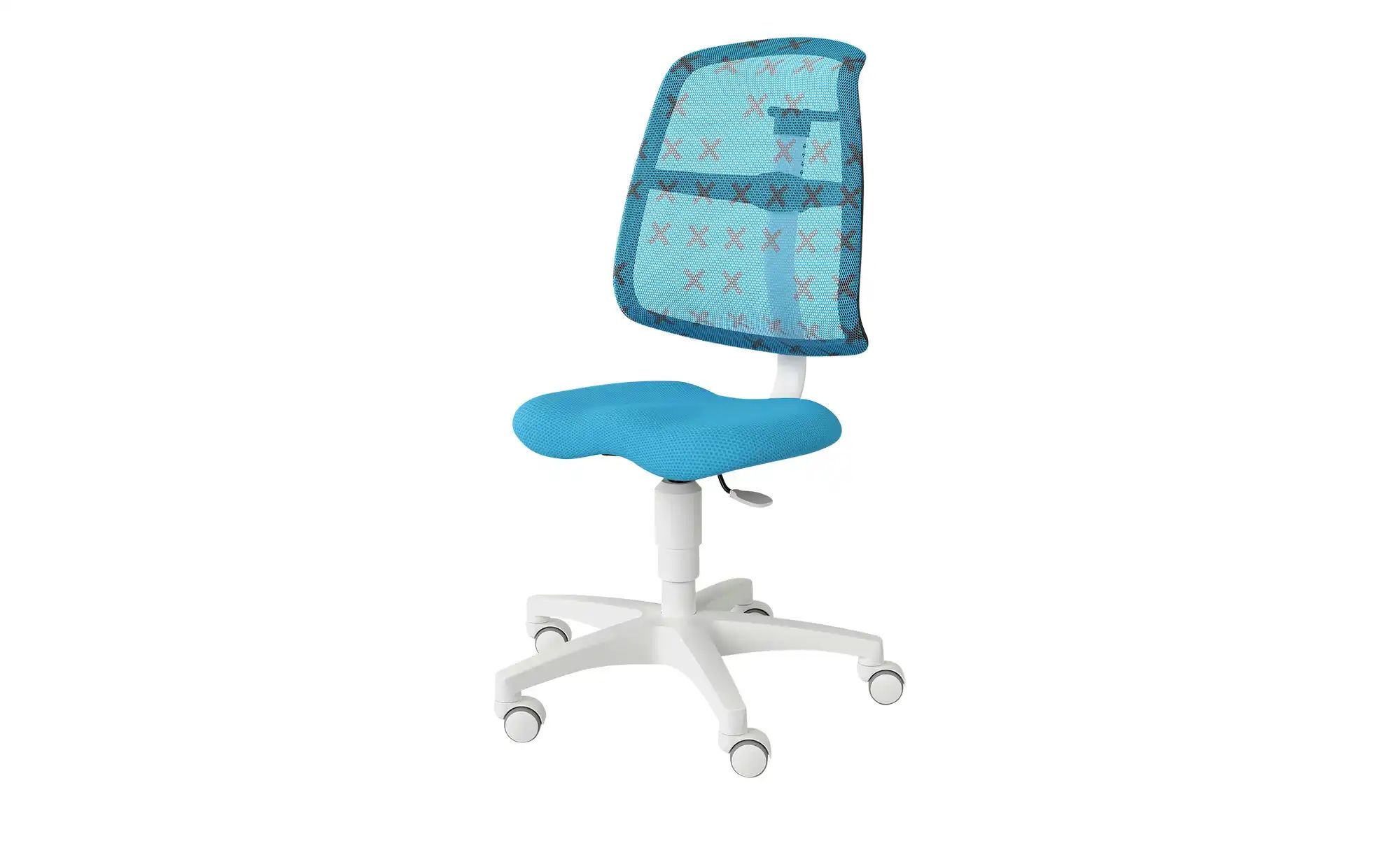
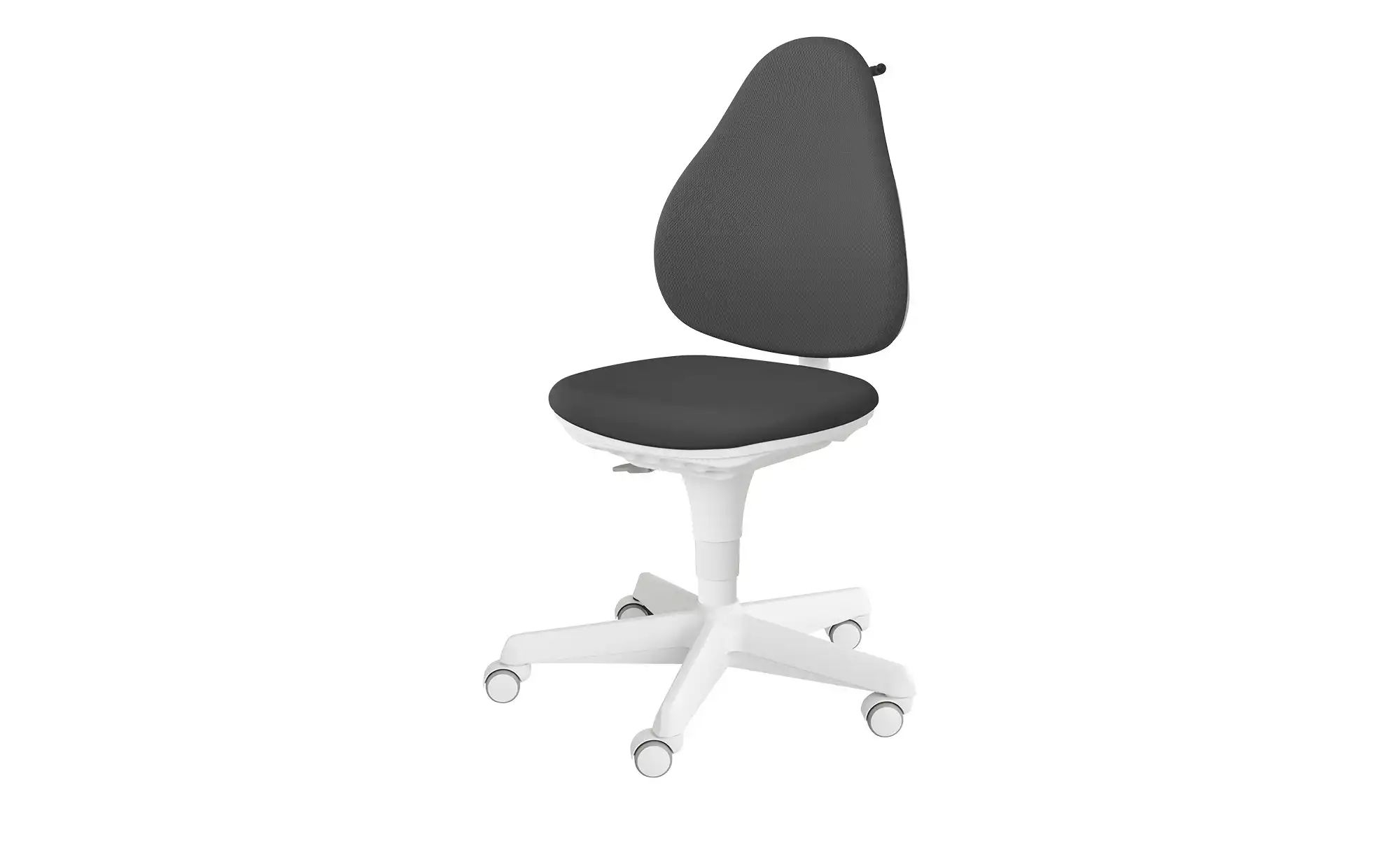
Colour sets the mood: black, grey, beige blend in, while blue, pink, green make a bold mark that may date.
Task focus
Furniture pieces serve general needs, but desks and office chairs target work tasks, so match the sub-type to your day.
What's good
- Solid oak and wood/steel desks give a steady surface for daily writing and screen work. They suit buyers who want a piece that stays put for years.
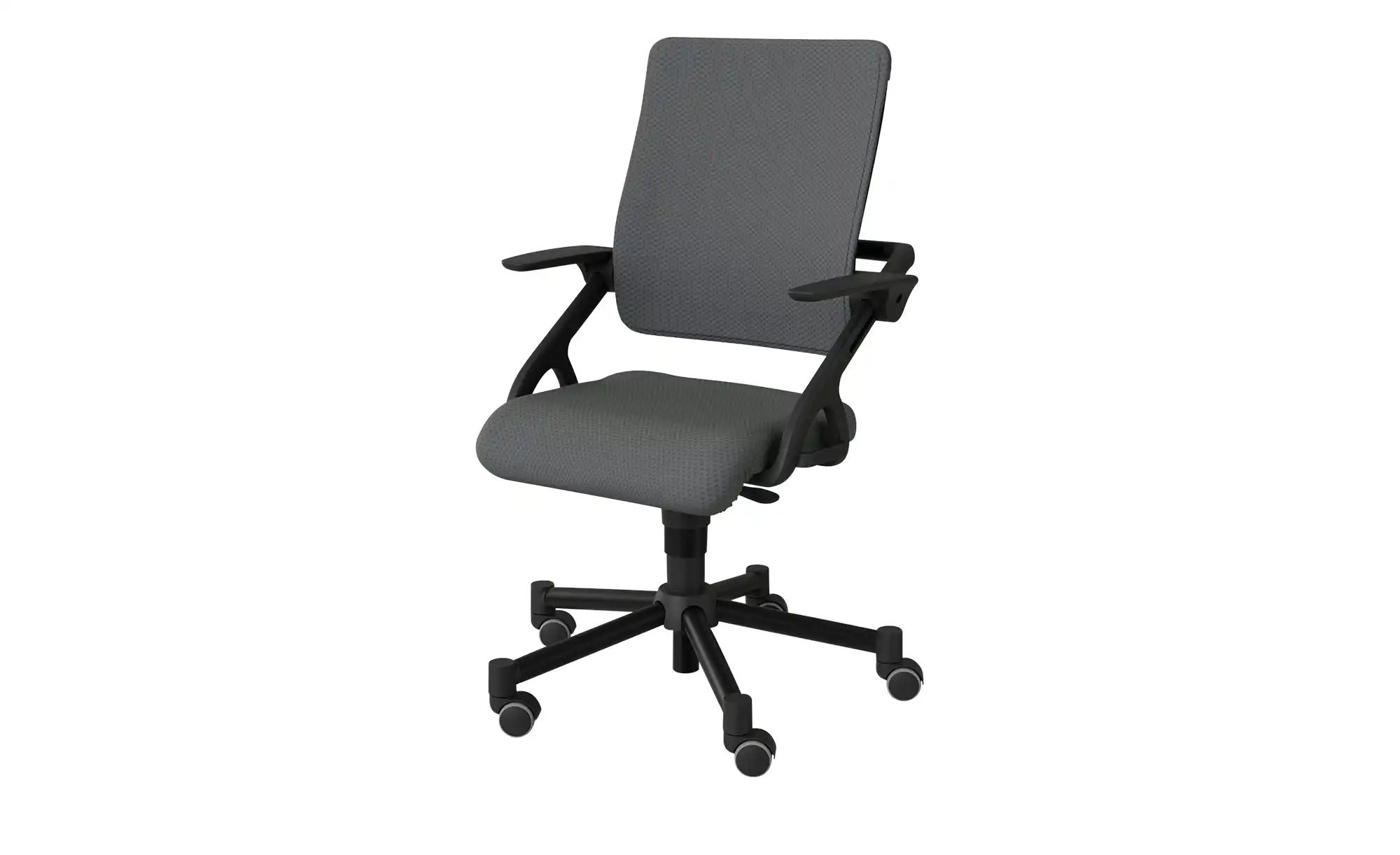
- Leather or velvet office & desk chairs bring padded support and come in shades like brown, black, or blue to match a room.
- Metal and steel workspace tables hold heavy gear such as printers without bending.
- Melamine/chipboard furniture stays light, so one person can move it between rooms.
- The colour axis runs from white and beige to pink and red, letting you pick an item that fits existing decor.
Things to watch
- Solid wood desks weigh more than melamine/chipboard ones, and they mark if a cup spills.
- Leather and velvet chairs show wear in busy offices, and velvet holds dust in its fibres.
- Steel workspace tables can clang when items land, and they may scratch wooden floors.
- Melamine/chipboard surfaces dent under sharp hits and swell if water sits on them.
- Bright chairs in green, pink, or red can clash with neutral schemes, narrowing where you place them.
Care & maintenance
Wood care
Wipe oak and wood desks with a damp cloth, then dry the spot at once.
Leather care
Condition leather chairs every few months to keep the surface from cracking.
Velvet care
Vacuum velvet seats with a soft brush to lift dust.
Metal care
Tighten bolts on steel or aluminium frames monthly, and wipe the metal to avoid rust.
Frequently Asked Questions
What should I look for when buying office furniture?
When shopping for office furniture, consider factors such as quality, price, brand reputation, and customer reviews. Compare prices across multiple retailers to ensure you're getting the best deal. Look for products that match your specific needs and budget.
How do I choose the right office furniture?
Choosing the right office furniture depends on your individual needs, budget, and preferences. Research different options, read customer reviews, and compare specifications. Consider what features are most important to you and look for products that offer the best value for money.
Where can I find the best deals on office furniture?
You can find the best deals on office furniture by comparing prices across multiple retailers. Our price comparison tool helps you find the lowest prices from trusted UK retailers including Amazon, eBay, and other major online stores. Check regularly as prices and deals change frequently.
Are office furniture products worth the investment?
The value of office furniture products depends on your specific needs and how you plan to use them. Quality products from reputable brands often provide better long-term value, even if they cost more initially. Consider your budget and requirements when making your decision.
What's the difference between different types of office furniture?
Different types of office furniture vary in features, quality, price, and intended use. Some may offer premium features while others focus on affordability. Research the specific differences between models or brands to find the option that best suits your needs and budget.