Trivets
How to choose trivets
Heat resistance versus display
Heat level: choose cast iron or silicone for hot cast iron pans, but pick wool or tile for decorative low heat use.
Where it will live
Location: kitchen & dining needs wipe clean materials, while home & garden pieces can favour looks over function.
Colour match
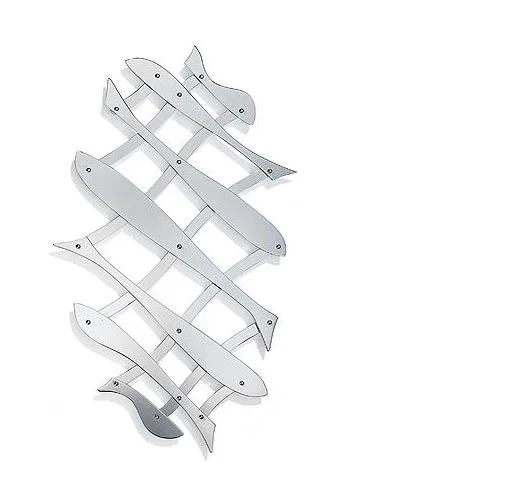
Colour: the range spans brown, black, grey, blue, red, silver, white, green, beige, pink, so match to your room.
Weight and storage
Bulk: a heavy iron trivet stays put on a table, a thin cork one slips but saves cupboard space.
Make and source
Craft versus factory: handmade felt or painted tile trivets differ from uniform silicone mats in feel and slight size variance. The live grid shows which types are listed by each seller.
What's good
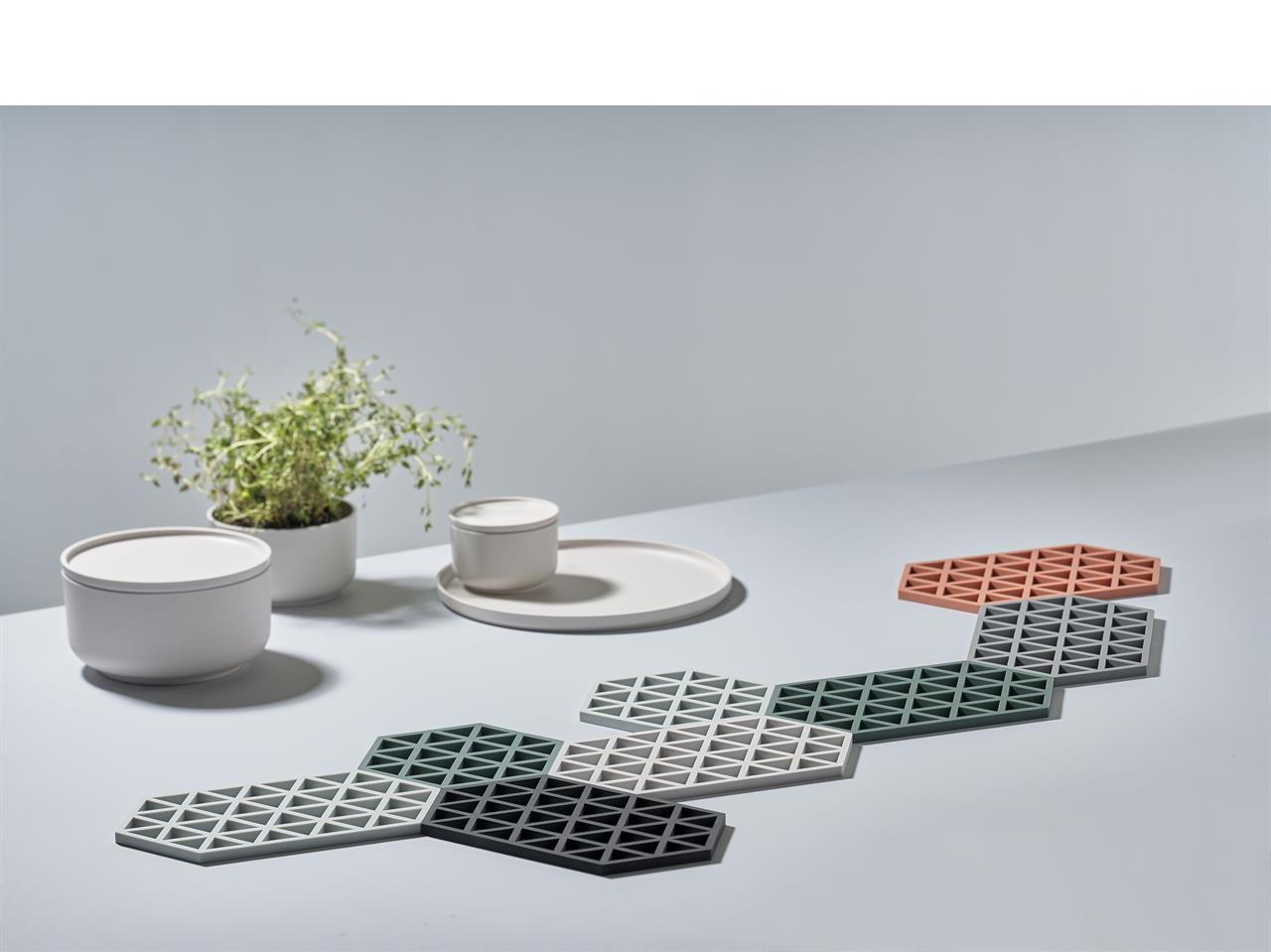
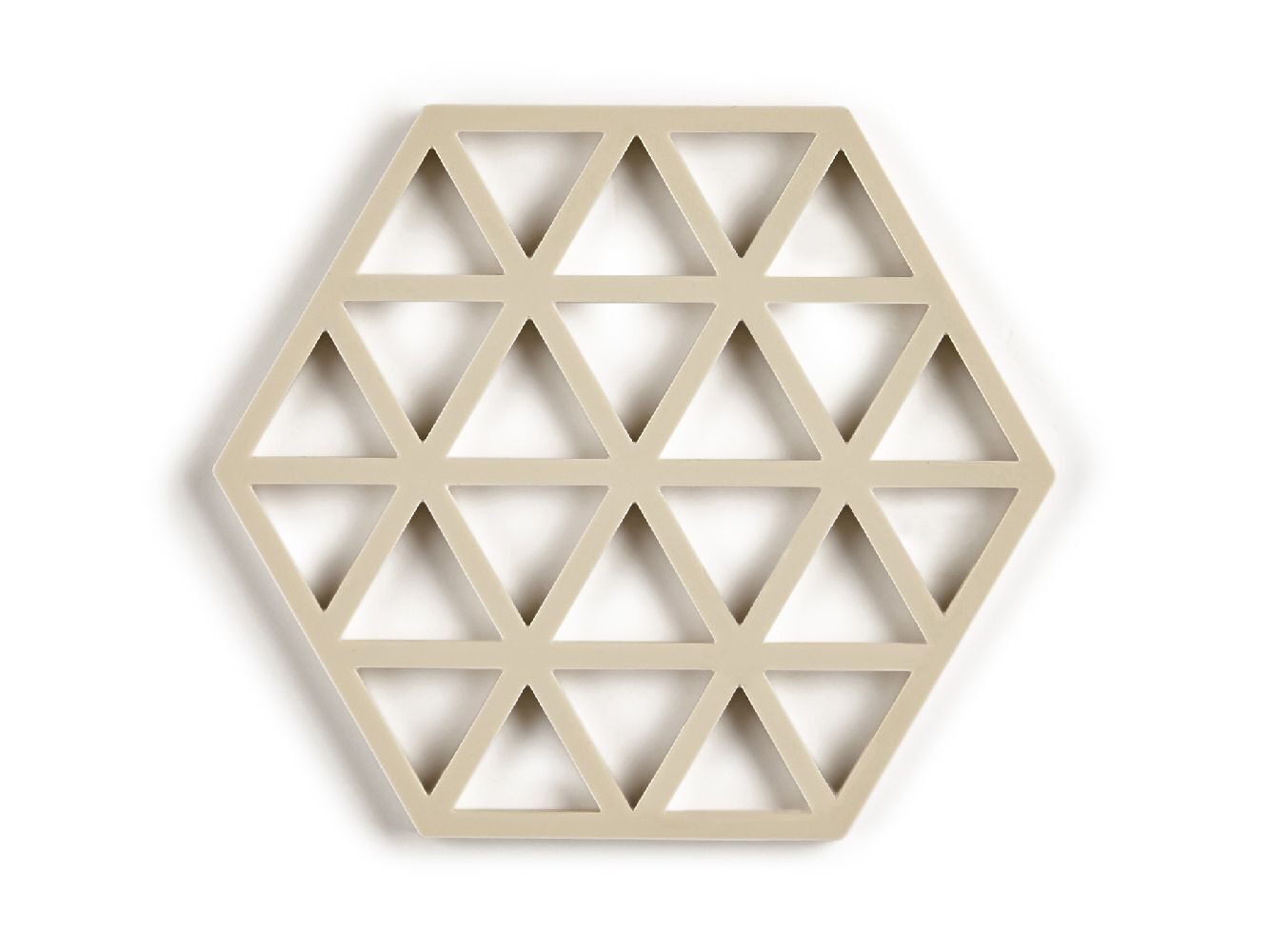
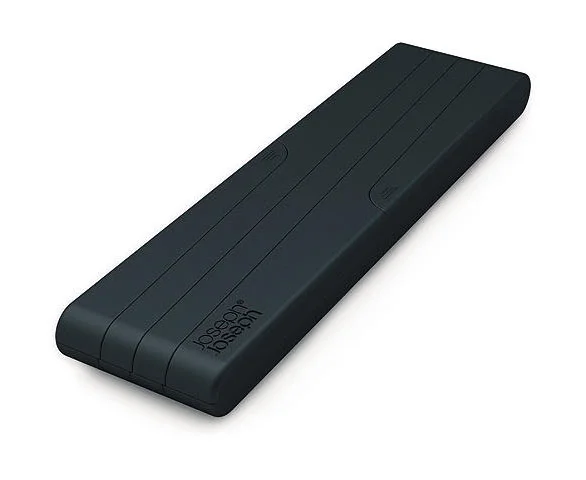
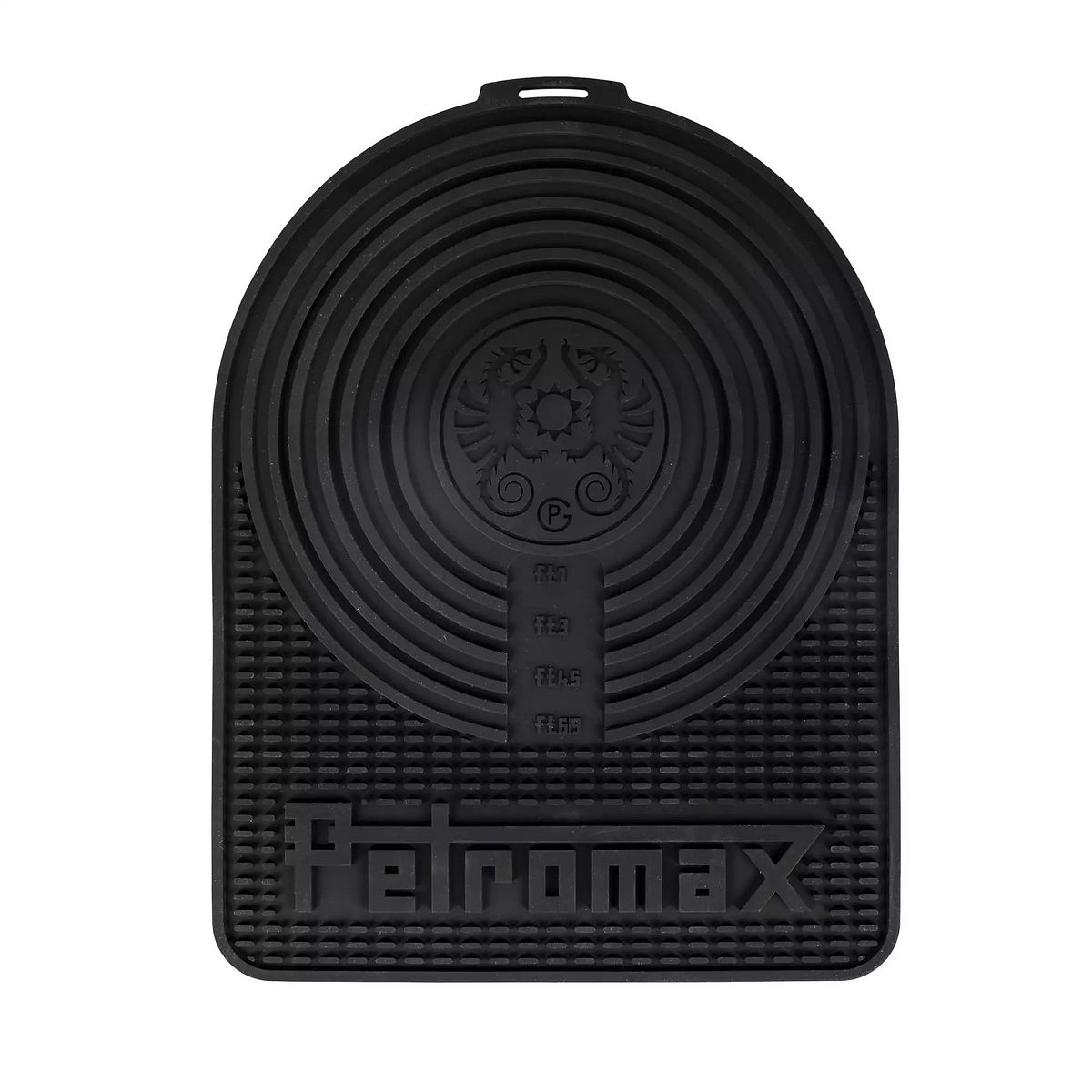
- Silicone trivets bend and expand to fit large roasting trays, then fold away in a drawer. They suit small kitchens and frequent cooks.
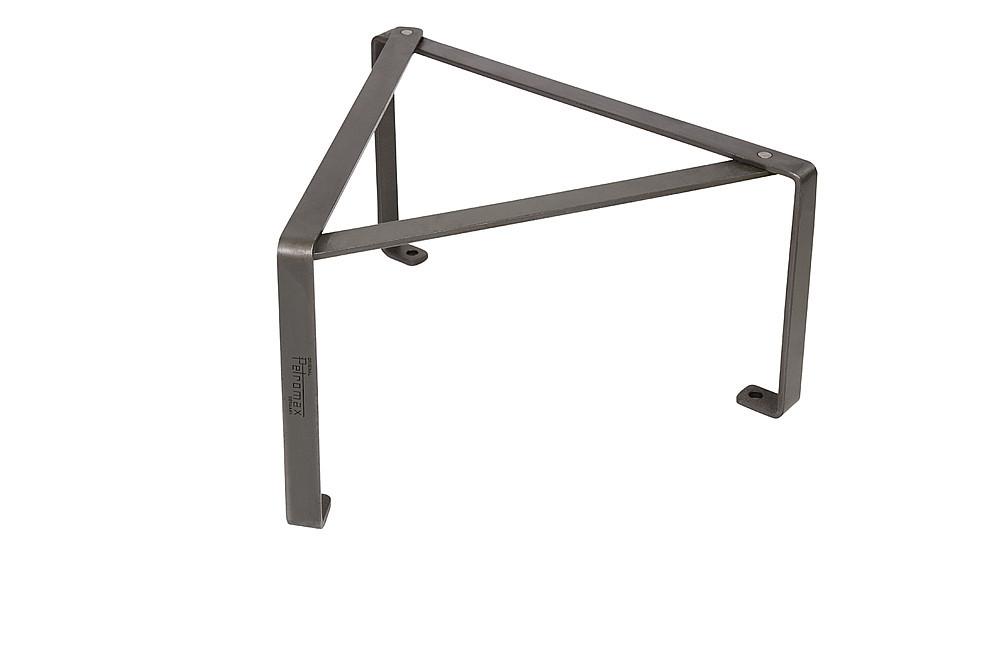
- Cast iron and iron trivets hold heat from heavy casseroles without warping or melting. They are wrong for anyone who needs to move the mat with one hand.
- Wool and cotton trivets bring handmade texture to a table, and work as decorative home & garden pieces when not in use.
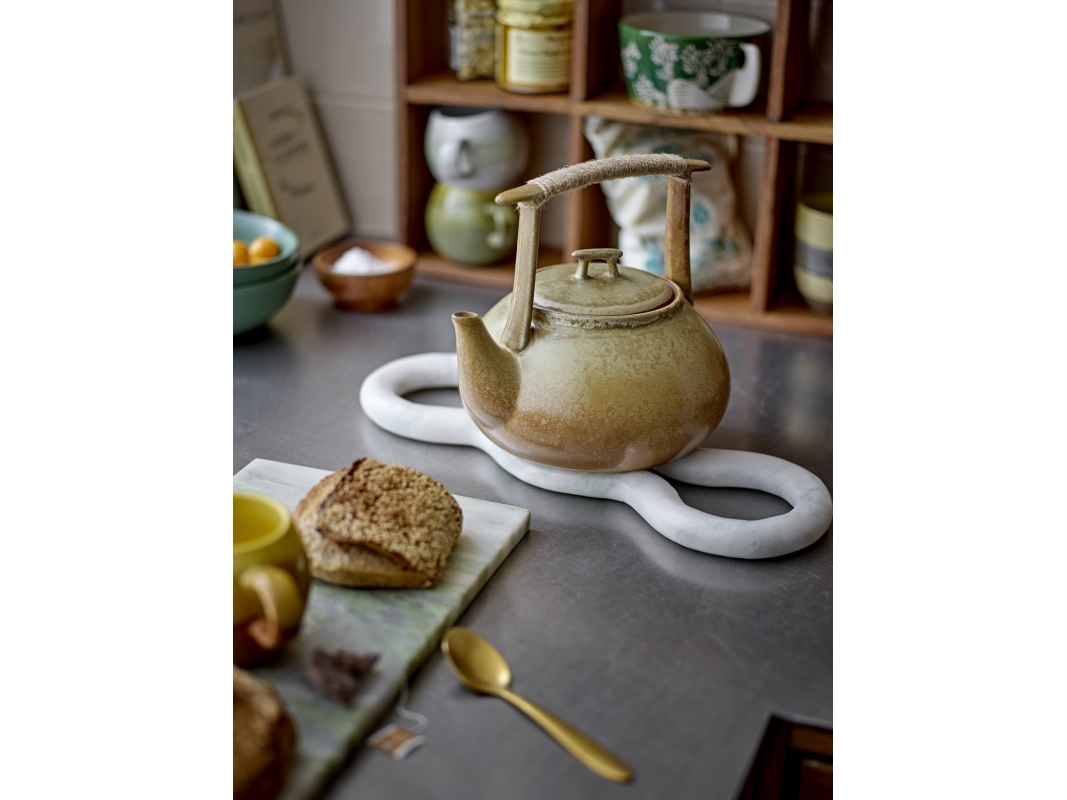
- Tile and clay trivets print sharp floral or seaside designs that double as wall art. Buyers after a gift get more than a heat mat.
- Cork and wood options are light enough to toss in a picnic basket, good for outdoor tableware use.
Things to watch
- Cast iron trivets are heavy and can chip a polished table if dragged. Avoid them on veneer surfaces.
- Wool and cotton trivets scorch under a direct flame or scorching pan. They are best for warm plates, not hob hot pots.
- Tile and clay trivets crack if dropped on a tiled floor. Busy family kitchens should think twice.
- Silicone trivets collect fluff from drawers and can smell of garlic after use. They need regular washing.
- Cork and wood trivets stain from wine or oil and may warp near a steamer.
Care & maintenance
Flexible materials
Wash silicone and rubber trivets in warm soapy water, then air dry before storing.
Fabric and felt
Spot clean wool or cotton trivets with a damp cloth, never soak them.
Metal care
Dry cast iron trivets fully after any wash, and wipe with a little oil if they are unenamelled.
Ceramic and tile
Wipe tile and clay trivets with a damp cloth, avoid soaking the backing.
Frequently Asked Questions
What should I look for when buying trivets?
When shopping for trivets, consider factors such as quality, price, brand reputation, and customer reviews. Compare prices across multiple retailers to ensure you're getting the best deal. Look for products that match your specific needs and budget.
How do I choose the right trivets?
Choosing the right trivets depends on your individual needs, budget, and preferences. Research different options, read customer reviews, and compare specifications. Consider what features are most important to you and look for products that offer the best value for money.
Where can I find the best deals on trivets?
You can find the best deals on trivets by comparing prices across multiple retailers. Our price comparison tool helps you find the lowest prices from trusted UK retailers including Amazon, eBay, and other major online stores. Check regularly as prices and deals change frequently.
Are trivets products worth the investment?
The value of trivets products depends on your specific needs and how you plan to use them. Quality products from reputable brands often provide better long-term value, even if they cost more initially. Consider your budget and requirements when making your decision.
What's the difference between different types of trivets?
Different types of trivets vary in features, quality, price, and intended use. Some may offer premium features while others focus on affordability. Research the specific differences between models or brands to find the option that best suits your needs and budget.