Gas Hoses
How to choose gas hoses
Material and duty
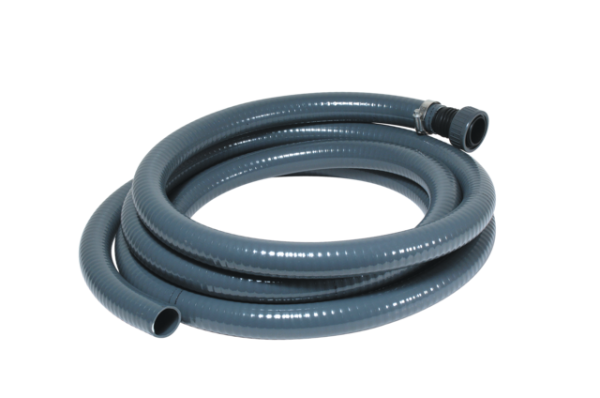
Pick your material by duty: rubber and silicone for low pressure gas, steel or stainless steel for high pressure hydraulic and fuel transfer.
Sub-type fit
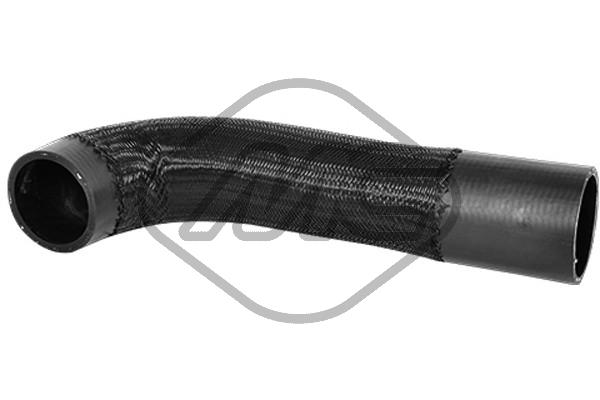
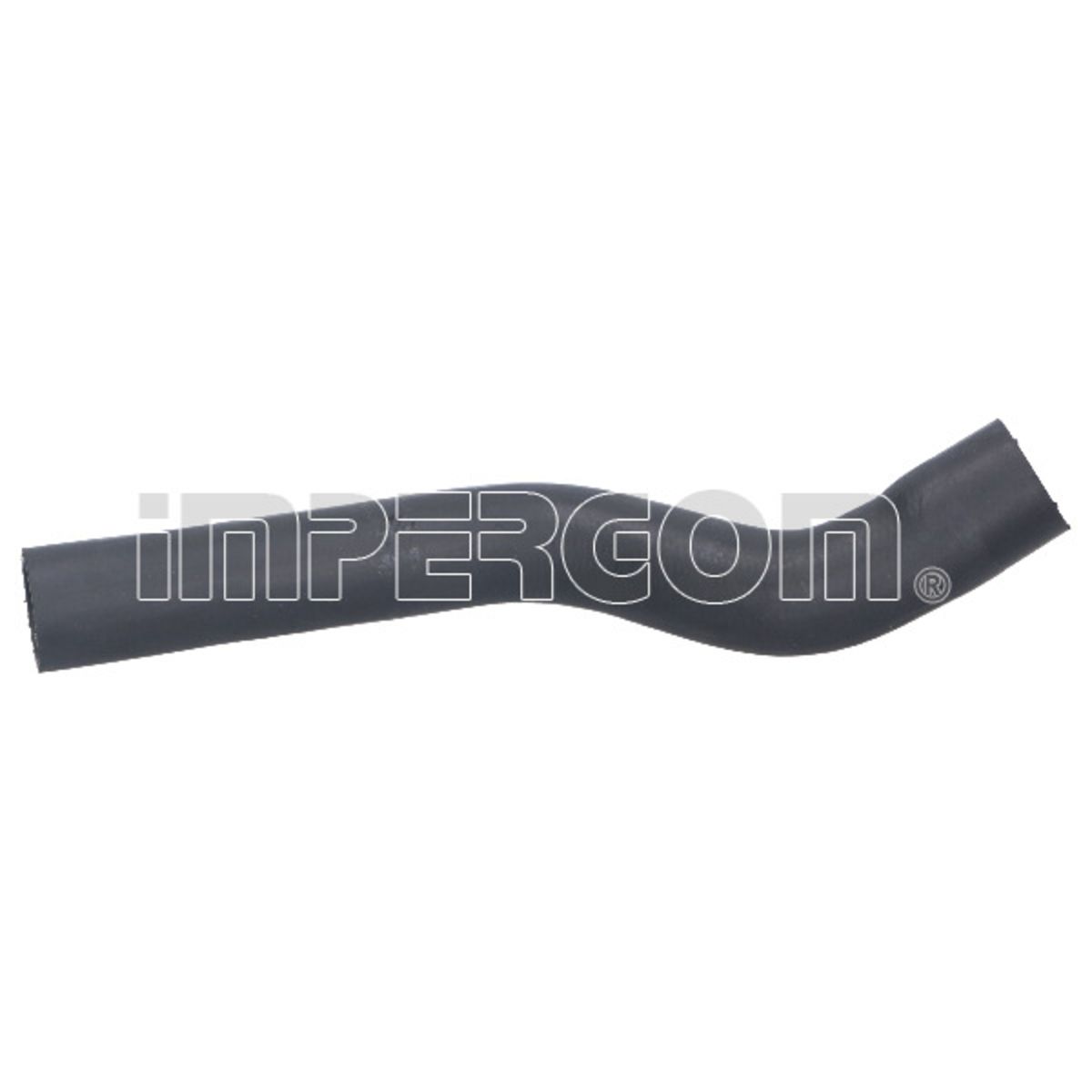
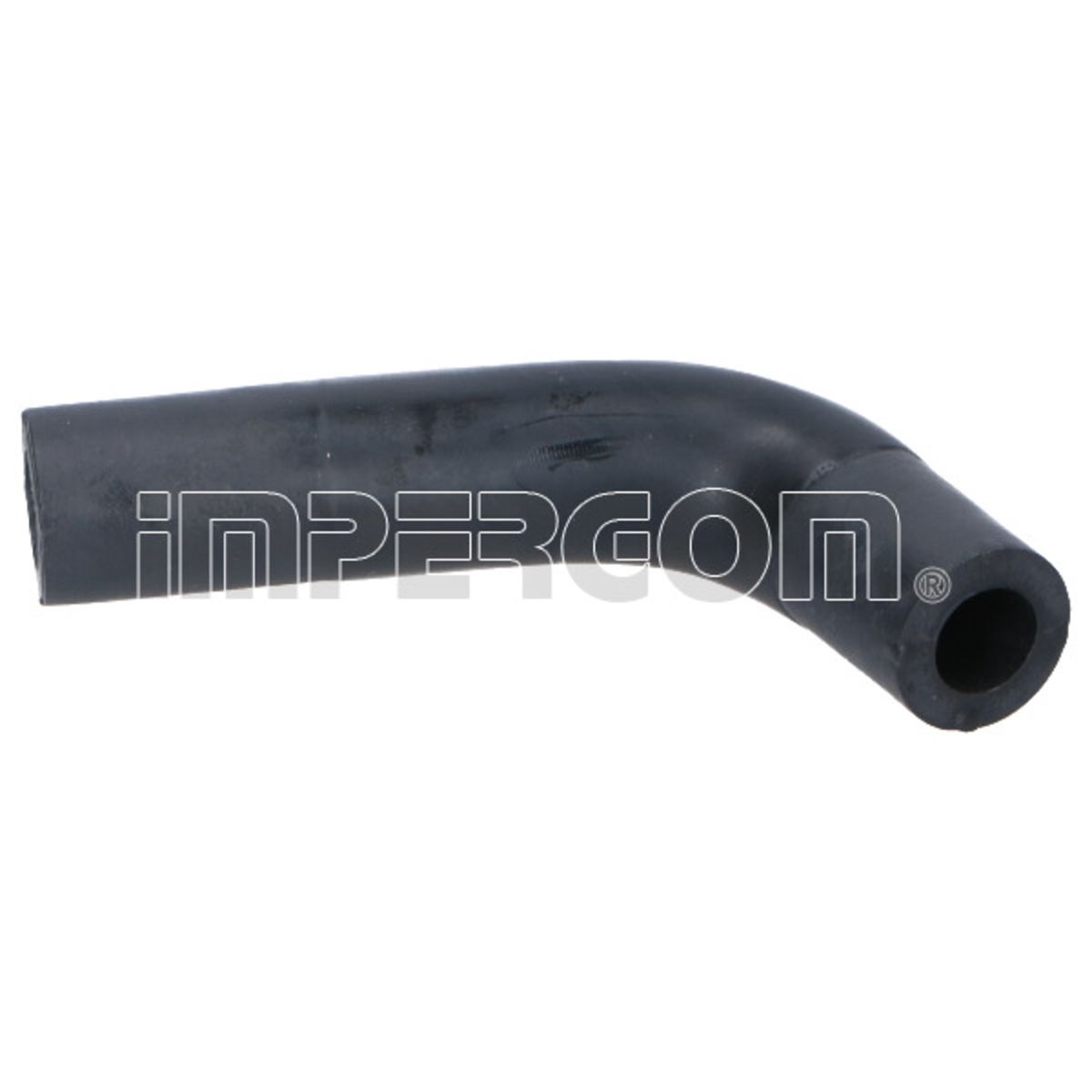
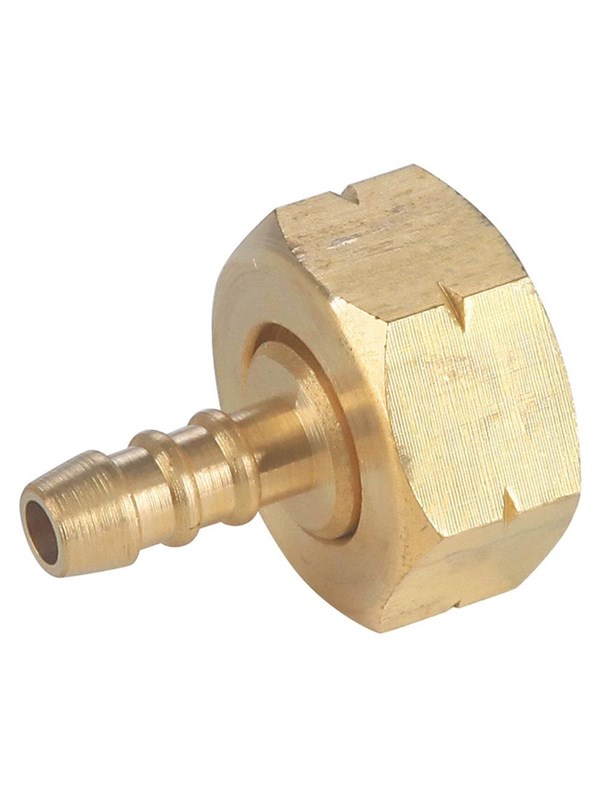
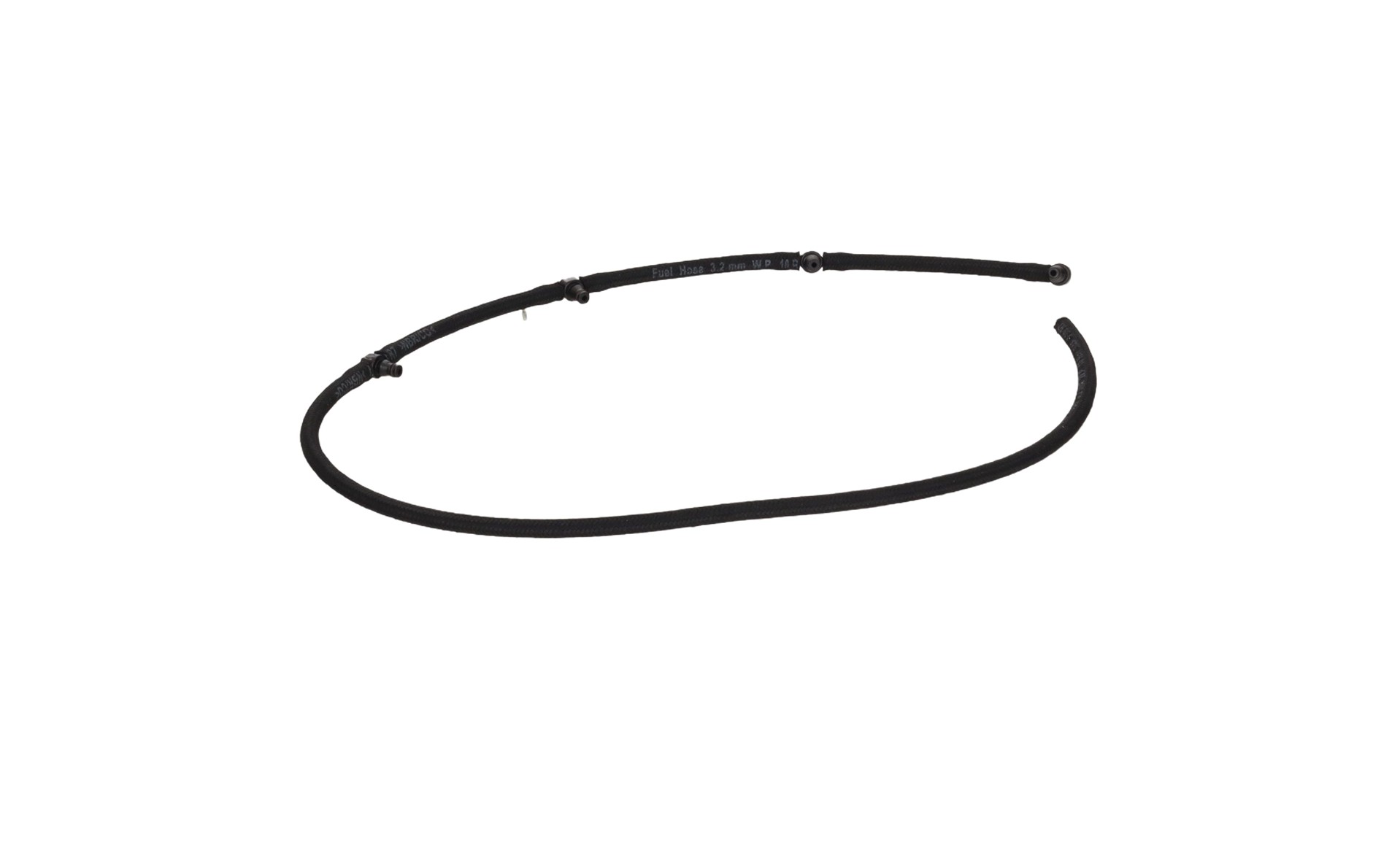
Decide between Hardware and Hardware Accessories. A gas pipe kit or braided fuel line sits in Hardware, while a right angled mask hose is an accessory.
Colour coding
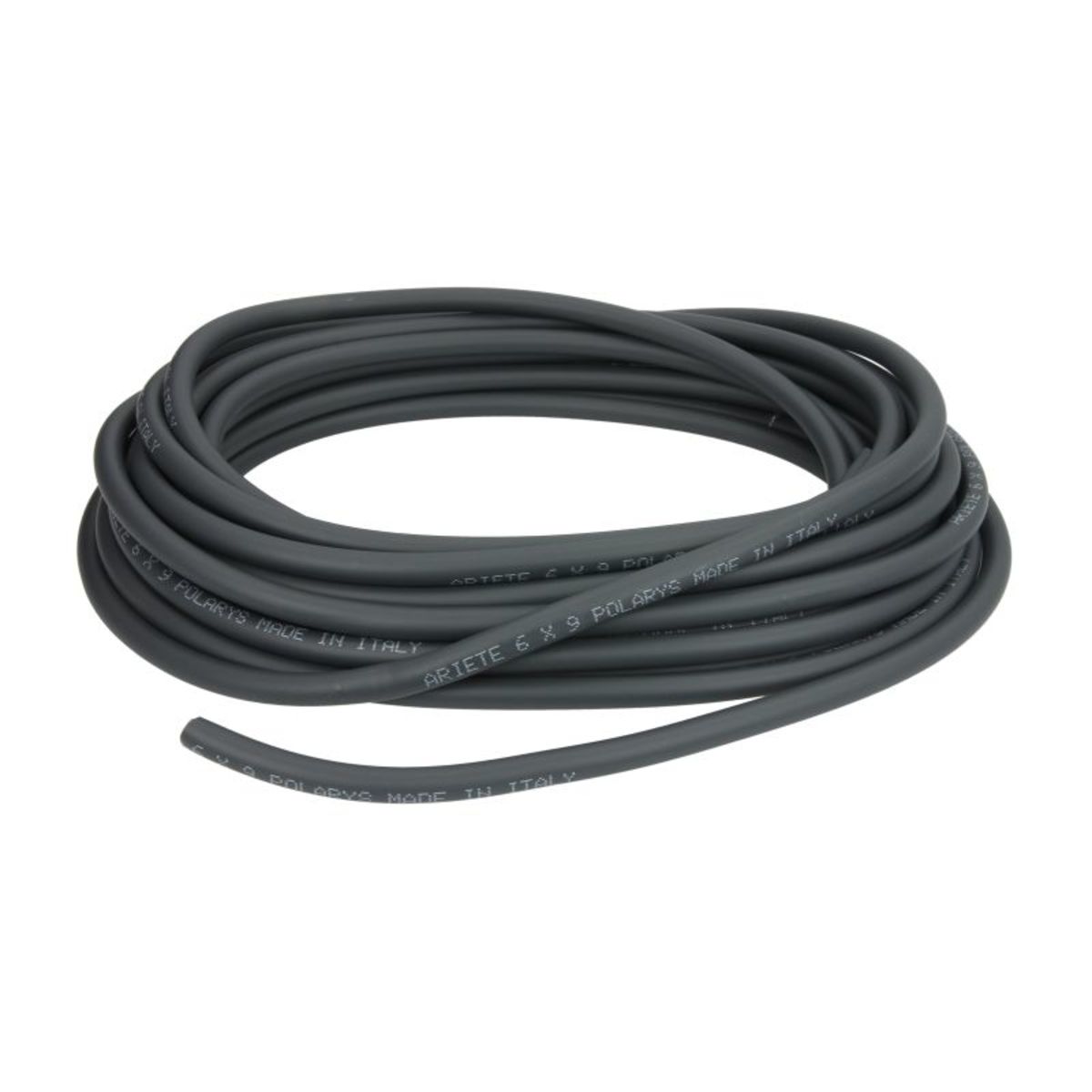
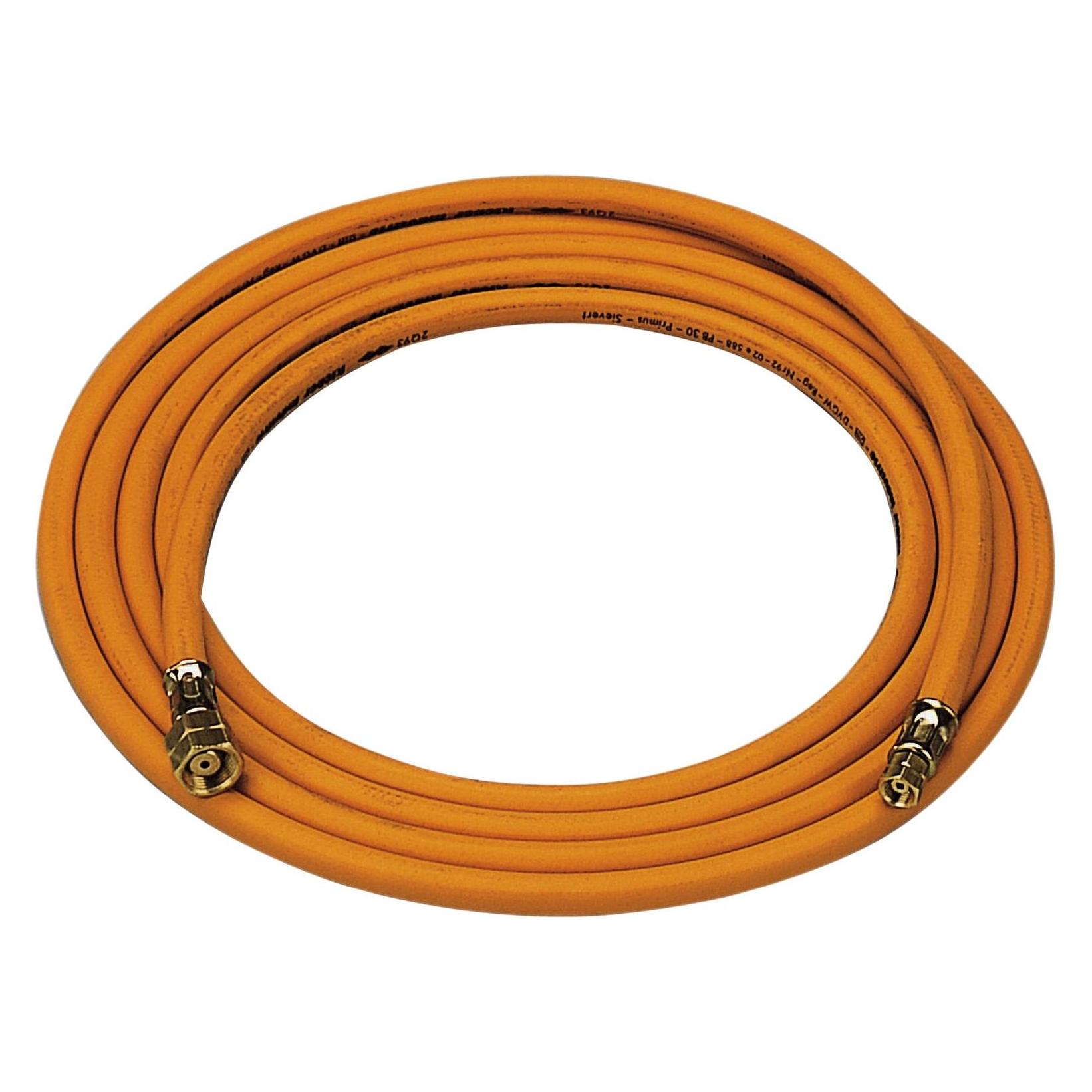
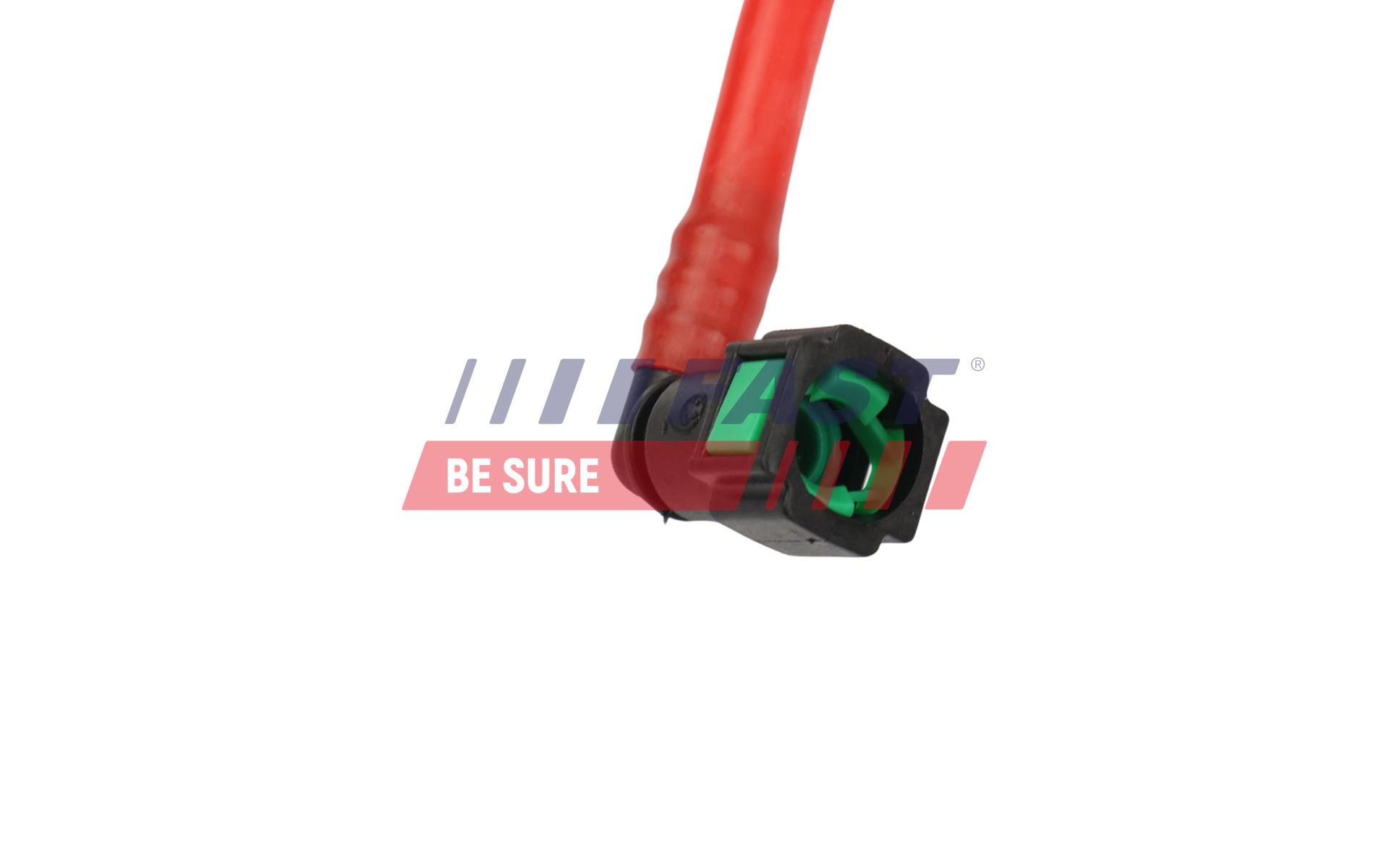
Colour is not just looks. Red and orange LPG hoses signal high pressure fuel use, while black or silver lines blend into indoor setups.
Mixed builds
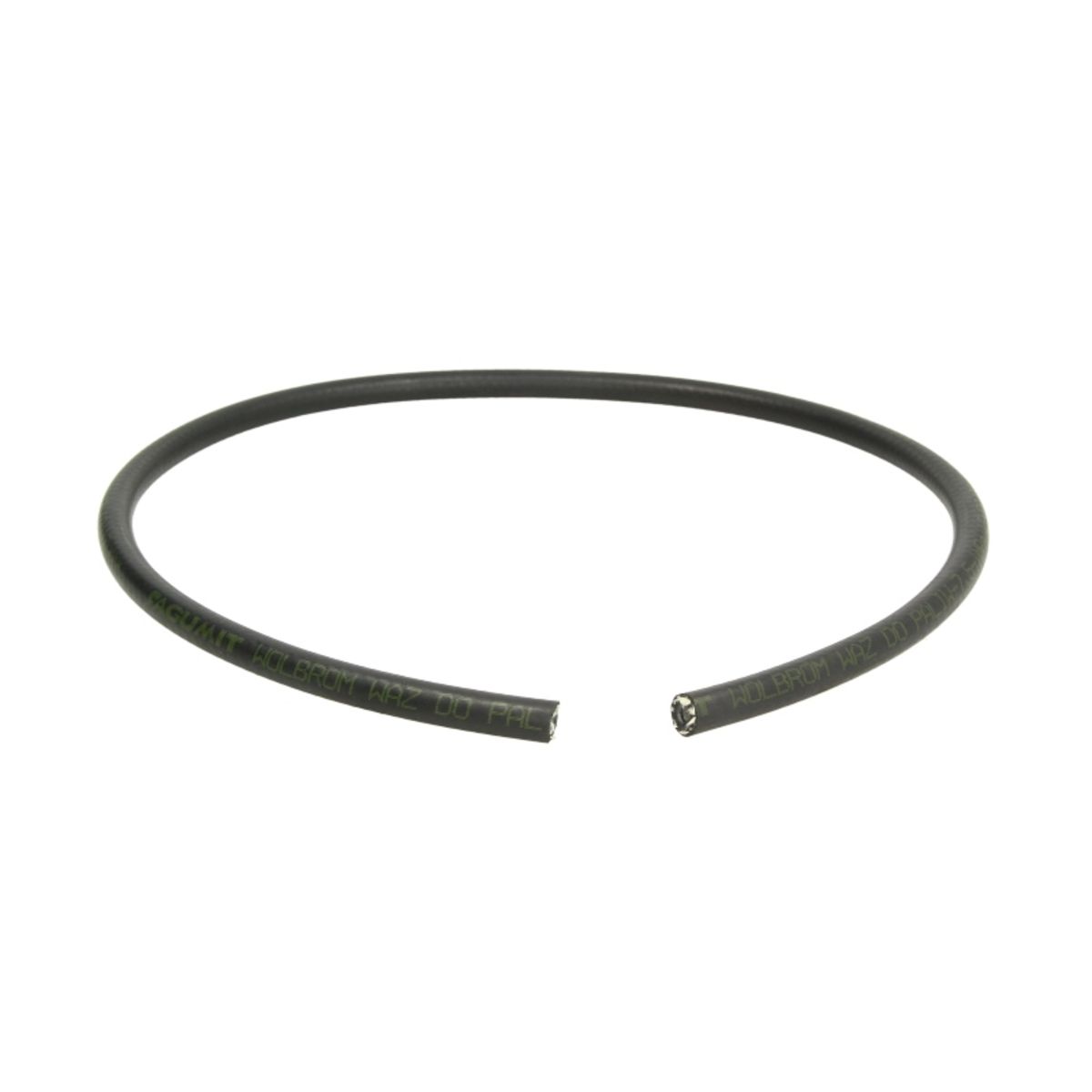
Combined rubber/stainless steel or rubber/steel builds give you flex with a tough skin, but weigh more than pure rubber.
Niche materials
Nylon and copper options sit in the range for specific fittings, so match the material to your existing pipework before buying.
What's good
- Rubber and rubber/steel hoses give a flexible line for LPG and propane setups without rigid pipework.
- Stainless steel braided options resist kinking and abrasion where a bare rubber hose would wear through.
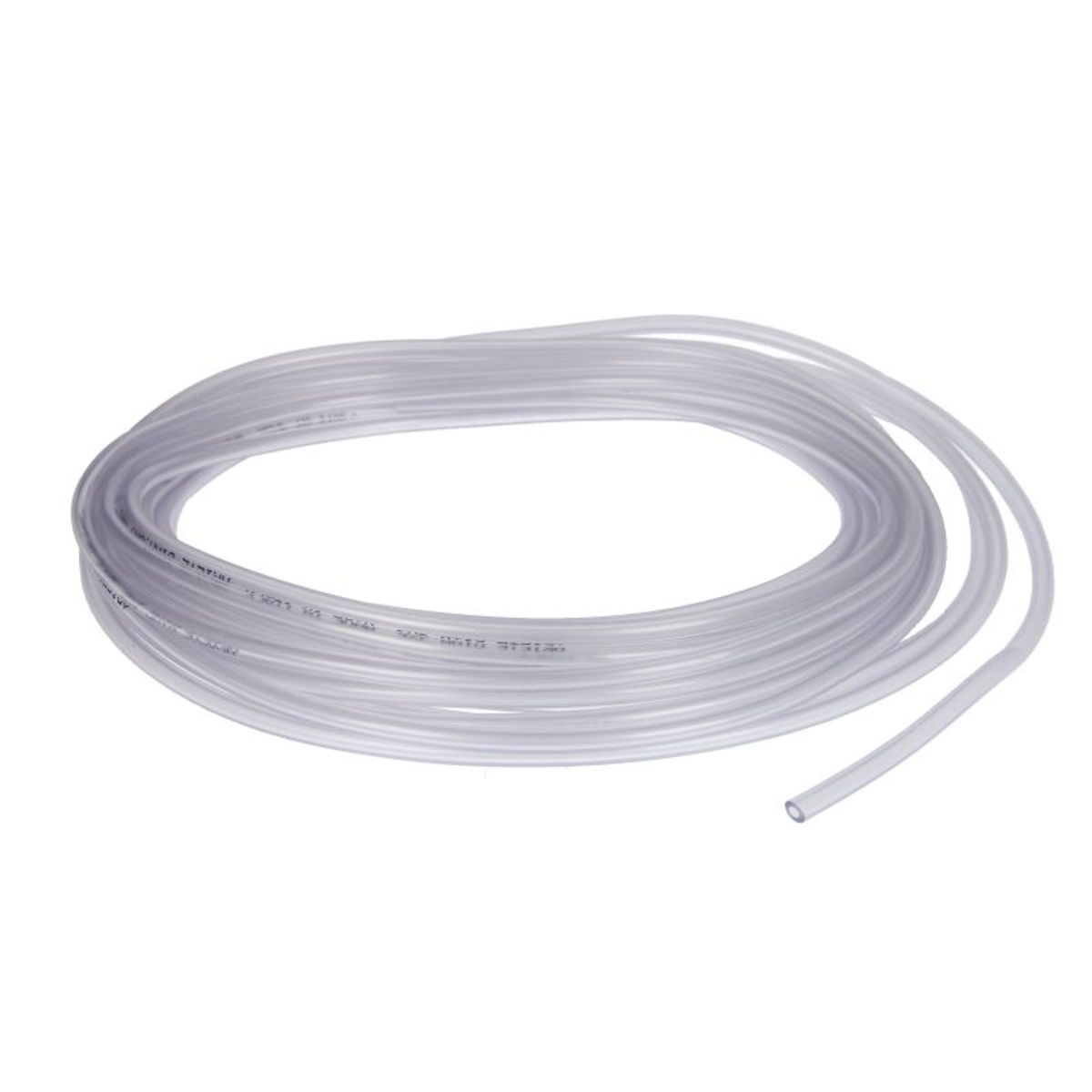
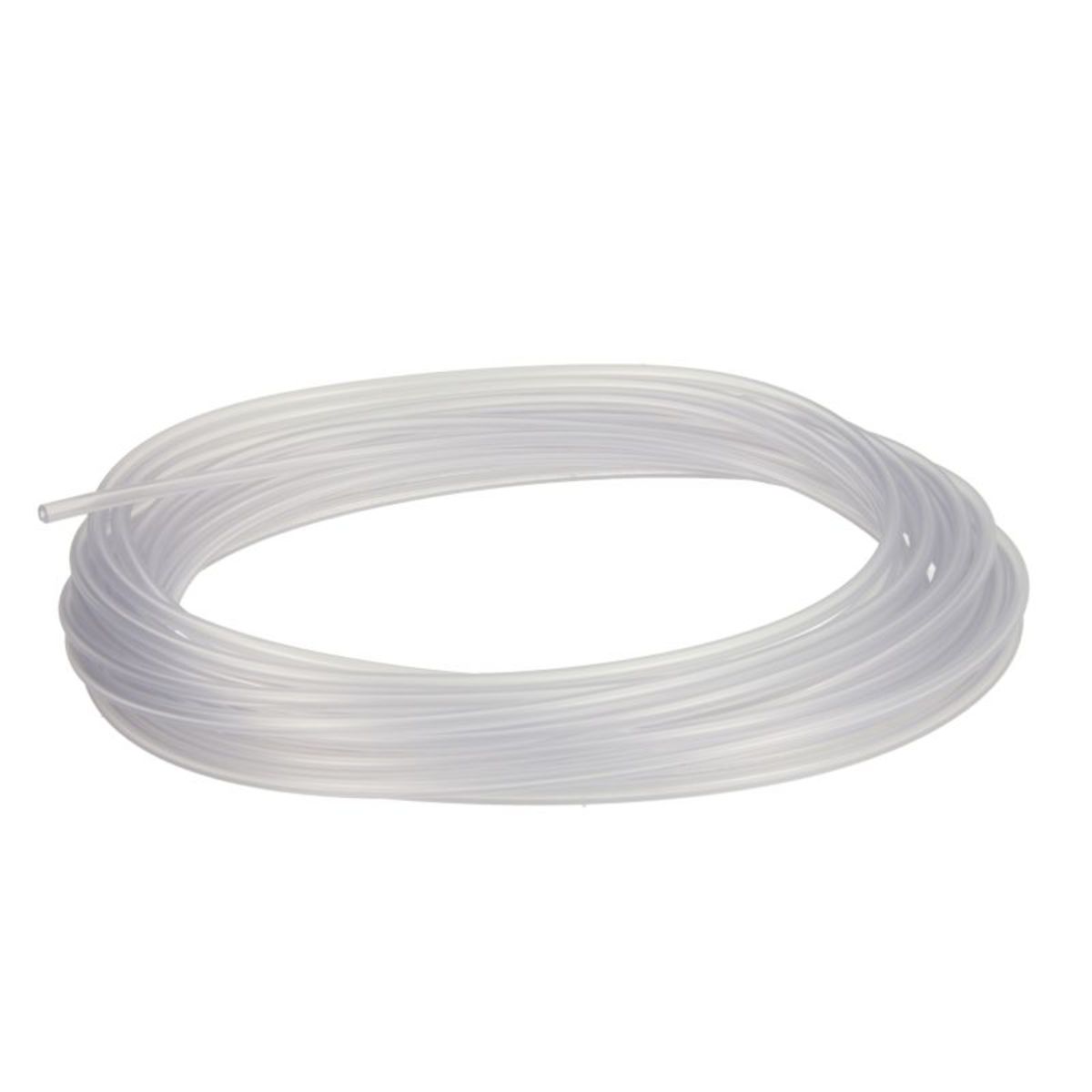
- Silicone low pressure hoses stay pliable in cold weather where plastic lines go stiff.
- The Hardware Accessories tier covers niche lines like angled mask hoses, letting you replace one worn part instead of a full kit.
Things to watch
- Bare rubber hoses fade and crack under prolonged UV, so red or orange outdoor lines need shade when not in use.
- Steel and stainless steel braided hoses hold high pressure but are heavier and harder to route around tight corners.
- Cotton or fabric hoses suit low pressure mask use, but they will not handle hydraulic pressure or fuel transfer.
- Silicone lines are limited to low pressure gas, so they are wrong for high pressure hydraulic or fuel jobs.
Care & maintenance
Clean after use
Wipe rubber and rubber/steel hoses down after LPG or fuel use to stop residue building up on the line.
Coil loosely
Coil longer rubber and silicone runs loosely rather than sharp bending to avoid internal creasing.
Inspect braiding
Check stainless steel braiding for broken strands that could snag or cut during handling.
Shade storage
Store coloured hoses (red, orange, yellow) out of direct sun to slow rubber ageing.
Frequently Asked Questions
What should I look for when buying gas hoses?
When shopping for gas hoses, consider factors such as quality, price, brand reputation, and customer reviews. Compare prices across multiple retailers to ensure you're getting the best deal. Look for products that match your specific needs and budget.
How do I choose the right gas hoses?
Choosing the right gas hoses depends on your individual needs, budget, and preferences. Research different options, read customer reviews, and compare specifications. Consider what features are most important to you and look for products that offer the best value for money.
Where can I find the best deals on gas hoses?
You can find the best deals on gas hoses by comparing prices across multiple retailers. Our price comparison tool helps you find the lowest prices from trusted UK retailers including Amazon, eBay, and other major online stores. Check regularly as prices and deals change frequently.
Are gas hoses products worth the investment?
The value of gas hoses products depends on your specific needs and how you plan to use them. Quality products from reputable brands often provide better long-term value, even if they cost more initially. Consider your budget and requirements when making your decision.
What's the difference between different types of gas hoses?
Different types of gas hoses vary in features, quality, price, and intended use. Some may offer premium features while others focus on affordability. Research the specific differences between models or brands to find the option that best suits your needs and budget.