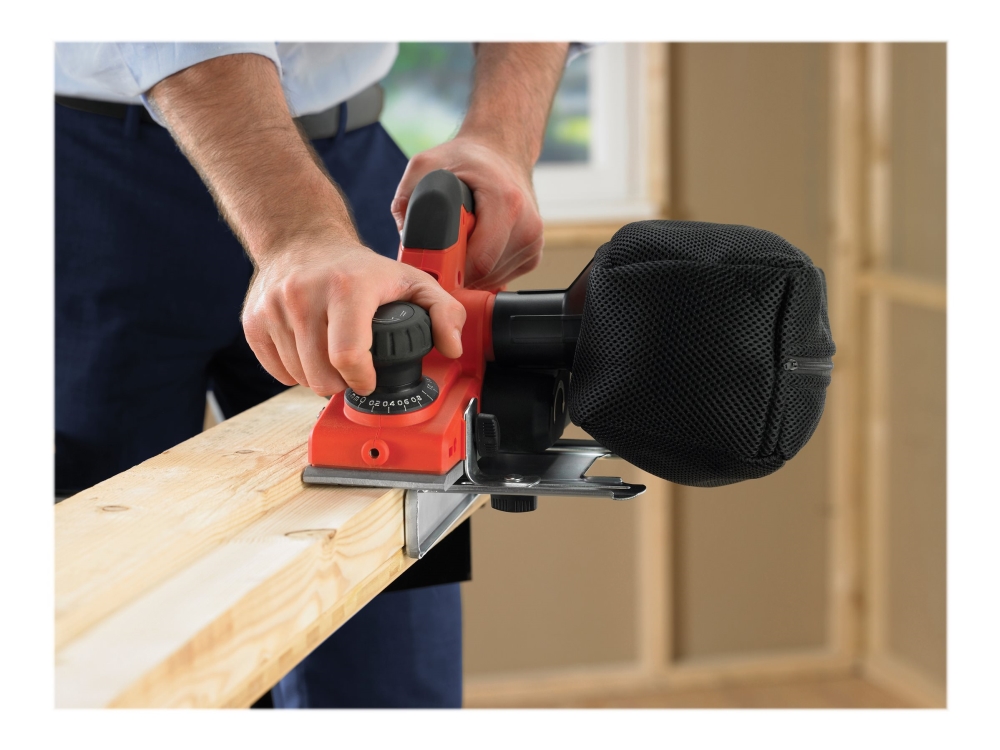
Planers
How to choose planers
Power source
Pick cordless if you site fit and own the battery. Corded suits a bench with steady power.
Workshop footprint
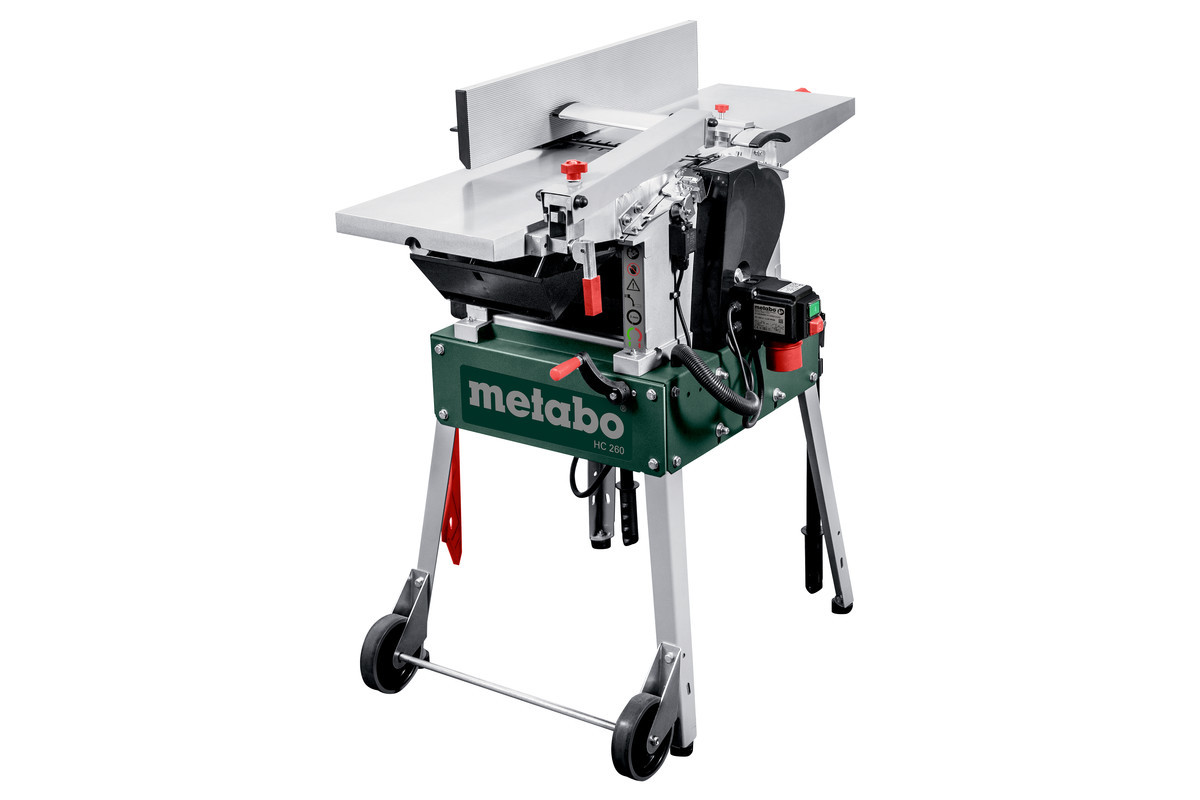
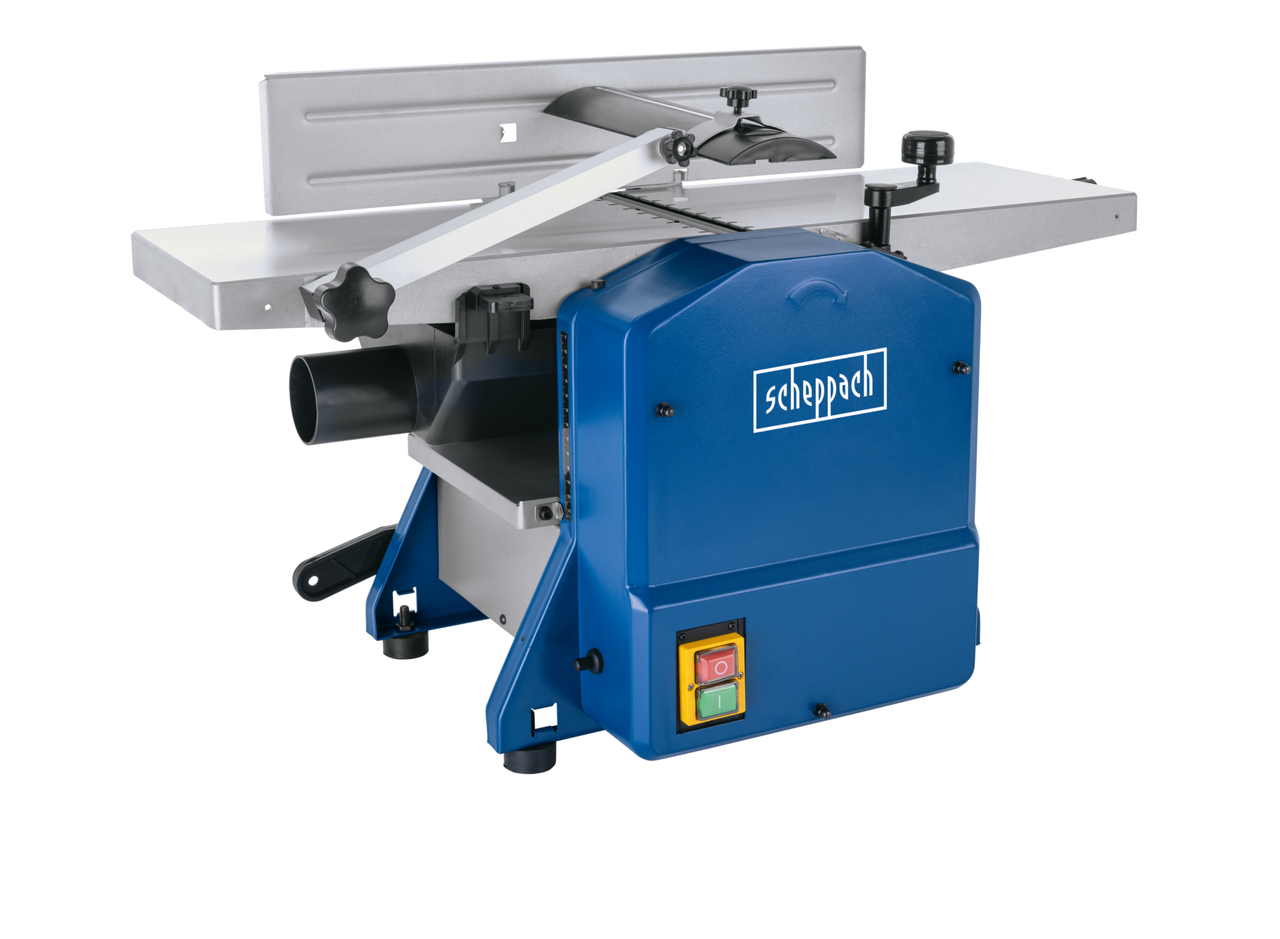
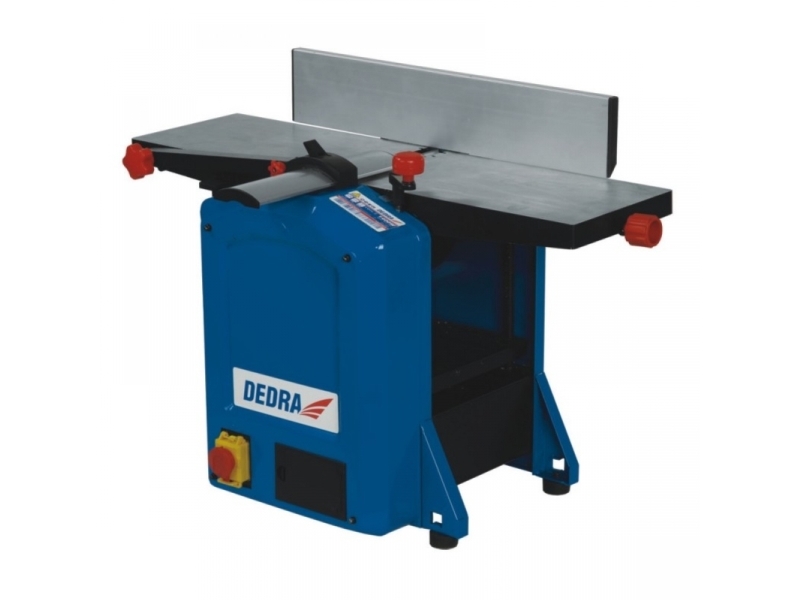
Choose a combined planer thicknesser for Hardware space saving. Know it needs a permanent floor or stand.
Build weight
Look at build material. Aluminium keeps a Tool light for handling, while steel adds stability for flatness.
Capacity
Decide on width. A 204mm planing width suits trim, while 254mm or 13 inch takes wide boards.
Brand match
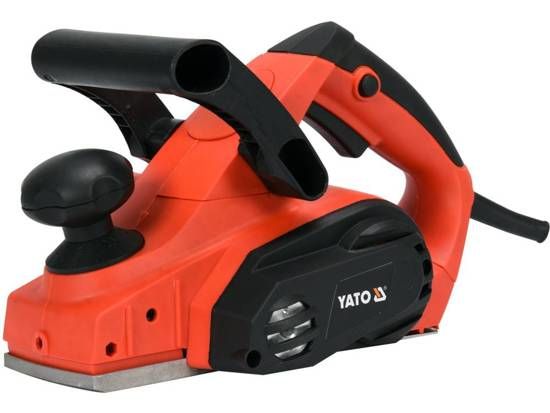
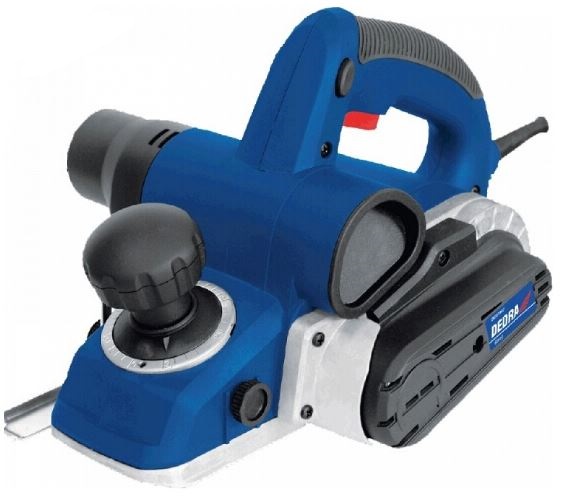
Match the casing color if it helps your kit co-ordinate. Black/orange, green, and blue schemes are common here.
What's good
- Cordless Tools give site mobility. You avoid trailing leads when the power socket is far from the timber.
- Combined planer thicknessers are Hardware that face joint and dimension in one pass. They save workshop space.
- Steel and metal builds resist vibration under load. This steadies the cut for a cleaner finish on long runs.
- An emergency stop paddle kills power the moment stock jams. It is a real safety win on heavy units.
Things to watch
- Cordless bare units need your own battery and charger. They sit dead in the van if you lack that cell system.
- Combined planer thicknessers weigh heavily in steel and metal. They demand a solid legstand or a fixed bench.
- Hand crank height adjustment on smaller Tools is slow. Powered lift on larger units saves your back and time.
- Plastic and rubber clad bodies on entry lines can flex. Aluminium or steel frames hold truer under hard use.
Care & maintenance
Blades
Keep planer blades sharp and free of resin. Dull edges tear wood rather than slice it.
Tables
Wipe steel and metal tables with light oil after use. This stops rust in a damp garage.
Rollers
Check drive rollers for sawdust pack on thicknessers. Build up throws off the feed rate and scars the stock.
Handles
Treat wood and aluminium handles with oil. It stops the join from cracking or corroding over the seasons.
Frequently Asked Questions
What should I look for when buying planers?
When shopping for planers, consider factors such as quality, price, brand reputation, and customer reviews. Compare prices across multiple retailers to ensure you're getting the best deal. Look for products that match your specific needs and budget.
How do I choose the right planers?
Choosing the right planers depends on your individual needs, budget, and preferences. Research different options, read customer reviews, and compare specifications. Consider what features are most important to you and look for products that offer the best value for money.
Where can I find the best deals on planers?
You can find the best deals on planers by comparing prices across multiple retailers. Our price comparison tool helps you find the lowest prices from trusted UK retailers including Amazon, eBay, and other major online stores. Check regularly as prices and deals change frequently.
Are planers products worth the investment?
The value of planers products depends on your specific needs and how you plan to use them. Quality products from reputable brands often provide better long-term value, even if they cost more initially. Consider your budget and requirements when making your decision.
What's the difference between different types of planers?
Different types of planers vary in features, quality, price, and intended use. Some may offer premium features while others focus on affordability. Research the specific differences between models or brands to find the option that best suits your needs and budget.