Jigs
How to choose jigs
Sub-type fit
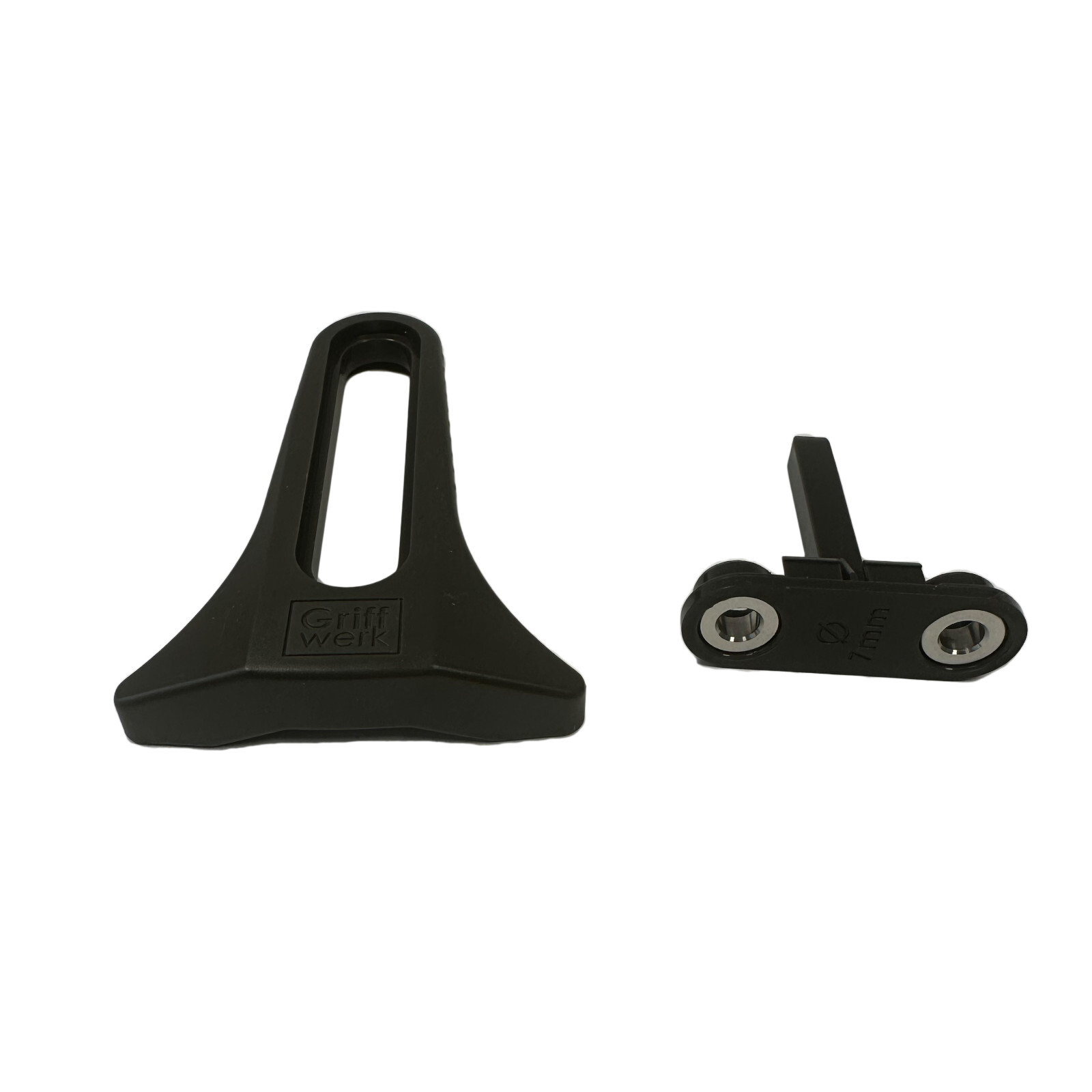
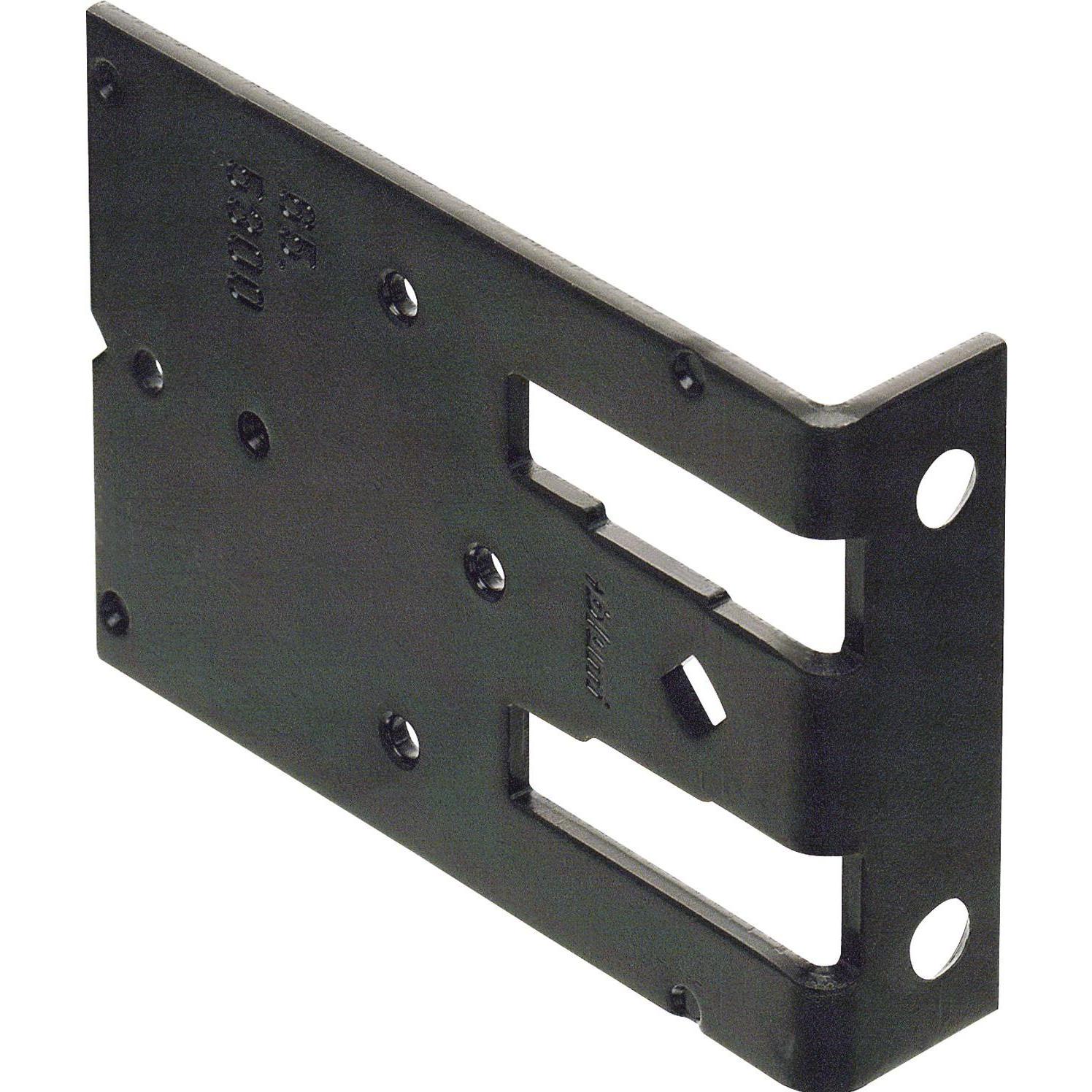
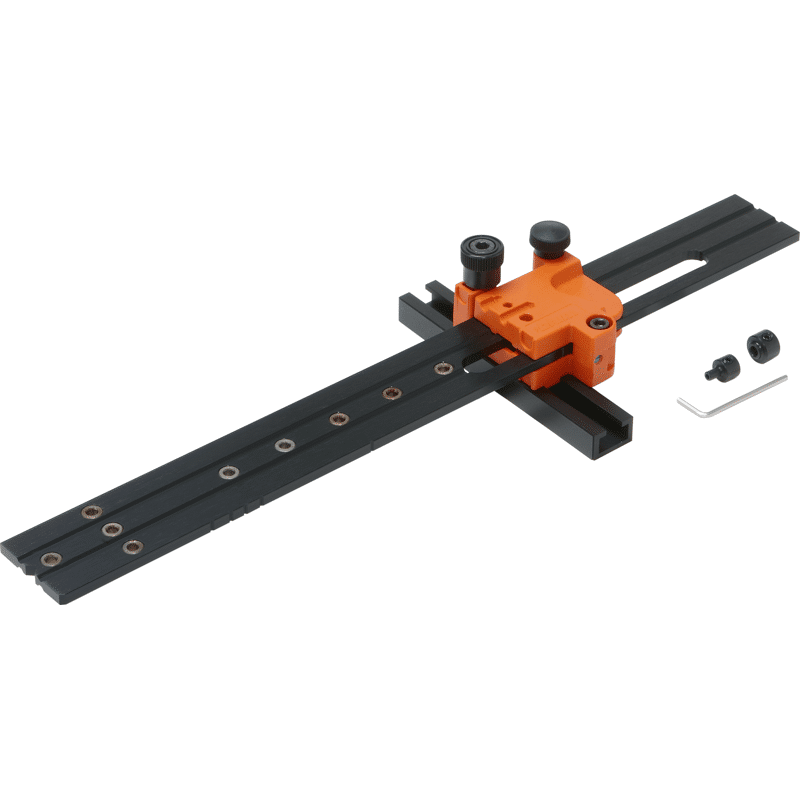
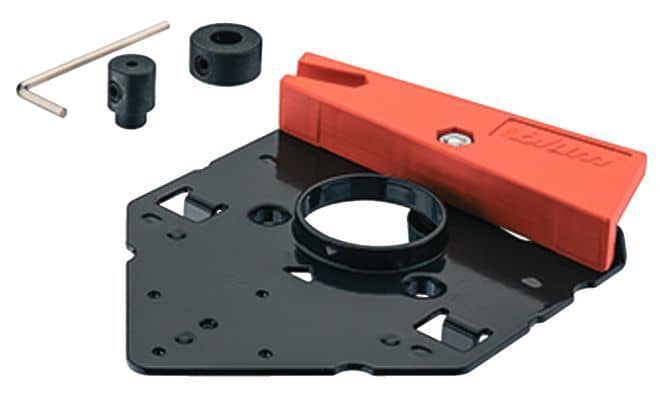
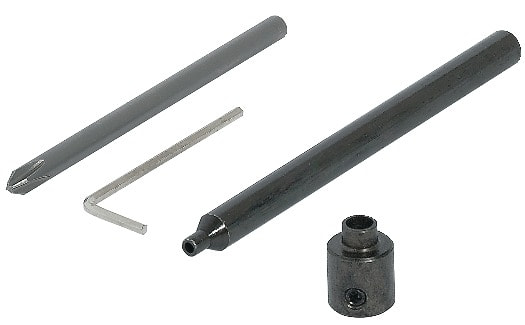
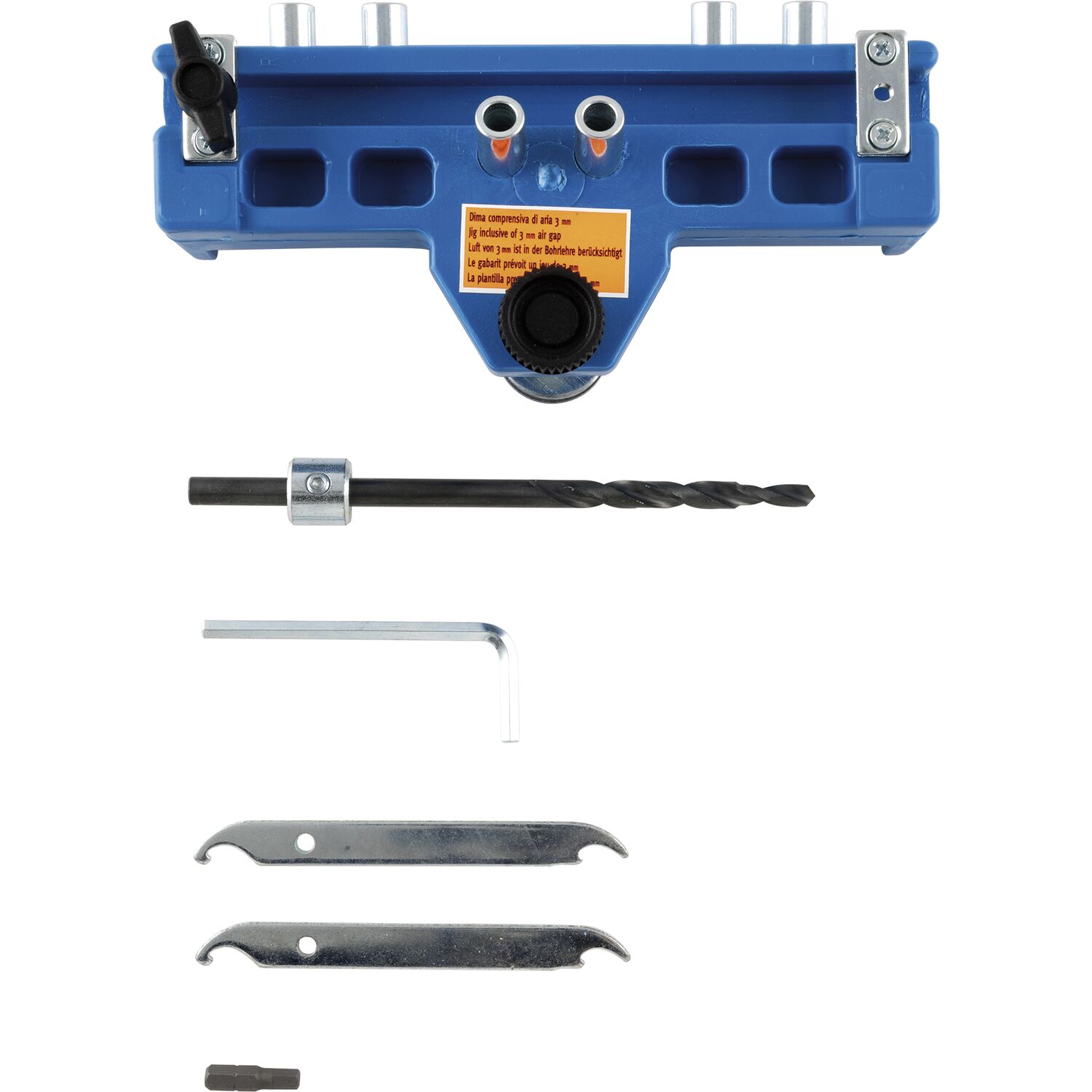
Pick Tool Accessories for a fixed task like planing or drilling, or choose Hardware to assemble your own jig from blocks and tracks.
Material tradeoff
Weigh material: plastic and wood are light and easy to handle, while steel and aluminium add weight but last longer.
Colour choice
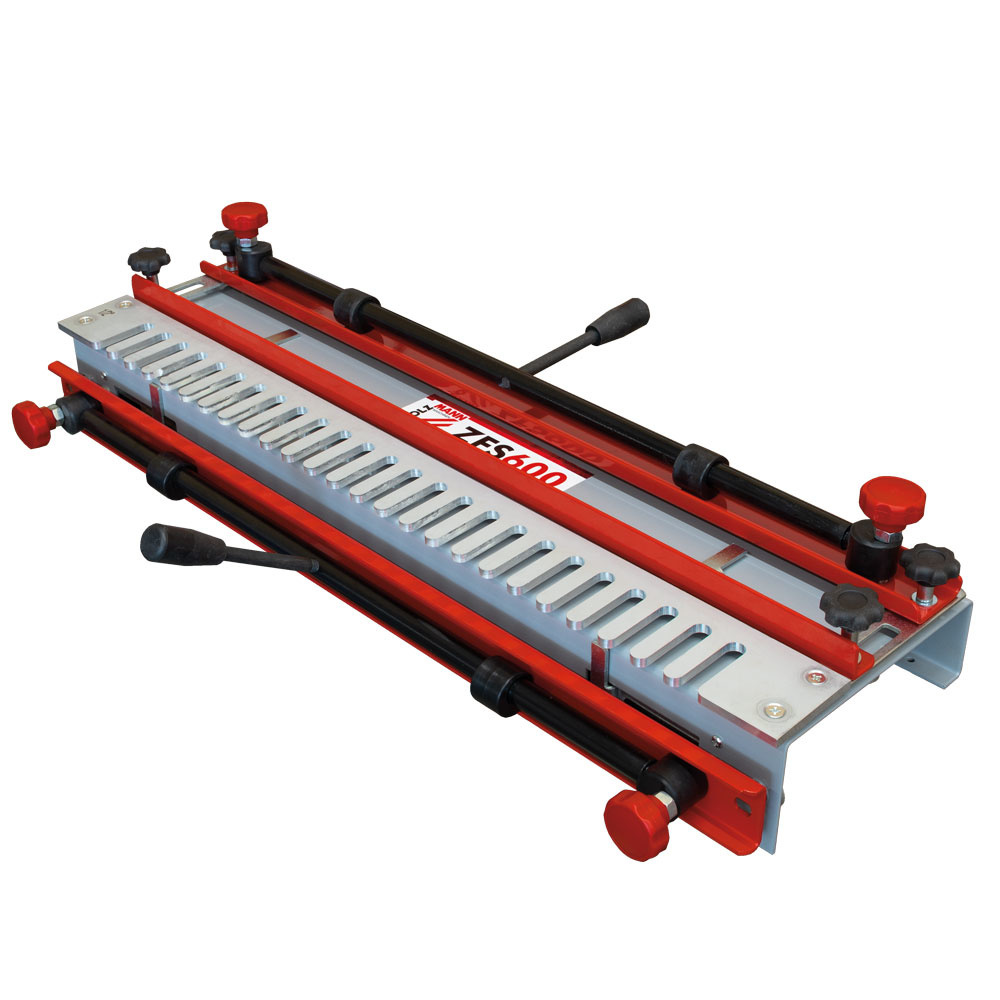
Think about colour visibility. Red, black/red or green jigs stand out, whereas white or silver may blend with surroundings.
Mixed builds
If you prefer damping of vibration, metal/wood builds offer that but need joint checks.
Fit to task
Confirm the size and shape fit your existing tools, as some jigs are made for specific disc or blade dimensions.
What's good
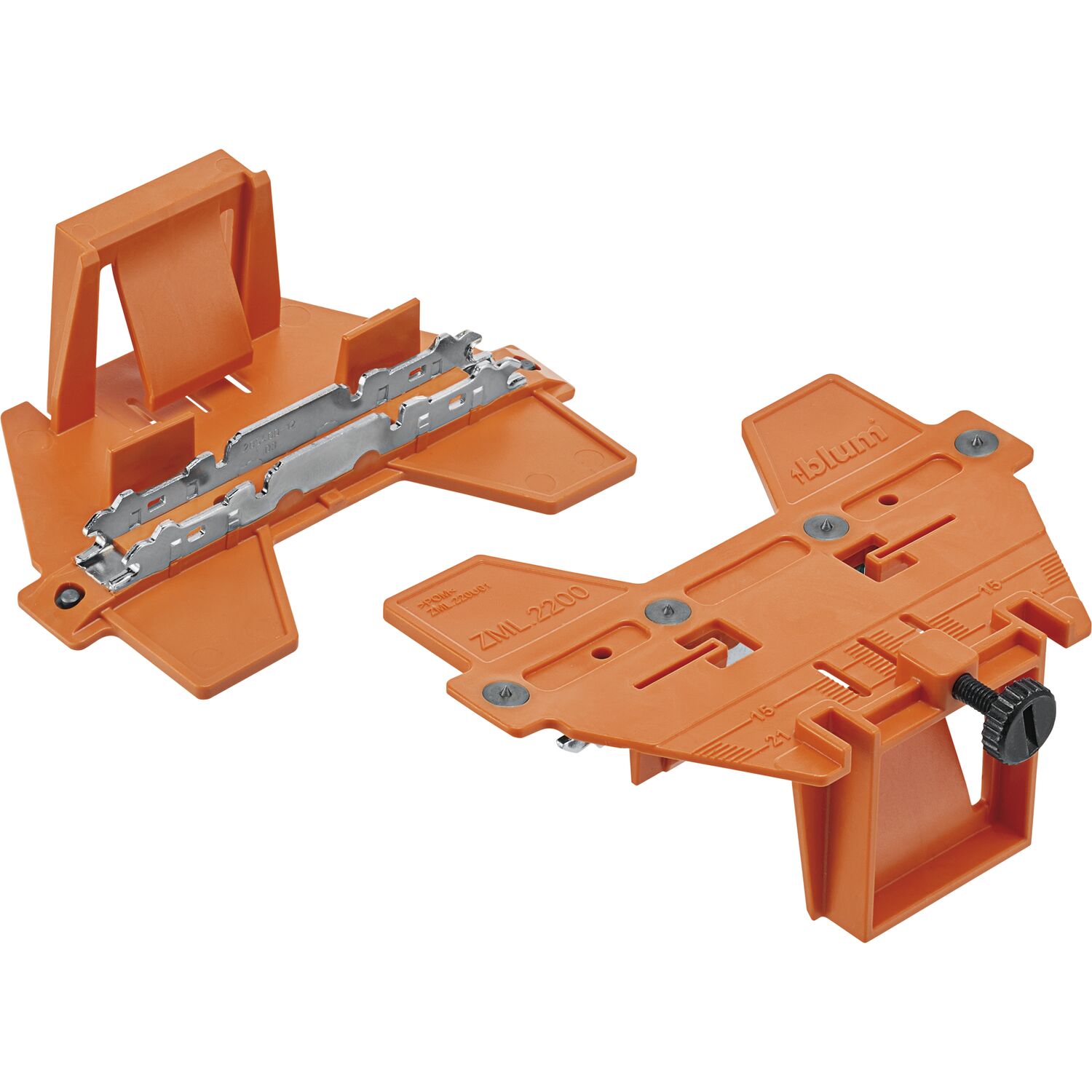
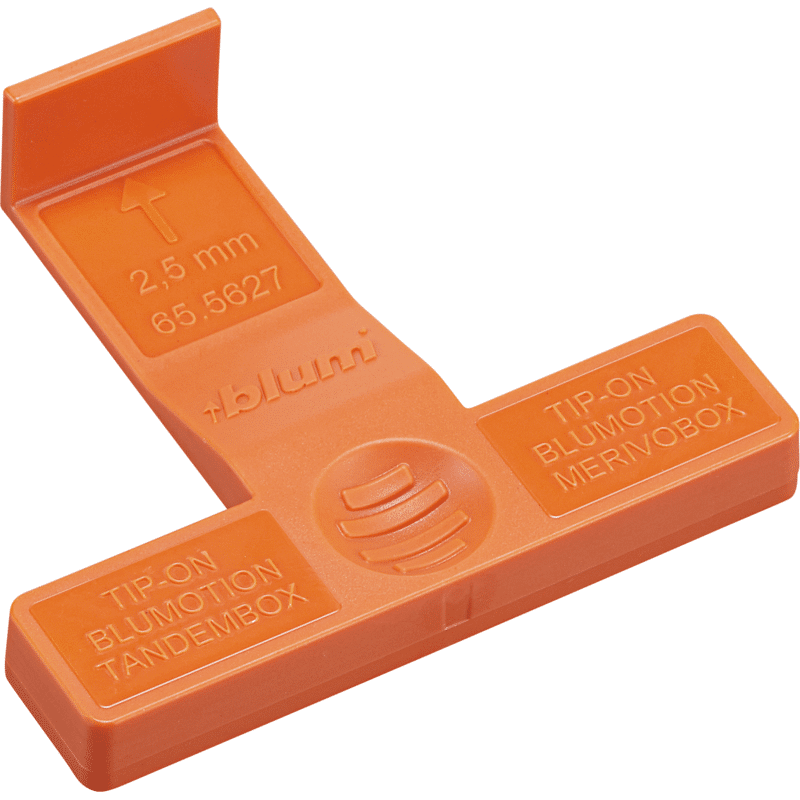
- Tool Accessories such as blade calibrators give repeatable settings without manual measuring.
- Hardware like T track kits let you build custom fixtures from standard parts.
- Metal and stainless steel builds survive daily workshop knocks better than plastic.
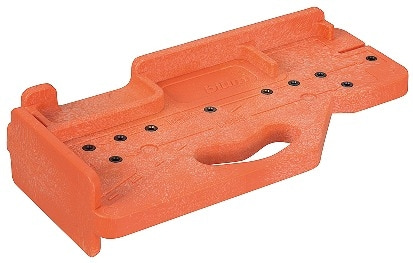
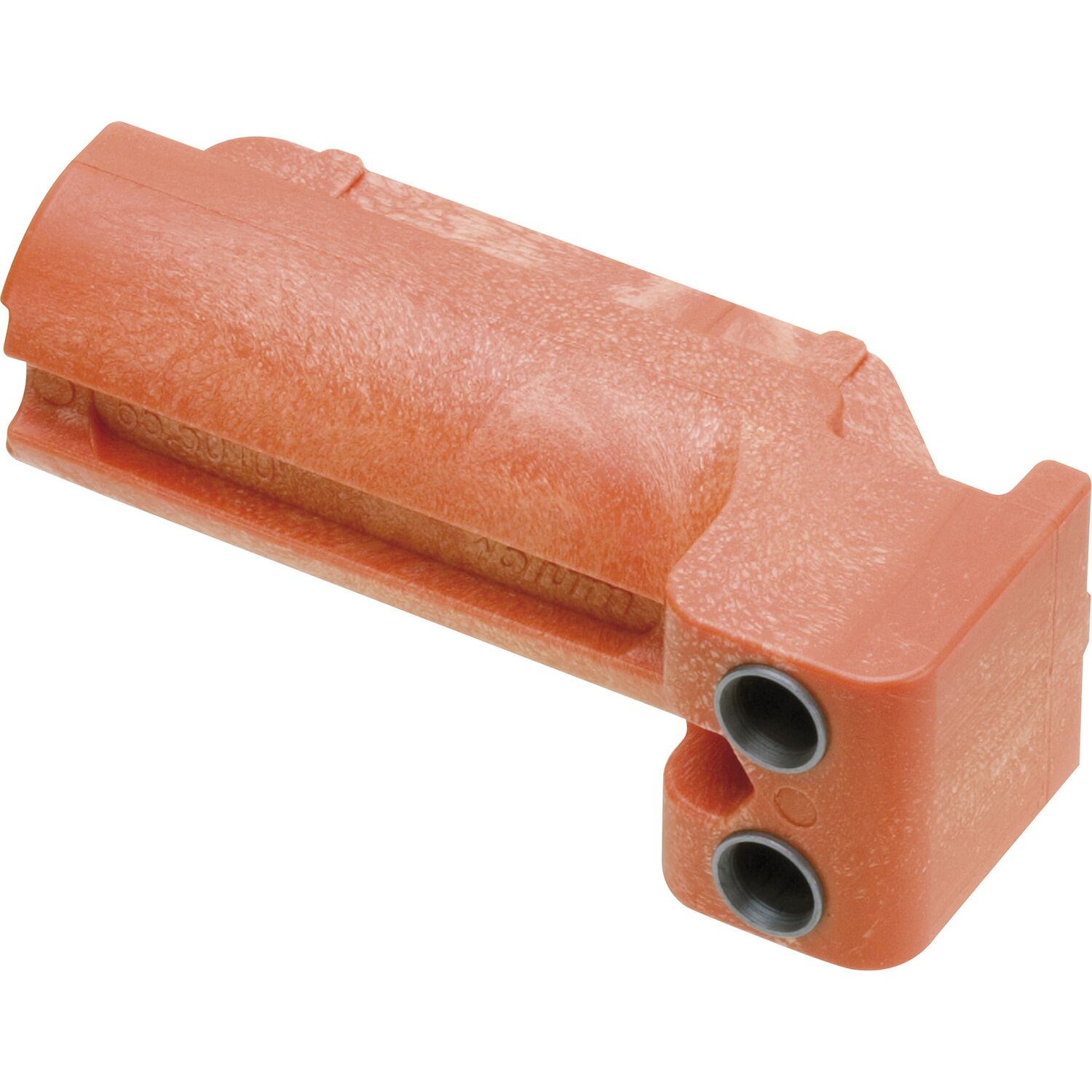
- Bright colours such as orange or yellow help you spot a jig on a cluttered bench.
Things to watch
- Wooden or wood/plastic jigs suit light crafts but lack the rigidity of steel for heavy cuts.
- Single-purpose Tool Accessories take up drawer space if you only use them once a year.
- Mixed metal/wood items need care for both surfaces, adding upkeep time.
- Silver or grey finishes look smart yet disappear against metal machinery.
Care & maintenance
Metal care
Wipe steel, iron or stainless steel jigs with a dry cloth after use to keep rust away.
Mixed material upkeep
Oil the metal parts of metal/wood jigs lightly every few months.
Track cleaning
Keep aluminium slider tracks free of dust so parts move smoothly.
Storage
Store plastic and wood/plastic jigs indoors to avoid warping from damp.
Frequently Asked Questions
What should I look for when buying jigs?
When shopping for jigs, consider factors such as quality, price, brand reputation, and customer reviews. Compare prices across multiple retailers to ensure you're getting the best deal. Look for products that match your specific needs and budget.
How do I choose the right jigs?
Choosing the right jigs depends on your individual needs, budget, and preferences. Research different options, read customer reviews, and compare specifications. Consider what features are most important to you and look for products that offer the best value for money.
Where can I find the best deals on jigs?
You can find the best deals on jigs by comparing prices across multiple retailers. Our price comparison tool helps you find the lowest prices from trusted UK retailers including Amazon, eBay, and other major online stores. Check regularly as prices and deals change frequently.
Are jigs products worth the investment?
The value of jigs products depends on your specific needs and how you plan to use them. Quality products from reputable brands often provide better long-term value, even if they cost more initially. Consider your budget and requirements when making your decision.
What's the difference between different types of jigs?
Different types of jigs vary in features, quality, price, and intended use. Some may offer premium features while others focus on affordability. Research the specific differences between models or brands to find the option that best suits your needs and budget.