Riveting Tools
How to choose riveting tools
Sub-type
First decide if you need Tools or Hardware. A riveter is no use if you forgot the rivets.
Material
Tool material matters. Steel/aluminium gives strength but adds weight, while metal/plastic keeps things light for odd jobs.
Colour
Colour is functional. Orange or yellow helps spot the tool on site, while black/blue hides grime in a van.
Tool form
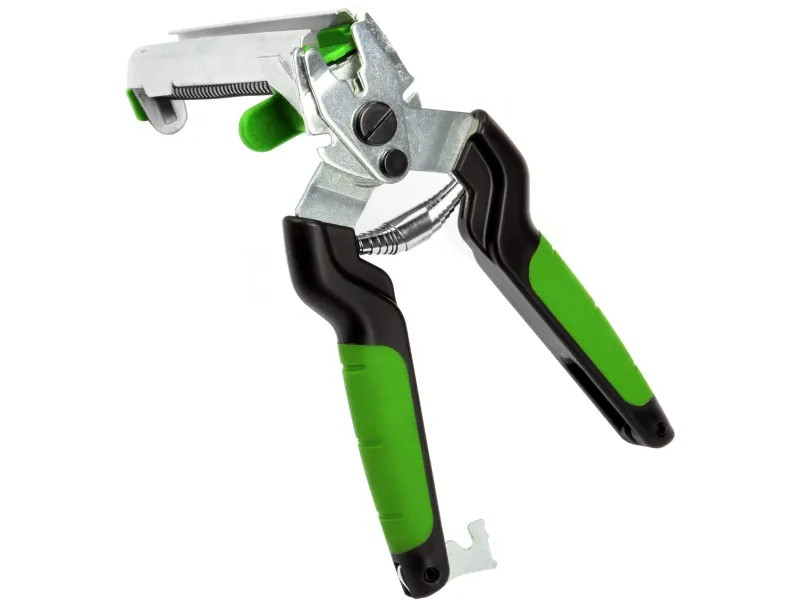
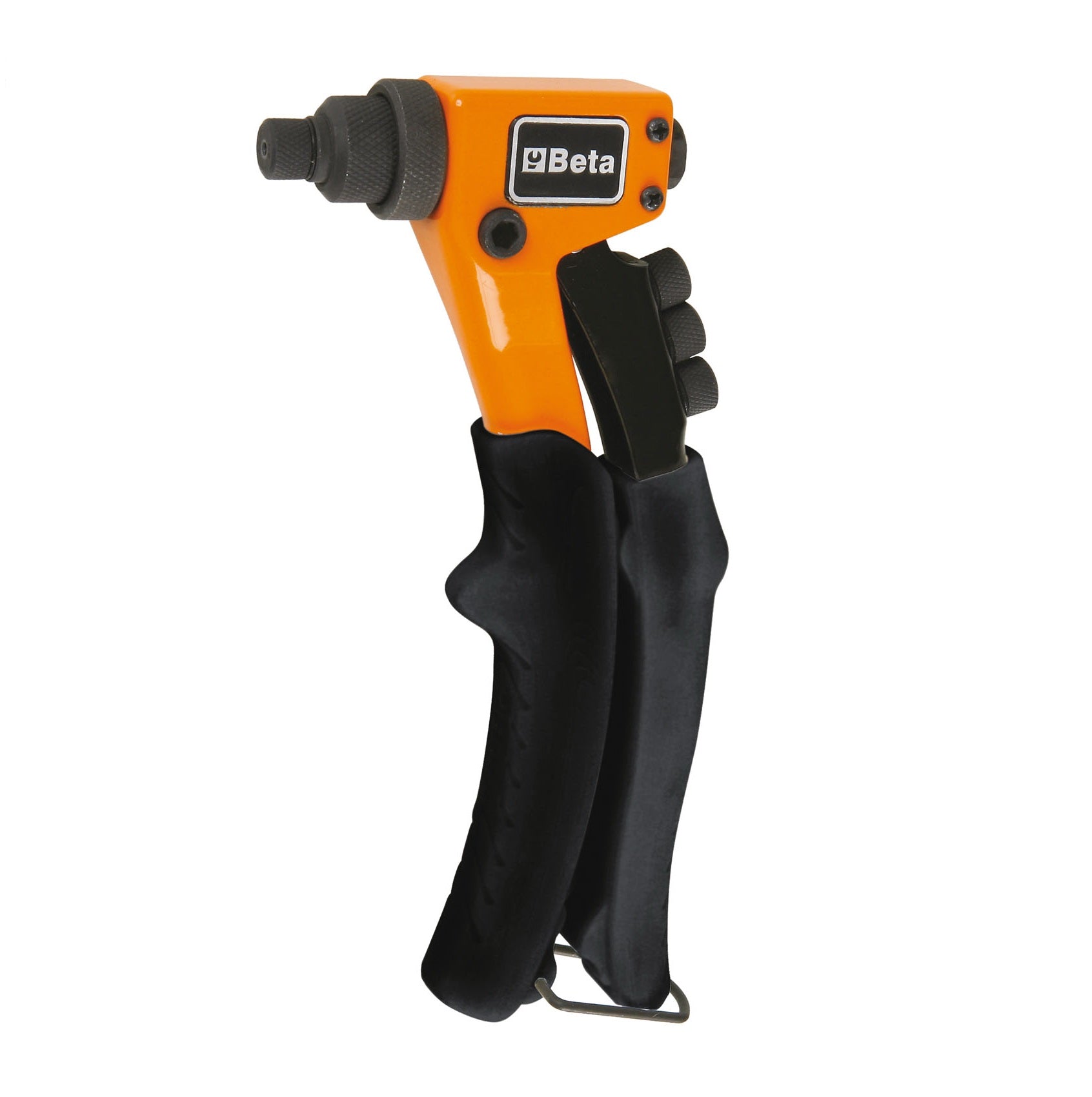
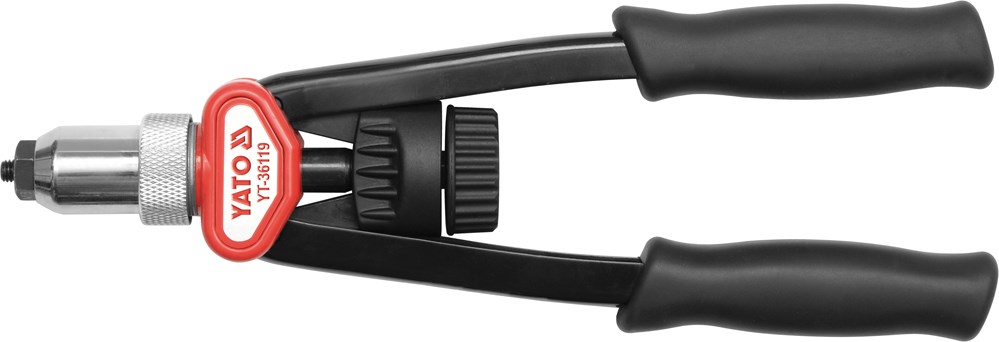
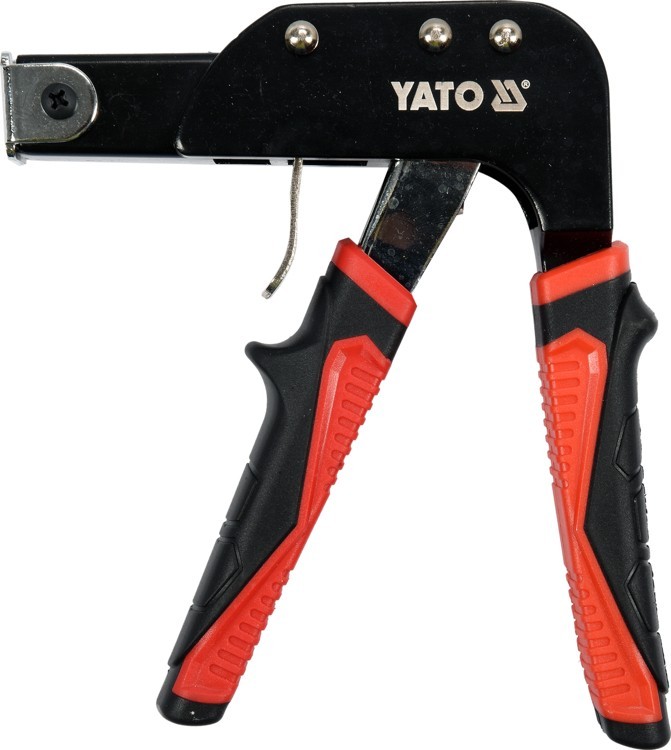
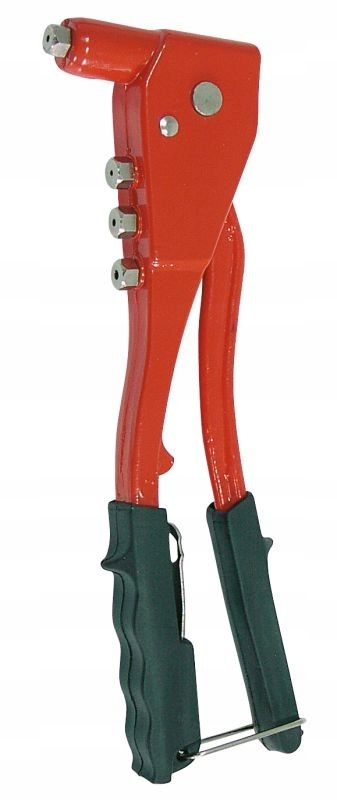
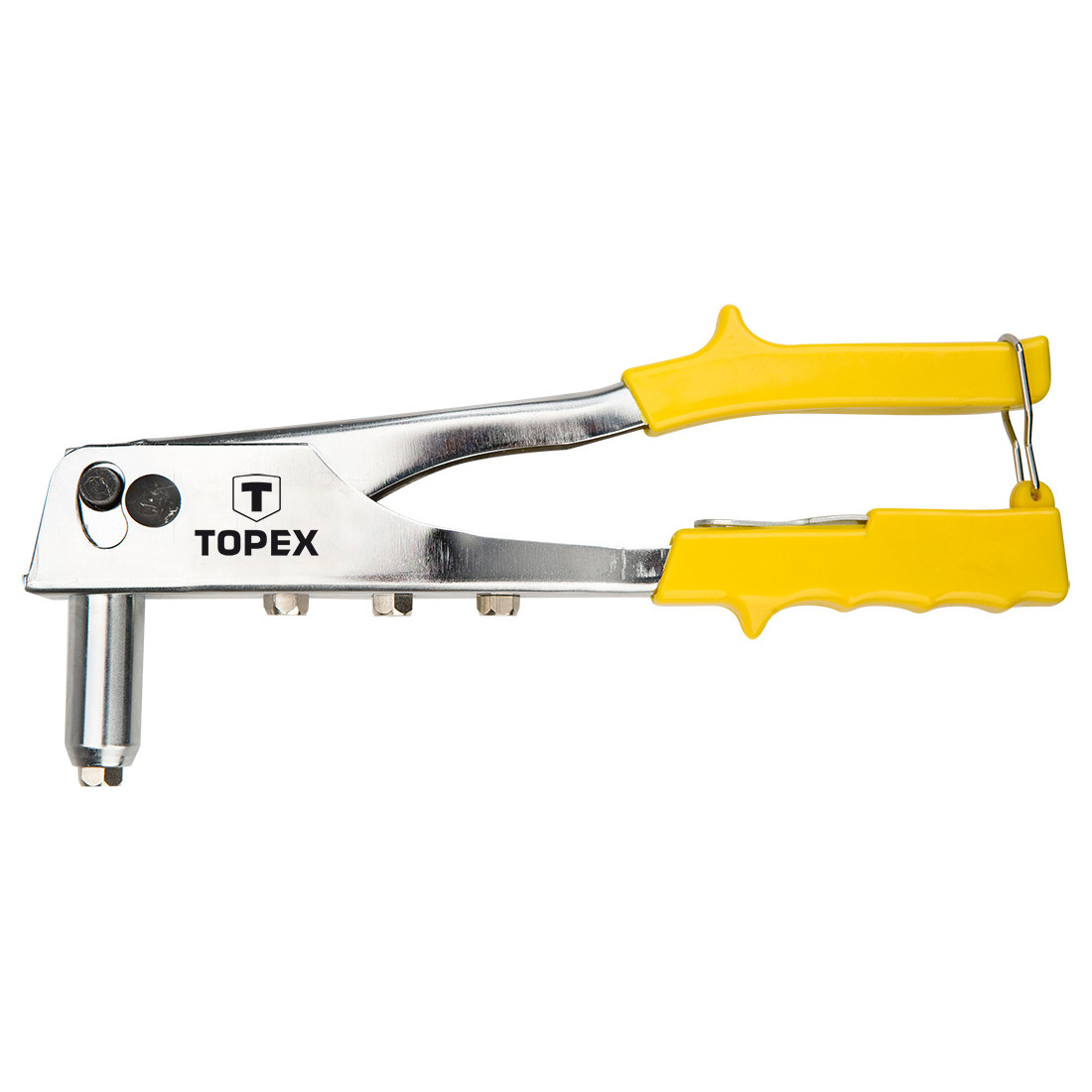
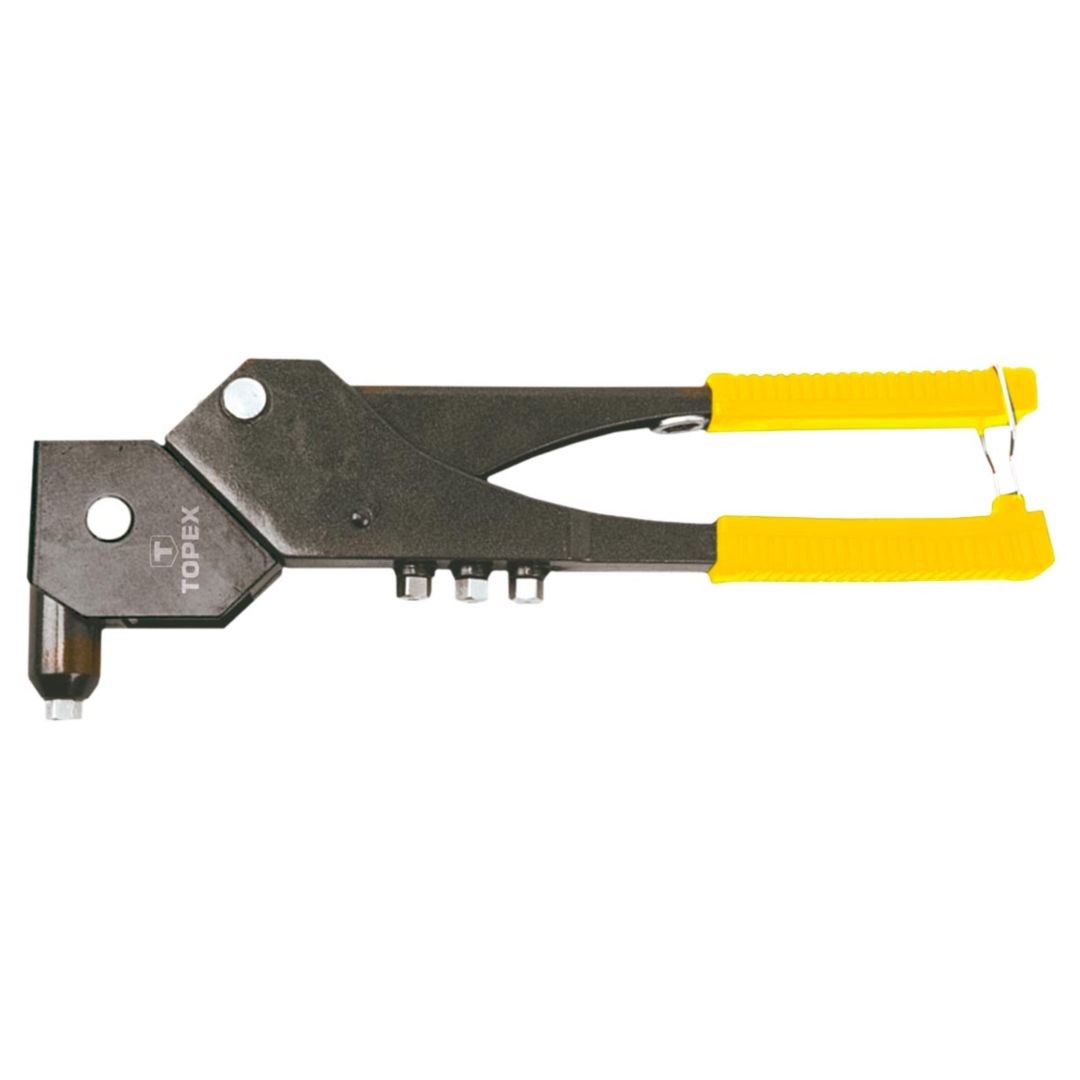
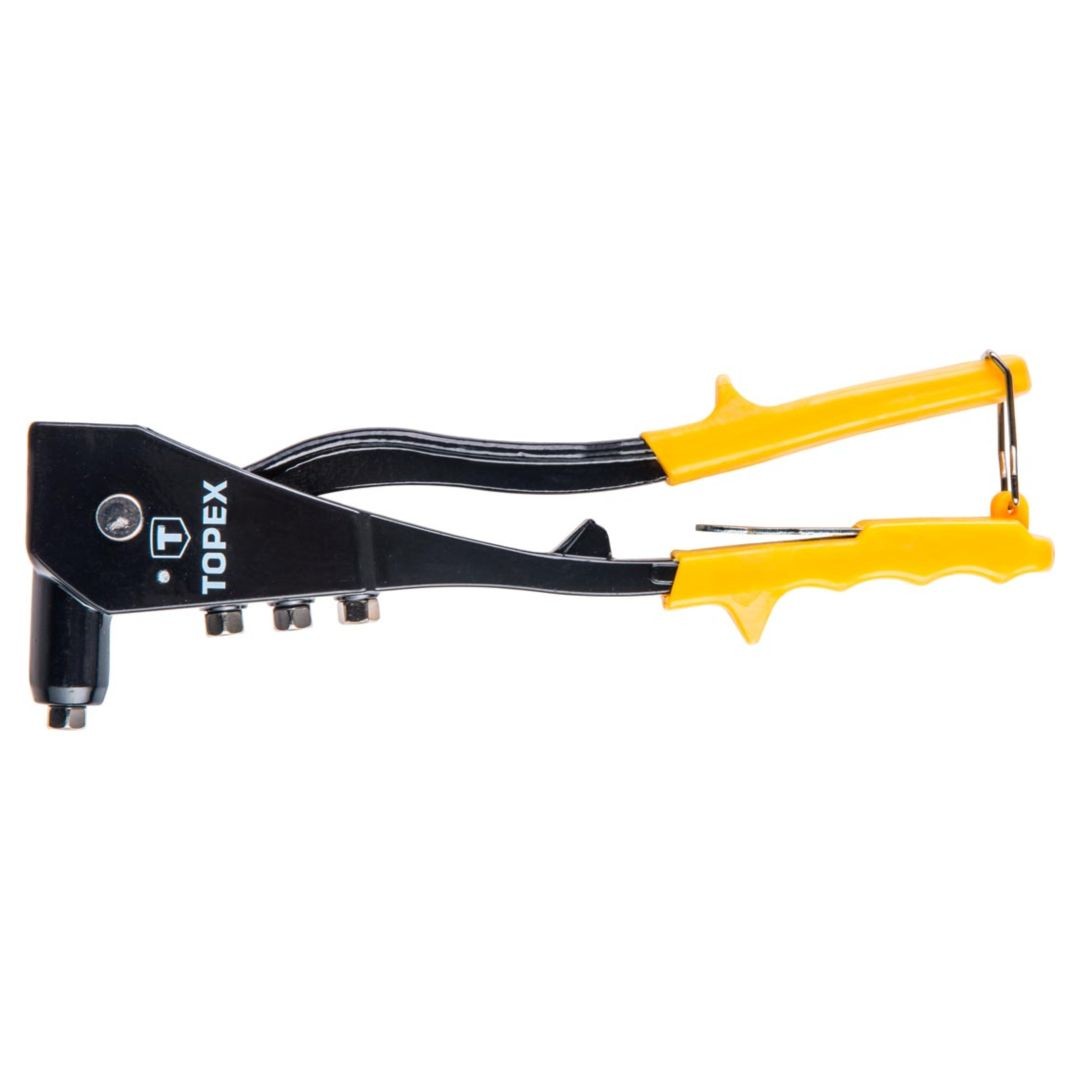
Reach and type: a pop riveter covers 3.2 to 4.8mm, a lazy tong reaches deep panels, and a rivnut tool fits inserts.
Power
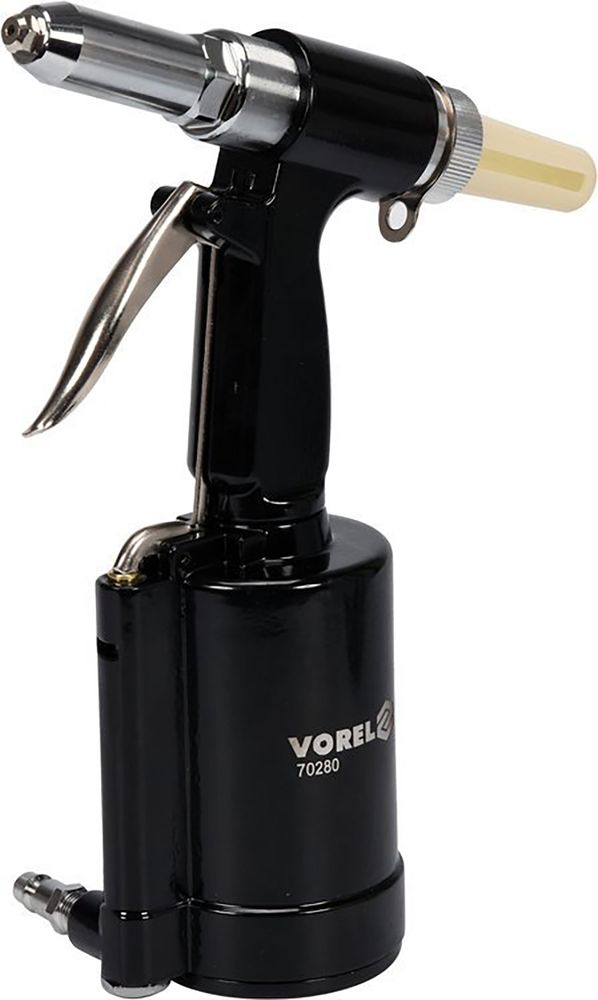
Power source: hand tools work anywhere, but air/hydraulic saves time when you have a supply on site.
What's good
- :
- Manual hand riveters in steel/metal or plastic suit occasional DIY jobs at home. They are light and easy to store.
- Heavy-duty riveters built from steel/aluminium tackle 6.4mm rivets without flexing. These suit trade users fitting many panels.
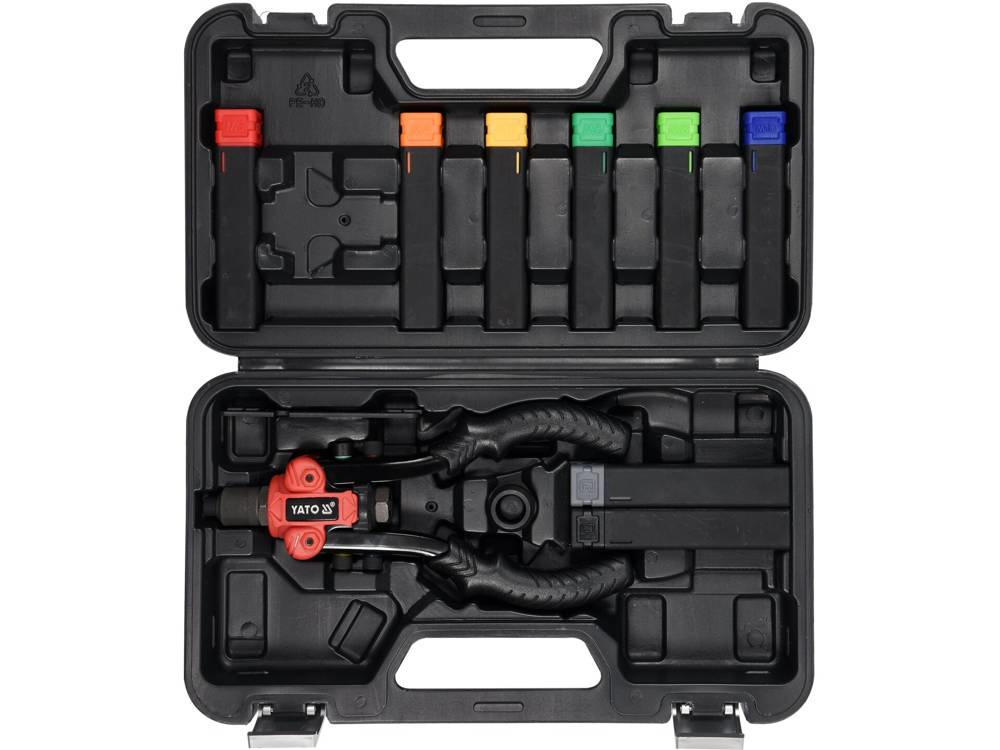
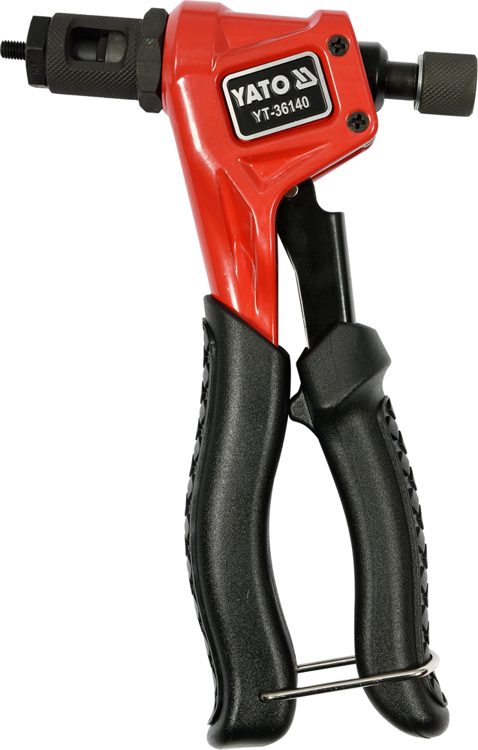
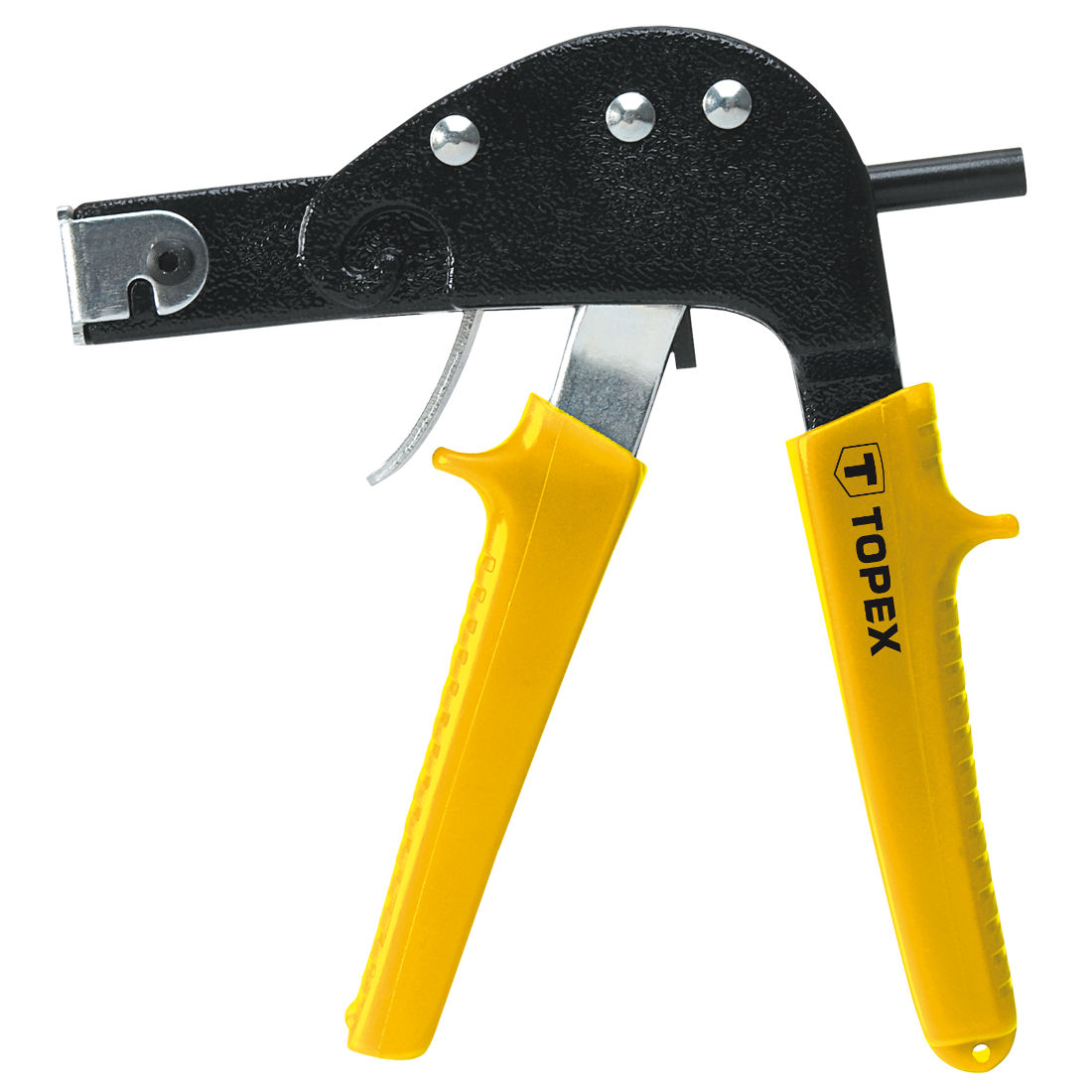
- Rivnut tools in this range let you fit threaded inserts into thin sheet. Standard pop riveters cannot do this job.
- Air/hydraulic riveters with vacuum pickup speed up repeat work on site. They cut hand fatigue during long runs.
Things to watch
- Light plastic/metal hand riveters lack the leverage for thick stainless rivets. You will struggle beyond 4.8mm.
- Air/hydraulic units need a compressor or hydraulic pump. They are not for a quick repair where no power exists.
- Rivnut tools are slower when you only need a plain blind rivet. A basic pop riveter does that faster.
- Pull ram kits remove rivets but cannot install them. Buyers wanting fitting need a different tool type.
- Bright multicolor or yellow/black tools show dirt more than black ones. Some prefer discreet blue/black for clean vans.
Care & maintenance
Lubrication
Steel/aluminium riveters need monthly lubrication on the ram, a trade-off against their strength.
Storage
Plastic/metal handles can crack if left in frost, so store them in a warm space.
Air care
Air/hydraulic units require compressor upkeep, not just the tool itself.
Consumables
Keep loose Hardware rivets dry to avoid oxidation before you fit them.
Frequently Asked Questions
What should I look for when buying riveting tools?
When shopping for riveting tools, consider factors such as quality, price, brand reputation, and customer reviews. Compare prices across multiple retailers to ensure you're getting the best deal. Look for products that match your specific needs and budget.
How do I choose the right riveting tools?
Choosing the right riveting tools depends on your individual needs, budget, and preferences. Research different options, read customer reviews, and compare specifications. Consider what features are most important to you and look for products that offer the best value for money.
Where can I find the best deals on riveting tools?
You can find the best deals on riveting tools by comparing prices across multiple retailers. Our price comparison tool helps you find the lowest prices from trusted UK retailers including Amazon, eBay, and other major online stores. Check regularly as prices and deals change frequently.
Are riveting tools products worth the investment?
The value of riveting tools products depends on your specific needs and how you plan to use them. Quality products from reputable brands often provide better long-term value, even if they cost more initially. Consider your budget and requirements when making your decision.
What's the difference between different types of riveting tools?
Different types of riveting tools vary in features, quality, price, and intended use. Some may offer premium features while others focus on affordability. Research the specific differences between models or brands to find the option that best suits your needs and budget.