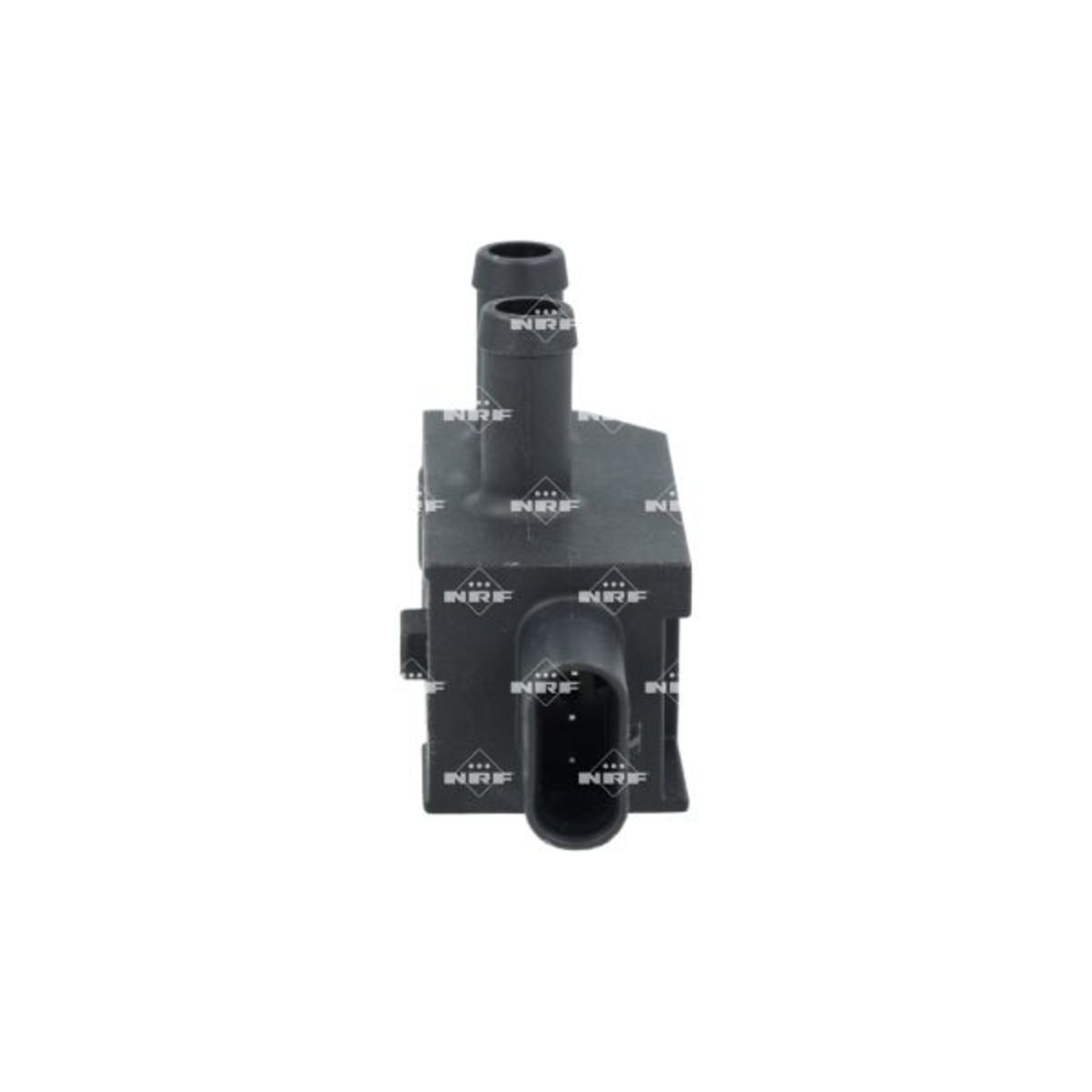
Transducers
How to choose transducers
Sub-type
Measuring Tools & Sensors feed back readings, Tools give movement, Hardware covers small build fixes. Pick by the job, not by habit.
Material
full metal or steel lasts outdoors, plastic/metal saves grams for light builds. Weight trades against lifespan.
Colour
red or green aids quick spotting in plant rooms, black/silver stays discreet on visible panels.
Output
4-20mA sensors suit long cable runs, 0-10V fits short local loops. Long distances favour the current loop.
Mount
PCB transducers need soldering skills, panel types bolt on. Choose the one your bench can handle.
What's good
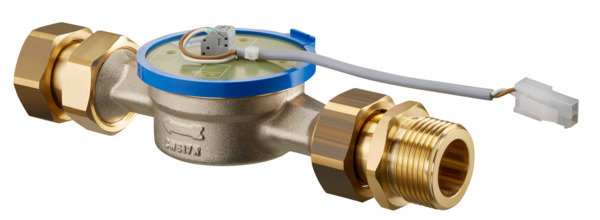
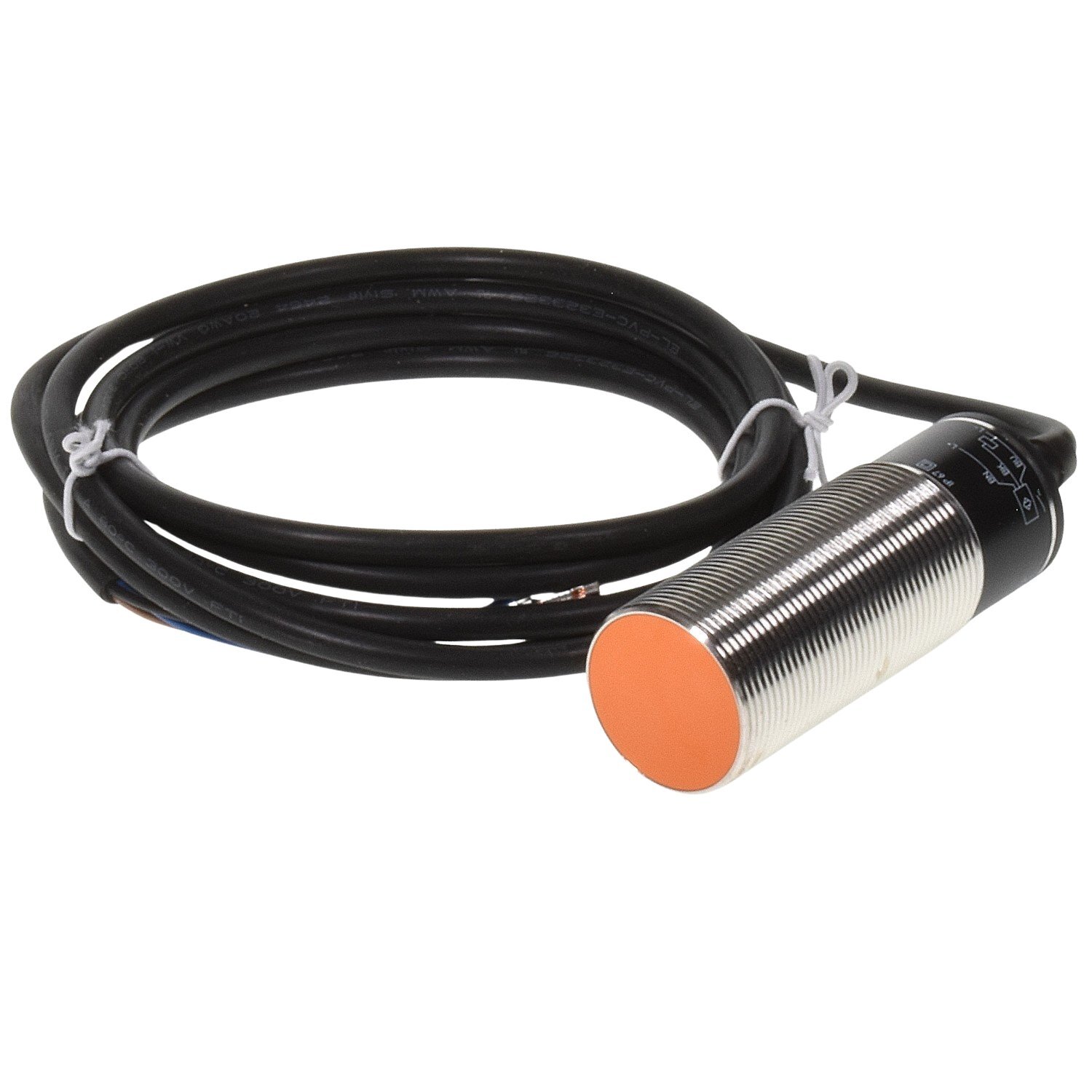
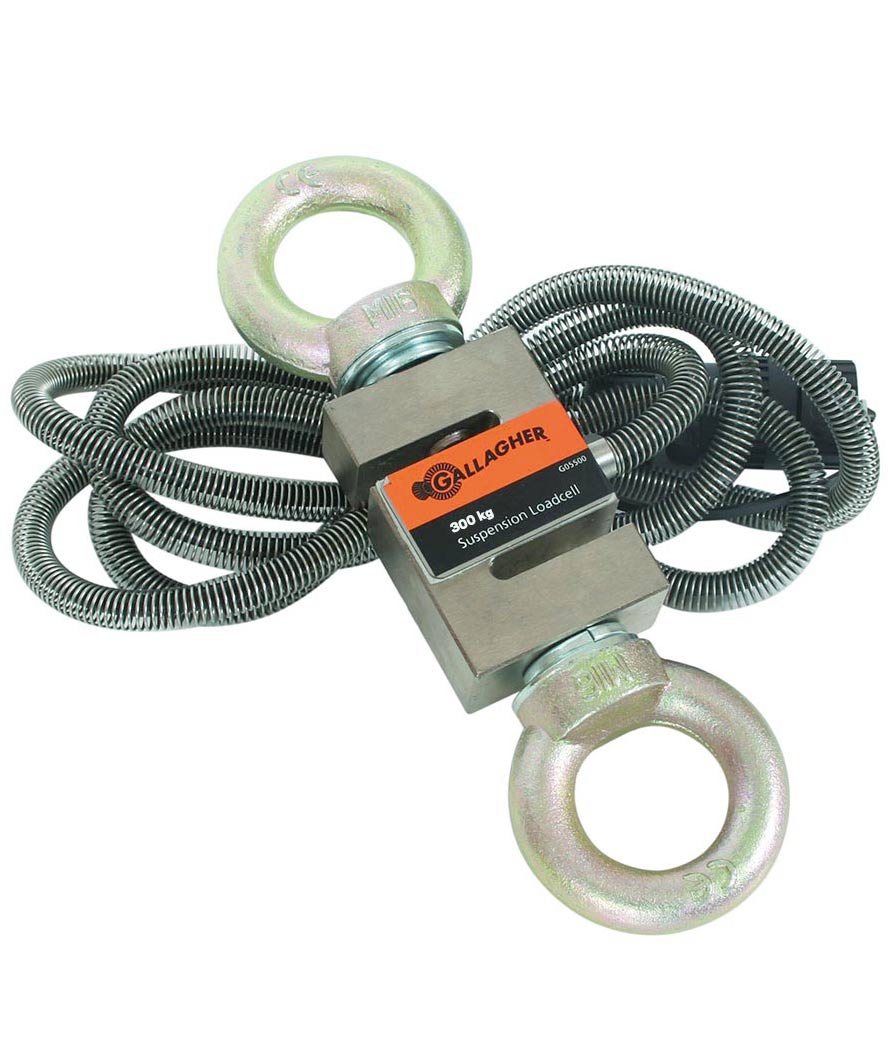
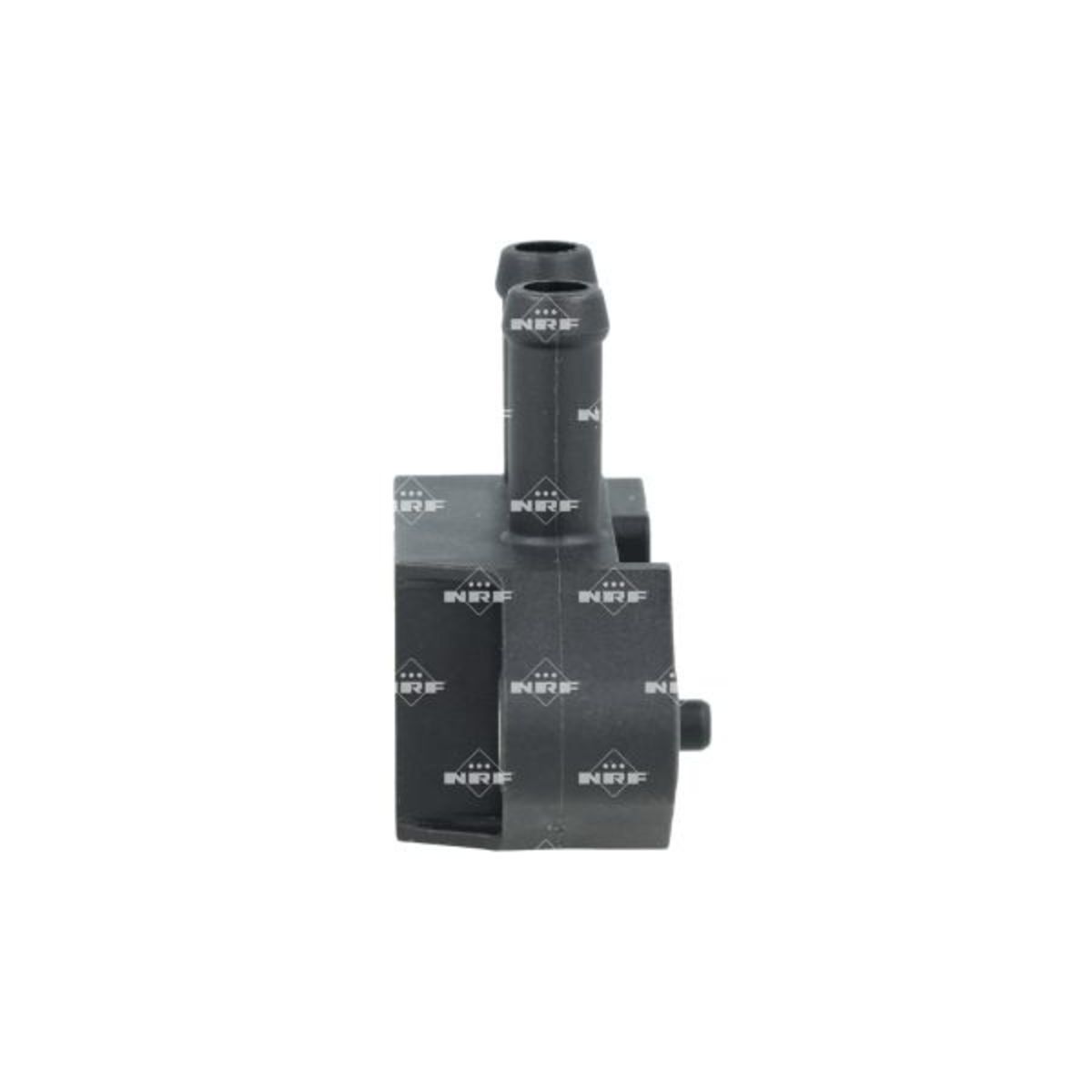
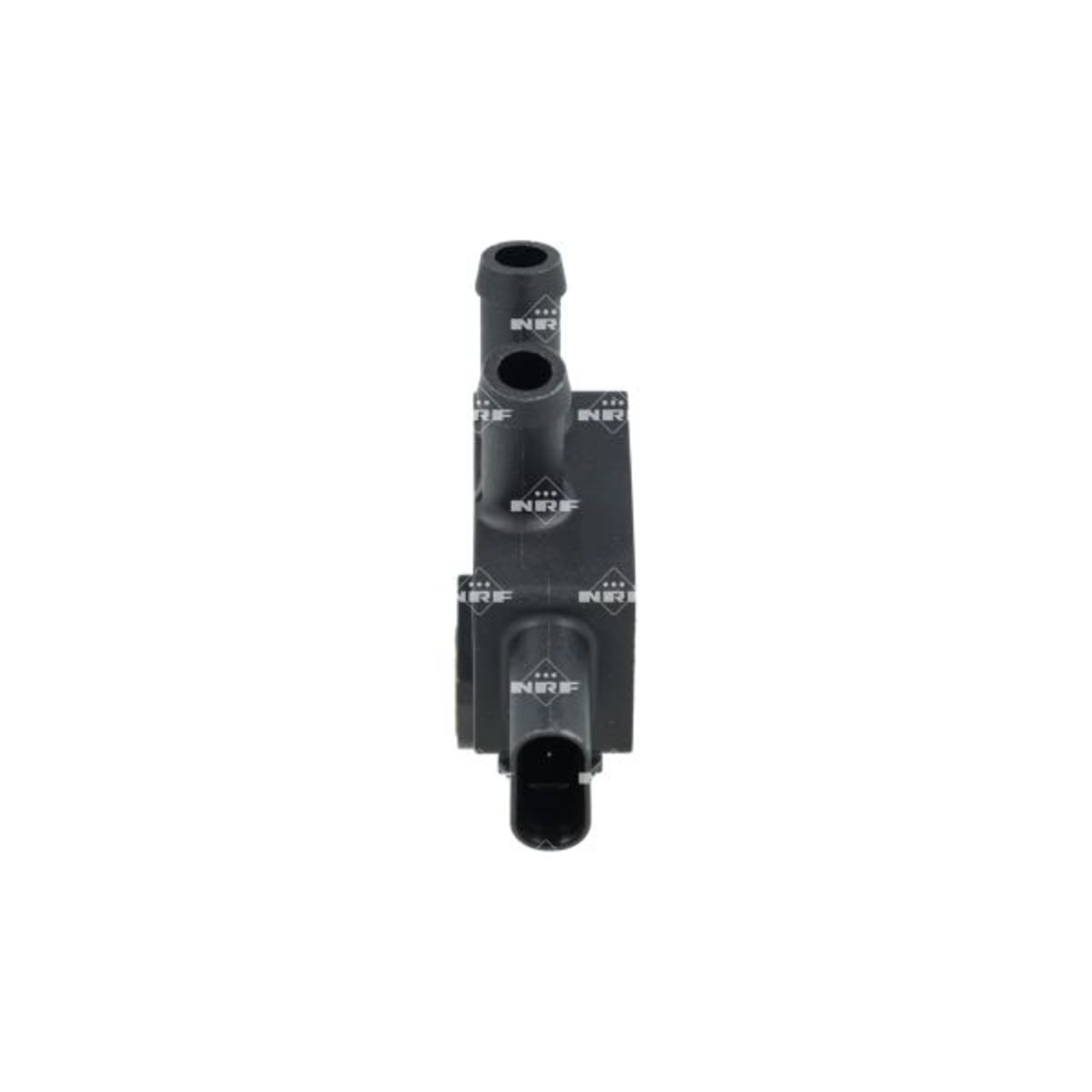
- Measuring Tools & Sensors, such as pressure or temperature transmitters, give standard 4-20mA or 0-10V outputs. These signals drop straight into building control systems.
- Tools like ISO 6432 double acting cylinders use a fixed bore and stroke format. Swapping a failed unit becomes a simple mechanical job.
- Hardware includes PCB mount piezo transducers with a tiny footprint. They fit crowded electronic enclosures.
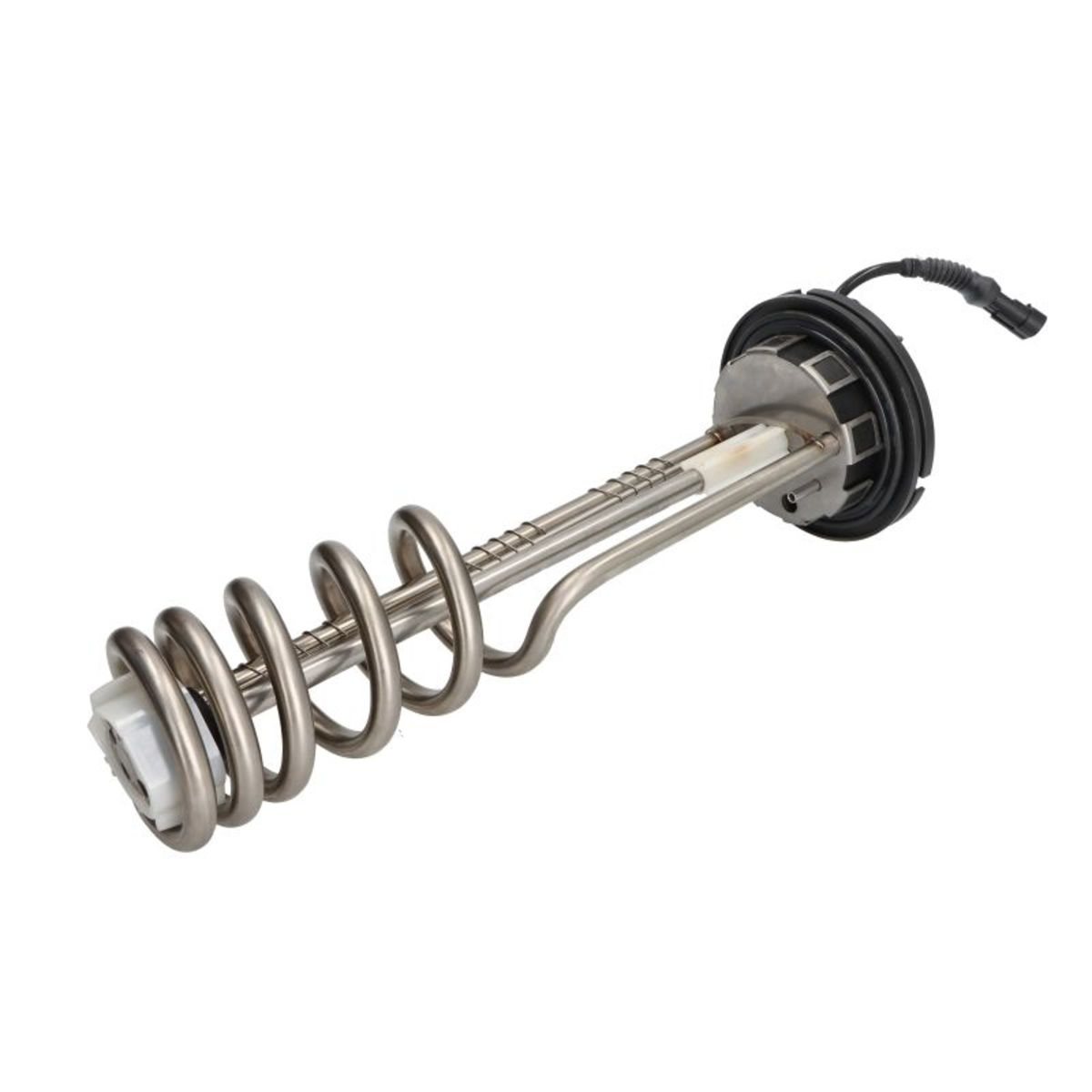
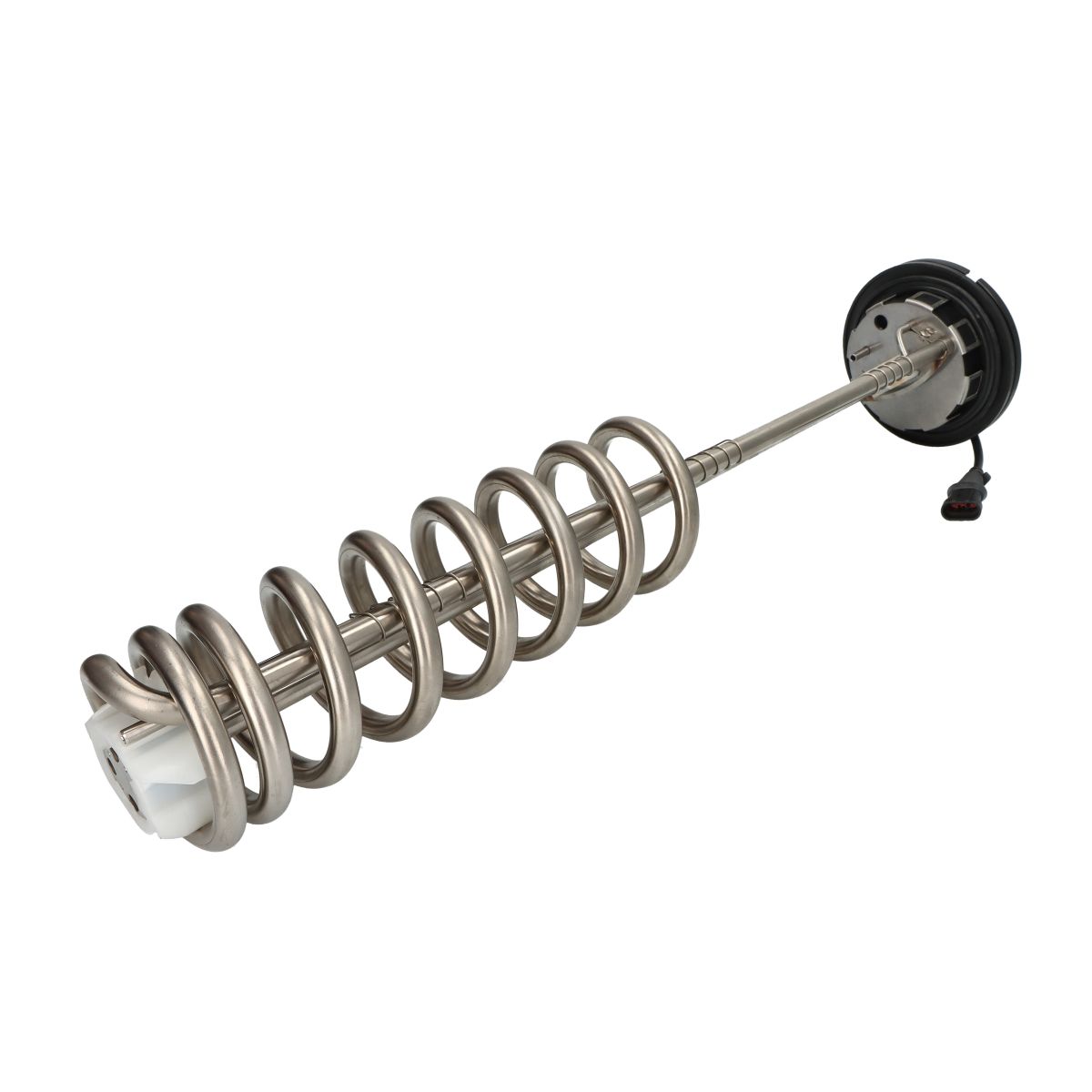
- Stainless steel or copper material options appear across sensors and mounts. They shrug off rust in damp outdoor use.
- Colour choices run from red to blue on many items. Red or green housings flag a safety sensor, while black or silver blends into panels.
Things to watch
- Plastic and plastic/metal housings keep weight low. They dent or crack faster than full metal in rough plant rooms.
- High accuracy pressure sensors with 0.5% tolerance need careful calibration. They are wrong for a casual soil moisture check in the garden.
- Double acting cylinders demand a regulated air supply. They will not suit a bare manual lever setup.
- Silver or silver/metal finishes look clean but show fingerprints. Expect more frequent wiping.
- Sensors needing 24V ac/dc power add a wiring run and a supply. Passive components avoid that but appear less in this range.
Care & maintenance
Wipe metal
Wipe stainless steel and metal bodies with a dry cloth to stop grime causing corrosion.
Check seals
Inspect cylinder rod seals after heavy stroke cycles to catch early leakage.
Clean PCB
Keep PCB mount transducer solder points free of dust and flux residue.
Pump care
For pressurisation units with twin pumps, check intakes for debris on a regular schedule.
Frequently Asked Questions
What should I look for when buying transducers?
When shopping for transducers, consider factors such as quality, price, brand reputation, and customer reviews. Compare prices across multiple retailers to ensure you're getting the best deal. Look for products that match your specific needs and budget.
How do I choose the right transducers?
Choosing the right transducers depends on your individual needs, budget, and preferences. Research different options, read customer reviews, and compare specifications. Consider what features are most important to you and look for products that offer the best value for money.
Where can I find the best deals on transducers?
You can find the best deals on transducers by comparing prices across multiple retailers. Our price comparison tool helps you find the lowest prices from trusted UK retailers including Amazon, eBay, and other major online stores. Check regularly as prices and deals change frequently.
Are transducers products worth the investment?
The value of transducers products depends on your specific needs and how you plan to use them. Quality products from reputable brands often provide better long-term value, even if they cost more initially. Consider your budget and requirements when making your decision.
What's the difference between different types of transducers?
Different types of transducers vary in features, quality, price, and intended use. Some may offer premium features while others focus on affordability. Research the specific differences between models or brands to find the option that best suits your needs and budget.