Vehicle Battery Chargers
How to choose vehicle battery chargers
Sub-type first
Start with sub-type. Vehicle Parts & Accessories covers gadget chargers, while Vehicles & Parts holds EV mains units, and Vehicle Repair & Speciality Tools includes DC converters.
Material tradeoff
Material changes the feel. Metal and aluminium last but add weight, plastic and silicone/rubber stay light.
Colour choice
Colour affects match and dirt. Black, grey, or beige blend in, bright green or red need more cleaning.
Fixed or portable
Fixed versus portable is key. A tethered wallbox gives speed, a Type 2 cable gives flexibility.
Rugged use
For boats or trucks, a 12V USB unit with rubber build survives better than a fragile plastic variant.
What's good
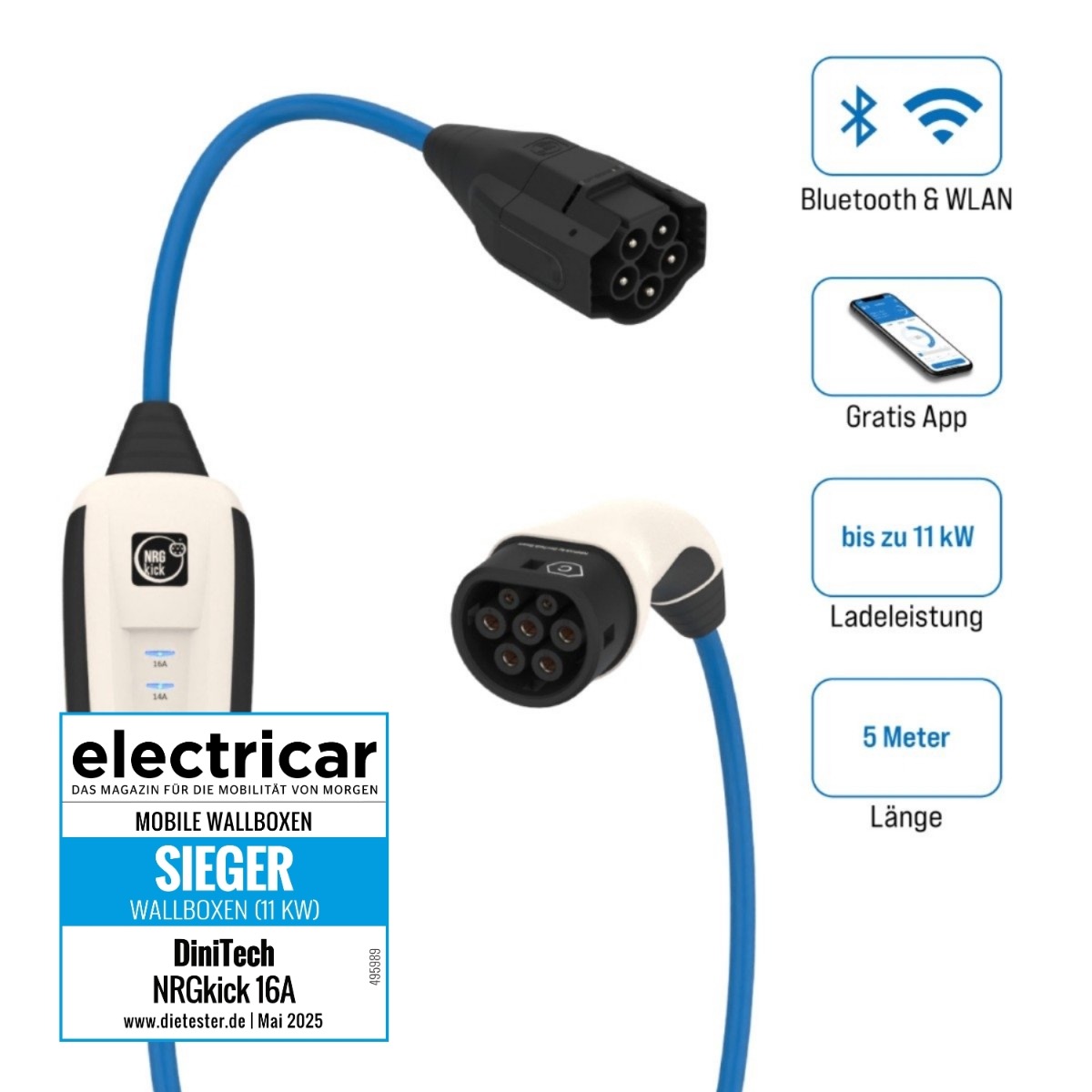
- Portable Type 2 EV cables give charging at home or on the road, often with a carry bag. They suit drivers who park in different spots.
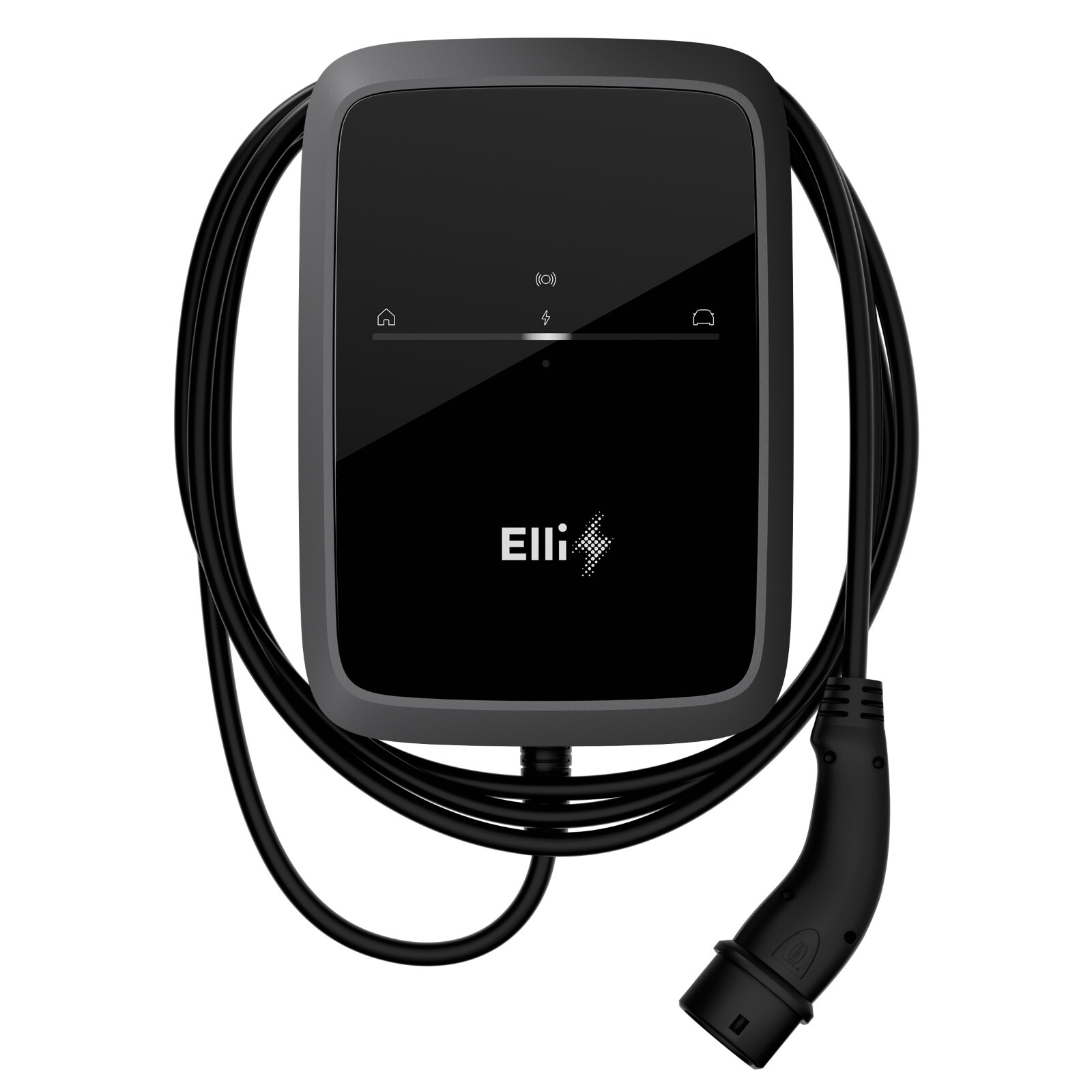
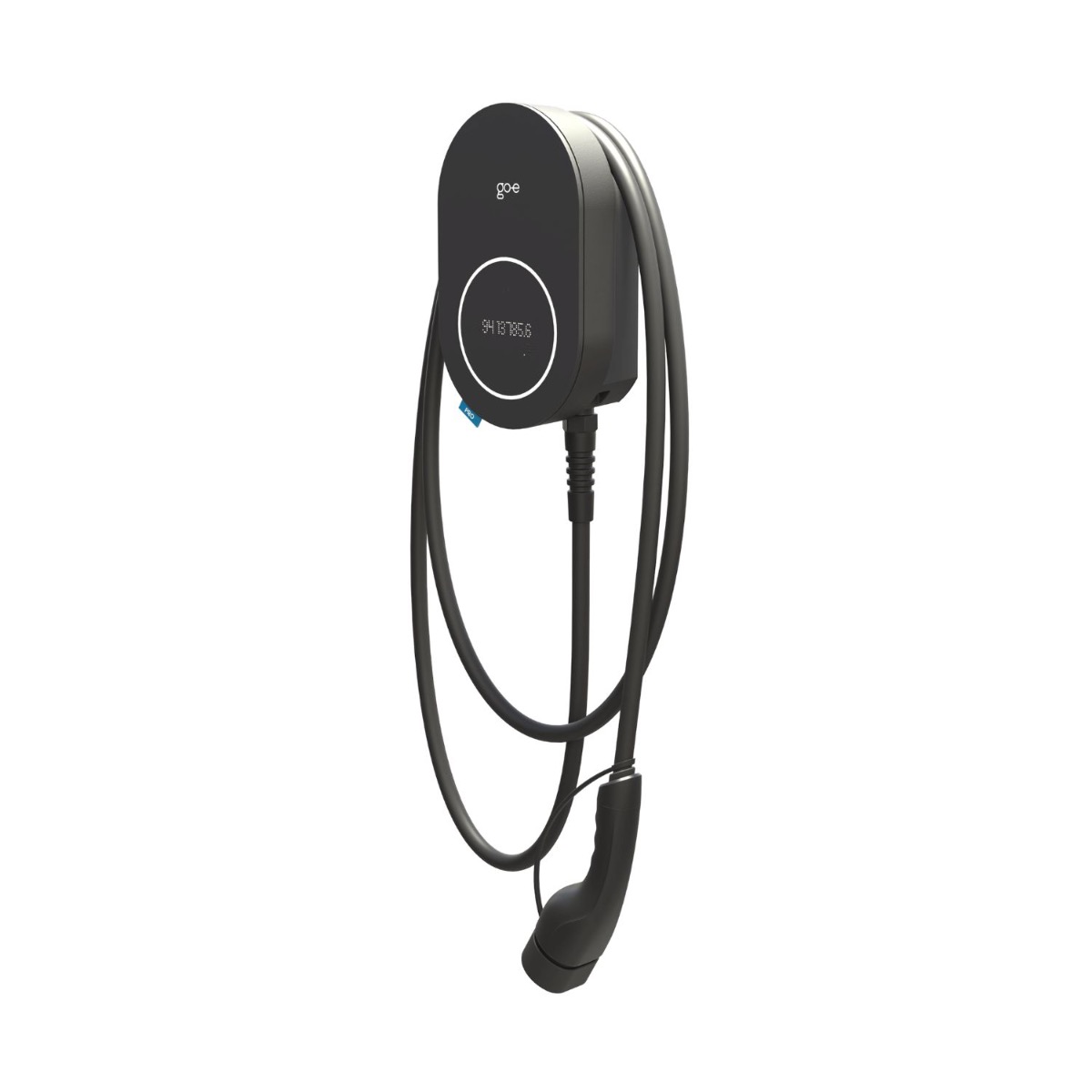
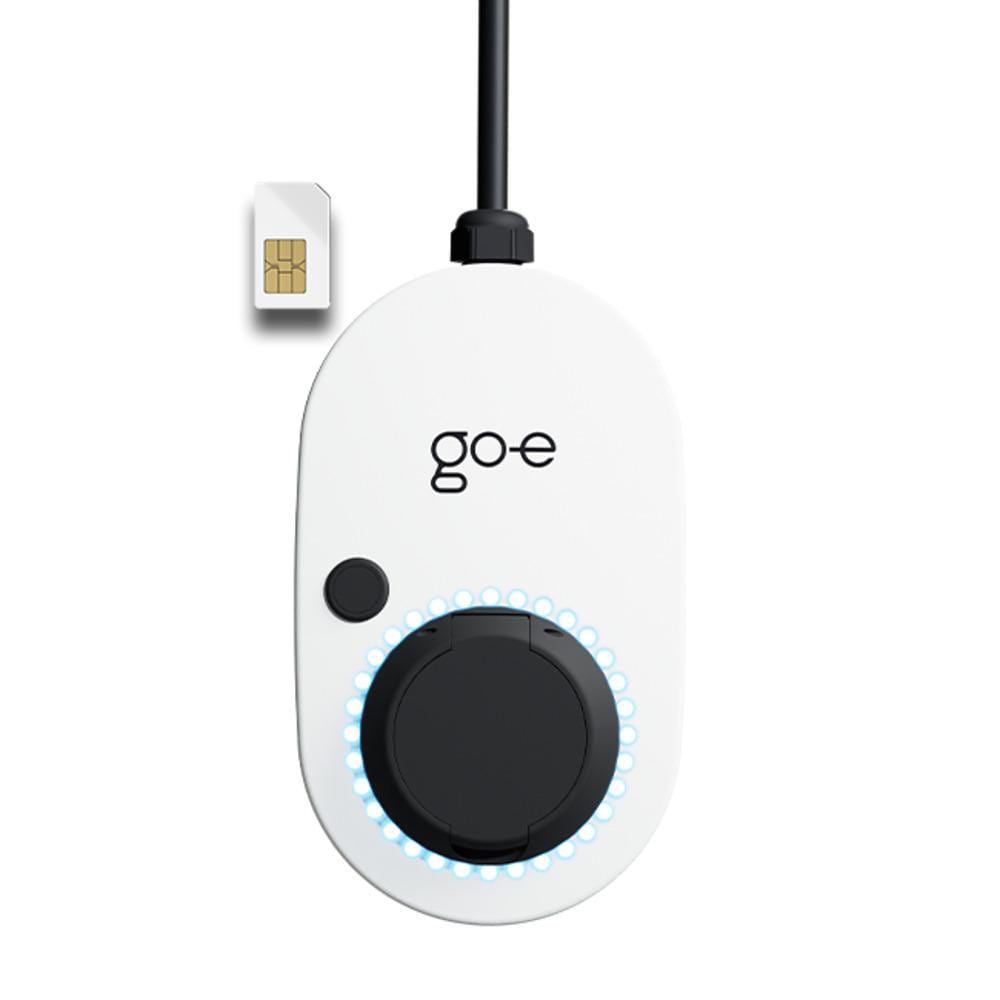
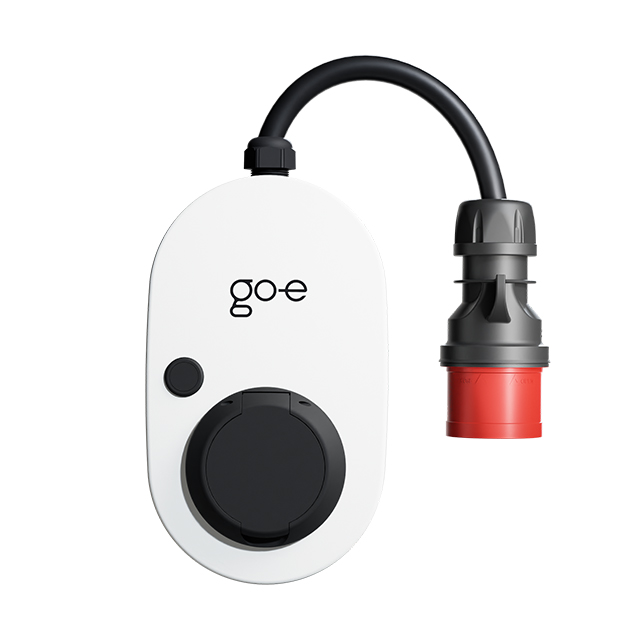
- Tethered smart wallboxes run at 22kW with wifi scheduling. Homeowners with a fixed bay get faster, timed sessions.
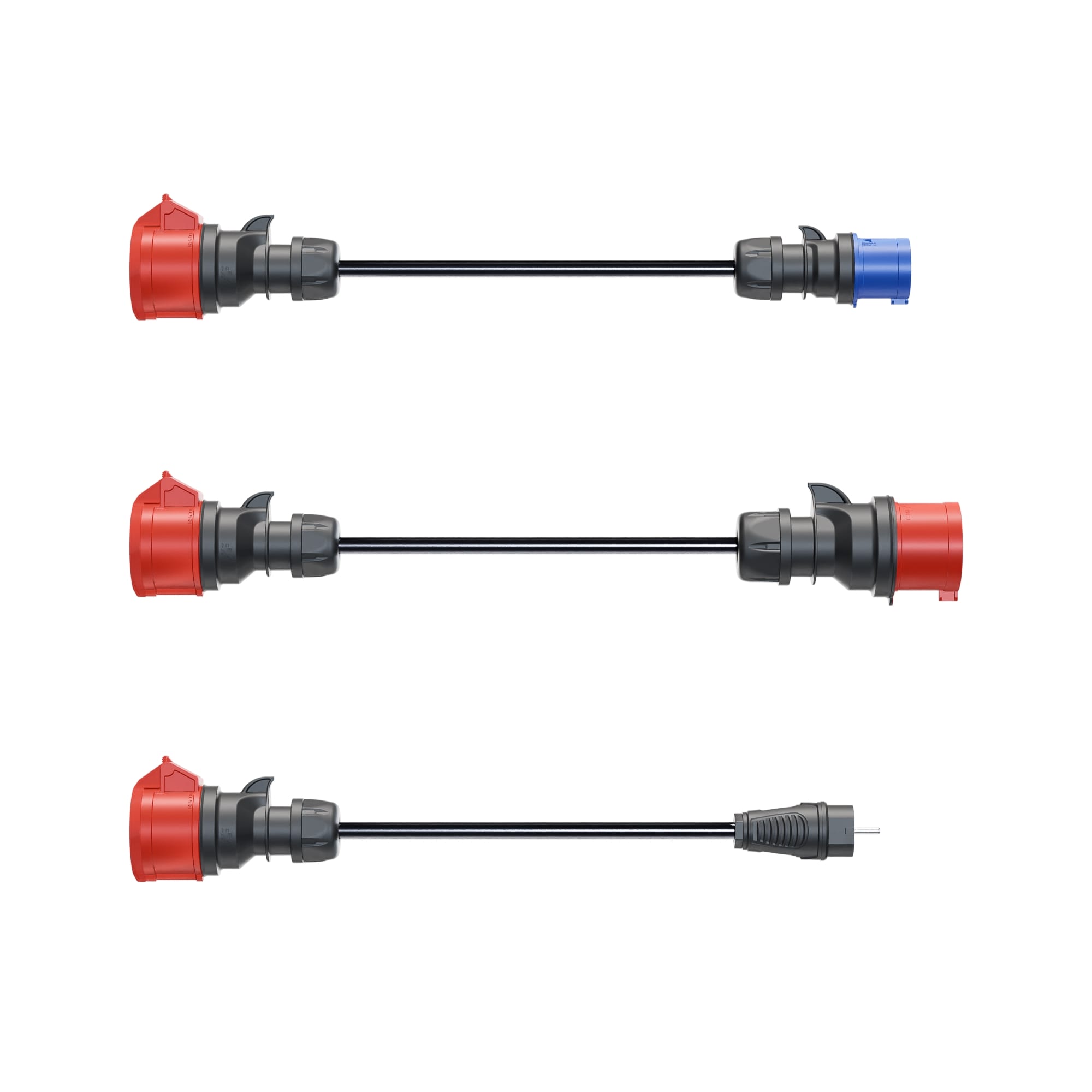
- Metal 24V to 12V converters let vans and trucks power standard 12V accessories. The metal build takes vibration well.
- Quick Charge 3.0 USB chargers push 36W from a 12V socket. They fit boats, motorcycles, and trucks that need phone top-ups.
- Wireless 15W pads charge Qi phones without cables. Commuters gain a clean dashboard.
Things to watch
- Portable EV cables charge slower than a wallbox. Daily drivers may find the wait annoying.
- Smart wallboxes need permanent wiring and a wifi signal. Renters or temporary spaces are wrong for them.
- DC converters only step voltage down. They will not recharge your main vehicle battery.
- Wireless chargers at 15W trail wired QC3.0 speeds. You need a Qi enabled device to use them.
- Some items in Vehicle Maintenance, Care & Decor use fur or plastic finishes that show scuffs faster than metal or aluminium. They trade durability for look.
Care & maintenance
Protect pins
Keep EV connector pins dry, especially on outdoor black/light or light/green cables.
Store cables
Coil rubber and silicone/rubber cables loosely before storing in the bag to avoid kinks.
Check metal
Wipe metal or aluminium converter cases now and then to stop corrosion in damp cabins.
Clean ports
Dust plastic USB chargers with a dry cloth so the ports stay clear.
Frequently Asked Questions
What should I look for when buying vehicle battery chargers?
When shopping for vehicle battery chargers, consider factors such as quality, price, brand reputation, and customer reviews. Compare prices across multiple retailers to ensure you're getting the best deal. Look for products that match your specific needs and budget.
How do I choose the right vehicle battery chargers?
Choosing the right vehicle battery chargers depends on your individual needs, budget, and preferences. Research different options, read customer reviews, and compare specifications. Consider what features are most important to you and look for products that offer the best value for money.
Where can I find the best deals on vehicle battery chargers?
You can find the best deals on vehicle battery chargers by comparing prices across multiple retailers. Our price comparison tool helps you find the lowest prices from trusted UK retailers including Amazon, eBay, and other major online stores. Check regularly as prices and deals change frequently.
Are vehicle battery chargers products worth the investment?
The value of vehicle battery chargers products depends on your specific needs and how you plan to use them. Quality products from reputable brands often provide better long-term value, even if they cost more initially. Consider your budget and requirements when making your decision.
What's the difference between different types of vehicle battery chargers?
Different types of vehicle battery chargers vary in features, quality, price, and intended use. Some may offer premium features while others focus on affordability. Research the specific differences between models or brands to find the option that best suits your needs and budget.