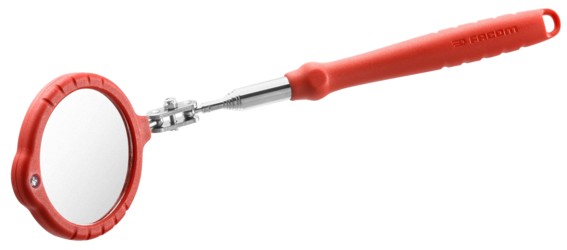
Inspection Mirrors
How to choose inspection mirrors
Sub-type
First, pick the sub-type. Tools mirrors suit vehicle checks, Hardware mirrors suit general home use.
Material
Material matters. Steel or stainless lasts longer, but plastic or metal/plastic is lighter.
Lighting
Light or no light. LED helps in dark cavities, yet adds battery care to your routine.
Grip and colour
Grip and colour. Rubber or nylon holds better, while silver or black blends into a kit.
What's good
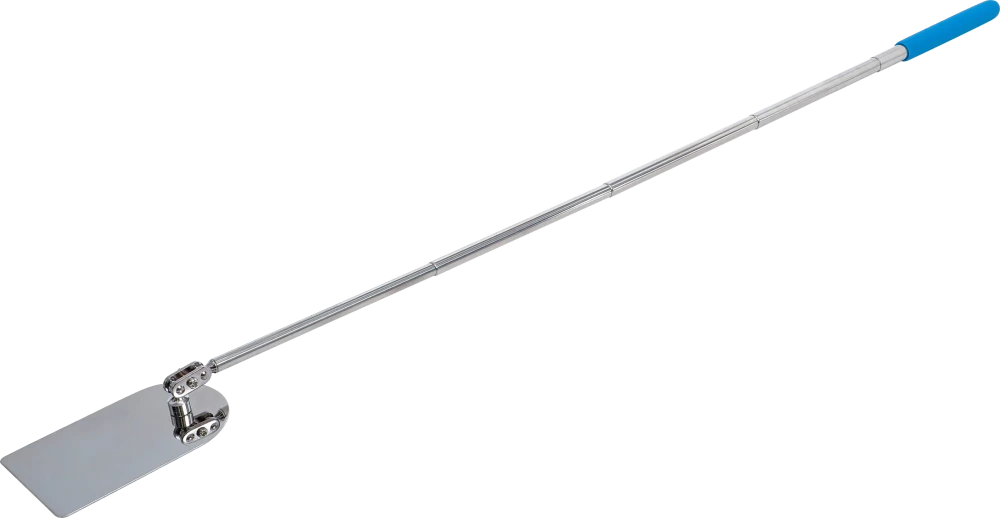
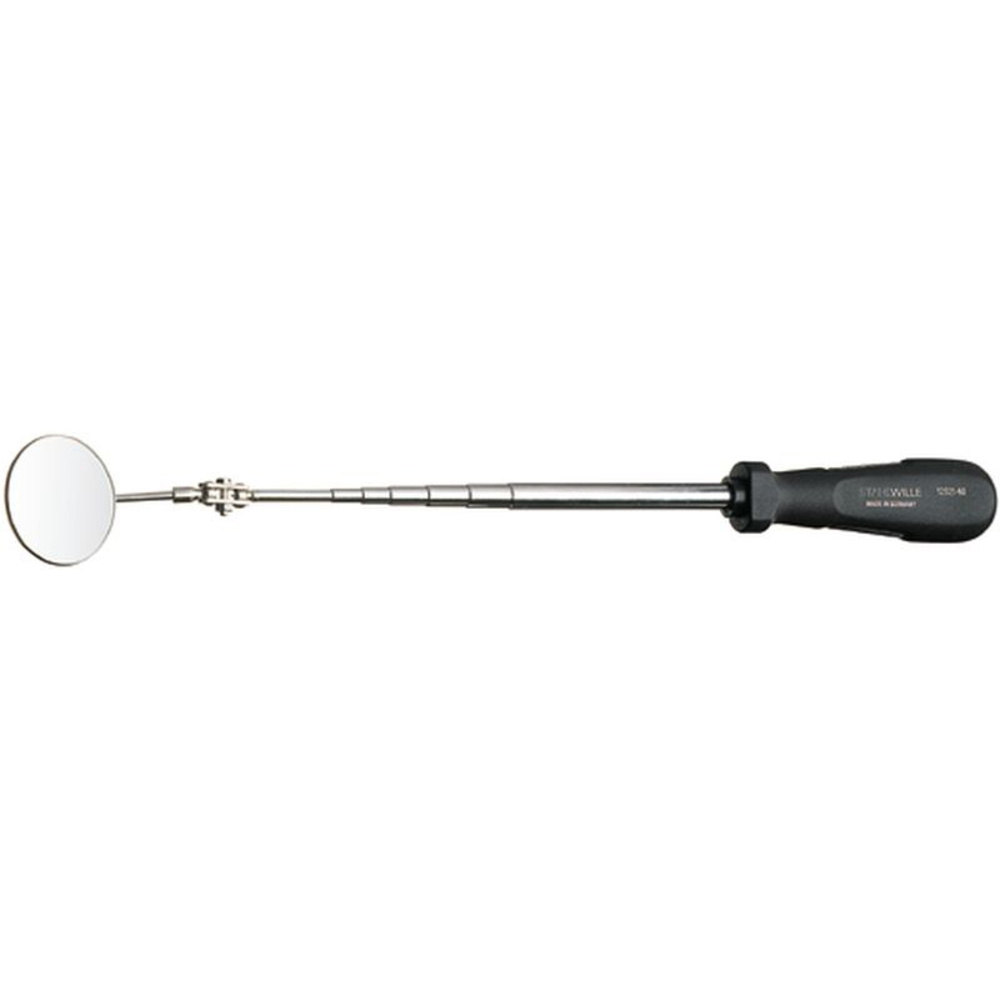
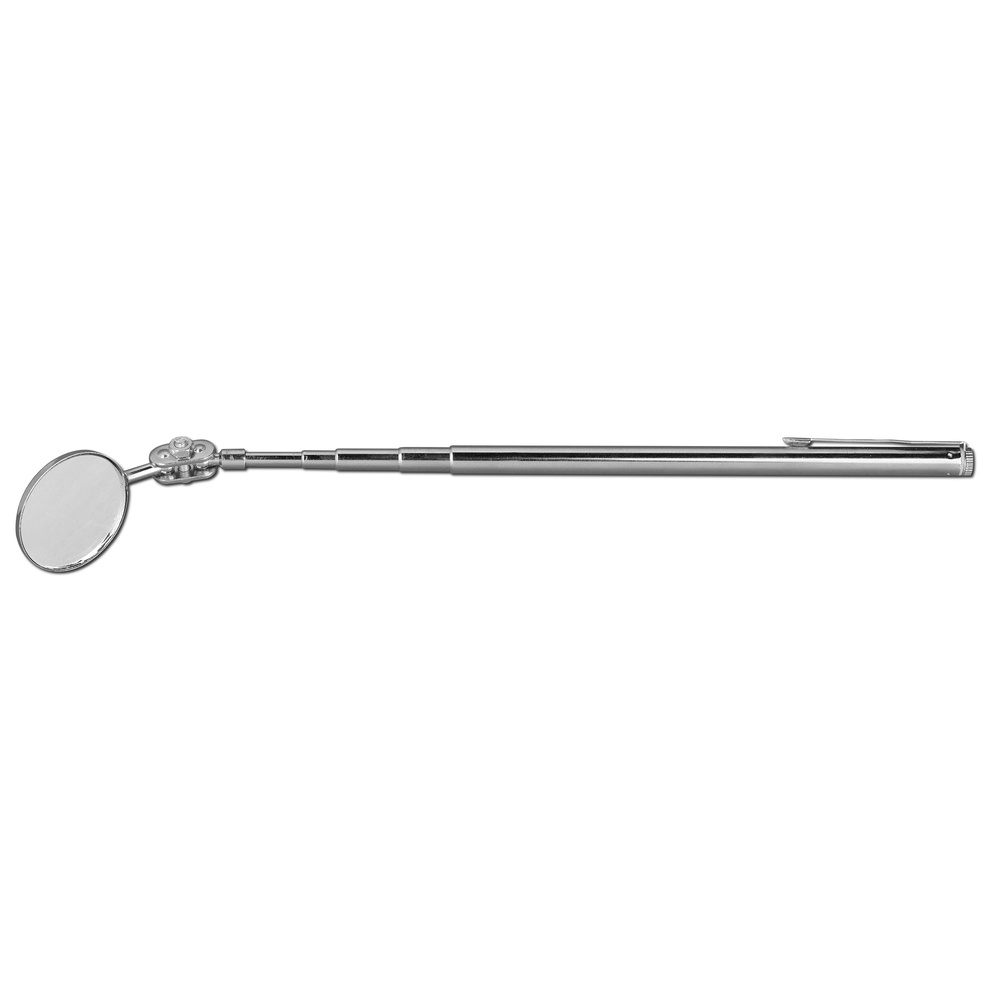
- Tools sub-type mirrors often telescope, reaching tight spots behind engines or panels.
- Hardware listed mirrors in plastic or acrylic keep the weight down for quick jobs.
- Stainless steel or steel stems give a rigid feel that metal/plastic builds may lack.
- Lighted variants from the Tools range show threads and corrosion in dim bays.
Things to watch
- Plastic and nylon bodies scratch faster than steel or stainless faces.
- Long telescopic shafts in thin metal can flex under their own length.
- LED mirrors need cells, adding weight and a point of failure.
- Bronze or gold colour finishes look smart but do nothing for the reflection.
Care & maintenance
Dry metal
Wipe steel and stainless parts dry after use in damp spaces to prevent rust.
Retract
Store telescopic mirrors retracted so the joints stay free of dust.
Battery care
Take batteries out of lighted types if you will not use them for a while.
Face care
Keep the mirror face clear of grit, as acrylic and plastic mark easily.
Frequently Asked Questions
What should I look for when buying inspection mirrors?
When shopping for inspection mirrors, consider factors such as quality, price, brand reputation, and customer reviews. Compare prices across multiple retailers to ensure you're getting the best deal. Look for products that match your specific needs and budget.
How do I choose the right inspection mirrors?
Choosing the right inspection mirrors depends on your individual needs, budget, and preferences. Research different options, read customer reviews, and compare specifications. Consider what features are most important to you and look for products that offer the best value for money.
Where can I find the best deals on inspection mirrors?
You can find the best deals on inspection mirrors by comparing prices across multiple retailers. Our price comparison tool helps you find the lowest prices from trusted UK retailers including Amazon, eBay, and other major online stores. Check regularly as prices and deals change frequently.
Are inspection mirrors products worth the investment?
The value of inspection mirrors products depends on your specific needs and how you plan to use them. Quality products from reputable brands often provide better long-term value, even if they cost more initially. Consider your budget and requirements when making your decision.
What's the difference between different types of inspection mirrors?
Different types of inspection mirrors vary in features, quality, price, and intended use. Some may offer premium features while others focus on affordability. Research the specific differences between models or brands to find the option that best suits your needs and budget.
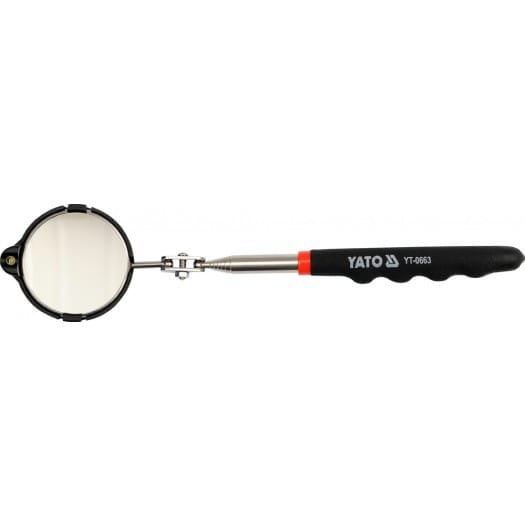
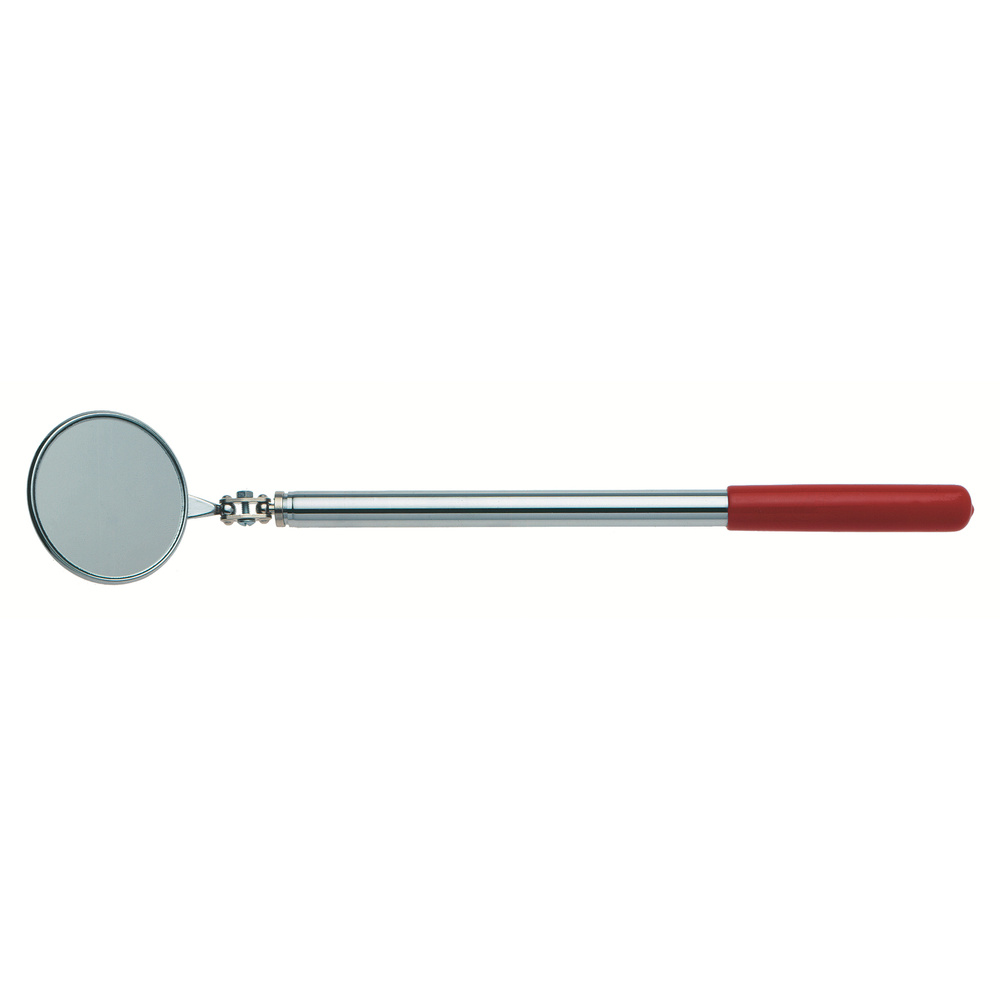
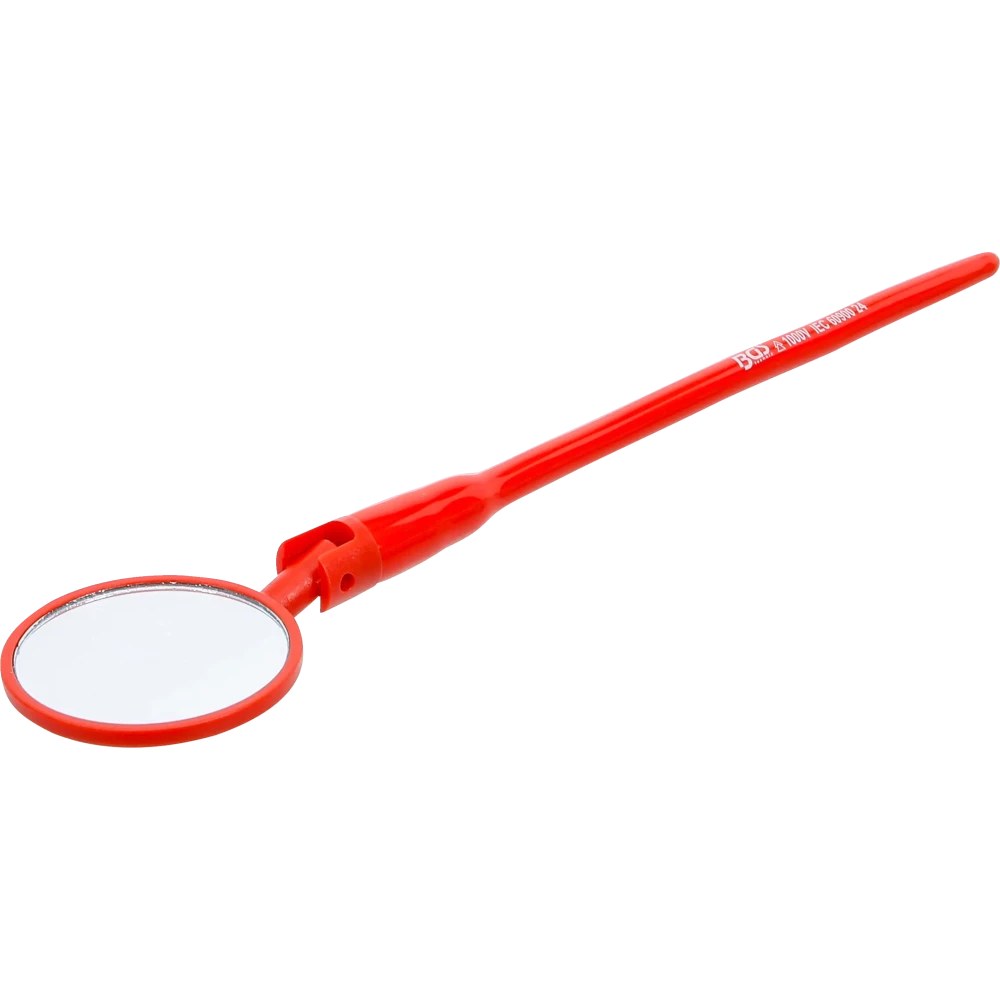

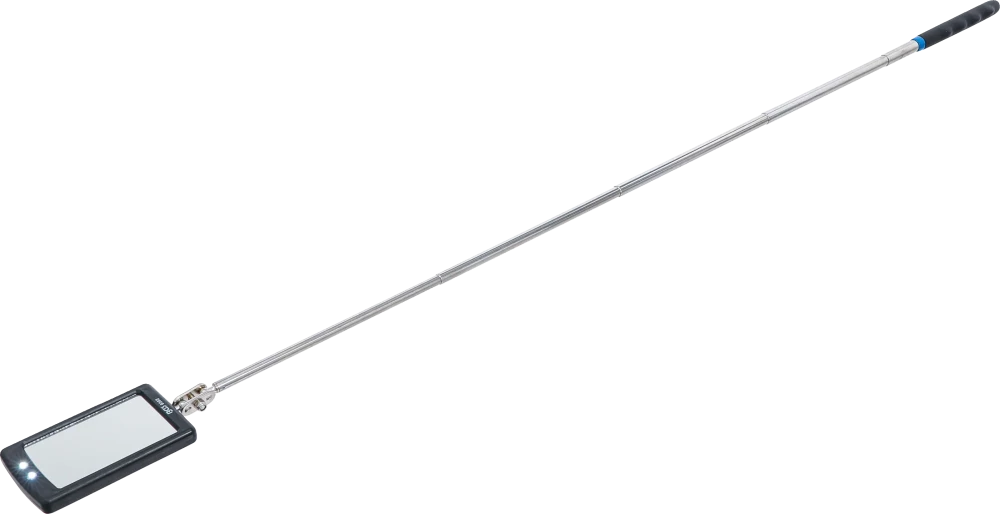
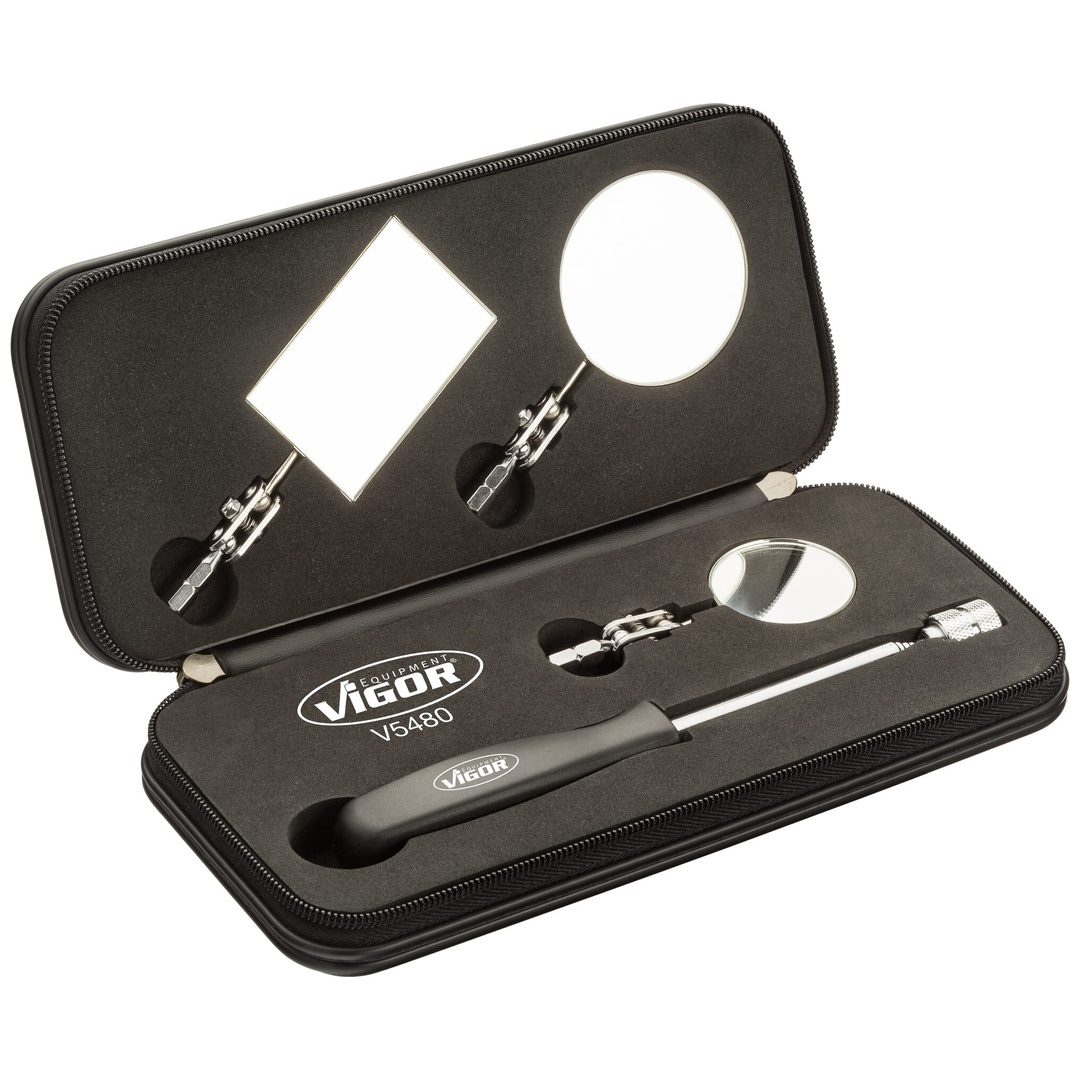

![Ks Tools Werkstattspiegelsatz [Hersteller-Nr. 550.1145]](https://cdn.carpartsplatform.net/ggl/product/1500x1500/5810201.jpg)
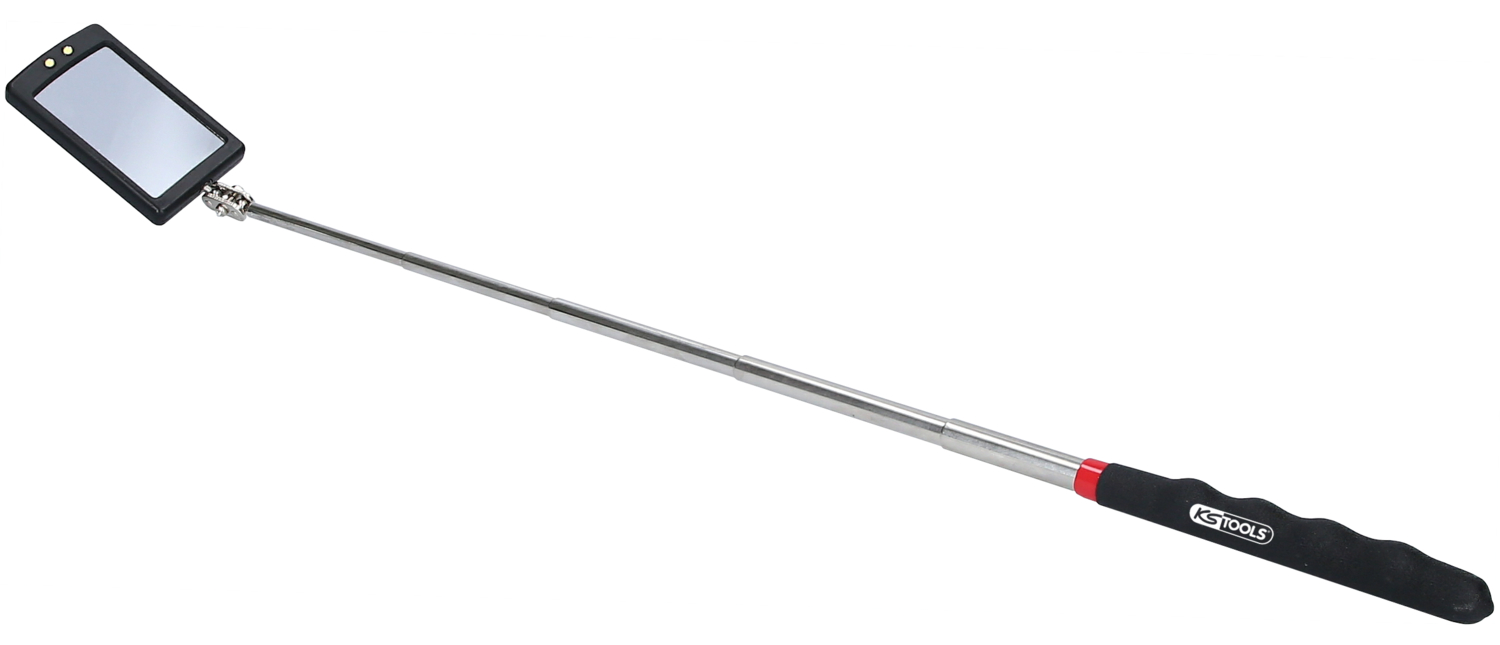
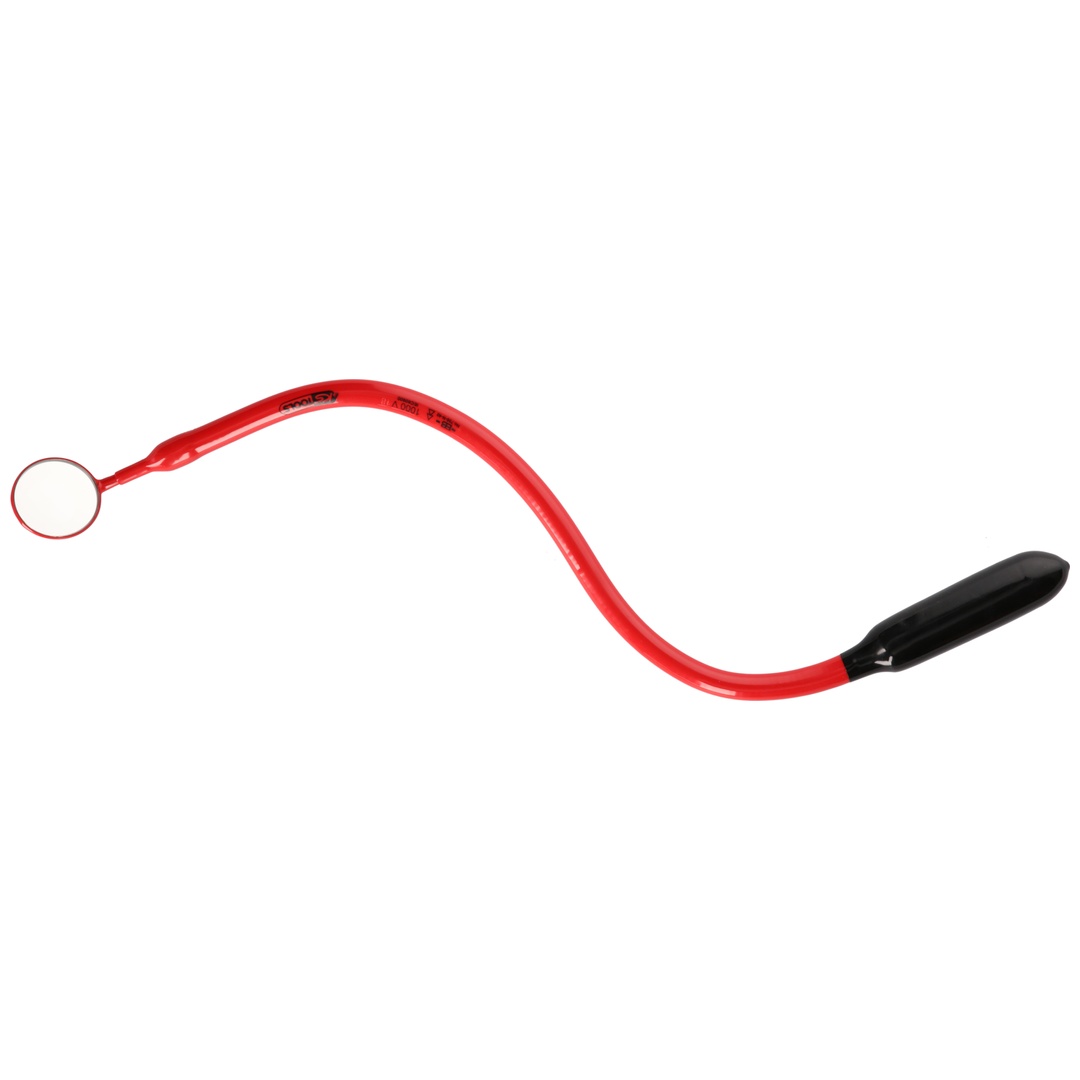
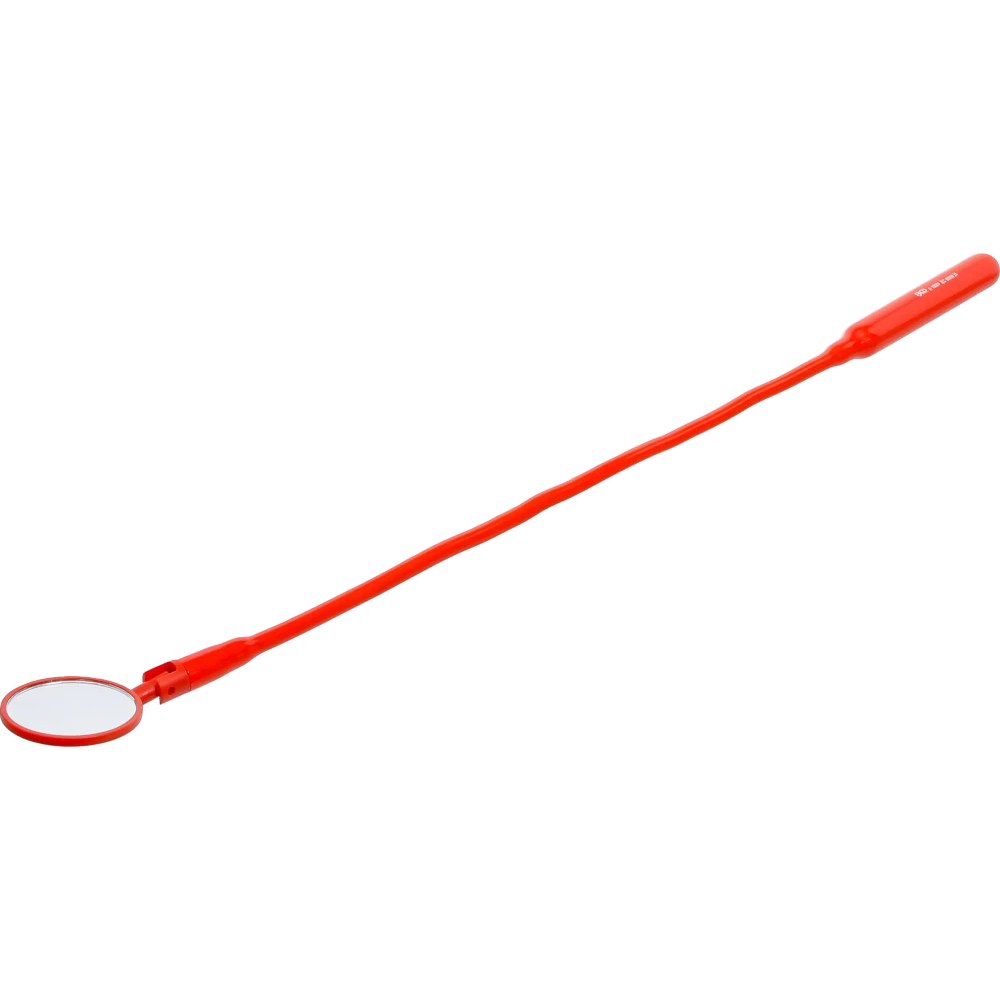
![Ks Tools Suchspiegel mit Schutzisolierung, 40 mm, Normale Linse [Hersteller-Nr. 117.2408]](https://cdn.carpartsplatform.net/ggl/product/1500x1500/4716253.jpg)

![Sw Stahl LED Inspektionsspiegel, ausziehbar [Hersteller-Nr. 30017SB]](https://cdn.carpartsplatform.net/ggl/product/1500x1500/4751863.jpg)